
The worst mistake you can make with clinical AI is to “wait and see.”
By the time your hospital rolls out its first serious AI tools, the people leading those projects will be the ones who quietly prepared five years earlier. If you start when the job posting appears, you are already late.
Here is a structured 5‑year plan. Year‑by‑year, and when useful, month‑by‑month. If you follow this, you will not just “use AI tools.” You will be the person administrators pull into the room when they say, “We need someone who understands both the medicine and the algorithms.”
Overview: What the 5 Years Should Look Like
Before we zoom in, you need the macro structure. Over 5 years, you are building four things in parallel:
- Clinical credibility
- Technical literacy (not “I took a Coursera,” but actual skill)
- Visible outputs (projects, talks, code, pilots)
- Network and reputation in the clinical AI space
Roughly, the arc looks like this:
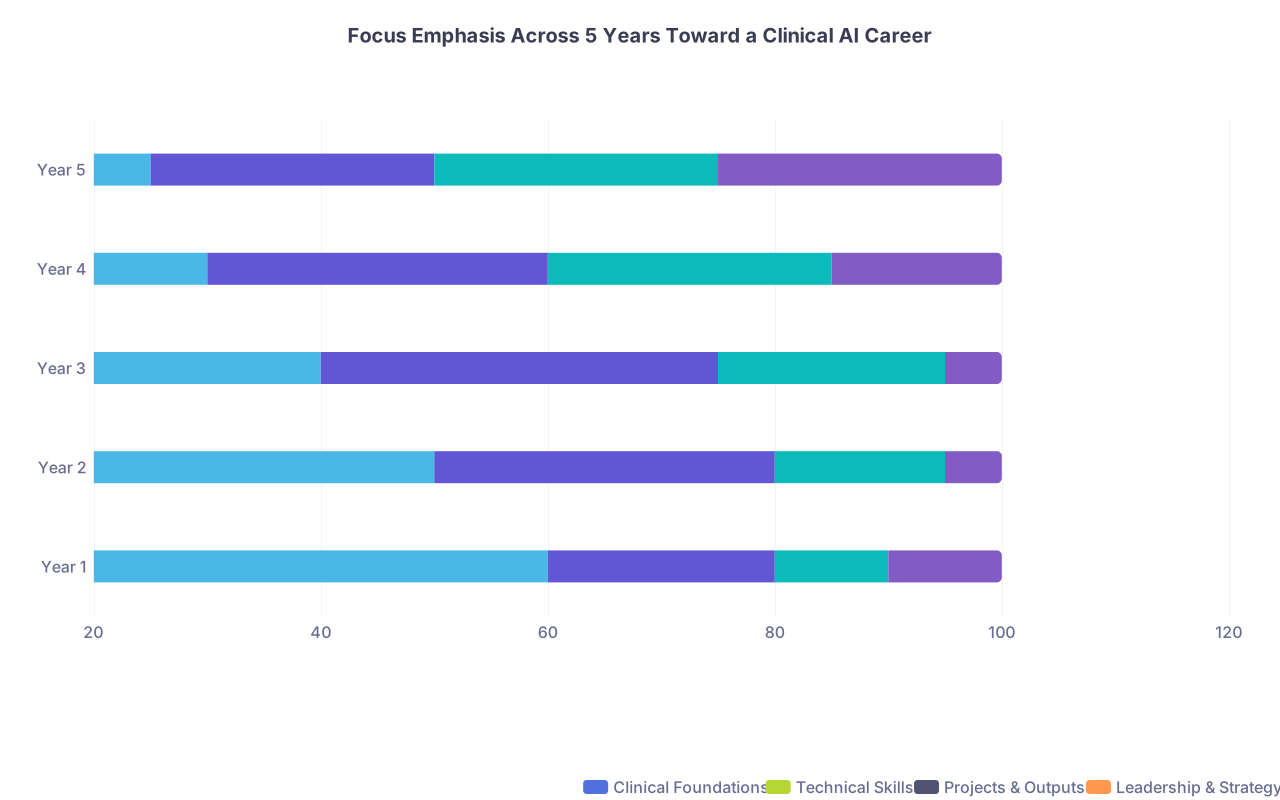
| Category | Clinical Foundations | Technical Skills | Projects & Outputs | Leadership & Strategy |
|---|---|---|---|---|
| Year 1 | 60 | 20 | 10 | 10 |
| Year 2 | 50 | 30 | 15 | 5 |
| Year 3 | 40 | 35 | 20 | 5 |
| Year 4 | 30 | 30 | 25 | 15 |
| Year 5 | 25 | 25 | 25 | 25 |
Year 1 – Orientation and Fundamentals
Clarify your role, learn the landscape, begin basic AI fluency.Year 2 – Skill Acquisition and First Outputs
Structured technical learning + 1–2 tangible projects.Year 3 – Deepening and Specialization
Own a niche (radiology AI, ICU prediction, workflow tools, documentation AI, etc.).Year 4 – Implementation and Leadership
Move from “learner” to “driver” of at least one real clinical AI initiative.Year 5 – Positioning and Transition
Make yourself impossible to ignore for clinical AI roles: hospital, startup, or academic.
Now we go year by year.
Year 1: Orient, Observe, and Build Baseline Fluency
At this point you should not be “building your startup.” You should be getting your bearings and learning the language.
Months 1–3: Map Your Starting Point
First 12 weeks, you answer three questions: Who am I now? Where do I sit? What do I already have that transfers?
Week 1–2: Take stock
Write this out. Literally.
- Current status: pre‑med, med student, resident, fellow, staff?
- Clinical domain: Are you gravitating toward data‑rich areas (ICU, radiology, oncology, ED, pathology) or others?
- Skills inventory:
- Coding experience: none / basic Python / competent
- Stats / data science: basic biostats vs. regression / ML familiarity
- Existing research, QI, or informatics work
By the end of month 1 you should have a one‑page “starting profile” and a rough guess of your likely clinical domain.
Month 2: Learn the landscape (properly)
You need a structured primer on clinical AI, not just random tweets.
By the end of month 2 you should have:
- Read at least 10–15 key papers or reports:
- Classic examples: sepsis prediction, radiology triage, diabetic retinopathy screening, AI‑driven documentation.
- One or two critical pieces on model bias and fairness in healthcare.
- Written 1–2 pages of notes summarizing:
- Use cases in your likely specialty
- Failure stories (e.g., models that looked good in development but failed in deployment)
- Regulatory landscape basics (FDA Software as a Medical Device, CDS rules, HIPAA issues)
Do not overcomplicate this. One hour most days is enough.
Month 3: Basic AI literacy
The goal here is vocabulary and intuition.
By the end of month 3 you should:
- Understand, at a conceptual level:
- What “supervised learning” means
- What features, labels, training/validation/test sets are
- Why overfitting matters
- The idea of calibration and AUROC vs. precision‑recall
- Have finished at least one short intro course on:
- Machine learning for healthcare or
- A very light Python + ML crash course
You are not “the data scientist” yet. You are simply able to have a non‑embarrassing conversation with one.
Year 2: Build Real Skills and Ship Your First Project
At this point you should shift from passive learning to making things, even if small.
Months 13–18: Commit to a Technical Path
You have two main technical arcs. You do not need both at a deep level, but you must pick at least one to do seriously.
| Path | Primary Focus |
|---|---|
| Applied ML & Coding | Python, modeling |
| Clinical Informatics | EHR, workflows |
Applied ML & Coding path
- By month 18 you should:
- Be comfortable with Python, pandas, scikit‑learn, Jupyter.
- Have built at least 2–3 small models on open datasets (not necessarily medical).
- Understand how to read and implement basic ML tutorials without hand‑holding.
- By month 18 you should:
Clinical Informatics path
- By month 18 you should:
- Understand your institution’s EHR structure (Epic/ Cerner modules, where data live).
- Know the basics of HL7/FHIR concepts, order sets, CDS alerts.
- Shadow or meet with someone in CMIO, informatics committee, or IT every 4–6 weeks.
- By month 18 you should:
Some people do both. Most do not have the time. Pick your depth.
Months 19–24: First Tangible Project
This is where almost everyone fails. They keep “studying” and never ship anything. You are going to do the opposite.
By the end of Year 2 you should have one completed, shareable project. Examples:
- Charts‑based project: Predict 30‑day readmission for a ward using de‑identified data.
- Workflow project: Improve a CDS alert to reduce alert fatigue while maintaining sensitivity.
- NLP project: Use simple NLP to classify discharge summaries by risk or complexity.
Minimum bar:
- There is a clear clinical question.
- You used real data (even if small or de‑identified public datasets).
- You can show:
- Problem
- Approach
- Basic performance metrics
- Why it would or would not work in the real world
You should present this once:
- At a local research day, QI meeting, or departmental conference.
That first 10‑minute talk does more for your trajectory than half the courses you could take.
Year 3: Specialize and Deepen in a Niche
At this point you should stop being a general “AI person” and become “the [specific thing] person.”
Months 25–30: Choose Your Clinical AI Niche
Pick one area where you can combine:
- Your likely specialty
- Data richness / feasibility
- Institutional need
Examples:
- ICU: early warning scores, sepsis prediction, dynamic risk.
- Radiology: triage, prioritization, structured reporting, QA.
- Pathology: digital slide analysis, workflow routing.
- Primary care: risk stratification, documentation AI, panel management.
- Oncology: treatment response prediction, symptom triage.
By month 30 you should be able to say one sentence:
“I focus on AI tools for [X domain], specifically [Y type of task].”
Not “I’m interested in AI.”
Months 31–36: Produce At Least Two Deeper Outputs
In Year 3, you move from “toy projects” to work that looks serious on a CV.
Your goals by the end of Year 3:
One of these:
- A submitted manuscript (even if not yet accepted) in your niche.
- A substantial institutional report or white paper on an AI use case.
- A prototype tool that colleagues actually use in a limited way.
And at least one public presentation:
- Specialty conference (RSNA, HIMSS, AMIA, SCCM, ASCO, etc.) or
- Hospital grand rounds / invited talk on AI in your area.
Here is what your months should roughly look like:
- Months 25–27: Deep dive literature review in your niche, refine one core question.
- Months 28–32: Data work + modeling or implementation; iterate with a technical partner.
- Months 33–36: Write, submit, present.
You should now be on a first‑name basis with at least:
- One data scientist or engineer at your institution.
- One informatics or QI leader.
- One faculty member or attending who can say: “Yes, they are serious about this.”
Year 4: Move from Analyst to Implementer and Leader
At this point you should be touching real systems, not just Jupyter notebooks.
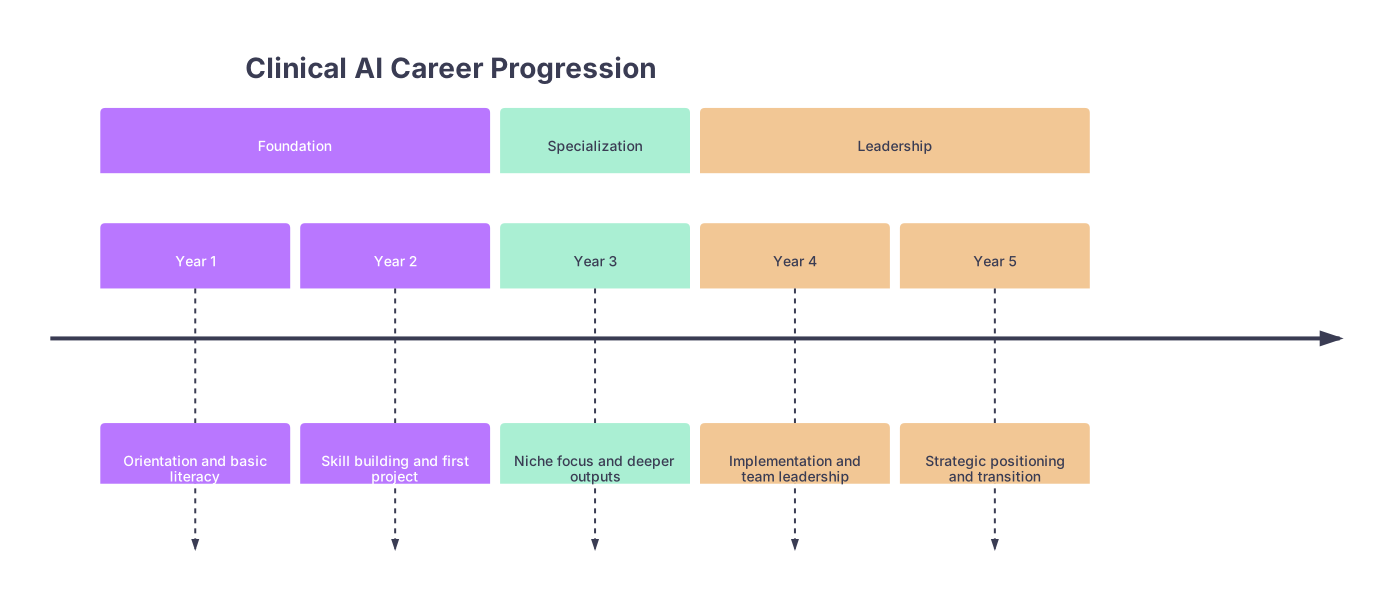
| Period | Event |
|---|---|
| Foundation - Year 1 | Orientation and basic literacy |
| Foundation - Year 2 | Skill building and first project |
| Specialization - Year 3 | Niche focus and deeper outputs |
| Leadership - Year 4 | Implementation and team leadership |
| Leadership - Year 5 | Strategic positioning and transition |
Months 37–42: Join or Start a Real Implementation Effort
You need to get next to, or inside, an actual deployment. That means dealing with:
- EHR integration
- IT security
- Legal/compliance review
- Clinician skepticism
- Monitoring and maintenance
By month 42 you should be involved in at least one initiative that touches:
- Live or near‑live data streams, or
- Production‑like environments (test EHR, pilot unit, etc.).
Concrete examples:
- Helping evaluate a vendor’s sepsis prediction tool: performance, bias, workflow impact.
- Leading a small pilot of an AI‑assisted documentation tool on one ward.
- Participating in an internal team building a triage model and implementing it as a quiet, non‑interruptive CDS.
Your role may be:
- Clinical champion
- Bridge between data science and front‑line staff
- Evaluation lead (designing how to measure success and harms)
This is where you learn what actually breaks when AI leaves the sandbox.
Months 43–48: Lead Something with Your Name on It
By the end of Year 4, there should be at least one initiative where you are clearly in a leadership or co‑leadership role.
Metrics that you are on track:
Your name is on:
- A protocol or project charter as PI, co‑PI, or clinical lead.
- An internal presentation to leadership summarizing results.
You can clearly state:
- What the model/tool does
- How it affects workflow
- What the measured impact is (good and bad)
- How it is monitored
This is the year your CV crosses the threshold from “promising” to “this person has actually done it.”
Year 5: Positioning Yourself for the Role You Want
At this point you should be thinking clearly about the job you want next, not just “more experience.”
Early Year 5 (Months 49–54): Decide Your Target Role
Most clinical AI careers cluster into a few patterns:
Academic clinician‑scientist in AI
- Protected time, grants, publications, leadership in AI initiatives.
Clinical informatics / CMIO track
- You become the bridge between tech and clinical operations.
Industry / startup hybrid
- Part‑time clinical, part‑time at a company (medical director, clinical lead, etc.).
Full‑time industry
- You move almost entirely into product, clinical strategy, or safety for AI companies.
By month 54 you should have:
- Talked to 3–5 people actually doing each role you are considering.
- Written a one‑page “target job description” for your ideal next step.
- Identified the 2–3 gaps you still need to close (e.g., more publications, formal informatics training, regulatory knowledge).
Late Year 5 (Months 55–60): Close Gaps and Market Yourself
This is explicit positioning, not random hustle.
By the end of Year 5 you should have:
A coherent narrative
Three‑sentence story that ties your clinical work, technical skills, and projects together into a single trajectory.Evidence for each pillar:
- Clinical credibility: board eligibility/certification, solid evaluations.
- Technical or informatics chops: visible projects, maybe course certificates, code repos, or tools used in your institution.
- Leadership and implementation: clearly documented pilots or initiatives, with outcomes.
Public footprint (minimal but real):
- 1–2 invited talks or panels on clinical AI.
- A professional profile or site listing:
- Your niche
- Key projects and publications
- Topics you speak or consult on
At this point, when a new AI initiative is proposed in your hospital or a company looks for a clinical AI lead, you should be the obvious person to call.
Month‑by‑Month Micro‑Habits That Compound
Across all 5 years, there are small, repeatable actions that separate serious people from dabblers.
Every month, aim for:
- 1 paper read carefully in your niche, with notes.
- 1 conversation with someone more advanced than you (data scientist, informaticist, AI‑savvy clinician).
- 1 small brick added to a project (a pull request, analysis, meeting with IT, user feedback session).
Every 6 months:
- Refresh your “portfolio”:
- Slides, project one‑pagers, updated CV.
- Ask one senior person for blunt feedback:
- “If I want to be a leader in clinical AI in 5–10 years, what am I missing?”
Common Detours You Should Avoid
I have watched people derail their own ambitions repeatedly. Quickly:
Endless coursework, no output
If you are still “taking courses” in Year 3 and have not finished a single real project, you are stalling.No clinical anchor
Pure tech without clinical credibility gets ignored in healthcare. Anchor in a clear clinical domain.Vendor hype addiction
Forwarding press releases is not a career. You need to understand what breaks inside real workflows.Lone‑wolf mentality
Clinical AI is inherently multidisciplinary. If data scientists dislike working with you, you lose.Ethics and equity as an afterthought
If you cannot speak concretely about bias, safety, and explainability, you will be sidelined from serious roles.
Quick Visual: 5‑Year Milestone Snapshot
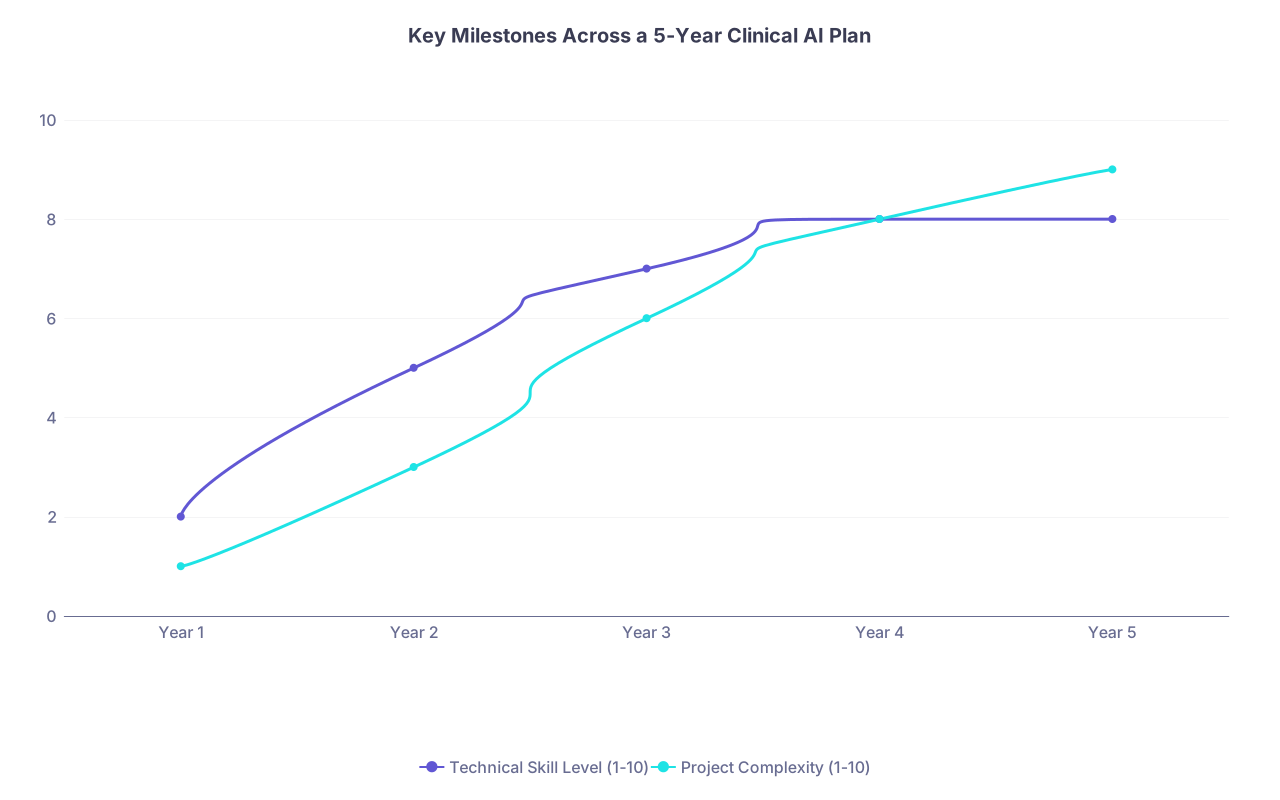
| Category | Technical Skill Level (1-10) | Project Complexity (1-10) |
|---|---|---|
| Year 1 | 2 | 1 |
| Year 2 | 5 | 3 |
| Year 3 | 7 | 6 |
| Year 4 | 8 | 8 |
| Year 5 | 8 | 9 |
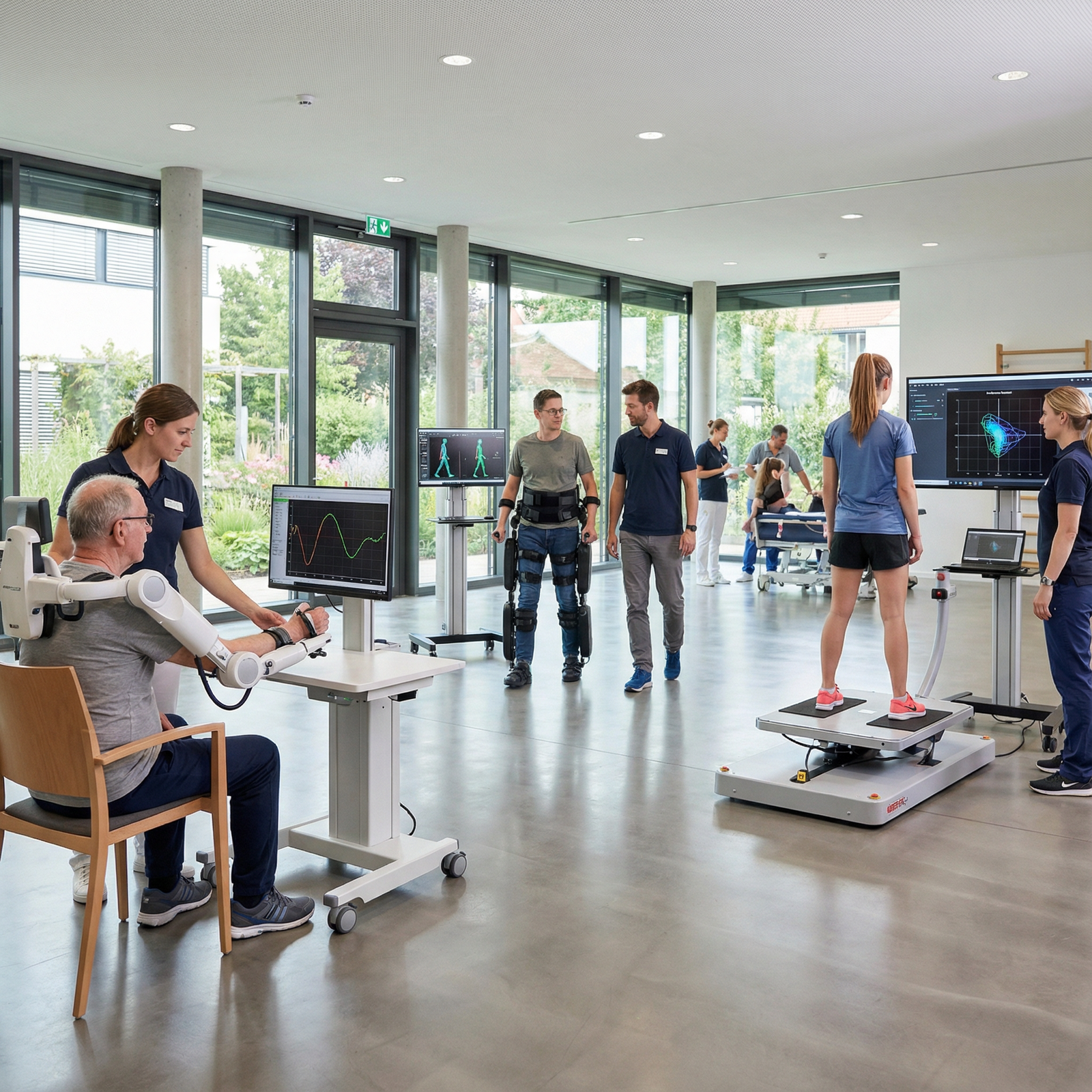
By Year 5, you are not just “interested in AI.” You are demonstrably capable of:
- Understanding models and their limitations
- Translating between technical and clinical teams
- Running or co‑running real implementations
That combination is exactly what is scarce.
What You Should Do Today
Open a blank document and write three things:
- Your current status and likely clinical domain (even if tentative).
- Where you want to be in 5 years in one clear sentence (“I want to be…”).
- The first small project you could realistically start in the next 90 days.
Once you have that written, send it to one person who is even slightly closer to clinical AI than you are and ask:
“What would you change about this 5‑year plan?”