Big Data is rapidly reshaping how healthcare is delivered, measured, and improved. For medical students, residents, and healthcare leaders, understanding Big Data in Healthcare is no longer optional—it is central to modern clinical practice, health system management, and medical research.
This expanded guide explores what Big Data really means in the healthcare context, how it is improving Patient Outcomes and Operational Efficiency, and how you can engage with these tools in your evolving clinical career.
Understanding Big Data in Healthcare: Foundations for Clinicians
What Is Big Data in Healthcare?
In practical terms, Big Data in Healthcare refers to extremely large, complex, and rapidly growing datasets that cannot be effectively managed or analyzed with traditional tools alone. These datasets integrate information across:
Electronic Health Records (EHRs)
Structured data (labs, medications, diagnoses) and unstructured data (clinical notes, imaging reports, operative notes).Wearable Devices and Remote Monitoring
Continuous streams of heart rate, step counts, sleep patterns, blood glucose levels, blood pressure, and cardiac rhythm from devices like smartwatches, CGMs, and home monitors.Genomic and Omics Data
Whole-genome and exome sequencing, transcriptomics, proteomics, metabolomics—massive datasets central to precision and personalized medicine.Medical Imaging and Digital Pathology
Radiology (CT, MRI, ultrasound), pathology slides, dermatologic images—often high-resolution files that can be mined for patterns using AI.Insurance Claims and Administrative Data
Billing codes, utilization data, costs of care, length of stay, readmissions—critical for population health and Operational Efficiency analytics.Patient-Generated and Behavioral Data
Patient portals, symptom trackers, questionnaires, social determinants of health metrics, and even social media signals.Clinical Trials and Registries
Large, multicenter trial data; disease registries for oncology, cardiology, rheumatology, and rare diseases.
Individually, these data sources are powerful. When integrated and analyzed collectively, they form the backbone of data-driven Healthcare delivery and Medical Research.
The 4 (and 5th) Vs of Healthcare Big Data
To understand why Big Data demands new approaches, remember the classic “4 Vs” (plus a 5th often added in healthcare):
Volume
Terabytes to petabytes of clinical, imaging, and genomic data generated every day across health systems.- Example: A single hospital system’s EHR may store tens of millions of clinical notes and millions of imaging studies.
Velocity
The speed at which data is created and must be processed.- Continuous vitals from ICU monitors, real-time telemetry, or minute-by-minute glucose readings from CGMs require fast analytics for timely intervention.
Variety
Data arrives in many formats: structured tables, free text, images, waveforms, audio, and video.- For residents, this means a patient’s “data story” is scattered across progress notes, labs, PACS images, nursing flowsheets, and external records.
Veracity
Data quality, completeness, and trustworthiness.- Missed diagnoses, copy-pasted notes, incorrect coding, and missing values can distort analyses and clinical decision support tools.
Value (often added in healthcare)
Data has clinical and operational value only when converted into actionable insights that change behavior or outcomes—fewer readmissions, shorter LOS, better disease control, lower mortality, or improved patient experience.
For residents and early-career clinicians, the key question is always: How does this data translate into better care for my patient or my clinic/hospital?

How Big Data Is Transforming Healthcare Delivery
1. Improving Patient Care and Outcomes Through Data-Driven Medicine
Big Data is most compelling when it demonstrably improves Patient Outcomes. Key applications include:
Predictive Analytics and Risk Stratification
Using historical and real-time data, predictive models can estimate a patient’s risk of:
- 30-day readmission
- Sepsis within the next 12–24 hours
- Deterioration on the ward requiring ICU transfer
- Postoperative complications
- ED revisits or avoidable hospitalizations
Example in practice:
A health system integrates EHR vitals, labs, comorbidities, and nursing assessments into a sepsis early warning system. The system flags high-risk patients, prompting earlier lactate checks, cultures, and antibiotics. Multiple studies have demonstrated reductions in mortality and ICU length of stay with such tools when combined with well-designed clinical workflows.
For residents: understanding how risk scores are derived (e.g., LAPS, NEWS2, SOFA-based tools) and their limitations is crucial. Predictive models are aids—not replacements—for clinical judgment.
Precision and Personalized Medicine
Genomic and other omics data, when combined with clinical phenotypes and outcomes data, support:
- Targeted cancer therapies based on tumor molecular profiling.
- Pharmacogenomics to guide antidepressant, anticoagulant, and opioid prescribing.
- Tailored dosing in renal/liver dysfunction using real-world data and modeling.
Oncology example:
By aggregating genomic profiles, treatment regimens, and survival data from thousands of patients, Big Data platforms can suggest which regimens have historically been most effective for patients with specific mutation patterns (e.g., EGFR, ALK, PDL1 status).
For trainees: familiarity with clinical decision support tools that incorporate genomic data is becoming an expected skill in oncology, hematology, and other subspecialties.
Medication Management and Safety
Big Data analytics can identify patterns of:
- Adverse drug events (ADEs) and drug–drug interactions.
- High-risk prescribing (e.g., opioids in patients with OSA or concurrent benzos).
- Medication non-adherence using refill data, wearables, and remote monitoring.
Systems can then generate targeted alerts, recommend safer alternatives, or suggest deprescribing opportunities. When well-designed, these tools reduce harm and improve quality metrics; when poorly designed, they contribute to alert fatigue—an important systems issue for clinicians to recognize and report.
2. Enhancing Operational Efficiency Across Health Systems
Big Data is just as transformative on the systems side, directly affecting Operational Efficiency, resource utilization, and financial sustainability.
Smarter Staffing and Resource Allocation
Predictive models can forecast:
- Daily and hourly ED arrivals
- Seasonal admission trends (e.g., respiratory viruses, trauma)
- ICU bed demand and surgical volume
This enables:
- Optimized staffing (matching nurse/physician coverage to expected volume)
- Proactive opening/closing of units
- Better OR block utilization and reduced case delays
For residents and faculty in leadership tracks, understanding how these forecasts impact scheduling, throughput, and burnout is key to advocacy and systems improvement.
Workflow Optimization and Throughput
Analyzing time stamps (triage, consult requests, imaging orders, transport, discharge orders) allows teams to:
- Identify bottlenecks in ED-to-ward transfer
- Shorten door-to-needle times (e.g., stroke, STEMI)
- Reduce time from discharge order to actual patient departure
- Streamline consult workflows across services
Combined with real-time dashboards, leaders can adjust processes quickly, improving both patient experience and staff satisfaction.
Cost Reduction Without Compromising Quality
By integrating clinical, operational, and financial data, health systems can identify:
- High-cost, low-value tests and procedures
- Variation in practice between clinicians or sites
- Opportunities for standardizing care pathways (e.g., ERAS protocols)
- Readmission drivers that can be addressed in ambulatory settings
For those involved in quality improvement or value-based care projects, Big Data provides the measurement infrastructure to track interventions and justify changes to leadership.
3. Big Data and Public Health: Population-Level Impact
Beyond individual patient care, Big Data has transformed population health and public health surveillance.
Real-Time Epidemiologic Monitoring
Large-scale data aggregation enables:
- Early detection of influenza, COVID-19, and other outbreaks using EHR symptom clusters, lab orders, and even OTC purchase trends.
- Geographic mapping of disease hot spots and vaccination gaps.
- Rapid evaluation of public health interventions (e.g., policy changes, mask mandates).
Public health authorities can shift from retrospective reporting to near real-time surveillance, enabling faster response and resource mobilization.
Social Determinants of Health (SDOH) and Health Equity
Linking clinical data with:
- Neighborhood-level deprivation indices
- Transportation access
- Housing stability
- Food insecurity data
allows systems to identify vulnerable populations and tailor interventions (mobile clinics, community health workers, telehealth expansion). For trainees, this underscores why documenting SDOH and connecting patients with community resources matters—not just for individuals but for system-level planning.
4. Accelerating Medical Research Through Big Data
Big Data has changed how Medical Research is conceived, conducted, and translated into practice.
Smarter Clinical Trials and Real-World Evidence
Key applications include:
- Cohort Identification: Quickly identifying eligible patients for trials using EHR and registry data (e.g., specific lab cutoffs, comorbidities, genomic markers).
- Adaptive Trial Designs: Modifying trial arms in near real time as outcomes data are analyzed.
- Real-World Evidence (RWE): Using health system and claims data to complement RCTs, especially for rare events, long-term outcomes, or understudied populations.
Regulatory agencies increasingly accept RWE in decision-making, making data literacy important for clinicians interpreting new therapies.
Data Sharing and Multi-Institution Collaborations
Large consortia and data-sharing platforms (e.g., cancer registries, PCORnet, international COVID-19 collaborations) allow:
- Rapid replication and validation of findings.
- Study of rare diseases and uncommon adverse events.
- More inclusive research across diverse populations.
For residents considering academic careers, gaining exposure to data repositories, common data models (e.g., OMOP), and collaborative analytics will be advantageous.
Real-World Applications: From Concept to Bedside
Predictive Analytics in Hospital Operations
Example: Readmission Risk Models
Systems like Mount Sinai have developed models that estimate a hospitalized patient’s 30-day readmission risk using:
- Demographics and comorbidities
- Prior utilization (ED visits, admissions)
- Lab abnormalities and vitals
- Social factors and functional status
High-risk patients may receive:
- More intensive discharge planning
- Early follow-up appointments
- Medication reconciliation and counseling
- Home health support or telehealth visits
Outcomes have included fewer readmissions and improved Patient Outcomes, while also reducing penalties associated with readmission metrics.
IBM Watson and Oncology Decision Support
IBM Watson for Oncology (and similar platforms) aggregates:
- Clinical guidelines
- Published literature and trial data
- Prior patient records and outcomes
To provide ranked treatment options for specific cancer types and stages.
While real-world evaluations have been mixed and highlight the limits of current AI, these tools demonstrate how Big Data can:
- Accelerate literature review
- Suggest options clinicians may not have considered
- Support shared decision-making with patients by visualizing evidence
For clinicians, the takeaway is not to trust AI blindly, but to incorporate it as a tool while critically appraising its outputs.
Continuous and Remote Monitoring
Wearables and remote patient monitoring programs provide continuous data streams that can transform care models:
- Cardiology: Wearables detect atrial fibrillation or other arrhythmias, prompting early workup and stroke prevention.
- Endocrinology: CGMs integrated with smartphone apps and clinician dashboards support tighter diabetes control.
- Heart Failure: Home scales and BP/HR monitoring feed algorithms to detect decompensation, triggering early diuretic adjustments or nurse outreach.
For residents, remote monitoring is increasingly part of standard care. Understanding thresholds, alerts, and escalation protocols is essential for managing these digitally connected patients.
Challenges and Risks of Big Data in Healthcare
While the potential is enormous, Big Data comes with significant challenges that clinicians need to understand.
Data Privacy, Security, and Ethics
Key concerns include:
- HIPAA and GDPR Compliance: Ensuring appropriate consent, de-identification, and secure storage and sharing of data.
- Cybersecurity Threats: Ransomware attacks and data breaches can disrupt care and erode patient trust.
- Secondary Use of Data: Using clinical data for research, marketing, or algorithm development raises complex ethical and legal questions.
For trainees, this means being conscientious about data access, avoiding unauthorized downloads/exports, and understanding institutional policies on research and data use.
Data Quality and Standardization
Problems frequently encountered:
- Inconsistent coding (e.g., diagnoses, procedures)
- Variation in documentation practices between clinicians
- Missing or erroneous data
- Non-interoperable EHR systems and proprietary data formats
Efforts like standardized terminologies (SNOMED CT, LOINC, RxNorm) and interoperability standards (HL7 FHIR) are improving this landscape, but challenges remain.
Algorithm Bias and Fairness
Predictive models can inadvertently perpetuate or amplify health disparities if:
- Training data reflect existing inequities.
- Race or socioeconomic variables are used in problematic ways.
- Tools are not validated in diverse populations.
For example, algorithms that use healthcare spending as a proxy for health needs may underestimate the needs of historically underserved groups.
Clinicians must be empowered to ask:
- How was this algorithm developed and validated?
- On which populations?
- Are there known biases or limitations?
Cultural and Organizational Resistance
Barriers include:
- Clinician skepticism or fatigue with new tools.
- Poorly integrated interfaces that add clicks and cognitive load.
- Lack of training or time to interpret dashboards and analytics.
Success depends not just on sophisticated models, but on user-centered design, frontline involvement, and ongoing education.
The Future of Big Data in Healthcare: What Trainees Should Anticipate
Looking ahead, several trends will shape the future of Healthcare and Medical Research:
Integration with Artificial Intelligence and Machine Learning
AI and ML will:
- Extract meaning from unstructured text (NLP on clinical notes and imaging reports).
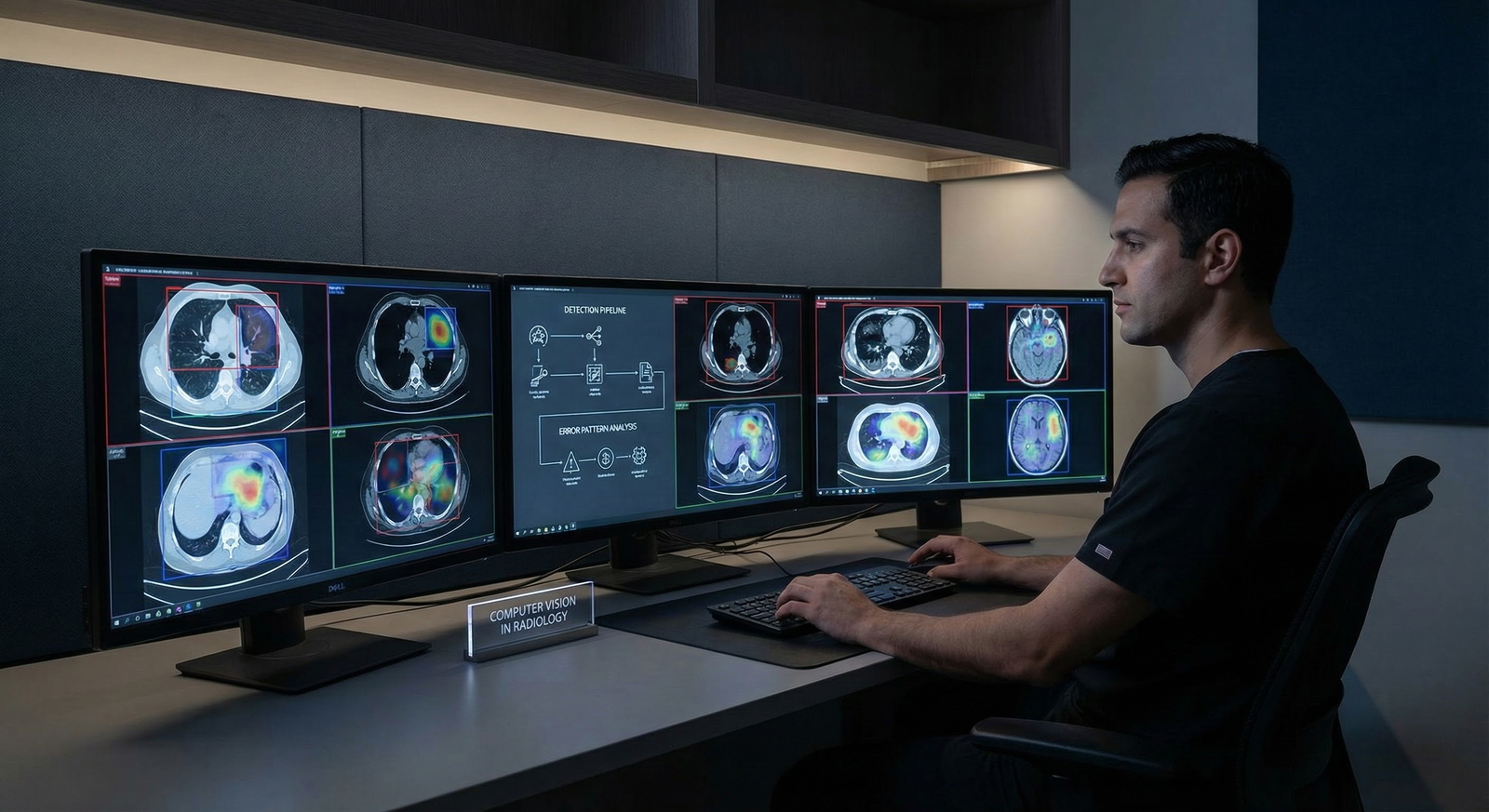
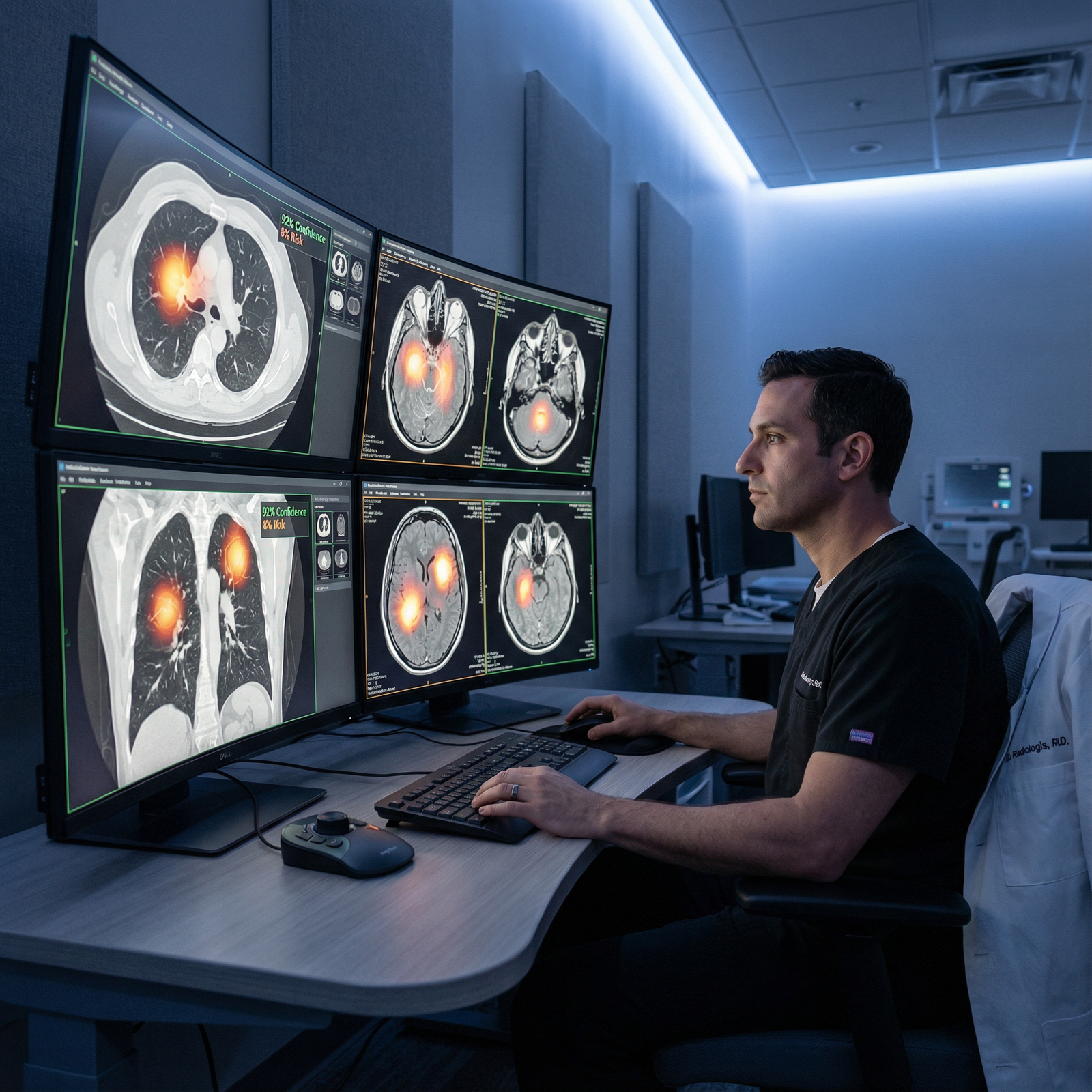
- Interpret imaging and pathology slides with near-expert performance.
- Enable more precise predictive models that update as new data arrive.
Clinicians will increasingly function as AI-augmented decision-makers, reviewing and contextualizing algorithmic outputs rather than generating all assessments manually.
Continuous, Ambient, and Proactive Care
The combination of IoT devices, home sensors, and wearables will shift care:
- From episodic visits to continuous monitoring.
- From reactive care to proactive and preventive interventions.
- From hospital-centric to home- and community-based care.
This will require new workflows, reimbursement models, and training in virtual and hybrid care models.
Deeper Personalization and Digital Therapeutics
As more longitudinal data accumulate, personalized care plans will consider:
- Genomic risk profiles
- Lifestyle and behavioral data
- Response patterns to prior therapies
- Patient preferences and values
Digital therapeutics (e.g., app-based CBT, digital diabetes programs) will generate their own outcome data, further enriching Big Data ecosystems.
What This Means for Residents and Early-Career Physicians
To thrive in this environment, you don’t need to be a data scientist, but you do need:
- Data literacy: Basic understanding of study design, predictive modeling concepts, and limitations.
- EHR and data tool fluency: Knowing how to access, interpret, and act on dashboards, risk scores, and decision support.
- Quality improvement and systems thinking skills: Using data to identify problems and design interventions.
- Ethical awareness: Recognizing and responding to privacy, bias, and equity concerns.

FAQs: Big Data in Healthcare for Medical Trainees and Clinicians
1. What is Big Data in Healthcare, in practical terms?
Big Data in Healthcare refers to large, complex, and fast-growing datasets from EHRs, imaging, genomics, wearables, insurance claims, and patient-generated data that require advanced tools (e.g., AI, machine learning, high-performance computing) to analyze. The goal is to convert this information into improved Patient Outcomes, safer care, and better Operational Efficiency across health systems.
2. How does Big Data directly improve patient outcomes?
Big Data improves outcomes by:
- Identifying high-risk patients early through predictive analytics (e.g., sepsis, readmissions, decompensation).
- Supporting personalized treatment plans using genomic and real-world outcome data.
- Enhancing medication safety with better detection of ADEs and high-risk combinations.
- Enabling continuous monitoring via wearables and remote sensors, allowing earlier intervention.
These insights lead to reduced mortality, fewer complications, shorter hospital stays, and improved quality of life.
3. What are the main challenges of implementing Big Data in clinical practice?
Key challenges include:
- Privacy and Security: Protecting patient data from breaches and misuse; complying with HIPAA/GDPR.
- Data Quality and Standardization: Managing inconsistent, incomplete, or inaccurate data; harmonizing formats and coding.
- Bias and Fairness: Ensuring algorithms do not reinforce existing health disparities.
- Workflow Integration: Avoiding alert fatigue and additional documentation burden; designing tools that fit clinical workflows.
- Cultural Resistance: Addressing skepticism and change fatigue among clinicians and staff.
Overcoming these requires interdisciplinary collaboration between clinicians, IT, data scientists, and leadership.
4. How can residents and medical students get involved with Big Data and healthcare analytics?
Practical steps include:
- Joining quality improvement or population health projects that use EHR data.
- Learning basic statistics, R or Python (optional but helpful), and data visualization tools.
- Participating in institutional informatics or clinical data warehouse initiatives.
- Collaborating with biostatisticians or data scientists on research projects.
- Exploring formal training such as clinical informatics electives, certificates, or fellowships.
Even without coding skills, clinicians can contribute by asking clinically meaningful questions, defining outcomes, and interpreting results.
5. Why is Big Data important for the future of medical research and health systems?
Big Data enables:
- Faster, more efficient clinical trials and generation of Real-World Evidence.
- Large-scale studies across diverse populations, improving generalizability.
- Better understanding of long-term outcomes, rare events, and complex multimorbidity.
- Continuous learning health systems, where every patient encounter contributes to improved care for the next.
For health systems, it supports more sustainable operations, targeted resource use, and evidence-based policy decisions, making Big Data central to the future of healthcare and medicine.
Big Data is not just a technological buzzword—it is a core component of the evolving practice of medicine. For the next generation of clinicians and physician-leaders, fluency in data-driven care will be as essential as physical exam skills and pharmacology. Embracing these tools thoughtfully and ethically offers a powerful route to better care, better health, and a better future for patients and populations alike.