Introduction: How Wearable Technology Is Redefining Health Monitoring
Wearable Technology has moved far beyond counting steps. For today’s clinicians and trainees, it is becoming a core component of Health Monitoring, remote care, and data-driven decision-making. From smartwatches that capture single-lead ECGs to continuous glucose monitors that talk to insulin pumps, these devices are reshaping how we diagnose, treat, and follow patients.
For residency applicants and early-career physicians, understanding this space is no longer optional. Wearables are tightly linked to emerging models of Telehealth, Chronic Disease Management, and Patient Engagement—all central themes in the future of healthcare delivery.
Imagine:
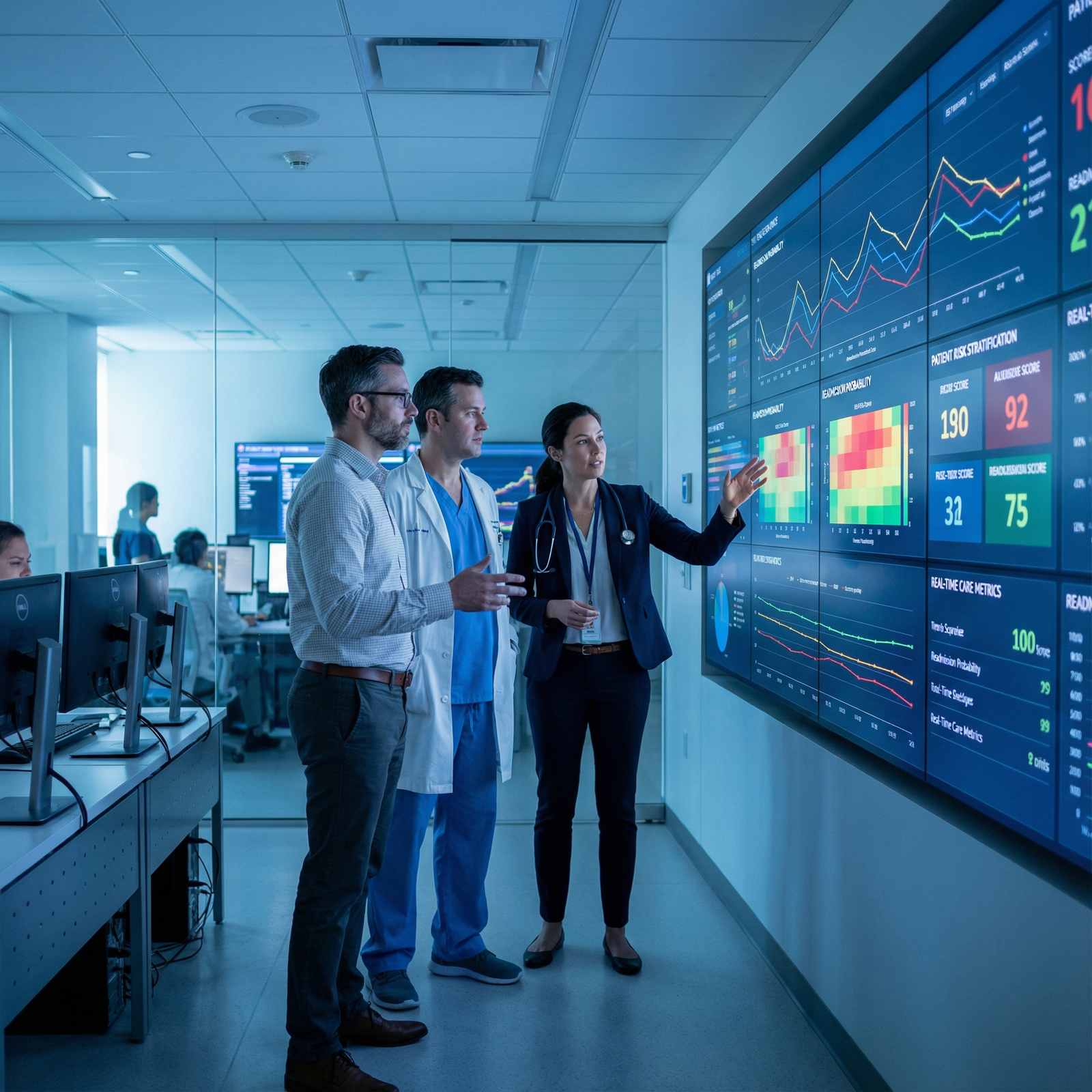
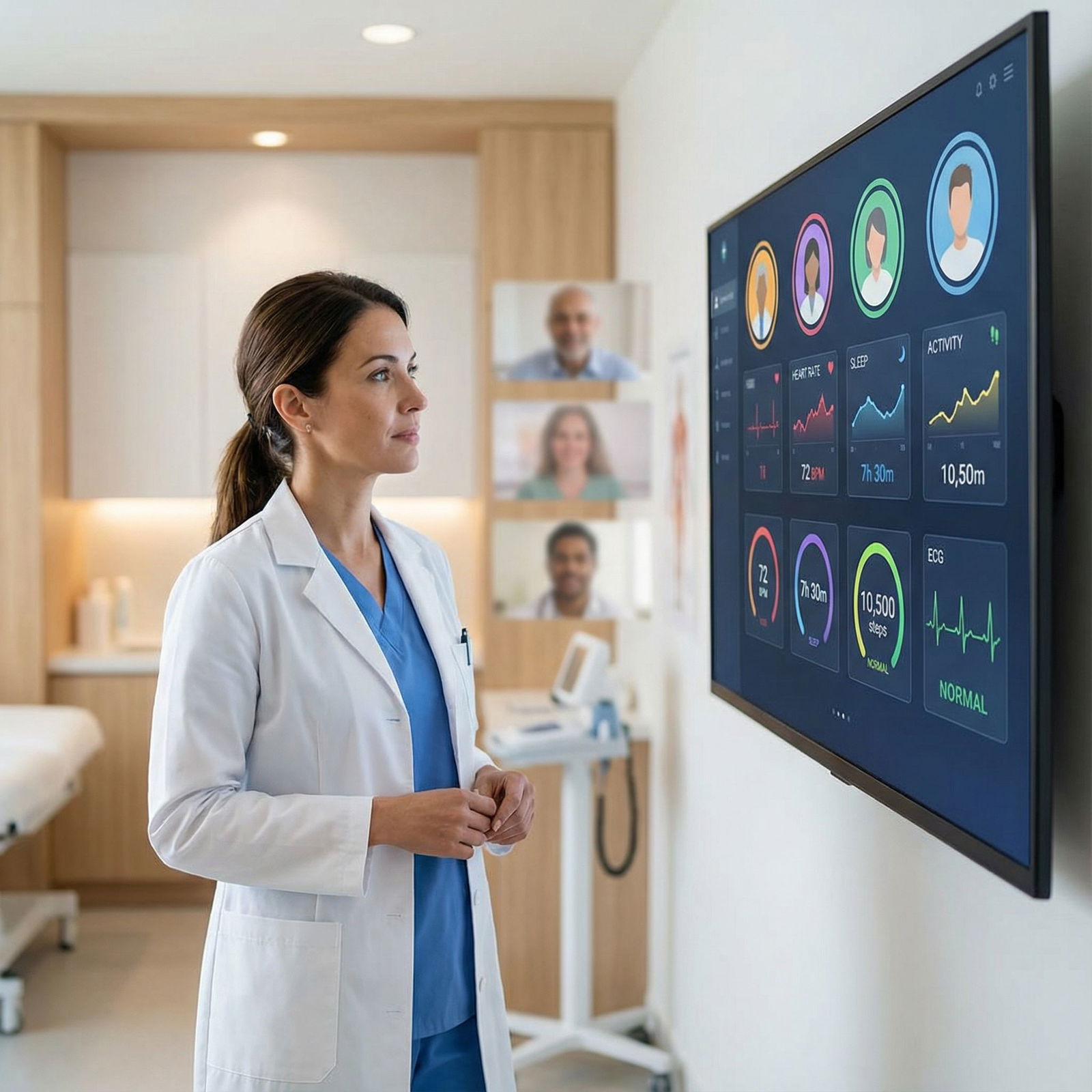
- A heart failure patient whose weight, heart rate, and activity are streamed to a cardiology team dashboard, triggering an early intervention before a hospitalization.
- A patient with type 1 diabetes whose Continuous Glucose Monitoring (CGM) data automatically informs insulin delivery and is reviewed asynchronously by an endocrinologist.
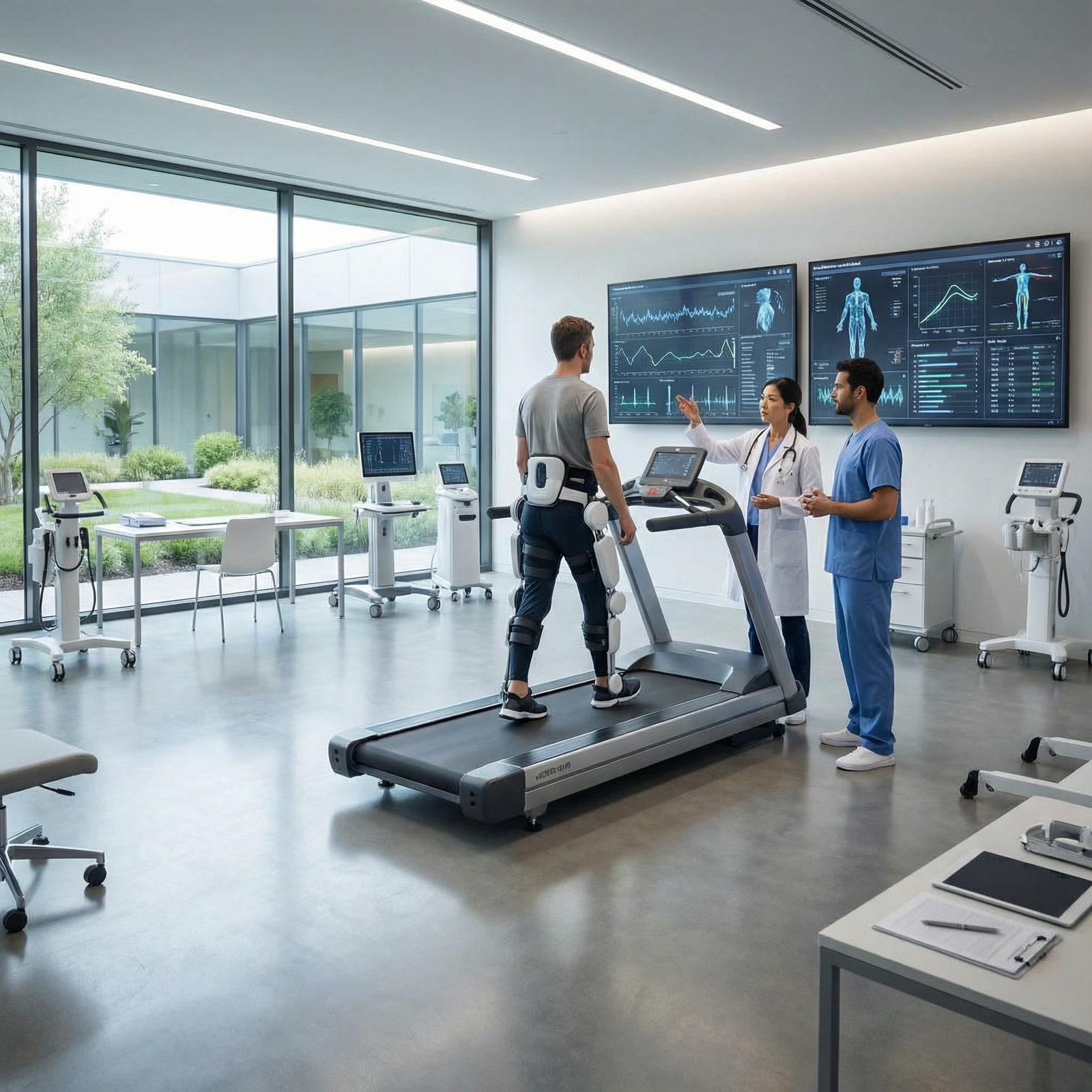
- A post-stroke patient whose gait and upper limb movement are tracked in real time via smart sensors, allowing the rehab team to adjust therapy remotely.
This article reviews the evolution, applications, benefits, and challenges of wearable technology in medicine—and offers practical perspectives for trainees on how to integrate these tools into everyday clinical care.
Evolution of Wearable Technology in Healthcare
Wearable devices in healthcare have followed a clear trajectory—from simple vital sign trackers to tightly integrated clinical tools.
Early Generations: From Fitness Gadgets to Health Data Sources
The earliest forms of clinical wearables date back decades (e.g., Holter monitors for ambulatory ECG). But the modern wave began in the late 2000s and early 2010s:
Basic biometric tracking
- Heart rate monitors and pedometers led the way.
- Consumer devices provided rough estimates of activity and exertion but had minimal clinical integration.
- Clinicians rarely trusted these numbers for decision-making.
Consumer fitness trackers and smartwatches
- The launch of Fitbit (2009) and subsequent devices from Apple, Garmin, and others brought wearables into mainstream culture.
- Step counts, calories, sleep duration, and basic heart rate became part of everyday conversation.
- These devices primed patients to think about their own data—and to bring it into clinic visits.
Transition to medical-grade capabilities
- Advancements in miniaturized sensors, battery life, and wireless connectivity (Bluetooth, Wi-Fi, LTE) allowed continuous monitoring of:
- Heart rate and heart rate variability (HRV)
- Oxygen saturation (SpO₂)
- Single-lead ECG and arrhythmia detection
- Skin temperature and galvanic skin response
- Regulators (e.g., FDA, EMA) began clearing select wearables as medical devices (e.g., atrial fibrillation detection algorithms on smartwatches).
- Advancements in miniaturized sensors, battery life, and wireless connectivity (Bluetooth, Wi-Fi, LTE) allowed continuous monitoring of:
Integration with digital health ecosystems
- Data now flows from wearables into:
- Smartphone health apps (Apple Health, Google Fit, Samsung Health)
- Provider-facing remote monitoring dashboards
- Electronic Health Records (EHRs) via APIs or integrated platforms
- Telehealth visits increasingly rely on home-collected vital signs and wearable data for decision-making.
- Data now flows from wearables into:
Wearables have evolved from “nice-to-have” wellness gadgets to core infrastructure supporting Remote Patient Monitoring and proactive population health.
Clinical Applications of Wearable Technology in Modern Medicine
Wearable technology now spans the full continuum of care—from primary prevention to complex chronic disease management and post-acute follow-up.
1. Chronic Disease Management: From Episodic to Continuous Care
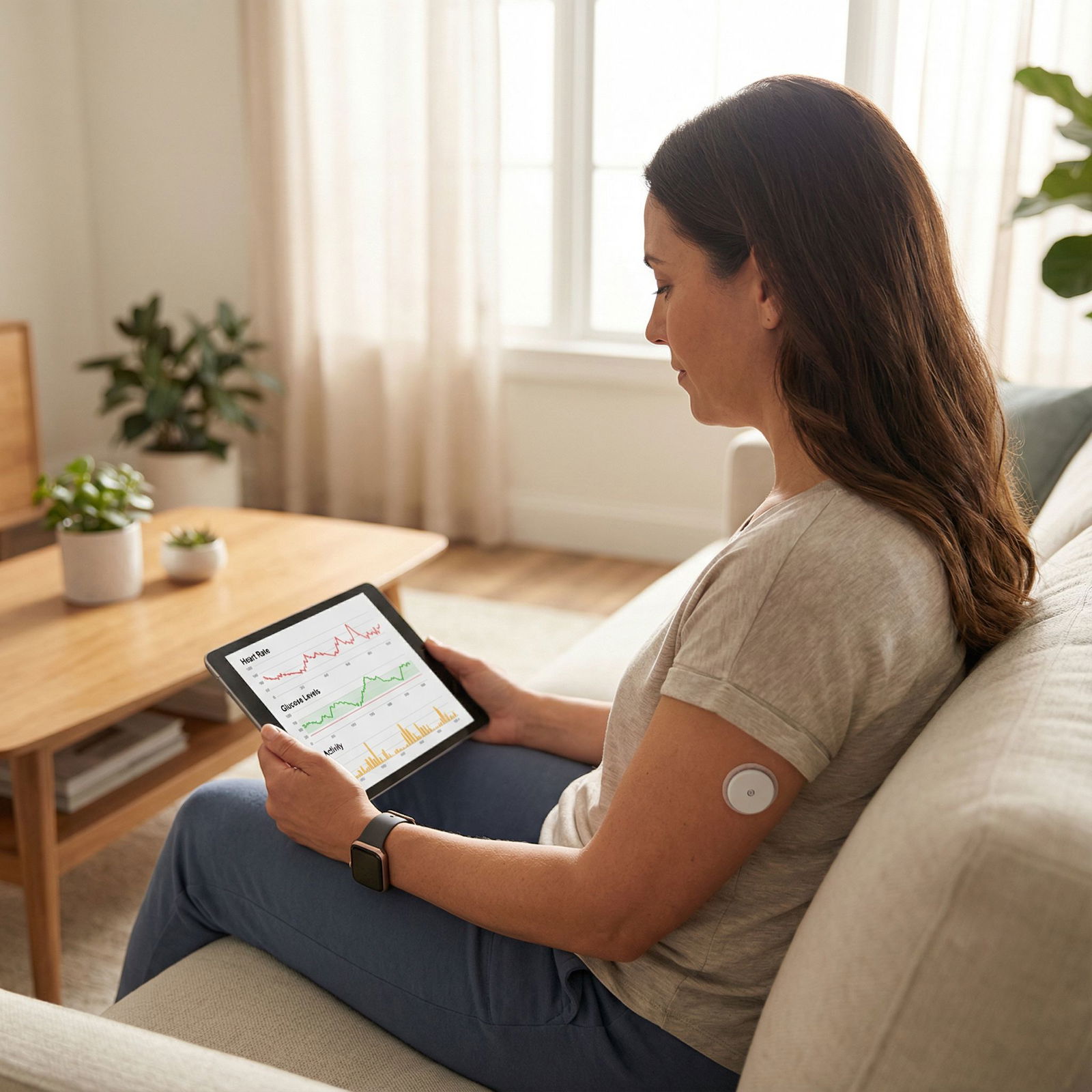
Chronic Disease Management is one of the strongest use cases for wearable technology. Conditions such as diabetes, heart failure, COPD, and hypertension benefit from ongoing data streams rather than occasional clinic snapshots.
Diabetes and metabolic disease
Continuous Glucose Monitoring (CGM)
- Devices (e.g., Dexcom, FreeStyle Libre) measure interstitial glucose every few minutes.
- Many systems provide:
- Real-time alerts for hypo/hyperglycemia
- Trend arrows that guide dosing decisions
- Data sharing with clinicians and caregivers
- Closed-loop or “hybrid closed-loop” systems combine CGM with insulin pumps and advanced algorithms to adjust basal insulin automatically.
Clinical impact
- Improved time-in-range and reduced hypoglycemia
- More precise titration of insulin and other agents
- Better patient adherence and engagement through app-based education and feedback
Cardiovascular disease and heart failure
Wearables help monitor:
- Resting heart rate and HRV
- Rhythm disturbances (e.g., atrial fibrillation)
- Activity levels and step counts
- Weight changes (through connected scales)
Example workflows:
- Heart failure patients enrolled in Remote Patient Monitoring programs submit daily weight and symptom surveys plus wearable data.
- Algorithms flag concerning patterns (e.g., rapid weight gain, decreasing activity, rising resting heart rate) prompting nurse outreach or medication adjustment.
Hypertension and kidney disease
- Connected blood pressure cuffs and smartwatches are used for:
- Home BP monitoring with automated upload to provider dashboards
- “White coat effect” mitigation and better characterization of blood pressure trends
- This supports more precise antihypertensive titration and earlier detection of uncontrolled hypertension, important for CKD and cardiovascular risk reduction.
2. Fitness, Wellness, and Preventive Health
While not all wellness data is clinically validated, it plays a growing role in preventive care and lifestyle medicine.
Personalized activity goals
- Algorithms adjust daily step, exercise, and stand goals based on baseline fitness.
- Gamification and social comparison can improve adherence to activity recommendations.
Sleep tracking and circadian health
- Many wearables estimate sleep stages, duration, and consistency.
- For clinicians, this data can:
- Support evaluation of insomnia and circadian rhythm disorders
- Encourage consistent sleep hygiene as part of cardiometabolic risk reduction
Population-level impact
- Insurers and employers increasingly link incentives to activity metrics.
- For physicians in value-based care models, wearable-derived metrics can complement traditional risk factor control.
3. Remote Patient Monitoring (RPM) and Telehealth Integration
Telehealth and Remote Patient Monitoring are now deeply intertwined with wearable technology.
RPM for acute and post-acute care
Post-surgical and post-discharge monitoring
- Wearables track:
- Heart rate, respiratory rate, SpO₂
- Activity and mobility (e.g., step count, time out of bed)
- Early warning:
- Tachycardia, tachypnea, or declining activity may signal infection, PE, or decompensation.
- Alerts prompt early telehealth follow-up or in-person reassessment, potentially preventing readmission.
- Wearables track:
Hospital-at-home models
- Continuous monitors (patches, wearables) plus remote nurses and hospitalists allow some patients to receive “inpatient-level” care at home.
- Examples: pneumonia, heart failure exacerbations, certain infections requiring IV antibiotics.
Telehealth visit enhancement
- Instead of relying solely on patient recollection, clinicians can:
- Review objective heart rate and activity trends
- Check home BP logs or glucose downloads
- Discuss sleep and stress patterns using wearable metrics
This changes Telehealth from “talk-only” to a data-rich encounter closer to an in-person visit.
4. Mental Health and Stress Monitoring
Wearables are increasingly used as adjunctive tools in behavioral health and psychiatry.
Physiologic correlates of stress and mood
- HRV, resting heart rate, skin conductance, and sleep patterns can reflect stress burden.
- While not diagnostic, such patterns may:
- Signal relapse risk in anxiety or depression
- Help monitor treatment response over time
Just-in-time interventions
- Some apps prompt mindfulness exercises, breathing techniques, or coping strategies when stress biomarkers rise.
- Behavioral activation programs may use daily activity and sleep as targets.
Research potential
- Longitudinal wearable datasets can help identify digital phenotypes for depression, bipolar disorder, or PTSD, supporting future precision psychiatry.
5. Rehabilitation, Physical Therapy, and Movement Disorders
Rehab and neurology are leveraging wearables to quantify function outside the clinic.
Post-stroke and orthopedic rehab
- Inertial measurement units (IMUs) and smart clothing can:
- Track joint angles, gait parameters, and exercise adherence
- Provide real-time feedback on form and compensation patterns
- Data informs therapist decisions on progression and technique correction.
- Inertial measurement units (IMUs) and smart clothing can:
Movement disorders (e.g., Parkinson’s disease)
- Wearables capture:
- Tremor amplitude and frequency
- Bradykinesia and dyskinesias
- Gait freezing episodes
- This supports more nuanced titration of dopaminergic therapies and deep brain stimulation parameters.
- Wearables capture:
Key Benefits of Wearable Technology for Patients and Clinicians
1. Stronger Patient Engagement and Self-Management
Patient Engagement is one of the most powerful effects of wearables:
- Real-time feedback (e.g., heart rate during activity, daily progress toward goals) reinforces behaviors.
- Visual trends over days or weeks help patients understand the impact of diet, exercise, medication adherence, and sleep.
- Shared dashboards foster collaborative goal-setting between patients and clinicians.
For residency applicants, emphasizing experience with patient education and digital tools can signal readiness to practice in technology-enabled environments.
2. Earlier Detection and Proactive Interventions
Continuous data provides a window into “silent” clinical deterioration:
- Detection of asymptomatic atrial fibrillation on smartwatches
- Early identification of heart failure decompensation via weight and vital trends
- Recognition of early diabetic dysregulation through CGM patterns
These insights can reduce emergency visits, downstream complications, and hospitalizations—important targets in value-based and population health models.
3. Personalized and Precision-Oriented Care
Wearables support more tailored interventions:
- Treatment decisions guided by:
- Individual response patterns (e.g., glucose changes to food and exercise)
- Activity levels and sleep, not only office-based measures
- Lifestyle prescriptions that are:
- Specific (“Increase daily average step count by 1,500 over the next 4 weeks”)
- Trackable and adjustable in real time
For researchers, wearable data creates an opportunity to define new phenotypes and subgroups that respond differently to therapies, advancing precision medicine.
4. Cost-Effectiveness and System-Level Advantages
Health systems and payers are increasingly investing in wearables because they can:
- Reduce readmissions and ED utilization via earlier detection
- Support Chronic Disease Management outside high-cost settings
- Improve workflow efficiency when RPM replaces some low-value in-person visits
As a trainee, familiarity with these models will be valuable in systems-oriented practice and quality improvement projects.
5. Data-Driven Insights for Clinical Care and Research
The sheer volume of data collected through wearables enables:
- Longitudinal follow-up without excessive clinic burden
- Fine-grained analysis of behavior, physiology, and treatment response
- Large-scale digital cohorts for observational studies and pragmatic trials
Integration with AI and advanced analytics further magnifies this potential—if implemented safely and ethically.
Challenges, Risks, and Ethical Considerations
Despite clear promise, wearable technology in medicine raises significant practical and ethical questions.
1. Data Privacy, Security, and Ownership
Key concerns:
- Protected Health Information (PHI) and regulatory frameworks (e.g., HIPAA, GDPR)
- Data transmission from consumer devices through third-party apps to clinical systems
- Who owns the data—patients, device manufacturers, or health systems?
For future physicians:
- Be prepared to counsel patients on privacy settings and data-sharing choices.
- Understand institutional policies on integrating third-party data into the EHR.
- Advocate for transparent and patient-centered consent processes.
2. Interoperability and Workflow Integration
Multiple devices, platforms, and EHR systems often do not communicate smoothly:
- Fragmented data streams create clinician frustration and inefficiency.
- Lack of standard data formats and APIs can hinder scaling RPM programs.
- Manual data reconciliation is not sustainable.
Solutions in development:
- Interoperability standards (FHIR, SMART on FHIR) for wearable data
- Unified dashboards that aggregate multi-device inputs
- Vendor collaborations between EHRs and device manufacturers
3. Data Overload and Clinician Burnout
While continuous monitoring is valuable, it can overwhelm clinicians:
- Thousands of data points per patient per day are not directly actionable.
- Alert fatigue from poorly tuned thresholds can reduce responsiveness.
- Clear protocols are needed:
- Which metrics are monitored?
- Who responds to alerts (RN, APP, MD)?
- What constitutes urgent vs routine review?
Clinical decision support, AI triage tools, and care coordination teams can help—if designed with clinician input.
4. Accuracy, Validation, and Clinical Reliability
Not all wearable devices are created equal:
- Consumer-grade vs medical-grade devices
- Variability in:
- Heart rate and oxygen saturation accuracy during motion or low perfusion
- Blood pressure estimation via optical sensors (many still experimental)
- Sleep stage classification (often less accurate than polysomnography)
Physicians must:
- Know which devices and metrics are validated for clinical use.
- Interpret wearable data in context, not in isolation.
- Recognize when confirmatory testing is required.
5. Access, Digital Literacy, and Health Equity
There is a real risk that wearable technology could widen existing disparities:
- Cost barriers for low-income patients
- Limited smartphone or broadband access
- Lower digital literacy among older adults or marginalized communities
- Languages and cultural tailoring of apps and interfaces
Equitable implementation strategies include:
- Loaner device programs in health systems
- Reimbursement models that prioritize high-risk populations
- Designing simple, user-friendly interfaces and providing training
- Incorporating caregivers and community health workers into digital care models
For residents, considering equity in any digital health project or QI effort is essential.
The Future of Wearable Technology in Medicine and Healthcare Training

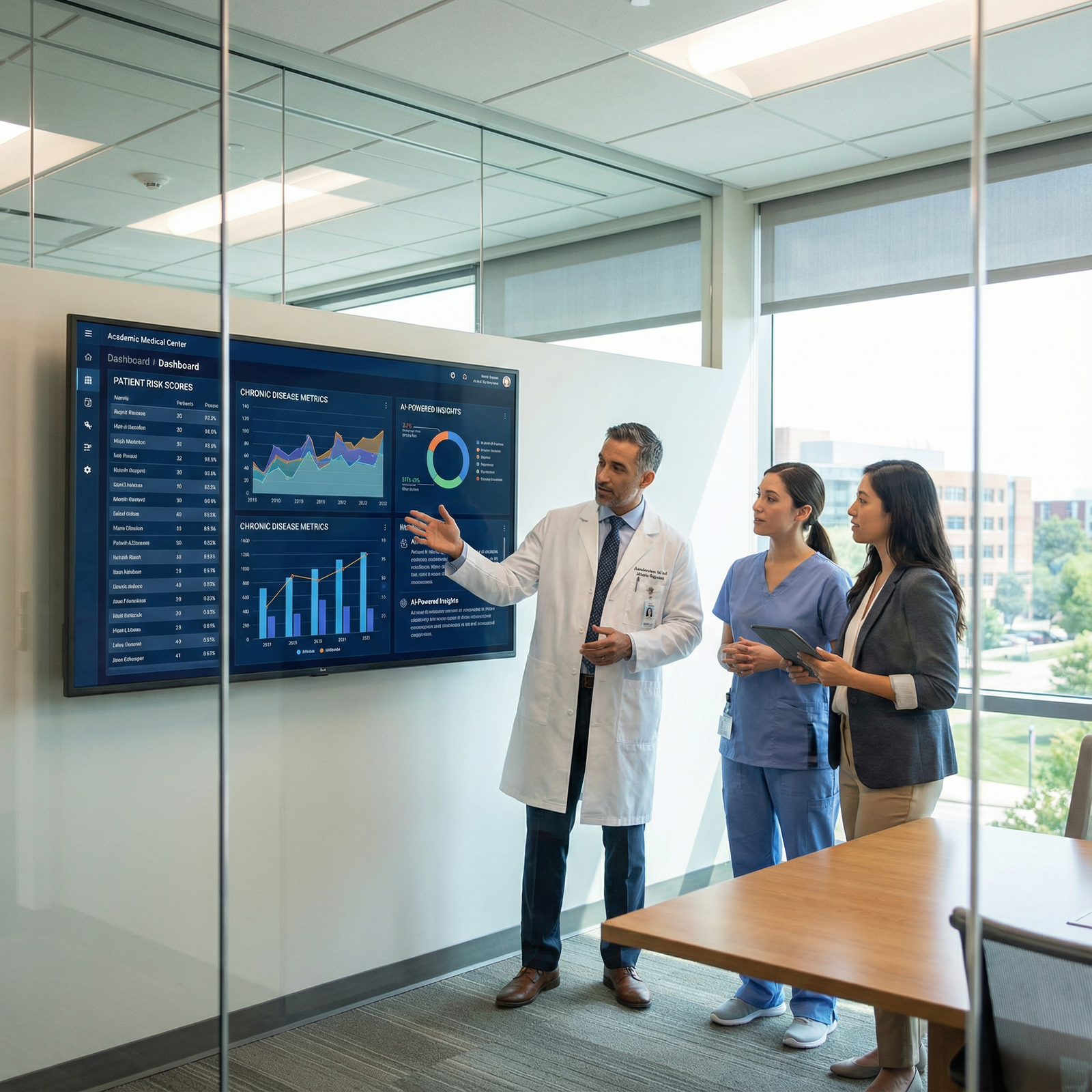
1. AI-Enhanced Analytics and Predictive Models
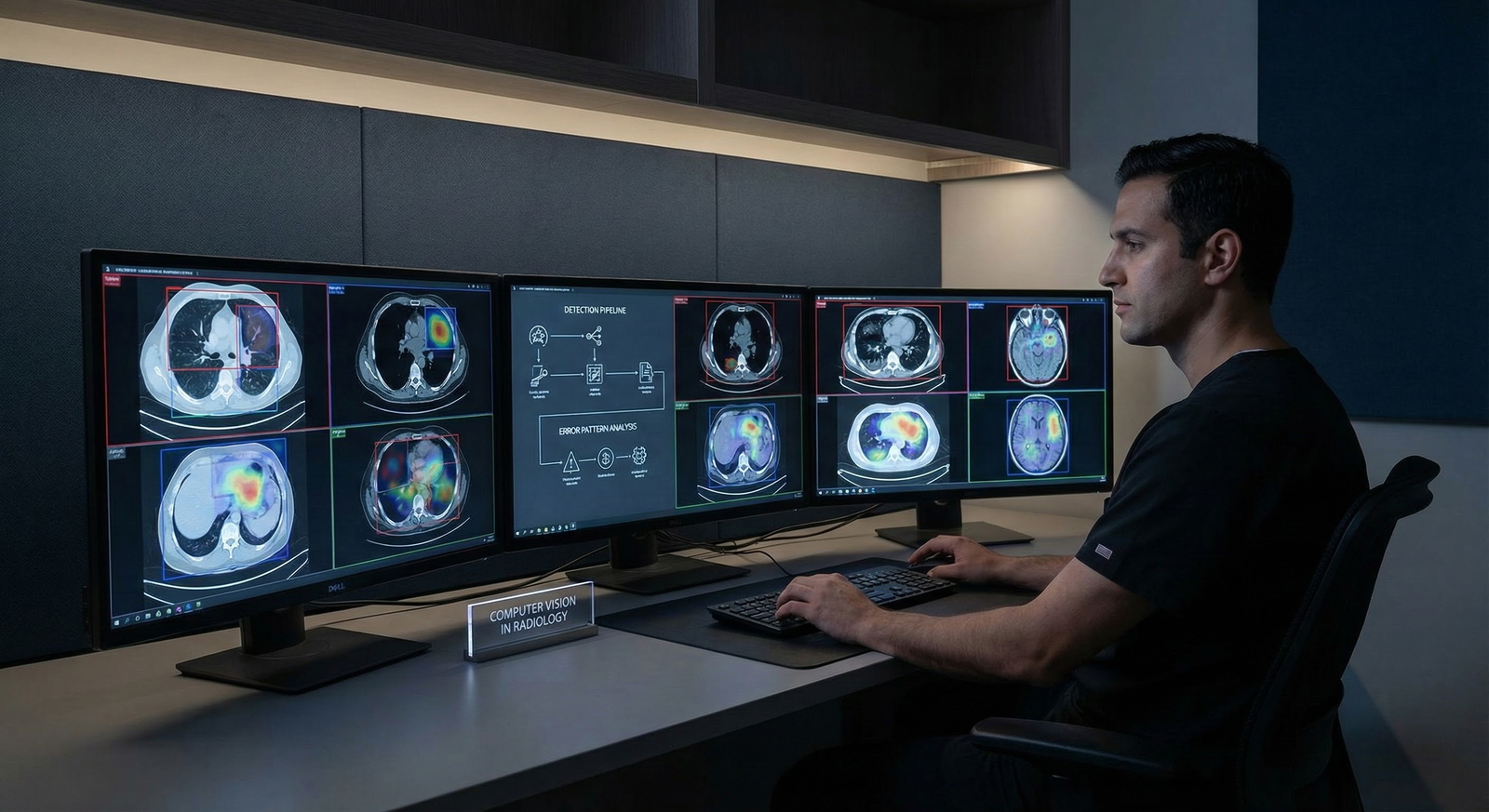
The next wave of innovation will come from combining wearable data with Artificial Intelligence:
- Predictive risk scores for:
- Heart failure exacerbation
- COPD flare-ups
- Glycemic crises
- Falls in older adults
- Personalized digital coaching driven by AI:
- Nudges for activity, sleep hygiene, or medication timing
- Adaptive behavioral interventions for weight loss or smoking cessation
- Automated triage and escalation pathways in RPM programs
For trainees interested in informatics, this is a fertile space for research and career development.
2. Expanding Sensor Capabilities and New Biomarkers
Emerging and future wearables may monitor:
- Noninvasive or minimally invasive blood pressure, glucose, and lactate
- Continuous core temperature, respiratory rate, and even carbon dioxide
- Biomarkers of inflammation or stress hormones (still largely investigational)
Some hospitalized patients may be monitored with multi-sensor “patches” instead of traditional telemetry leads, improving mobility and comfort.
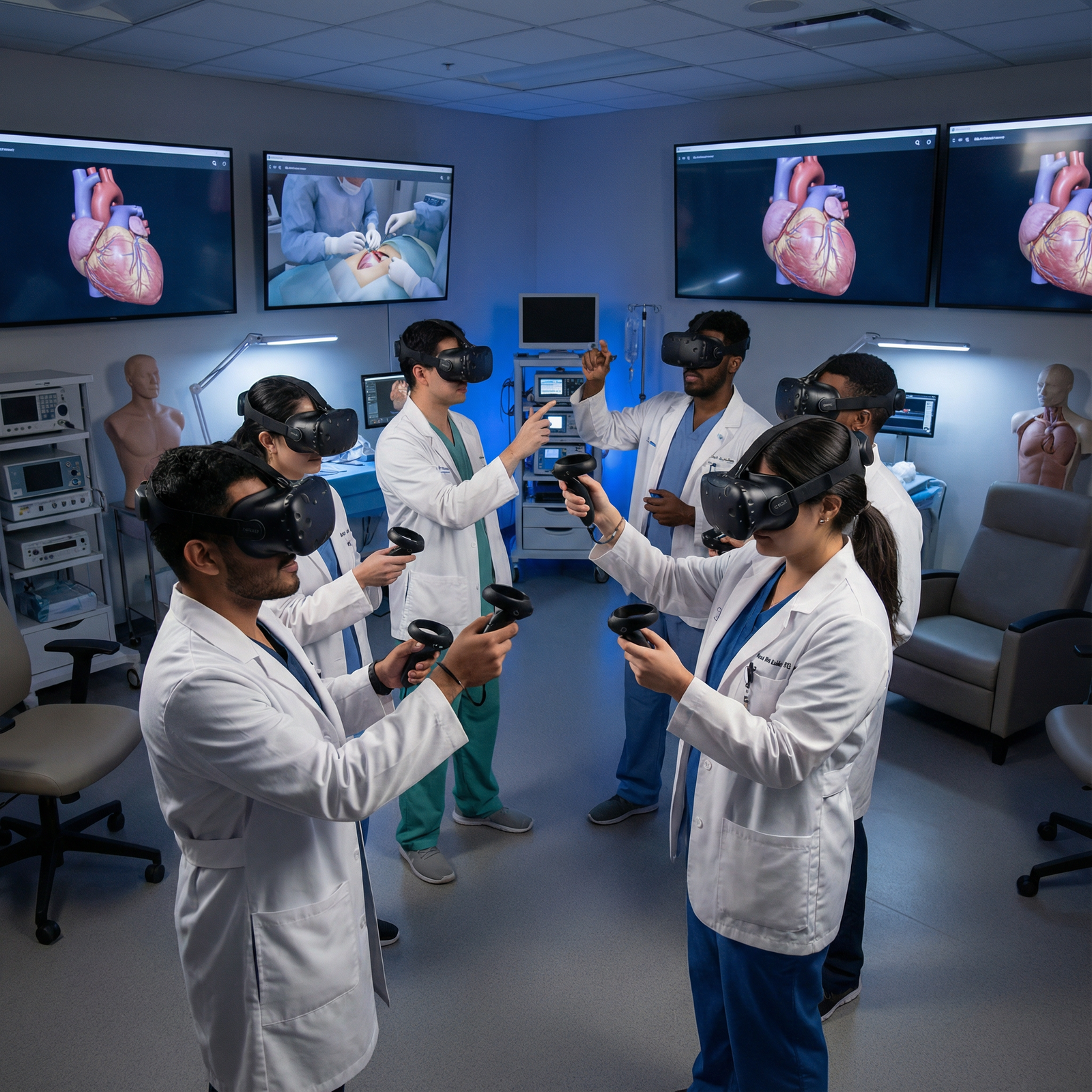
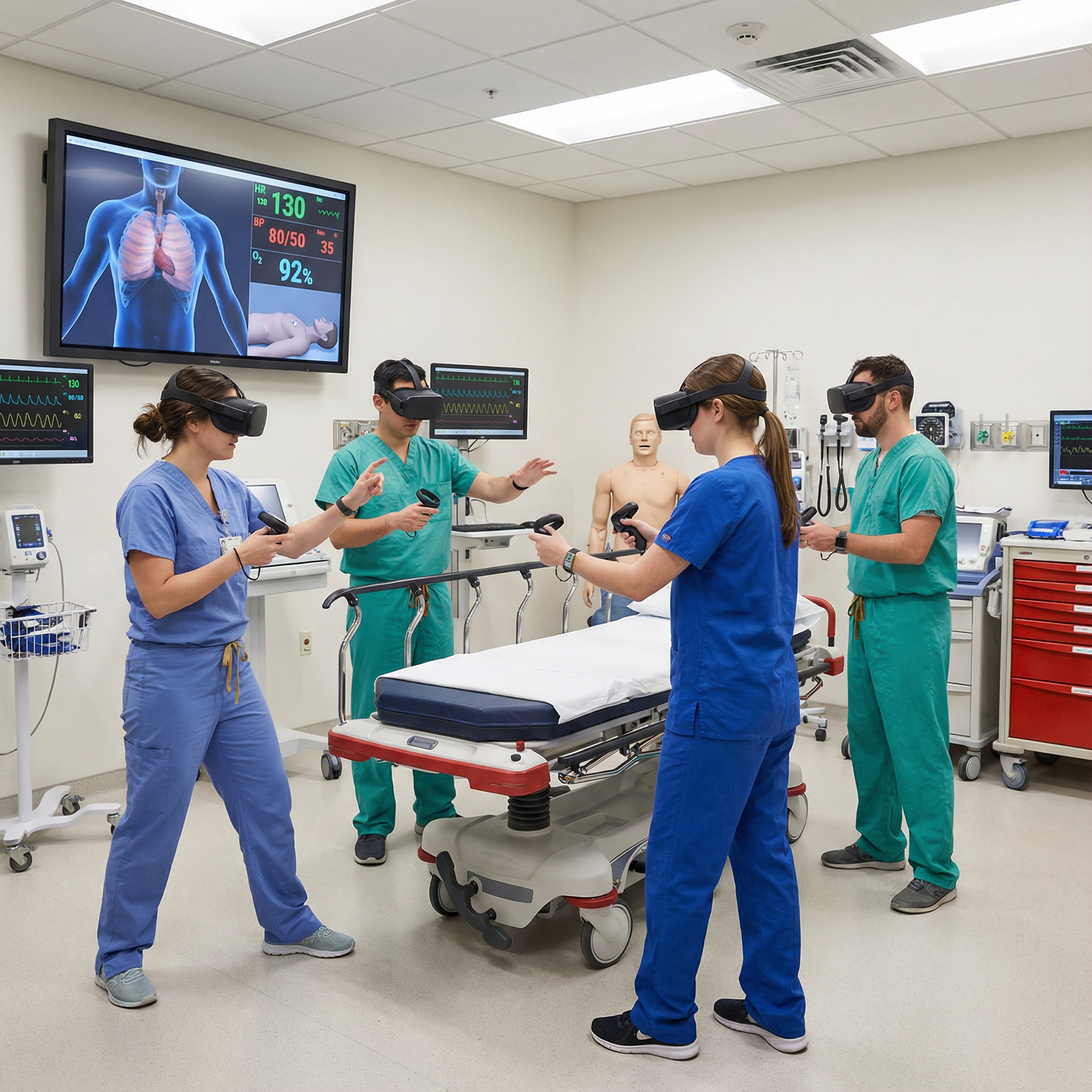
3. Integration into Medical Education and Residency Training
Residency programs are increasingly incorporating digital health into curricula:
- Training in:
- Telehealth etiquette and best practices
- Interpretation of wearable and home-monitoring data
- Regulatory, billing, and documentation aspects of RPM
- Opportunities to:
- Participate in digital health QI initiatives
- Collaborate with informatics and engineering teams
- Lead pilot programs using wearables for specific patient populations
Highlighting such experiences on residency applications can signal that you are prepared for the future of care delivery.
4. Global Health and Low-Resource Settings
Wearables and mobile health tools can extend high-quality monitoring to areas with limited traditional infrastructure:
- Low-cost devices for maternal-fetal health, infectious disease follow-up, and Chronic Disease Management
- Smartphone-based diagnostics leveraging wearable sensors
- Cloud-based analytics to support clinicians in remote regions
Partnerships with local health workers and careful design for reliability, battery life, and offline function are key.
Frequently Asked Questions (FAQ)
1. What exactly is “wearable technology” in healthcare?
Wearable technology in healthcare refers to any body-worn or attached device that continuously or intermittently collects health-related data. This includes smartwatches, fitness trackers, CGMs, connected blood pressure cuffs, ECG patches, smart clothing, and specialized rehab sensors. These devices support Health Monitoring, Chronic Disease Management, remote diagnostics, and wellness tracking, often integrating with Telehealth platforms and EHRs.
2. How can clinicians and residents practically use wearable data in routine care?
Clinicians can:
- Incorporate wearable data into history-taking (e.g., activity levels, home BP or glucose trends, sleep patterns).
- Use Remote Patient Monitoring programs to follow high-risk patients between visits.
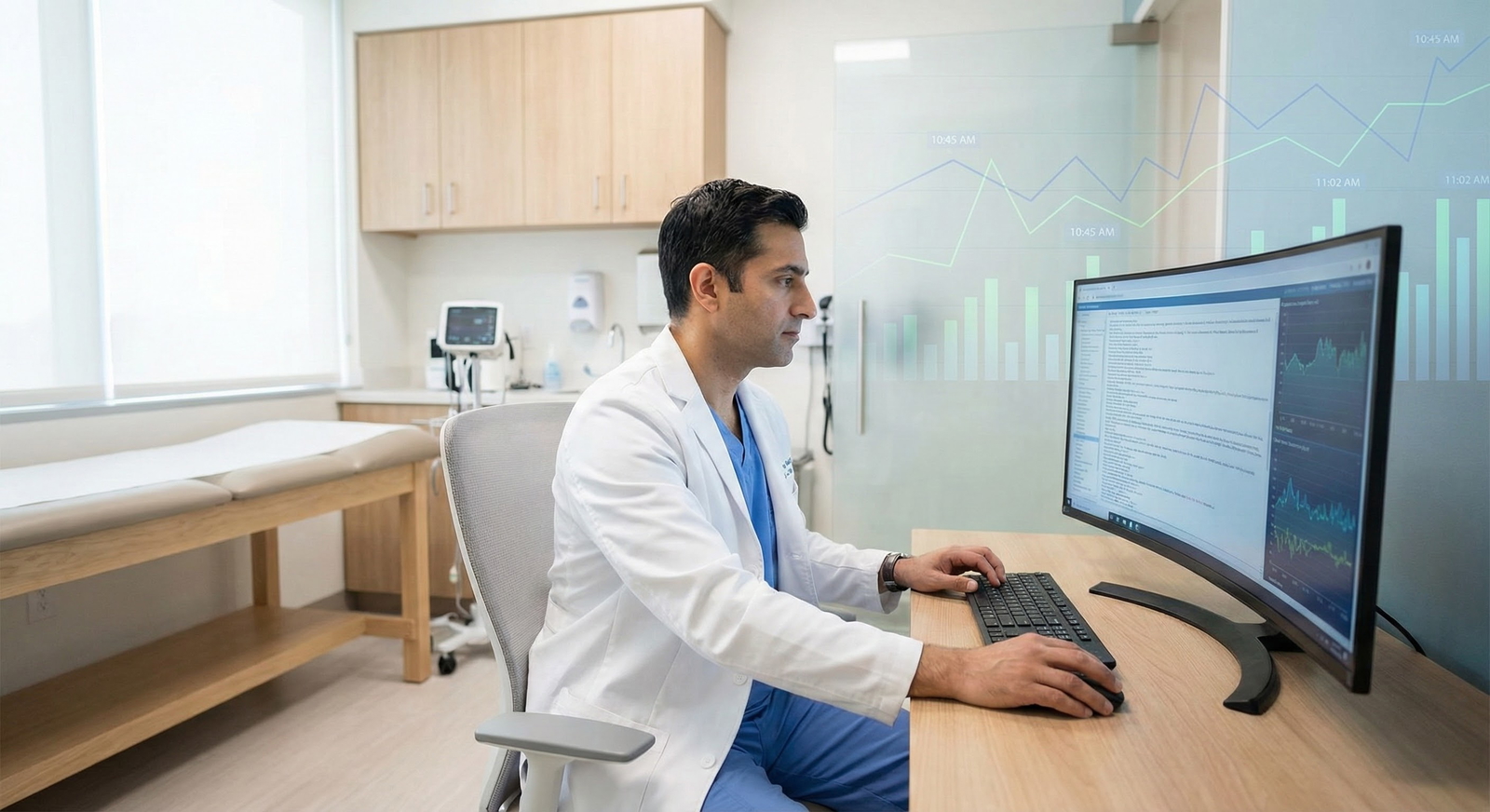
- Review data dashboards before Telehealth appointments to guide focused, data-driven discussions.
- Collaborate with patients to set specific, measurable goals (e.g., step count, time-in-range) and monitor progress.
Residents can seek electives or QI projects that involve digital health, helping design workflows, alerts, and patient education materials.
3. Are consumer wearables accurate enough for clinical decision-making?
The answer depends on the metric and device. Some parameters—like general activity levels and resting heart rate—are usually reliable enough for trend monitoring. Others, such as blood pressure estimated from optical sensors or detailed sleep stages, may be less accurate and are often not FDA-cleared for diagnostic use. Clinicians should:
- Prefer devices with published validation studies and regulatory clearance for specific claims.
- Use wearable data as complementary information, not as a standalone diagnostic test.
- Confirm critical findings (e.g., arrhythmias, hypoxia) with clinical-grade equipment when necessary.
4. How do we address privacy, security, and consent when using wearable data?
Best practices include:
- Using platforms that comply with relevant privacy regulations (e.g., HIPAA, GDPR).
- Being transparent with patients about:
- What data is collected and stored
- Who can access it and for what purposes
- How long it is retained
- Obtaining explicit consent for data sharing with healthcare providers.
- Encouraging patients to use secure passwords, two-factor authentication, and official apps rather than unverified third-party tools.
Institutions should have clear policies for integrating consumer-generated data into clinical workflows.
5. Can wearable technology worsen health disparities, and how can we mitigate that?
Yes, wearable technology can exacerbate inequities if only affluent, tech-savvy patients benefit. Mitigation strategies include:
- Designing programs that specifically include underserved populations.
- Providing devices through loaner programs or coverage arrangements.
- Offering training and support in multiple languages and literacy levels.
- Simplifying user interfaces and involving caregivers/community health workers.
- Evaluating outcomes and utilization across demographic groups to identify and correct disparities.
Wearable Technology, when thoughtfully deployed, can power a more proactive, personalized, and equitable healthcare system. For current and future physicians, familiarity with these tools—along with a critical understanding of their limitations—is essential to practicing at the leading edge of modern medicine.