The Potential of 3D Printing in Customizing Healthcare Solutions
Introduction: 3D Printing at the Frontline of Personalized Medicine
3D Printing is rapidly moving from research labs into everyday clinical practice, redefining how we design, test, and deliver medical care. For residency applicants and early-career clinicians, understanding this shift is no longer optional—it is becoming part of core healthcare literacy.
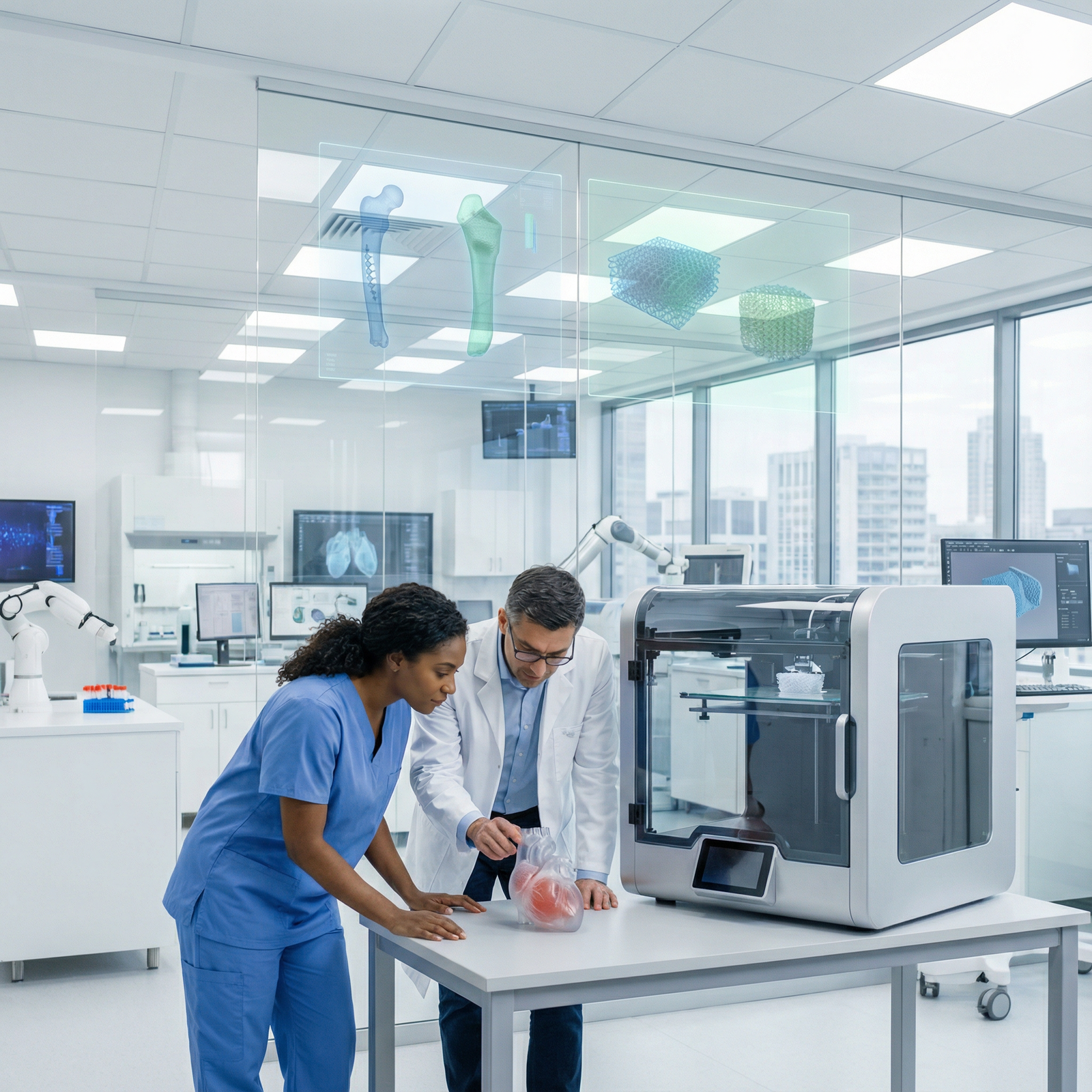
At its heart, 3D Printing (also called additive manufacturing) builds objects layer by layer from a digital file. In healthcare, that simple principle is enabling highly Customized Medical Solutions that would have been inconceivable a decade ago: patient-specific implants, tailored prosthetics, accurate surgical guides, bioprinted tissues, and ultra-realistic training models.
As Healthcare Technology evolves, 3D printing is not just about convenience or cost; it is tightly linked to better Patient Care—more precise procedures, shorter operative times, faster rehabilitation, and potentially fewer complications. It also strengthens multidisciplinary collaboration, uniting surgeons, engineers, radiologists, and biomedical scientists.
This article explores:
- How 3D printing works and the main techniques used in medicine
- Key clinical applications across specialties
- The emerging field of Bioprinting and tissue engineering
- Practical challenges, regulatory issues, and implementation tips
- Future directions that residency applicants should be aware of
Core 3D Printing Technologies Used in Healthcare
To use 3D printing effectively in clinical contexts, you need a working knowledge of the major technologies. Each has distinct strengths, limitations, and ideal use-cases.
Fused Deposition Modeling (FDM)
How it works:
FDM melts a thermoplastic filament and extrudes it through a heated nozzle, building the object layer by layer on a print bed.
Common medical uses:
- Low-cost anatomical models for preoperative planning
- Educational models for students and residents
- Custom jigs, fixtures, and non-implantable tools
- Simple assistive devices (splints, casting molds, handles)
Advantages:
- Affordable printers and materials
- Easy to learn and maintain
- Rapid iteration for design prototypes
Limitations:
- Lower resolution compared with other techniques
- Surface finish may require post-processing
- Most standard filaments are not suitable for implants or long-term body contact
Stereolithography (SLA)
How it works:
SLA uses ultraviolet (UV) or laser light to selectively cure liquid photopolymer resin into solid layers with very high precision.
Common medical uses:
- Highly detailed anatomical models (e.g., complex craniofacial bones, cardiac structures)
- Custom surgical guides (e.g., osteotomy guides, drilling templates)
- Dental models, crowns, and aligner molds
- Small, intricate device components
Advantages:
- Very high resolution and smooth surface finish
- Excellent for fine anatomical detail
- Growing range of biocompatible and sterilizable resins
Limitations:
- Resins can be brittle and require careful selection
- Post-processing (washing, curing) is essential
- Some resins may have limited long-term biocompatibility
Selective Laser Sintering (SLS)
How it works:
SLS uses a laser to fuse powdered materials—often polymers or metals—into solid 3D structures. The powder bed itself supports the part, eliminating the need for support structures.
Common medical uses:
- Strong, durable prosthetic and orthotic components
- Complex implant structures (e.g., porous titanium implants)
- Lightweight, lattice-based designs that traditional machining cannot produce
Advantages:
- Excellent mechanical strength and durability
- Freedom to create complex internal geometries (e.g., porous scaffolds for bone ingrowth)
- Ideal for load-bearing applications in orthopedics and spine surgery
Limitations:
- Equipment and materials are relatively expensive
- Requires specialized expertise and stringent quality control
- Fine powder handling demands robust safety protocols
Direct Ink Writing (DIW) and Bioprinting
How it works:
DIW extrudes pastes, gels, or bio-inks through a nozzle under controlled conditions. When bio-inks containing living cells are used, the process is called Bioprinting.
Common medical and research uses:
- Bioprinted tissue constructs (e.g., liver, cardiac, skin tissue models)
- Customized drug delivery systems (e.g., controlled-release tablets)
- Scaffold fabrication for tissue engineering and regenerative medicine
Advantages:
- Enables spatial placement of living cells, growth factors, and biomaterials
- High potential for regenerative medicine and organ replacement
- Useful for in vitro disease models and drug testing
Limitations:
- Still largely in research or early translational stages
- Cell viability, vascularization, and long-term function remain major challenges
- Strict requirements for sterile, controlled environments
High-Impact Clinical Applications of 3D Printing
1. Custom Prosthetics and Orthotics: Restoring Function and Identity
Traditional prosthetic fabrication relies on manual casting, iterative fitting, and significant technician time. 3D printing disrupts this model with faster, more precise, and highly personalized devices.
Patient-Specific Prosthetics
- Precision fit: Using 3D scans of the residual limb, clinicians can design prosthetics that closely conform to an individual’s anatomy, reducing pressure points and improving comfort.
- Rapid turnaround: 3D printers can produce sockets and components in days instead of weeks, which is crucial for children who outgrow devices quickly.
- Aesthetic customization: Startups like UNYQ and others offer prosthetic covers and designs that reflect patients’ personal style—colors, patterns, and even themed designs. This shift from “hiding” prostheses to showcasing them can significantly improve psychological well-being and social confidence.
Custom Orthotics and Bracing
Foot orthotics, spinal braces, and upper-limb supports can be digitally designed from 3D scans:
- More accurate biomechanical alignment
- Variable stiffness and targeted support in specific regions
- Lightweight lattice structures that improve ventilation and compliance
For example, 3D-printed scoliosis braces can be thinner, more breathable, and more acceptable to adolescents, improving adherence to treatment.
2. Surgical Models, Guides, and Advanced Preoperative Planning
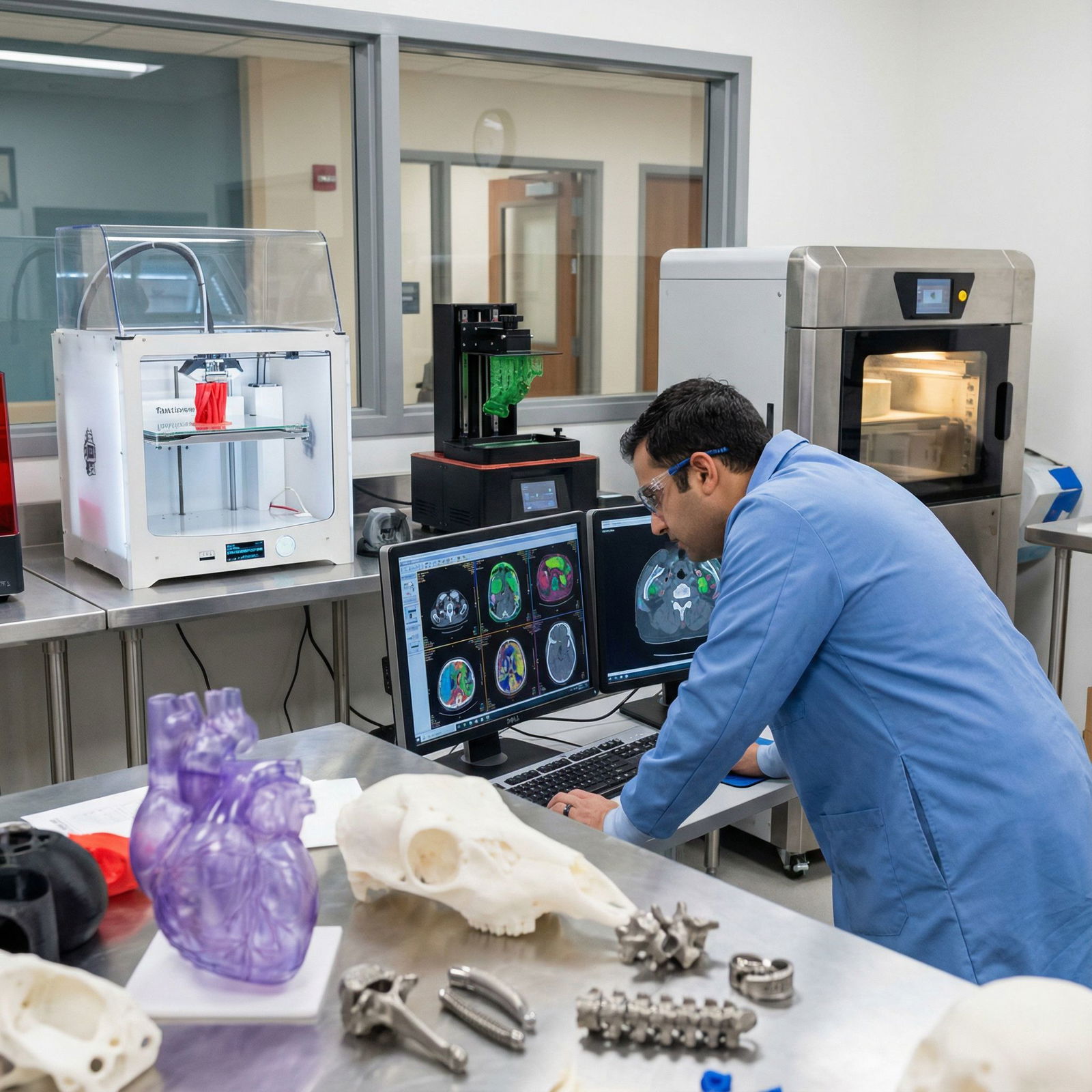
Patient-specific 3D anatomical models are one of the most mature clinical applications of 3D printing.
3D Anatomical Models from Imaging
Using CT, MRI, or angiography data, radiology and engineering teams can segment and print:
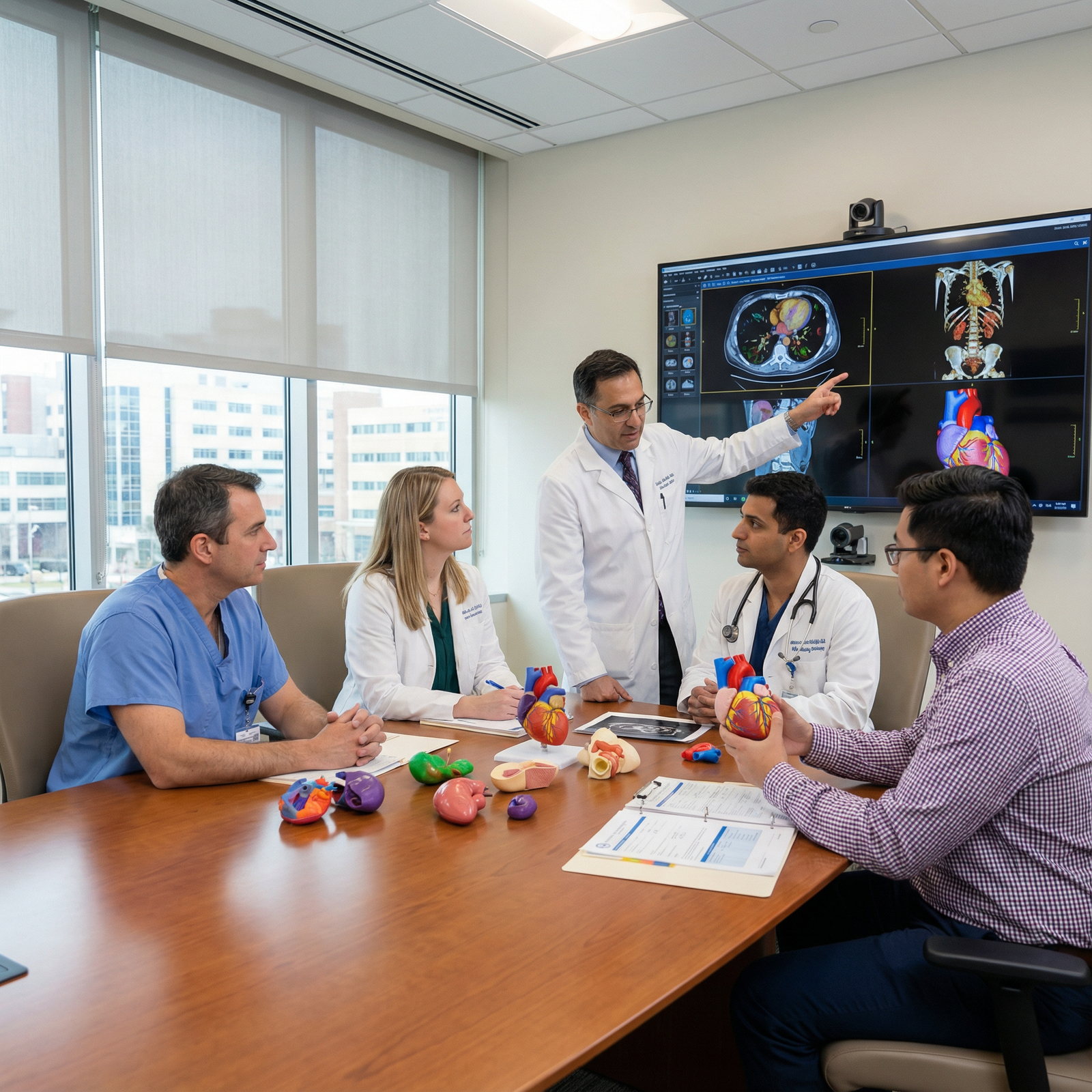
- Congenital heart defects for planning complex pediatric cardiac surgery
- Craniofacial and skull base tumors for neurosurgical or ENT planning
- Complex pelvic fractures for orthopedic trauma surgeries
- Vascular malformations and aneurysms for endovascular procedures
Institutions like Johns Hopkins and others report that 3D-printed models:
- Shorten operative time
- Reduce intraoperative surprises
- Facilitate shared decision-making with patients and families
- Improve multidisciplinary collaboration (radiology, surgery, anesthesia)
For residents, operating on a physical model before the real case can significantly flatten the learning curve.
Customized Surgical Guides and Templates
3D printing also enables:
- Cutting and drilling guides for orthopedic and maxillofacial surgery
- Navigation aids for pedicle screw placement in complex spinal deformity
- Custom templates for cranial reconstruction and tumor resection margins
Because these guides are designed from the patient’s own imaging, they support highly accurate osteotomies or implant placement, potentially improving functional and cosmetic outcomes.
3. Bioprinting Tissues and Organs: The Next Frontier
Bioprinting is at the leading edge of Healthcare Technology and regenerative medicine.
Current Achievements
- Tissue models for drug testing: Companies like Organovo have created 3D-printed liver tissues that mimic native physiology more closely than 2D cell cultures. These constructs can be used to test drug toxicity, metabolism, and efficacy, potentially reducing reliance on animal studies.
- Skin and cartilage constructs: Research groups are developing bioprinted skin grafts and cartilage patches that may one day treat burns, ulcers, and joint defects more effectively.
- Vascularized tissues: Early successes in printing microvascular networks are laying the groundwork for larger, viable tissue blocks.
Future Vision: Organ Replacement and Regenerative Therapies
Long term, Bioprinting could address chronic organ shortages through:
- Patient-specific organ constructs derived from a patient’s own cells, reducing rejection risk
- On-demand tissue patches for myocardial infarction, liver failure, or kidney disease
- Hybrid implants combining bioprinted tissue and traditional materials (e.g., osteochondral grafts)
For residency applicants interested in academic medicine, translational research in Bioprinting and tissue engineering is an expanding field with opportunities in surgery, pathology, radiology, and internal medicine subspecialties.
4. Customized Surgical Instruments and Procedural Tools
Standard surgical instrument catalogs cannot anticipate every anatomical variation or innovative technique. 3D Printing enables rapid creation of:
- Unique retractors or clamps for complex reoperative fields
- Ergonomic handles tailored to a surgeon’s grip and hand size
- Patient-specific guides that combine imaging data with instrument design
Benefits include:
- Improved surgeon comfort and control
- Reduced instrument clutter in the OR by replacing sets with a few tailored tools
- Faster development cycles for novel techniques and devices
In resource-limited settings, locally produced 3D-printed instruments can be a cost-effective way to expand procedural capabilities.
5. Dental and Maxillofacial Applications
Dentistry and oral-maxillofacial surgery have embraced 3D Printing extensively.
Digital Dentistry
Using intraoral scanners and CAD/CAM workflows, clinicians can:
- Design and print crowns, bridges, and surgical guides for implants
- Produce custom trays and models for prosthodontic work
- Fabricate aligner molds for clear orthodontic systems (e.g., Align Technology’s Invisalign)
Advantages:
- Reduced chair time and fewer visits
- Improved fit and aesthetics
- Streamlined lab workflows and more predictable outcomes
Orthognathic and Reconstructive Surgery
3D Printed solutions support:
- Virtual surgical planning for jaw reconstruction and orthognathic procedures
- Custom cutting guides to reposition bones precisely
- Patient-specific plates and implants matching complex facial contours
These Customized Medical Solutions can significantly enhance functional and cosmetic rehabilitation, especially in oncologic or trauma reconstruction.
6. Training, Simulation, and Medical Education
For medical students, residents, and fellows, 3D printing transforms how anatomy and procedures are learned.
Realistic Simulation Models
- Vascular models for practicing catheter-based interventions and stent deployments
- Airway models for advanced intubation and bronchoscopy training
- Neurosurgical and orthopedic models simulating bone density and tactile feedback
These models can reproduce rare pathologies that trainees might not encounter during a typical rotation, helping standardize exposure across programs.
Patient Communication and Shared Decision-Making
3D models bridge the gap between imaging and understanding for patients:
- Explaining congenital heart defects to parents
- Discussing tumor location and resection plans
- Demonstrating how an implant or prosthesis will function
This can improve informed consent quality, patient engagement, and satisfaction.
Challenges, Risks, and Practical Considerations
Despite its promise, integrating 3D Printing into clinical practice is not trivial. Understanding these barriers is critical for realistic expectations and responsible implementation.
Regulatory and Compliance Landscape
3D-printed medical devices are subject to the same regulatory scrutiny as traditionally manufactured devices.
- Regulatory pathways: In the U.S., the FDA evaluates safety and effectiveness for 3D-printed implants, instruments, and some anatomical models. In Europe, the CE marking process applies.
- Point-of-care manufacturing: When hospitals produce devices in-house (e.g., surgical guides), questions arise: Who is the manufacturer—the hospital or the printer vendor? Professional societies and regulators are actively developing guidelines.
- Quality systems: Hospitals must implement robust quality management systems, including validation of printers, materials, software workflows, and sterilization processes.
Residents and clinicians involved in 3D printing initiatives should be aware of institutional policies, documentation requirements, and the distinction between research, education, and direct clinical use.
Material and Biocompatibility Limitations
- Not all 3D printing materials are safe for implantation or long-term body contact.
- Biocompatibility standards (e.g., ISO 10993) must be met for implants and certain instruments.
- Sterilization compatibility (e.g., autoclave vs. low-temperature methods) can limit which printing materials are usable in the OR.
Ongoing research is expanding the library of certified medical-grade polymers, resins, and metals, but material choice remains a critical decision point.
Training, Infrastructure, and Institutional Readiness
Successful implementation requires more than purchasing a printer:
- Skills: Staff must be trained in imaging segmentation, CAD design, printer operation, and post-processing.
- Workflow integration: 3D printing should be embedded into existing pathways—radiology, pre-op planning, implant ordering—not tacked on as an isolated activity.
- Data management: Secure handling of DICOM data and patient identifiers is essential to comply with privacy regulations (e.g., HIPAA).
Multidisciplinary 3D printing teams—often including radiologists, surgeons, biomedical engineers, and IT—are becoming a best-practice model.
Cost and Economic Considerations
Initial capital expenditure for clinical-grade printers, software licenses, and skilled staff can be substantial. However, cost-benefit analyses often show:
- Reduced operative time and OR costs
- Fewer complications and revisions for certain procedures
- Decreased need for external lab services
- Educational value for trainees and patients
Smaller institutions may leverage centralized hospital system labs, regional 3D printing hubs, or academic partnerships to access these capabilities without bearing full costs.
Future Directions: Where 3D Printing and Healthcare Are Headed
Smarter, AI-Enhanced Design Pipelines
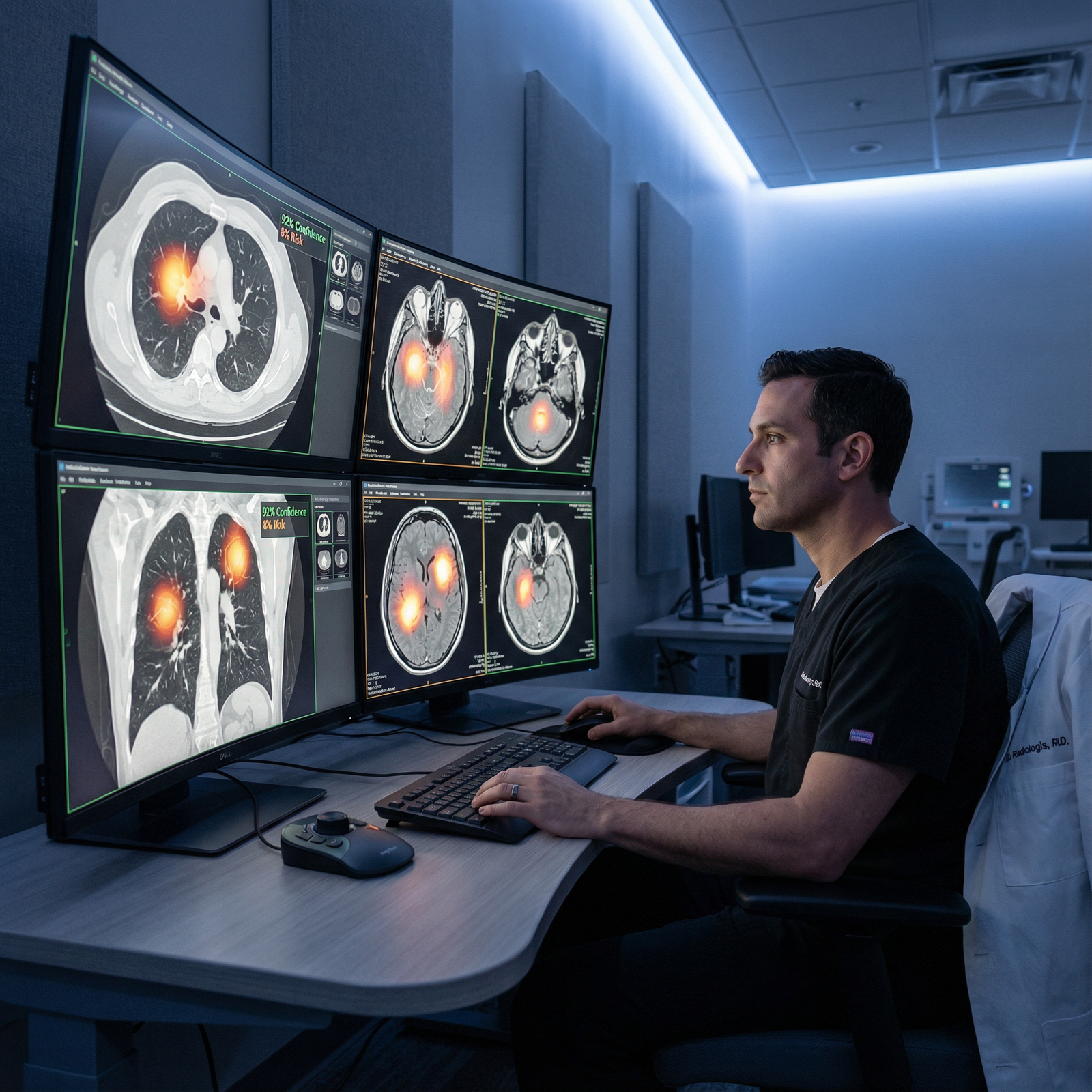
The integration of artificial intelligence and machine learning with 3D printing is accelerating:
- Automated segmentation of imaging data to create 3D models more quickly and consistently
- AI-guided optimization of implant shapes and internal lattice structures for strength and weight
- Predictive modeling to simulate how a printed device will perform in vivo before it is built
This synergy will further individualize Patient Care by tailoring devices not only to anatomy but also to biomechanics and disease progression.
Multi-Material and Functional Printing
Emerging platforms can print multiple materials in a single build:
- Hard/soft composite structures mimicking bone–cartilage interfaces
- Integrated electronics for smart implants or sensors embedded in prosthetics
- Gradient materials that transition from stiff to flexible, mirroring native tissues
These capabilities will enable more biomimetic and functional Customized Medical Solutions.
Telemedicine, Distributed Manufacturing, and Global Health
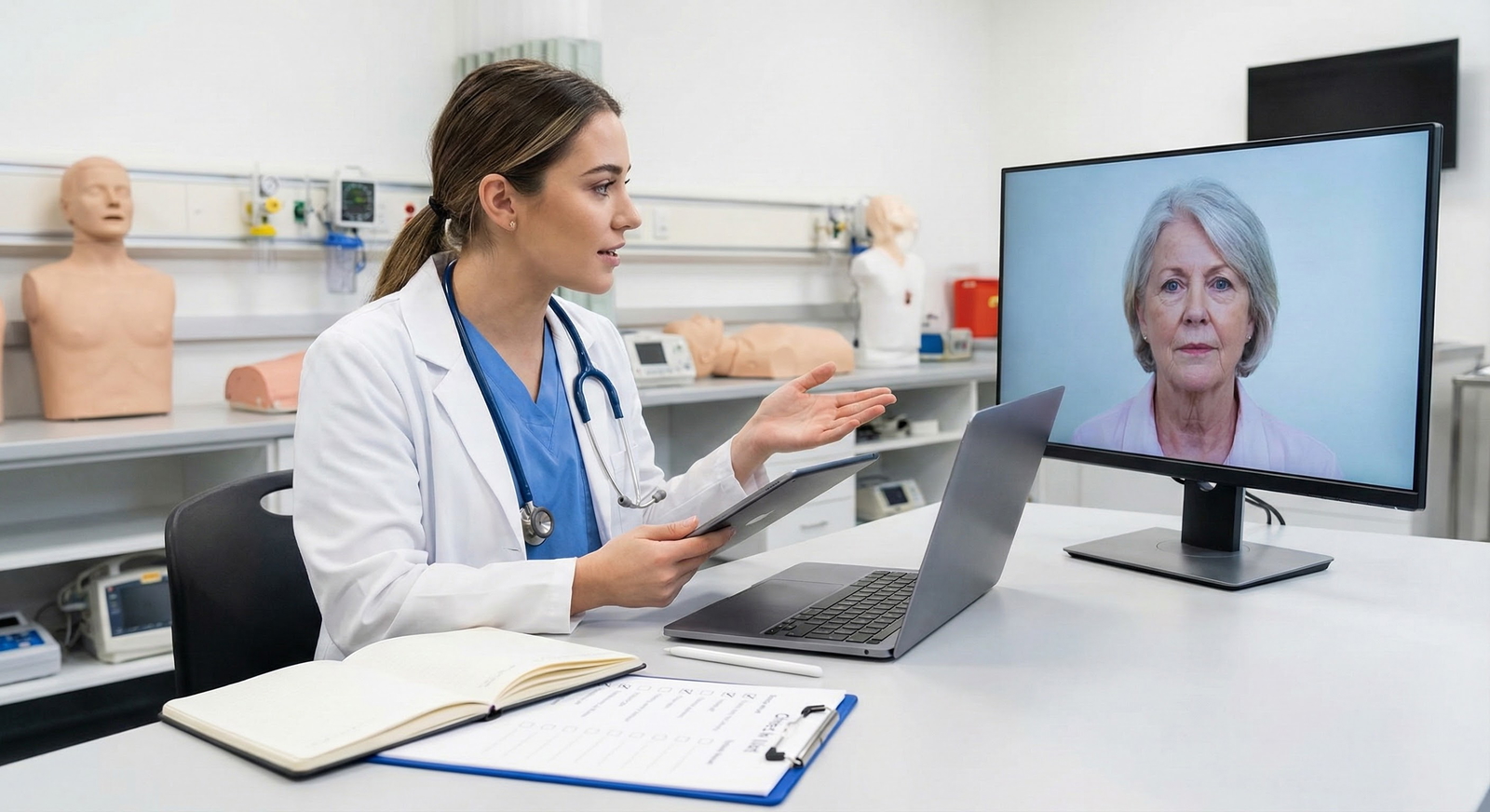
As telemedicine expands, 3D printing can support:
- Remote design of custom splints, braces, or prosthetic components based on local 3D scans
- Cloud-based sharing of validated device designs that can be printed at the point of care
- Local manufacturing in low-resource settings, reducing dependency on complex supply chains
For global health, 3D printing can provide context-appropriate devices tailor-made for local populations and infrastructure, improving access and equity.
FAQs: 3D Printing and Customized Healthcare Solutions
Q1: How can residents and medical students get involved in 3D printing at their institution?
Many academic centers now have 3D printing or innovation labs. Practical steps:
- Ask radiology, surgery, or biomedical engineering departments about ongoing projects.
- Join or help start a 3D printing interest group or quality-improvement project.
- Contribute to case reports or research on 3D-printed models, guides, or implants.
- Learn basic segmentation and modeling using open-source software (e.g., 3D Slicer) as a starting point.
Involvement demonstrates interest in Healthcare Technology and innovation, which can strengthen residency or fellowship applications.
Q2: What types of 3D printing materials are most commonly used in medical applications?
Materials vary by application, but frequently include:
- Thermoplastics: PLA, ABS, PETG, and medical-grade polymers for external devices and educational models.
- Photopolymer resins: Rigid or flexible resins, some specifically certified as biocompatible and sterilizable.
- Metals: Titanium and cobalt-chrome alloys for load-bearing implants and custom hardware.
- Bio-inks: Hydrogels and cell-laden materials for Bioprinting research (e.g., alginate, collagen, gelatin-methacrylate).
Selection depends on biocompatibility, mechanical requirements, and sterilization needs.
Q3: Are 3D-printed medical devices as safe and reliable as traditionally manufactured ones?
Regulated 3D-printed devices that meet relevant standards and obtain regulatory approval (e.g., FDA, CE) are considered as safe and effective as conventional devices for their indicated uses. Key factors include:
- Validated printer performance and process controls
- Rigorous testing of mechanical properties and biocompatibility
- Traceability and documentation of each device’s production parameters
For point-of-care printing, institutions must adhere to robust quality systems to ensure consistent, safe output.
Q4: What are realistic timelines for bioprinted organs to be used in routine clinical practice?
Functional, fully vascularized, transplant-ready whole organs remain a long-term goal. Current consensus suggests:
- Short-term (now–5 years): Expanded use of bioprinted tissue models for drug testing and disease modeling; small tissue patches (e.g., cartilage, skin) in early clinical trials.
- Medium-term (5–15 years): More complex, partially functional tissue constructs used as adjuncts to surgery (e.g., bone or myocardial patches).
- Long-term (15+ years): Potential for clinically used, patient-specific organ replacements—dependent on major breakthroughs in vascularization, immunology, and long-term function.
For now, think of Bioprinting as a powerful research and translational tool rather than an imminent replacement for organ donation.
Q5: How can smaller hospitals or clinics benefit from 3D printing without investing heavily in in-house labs?
Options include:
- Partnering with larger academic medical centers that offer centralized 3D printing services
- Collaborating with certified external 3D printing vendors for anatomical models, guides, or implants
- Starting small with educational and patient-communication models using lower-cost printers, then scaling up as value is demonstrated
- Applying for grants or industry partnerships focused on innovation and quality improvement
Strategic collaboration allows smaller institutions to leverage Customized Medical Solutions without carrying all the upfront costs and regulatory burden.
3D Printing is no longer a futuristic concept; it is an increasingly routine part of modern Patient Care and medical education. For residency applicants and early-career clinicians, familiarity with these tools—and their limitations—position you at the forefront of the FUTURE_OF_HEALTHCARE, where Personalized and Customized Medical Solutions are rapidly becoming the standard rather than the exception.