The Reality of Post-Call Sleep: Why 'Sleeping It Off' Is a Trap
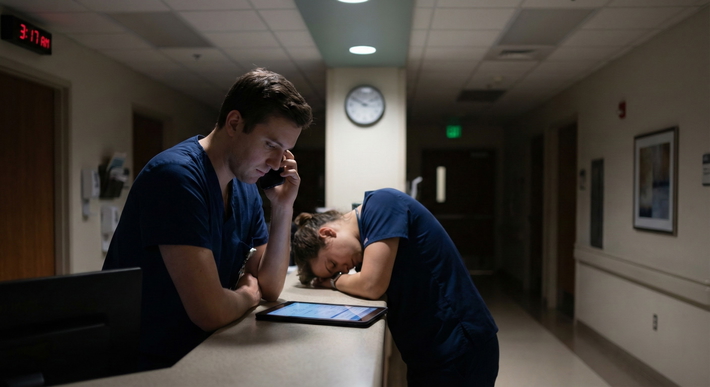
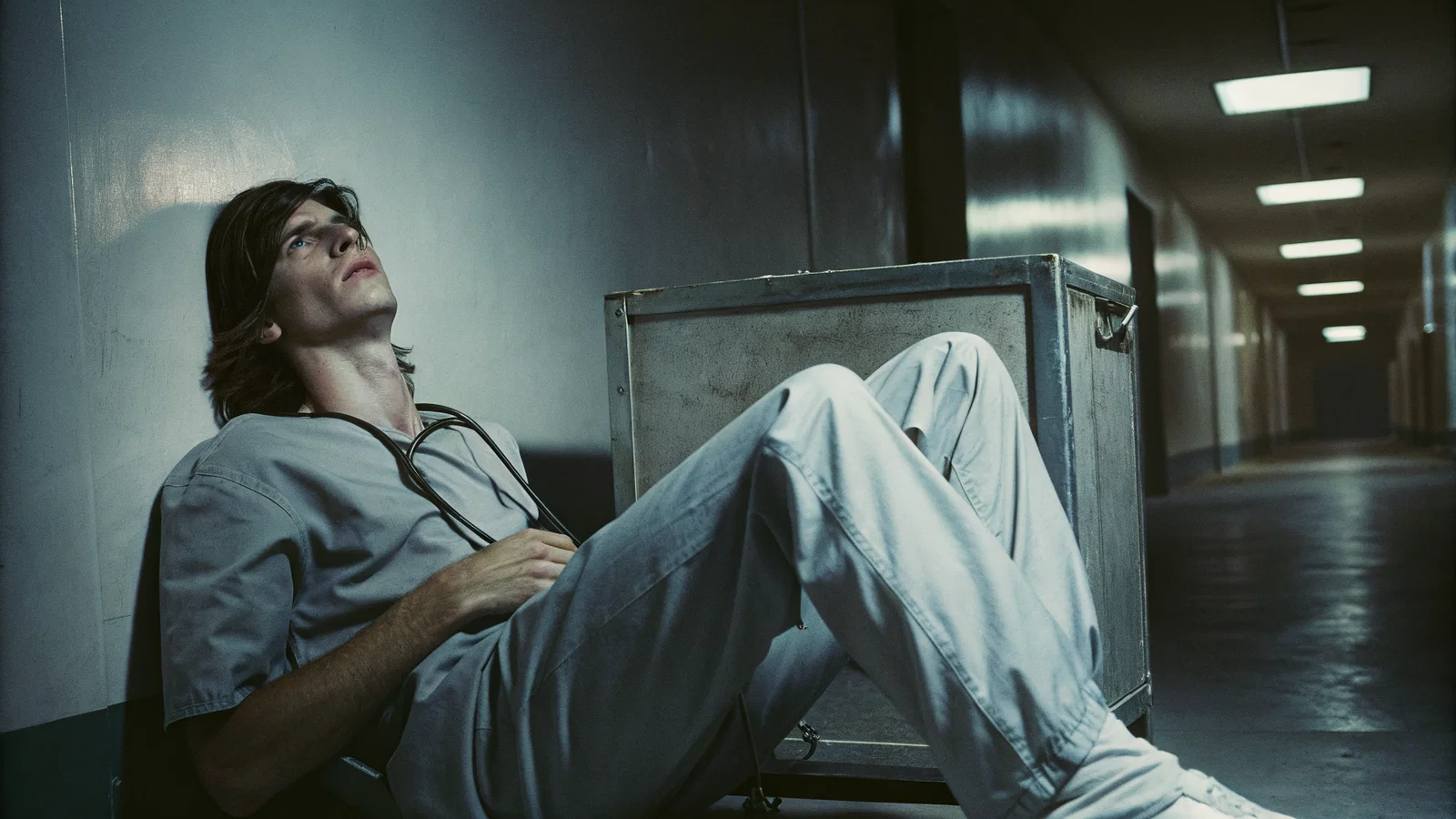
You survived the 24-hour call. Now you're driving home with the windows down in January, blasting terrible radio just to keep your eyelids open. You get inside, fall face-first onto the bed, and sleep until 5 PM. You wake up feeling worse than you did when you went to sleep.
That's because "sleeping it off" is a trap.
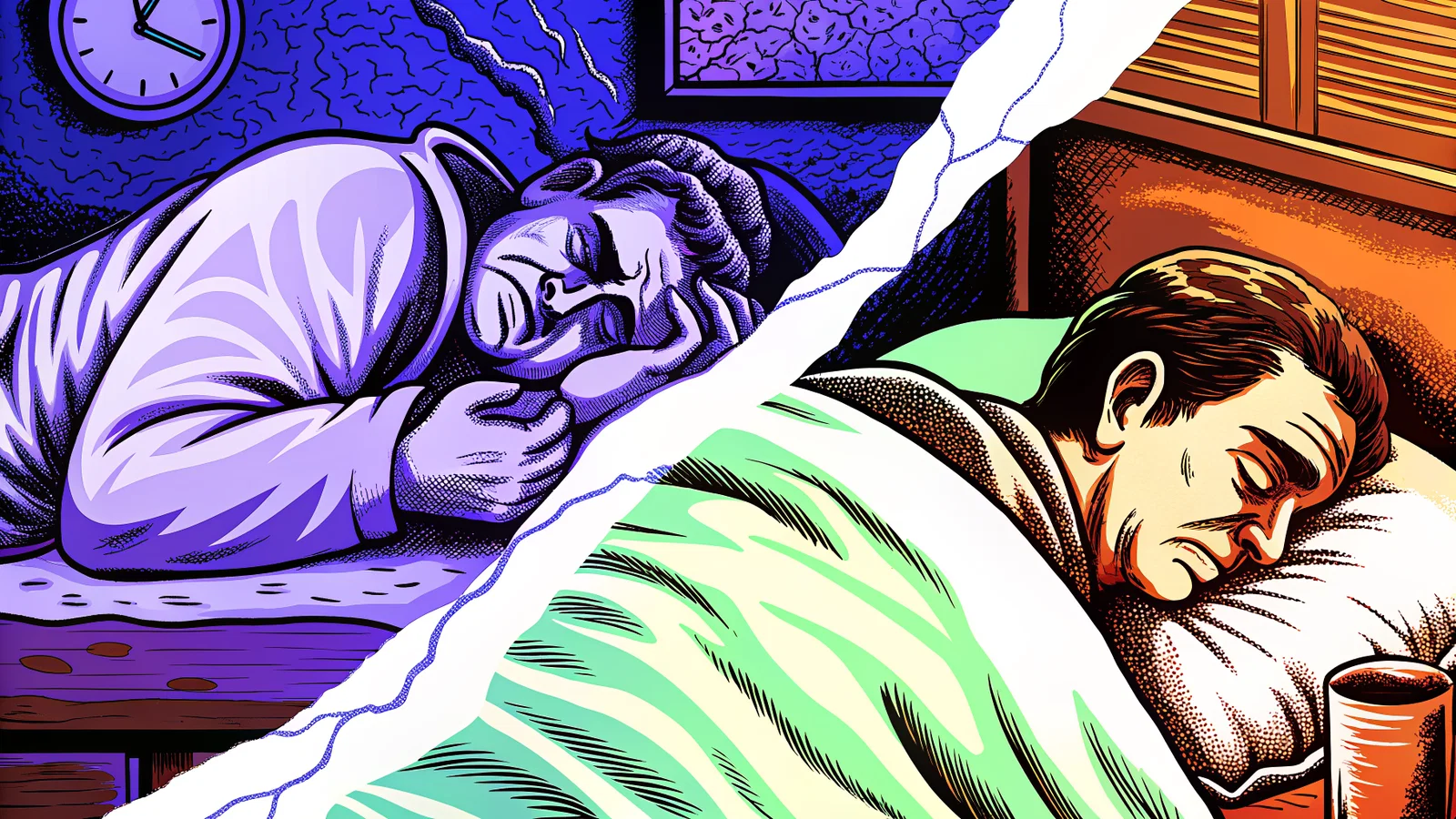
Post-call sleep debt isn't a bank account you can just dump 12 hours of cash into and call it even. Your body runs on a circadian rhythm. When you work extended 24+ hour calls or night shifts, you induce massive circadian misalignment. Your brain expects cortisol spikes at 7 AM and melatonin secretion at 10 PM. Forcing it to do the exact opposite causes physiological chaos.
The ACGME duty hour limits exist for a reason: 80 hours/week, a 24-hour max shift limit, plus a strictly bounded 4-hour handoff period. These aren't suggestions. They're non-negotiable constraints designed to keep you from killing someone.
(See also: reshaping a 28-hour call to protect sleep and sanity for more.)
The common intern misconception is that you can just "sleep for 12 hours" post-call and reset your system. You can't. After about 4 to 5 hours of daytime recovery sleep, your brain's internal clock starts pushing back, waking you up or trapping you in light, unrefreshing sleep stages. You end up lying in the dark, frustrated, wondering why you're still exhausted.
Mandatory Requirements: What You Must Know Before You Schedule
Before you build a sleep schedule, you need to know the rules of the game. The ACGME Common Program Rules dictate your life, specifically Rule IV.C.2.h. This rule mandates sleep opportunity requirements for shifts extending past 16 hours.
Here's the direct answer on what that means: if you're required to stay past 24 hours (up to the 4-hour handoff maximum), your program must provide a protected sleep opportunity. They have to physically release you from clinical duties to rest.
But don't just stop at the ACGME baseline. Institutional policies frequently exceed ACGME minimums. Some hospitals mandate a strict 7-8 hour protected sleep period post-call or have harsher penalties for violating shift limits. Always check your specific program bylaws. General board rules are the floor, not the ceiling.
This isn't just about you feeling tired. There's real legal liability. Programs failing to provide protected sleep opportunities or forcing interns to fudge their hours face severe accreditation risks. If you're coerced into working outside these limits and something happens to a patient, the liability falls squarely on the program. Know your rights. Track your hours. Don't let a burnt-out chief resident bully you into violating ACGME mandates.
Strategic Scheduling: The Polyphasic Approach to Recovery
Since you can't bank 12 hours of sleep at noon, you need a strategy. Enter the "Core + Nap" model.
When you get home, prioritize a core 4-5 hour block of sleep immediately. Do not pass Go, do not check your phone. Sleep. This continuous block allows you to complete at least two full sleep cycles, including the crucial Stage 3 NREM slow-wave sleep needed for physical restoration.
If call ends early (say, 6 AM), you might be tempted to sleep until 3 PM. Don't. You'll wake up with severe sleep inertia. Instead, use this decision framework:
- If call ends before 6 AM: Go straight to bed for a 5-6 hour core sleep. Wake up, get bright light exposure, then take a second 1-2 hour rest period later in the afternoon.
- If call ends after 6 AM: Take a short 20-30 minute power nap to take the edge off, handle immediate life admin, then do your core sleep later.
Avoid "revenge bedtime procrastination." This happens when you wake up from your core sleep, feel robbed of your day, and immediately start socializing or doom-scrolling for hours. It disrupts your homeostatic sleep drive. You need that afternoon rest period to solidify recovery before your next shift.
Optimizing Your Sleep Environment for Daylight Recovery
Your bedroom needs to be a cave. If you can see your hand in front of your face during the day, your room isn't dark enough.
Get blackout curtains. The heavy, ugly, industrial kind. Use eye masks as a backup. The slightest sliver of daylight hitting your retina destroys melatonin production and traps you in Stage 1 sleep. Add a white noise machine or wear earplugs. The daytime world is loud, lawnmowers, delivery trucks, your neighbor's dog. Block it all out.
Temperature control is your secret weapon for deep sleep. Keep the room cool, between 60 and 67°F. Your core body temperature needs to drop to initiate and maintain slow-wave sleep. Sweating in a 74°F room guarantees you'll wake up anxious and groggy.
Watch your caffeine timing. It's a tool, not a crutch. If you plan to sleep at 9 AM, having a coffee at 7 AM "to stay awake for the drive home" is counterproductive. Caffeine has a half-life of up to 6 hours. Avoid it within 6-8 hours of your intended post-call sleep.
Nutrition and Hydration: Fueling for Alertness Without the Crash
What you eat post-call dictates how you feel for the next 48 hours.
Skip the heavy, high-carb meals. No massive bowls of pasta, no entire pizzas. Heavy carb loads induce a food coma, spiking your insulin and crashing your blood sugar just as you're trying to establish a normal baseline.
Opt for protein and complex fats. Eggs, lean chicken, tofu, avocados, and nuts provide sustained energy without the crash.
Hydrate aggressively, but be smart about it. Chugging 32 ounces of water right before you lay down guarantees you'll wake up to pee in 90 minutes, fragmenting your core sleep. Drink steadily when you wake up.
Caffeine is highly effective if you dose it correctly. When you wake from your core sleep, 200mg of caffeine is a solid, strategic dose to push away sleep inertia. Do not rely on energy drinks. They're loaded with sugar and obscure additives that guarantee a crash 3 hours later, impairing your cognitive recovery and leaving you worse off than before.
What To Do If You Missed the Window: Damage Control Strategies
Sometimes the schedule breaks. You get hammered with admissions at 5 AM, sleep through your alarm, or wake up so groggy you can't form sentences.
If you wake up deep in sleep inertia, force immediate light exposure therapy. Stare out a bright window for 10 minutes. Do some light movement, push-ups, a quick walk around the block. Do not lie back down "just for five minutes." You'll wake up three hours later disoriented.
If you have to perform clinical duties while still fatigued, you need damage control protocols. You are a liability to patients right now.
- Double-check every order.
- Use checklists for routine tasks. Rely on rote memory as little as possible.
- Use peer verification. Ask a senior or a nurse to run through your plan. "I'm post-call and running on 3 hours, can you look at this dosage?"
Know your threshold for calling out. If you are experiencing microsleeps, nodding off mid-conversation or while standing up, you are too impaired to work safely. Go home. Do not try to be a hero.
Long-Term Sustainability: Building Resilience Across the Internship
Internship isn't a single sprint; it's a marathon of sprints. You have to transition from single-event recovery to long-term sleep hygiene habits.
The cumulative effect of post-call sleep debt is brutal on your mental health. It's a primary driver of burnout, depression, and the cynical detachment we see in exhausted residents. Treating your sleep environment and schedule as sacred isn't selfish, it's survival.
Communicate with your program directors. If your schedule repeatedly forces you into unsafe territory or violates duty hours, speak up. Frame it around patient safety standards. Good program directors want to know if the system is breaking their interns. Bad ones will try to silence you. Know the difference and document everything.
Key Takeaways
- Protected sleep is a mandatory regulatory requirement, not a comfort. Know your ACGME rights and your specific hospital policies.
- Prioritize a continuous 4-5 hour core sleep block immediately post-call over fragmented naps to maximize restorative sleep cycles.
- Strategic caffeine use and environmental controls (darkness, cool temp) are critical for daytime sleep quality.
- Always have a damage control protocol for clinical tasks when fatigue remains high: peer verification, checklists, and simplified workflows.