
Why Letters of Recommendation Matter So Much in Cardiothoracic Surgery
In cardiothoracic surgery residency applications, letters of recommendation (LORs) carry exceptional weight. On paper, many applicants look similar: strong USMLE/COMLEX scores, honors in surgery, some research. What often distinguishes one applicant from another is how trusted surgeons describe them in writing.
Program directors in cardiothoracic surgery are deciding who will train in one of the most demanding, high‑stakes specialties in medicine. They are looking for evidence that:
- You can function safely and effectively in the OR
- You have the resilience and maturity to handle high-acuity patients
- Senior surgeons would trust you with their patients—and with their team
Well-written residency letters of recommendation do three things:
- Validate your clinical and technical abilities in heart surgery training or cardiothoracic-related rotations
- Confirm your professional identity and character from people whose judgment they trust
- Differentiate you from peers who may have similar metrics but weaker narratives
In cardiothoracic surgery residency, a lukewarm or generic LOR is effectively a negative data point. Conversely, a focused, detailed letter from a respected surgeon can dramatically boost your application—even if some of your metrics are average.
This guide will walk you through how to get strong LOR, who to ask for letters, how to work with your writers, and how to avoid common pitfalls specific to cardiothoracic surgery.
Understanding What Programs Want from LORs in Cardiothoracic Surgery
Cardiothoracic surgery sits at the intersection of technical excellence, team leadership, and intense emotional and physical demands. Letters need to speak credibly to all three.
Key Competencies Programs Look For in LORs
Strong cardiothoracic surgery residency LORs should address:
Technical and operative potential
- Comfort in the OR environment
- Ability to learn and execute procedural skills (even if early-stage)
- Manual dexterity, spatial awareness, and attention to sterile technique
- Understanding of cardiac and thoracic anatomy and physiology
Clinical judgment and patient care
- Pre- and postoperative evaluation skills
- Integration of imaging, labs, and clinical data in decision-making
- Reliability in following through on tasks, orders, and consults
- Ownership of patient care—knowing the patients’ details, anticipating needs
Work ethic and resilience
- Ability to function during long hours and demanding cases
- Emotional stability when dealing with poor outcomes or complications
- Consistency over time, not just during “audition” days
Teamwork and communication
- Interactions with nurses, PAs, perfusionists, anesthesia, and fellow trainees
- Openness to feedback and evidence of growth after redirection
- Professionalism, humility, and respect
Academic and scholarly potential
- Engagement with research, QI, or scholarly activity
- Curiosity: asking thoughtful questions, reading around cases
- Potential to contribute academically to the field over time
How Letters Are Read and Interpreted
Cardiothoracic surgery program directors are experienced “LOR readers.” They are skilled at:
- Detecting code words or faint praise (“pleasant,” “hard-working,” “did what was asked”)
- Valuing specific narratives over generic superlatives
- Weighing the reputation of the letter writer and institution
- Comparing letters across applicants from the same institution or rotation
In a highly competitive field, a letter that simply calls you “reliable and hardworking” without detail or comparison may be interpreted as “average.”
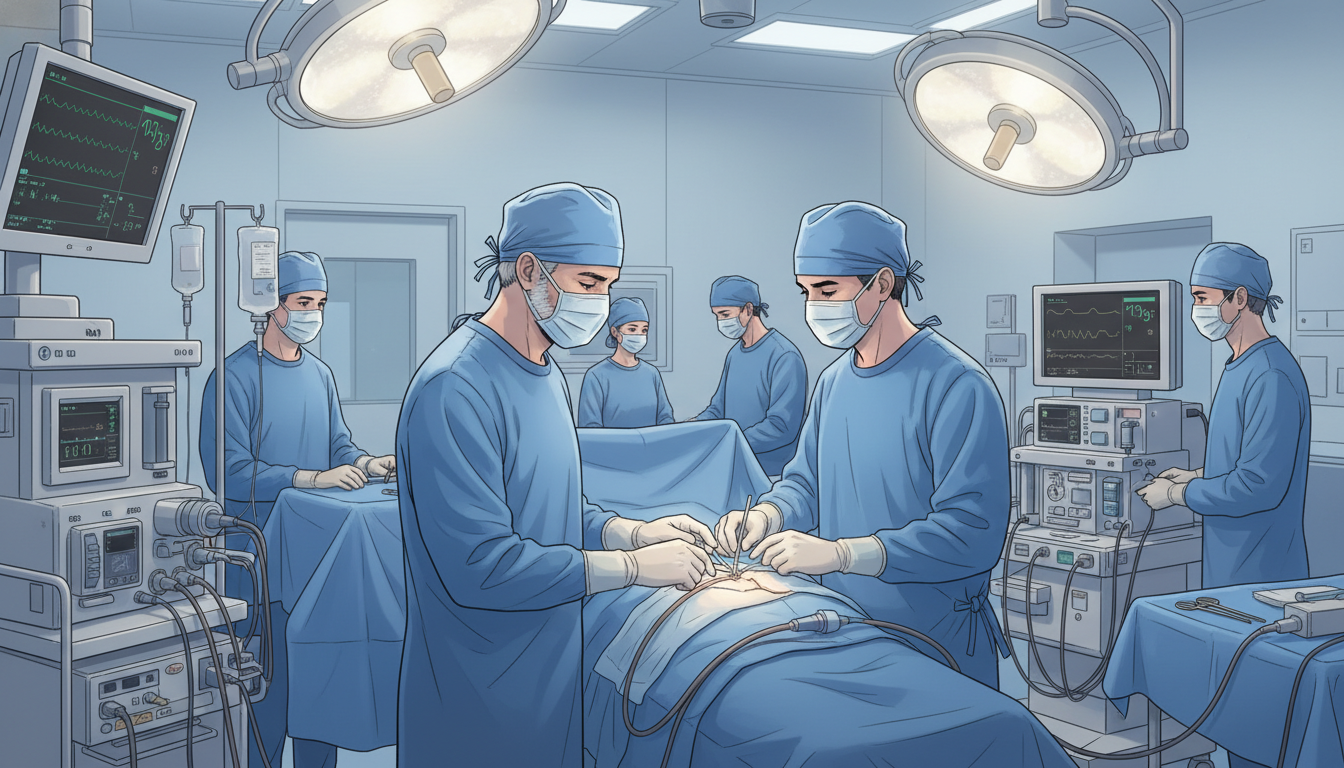
Who to Ask for Letters—and How to Strategize Your Mix
A smart LOR strategy is essential. “Who to ask for letters” is not just about prestige; it’s about fit, specificity, and credibility.
Ideal Composition of Letters for Cardiothoracic Surgery
Most applicants will submit 3–4 letters total (check ERAS/program requirements). For cardiothoracic surgery residency (including integrated I-6 and traditional pathways), a strong mix often includes:
One or two letters from cardiothoracic surgeons
- Preferably from faculty who directly supervised you on a CT surgery rotation
- Even better if one is from your home institution’s CT surgery program director or division chief
- If you did an away rotation in cardiothoracic surgery, a strong letter from that site can carry significant weight
One letter from a general surgery or surgical subspecialty faculty
- Especially if they can comment on your operative potential and surgical mindset
- Trauma, vascular, or transplant surgeons often work closely with CT-surgery-bound students
Optional: One letter from research mentor in cardiothoracic or related field
- Particularly helpful if you have significant research output or an academic career interest
- Valuable when the mentor is well-known in the CT surgery or cardiac science community
Who Should NOT Be Your Primary Letter Writers
Avoid relying heavily on:
- Non-surgeons, unless they have a direct and substantial clinical or research relationship with you in a cardiothoracic context (e.g., cardiologist who oversaw your structural heart research)
- Short-term observers who only knew you for a week or through shadowing
- Faculty who barely remember you, even if they are famous; a generic letter from a big name is less impactful than a detailed letter from a mid-level but engaged faculty member
Prioritizing Depth Over Title
A common dilemma: solid relationship with an associate professor vs. superficial contact with a nationally famous chair.
In cardiothoracic surgery, a deeply personalized, detailed letter from someone who actually knows your work is almost always stronger than a hollow endorsement from a big title. Program directors recognize substance.
Ask yourself:
- Who has seen me at my best and worst?
- Who has watched me grow over time?
- Who has trusted me with responsibility?
Those are your best candidates.
Special Scenarios
1. Applicants from schools without cardiothoracic surgery programs
You can still present a strong portfolio:
- Seek letters from general surgeons who can speak to your surgical skills and interests
- Consider away rotations in cardiothoracic surgery—then request letters from those rotations
- Use your personal statement and CV to connect your general surgery experiences to cardiothoracic goals
2. Non-traditional or reapplicant candidates
- Prioritize current clinical supervisors to demonstrate up-to-date performance
- Have at least one letter addressing your trajectory and improvement
- If prior performance issues exist, a letter openly describing your growth can be powerful
How to Get Strong LOR: Laying the Groundwork Long Before You Ask
The best residency letters of recommendation are written about students who have intentionally built relationships and reputations well before application season.
Excel Clinically on Relevant Rotations
On your cardiothoracic and general surgery rotations:
- Arrive early, leave late (consistently, not performatively)
- Know your patients cold—labs, imaging, ventilation settings, drips, lines, and relevant anatomy
- Volunteer for tasks others avoid: calling difficult consults, family updates, discharge summaries
- Read about every major case the night before—especially cardiac or thoracic procedures
Faculty who later write about you should be able to say:
“They consistently arrived before the team, had already examined their patients, and anticipated OR and ICU needs.”
Make Your Interest in Cardiothoracic Surgery Clear
Faculty are more likely to invest in your development (and write a strong letter) if they understand your goals.
On rotations:
- Tell supervising residents and attendings early:
- “I’m very interested in cardiothoracic surgery and hoping to apply for an I-6 spot (or traditional pathway). I’d really appreciate any feedback on how I can improve.”
- Ask thoughtful questions about:
- Decision-making around CABG vs PCI
- Timing of surgery for valve disease
- ICU management of post-op CT patients
This signals genuine interest—not just chasing letters.
Demonstrate Longitudinal Engagement
Where possible, create continuity:
- Re-join CT or cardiac-related cases later in the year, even if you’re on another elective
- Work on a research or QI project with the CT team
- Attend departmental or M&M conferences related to cardiothoracic care
Letter writers can then credibly state that they’ve:
“Observed this applicant’s sustained commitment to cardiac surgery over more than a year.”

The Mechanics of Requesting and Supporting Strong Letters
Once you’ve built the foundation, the way you request letters can significantly affect their quality.
When to Ask for Letters
Timing guidelines:
- End of rotation (or shortly after) is ideal, when your work is fresh in their mind
- For an application cycle starting in September, aim to:
- Identify likely writers by spring
- Ask by late spring or early summer
- Provide gentle reminders 4–6 weeks before deadlines if needed
If you must ask several months after a rotation, schedule a brief meeting to reconnect and update them before requesting.
How to Ask: In Person vs Email
Best approach: Ask in person or via video call if possible, followed by a detailed email.
How to phrase the request:
- “I’ve really valued working with you on the cardiothoracic service and learning from your approach in the OR and ICU. I’m applying to cardiothoracic surgery residency, and I was wondering if you’d feel comfortable writing me a strong letter of recommendation.”
The phrase “strong letter of recommendation” gives them an honest exit ramp if they cannot support you enthusiastically.
If they hesitate or give vague responses, you may be better off not using that letter.
What to Provide Your Letter Writers
To help them write a high-impact letter, give them a brief, organized packet (physical or electronic):
Updated CV
Personal statement draft (even if preliminary)
USMLE/COMLEX score report (optional, but useful context)
Brief summary of your work with them, including:
- Dates and type of rotation/research
- Specific patients or cases you worked on
- Any projects you collaborated on
- Your stated career goals in cardiothoracic surgery
Talking points or bullets (not a drafted letter)
- Key strengths you hope they might address (e.g., “ownership of patient care,” “resilience during complex cases”)
- Any challenges or growth areas you’ve overcome that they witnessed
Many faculty appreciate a one-page “brag sheet” listing:
- “3–5 moments I’m proud of from this rotation”
- “3 qualities I hope programs will understand about me”
This is not arrogant; it’s efficient.
Letters from Away Rotations in Cardiothoracic Surgery
Away rotations can be pivotal in heart surgery training and networking. To maximize letter value:
- Clarify early with the rotation director:
- “I’m hoping to obtain a letter from this rotation. What expectations should I be aware of?”
- Seek substantial interaction:
- Scrub into as many cases as possible
- Ask to present at rounds or conferences if appropriate
- Near the end, meet with the faculty most engaged with you:
- Ask them for honest feedback
- If positive, request a strong letter using the same approach as above
Letters from away rotations help programs see how you perform outside your home environment—very valuable in this competitive specialty.
What Makes a Cardiothoracic Surgery LOR Truly Stand Out?
Understanding how to get strong LOR also means understanding what “strong” actually looks like.
Hallmarks of a High-Impact Letter
Program directors repeatedly highlight these features:
Specificity over generic praise
- Concrete examples: “On postoperative day 1, the patient developed junctional rhythm; the student promptly recognized it, notified the team, and helped coordinate management.”
Clear, comparative statements
- “In my 10 years supervising students, I would rank them in the top 5% in terms of work ethic and clinical reasoning.”
Observed behavior in the OR and ICU
- Comments on how you handle:
- Scrubbing and sterile technique
- Suturing practice and progress
- Managing tension and setbacks during long cases
- Comments on how you handle:
Description of growth
- “Over four weeks, I watched them move from quiet observer to taking ownership of patient presentations and making thoughtful management suggestions.”
Comments on character and professionalism
- Interactions with nurses, respiratory therapists, perfusionists
- Handling of stressful family conversations
- Response to constructive criticism
Subtle Red Flags in Letters
Program directors are attuned to:
Hedge phrases:
- “With appropriate supervision, they will do well.”
- “They fulfilled all expectations.”
Omissions:
- No mention of teamwork or communication
- No comment on clinical reasoning
Overly short or vague letters:
- A two-paragraph letter from someone who should know you well is concerning.
Your goal: choose and support letter writers so their letters are rich, detailed, and enthusiastic, not just polite.
Common Pitfalls and How to Avoid Them
Even strong applicants make preventable mistakes. Use this section as a checklist.
Pitfall 1: Asking the Wrong Person for the Wrong Reasons
- Choosing a “big name” who barely knows you
- Asking someone who has hinted at concerns about your performance
- Requesting from a preclinical instructor with no surgical perspective as your main letter
Solution: Prioritize depth of relationship and observed clinical performance over status.
Pitfall 2: Not Waiving Your Right to View the Letter
Most residency application systems ask whether you’ll waive your right to see letters.
- Programs expect you to waive this right; confidential letters are perceived as more honest.
- If you do not waive it, some PDs may question the candor of the writer.
Solution: In almost all cases, waive your right to view. If you’re not comfortable enough to waive, reconsider that writer.
Pitfall 3: Poor Timing and Last-Minute Requests
- Asking for a letter 1–2 weeks before the deadline
- Not sending reminders for busy surgeons
- Assuming submission without verifying
Solution:
- Ask at least 6–8 weeks before you need the letter
- Politely remind them 2–3 weeks before the deadline
- Track submission status in ERAS or your application portal
Pitfall 4: Misalignment Between Letters, Personal Statement, and CV
If your personal statement emphasizes research and academic cardiothoracic surgery, but your letters describe you only as a solid clinician with no comment on scholarly interest, your narrative feels inconsistent.
Solution:
- Brief your writers on your goals
- Make sure your packet (CV + personal statement) reflects the same themes
- Do not fabricate interests; instead, highlight what is most genuine and best supported by your history
Pitfall 5: Overlooking Non-Clinical Strengths
Especially for cardiothoracic surgery, programs value:
- Leadership roles (e.g., organizing simulation sessions, leading a research team)
- Resilience (e.g., overcoming adversity, major life obstacles)
If a letter writer knows and can credibly speak to these, encourage them to.
Putting It All Together: A Step-by-Step Action Plan
To simplify your process, here is a structured roadmap:
12–18 Months Before Applying
- Arrange clinical rotations that include:
- Cardiothoracic surgery
- General surgery
- Surgical ICU or cardiac ICU if possible
- Identify potential mentors and letter writers early
- Begin or continue cardiothoracic-related research or QI projects
6–12 Months Before Applying
On your CT surgery rotation:
- Perform at a consistently high level
- Make your interest in cardiothoracic surgery clear
- Ask for feedback and act on it
Identify 4–5 potential writers:
- 1–2 CT surgeons
- 1 general surgeon or surgical subspecialist
- 1 research mentor (optional)
4–6 Months Before Application Submission
- Request letters—explicitly asking for strong letters
- Prepare and share your LOR packet with each writer
- Confirm understanding of ERAS or relevant submission systems
1–3 Months Before Submission
- Gently follow up as needed
- Finalize your personal statement and application
- Ensure all residency letters of recommendation are uploaded before you certify and submit
FAQs: Letters of Recommendation in Cardiothoracic Surgery
1. How many cardiothoracic-specific letters do I really need?
Ideally, at least one strong letter from a cardiothoracic surgeon who has supervised you clinically. Two is better if you’ve had separate meaningful CT experiences (e.g., home and away rotations). If your school lacks CT surgery, a powerful letter from a general surgeon plus a CT letter from an away rotation is a solid alternative.
2. What if I didn’t get along well with the CT attending on my main rotation?
Do not feel obligated to request a letter from someone who may not be fully supportive. Instead:
- Identify other CT or cardiac faculty who worked with you and can speak positively
- Seek additional CT or closely related rotations (away or elective) to create new opportunities
- Consider letters from general surgery faculty who can vouch for your surgical potential while you build further cardiothoracic exposure
3. Is a research letter useful if the mentor never saw me clinically?
Yes—as a supplement, not a replacement for clinical letters. A strong research letter can:
- Highlight your academic potential
- Underline your dedication to cardiothoracic surgery or cardiovascular science
- Demonstrate perseverance, initiative, and intellectual curiosity
However, cardiothoracic surgery residency programs must also see letters that address your patient care, OR performance, and professional behavior.
4. How do programs weigh letters versus scores and grades in cardiothoracic surgery?
Exact weight varies by program, but in competitive fields like cardiothoracic surgery:
- Scores and grades may determine who passes the initial screen
- Letters profoundly influence who rises to the top, gets interviews, and ranks highly
A stellar set of residency letters of recommendation can significantly strengthen an application with average metrics, especially if they clearly support your fit for heart surgery training and your long-term potential in the field.
By approaching letters of recommendation strategically—building meaningful relationships, performing consistently well, and supporting your writers thoughtfully—you give programs the evidence they need to confidently choose you for cardiothoracic surgery residency.