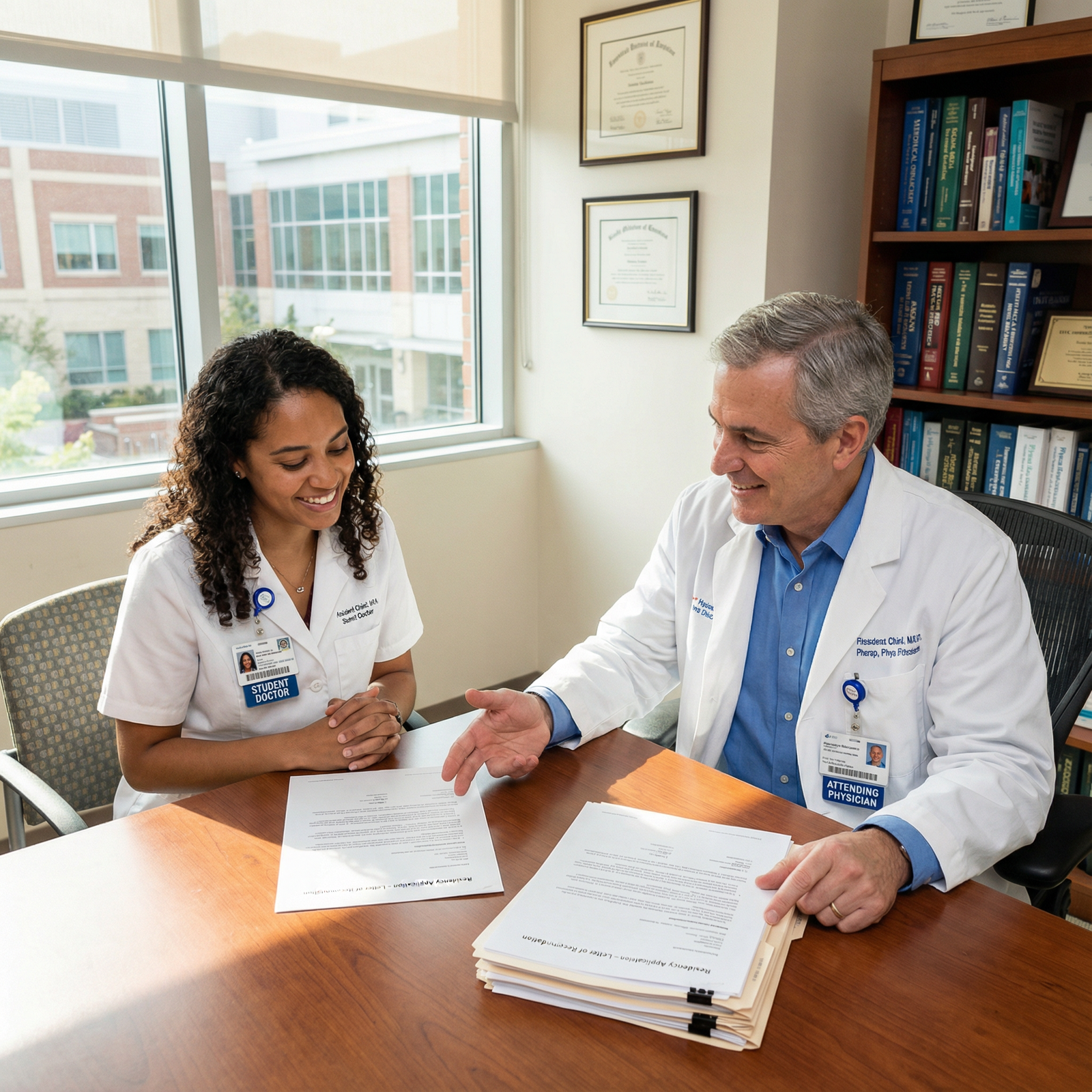
Understanding the Role of Letters of Recommendation in Global Health
Letters of recommendation are always important in residency applications—but in global health, they often carry extra weight. Programs know that global health work requires resilience, cultural humility, adaptability, and the ability to thrive in unfamiliar, resource-limited settings. These qualities are hard to assess from test scores and CVs alone. Strong residency letters of recommendation help programs see how you actually function in real-world international medicine environments.
For applicants targeting a global health residency track, combined programs (e.g., internal medicine–pediatrics with global health emphasis), or residencies known for strong international medicine pathways, your letters can:
- Validate that you can work safely and effectively in low-resource or cross-cultural contexts
- Demonstrate your commitment to global health beyond “medical tourism” or short-term missions
- Highlight your teamwork, leadership, and ethical decision-making in complex environments
- Differentiate you from applicants with similar grades and scores but less robust global health evaluation
Many global health-oriented programs will read your letters specifically for evidence that you understand:
- Health equity and social determinants of health
- Local partnership and capacity-building (not just “helping”)
- Ethical global engagement and cultural humility
- The realities of working in systems with limited diagnostics, staffing, or infrastructure
This makes who to ask for letters and how to get strong LOR especially strategic for global health–oriented applications.
What Global Health Programs Look for in Letters of Recommendation
Global health faculty often read letters with a particular set of questions in mind. Understanding these can help you guide your letter writers and choose experiences that generate strong, relevant commentary.
Key Competencies Highlighted in Global Health LORs
When reviewing residency letters of recommendation for global health–interested applicants, program directors often look for proof of:
Clinical competence in varied settings
- How you manage patients with limited diagnostic tools
- Comfort with uncertainty and reliance on physical exam and history
- Safe clinical decision-making in resource-limited contexts
Cultural humility and professionalism
- Respectful engagement with local staff and patients
- Willingness to learn from local clinicians, not just visiting faculty
- Sensitivity to language barriers, gender norms, religious practices, and local customs
Adaptability and resilience
- Functioning under stress: long days, heat, limited resources, or disruptions
- Problem-solving when standard protocols or equipment are unavailable
- Maintaining professionalism when plans change, clinics are canceled, or resources are scarce
Ethical awareness in international medicine
- Understanding your scope of training and limitations
- Asking for supervision instead of “winging it” in unfamiliar procedures
- Demonstrating respect for local protocols and local leadership
Teamwork and leadership
- How you work across cultures and disciplines (nurses, social workers, community health workers)
- Your contribution to interprofessional teams and collaborative efforts
- Leadership in student/resident groups, QI projects, or community initiatives
Sustained commitment to global health
- Longitudinal engagement rather than one isolated short-term trip
- Scholarship (posters, QI projects, publications) in global health topics
- Participation in global health tracks, electives, or student-led initiatives
What Makes a “Strong” Global Health LOR?
Common features of a compelling letter include:
- Specific examples rather than generic praise
- Direct comparison to peers (“top 5% of students I’ve supervised in global health settings”)
- Narrative details that bring your global health work to life
- Clear endorsement for residency, ideally with a global health fit comment
For example, compare:
“The student was interested in global health and did a good job on the rotation.”
vs.
“During a four-week rotation in rural Uganda, [Applicant] rapidly adapted to a setting with limited lab capability. When an older adult presented with shortness of breath, [Applicant] relied on a careful physical exam to differentiate pneumonia from heart failure, presented a clear assessment and plan, and appropriately asked for input when the patient deteriorated. Their humility, cultural sensitivity, and clinical reasoning in this case were exemplary and well above the level of a typical graduating student.”
The second letter provides concrete, global health–specific evidence that programs can trust.
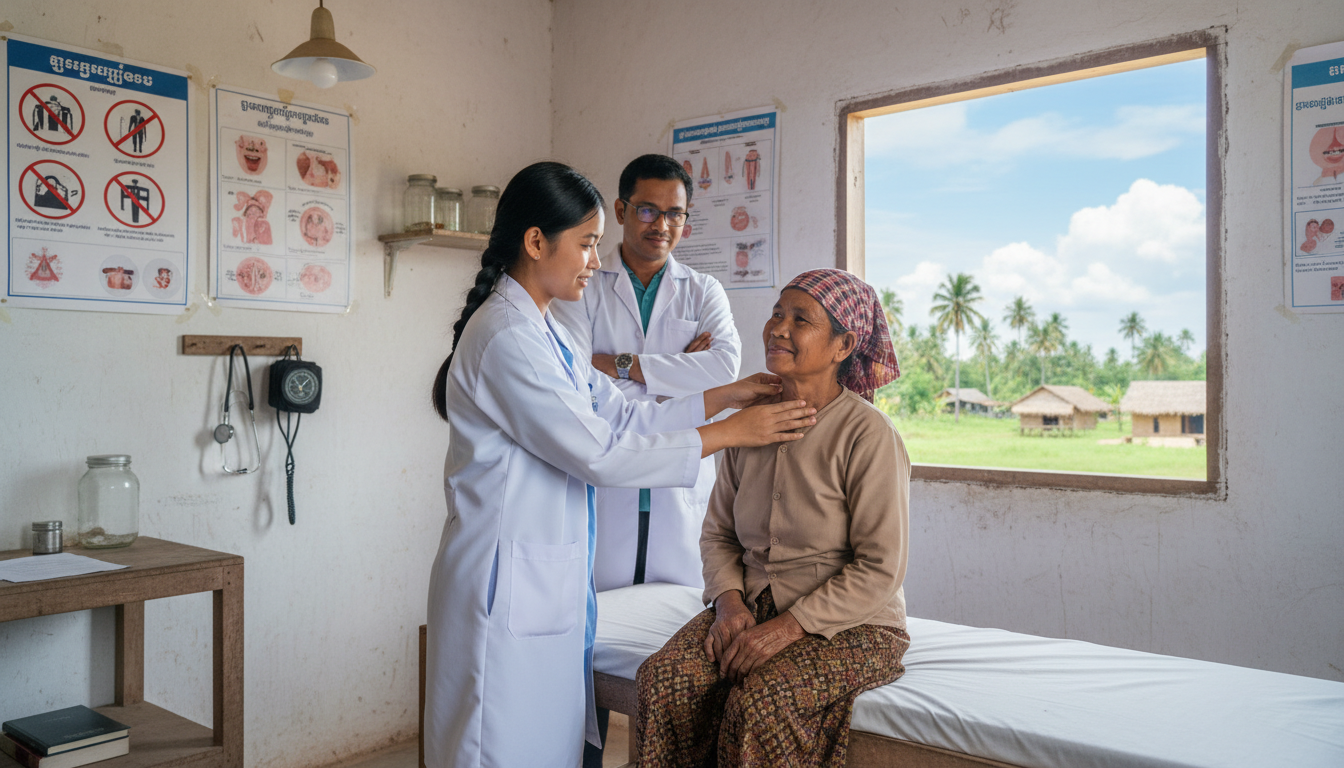
Who to Ask for Letters: Building the Right Recommender Team
Choosing who to ask for letters is especially strategic when you’re targeting a global health residency track or global health–rich programs.
Core Principles for Selecting Letter Writers
Aim for 3–4 letters that collectively:
Meet standard residency expectations
- Usually at least:
- 1–2 letters from core clinical rotations (internal medicine, surgery, pediatrics, etc.)
- 1 “departmental” or “chair’s” letter if your specialty/program expects this
- Usually at least:
Highlight your global health experience
- At least one letter (preferably two) should speak directly to your global health or international medicine involvement.
Come from people who know you well
- Strong letters come from supervisors who have meaningfully observed your work for several weeks or more, not from big names who barely know you.
Include at least one academic clinician
- Someone experienced in residency selection will know what programs are looking for and how to structure a persuasive letter.
Ideal Global Health Letter Writers
Consider the following potential recommenders:
Global health rotation preceptors (domestic or international)
- Faculty who supervised you in:
- International electives
- Refugee clinics
- Migrant or farmworker health programs
- Urban underserved clinics with a global health focus
- These letters can showcase both clinical and cross-cultural skills.
- Faculty who supervised you in:
Global health track or pathway directors
- If your school has a global health residency track equivalent at the student level (pathway, concentration, or certificate), the director can:
- Summarize your longitudinal engagement
- Highlight projects, coursework, and leadership
- Speak to your sustained commitment and growth
- If your school has a global health residency track equivalent at the student level (pathway, concentration, or certificate), the director can:
Research mentors in international medicine or health equity
- Especially if you have:
- A substantive role (data collection, analysis, manuscript writing)
- Longitudinal mentorship
- These letters may emphasize:
- Scholarly productivity
- Reliability and ownership
- Understanding of global health systems and ethics
- Especially if you have:
Local partner or in-country supervisors
- These can be powerful, especially if:
- They supervised you directly in a global health setting
- They can comment on your behavior as a visiting learner
- Practical point: They may need guidance on U.S.-style residency letters and logistical support for submission. Consider pairing them with a U.S.-based faculty co-signer if appropriate.
- These can be powerful, especially if:
Core clinical faculty who can integrate global health
- A medicine or pediatrics attending who has:
- Seen you in standard inpatient/outpatient settings
- Also knows about your global health involvement
- They can speak to your overall readiness while referencing your global interests.
- A medicine or pediatrics attending who has:
Balancing Global Health and Core Clinical Letters
You still need to show that you’re an excellent resident candidate in your base specialty (e.g., internal medicine, pediatrics, family medicine, OB/GYN, EM). A practical strategy:
- 2–3 core clinical letters (medicine, pediatrics, EM, etc.)
- 1–2 global health–focused letters
Sometimes one letter can serve both roles—e.g., a global health–involved internist writing about your medicine sub-I and your international work.
How to Get Strong LOR for Global Health: Step-by-Step Strategy
You can’t control what someone writes, but you can heavily influence the quality and relevance of your letters. Here’s how to get strong LOR tailored to global health applications.
Step 1: Invest Deeply in Key Experiences
Letters are only as good as the experiences they describe. To set yourself up for strong global health letters:
Prioritize longitudinal involvement:
- Join a student-run global health group and stay involved over years
- Participate in a multi-year partnership, not just a single trip
- Work on a project that spans semesters (QI, curriculum development, research)
Choose substantive roles:
- Lead, don’t just attend
- Volunteer to coordinate logistics, mentor junior students, or manage parts of a project
- Take responsibility that allows your mentor to see you handle complexity
Seek structured global health rotations:
- Formal electives (clinical or research) with clear goals and evaluation
- Domestic rotations in refugee health, immigrant health, or underserved international communities
The more meaningful and extended your engagement, the more content your letter writer has to work with.
Step 2: Ask the Right Person the Right Way
When you’re ready to request a letter, be direct and specific:
Ask: “Would you be able to write a strong letter of recommendation for my residency applications, with emphasis on my interest and potential in global health?”
This phrasing:
- Gives them an “out” if they can’t be enthusiastic
- Signals that you want global health–relevant content
- Sets the tone for a candid, substantial letter
If they hesitate or respond ambiguously (“I can write you a letter”), consider whether you should ask someone else.
Step 3: Provide a Clear “LOR Packet”
Make it easy for your letter writer to advocate for you, especially regarding global health. Share a short, targeted packet that includes:
Updated CV
- Highlight global health, international medicine, and health equity experiences in their own section.
Personal statement (or draft) with global health focus
- Shows how you frame your motivations and future plans.
Brief summary of your work with them (1–2 pages max)
- Dates and context of your experience together
- Specific patients, cases, projects, or challenges you handled
- Skills you hope they might comment on:
- Clinical reasoning in low-resource settings
- Cultural humility and communication
- Adaptability, professionalism, teamwork
- Ethical global engagement
List of programs or track types you’re applying to
- Especially flag programs with a global health residency track or strong international medicine curriculum.
Logistics:
- Submission portals, deadlines, and any specific instructions from ERAS or programs
- Whether the letter will be used for multiple specialties (if applicable)
You’re not telling them what to write; you’re giving them raw material and context to create a detailed, tailored letter.
Step 4: Guide the Global Health Emphasis (Without Overstepping)
You can ethically nudge the emphasis of your letter by asking for commentary on certain themes. For example, in an email or short conversation, you might say:
“For programs with a global health residency track, they’re particularly interested in my ability to work effectively in low-resource, cross-cultural settings. If you’re comfortable, it would be very helpful if you could comment on any specific cases or situations from our time in [country/project/clinic] that reflect my clinical adaptability, cultural humility, and teamwork.”
This is appropriate and commonly appreciated; it helps your recommender remember relevant examples.
Step 5: Manage Timing and Follow-Up
- Ask at least 6–8 weeks before your first application deadline.
- Set a soft deadline earlier than the real one, especially for busy global health faculty who may be frequently traveling.
- Follow up politely:
- 2–3 weeks before the deadline
- 1 week before, if still not submitted
Offer brief, respectful reminders: highlight deadlines and reiterate your appreciation.

Tailoring Your LOR Strategy for Different Global Health Paths
Global health intersects with many core specialties. Your letter strategy should match the type of programs you’re targeting.
1. Internal Medicine, Pediatrics, and Med-Peds with Global Health Focus
Many medicine, pediatrics, or med-peds programs have:
- A formal global health residency track
- International electives or partnerships
- Categorical spots with a global health emphasis
For these programs:
Ensure 2–3 strong core clinical letters:
- From excellent inpatient or sub-internship performances
- Attest to your readiness for rigorous residency training
Add 1–2 global health–focused letters that:
- Demonstrate how your global health work complements your core specialty
- Emphasize your ability to thrive in complex systems and underserved care settings
There’s often value in a letter that explicitly states:
“I believe [Applicant] will be a particularly strong fit for residency programs with robust global health training, given their demonstrated commitment, ethical awareness, and ability to work in low-resource and cross-cultural settings.”
2. Family Medicine and Primary Care–Focused Global Health
Family medicine programs frequently integrate:
- Community health
- Refugee and immigrant care
- Longitudinal global partnerships
For family medicine:
- At least one letter should highlight your holistic, patient-centered approach and continuity mindset.
- Global health letters that showcase community engagement, public health perspectives, and team-based care are particularly valuable.
Example: A letter from a faculty member who supervised your work at a community health center serving large immigrant populations can carry as much weight as an overseas elective.
3. Emergency Medicine, OB/GYN, Surgery, and Other Procedural Fields
Global health opportunities exist in every specialty, but letters need to balance procedural/acute care skills with global health readiness.
For these specialties:
Emphasize:
- Technical and procedural competence
- Strong clinical judgment in acute settings
- Ability to work effectively in resource-variable environments
Global health letters might focus on:
- Your work in emergency departments or maternity wards in resource-limited settings
- Training local providers, working collaboratively on QI, or adapting guidelines to resource constraints
Programs will want reassurance that you’re both a strong proceduralist and a thoughtful, ethically grounded global partner.
4. Applicants with Extensive Global Health Backgrounds
If you have:
- A prior MPH or global health degree
- Significant pre-med or pre-residency international work
- Multiple international medicine experiences
You still need to show that you’re ready for residency-level clinical training.
- Ensure at least two letters emphasize your recent clinical performance as a medical student (or intern, if reapplying).
- Additional letters can speak to:
- Your leadership in global health
- Scholarship (publications, presentations)
- Long-term vision for integrating global health into your career
Common Pitfalls and How to Avoid Them
Even strong applicants can be undermined by weak or misaligned letters. Here are frequent pitfalls and strategies to avoid them.
Pitfall 1: Generic Letters from Big Names
A famous global health leader who barely knows you can hurt more than help. Programs recognize boilerplate letters and may assume:
- You sought prestige over substance
- You didn’t invest deeply enough for detailed mentorship
Solution: Prioritize people who directly supervised your work, even if they’re not widely known.
Pitfall 2: Letters with Limited Clinical Content
Especially in global health–heavy letters, there’s a risk the writer focuses only on:
- Your enthusiasm
- Your interest in health equity
- Your participation in projects
without providing evidence of:
- Clinical reasoning
- Professionalism
- Reliability under pressure
Solution: When you share your LOR packet, explicitly request that your writer comment (if they can) on your clinical performance and day-to-day functioning as a learner.
Pitfall 3: Overemphasizing “Adventure” Over Ethics
Letters sometimes unintentionally glorify the “adventure” aspect of global health:
- “Unafraid to do anything”
- “Jumped into procedures beyond their training”
- “Took charge even when local staff were hesitant”
Program directors may interpret these as red flags.
Solution: Encourage emphasis on:
- Respect for local protocols and leadership
- Appropriate recognition of your training limits
- Willingness to seek supervision and collaborate rather than dominate
Pitfall 4: Misalignment with Specialty
A letter might praise you as a humanitarian or advocate but fail to support your fit for a specific specialty (e.g., internal medicine vs. emergency medicine).
Solution: Make sure each letter writer knows:
- Which specialty you’re applying to
- How your global health experiences connect to that field
- Which qualities are highly valued in that specialty (e.g., continuity and chronic care in IM vs. crisis management in EM)
FAQs: Letters of Recommendation for Global Health–Oriented Applicants
1. Do I need letters specifically from international rotations to match into global health–focused residencies?
Not necessarily. Strong letters can come from:
- Domestic rotations serving refugee, immigrant, or underserved populations
- Global health research mentors
- Track or pathway directors
What matters most is that at least one or two letters provide concrete evidence of your ability to work thoughtfully and effectively in cross-cultural, resource-variable contexts. International rotations are one path, but not the only one.
2. How many of my letters should focus on global health versus core clinical performance?
A good balance for most applicants:
- 2–3 letters centered on core clinical performance in your chosen specialty (medicine, pediatrics, etc.)
- 1–2 letters with a deliberate global health focus, which can be standalone or integrated into clinical letters
Programs must be confident you’ll be an excellent resident first. Global health letters then differentiate you among similarly strong applicants.
3. Should I ask a non-physician (e.g., public health or NGO supervisor) for a residency letter?
Occasionally—yes, but selectively. A non-physician supervisor (e.g., MPH advisor, NGO director) can:
- Speak powerfully to your leadership, integrity, and long-term commitment to global health
- Highlight substantial project work or community engagement
However:
- Most programs expect the majority of letters to be from physicians who have supervised your clinical work.
- If you include a non-physician letter, ensure it supplements, not replaces, your core clinical letters.
4. My global health mentor is based abroad and unfamiliar with U.S. residency letters. How can I help them write an effective LOR?
Provide:
- A brief explanation of the residency application process and the role of letters
- A 1–2 page summary of your work together and key qualities you hope they might comment on
- A sample letter template (without asking them to copy it) for structure and expectations
- Clear instructions and deadlines for electronic submission
If feasible, pairing them with a U.S.-based faculty member who also knows you (as a co-signer or co-author) can help align the letter with U.S. residency norms while preserving the authenticity of the local mentor’s perspective.
Thoughtfully chosen and well-supported letters of recommendation can powerfully amplify your story as a future global health–oriented physician. By investing in strong, longitudinal relationships; selecting recommenders strategically; and providing them with the right context and tools, you transform your global health experiences from bullet points on a CV into vivid, credible narratives that residency programs can trust.