Residency letters of recommendation are one of the most influential components of your radiation oncology residency application—especially as a DO graduate. In a small specialty like radiation oncology, programs rely heavily on trusted voices to distinguish among a relatively small pool of applicants. Strong, specific letters can offset modest board scores, limited research, or a non-traditional path; weak or generic letters can quietly sink an otherwise solid application.
This guide walks you, as a DO graduate, through how to get strong LOR for the osteopathic residency match and integrated ACGME radiation oncology programs. You’ll learn who to ask for letters, how to prepare your writers, what rad onc program directors really look for, and how to adapt if your school has limited radiation oncology exposure.
Understanding the Role of Letters of Recommendation in Radiation Oncology
Radiation oncology is a small, tight‑knit specialty. Many attendings and program directors know each other from national meetings, collaborative trials, or training programs. That means your residency letters of recommendation do more than describe you on paper—they often serve as a trusted “vouch” within a close professional network.
Why Letters Matter So Much in a Rad Onc Match
Compared to larger specialties, radiation oncology:
- Has fewer residency positions and programs
- Attracts highly self-selected applicants
- Places heavy emphasis on professionalism, communication, and long‑term patient relationships
- Is highly academic and research-oriented at many institutions
Program directors know that metrics like board scores or class rank do not fully capture the interpersonal, communication, and analytical skills required for radiation oncology. Letters of recommendation help them evaluate:
- Clinical judgment and reliability in complex oncologic care
- Ability to work in multidisciplinary teams (with surgeons, medical oncologists, physicists, dosimetrists, therapists)
- Communication skills with vulnerable patients and anxious families
- Long-term potential for academic productivity, professionalism, and leadership
For DO graduates, letters also help programs:
- Understand the rigor of your training environment
- Compare your performance to MD peers
- Address any perceived bias about osteopathic training by providing clear, comparative language (“among the top 5% of students I have worked with…”)
How Letters Fit into the Overall Application
Your letters are evaluated alongside:
- COMLEX and/or USMLE scores
- Clinical grades and MSPE
- Radiation oncology and core clerkship evaluations
- Personal statement and CV (especially research and scholarly activity)
- Interview performance
In a specialty like radiation oncology, strong letters can function as a “multiplier” of an otherwise solid application—or a “drag” if they are generic, short, or faintly lukewarm. For a DO graduate residency applicant, they are a critical way to demonstrate parity with applicants from large MD-centric institutions.
How Many Letters and From Whom? (Who to Ask for Letters)
The first strategic decision is who to ask. In radiation oncology, who writes your letters often matters as much as what they say.
Basic Requirements and Targets
Most radiation oncology residency programs require:
- 3 letters of recommendation plus the MSPE
- Some will allow or prefer a 4th letter, especially if it’s a strong research or radiation oncology letter
For a competitive rad onc match application as a DO graduate, aim for:
- 2 radiation oncology letters (ideally from different institutions, if possible)
- 1 strong non-rad onc clinical letter (internal medicine, surgery, or related field)
- Optional 4th: Research mentor letter (particularly valuable if focused on oncology, radiation physics, or cancer outcomes)
If you can only secure 1 true radiation oncology letter, that can still be workable if your other letters are strong and relevant (e.g., heme/onc, medical oncology, surgical oncology).
Priority Order: Ideal Letter Mix for a DO Applicant
In order of impact for a typical DO graduate residency applicant in radiation oncology:
Radiation Oncology Chair or Program Director Letter
- Very high impact if they know you well.
- Even more powerful if the letter writer is known nationally.
- This often comes from a home or away rotation.
Radiation Oncology Attending Who Directly Supervised You
- Someone who saw you in clinic, on consults, in contouring sessions, or during on‑treatment visits.
- Ideally from a different institution than your primary one (e.g., away rotation, visiting elective).
Research Mentor in Radiation Oncology or Oncology
- Particularly strong if the mentor is known in the field and can comment on your scientific thinking, productivity, and perseverance.
- Even non-clinical research (e.g., physics, outcomes, basic science) is valuable if the mentor can describe your work in depth.
Core Clinical Attending (Internal Medicine, Surgery, Heme/Onc)
- Someone who can speak to your reliability, bedside manner, teamwork, and clinical reasoning.
- Choose attendings who write strong letters and know you beyond a single week of rotation.
Osteopathic Physician Letter
- Not required, but can help reinforce your DO identity and skills (e.g., whole-patient perspective, communication, empathy).
- Particularly valuable if the osteopathic physician is in oncology or is a research collaborator.
Home vs. Away Rotations: Special Considerations for DO Applicants
As a DO graduating student or recent graduate, your access to radiation oncology exposure may vary widely:
If your school has a home radiation oncology department:
- Secure at least one letter from that department.
- Try to work with multiple faculty members and attendings early if you plan to ask for a letter.
If your institution does not have a rad onc department:
- Away rotations and visiting electives become crucial.
- Seek at least one month-long rotation at a program with active residents, strong clinical volume, and faculty engaged in teaching.
- During those rotations, be very intentional about who to ask for letters and how you demonstrate your strengths as a DO graduate (e.g., patient-centered communication, osteopathic principles applied to symptom management and functional status).

How to Get Strong LOR: Setting Yourself Up for Powerful Letters
You can’t fully control what someone writes, but you can strongly influence how much they know about you and how clearly they can describe your strengths.
Step 1: Excel Clinically on Rotations
Before you ever request a letter, your daily behavior builds the content of that letter.
On radiation oncology rotations:
- Show up early and prepared for clinic and treatment visits.
- Read about each patient’s disease, staging, and prior treatments the night before.
- Learn the basics of treatment planning and contouring; ask to sit in on planning sessions.
- Offer to:
- Draft consult notes
- Prepare concise patient presentations
- Look up relevant trials or guidelines
- Have a professional, calm demeanor with patients—especially those anxious about radiation.
- Demonstrate humility, curiosity, and responsiveness to feedback.
For a DO graduate, you can stand out by:
- Bringing holistic, patient-centered insights: pain control, nutrition, psychological support, and function.
- Demonstrating strong physical exam skills and comfort with sensitive conversations (e.g., end-of-life, prognosis).
All of that gives your attendings concrete material to write an excellent letter.
Step 2: Strategically Identify Potential Letter Writers Early
Don’t wait until the last week of your rotation to start thinking about letters. During the first half of a rotation:
- Identify which attendings:
- Spend enough time with you to get to know you
- Are engaged teachers or mentors
- Have a reputation for strong advocacy (ask residents quietly whom they recommend for letters)
For each attending you’re considering, ask yourself:
- Have they seen my best work?
- Do I feel like we’ve built a rapport?
- Do they understand my background as a DO graduate and my goals in radiation oncology?
If the answer is “yes” by the final week, you likely have a strong letter prospect.
Step 3: Ask Directly and Professionally
When you are ready, ask in person if possible:
“Dr. Smith, I’ve really valued working with you this month. I’m applying to radiation oncology as a DO graduate, and your perspective would mean a lot. Do you feel you know me well enough to write a strong letter of recommendation for my residency applications?”
Important reasons for phrasing it this way:
- Using the word “strong” gives them an opening to decline if they can’t advocate for you enthusiastically.
- It signals that you understand the importance of honest, impactful letters.
- It protects you from a lukewarm letter that might hurt your application.
If in-person is not feasible (e.g., research mentor at a different institution), send a concise, polite email with similar wording.
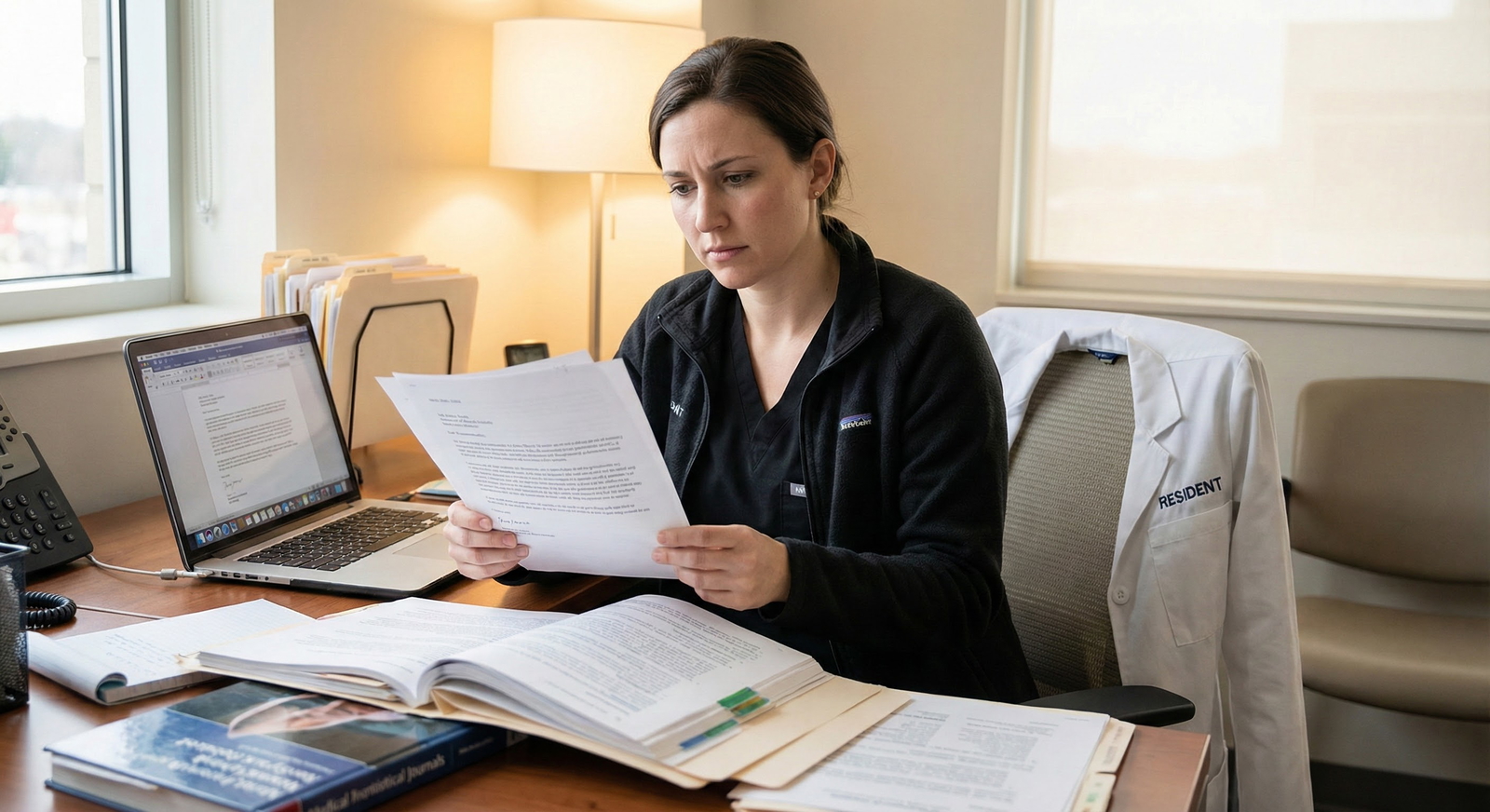
Step 4: Provide a “Letter Writer Packet”
Many excellent clinicians are busy and appreciate structure. Once someone agrees to write your letter, send them:
- Your updated CV
- Your personal statement draft (even if not final)
- A short paragraph about your background as a DO graduate:
- Why you chose osteopathic medicine
- Any unique experiences (OMM, holistic care, community engagement)
- Matching goals and target programs
- A summary of your work with them, including:
- Specific patients or cases you are proud of
- Projects or presentations you completed
- Examples of feedback you received and how you acted on it
- Any program-specific notes, if applicable:
- If you want them to mention interest in academic medicine, community practice, research, or underserved care
This packet helps them:
- Recall specific cases and interactions
- Align their letter with your narrative and career goals
- Highlight your strengths in a way that complements, not duplicates, your personal statement
Step 5: Gently Remind and Track Deadlines
Faculty are busy; forgetting is common, not personal. Protect yourself:
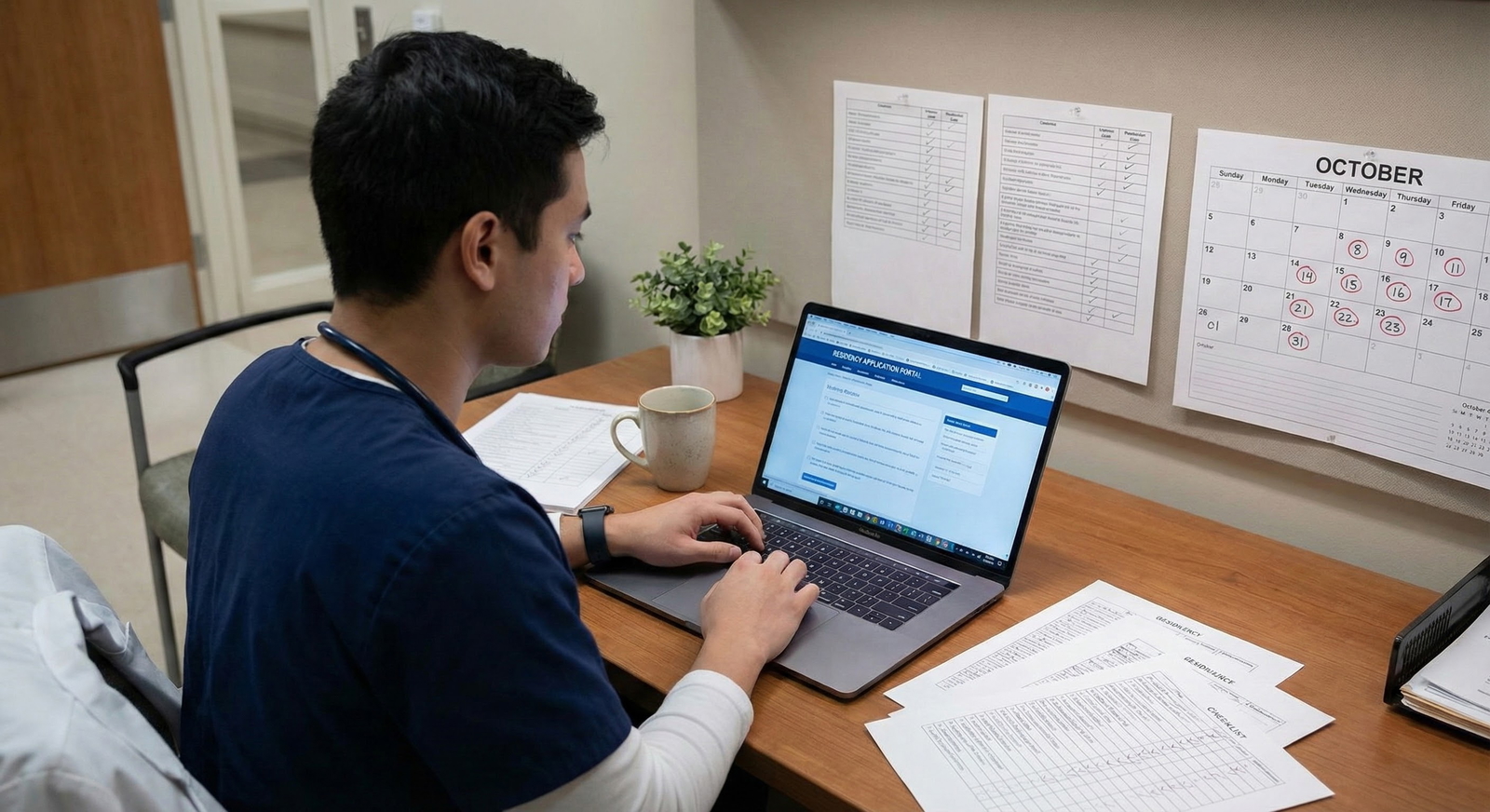
- Ask at least 4–6 weeks before ERAS opening or program deadlines.
- Send polite, timed reminders:
- 2–3 weeks before the deadline
- 1 week before the deadline
- Keep a simple spreadsheet tracking:
- Who agreed to write
- Which system they’ll use (ERAS)
- Whether the letter has been uploaded
Maintain a professional tone in reminders:
“Dear Dr. Smith, I hope you’re doing well. I wanted to gently check in about the residency letter you kindly agreed to write. ERAS opens for programs to view applications on [date], so if possible I’d greatly appreciate submission by [earlier date]. Thank you again for your support.”
What Makes a Radiation Oncology Letter Truly Strong?
A powerful letter for the osteopathic residency match in radiation oncology shares three core qualities: specificity, comparison, and alignment with the specialty.
Specific, Concrete Examples
Program directors scan for letters that show:
- Clear examples of:
- Clinical excellence (e.g., running follow-up clinics, drafting consults)
- Ownership of patient care
- Compassion and communication (e.g., family meetings, breaking bad news)
- Independent learning (reading background material before cases)
Example of strong content:
“During Ms. A’s breast cancer consult, the student anticipated questions about cardiac toxicity with left-sided radiation and independently reviewed the latest ASTRO guidelines. They presented a thoughtful explanation to the patient and family, which significantly eased their anxiety.”
Versus a weak, generic line:
“They were interested in learning and did well with patients.”
Your behavior on rotation gives attendings the material to write those strong examples.
Clear Comparative Language
Letters carry more weight when they place you within a comparison group:
- “Top 5% of students I have worked with in the last 10 years”
- “Best DO student I have supervised”
- “Comparable to our strongest incoming residents”
As a DO graduate, comparative language helps:
- Bridge unfamiliarity with your school or training environment
- Demonstrate that you perform at or above the level of MD peers from well-known institutions
Specialty‑Specific Fit for Radiation Oncology
Program directors want to know if you’re a good rad onc fit, not just a good student. Strong letters will comment on:
- Your interest in multi-modality cancer care
- Comfort with:
- Longitudinal patient relationships
- End-of-life and palliative care discussions
- Symptom management (pain, fatigue, mucositis, etc.)
- Analytical thinking and ability to interpret cancer literature
- Collaboration with:
- Surgeons
- Medical oncologists
- Physicists and dosimetrists
- Radiation therapists and nurses
Encourage letter writers to mention relevant traits by including a line in your packet like:
“I’m particularly drawn to the intersection of technology, oncology, and long-term patient relationships in radiation oncology, and I hope to be involved in multidisciplinary cancer care and clinical research.”

Special Considerations for DO Graduates: Overcoming Barriers and Leveraging Strengths
As a DO graduate, you may face specific challenges in the osteopathic residency match for radiation oncology—but you also bring distinct advantages.
Common Challenges DO Applicants Face
Limited Home Rad Onc Exposure
- Many osteopathic schools do not have an on-site radiation oncology department.
- This makes it harder to get multiple specialty-specific letters.
Less Name Recognition of Institutions
- Some program directors may be less familiar with your clinical sites or pre-clinical curriculum.
Bias Around Board Exams
- Some programs historically prioritized USMLE scores and MD applicants (though this is changing with full ACGME integration).
Fewer Built-In Research Opportunities
- Smaller or community-based clinical sites may have fewer clinical trials or oncology research projects.
Strategies to Overcome These Barriers
Targeted Away Rotations
- Apply early for visiting student electives at academic rad onc programs.
- Prioritize:
- Places with residents (you’ll learn expectations and culture)
- Faculty with a track record of mentoring students into the rad onc match
- Aim for at least 1–2 months of radiation oncology rotations at different institutions.
Intentional Research Engagement
- Look for:
- Multi-institutional collaborative projects
- Chart review, outcomes, or quality improvement projects
- Case reports or retrospective series in radiation oncology or medical oncology
- Even short-term projects can generate:
- Abstracts
- Posters
- Co-authorships
- A strong letter from a research mentor
- Look for:
Directly Addressing Your DO Background
- In your personal statement and in conversations with letter writers, frame your DO training as a strength:
- Holistic approach to symptom control, function, and quality of life
- Strong emphasis on communication and patient-centered care
- Comfort with musculoskeletal issues, pain, and physical function—all relevant in cancer care
- In your personal statement and in conversations with letter writers, frame your DO training as a strength:
Thoughtful Choice of Non-Rad Onc Letters
- If you cannot secure two radiation oncology letters, compensate with:
- A heme/onc attending who knows you well
- A core IM or surgery letter that describes you in high comparative terms
- Let these writers know:
- You are applying to radiation oncology
- Which aspects of your performance are most relevant (e.g., critical thinking, follow-up, multidisciplinary communication)
- If you cannot secure two radiation oncology letters, compensate with:
Practical Timeline and Action Plan
To keep everything organized and maximize your chances in the rad onc match as a DO graduate, follow a structured timeline.
3rd Year / Early 4th Year (or Pre-Application Year)
- Explore interest in oncology through:
- Internal medicine or surgery oncology rotations
- Tumor boards, cancer clinics, palliative care
- Identify potential research projects related to cancer care.
- Start networking:
- Email rad onc departments at nearby institutions
- Attend oncology grand rounds or resident conferences
4th Year (or Final Year) – Before ERAS Opens
6–9 Months Before Submission
- Schedule radiation oncology rotations (home or away).
- Make a list of potential letter writers:
- Home rad onc faculty (if available)
- Away rotation attendings
- Research mentor
- One strong core clerkship attending
3–4 Months Before Submission
- Excel on your rad onc and oncology rotations.
- Narrow your list of letter writers.
- Begin to collect and update:
- CV
- Personal statement draft
- Summary of work with each attending
2–3 Months Before Submission
- Ask for letters in person or by carefully worded email.
- Provide each writer with:
- Your CV
- Personal statement
- A tailored summary of your work with them
- Your target field: “I am applying to radiation oncology as a DO graduate…”
1–2 Months Before Submission
- Send polite reminders as needed.
- Confirm that your letters are uploaded in ERAS.
- Review the final mix:
- At least 1–2 rad onc letters
- 1 core clinical or heme/onc letter
- Optional: 1 research letter
After Applications Are Submitted
If you update your CV with new posters/publications, you do not typically need updated letters unless:
- A mentor specifically offers to update or rewrite
- You are asked by a program to send an updated LOR
Before interviews:
- Re-read your letter writer list and remind yourself what each can say about you.
- Be ready to discuss your experiences with each mentor or attending in detail.
FAQs: Letters of Recommendation for DO Graduates in Radiation Oncology
1. How many radiation oncology letters do I need as a DO applicant?
Most successful applicants to radiation oncology have at least one strong rad onc letter, and many have two. As a DO graduate, aim for:
- Ideal: 2 radiation oncology letters + 1 core clinical or heme/onc letter (+ optional research letter)
- Acceptable: 1 radiation oncology letter + 1 research letter in oncology + 1 strong core clinical letter
If your school lacks rad onc, prioritize at least one away rotation specifically to secure a specialty-specific LOR.
2. Is it better to have a famous name who barely knows me, or a less-known faculty who knows me well?
A detailed, enthusiastic letter from a less famous but closely involved faculty is almost always more valuable than a generic letter from a “big name” who barely interacted with you. Ideal letters:
- Reference specific clinical or research interactions
- Provide comparative language
- Show deep familiarity with your work and character
If you can combine both (e.g., a well-known faculty who worked with you closely), that’s ideal, but never sacrifice depth and authenticity for a name alone.
3. Can a research mentor letter substitute for a second rad onc letter?
Yes, particularly if:
- The research is in oncology or closely related fields
- The mentor can describe:
- Your intellectual curiosity
- Work ethic
- Initiative and independence
- Concrete contributions (analysis, writing, presenting)
For the rad onc match, a strong oncology research letter is usually more valuable than a generic, non-oncology clinical letter.
4. How can I help my letter writers highlight my strengths as a DO graduate?
When you send your packet, include a short note:
- Explain why you chose osteopathic medicine.
- Highlight experiences that show:
- Whole-patient, holistic care
- Communication and empathy
- Symptom management and function (pain, fatigue, mobility)
- Mention that you’d appreciate any comments on how your DO background contributes to your effectiveness as a future radiation oncologist.
This helps them frame your osteopathic training as an asset rather than just a background detail.
Strong, thoughtfully chosen letters of recommendation can significantly enhance your chances of a successful osteopathic residency match in radiation oncology. By excelling on your rotations, strategically choosing who to ask for letters, and providing letter writers with the context and tools they need, you position yourself as a compelling, well-supported candidate—one whom program directors can confidently imagine as a future colleague in this demanding, rewarding specialty.