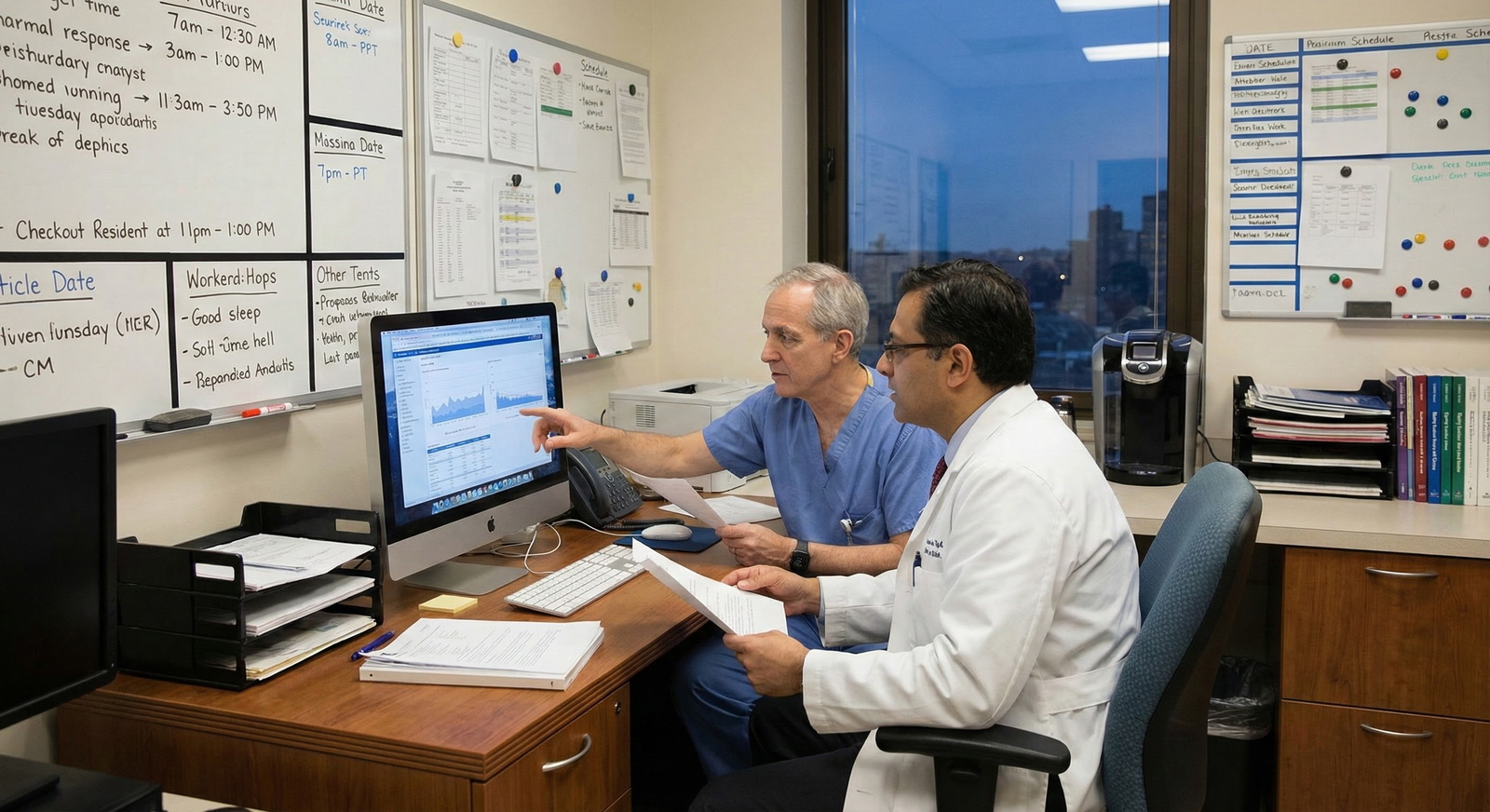
Why Letters of Recommendation Matter So Much for IMGs in Emergency Medicine
For an international medical graduate, strong residency letters of recommendation are often the single most influential part of an emergency medicine application—sometimes even more than test scores. Program directors know that IMGs face different training environments, grading systems, and clinical expectations. Letters provide the context they need to understand your readiness for U.S. emergency medicine (EM) training.
In an intensely competitive EM match, especially for IMGs, letters can:
- Validate that you can function safely and effectively in a U.S. emergency department
- Demonstrate how you compare to U.S. medical graduates
- Highlight your communication skills, teamwork, and adaptability
- Signal to programs that you’re worth interviewing, even if other metrics are unfamiliar
This IMG residency guide focuses specifically on how to get strong LOR as an international medical graduate applying to emergency medicine residency. You’ll learn who to ask for letters, what EM programs expect, and how to strategically plan your rotations to maximize your chances in the EM match.
Understanding EM Letters of Recommendation: Standards and Expectations
What EM Programs Look for in Letters
Emergency medicine has its own culture and expectations. Strong EM letters typically address:
- Clinical competence: Can you independently assess patients, generate differentials, and propose plans appropriately for your level?
- ED-specific skills: Multitasking, handling undifferentiated complaints, performing procedures, triage thinking, and working under pressure
- Communication: Clarity with patients, families, nurses, and consultants; language skills are particularly important for IMGs
- Work ethic and professionalism: Reliability, ownership of patient care, punctuality, integrity
- Teamwork and attitude: How you function within a busy ED team; ability to accept and apply feedback
- Comparison to peers: How you rank against other students/residents the writer has supervised
For IMGs, program directors also look carefully for:
- Evidence of success in a U.S. clinical environment
- Eligibility concerns (visa, gaps, professionalism red flags)
- Adaptability to a new healthcare system and culture
EM-Specific “Standard” Letters vs. General LOR
Some specialties (like EM) have historically used standardized letter formats (e.g., SLOE). While the classic SLOE landscape is evolving, many EM programs still strongly prefer:
- Letters from EM faculty who know you through direct observation
- Structured evaluations that compare you to other EM applicants
If your target programs mention SLOEs or “standardized EM letters,” treat those as high priority. A general internal medicine letter is usually not an adequate substitute for multiple EM-based recommendations.

Who to Ask for Letters: Prioritizing the Right Authors
Understanding who to ask for letters is critical for IMGs. Not all letters carry equal weight in an EM match, and the hierarchy can be different for you than for U.S. grads.
Highest-Yield Letter Writers for EM IMGs
In general, your strongest residency letters of recommendation will come from:
U.S.-based EM faculty who directly supervised you
- Preferably: Core faculty or program leadership at an ACGME-accredited EM residency program (Program Director, Associate/Assistant PD, Clerkship Director).
- These writers know what EM programs expect and can directly compare you to typical EM applicants.
U.S. EM physicians at community teaching hospitals with EM residency affiliations
- Even if not an academic center, an EM physician who regularly interacts with EM residents and students can write a powerful, context-rich letter.
EM rotation or sub-internship supervisors (even if not faculty)
- If the department’s policy allows, a senior attending who worked closely with you for a full month or more often knows you better than a PD who only met you briefly.
- In such cases, it can be useful to have the attending co-sign with the clerkship director or PD.
Additional Helpful Letters (But Typically Secondary)
If you have already secured 2–3 strong EM letters, additional letters can be from:
- Other acute care specialties: Critical Care, Anesthesiology, Trauma Surgery, ICU – especially if they can speak to resuscitation skills and working under pressure
- Internal Medicine or Family Medicine in ED-observation or urgent care settings
- Research mentors in EM or acute care topics, if they can describe your work ethic, scholarly ability, and longitudinal performance
These letters are supplemental, not replacements for EM-based letters. For IMGs aiming for emergency medicine residency, the core of your LOR package must come from clinicians working in EM.
Less Impactful Letters (Use Only if Necessary)
Some letters have limited value for the EM match, especially for IMGs:
- Letters from non-clinical faculty (e.g., basic science, pre-clinical course directors)
- Letters written in your home country with no U.S. clinical context
- Character references (e.g., from community leaders, non-physicians)
These can occasionally support your application if they fill a specific gap (e.g., explaining a gap in training, leadership, unique advocacy work), but they rarely substitute for strong U.S. EM letters of recommendation.
How Many Letters You Need—and How to Strategize as an IMG
Typical Number of Letters for EM
Most EM programs require:
- 3 letters of recommendation total, sometimes up to 4 allowed
- At least 2 letters from EM physicians, ideally from U.S. EM rotations
For an IMG:
- Aim for 3 EM-centered letters if possible:
- 2 from U.S. EM rotations (core faculty/PD/CD if possible)
- 1 additional from EM or closely related specialty (ICU/Trauma/Anesthesia with EM exposure)
If you can realistically secure only 2 EM letters, be sure the third letter is still clinically strong and recent.
Recency and Timing
- Most valuable letters: From within 12 months of the application cycle
- Try to complete at least one key EM rotation by June or July before you apply, so the letter is ready by September ERAS opening.
- Later rotations (Aug–Oct) can still generate letters, but you risk delays and some programs may review applications earlier.
Regional and Institutional Diversity
If you can, diversify:
- Institution type: Academic EM residency site + community teaching hospital site
- Geography: Especially helpful if you are targeting certain regions (e.g., Midwest, South, California)
For IMGs, programs often look for evidence that you can adapt to different systems. Multiple U.S. settings strengthen your profile and give you more chances to earn strong EM letters.

How to Earn Strong EM Letters: Performance on Rotations
Strong LORs aren’t simply requested; they are earned months in advance by how you perform in clinical settings. For IMGs, U.S. rotations serve as both an audition and a cultural adaptation period.
Before the Rotation: Preparation That Sets You Apart
Know core EM topics
- Chest pain (ACS, PE, dissection), sepsis, stroke, abdominal pain, trauma, sepsis management, airway basics
- Review an EM clerkship guide or a core EM textbook and a few EM board review questions daily.
Master basic ED workflows
- How to take a focused ED history and exam
- How to present succinctly: chief complaint → focused history → focused exam → differential → plan
- SBAR or similar structured communication for handoffs
Clarify expectations
- Understand what is expected of students/observers/externs at your level
- For IMGs, confirm your clinical responsibilities (can you write notes, enter orders, see patients independently under supervision?).
During the Rotation: Behaviors That Lead to Strong Comments
To generate compelling content for residency letters of recommendation, you need to give letter writers specific examples of your performance:
1. Be Clinically Proactive (Within Your Role Limits)
- Ask to see new patients, especially undifferentiated ones (e.g., abdominal pain, shortness of breath).
- Formulate your own differential and plan before presenting.
- Offer to help with tasks: updating families, calling consultants, revisiting patients, following up labs and imaging.
2. Excel at Communication
- Introduce yourself clearly to all team members and patients.
- Use plain language with patients; confirm understanding.
- With attendings and residents, be organized and concise in your presentations.
3. Demonstrate Reliability and Ownership
- Arrive early, leave late when appropriate.
- Track your patients actively; know their vital signs, labs, and disposition status at all times.
- Follow through on what you promise—if you say you will follow up a test result, report back promptly.
4. Show Cultural and System Adaptability
- Ask for feedback on how your documentation and presentations align with U.S. norms.
- Respect nursing and ancillary staff; show interest in learning how the U.S. ED system operates (triage, EMR, billing codes, etc.).
- For English as a second language: speak clearly, avoid slang, and ask colleagues if your communication is clear enough for patients.
5. Seek and Apply Feedback
- Early in the rotation, ask the attending:
- “Could I get feedback on my presentations and clinical reasoning so I can improve?”
- When given feedback, demonstrate visible change in the next shifts. This often turns into very strong letter content (“He/she actively sought feedback and improved dramatically over the month”).
Concrete EMT-Style Example
Imagine you’re caring for a 65-year-old with chest pain:
- You take a focused history (timing, quality, risk factors), perform a focused exam, and quickly identify red flags.
- You suggest an initial plan: EKG, troponins, CXR, ASA, nitro if no contraindications, and a risk stratification approach.
- You present succinctly, propose likely diagnoses, and ask one or two targeted questions about management.
- You follow the patient’s labs, communicate with nursing, update the patient and family, and help with admission documentation.
If you consistently perform like this, your attending can write, “I would be delighted to have this applicant as a resident in my own program,” which is one of the strongest signals you can get in a letter.
How to Ask for Letters: Timing, Strategy, and Supporting Materials
When to Ask for a Letter
For EM rotations, the best time to ask is usually:
- Toward the end of the rotation (last week or last couple of shifts)
- After you’ve had multiple shifts with the attending and they’ve seen your improvement and consistency
You want them to have enough data to comment meaningfully on your performance.
How to Phrase the Request (In Person)
When you think you’ve made a good impression, approach the attending directly:
“Dr. Smith, I’m applying to emergency medicine as an international medical graduate this coming cycle. I’ve really appreciated working with you and the feedback you’ve given me. Would you feel comfortable writing a strong letter of recommendation in support of my EM application?”
The phrase “strong letter of recommendation” is important. It gives the attending space to decline if they can’t endorse you enthusiastically. If they hesitate or respond vaguely (“I can write a letter”), you might choose someone else as your primary letter writer.
If You Must Ask by Email
If your schedule or the attending’s schedule makes in-person discussion difficult, send a polite, concise email within a week of finishing the rotation:
- Remind them of who you are (include photo or shift dates)
- Express what you learned on the rotation
- Clearly request a strong EM residency letter
- Attach your supporting documents (see below)
What to Provide to Your Letter Writers
To help writers craft the best possible residency letters of recommendation, give them:
- Your updated CV (including exam scores, publications, volunteer work, and leadership)
- Personal statement draft, if ready (especially if EM-focused)
- ERAS AAMC ID and any program-specific guidelines or deadlines
- A brief summary of your career goals: why EM, where you hope to train (academic vs community, geographic preferences)
- List of key clinical cases or feedback highlights from the rotation
- Any context relevant to your application (e.g., visa status, exam retakes, gaps) if you are comfortable sharing it
This context helps the writer link your experiences to the EM match and can be especially important in an IMG residency guide, where committees may need more background.
Following Up Professionally
- After they agree, confirm how the letter will be uploaded (ERAS portal, institutional system, etc.).
- Send a polite reminder 3–4 weeks before ERAS deadlines if the letter is still pending.
- Once the letter is submitted, send a sincere thank-you email, and later update them on your match outcome. This keeps relationships strong for future networking or fellowship applications.
Common Pitfalls for IMGs—and How to Avoid Them
Pitfall 1: Relying Mostly on Non-U.S. Letters
Even if you have excellent letters from your home country, most EM program directors cannot directly compare those environments to U.S. training. Without U.S. EM letters:
- Your application may be seen as higher risk
- You may receive fewer interview invitations
Solution: Prioritize obtaining at least 2 strong U.S. EM letters, even if it means rearranging observership or externship plans.
Pitfall 2: Letters Filled With Generic or Vague Praise
Phrases like “hard worker,” “pleasant,” and “team player” are common but not sufficient. EM programs read hundreds of letters every season. They look for:
- Specific cases where you demonstrated strong clinical reasoning
- Clear comparisons: “top 10% of students I have supervised in the last 5 years”
- Concrete examples of professionalism and reliability
Solution: Choose writers who know you well and have seen you in challenging situations. Provide them with detailed notes of times you managed difficult cases or improved significantly during the rotation.
Pitfall 3: Late or Missing Letters
Letters that arrive late in the season can hurt your chances, especially for competitive programs that screen early.
Solution:
- Start planning your EM rotations 6–12 months before the application cycle.
- Confirm expected letter submission dates with each writer.
- Track the status on ERAS and send timely, respectful reminders.
Pitfall 4: Not Explaining Contextual Challenges
For IMGs with issues such as gaps, exam failures, or repeated years, silence can be harmful. A trusted letter writer can sometimes help put these into perspective:
- Explaining your growth since any setbacks
- Documenting recent success and resilience
- Reassuring programs that you are now functioning at a high and consistent level
Solution: If you have significant “red flags,” consider asking one of your most supportive U.S. EM mentors if they feel comfortable briefly mentioning your improvement and current performance in their letter.
Putting It All Together: A Step-by-Step LOR Strategy for EM IMGs
Here is a practical roadmap tailored to an international medical graduate targeting emergency medicine residency:
9–12 Months Before Applying
- Research EM programs that are IMG-friendly (past IMG residents, clear visa policies).
- Arrange U.S. EM rotations (clerkships, sub-internships, observerships with clinical involvement if possible).
- Plan for at least 2, ideally 3 EM rotations across different sites if feasible.
4–8 Months Before Applying
Complete your first EM rotation:
- Focus on learning U.S. ED culture and earning trust.
- Ask for feedback early; adjust quickly.
At the end of the rotation:
- Ask one or two attendings for strong EM letters.
- Provide CV, personal statement draft (if available), and your goals.
Complete your second EM rotation:
- Aim to show progression and leadership.
- Target another letter from a core EM faculty member.
2–4 Months Before ERAS Opening
- If possible, complete a third EM or ICU/Trauma rotation for an additional supporting letter.
- Confirm all letters are requested and in progress.
- Finalize your personal statement and CV, and send updates to your letter writers if needed.
Application Season
Ensure all required residency letters of recommendation are uploaded to ERAS by your target submission date (usually mid-September).
Consider assigning:
- 3 EM letters to EM programs
- Keep any non-EM letters optional or for backup.
During interviews, you may be asked about:
- Your U.S. clinical experiences
- The mentors who wrote your letters
- How those experiences prepared you for EM residency
Be ready to discuss specific cases and lessons learned, aligning your narrative with what your letter writers likely emphasized.
FAQ: Letters of Recommendation for IMGs in Emergency Medicine
1. How many EM letters of recommendation do I really need as an IMG?
Aim for at least 2 strong U.S. EM letters, with 3 being ideal if possible. Most programs require 3 total letters, and they strongly prefer that the majority are EM-focused. Additional non-EM letters can be helpful but usually cannot substitute for missing EM letters.
2. Can letters from my home country help my EM application?
They can help support your overall profile, especially if they highlight long-term professionalism, leadership, or academic excellence. However, for the EM match, they are usually secondary to U.S. EM letters because program directors may not be familiar with the context or training standards in your country. Try to use home-country letters only as supplemental, not primary, letters.
3. What if my EM rotation is observership-only and I can’t see patients independently?
Observerships are more challenging for generating strong letters, but not impossible. To improve your chances:
- Be consistently present, engaged, and professional
- Ask thoughtful questions, volunteer to help with non-physician tasks (chart review, literature searches, patient education handouts—within institutional rules)
- Request feedback and show visible improvement in understanding ED flow and reasoning
When you ask for a letter, be honest: “I understand my role was observational, but I hope my engagement and growth were clear enough that you could comment on my potential as an EM resident.”
4. Should I prioritize a letter from a famous EM faculty member or from someone who knows me well?
For IMGs, depth of knowledge about your performance is more important than the writer’s fame. A well-known chair who barely met you will likely produce a generic letter, which carries little weight. A core EM faculty member or PD who supervised you closely and can describe specific cases and your progress will write a much more powerful letter, even if they’re less famous.
By planning your rotations carefully, performing deliberately on each shift, and being strategic about who writes your residency letters of recommendation, you can significantly strengthen your EM match prospects as an international medical graduate. Thoughtful, detailed, and enthusiastic letters can transform your application from “uncertain” to “must-interview”—and often, that’s the difference that leads to a successful emergency medicine residency match.