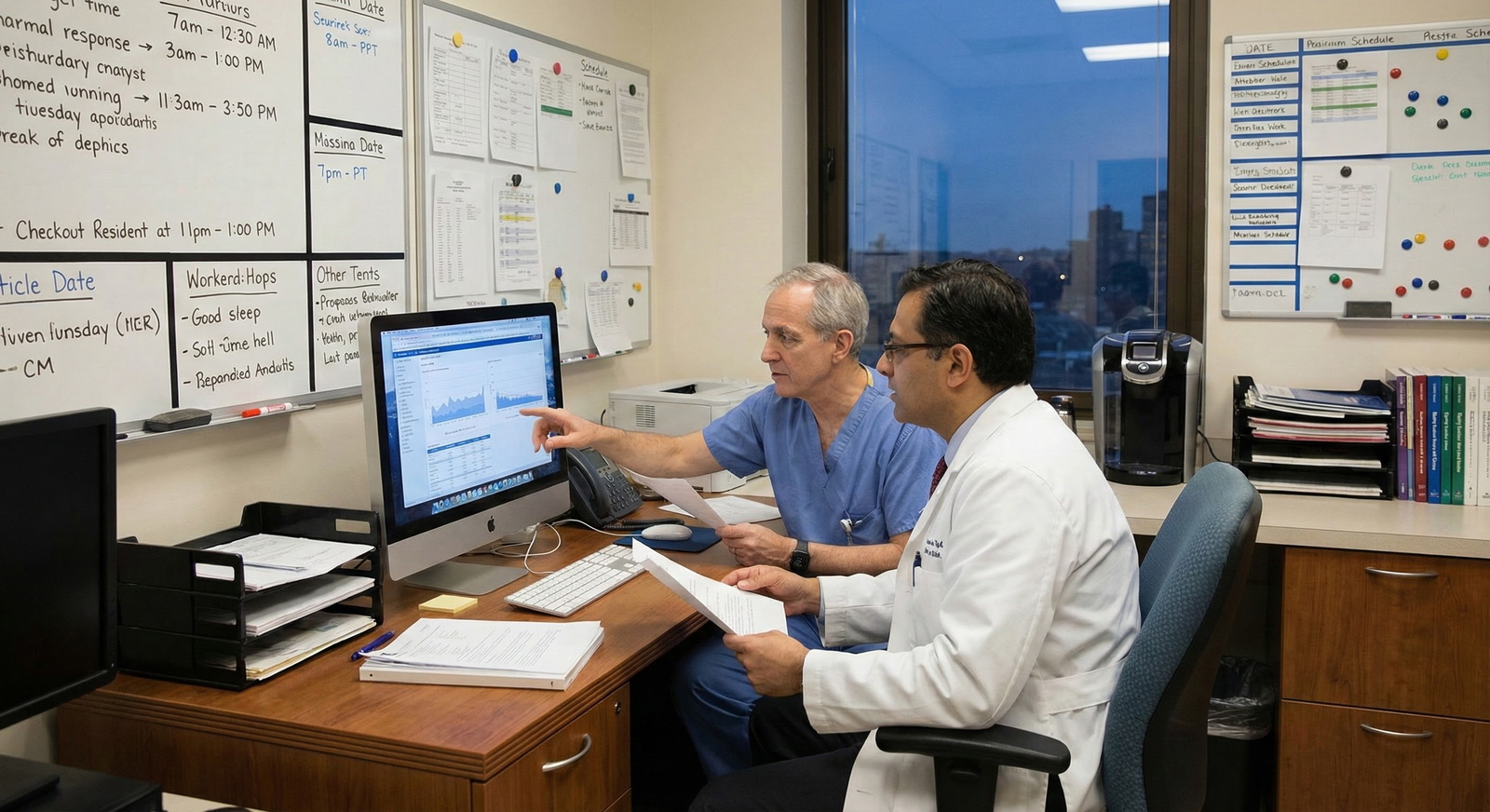
Understanding the Role of Letters of Recommendation in Medical Genetics for IMGs
Letters of Recommendation (LORs) can make or break an application for an international medical graduate (IMG) pursuing a medical genetics residency. In a relatively small and highly academic field like medical genetics, faculty know each other’s work, programs keep close track of their residents’ performance, and written impressions carry significant weight in the genetics match.
For IMGs, strong residency letters of recommendation are especially critical because they help:
- Validate the quality and rigor of your previous training
- Translate your international experience into terms U.S. program directors recognize
- Demonstrate your potential as a consultant and scholar in a highly specialized field
- Provide reassurance about communication skills, professionalism, and adaptability
In this IMG residency guide, we’ll cover how to get strong LORs, who to ask for letters, what medical genetics programs care about, and how to strategically manage this part of your application.
Key takeaway: Aim for 3–4 highly personalized, U.S.-based (if possible), genetics‑relevant letters from people who know you well and can describe concrete examples of your abilities.
What Makes a Strong Letter of Recommendation in Medical Genetics?
Core Features of a Strong LOR
Across all specialties, strong residency letters of recommendation share common qualities, but in medical genetics there are some additional nuances.
A powerful LOR will be:
Specific and Example‑Driven
- Describes actual patients, research projects, or teaching encounters you were involved in
- Uses concrete behaviors (e.g., “presented a complex case of suspected Marfan syndrome with clear differential and management plan”) instead of vague adjectives (“hard‑working,” “nice”)
Comparative
- Places you in context: “among the top 10% of students I have worked with in the last 5 years”
- Especially impactful when written by someone with a long track record of teaching or training residents
Specialty‑Relevant
- Explicitly addresses why you are suited for medical genetics, not only internal medicine or pediatrics
- Comments on your curiosity about mechanisms of disease, comfort with complex data, and ability to explain genetic concepts
Credible and Recognizable
- From letter writers in roles and institutions that U.S. programs recognize (e.g., faculty at an ACGME‑accredited program, established researchers, or senior clinicians)
- Written on institutional letterhead and signed with professional title and contact information
Honest but Enthusiastic
- Programs are wary of letters that are excessively generic or avoid any comparative language
- A truly strong letter conveys clear enthusiasm without sounding unrealistic
Medical Genetics–Specific Qualities Programs Look For
Medical genetics residency is a niche field that blends clinical medicine, genomics, counseling, and lifelong learning. Program directors reading your letters are looking for evidence of:
- Analytical thinking and pattern recognition
- Recognizing dysmorphic features, making connections between clinical findings and potential syndromes
- Interest in complex, rare, or undiagnosed conditions
- Willingness to pursue unusual diagnostic paths, read primary literature, and follow up on uncertain findings
- Interdisciplinary collaboration
- Comfort working with neurologists, oncologists, maternal–fetal medicine specialists, lab geneticists, and genetic counselors
- Communication skills
- Ability to explain test results, uncertainties, and risk in understandable, empathetic terms
- Ethical sensitivity
- Awareness of ethical issues, such as incidental findings, reproductive counseling, and family dynamics
- Academic potential
- Interest in research, quality improvement, or teaching that supports the academic core of genetics programs
An ideal letter for medical genetics doesn’t just say you are “good.” It explains why your mindset, behavior, and skills align specifically with the field.

Who to Ask for Letters: Strategic Choices for IMGs in Medical Genetics
One of the most important questions is who to ask for letters. For IMGs applying in medical genetics, strategy matters more than just collecting the maximum allowed number.
Ideal Letter Writer Profiles for Medical Genetics
Aim for a mix of:
Clinical Genetics Faculty (Best‑Case Scenario)
- Clinical geneticists or biochemical geneticists at a U.S. or Canadian institution
- Program directors or associate program directors in medical genetics
- Senior faculty active in regional or national genetics societies
These letters are especially strong if you’ve:
- Done an observership, externship, or elective in genetics
- Participated in genetics clinics (e.g., dysmorphology, metabolic clinic, cancer genetics)
- Joined case conferences, variant review meetings, or tumor boards with genetics content
Related Specialty Faculty with Strong Genetics Exposure When dedicated genetics rotations are limited, letters from adjacent fields can still be powerful if they explicitly reference your genetics interest:
- Pediatrics (especially neonatology, developmental pediatrics)
- Neurology (epilepsy, neuromuscular, neurogenetics clinics)
- Oncology/Hematology (hereditary cancer, bone marrow failure)
- Obstetrics/MFM (prenatal diagnosis, fetal anomalies)
- Laboratory medicine/pathology (molecular genetics, cytogenetics)
Research Mentors in Genetics or Genomics Particularly valuable if:
- The project is in human genetics, genomics, rare disease, or precision medicine
- You have tangible outputs (abstracts, posters, papers, QA projects)
- The mentor is well‑known or has sustained NIH or comparable funding
Home Country Faculty (Selective Use) Many IMGs worry their international letters will be undervalued. They can still be very helpful, especially when:
- The writer is a department chair, program director, or senior consultant
- They describe your long‑term performance and growth
- They contextualize your achievements (e.g., top rank in class, high national exam scores)
Use these as supplements, not substitutes, for U.S.-based or North American letters if you can obtain those.
Who Not to Ask (Or Use with Caution)
Avoid or minimize letters from:
- Doctors who barely know you
- Observerships where you had minimal patient contact and no real responsibilities
- Family friends, general practitioners, or non‑academic clinicians
- Unless they directly supervised your clinical work and can speak in detail about your performance
- Non‑physicians (with rare exceptions)
- Genetic counselors, PhD scientists, or lab directors can write excellent letters, but they should complement, not replace, physician letters
- Letters based heavily on personal relationships
- LORs emphasizing only your “personality” without detailed clinical or academic examples are often discounted
Recommended LOR Mix for an IMG in Medical Genetics
Most programs accept up to 3–4 LORs. A strong combination might be:
- Letter 1: Clinical geneticist (U.S. or Canadian) from a rotation, elective, or observership with meaningful involvement
- Letter 2: Related specialty (e.g., pediatric neurologist, pediatrician, oncologist) emphasizing your work with complex or undiagnosed cases and interest in genetics
- Letter 3: Research mentor in genetics/genomics OR another clinical supervisor
- Optional Letter 4: Senior faculty from your home institution highlighting long‑term performance and reliability
If you can’t secure a pure genetics faculty letter, prioritize:
- At least one letter from a core clinical specialty (internal medicine, pediatrics, or neurology)
- One from someone who can speak directly about your interest and aptitude in genetics
How to Get Strong LORs as an IMG: Step‑by‑Step Strategy
Many IMGs ask not just who to ask for letters, but how to get strong LOR content from busy physicians who may not know them well at first. The key is to be deliberate during your rotations and clear in your communication.
1. Plan Early and Target Genetics‑Relevant Experiences
Before any rotation or observership starts, ask yourself:
- “Could this person realistically write a detailed, positive letter for me?”
- “Can I position myself to be visible, useful, and reliable in this setting?”
For medical genetics, intentionally seek:
- Electives in clinical genetics, dysmorphology, metabolic clinic, or cancer genetics
- Rotations in pediatrics, neurology, or oncology with a strong emphasis on syndromic or inherited conditions
- Research projects or case report opportunities in genetic disorders
2. Distinguish Yourself During the Rotation
To put yourself in a position for a strong LOR, you need to leave a trace:
- Show up prepared
- Read about genetic conditions seen in clinic; know common syndromes, basic inheritance patterns, and key tests
- Volunteer for extra responsibilities (within appropriate boundaries)
- Draft consult notes, prepare case summaries, collect family history and pedigrees
- Engage intellectually
- Ask focused, thoughtful questions: “How would this variant be classified if the family history were different?”
- Demonstrate follow‑through
- If assigned to look up a topic or call a patient, do it promptly and report back
- Be professional and reliable
- On time, well‑dressed, respectful to staff and patients, adaptable to clinic workflow
Faculty are far more likely to write strong letters if they can remember concrete positive interactions and examples.
3. Ask for a Letter in the Right Way
When you are ready to ask a potential writer:
Ask in person (or video), if possible.
“Dr. Smith, I’ve really valued this genetics rotation and your teaching. I’m applying to medical genetics residency this cycle. Would you feel comfortable writing me a strong letter of recommendation?”Use the word “strong.”
This gives them an easy way to decline if they are unsure. If they hesitate or respond vaguely, thank them and consider asking someone else who can be more enthusiastic.Ask at the right time.
- Ideally near the end of the rotation, when your performance is fresh in their mind
- But before the ERAS opening, to give them time (typically 4–8 weeks lead time is appropriate)
4. Provide a Helpful Letter Writer Packet
Once they agree, make it as easy as possible for them to write a detailed, positive letter. Send a concise packet including:
- Your updated CV
- ERAS personal statement (draft is fine), especially tailored to medical genetics
- USMLE or relevant exam scores, if strong
- A short “LOR summary page” (1 page) with:
- How you worked with them (dates, type of rotation, level of responsibility)
- 3–5 bullet points reminding them of specific patients, presentations, or projects you participated in
- Your key strengths you hope they can comment on (e.g., “analytical reasoning on complex cases,” “student initiative in discussing differential diagnoses,” “ability to explain genetic concepts to families”)
- A list of programs you are targeting (optional, but helpful for context)
This is not “writing your own letter”; it’s giving your writer accurate prompts so they can include specific examples, which strengthens the letter.
5. Gently Follow Up (Without Harassing)
- Send a polite reminder 2–3 weeks before your target submission date:
“I hope you’re well. I wanted to kindly check in about the letter of recommendation for my medical genetics residency application. ERAS opens for programs on [date], and I’d be grateful if the letter could be uploaded by then.” - If the deadline approaches and the letter isn’t uploaded, a second, very respectful reminder is acceptable.
- Have a backup plan if a writer ultimately cannot submit on time.

Content and Structure: What Your Letters Should Emphasize
You cannot control the exact wording of your letters, but you can guide writers about which aspects of you are most relevant for a medical genetics residency.
Clinical Letters: What They Should Highlight
Ask clinical supervisors (especially geneticists and related specialists) to address:
Clinical reasoning with complex, multi‑system conditions
- Your ability to integrate history, physical exam (including dysmorphology), imaging, and lab results
- Example: “She suggested a genetic etiology for a child with seizures, developmental delay, and facial features, prompting a genetics referral that led to diagnosis.”
Engagement with genetics content
- Asking about genetic testing strategies, variant interpretation, and implications for family members
- Reading and applying genetics literature or guidelines (ACMG, ClinGen, etc.)
Communication with patients and families
- How you handle uncertainty, explain testing, or support families facing difficult diagnoses
- Use of clear, layperson‑friendly language
Teamwork and interdisciplinary collaboration
- Interactions with genetic counselors, lab personnel, and other specialties
- Respect for each team member’s expertise
Professionalism and reliability
- Punctuality, ethics, responsiveness to feedback, and sensitivity to cultural differences (critical for IMGs)
Research Letters: What They Should Highlight
For research mentors, especially in genetics/genomics:
- Scientific curiosity and independence
- How you formulated questions, analyzed data, or interpreted results
- Technical and analytical skills
- Experience with sequencing data, variant classification, or bioinformatics tools (if applicable)
- Written and oral communication
- Presentations at lab meetings, conferences, or manuscript contributions
- Perseverance and problem‑solving
- How you responded to technical setbacks or complex data
Encourage mentors to connect your research strengths to your future as a clinician‑scholar in medical genetics, not just a bench scientist.
Addressing IMG‑Specific Concerns in LORs
For international medical graduates, letters can also help address potential concerns:
- Adaptation to U.S. healthcare culture
- Evidence you understand local systems, documentation standards, and interprofessional roles
- Communication and language skills
- Explicit statements that your spoken and written English are appropriate for U.S. clinical practice
- Gaps or non‑traditional paths
- If you’ve had a research gap, non‑clinical work, or a long route to matching, a mentor can positively frame this as persistence and growth
You can gently mention to writers (especially those in the U.S.) that such comments are particularly helpful for IMGs.
Practical Examples and Common Scenarios for IMGs
Scenario 1: IMG With No Direct Genetics Rotation
You are an IMG with strong pediatrics and neurology experience but no formal medical genetics rotation.
Strategy:
- Choose letters from:
- A pediatric neurologist who supervised you with complex developmental delay or epilepsy patients
- A general pediatrician who can describe your pattern recognition and interest in rare diseases
- A research mentor in neurogenetics or a related area, if available
- Make sure each letter writer:
- Mentions your consistent interest in genetic etiologies
- Describes your efforts to involve genetics services, order appropriate testing, or read about genetic disorders
Programs will see you lack direct genetics rotation, but strong letters can still convince them you have the mindset and foundational skills for the field.
Scenario 2: IMG With a Short U.S. Genetics Observership
You completed a 4‑week observership in clinical genetics where you had limited independent responsibility but attended clinics and conferences.
Strategy:
- Ask the genetics faculty to emphasize:
- Your engagement: questions asked, reading suggested papers, effort to understand complex cases
- Your ability to integrate existing clinical knowledge with the genetics content they taught
- Your professionalism and cultural humility
- Supplement with:
- A strong letter from a home institution faculty (pediatrics, internal medicine, neurology) that highlights your patient care and reliability
- A research letter if it relates to rare diseases, genomics, or precision medicine
Scenario 3: IMG With Strong Genetics Research but Limited Clinical Work
You worked in a genetics research lab for 1–2 years but have fewer recent clinical experiences.
Strategy:
- Secure:
- A major letter from your research PI, emphasizing your depth of understanding in genetics and potential as an academic geneticist
- At least one clinical letter (even if from your home country) that confirms you are clinically capable and safe
- Encourage your PI to:
- Comment on your clinical interests and how you bridge research and patient care
- Highlight presentations, publications, or methods that show maturity and attention to detail
Programs want reassurance that you’re ready for clinical responsibilities, not just lab work, so make sure at least one letter firmly addresses bedside skills and professionalism.
Frequently Asked Questions (FAQ)
1. How many letters of recommendation should I submit for a medical genetics residency as an IMG?
Most programs require three letters and allow up to four. Submitting three strong, targeted letters is better than four generic or weak ones. A recommended breakdown:
- 1 letter from a clinical geneticist (if possible) or related specialty
- 1–2 letters from core clinical supervisors (pediatrics, internal medicine, neurology, oncology)
- 1 optional research or senior home‑institution letter
Always check each program’s specific requirements.
2. Do I absolutely need a letter from a U.S. physician or medical genetics faculty?
It’s not an official requirement, but in practical terms, for the genetics match your application is significantly stronger with at least one North American clinical letter, ideally from a genetics or closely related field. If you truly cannot obtain one, you must compensate with:
- Exceptionally detailed, credible letters from your home country
- Research or academic work in genetics to show commitment and capability
3. Is it acceptable to have a letter from a research mentor instead of a clinical supervisor?
Yes, especially in medical genetics, where research and academic potential are highly valued. However:
- At least one or two letters must be clinical to demonstrate your competence with patient care.
- Research letters are most impactful when clearly tied to human genetics, rare diseases, or genomics and when they speak to your potential as a clinician‑scientist in genetics.
4. Can I see or edit my letters before they are submitted?
In most systems (like ERAS), you are strongly encouraged to waive your right to view letters, which increases their credibility. Some mentors may discuss general themes with you, but ethical faculty will not ask you to write your own letter. Instead, they may request bullet points or your CV to help them draft it. Always follow institutional and platform rules carefully.
Strong residency letters of recommendation are one of the most powerful tools an international medical graduate can use to stand out in medical genetics. By choosing the right writers, engaging deeply in genetics‑relevant experiences, and guiding your mentors about what programs care about, you can turn your letters into clear, credible evidence that you belong in this specialized and rapidly evolving field.