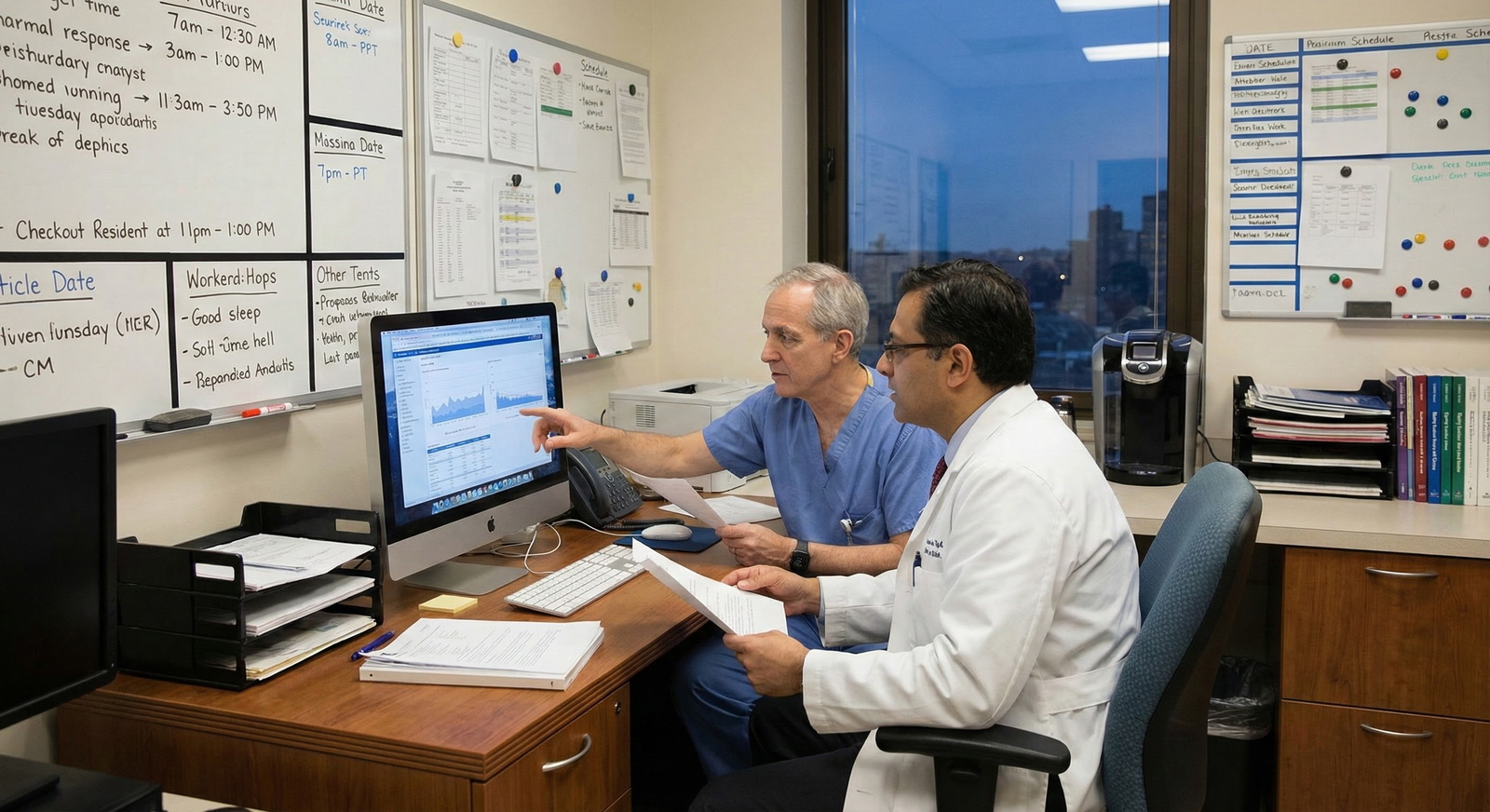
Why Letters of Recommendation Matter So Much for IMGs in PM&R
For an international medical graduate (IMG) applying to Physical Medicine & Rehabilitation (PM&R), letters of recommendation (LORs) are not just another application requirement—they are one of the most powerful tools to prove you are ready for U.S. residency training.
Program directors know IMGs often:
- Trained in different health systems
- Have variable access to U.S. clinical experience
- Come from schools unfamiliar to U.S. faculty
Strong, specific letters from trusted U.S. physicians—especially physiatrists—help reduce this uncertainty. They serve as a “translation” of your skills into the language program directors understand.
In competitive fields like PM&R, the quality and source of your letters can influence:
- Whether your application gets screened in or out
- How you compare to U.S. graduates on the rank list
- Whether your interviewers come in already “rooting for you”
This IMG residency guide focuses entirely on residency letters of recommendation for PM&R, walking you step-by-step through how to get strong LOR, who to ask for letters, how to support your writers, and how to avoid common pitfalls specific to IMGs in physiatry.
1. Understanding LOR Requirements for PM&R (Especially as an IMG)
Before you start collecting letters, you need to understand what PM&R programs actually want.
1.1 How many letters, and from whom?
Most PM&R residency programs require:
- 3 letters of recommendation total
- 2–3 letters from U.S. clinical faculty are strongly preferred for IMGs
- At least 1–2 letters from PM&R attendings is ideal
Common patterns that work well for IMG PM&R applicants:
Best combination for most IMGs:
- 2 letters from U.S. PM&R attendings
- 1 letter from another U.S. specialty (e.g., neurology, internal medicine, orthopedics, family medicine)
If you only have 1 PM&R attending:
- 1 from U.S. PM&R
- 1 from another U.S. specialty who knows you well
- 1 from your home country (only if strong and detailed; otherwise try to get more U.S. letters)
1.2 What do PM&R program directors look for in LORs?
Program directors aren’t just checking that you have letters—they are scanning for:
- Clinical performance: Can you function safely and effectively on a U.S. team?
- Communication skills: With patients, families, and interprofessional teams
- Teamwork: PT/OT/SLP, nursing, case managers, social work—core to rehab
- Work ethic and reliability: Do you show up prepared, follow through, and improve?
- Fit for PM&R: Interest in rehabilitation, disability, function, team-based care
- Comparison to peers: Clear statements like “top 10% of students I’ve worked with”
For IMGs, there’s extra focus on:
- Adaptation to U.S. system: Can you navigate U.S. hospital culture and documentation?
- Language and cultural competence: Clarity, empathy, and professionalism in English
- Consistency: Do multiple letters describe you similarly?
2. Who to Ask for Letters (and How to Prioritize as an IMG)
One of the most important questions for an IMG is who to ask for letters. Not all letters carry equal weight in the physiatry match.
2.1 Ideal letter writers for PM&R as an IMG
Prioritize in this approximate order:
U.S. PM&R Attendings (Top Priority)
These are the strongest letters for your PM&R residency application, especially from:- Academic physiatrists at teaching hospitals
- Rotation directors or clerkship directors in PM&R
- Attendings who directly supervised you for at least 2–4 weeks
U.S. Non-PM&R Attendings Who Know You Well
Particularly valuable if:- They observed you in an inpatient or consult-heavy setting
- They can speak to your teamwork, communication, and professionalism
- They are from relevant fields: neurology, internal medicine, family medicine, orthopedics, rheumatology, pain medicine
Program Directors or Clerkship Directors (Any Specialty)
A letter from someone in leadership can be very influential if they know you directly.Home Country PM&R or Other Faculty (Back-up/Complementary)
These can be helpful only if:- The writer supervised you closely
- The letter is detailed and not generic
- You have at least 2 strong U.S. letters already
Letters from non-physicians (e.g., PT, PhD researcher) rarely replace physician letters but may sometimes be used as an additional letter if a program allows more than three.
2.2 Whom not to prioritize
For an IMG in PM&R, avoid relying on:
- Letters from obscure observerships where you had minimal interaction
- Letters from non-clinical shadowing only, without documented responsibility
- Letters clearly written by friends, distant relatives, or non-supervisory physicians
- Generic “To whom it may concern, this student is polite and punctual” style letters
If a writer cannot describe specific cases, tasks, or strengths, the letter will not help you and might even hurt you by looking superficial.
2.3 How long should you work with someone before asking?
As a rough guide:
- 2–4 full weeks of clinical work under direct supervision is usually enough
- Shorter than 1 week = often too little (unless very intense and structured)
- 4–8 weeks = great for a deep, detailed letter
If you are doing multiple PM&R electives, try to time them so you have:
- At least 1 inpatient PM&R rotation
- At least 1 outpatient PM&R rotation (pain, sports, neurorehab, etc.)
This helps letters highlight different strengths and clinical settings.
3. How to Earn Strong PM&R Letters During U.S. Rotations
You cannot “ask your way” into strong residency letters of recommendation; you have to earn them through your performance. As an IMG, this is often your main chance to prove you can function like a U.S. intern.
3.1 Behaviors that lead to excellent PM&R letters
During your PM&R and other U.S. rotations:
Be proactively engaged
- Ask to see new consults, follow up on imaging, or call families (when appropriate)
- Volunteer to give a brief presentation on a rehab topic (e.g., stroke rehab, spasticity, SCI bowel/bladder management)
- Follow patients over multiple days and know their full rehab plan
Demonstrate strong communication skills
- Practice concise oral presentations (HPI, function, goals, rehab needs)
- Document clearly (if allowed): objective, organized notes
- Show empathy with patients navigating disability and long hospital stays
Lean into the team-based nature of PM&R
- Collaborate respectfully with PT, OT, SLP, nursing, case managers
- Ask team members what they need from the physician to support the patient
- Be visible and helpful during team meetings and family conferences
Show curiosity about PM&R as a field
- Ask thoughtful questions about functional outcomes and long-term planning
- Learn basic outcome measures (e.g., FIM/AMPAC, gait scales)
- Express your interest in physiatry match and how your background fits
Pay close attention to feedback
- Ask for feedback early: “Is there anything I can do differently to be more helpful to the team?”
- Apply suggestions quickly and visibly
- Show growth over the course of the rotation—writers love to describe improvement
3.2 Example: Behaviors that generate strong comments
Imagine you are on an inpatient rehab rotation:
- You consistently pre-round on your patients, know their vitals, labs, therapy notes, and barriers to discharge
- You prepare a brief educational talk for the team on “Rehab considerations in post-stroke spasticity management”
- You help coordinate with PT and case management when a patient’s home environment changes
- You call a family member (with supervision) to explain rehab goals and expectations
This leads to letter language like:
“Dr. A consistently functioned at or above the level of our graduating medical students. She took ownership of her patients, knew every aspect of their rehab plan, and communicated effectively with PT, OT, nursing, and families. I would be thrilled to have her as a PM&R resident in our program.”
That kind of specificity stands out in the physiatry match.
3.3 Addressing IMG-specific concerns through performance
Program directors sometimes worry about IMGs’:
- Familiarity with U.S. systems
- Language/communication barriers
- Ability to adapt to a new cultural environment
Your rotation performance can directly combat these concerns. Seek opportunities to:
- Present in formal rounds and case conferences
- Call consults (with supervision) to other services
- Lead parts of family meetings under attending guidance
Then, your letter writers can explicitly say:
“As an international medical graduate, Dr. B has adapted exceptionally well to our U.S. clinical environment. His communication with patients and team members is clear, compassionate, and professional. I have no concerns about his readiness for U.S. residency.”
4. How and When to Ask for Letters (Without Making It Awkward)
Knowing how to get strong LOR is partly about timing and partly about approach.
4.1 Best timing for PM&R LOR requests
- Ask during the last week of your rotation (or shortly after) while your performance is fresh
- For rotations done many months before ERAS opens, remind the attending 2–3 months before September
- If programs in your country start earlier, plan backward from their deadlines
For the physiatry match, try to have at least 2–3 letters uploaded by early September, when many programs start offering interviews.
4.2 How to ask: exact phrasing that works
Ask in person if possible, then follow up by email. A helpful in-person script:
“Dr. X, I’ve really enjoyed working with you this month and learned a lot about PM&R. I’m planning to apply to PM&R residency this coming cycle. Would you feel comfortable writing a strong letter of recommendation for my application?”
The key word is “strong”. This gives the attending an opportunity to decline if they can’t be enthusiastic. If they hesitate or give vague responses, take that as a sign to ask someone else.
Your follow-up email could include:
- ERAS letter request link (once generated)
- Your CV
- Personal statement draft (even if not final)
- A brief summary of your work with them (patients, presentations, projects)
4.3 What to send your letter writers (make it easy for them)
To help your writer craft a detailed letter:
- Attach your CV
- Attach a personal statement draft, especially if PM&R-focused
- Include a brief “LOR support document” with:
- Your long-term goals in PM&R (e.g., interest in neurorehab, pain, sports, global rehab)
- 3–5 specific cases or tasks you handled with them
- Any presentations or projects you completed on their service
- Bullet points of strengths you hope they might highlight (e.g., teamwork, communication, work ethic)
Example bullets:
- Followed multiple inpatient rehab patients, coordinating with PT/OT/nursing
- Gave a 10-minute presentation on SCI bowel and bladder management
- Received positive feedback from patients and families on communication
This is not “telling them what to write,” but rather helping them remember your contributions.

5. Content of a Strong PM&R LOR (and How You Can Influence It)
You won’t see the final letter (and you should waive your right to see it), but you can influence what your writers notice about you and therefore what they might include.
5.1 What makes a letter strong in the physiatry match?
High-impact PM&R letters often include:
- Context: How long and in what capacity the attending supervised you
- Clinical detail: Types of patients you saw (e.g., stroke, TBI, SCI, amputees, MSK, pain)
- Specific behaviors: Ownership of patients, communication, teamwork, curiosity
- Comparisons to peers: “Top X%” statements or similar
- Clear endorsement: Phrases like:
- “I recommend her without reservation.”
- “I give him my highest recommendation for PM&R residency.”
- “I would be delighted to have her as a resident in our own program.”
5.2 How to subtly shape what writers see
Since you can’t write your own letters, focus on:
Announcing your goals early:
“I’m an international medical graduate planning to pursue PM&R residency in the U.S. I’d appreciate any feedback on how I can grow to be a strong physiatry applicant.”Highlighting your interests during the rotation:
Ask questions relevant to functional outcomes, rehab plans, assistive technology, spasticity management, and interprofessional care.Demonstrating longitudinal care and follow-up:
Track patients’ functional progress, know their therapy goals, and bring this into your presentations.Following through on feedback:
If they tell you to improve your presentations or notes, show clear, rapid improvement. This often gets mentioned in letters as evidence of growth mindset and coachability.
5.3 Addressing weaknesses or gaps as an IMG
A thoughtful writer can sometimes help contextualize:
- Gaps in training timeline
- Lower scores or multiple attempts
- Transitions between countries
You cannot ask them to “explain away” a problem, but you can say:
“I’ve had some challenges in my path to U.S. training, such as [briefly mention]. If appropriate, I’d be grateful if you could comment on how you see my performance and readiness for residency now.”
Many attendings are willing to highlight how you have grown beyond earlier difficulties.
6. Common IMG-Specific Pitfalls and How to Avoid Them
Even strong candidates make avoidable mistakes with residency letters of recommendation. As an international medical graduate applying to PM&R, pay attention to these issues.
6.1 Relying too heavily on non-U.S. letters
Problem:
An IMG submits 3 letters, all from their home country, none from U.S. training.
Impact:
Programs may doubt the applicant’s ability to adapt to U.S. clinical practice and teamwork.
Solution:
- Prioritize at least 2 U.S. clinical letters (ideally including at least 1 PM&R attending)
- Use strong home-country letters only as supplements, not the core of your LOR strategy
6.2 Generic or short letters
Red flags for program directors:
- Letters less than half a page
- Letters that say almost nothing specific beyond “hard-working and polite”
- Obvious template letters used for many students
Prevention strategies:
- Choose letter writers who know you well and have seen your work
- Provide them with detailed reminders of your contributions
- Ask explicitly:
“Do you feel you know me well enough to write a strong and detailed letter?”
6.3 Late letters that delay your application
Many IMGs underestimate how long it takes attendings to write letters, especially in busy academic centers.
To avoid delays:
- Request letters several weeks before you need them
- Send a polite reminder 2 weeks before ERAS submission
- If a letter is still missing by mid-September, consider using another completed letter rather than waiting indefinitely
6.4 Overemphasis on research-only letters
Research letters can be helpful, especially if you have significant PM&R research experience. But if a researcher:
- Never saw you with patients
- Only knows you from data analysis or lab meetings
…their letter will not replace clinical LORs in the physiatry match.
Balance is key:
- 2–3 clinical letters (must)
- Research letter only as an additional letter, if programs allow it and the writer knows you well
FAQs: Letters of Recommendation for IMGs in PM&R
1. How many PM&R letters do I really need as an IMG?
Aim for at least one strong PM&R letter, preferably two, from U.S. physiatrists who directly supervised you. For most international medical graduate applicants, the ideal combination is:
- 2 PM&R letters (U.S.-based if possible)
- 1 letter from another U.S. clinical specialty
If you can only secure one PM&R letter, make sure your other letters are from clinicians who can speak strongly to your clinical ability and teamwork.
2. Is a home country PM&R letter useful in the physiatry match?
It can be, but usually as a supplement, not a substitute for U.S. letters. A home-country PM&R letter may help:
- Show longstanding genuine interest in rehabilitation
- Highlight unique experiences (e.g., working with limited rehab resources, global health, community rehab)
However, most PM&R program directors weigh U.S. clinical letters more heavily, because they better predict performance in a U.S. residency.
3. Should I waive my right to see my letters in ERAS?
Yes. You should waive your right to see your letters. Program directors expect LORs to be confidential and often view non-waived letters as less candid. Waiving this right signals professionalism and trust in your letter writers.
4. What if I think a letter might be weak—can I still use it?
If you suspect a letter might be generic or lukewarm:
- Try to secure alternative letters from attendings who know you better
- Remember that in ERAS, you can choose which letters to assign to each program
- You do not have to use every letter uploaded on your behalf
For a PM&R-focused IMG residency guide, the strategy is to submit fewer but stronger letters rather than filling the maximum slot with weak ones.
Thoughtful planning, deliberate performance during rotations, and strategic letter selection can turn your PM&R letters of recommendation into one of the strongest parts of your application as an international medical graduate. Focus on building genuine relationships, demonstrating your value on the rehab team, and making it easy for your mentors to advocate for you—and your letters will reflect the resident you’re ready to become.