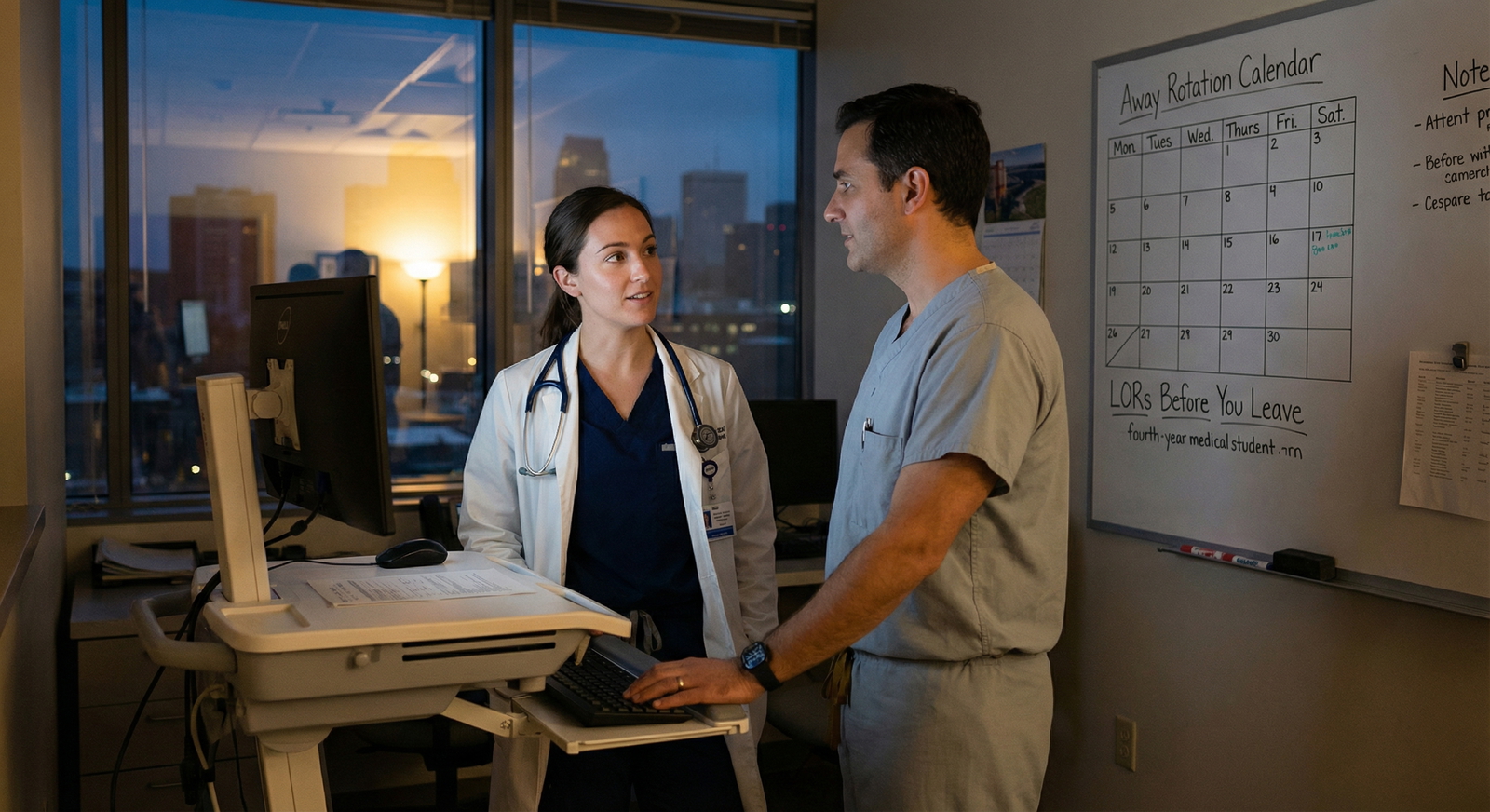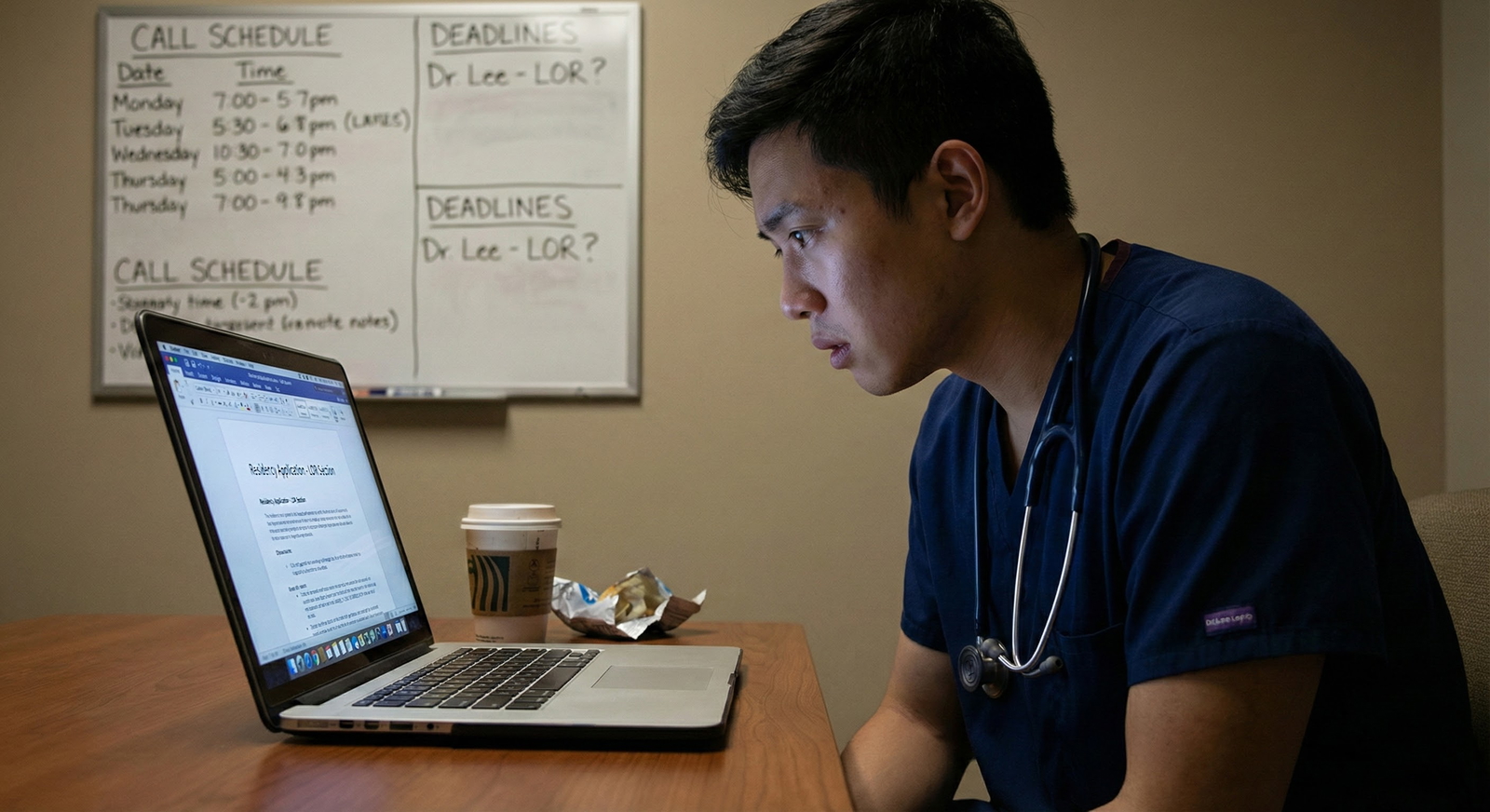
Crafting outstanding residency letters of recommendation (LORs) is one of the most controllable parts of your application—especially as a DO graduate aiming for nuclear medicine residency. While board scores and transcripts are already set by the time you apply, how you choose your letter writers, how you prepare them, and how you follow up can dramatically change the strength of your application.
This guide walks you through, step-by-step, how to get strong LORs as a DO graduate applying to nuclear medicine, with specific attention to the osteopathic residency match, combined nuclear medicine/diagnostic radiology pathways, and common DO-specific concerns.
Understanding the Role of Letters of Recommendation in Nuclear Medicine
Residency letters of recommendation carry particular weight in nuclear medicine because the field is relatively small, highly specialized, and relationship-driven. Many program directors know each other, and strong advocacy from a trusted colleague can meaningfully move your application forward.
Why LORs matter so much in nuclear medicine residency
Nuclear medicine residency (and combined nuclear medicine–diagnostic radiology tracks) tends to be:
- Technically demanding – interpreting PET/CT, SPECT, cardiac imaging, and theranostics (e.g., Lu-177, I-131).
- Interdisciplinary – requiring collaboration with oncology, cardiology, endocrinology, surgery, radiation oncology, and radiology.
- Rapidly evolving – with ongoing advances in molecular imaging and targeted therapies.
Program directors use LORs to answer specific questions:
- Can this DO graduate function well in a high-technology, detail-oriented environment?
- Do they have the curiosity and discipline to keep up with evolving evidence?
- Are they teachable, reliable, and collegial in a multidisciplinary setting?
- Will they represent the program well as a future nuclear medicine specialist?
Because nuclear medicine is smaller than fields like internal medicine or emergency medicine, each letter may be read even more closely, especially if it’s from a known faculty member in the field.
DO graduates: unique considerations
As a DO graduate, you may wonder whether osteopathic training will be perceived differently. Many nuclear medicine and radiology departments are increasingly DO-friendly, but you need to be intentional:
- Demonstrate parity of training – strong clinical rotations, solid COMLEX/USMLE performance, and good evaluations.
- Use LORs to offset bias – a powerful letter from an allopathic (MD) academic nuclear medicine or radiology faculty member can reassure programs that your training and performance measure up to (or exceed) expectations.
- Leverage osteopathic strengths – DOs often bring a holistic, patient-centered mindset that is attractive in theranostics and multidisciplinary oncology care. Your letters can highlight this.
A well-crafted LOR package can be the difference between being seen as “another applicant” and as a future colleague who fits naturally into an academic nuclear medicine team.
Who to Ask for Letters: Building the Right Mix
One of the most common questions is who to ask for letters. The answer depends on your experiences, but for a DO graduate targeting a nuclear medicine residency or a nuclear medicine match pathway, there is a clear hierarchy of ideal choices.
Ideal core letters for nuclear medicine
Most nuclear medicine programs will expect at least 3–4 letters of recommendation. A strong set for a nuclear medicine residency might look like:
Nuclear Medicine Faculty (at least one, ideally two)
- A nuclear medicine attending with whom you:
- Rotated on nuclear medicine or theranostics
- Did a PET/CT, SPECT, or general nuclear rotation
- Completed a research project or case report
- This is your most direct evidence of specialty-specific performance.
- If your institution doesn’t have dedicated nuclear medicine faculty, a radiologist with a nuclear focus or a dual-certified diagnostic radiology/nuclear medicine physician can fulfill a similar role.
- A nuclear medicine attending with whom you:
Diagnostic Radiology Faculty (if no or limited nuclear experience)
- A radiology attending from a core rotation who can speak to:
- Your image interpretation skills
- Work ethic and responsiveness to feedback
- Understanding of imaging physics, safety, and protocols
- A radiology attending from a core rotation who can speak to:
Internal Medicine, Oncology, Cardiology, or Endocrinology Faculty
- Particularly valuable if they:
- Work closely with nuclear medicine services
- Can emphasize your clinical reasoning and multidisciplinary collaboration
- For example: a cardiologist writing about your understanding of nuclear stress testing or PET perfusion.
- Particularly valuable if they:
Research Mentor (ideally in imaging, oncology, or radiology/nuclear medicine)
- Especially helpful if:
- You’ve presented at a meeting, published, or submitted abstracts
- You want academic nuclear medicine or a research-oriented program
- Especially helpful if:
What about osteopathic letters?
As a DO graduate, you may have strong mentors who are DO faculty. These can absolutely help:
- A respected DO radiologist, nuclear medicine physician, or IM subspecialist is an excellent choice.
- If your school has a strong osteopathic academic department, a letter from a DO academic leader can also help illustrate your professionalism and leadership.
However, for the nuclear medicine match, it’s wise to balance DO letters with MD letters from academic or tertiary-care environments when possible, especially if you’re targeting university-based programs. Aim for at least one or two letters from MD attendings in radiology or nuclear medicine if available.
Who not to prioritize
Avoid basing your letter package around:
- Non-clinical basic science faculty who have not seen you in patient care or imaging context (unless you did significant research with them).
- Primary care preceptors unrelated to imaging if they cannot speak to your readiness for a high-tech, academic environment.
- Physicians who barely know you or for whom you did only a brief or unremarkable shift.
A glowing letter from a “less prestigious” but very involved faculty member is better than a lukewarm letter from a big name who barely remembers you.

How to Get Strong LORs as a DO: Strategy and Timing
Knowing how to get strong LOR is just as important as selecting who you ask. Nuclear medicine programs can spot generic letters immediately. You need detailed, personalized advocacy that shows depth.
Timing your requests
Plan your LOR timeline backward from the application deadlines:
- 3–4 months before ERAS opens
- Identify your likely letter writers.
- Start re-engaging with them if you haven’t been in touch (emails, updates, short meetings).
- Right after a strong rotation
- The best time to ask is while your performance is fresh.
- For nuclear medicine, this is often during or right after your dedicated NM or radiology sub-internship.
Practical target:
- Have all letters requested no later than late June–early July for a typical September ERAS submission.
- Send gentle reminders in August if letters aren’t uploaded.
How to approach a potential letter writer
Your approach should be respectful and direct. Ideally, ask in person or over video. If that’s not possible, email works if it’s thoughtful and complete.
Key elements to include:
Ask if they can write a STRONG letter
- This phrasing gives them permission to decline if they’re not enthusiastic.
- Example phrasing:
“I was wondering if you would feel comfortable writing a strong letter of recommendation in support of my application to nuclear medicine residency.”
Remind them who you are and how you worked with them
- “I completed a 4-week nuclear medicine rotation with you in March and presented the case of X at the department conference.”
Explain your goals clearly
- “I’m a DO graduate applying to nuclear medicine residency programs, including academic and hybrid programs with a focus on theranostics and oncologic imaging.”
Offer supporting materials
- Updated CV
- Personal statement draft
- ERAS “brag” sheet with bullet points about:
- Cases you read with them
- Projects you worked on
- Feedback they gave you that you implemented
Turning clinical performance into a strong letter
During your nuclear medicine or radiology rotations, think ahead to LORs:
- Show up early, stay engaged
- Help with reading lists, protocols, and patient prep.
- Ask focused, high-yield questions
- About imaging indications, radiopharmaceuticals, dosimetry, and correlations with pathology.
- Volunteer for academic tasks
- Short case presentations
- Journal club discussions
- Quality improvement projects related to radiation safety, workflow, or imaging protocols
- Follow through on feedback
- If an attending suggests improving your report organization or differential diagnoses, demonstrate progress quickly.
Faculty are more willing to write detailed, supportive letters when they’ve seen:
- Growth over the rotation
- Sense of responsibility
- Respect for technologists, nurses, and support staff
- Patient-centered communication (especially when explaining nuclear studies to anxious patients)
Content Your Letters Should Highlight (Especially for DO Applicants)
You cannot dictate the content of a letter, but you can influence it by sharing a structured summary of your strengths and experiences. For a DO graduate applying to nuclear medicine, these themes are particularly important.
Core competencies for nuclear medicine residency
Encourage your writers (indirectly, via your CV and talking points) to address:
Analytical and visual skills
- Example: Your ability to synthesize PET/CT findings with clinical data.
- How quickly you learned to recognize common artifacts or pitfalls.
Attention to detail and safety
- Adherence to radiation safety protocols.
- Careful history-taking regarding prior therapies, pregnancy status, and comorbidities.
Interdisciplinary collaboration
- Positive interactions with oncology, cardiology, surgery, or internal medicine teams.
- Participation in tumor boards or multidisciplinary conferences.
Academic or research potential
- Involvement in imaging research, case reports, posters, or QI projects.
- Initiative in exploring new tracers, evolving guidelines, or theranostic approaches.
Professionalism and work ethic
- Reliability, punctuality, and integrity.
- Handling of challenging or high-volume service days.
DO-specific strengths worth emphasizing
Ask your mentors to consider mentioning aspects of your osteopathic background when relevant:
- Whole-patient perspective
- Sensitivity to patient fears about radiation, cancer, or complex diagnoses.
- Communication skills
- Clear explanations of nuclear studies in accessible language.
- Adaptability
- Smooth transition from osteopathic training into high-acuity or high-tech settings.
- Dual-exam experience (if applicable)
- If you took both COMLEX and USMLE, this can demonstrate dedication and resilience.
A letter that says, “As a DO graduate, they were indistinguishable from (or exceeded) our allopathic students in performance and maturity,” can be particularly powerful in competitive or historically MD-dominant programs.

Navigating the Nuclear Medicine Match and Osteopathic Pathways
The nuclear medicine residency landscape for DO graduates intersects with both the osteopathic residency match (historically) and the now-fully integrated single accreditation system. You should understand how letters function within this broader context.
ACGME accreditation and DO graduates
Now that the residency system is unified under ACGME:
- DO and MD graduates apply through the same ERAS and NRMP processes.
- Many nuclear medicine and radiology programs explicitly welcome DO applicants.
- Programs are used to interpreting COMLEX scores; many also appreciate or prefer USMLE scores.
Your residency letters of recommendation can help:
- Reassure programs about your clinical and academic readiness.
- Bridge any unfamiliarity they may have with your DO school.
- Demonstrate that you’ve already thrived in ACGME or university-based clinical settings.
Standalone nuclear medicine vs combined pathways
Depending on your background, you may be approaching the nuclear medicine match differently:
Standalone Nuclear Medicine Residency
- Some programs accept applicants from various backgrounds (e.g., internal medicine, radiology, other prelim years).
- LORs should:
- Emphasize direct nuclear medicine and imaging exposure.
- Highlight comfort with complex oncology/cardiology/endocrine patients.
- Show capacity for self-directed learning in a niche field.
Combined or Sequential Diagnostic Radiology + Nuclear Medicine
- Here, strong letters from diagnostic radiology faculty and nuclear medicine attendings are crucial.
- Programs will want reassurance that you are competitive alongside traditional radiology-track applicants.
Transitioning from Another Residency (e.g., IM, FM, or prelim year)
- If you’re already in (or completed) another ACGME residency:
- Obtain at least one letter from your current program director.
- Add letters from faculty who saw your imaging interest (e.g., IM attending praising your engagement with nuclear cardiology, V/Q interpretations, etc.).
- If you’re already in (or completed) another ACGME residency:
DO graduate strategy: which programs and how letters support your choices
As a DO, you can apply confidently across:
- University-based academic nuclear medicine programs
- Large hybrid community-academic centers
- Programs with strong theranostics or oncology focus
Your letters should align with your target:
- Academically heavy programs – emphasize research, conference participation, and scholarly output.
- Clinically heavy programs – emphasize efficiency, professionalism, and real-world service performance.
- Theranostics-focused centers – highlight your interest in radionuclide therapy, involvement in relevant tumor boards, and ability to handle longitudinal complex patients.
A consistent theme across your letters (even if the wording differs) helps program directors see a coherent picture of your candidacy.
Practical Steps and Examples: From Request to ERAS Upload
To tie everything together, here is a practical step-by-step plan tailored for a DO graduate applying to nuclear medicine.
Step 1: Map your rotations and potential writers
Create a simple table for yourself:
- Nuclear medicine rotation – Dr. A (MD, NM faculty)
- Diagnostic radiology rotation – Dr. B (DO, body imaging with nuclear exposure)
- Oncology elective – Dr. C (MD, works with PET/CT for staging)
- Research mentor – Dr. D (MD, theranostics research)
From this, choose:
- 1–2 nuclear medicine or radiology letters
- 1 internal medicine/oncology/cardio/endocrine letter
- 1 research letter (if strong and relevant)
Step 2: Prepare a LOR packet for each writer
Include:
- Updated CV
- Personal statement draft (or a paragraph about why nuclear medicine)
- Unofficial transcript and board score summary (if requested)
- Bullet points on:
- How you worked with them
- Specific cases or projects you shared
- Skills you hope they can comment on
Step 3: Write a concise, professional email (example)
Subject: Request for Strong Letter of Recommendation for Nuclear Medicine Residency
Body (adapt as needed):
Dear Dr. [Name],
I hope you’re doing well. I’m a recent DO graduate from [School] and I had the privilege of working with you on the nuclear medicine rotation in [month/year]. I learned a great deal from reviewing PET/CT and SPECT studies with you, and I especially appreciated your guidance on [specific case, teaching point, or project].
I am applying to nuclear medicine residency programs this cycle and would be honored if you felt comfortable writing a strong letter of recommendation on my behalf. I am particularly drawn to nuclear medicine because of [1–2 sentence motivation].
I have attached my CV and a draft of my personal statement, as well as a brief summary of my experiences on your service. If helpful, I would be happy to meet or speak briefly to discuss my goals and review any additional information you might need.
Letters can be submitted directly through the ERAS system; I can provide detailed instructions once you agree.
Thank you for considering my request and for your mentorship.
Sincerely,
[Your Name], DO
[Contact information]
Step 4: Track and follow up
Use a simple spreadsheet:
- Column A: Letter Writer
- Column B: Date Requested
- Column C: Confirmed Yes/No
- Column D: ERAS upload status
- Column E: Last follow-up date
Send:
- Thank-you email soon after they agree.
- Gentle reminder 3–4 weeks before you plan to certify and submit ERAS if the letter is not yet uploaded.
Step 5: Final check before submission
Before you submit your application:
- Confirm:
- Each program you’re applying to has 3–4 letters assigned.
- At least one is clearly from nuclear medicine/radiology.
- You have a balanced mix (clinical imaging, interdisciplinary, possibly research).
- Make sure:
- Names and titles of letter writers are accurate in ERAS.
- You waived your right to see the letters (programs prefer confidential LORs).
FAQs: Letters of Recommendation for DO Graduates in Nuclear Medicine
1. As a DO graduate, do I need at least one letter from a nuclear medicine physician?
Ideally, yes. For a nuclear medicine residency or nuclear medicine match pathway, at least one letter from a nuclear medicine physician (or a diagnostic radiologist heavily involved with nuclear imaging) is extremely valuable. If your home institution doesn’t have nuclear medicine, arrange an away rotation or elective at a site that does. Programs want assurance that you understand what the specialty entails and that you performed well in that environment.
2. How many letters of recommendation should I submit for nuclear medicine programs?
Most programs accept 3–4 letters. Submitting three high-quality, targeted letters is better than four generic ones. A typical strong combination would be:
- 1 nuclear medicine faculty letter (or radiologist with NM focus)
- 1 diagnostic radiology or related subspecialty letter
- 1 internal medicine/oncology/cardiology/endocrinology letter
Optional: - 1 research mentor letter (if strongly supportive and relevant)
3. Is it a disadvantage if most of my letters are from DO physicians?
Not inherently. Well-respected DO faculty who know you closely can write outstanding, detailed letters. However, if you are applying to heavily academic or historically MD-dominant programs, it can help to have at least one letter from an MD faculty member in nuclear medicine, radiology, or a closely related specialty. The key is not the degree but the strength, specificity, and credibility of the letter writer in the eyes of program directors.
4. What if I had a weaker rotation or a gap in my training—should I avoid a letter from that supervisor?
In general, yes. You want letters from attendings who can give unambiguously positive evaluations. If there’s a gap or a weaker evaluation in your record, address it in your personal statement or in the additional information section, not through a lukewarm letter. Prioritize letter writers who can confidently advocate for your readiness for nuclear medicine residency and your potential to thrive in a specialized, technology-intensive field.
By choosing the right writers, preparing them thoughtfully, and aligning your letters with the expectations of nuclear medicine programs, you can turn your LORs into one of the strongest aspects of your application—as a DO graduate and as a future nuclear medicine physician.