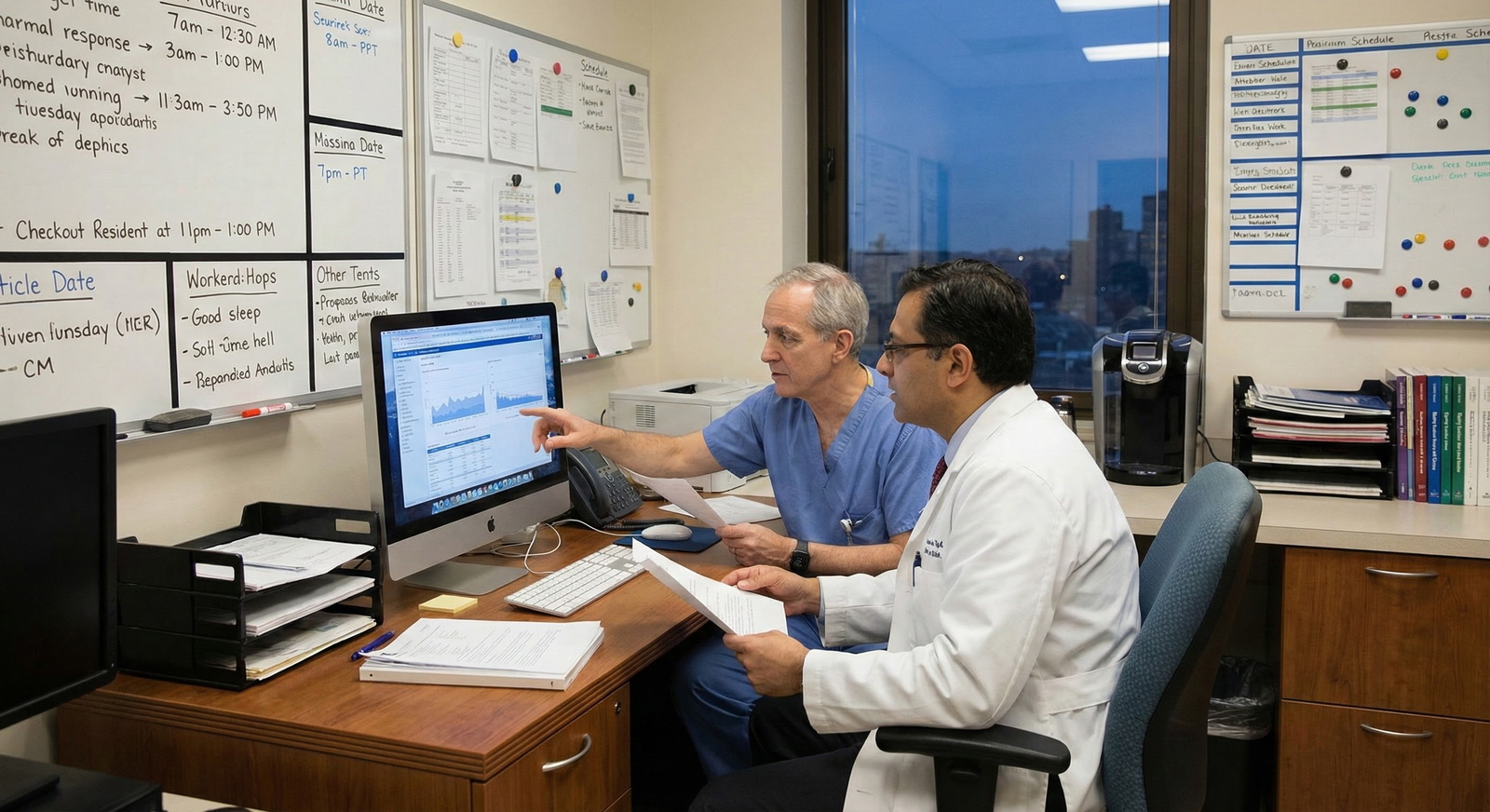
Why Letters of Recommendation Matter So Much in Interventional Radiology
Letters of recommendation (LORs) often carry more weight in interventional radiology (IR) than applicants realize. In a specialty that is still relatively small, procedure‑heavy, and personality‑dependent, programs want evidence that you:
- Can function safely in high‑stakes procedural environments
- Work well on teams under pressure
- Have the technical aptitude and work ethic to complete an interventional radiology residency
- Are someone attendings would actually want to staff cases with for years
In IR, your LORs are often the primary way programs verify those qualities.
Why IR Programs Scrutinize LORs Closely
IR program directors commonly look at three elements of the application very carefully:
- Performance in core rotations and IR-specific experiences
- Personal statement and overall narrative
- Letters of recommendation
Because IR is smaller than many fields, attendings and program directors may know each other personally, or at least by reputation. That means:
- A strong letter from a well‑known IR attending can be highly influential
- A lukewarm or generic letter from that same person can be a red flag
For many IR programs, a standout LOR can move you from “maybe” to “definite interview,” especially if you’re borderline on board scores or have a non-traditional background.
How Many Letters Do You Need for IR?
Most interventional radiology residency programs (integrated IR/DR) require:
- 3 letters of recommendation total
- At least 1–2 from radiology/IR faculty
- Often 1 from a non-radiology clinical specialty who can speak to your clinical skills (e.g., surgery, internal medicine, ICU)
Always check each program’s ERAS listing, but a strong IR application typically includes:
- 1–2 letters from interventional radiologists (ideally people who have seen you on rotation or research)
- 1 letter from a diagnostic radiologist or proceduralist
- 1 letter from a medicine/surgery/ICU/subspecialty attending (if allowed/desired; some programs max at 3, others allow a 4th)
You don’t always need four, but if permitted, a carefully chosen 4th letter can help round out your profile.
Who to Ask for Letters: Building the Right LOR Team
Understanding who to ask for letters is just as important as how you perform on your rotations. For interventional radiology, choose recommenders based on three key criteria:
- How well they know you
- Their ability to evaluate you in relevant contexts (procedural, radiologic, clinical)
- Their credibility or name recognition in the IR/radiology community
Ideal Types of Letter Writers for IR
1. Interventional Radiology Attendings (Core)
These are your highest‑yield letter writers for an interventional radiology residency:
- Attendings you’ve worked with on an IR rotation or sub‑internship (sub‑I)
- Faculty you have done IR research with
- IR attendings who have seen you:
- Evaluate consults
- Consent and educate patients
- Participate in procedure planning
- Function in the angio suite during cases
A strong IR letter should comment on both procedural potential and clinical acumen, not just that you “showed interest in IR.”
2. Diagnostic Radiology Attendings
These letters are useful to demonstrate:
- Your ability to interpret imaging
- Your work ethic and curiosity in a reading room environment
- How you handle repetitive, detailed tasks and large volumes of studies
Since IR is now integrated with DR training, programs want to see you will thrive in both domains.
3. Procedural or High‑Acuity Clinical Specialties
Letters from the following can add valuable perspective:
- General surgery, vascular surgery, cardiology
- Critical care (ICU), internal medicine hospitalist
- Emergency medicine
These writers can comment on:
- How you perform in acute, fast‑paced environments
- Your bedside manner, clinical reasoning, and ability to manage complex patients
- Your ability to function as a team member under pressure
These letters are especially useful for applicants whose IR exposure came late, or who are coming from surgical or medicine‑heavy backgrounds.
4. Research Mentors (If Substantial and Relevant)
If you’ve invested significant time in IR or imaging‑related research, a mentor who knows you well can write a powerful letter. This can:
- Demonstrate long‑term commitment to IR
- Highlight academic productivity and potential for scholarly contribution
- Offer a narrative of your growth, perseverance, and curiosity
However, research-only letters are weaker if the mentor has never seen you in a clinical environment. For an IR match, try to ensure at least two writers have seen you with patients and/or in procedural settings.
How to Get Strong LORs: Strategy Before, During, and After Rotations
Understanding how to get strong LOR letters starts months—sometimes years—before you click “Request Letter” in ERAS. Strong letters are built on consistent performance, deliberate relationship‑building, and clear communication.
Step 1: Plan Ahead Early in Medical School
From late M2/early M3 onward:
- Identify potential IR mentors: Your home IR division, alumni in IR, or nearby programs if you lack a home program.
- Schedule IR rotations strategically: Aim for at least one early enough that the attending sees your interest develop, and one during your application year (home or away).
- Map your LOR needs: Example plan:
- 1 IR attending from home institution
- 1 IR or DR attending from away/audition rotation
- 1 non‑radiology clinical attending (e.g., surgery, ICU)
Create a simple spreadsheet tracking:
- Potential letter writers
- What setting they know you from
- What timeframe you’ll work with them
- When you plan to ask for a letter
Step 2: Perform Intentionally on IR and Clinical Rotations
Letter writers need specific behaviors to comment on. On IR and clinical rotations, focus on:
In the IR suite:
- Arrive early; stay late when appropriate
- Read cases the night before and prepare: indications, anatomy, possible complications
- Help with patient positioning, consent, notes, and follow-up calls
- Ask targeted questions: “Why choose this access route?” “How do you decide between coil vs plug in this scenario?”
- Progress from observing to assisting to doing small parts of the procedures when invited (e.g., ultrasound for line placement, basic wire manipulation)
On clinical rotations:
- Own your patients: know their labs, imaging, plans in detail
- Communicate clearly with nurses, consultants, and families
- Take initiative in procedures when feasible (lines, taps, etc.)
- Demonstrate reliability—never miss pages, be on time for rounds and consults
Letter writers will notice and remember students who make the team run smoother.
Step 3: Make Your Intentions Known
If you think you might ask an attending for a letter later, signal interest early:
You (early in rotation):
“I’m strongly considering interventional radiology and want to make the most of this rotation. I’d appreciate any feedback on how I can grow into a strong IR applicant.”
Later, near the end of the rotation:
“I’ve really valued working with you. If you feel you know me well enough, I’d be honored to ask you for a letter of recommendation for interventional radiology residency.”
This gives the attending the opportunity to say yes enthusiastically—or to gently suggest someone else if they can’t write a strong letter.
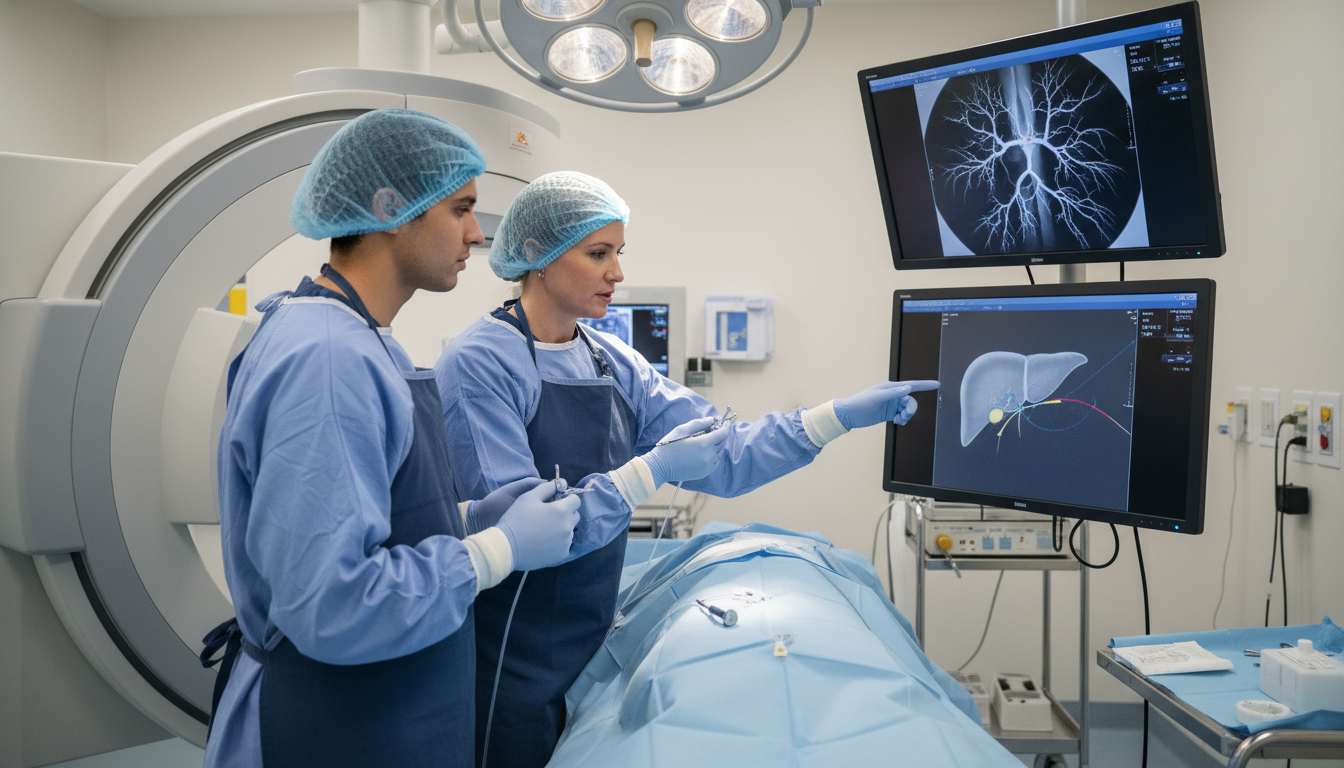
Step 4: Ask the Right People the Right Way
When you’re ready to ask:
- Ask in person if possible, or via a professional email if not.
- Use the phrase:
“Would you be able to write a strong letter of recommendation in support of my application to interventional radiology residency?”
- If they hesitate or qualify their response (“I don’t know you that well”), that’s your cue to:
- Either give them more time to observe you
- Or politely choose someone else
Example Email Template
Subject: Request for Residency Letter of Recommendation
Dear Dr. [Name],
I hope you are doing well. I am applying to interventional radiology residency this upcoming ERAS cycle and wanted to ask if you would feel comfortable writing a strong letter of recommendation on my behalf.
I truly enjoyed working with you on the IR service from [dates], especially during cases such as [brief examples]. I learned a great deal about [specific skills/lessons], and your perspective on my clinical and procedural potential would be extremely valuable to programs reviewing my application.
I am happy to provide my CV, personal statement draft, rotation evaluation, and a short summary of my experiences and career goals to make the process easier. Letters are due by [date you want it in ERAS—ideally 2–3 weeks before the real deadline].
Thank you very much for your time and consideration.
Sincerely,
[Your Name]
[Medical School, Graduation Year]
[AAMC ID (if desired)]
Maximizing Letter Quality: What to Provide and What to Emphasize
Once an attending agrees, you can strongly influence the quality of the letter by giving them structured, relevant information.
What to Send Your Letter Writers
Provide a concise “letter writer packet,” ideally as a single PDF or well‑organized email:
- Updated CV (highlighting IR‑related activities and leadership)
- Personal statement draft (especially if IR‑focused)
- USMLE/COMLEX scores (if you’re comfortable; some attendings like context)
- Transcript or grade summary (if helpful, not mandatory)
- Short “LOR helper” document (1–2 pages) including:
- Your career goals in IR (e.g., academic vs community, interest areas like PAD or oncology)
- Why you chose IR specifically
- Bullet points of times you worked with them (cases, projects, responsibilities)
- Specific strengths you hope they can comment on (e.g., “clinical reasoning on consults,” “technical skill with ultrasound guidance,” “team leadership,” “resilience”)
You’re not writing the letter for them—you’re simply making it easier for them to recall your performance and tailor their comments.
What IR Program Directors Value in LOR Content
Powerful IR letters typically answer:
How did this applicant perform compared to peers?
- “Among the top 5% of students I’ve worked with in the last 5 years” is much stronger than “above average.”
How did they function in the IR/clinical environment?
- Initiative during cases
- Comfort with complex, often sick patients
- Willingness to read and prepare ahead of cases
Do they have the technical and cognitive potential for procedural training?
- Dexterity, spatial reasoning, ability to integrate imaging with anatomy
- Comfort with stepwise procedural logic and troubleshooting
What is their work ethic and professionalism like?
- Ownership of tasks, reliability, response to feedback
- Team communication with nurses, techs, residents, and attendings
- How they handle long days and difficult cases
Would this attending want the applicant as their own resident/fellow/colleague?
- Explicit statements like:
“I would be delighted to have [Name] as a resident in our program”
or
“I give [Name] my strongest possible recommendation for interventional radiology residency”
- Explicit statements like:
Encouraging your writers (gently, through your materials) to focus on these themes can elevate your letters in the IR match.
Special Situations in IR Letters of Recommendation
Not every applicant follows a standard path. The IR match (IR/DR) sees many varied backgrounds. Here’s how to handle common scenarios.
If Your School Has No Home IR Program
This is increasingly rare but still happens, especially at new or smaller schools.
Consider:
- Away rotations at IR programs (home or external institutions)
- Electives at nearby hospitals with IR, even if informal
- Virtual research or mentorship: Reach out to IR faculty at other institutions who are doing work that interests you
Your goals:
- Secure at least one strong letter from an IR attending
- Supplement with diagnostic radiology and clinical specialties familiar with IR patients (e.g., vascular surgery, oncology)
Be transparent in your application and letters about the lack of home IR; programs generally understand and look for evidence that you sought out opportunities despite this barrier.
If You’re Transitioning from Another Specialty (e.g., Surgery, DR, Internal Medicine)
If you’re reapplying or changing direction:
- Keep one letter from your original field showing that you performed well there
- Obtain new letters from IR attendings who can speak directly to your fit for IR
- Make sure your letter writers can address:
- Your reasons for transition
- How your prior specialty experience strengthens you as an IR applicant
Example: A general surgery attending might write about your operative skills, composure in the OR, and ability to manage post‑op complications—highly relevant to the IR suite.
If You’re a DO, IMG, or Non‑Traditional Applicant
Programs often look more closely at direct, recent clinical interactions for these applicants.
Focus on:
- Recent U.S. clinical IR exposure if possible
- Letters from faculty who:
- Know you well
- Can compare you favorably to U.S. MD peers
- Understand the IR training landscape
If you’re an IMG, short‑term observerships alone often produce weaker letters; aim for:
- Longer rotations when possible
- Involvement in research or case discussions
- Demonstrated reliability (showing up regularly, contributing meaningfully)

If a Potential Writer Seems Lukewarm
A mediocre letter can hurt you more than having one fewer big-name writer.
Warning signs:
- They say, “I can write you a letter,” but never say “strong.”
- They mention they don’t remember you well.
- They ask you to write your own letter entirely.
In these cases:
- Thank them for their honesty.
- Ask if they recommend someone else who has seen more of your work.
- Prioritize strength and specificity over prestige.
A detailed, enthusiastic letter from a lesser‑known IR attending almost always beats a vague letter from a famous name.
Practical Timeline and Final Checklist for IR Match Letters
Ideal Timeline for IR Match (ERAS Cycle)
January–March (Year Before Match):
- Identify target letter writers
- Schedule IR and key clinical rotations
April–June:
- Perform strongly on relevant rotations
- Begin research or projects with IR/DR faculty if possible
Late June–August:
- Confirm with top 3–4 letter writers
- Send them your CV, personal statement draft, and LOR helper document
- Set a soft deadline: 2–3 weeks before ERAS submission date
September (ERAS Opening):
- Double‑check that all letters are uploaded
- Assign letters strategically to each program (e.g., always include at least 1 IR letter)
October–January (Interview Season):
- If new experiences significantly change your profile, you can ask a key mentor for an additional letter mid‑season (less common, but sometimes helpful).
Quick Checklist: Are Your LORs IR‑Ready?
By the time you submit ERAS, you should be able to answer “yes” to most of the following:
- Do I have at least one letter from an interventional radiologist who has seen me clinically?
- Do I have 3 total letters (or 4, if programs allow) that together highlight:
- Clinical skill
- Procedural aptitude/potential
- Teamwork and professionalism
- Does at least one writer compare me to peers (e.g., “top 10%” or “among the best students I’ve supervised”)?
- Did I explicitly ask each writer for a strong letter?
- Have I provided each writer with:
- My CV
- Personal statement draft
- Summary of how I worked with them and what I’m aiming for in IR
- Do my letters, taken together, tell a coherent story about why I fit IR?
If you can say yes to these, your LOR component should support a competitive IR match application.
FAQ: Letters of Recommendation for Interventional Radiology Residency
1. How many IR-specific letters do I really need for interventional radiology residency?
Aim for at least one, ideally two letters from interventional radiologists. Programs want to see that IR attendings who have worked with you believe you have the clinical, procedural, and professional potential to succeed in an IR/DR residency. The remaining letter(s) can come from diagnostic radiology and/or high‑acuity clinical specialties.
2. If my school doesn’t have IR, how can I still get strong IR letters?
Use a combination of:
- Away rotations or visiting student electives in IR
- Electives at local hospitals with IR, even if outside your main campus
- Research collaborations with IR faculty at other institutions
During these experiences, be proactive—show up consistently, ask for feedback, and let them know early you’re aiming for an IR match. Then ask for letters near the end of the rotation or project when they know you best.
3. What matters more: a big-name letter writer or someone who knows me well?
For the IR match, someone who knows you well and can write a detailed, enthusiastic letter is almost always more valuable than a generic letter from a famous name. The best case is a well‑known IR attending who has truly worked with you closely. But if you must choose, prioritize strength and specificity over prestige.
4. Should I waive my right to see my residency letters of recommendation?
Yes. You should waive your right to view your LORs in ERAS. Programs generally place more trust in letters they know are confidential. If you are worried a writer might not be supportive, that’s a sign you should choose someone else rather than trying to keep the letter non‑confidential.
By approaching your letters of recommendation strategically—knowing who to ask for letters, how to perform on rotations, and how to get strong LOR content tailored to the interventional radiology residency context—you give programs a compelling, credible story about who you are in the reading room, procedural suite, and at the bedside. In a competitive IR match, that narrative can make a decisive difference.