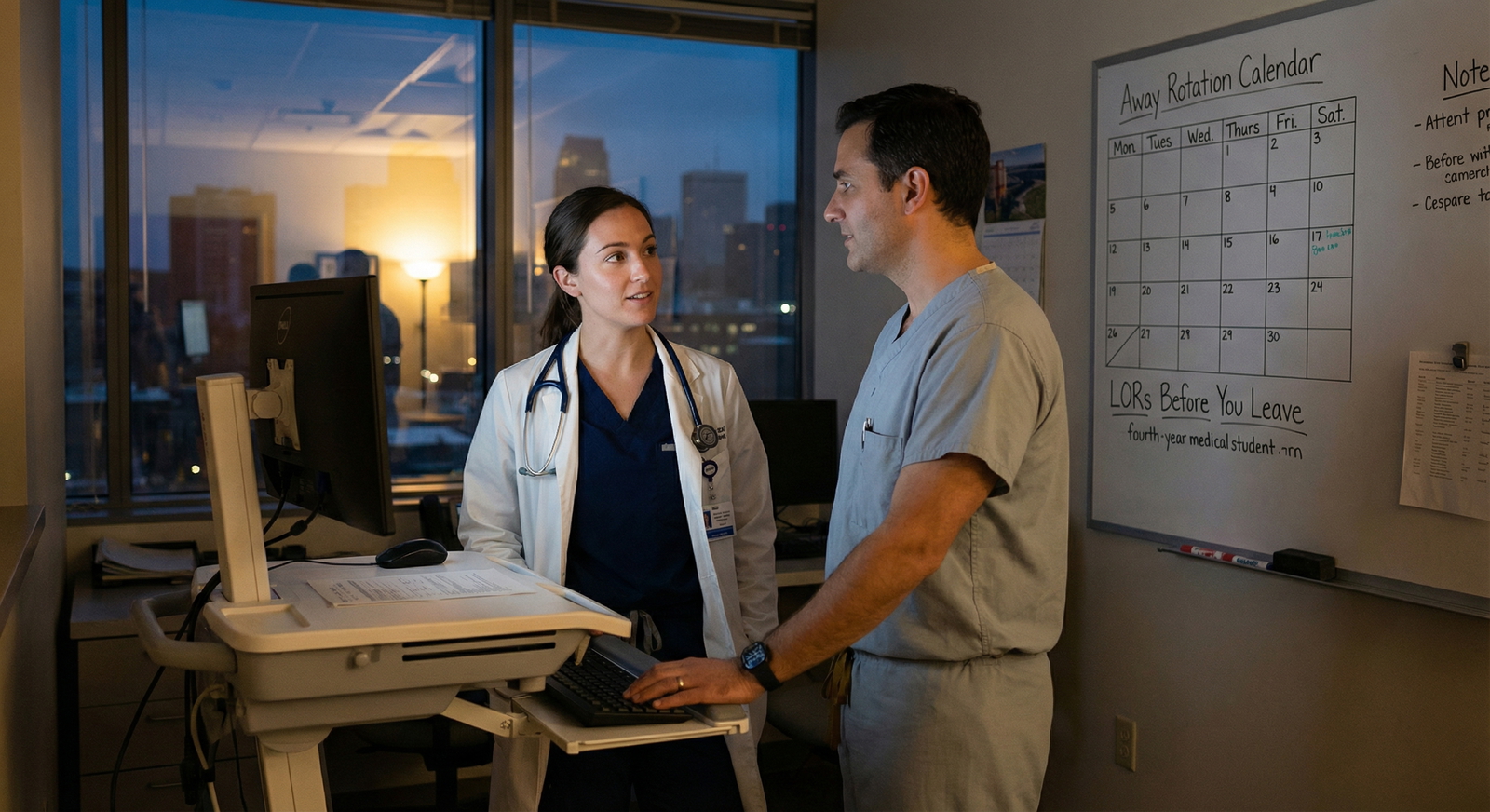
Understanding the Role of Letters of Recommendation in Neurology for US Citizen IMGs
Letters of recommendation are the currency of trust in the residency application process—especially in neurology, and especially if you are a US citizen IMG or an American studying abroad. Your scores, CV, and personal statement tell programs what you’ve done; your letters of recommendation (LORs) tell them how you did it, who you are on a team, and whether they can trust you with their patients.
For a US citizen IMG in neurology, strong residency letters of recommendation can:
- Offset concerns about the reputation of your medical school
- Demonstrate you can function at the level of a US medical graduate
- Show that US neurologists would personally vouch for you as a colleague
- Provide crucial context if you have red flags or nonlinear paths
Neurology is a relatively small, tight-knit specialty. Program directors frequently know each other, attend the same national meetings, and often recognize each other’s names on LORs. This makes it even more important to understand how to get strong LORs, who to ask for letters, and how to tailor your strategy as a US citizen IMG.
How Many Letters and What Types Do Neurology Programs Want?
Most neurology residency programs participate in ERAS and follow the standard structure for letters:
- ERAS allows you to assign up to 4 letters per program
- Most neurology programs require 3 letters, and some will allow or encourage a 4th
Typical Neurology LOR Mix
For a strong neurology application as a US citizen IMG, a good target is:
- 2 letters from neurologists (at least 1 from a US academic neurologist)
- 1 letter from another core specialty (usually internal medicine, psychiatry, or neurosurgery)
- Optional 4th letter if it is truly strong and adds something distinct (e.g., research mentor, sub-internship director)
If you are an American studying abroad with limited access to home neurology departments, it is especially important to prioritize US-based neurology letters through:
- US clinical electives / clerkships
- Observerships that allowed meaningful interaction
- Sub-internships or audition rotations at teaching hospitals
Programs want to know that you’ve been evaluated in a US clinical environment and that you’ve shown you can work effectively with US teams and patients.
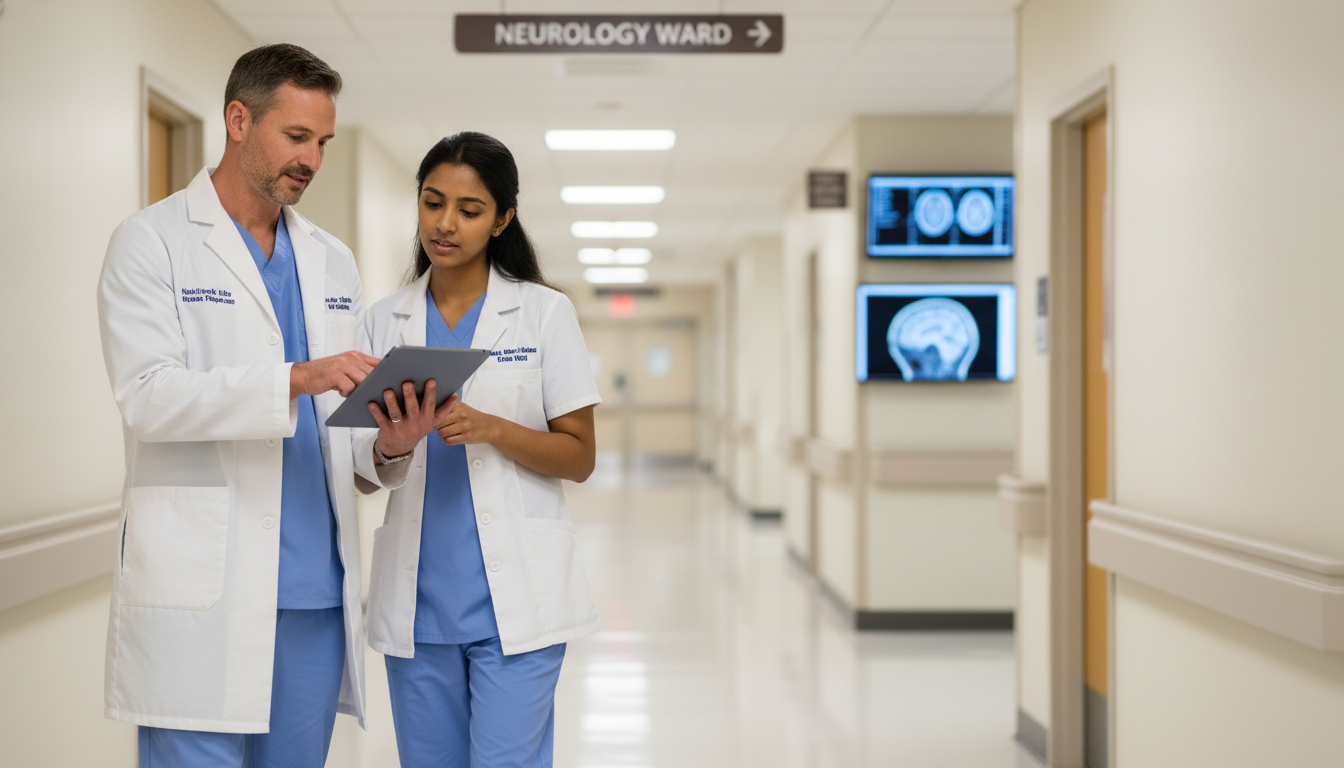
Who to Ask for Letters: Strategy for US Citizen IMGs in Neurology
One of the most common questions is who to ask for letters. For US citizen IMGs, the answer is strategic: you need letters that carry both credibility and depth of knowledge about you.
1. Prioritize US Neurology Faculty When Possible
The most valuable letters typically come from:
- Academic neurologists at US teaching hospitals
- Neurology clerkship or sub-internship directors
- Neurology department chairs or program directors who know you well
If you have a choice between:
- A world-famous neurologist who barely knows you
- A well-respected but locally known neurologist who supervised you closely
The second option is usually better. Program directors consistently say: a detailed, specific letter from a mid-level faculty is far stronger than a generic letter from a big name.
2. The US Citizen IMG Advantage: Use Your Flexibility
Being a US citizen IMG sometimes means:
- Better ability to arrange US electives without visa concerns
- Ease of traveling for multiple clerkships or observerships
- More freedom to plan additional time in the US for rotations
Use that flexibility to target:
- Home-area teaching hospitals with neurology departments
- Institutions with neurology residency programs where you might want to match
- Hospitals where IMGs have previously rotated and matched
Your goal: create real clinical relationships with neurologists who can later write residency letters of recommendation describing your performance in detail.
3. Non-Neurology Letter Writers: Choose Thoughtfully
For your non-neurology letter, ideal choices include:
- Internal medicine attendings who supervised you on inpatient services
- Psychiatry faculty (given the neuro-psychiatric overlap)
- Neurosurgery faculty (especially if you’re interested in vascular, epilepsy, or neurocritical care)
Preferences:
- US-based > non-US, when possible
- Direct supervision > indirect
- Detailed familiarity > big titles
4. When You Lack US Neurology Exposure
If you’re an American studying abroad with minimal US neurology contact, you should:
- Still seek at least 1 strong neurology letter from your international institution
- Combine it with US-based letters from internal medicine or related rotations
- Pursue short-term observerships or electives in neurology even if late, to add at least one US neurology LOR for future cycles (or late uploads if timing allows)
Example scenario:
You completed a neurology rotation in your home country and an internal medicine elective in the US. Your letter mix might be:
- Neurology attending from your school abroad (detailed, knows you well)
- US internal medicine attending (comments on your performance in US setting)
- US neurology observership mentor (if they had enough contact to fairly evaluate you)
- Optional research mentor letter (if strongly supportive and neurology-related)
How to Get Strong LORs: Building the Foundation Before You Ask
Strong letters are earned over weeks and months, not in a single email request. As a US citizen IMG, you often have a shorter window of time with US faculty, so you must be very deliberate.
1. Excel Clinically and Make It Observable
On every neurology or medicine rotation, focus on being:
- Reliable: Show up early, stay engaged, follow through on every task
- Prepared: Read about your patients’ conditions, especially neurological diagnoses
- Teachable: Ask focused questions, accept feedback, and apply it visibly
- Team-oriented: Help co-students, residents, and staff; be a net positive presence
Make your strengths visible:
- Volunteer to present at rounds or case conferences
- Ask if you can give a short talk on a relevant neurology topic (e.g., “Approach to the First Seizure”)
- Take ownership of patient follow-up (labs, imaging, family updates) under supervision
Faculty can only write about what they’ve seen. Give them concrete behaviors to describe.
2. Communicate Your Goals Early
Especially as a US citizen IMG aiming for neurology residency, you should:
Tell your attendings early in the rotation:
“I’m a US citizen IMG and I’m hoping to match into neurology. I’d really appreciate any feedback on how I can perform at the level expected of a US senior medical student.”Ask specific questions midway:
“Do you feel I’m progressing appropriately for someone aiming for neurology residency? Are there areas you’d like me to focus on improving during the rest of this rotation?”
This does two things:
- It signals your seriousness about neurology.
- It gives them time to observe you with this in mind, which leads to better letters.
3. Keep a Running “Achievements File”
To help your letter writers later, keep notes on:
- Cases you presented or followed in depth
- Positive feedback you received
- Presentations or mini-talks you delivered
- Any commendations from residents or nurses
This will be invaluable when you later send them a “brag sheet” or CV to help them write a detailed letter.

The Right Way to Ask: Timing, Wording, and Logistics
1. When to Ask for a Neurology Letter
Ideal timing:
- Toward the end of a strong rotation (last week or final days) while the attending clearly remembers you
- Or shortly after the rotation via email, referencing specific shared experiences
Avoid waiting several months if possible, especially if they supervise many learners.
2. How to Ask: In Person Script
If possible, ask in person first, then follow up with an email. An example script:
“Dr. Smith, I’ve really appreciated working with you this month. I’m a US citizen IMG applying to neurology residency this coming cycle. Would you feel comfortable writing me a strong letter of recommendation based on my performance on this rotation?”
The key phrase is “strong letter of recommendation.” This gives them a graceful way to decline if they do not feel they can be enthusiastic. If they seem hesitant, thank them and find another writer; a lukewarm letter can harm your application.
3. What to Provide to Your Letter Writers
Once they agree, send a concise, organized email including:
- Your CV (updated and formatted professionally)
- A draft of your personal statement, especially if it’s neurology-focused
- A brief summary of your time with them, e.g.:
- Dates of rotation
- Services you worked on
- A few notable patients or presentations
- A bullet-point “brag sheet”:
- “Presented a 10-minute talk on management of status epilepticus”
- “Took primary responsibility for daily notes on 4 inpatients”
- “Received positive feedback from residents on organization and communication”
Also include:
- Your AAMC ID
- Exact ERAS instructions (they will upload via the ERAS LOR portal)
- The deadline you’re aiming for (ideally at least 2–3 weeks away)
Make it as easy as possible for them to write something detailed and submit on time.
4. ERAS Technical Details for LORs
As a US citizen IMG, you will still use ERAS like most US seniors:
- You register letter writers in MyERAS and generate unique Letter ID forms
- Supply those to your writers (PDF or printed)
- Faculty must upload directly to ERAS; you do not handle sealed envelopes in the Match era
- You can choose to waive your right to see the letter—and you should. Programs take letters more seriously when applicants have waived access
You may assign different combinations of letters to different programs (e.g., research-heavy programs get your research mentor letter as the 4th LOR; others do not).
Neurology-Specific Considerations for US Citizen IMGs
1. What Makes a Neurology Letter Stand Out?
Strong neurology letters often comment on:
- Your neurological exam skills and how quickly you improved
- Your clinical reasoning in complex neuro cases (e.g., localizing lesions, managing status epilepticus, stroke codes)
- Your interest in the field (reading beyond expectations, asking advanced questions)
- Your communication with patients/families, especially with cognitive or language deficits
- Your resilience and professionalism during long call shifts or emotionally intense cases
Example excerpt (what program directors love to see):
“During our vascular neurology rotation, Ms. A. consistently arrived early to pre-round and was well-prepared on her patients. She independently read about acute ischemic stroke management and provided thoughtful suggestions during rounds. I was particularly impressed when she recognized subtle signs of a posterior circulation stroke in one patient, prompting timely imaging and intervention.”
2. Balancing International and US Letters
If you’re an American studying abroad, an effective combination might be:
- 1–2 letters from international neurology or internal medicine faculty who supervised you extensively and know you deeply
- 1–2 letters from US faculty (ideally including at least one neurologist) who can vouch for you in the US system
Program directors understand not all US citizen IMGs will have long-term US neurology exposure, but they strongly value any US-based clinical letters you can obtain.
3. Research Letters in Neurology
If you’ve done neurology or neuroscience research:
- A research mentor letter can be powerful if:
- The mentor knows you well
- Can speak to your work ethic, curiosity, and follow-through
- Ideally has an MD or PhD in a related field, and some name recognition in neurology/academia
However:
- A research-only letter that doesn’t comment on your clinical abilities should not replace a core clinical LOR. Use it as a 4th letter if it’s strong.
4. Audition Rotations and “Neuro Match” Strategy
If you’re planning neurology sub-internships (audition rotations) in the US:
- Target residency programs where you’d be genuinely happy to match
- Treat every day as a working interview: your performance may directly influence both your letter and your rank list position
- Ask one or two attendings who saw your best work for letters; don’t ask everyone
For US citizen IMGs, a strong letter from a program where you rotated can:
- Put you on their interview shortlist
- Serve as a powerful signal to other programs:
“This applicant can function at the US senior level in neurology.”
Common Mistakes US Citizen IMGs Make With LORs (and How to Avoid Them)
Waiting too late to arrange US rotations
- Plan US neurology and medicine rotations at least 6–12 months before you apply if possible.
Prioritizing famous names over familiarity
- A shorter, generic letter from a department chair who barely remembers you is much weaker than a detailed, specific letter from a rank-and-file faculty member.
Not clarifying that you seek a “strong” letter
- Always ask if they can write you a strong letter; if they hesitate, graciously move on.
Overloading on non-neurology letters
- For neurology residency, at least 1–2 neurology letters are ideal. Having none is a red flag unless explained by circumstance.
Sending vague requests without support materials
- Help your writers help you: send CV, personal statement, and a bullet-point summary of your work with them.
Ignoring letter content beyond just obtaining it
- You won’t see the letter if you waive your right (as you should), but you can influence content by how you perform, what you share with them, and how clearly you express your goals.
Putting It All Together: A Sample LOR Plan for a US Citizen IMG in Neurology
Imagine you are an American studying abroad with these experiences:
- Neurology core rotation at your international medical school
- US internal medicine elective (4 weeks)
- US neurology elective at a mid-sized academic center (4 weeks)
- 1 year of part-time neurology research (US-based, remote with occasional visits)
A strong LOR strategy could be:
US Neurology Attending (Dr. A) – from your 4-week US neurology elective
- Emphasizes: neurological exam, clinical reasoning, work ethic, communication
- This is your primary neurology letter
International Neurology Lecturer (Dr. B) – from your home school rotation
- Emphasizes: consistent performance over a longer period, strong foundation in neurology, teaching engagement
- Shows you have solid specialty commitment beyond one elective
US Internal Medicine Attending (Dr. C) – from your US IM elective
- Emphasizes: ability to function in a US team, reliability, professionalism, cross-discipline competence
- Helps reassure programs about your transition to US clinical practice
Neurology Research Mentor (Dr. D) – US-based researcher
- Emphasizes: intellectual curiosity, persistence, academic potential, contribution to neuro research
- Used as a 4th letter for academic or research-leaning programs
You can then assign:
- Programs emphasizing clinical training: Letters 1, 2, 3
- More academic programs or those known for research: Letters 1, 2, 3, 4
This kind of structured approach sends a clear signal: you are serious about neurology, you’ve been evaluated in both international and US contexts, and multiple neurologists are willing to stand behind you.
FAQ: Letters of Recommendation for US Citizen IMGs in Neurology
1. How many neurology-specific letters do I really need?
For a neurology residency (the neuro match), aim for at least 1 and ideally 2 neurology letters. Programs understand that US citizen IMGs or Americans studying abroad may have limited access, but having no neurology letter is a concern unless you clearly explain unusual circumstances.
2. Is a US internal medicine letter more valuable than an international neurology letter?
They serve different purposes. A US internal medicine letter is valuable to show you can function in the US system. An international neurology letter may be more detailed about your specialty potential. Ideally, you have both—not one instead of the other.
3. Should I prioritize a mediocre US letter over a strong international letter?
No. A strong, detailed international letter is better than a generic or lukewarm US letter. But you should work actively to earn strong US letters through careful choice of rotations, strong performance, and clear communication of your goals.
4. Can a research mentor letter replace a clinical neurology letter?
It should not replace a core clinical letter. Research letters are excellent as additional (4th) letters, especially for academic programs, but neurology residency is primarily a clinical training program. Program directors want at least some letters that directly address your hands-on patient care and team performance.
By understanding who to ask for letters, how to get strong LORs, and how to present yourself as a capable, motivated future neurologist, you can turn your letters of recommendation into a major strength of your neurology residency application as a US citizen IMG.