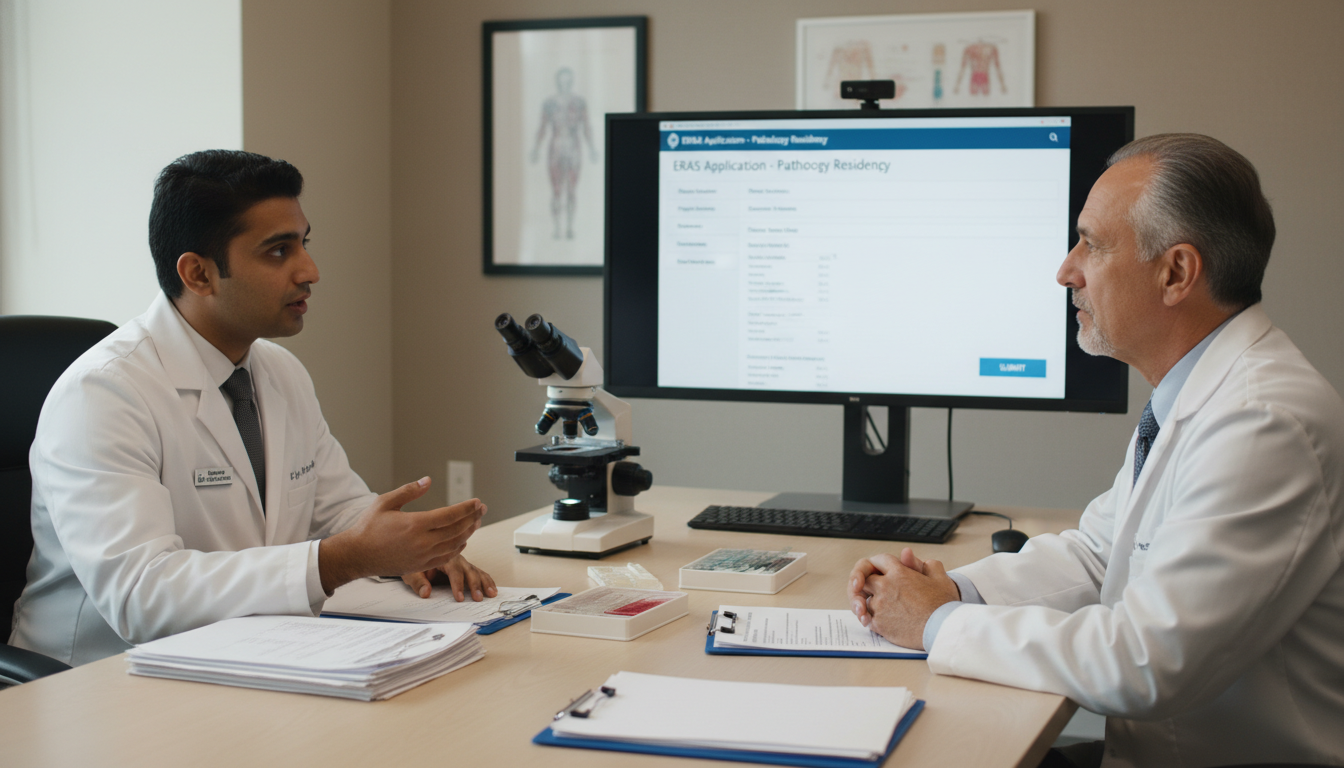
Understanding the Role of Letters of Recommendation in Pathology for Non‑US Citizen IMGs
For a non-US citizen IMG applying to pathology residency, letters of recommendation (LORs) carry even more weight than for many US graduates. Program directors know less about your medical school, your grading system, and your clinical environment. Strong, credible residency letters of recommendation help them answer two critical questions:
- Can you succeed in a US pathology residency?
- Can they trust the writer’s judgment about you?
In pathology, where much of the work is behind the microscope rather than at the bedside, your ability to think carefully, communicate clearly, and work reliably in a team needs to be demonstrated through narrative comments. This is where LORs are powerful.
As a foreign national medical graduate, your strategy is not simply “collect three or four letters.” Your goal is to build a small, well-curated set of highly specific, credible, pathology-relevant letters that address any concerns an American program director might have about an international applicant.
This article will walk you step-by-step through:
- What makes a pathology LOR strong
- Who to ask for letters (and who not to)
- How to get strong LOR from US and home-country experiences
- How to manage timing, logistics, and visas as a non-US citizen IMG
- How to deal with common challenges (no USCE, limited pathology exposure, etc.)
What Makes a Strong Pathology Letter of Recommendation?
Before deciding who to ask and how to ask, you need a clear picture of what program directors are hoping to see in a pathology residency letter.
1. Specific, Pathology-Relevant Content
A strong letter for a pathology residency:
Describes how you work with histology and microscopic cases
- Your approach to reading slides
- How you handle differential diagnoses
- How you respond to feedback on cases
Highlights cognitive and analytic skills
- Pattern recognition
- Ability to synthesize clinical and pathologic information
- Logical reasoning in case discussions
Comments on written and verbal communication
- Case write-ups, synoptic reports (if applicable)
- Presentations at sign-out or conferences
- Ability to explain pathology findings to clinicians or peers
Addresses reliability and professionalism
- Punctuality, preparation for sign-out
- Responsiveness to feedback
- Work ethic and integrity
For a non-US citizen IMG, it is especially helpful if at least one writer explicitly comments on:
- Your adaptation to US clinical or pathology practice (if you have USCE/observerships)
- Your English language communication skills
- Your cultural adaptability and teamwork in a US-based environment
2. Credibility of the Writer
Once program directors finish reading your letter, the next question is: How much do I trust the author’s judgment?
For IMGs, credibility comes from:
US pathology faculty whenever possible
- Particularly those in academic or community programs with active residency programs
- Known names in pathology (chairs, program directors, respected subspecialists) are a plus, but not mandatory
Home-country pathology attendings with substantial experience
- Senior consultants with university affiliations
- Department heads or residency/fellowship program directors in your country
Faculty who clearly know US residency standards
- Those who trained or worked in the US
- Those with a history of supporting IMGs into US training
A short, generic letter from a famous professor is less valuable than a detailed letter from a mid-level attending who supervised you intensively for 4–8 weeks.
3. Depth of Relationship and Observation
Program directors can spot “template letters” immediately. Strong letters:
Mention specific times and settings where you were observed
(“During her four-week anatomic pathology elective at our institution…”)Provide concrete examples
(“He independently reviewed 10–15 cases daily and consistently identified key diagnostic features in inflammatory bowel disease biopsies.”)Include comparisons to peers
(“Among the international students I have supervised in the last five years, she is in the top 5%.”)
For a non-US citizen IMG, this depth matters even more because it helps overcome unfamiliarity with your background and training system.
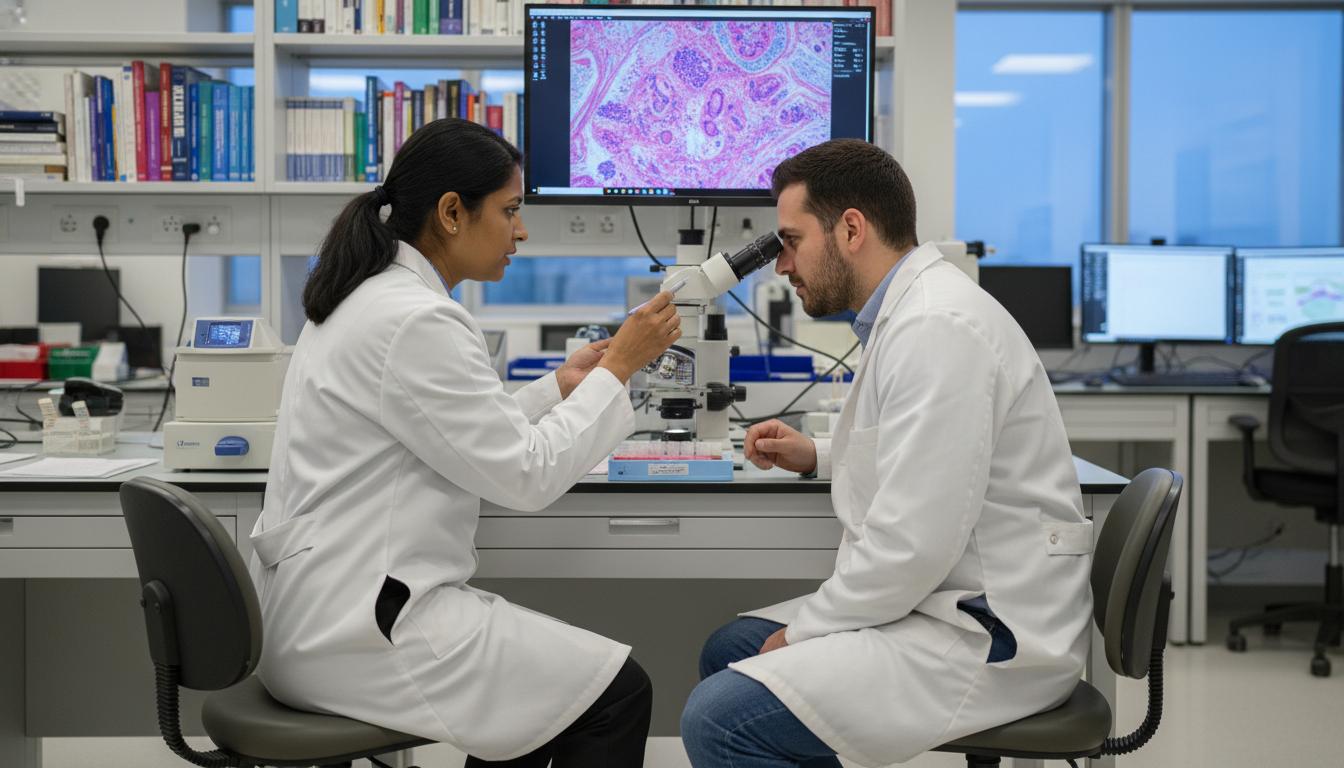
Who to Ask for Letters: Strategic Choices for a Non‑US Citizen IMG
Choosing who to ask for letters is one of the most important decisions in your application. This is especially critical for a foreign national medical graduate whose US exposure may be limited.
General Principles for Pathology Applicants
For pathology residency, most programs expect:
- 3 letters of recommendation (ERAS allows up to 4 per program)
- At least 2 letters from pathologists, ideally including:
- 1–2 US pathologists (if you have US pathology experience)
- Or, if no US pathology experience: 2 strong pathology letters from your home country
The remaining letter can be:
- From a non-pathology physician who knows you well and can speak to your analytic skills, professionalism, or research
- From a research mentor, ideally in pathology or a related field (oncology, hematology, laboratory medicine)
Priority Order: Who to Ask for Letters
Here is a practical hierarchy tailored to a non-US citizen IMG in pathology:
US Academic Pathology Attendings Who Directly Supervised You
For example:- Attending you worked with during a pathology elective, subinternship, or observership
- Faculty who saw you daily at sign-out, gross room, frozen section, or conferences
These are often your strongest letters because they can both evaluate you and confirm your success in a US environment.
US Pathology Program Directors or Department Chairs
This is valuable only if:- They have directly observed your work,
- Or have reviewed your performance in detail through faculty feedback.
A superficial “met-the-student-once” chair letter is less useful than a detailed letter from your immediate supervising faculty.
Home-Country Pathology Consultants/Professors Who Know You Well
Important if:- You have limited or no US pathology exposure
- You have been engaged in pathology electives, assistantship roles, or research in your home institution
Make sure they:
- Understand you are applying to US pathology residency
- Can describe your pathology interest and skills in detail
Clinical Faculty in Related Fields (Hematology/Oncology, Internal Medicine, Surgery)
Good option if:- They can attest to your diagnostic reasoning, professionalism, and interest in pathology (for example, tumor boards, multidisciplinary conferences)
Research Mentors (Pathology or Related Fields)
Particularly useful if:- The research is pathology or lab-based
- You have significant, sustained involvement (e.g., publications, abstracts, posters)
Who NOT to Prioritize (Common Mistakes)
- Letters from non-physicians (except rare high-impact research advisors)
- Letters based solely on brief shadowing, especially without direct case discussion
- Letters from personal or family connections (e.g., family friends, private lab owners who barely know your work)
- Very old letters (experiences more than 3–4 years in the past are less influential if you have more recent ones)
If you must use a letter from your home country because you lack USCE, that’s absolutely acceptable. The key is strength and specificity, not location alone.
How to Get Strong LORs: Building Relationships and Performance
Knowing how to get strong LOR is just as important as knowing who to ask. For a non-US citizen IMG, you often have to be intentional and proactive because you may have fewer opportunities and a limited timeframe in the US.
Step 1: Choose Experiences That Lend Themselves to Strong Letters
Look for experiences where you will:
- Be seen consistently (daily or several times per week)
- Have real responsibilities (even if observational, you should be presenting cases, writing summaries, attending conferences)
- Work with pathology faculty directly, rather than only with residents or technicians
Ideal settings include:
US pathology electives for visiting international students
Observerships where you can:
- Sit at multi-headed microscopes
- Attend tumor boards and sign-outs
- Participate in slide review discussions
Home-country pathology rotations where:
- You assist with grossing under supervision
- You help prepare slide sets for teaching
- You participate in clinicopathologic correlation meetings
Step 2: Perform with Letters in Mind
When you start a rotation, research experience, or observership, plan it as if you will need a letter from that faculty member.
Focus on behaviors that actively build “letter content”:
Show up fully prepared
- Review basic pathology for the organ system being covered
- Come early to preview slides if allowed
Engage actively
- Ask specific, well-thought-out questions
- Offer your differential diagnosis, even if you are not confident, and be open to correction
- Present cases concisely when given the opportunity
Demonstrate growth over the rotation
- Apply feedback quickly
- Show improvement in slide reading, terminology, and case presentation
- Ask for informal feedback mid-rotation and adjust accordingly
Be reliable and professional
- Always be on time, prepared, and respectful
- Communicate clearly if you are sick or delayed
- Dress appropriately and follow lab safety protocols
When an attending sees consistent effort, growth, and professionalism, they are far more likely to write a strong, detailed letter.
Step 3: Signal Your Interest in Pathology Early
As a non-US citizen IMG, program directors want to see genuine, sustained interest in pathology, not just “I chose pathology because it’s IMG-friendly.”
During rotations:
- Share your long-term goal to pursue pathology residency in the US
- Mention any prior pathology exposure, electives, or research
- Ask for advice on the pathology match and career paths
This helps your mentors frame your letter around a clear, authentic interest in the specialty, which makes your application more credible.

How and When to Ask for Letters (With Sample Phrases)
Even strong mentors may write weak letters if you request them late or ambiguously. You must be clear that you’re asking for a strong, supportive letter for pathology residency in the US.
Timing Your Requests
- US rotations/observerships:
- Ask near the final week of your experience, while your work is fresh in the faculty’s mind.
- Home-country rotations or research:
- Ask near the end of the project or when clear milestones are completed (e.g., manuscript submission, major conference presentation).
If you rotate early (e.g., several months or a year before you apply):
- Request the letter immediately at the end of the rotation
- Ask the writer to:
- Save the letter in their files
- Or upload it to a secure letter service (e.g., ERAS LOR portal as soon as the season opens)
How to Ask Clearly and Professionally
When asking in person or by email, include:
- A reminder of how they know you
- Your goal (US pathology residency)
- A direct question asking if they can write a strong letter
Example email (adapted for a non-US citizen IMG):
Dear Dr. Smith,
It has been a pleasure working with you during my four-week anatomic pathology observership at XYZ Medical Center. I have learned a great deal from our sign-out sessions and your feedback on my case presentations.
I am a non-US citizen IMG applying for pathology residency positions in the United States in the upcoming ERAS cycle. I am writing to ask whether you would feel comfortable writing a strong letter of recommendation in support of my application.
I believe you have had the opportunity to observe my work ethic, diagnostic reasoning, and growth over the rotation, and your perspective would be extremely valuable to program directors who may be less familiar with my medical school background. I would be happy to provide my CV, personal statement draft, and any additional information that would help you in writing the letter.
Thank you very much for considering my request and for all the teaching you have provided.
Sincerely,
[Your Name], MD (or final-year medical student)
If they hesitate or say they can only provide a “generic” or “brief” letter, this is a warning sign. In that case, politely thank them and consider asking someone else who can write more enthusiastically.
What to Provide to Your Letter Writers
To help them write a detailed letter:
- Your CV (highlight pathology-related experiences)
- Draft of your personal statement, especially if it details your interest in pathology
- USMLE scores (optional, but some faculty like to know you meet basic standards)
- ERAS letter request form with clear instructions and deadlines
- A short summary of your work with them, e.g.:
- Dates of rotation or project
- Specific tasks (slide review, presentations, research duties)
- Any key accomplishments (poster, case presentation, etc.)
This can be as simple as a 1-page “experience summary” that makes it easy for them to recall what you did.
Special Considerations for Non‑US Citizen IMGs in Pathology
Your status as a non-US citizen IMG introduces extra layers: visa concerns, limited US exposure, and sometimes gaps in training. Your LOR strategy should help address these.
1. When You Have Minimal or No US Pathology Experience
If you have little or no US clinical experience (USCE), you can still present strong residency letters of recommendation by:
Maximizing strong pathology letters from your home institution:
- Ensure they are detailed and specific.
- Encourage your letter writers to compare you to their strongest trainees.
Supplementing with:
- A strong letter from a research mentor in pathology or oncology
- A letter from a clinical faculty member who can attest to your diagnostic reasoning and professionalism
Ask your home-country writers to:
- Briefly explain the nature and rigor of your medical school or training program so US readers can understand the context.
- Comment explicitly if they believe you are well prepared to function in a US-style residency environment.
2. Addressing Visa and Immigration Concerns
While LORs cannot change your immigration status, they can reassure programs about potential concerns:
Ask US mentors (if applicable) to:
- Comment on your adaptability to US systems
- Mention your reliable attendance and long-term commitment during your rotation
- Affirm that you understand the challenges of US training
If you have previously trained or worked in another country’s healthcare system, ask your letter writers there to:
- Emphasize your ability to transition successfully between systems
While they do not need to discuss visas directly, strong letters help programs feel more confident about investing in a foreign national medical graduate.
3. Handling Gaps, Career Changes, or Prior Specialty Experience
If you have clinical experience in another specialty (e.g., internal medicine or surgery) or a career gap:
- A letter from that period can be very useful if:
- It shows maturity, reliability, and professional growth
- It supports your decision to move into pathology (for instance, you were heavily involved in tumor boards or diagnostic reasoning)
Ask such letter writers to:
- Explain your role clearly (resident, attending, research assistant, etc.)
- Reflect on transferable skills that apply to pathology:
- Attention to detail
- Analytical thinking
- Commitment to patient care via accurate diagnosis
Practical Letter Logistics for the Pathology Match
Strong LORs can be weakened by disorganized or late submissions. As a non-US citizen IMG, you may have additional time zone and communication challenges, so plan ahead.
Number and Mix of Letters
For the typical pathology application:
- Aim for 3–4 letters total, such as:
- 2 pathology faculty letters (ideally including at least 1 US letter if available)
- 1–2 additional letters from:
- Clinical faculty (esp. those with pathology exposure or tumor board collaboration)
- Research mentors in pathology or lab-based fields
Tailor which letters each program sees:
- Use ERAS to assign:
- All pathology programs: at least 2 pathology letters
- If a letter is particularly strong and directly relevant, assign it to all programs.
- Consider prioritizing your best US-based letters for more competitive or university programs, if you have more than 4 total letters available.
Confidentiality and Waivers
Always waive your right to view your letters in ERAS:
- Program directors expect letters to be confidential.
- Non-waived letters can be perceived as less candid and therefore less trustworthy.
Deadlines and Follow-Up
Because coordination with international faculty can be harder:
- Request letters at least 4–8 weeks before your ERAS submission deadline.
- Send polite reminders:
- 2 weeks after your initial request (if no response)
- 2 weeks before your target submission date
- 1 week before deadlines, if still incomplete
Be respectful and appreciative; faculty are often overloaded.
FAQs: Letters of Recommendation for Non‑US Citizen IMGs in Pathology
1. How many US vs. non-US letters do I need as a non-US citizen IMG?
There is no strict rule, but for a pathology match:
- Ideal: At least 1–2 strong US pathology letters plus 1–2 additional letters (US or home-country) that are detailed and supportive.
- If no US letters are available: Use 3–4 strong home-country letters, including at least 2 from pathologists, and make them as specific and detailed as possible.
Program directors care more about quality and depth than geography alone.
2. Who to ask for letters if I could only do observerships and not hands-on electives?
Even observership-based letters can be strong if:
- You were present regularly,
- Participated in discussions, sign-out, and conferences,
- And the attending observed your reasoning and professionalism.
Ask the pathologist(s) who:
- Interacted with you most frequently
- Saw your case presentations or heard your differential diagnoses
- Gave you substantive feedback over at least 2–4 weeks
Make sure they understand you are applying to pathology residency and invite them to highlight your analytic abilities and commitment to the specialty.
3. Can I use a letter from a non-pathology physician for a pathology residency application?
Yes, as long as:
- They know you well
- They can speak to relevant qualities (analytic thinking, professionalism, communication, reliability)
- Their letter complements, rather than replaces, your pathology letters
You should still aim for at least two pathology-specific letters. A strong internal medicine or oncology letter can be very helpful, especially if it highlights your engagement with diagnostic reasoning and pathology reports.
4. How do I know if a letter is strong enough or if I should ask someone else?
Signs of a potentially strong letter:
- The faculty member has directly supervised you for a meaningful period (weeks to months).
- They respond positively when you ask for a strong letter.
- They can quickly recall specific examples of your work, growth, and contributions.
- They have written support letters for successful applicants in the past.
If someone seems hesitant, cannot remember your work well, or explicitly says they can only provide a “generic letter,” consider seeking another writer who knows you better and can be more enthusiastic.
Strong letters of recommendation are one of the most powerful tools you have as a non-US citizen IMG entering the pathology match. By choosing the right recommenders, performing intentionally during your rotations, and managing the process professionally, you can transform potential doubts about your background into compelling evidence that you will thrive in a US pathology residency.