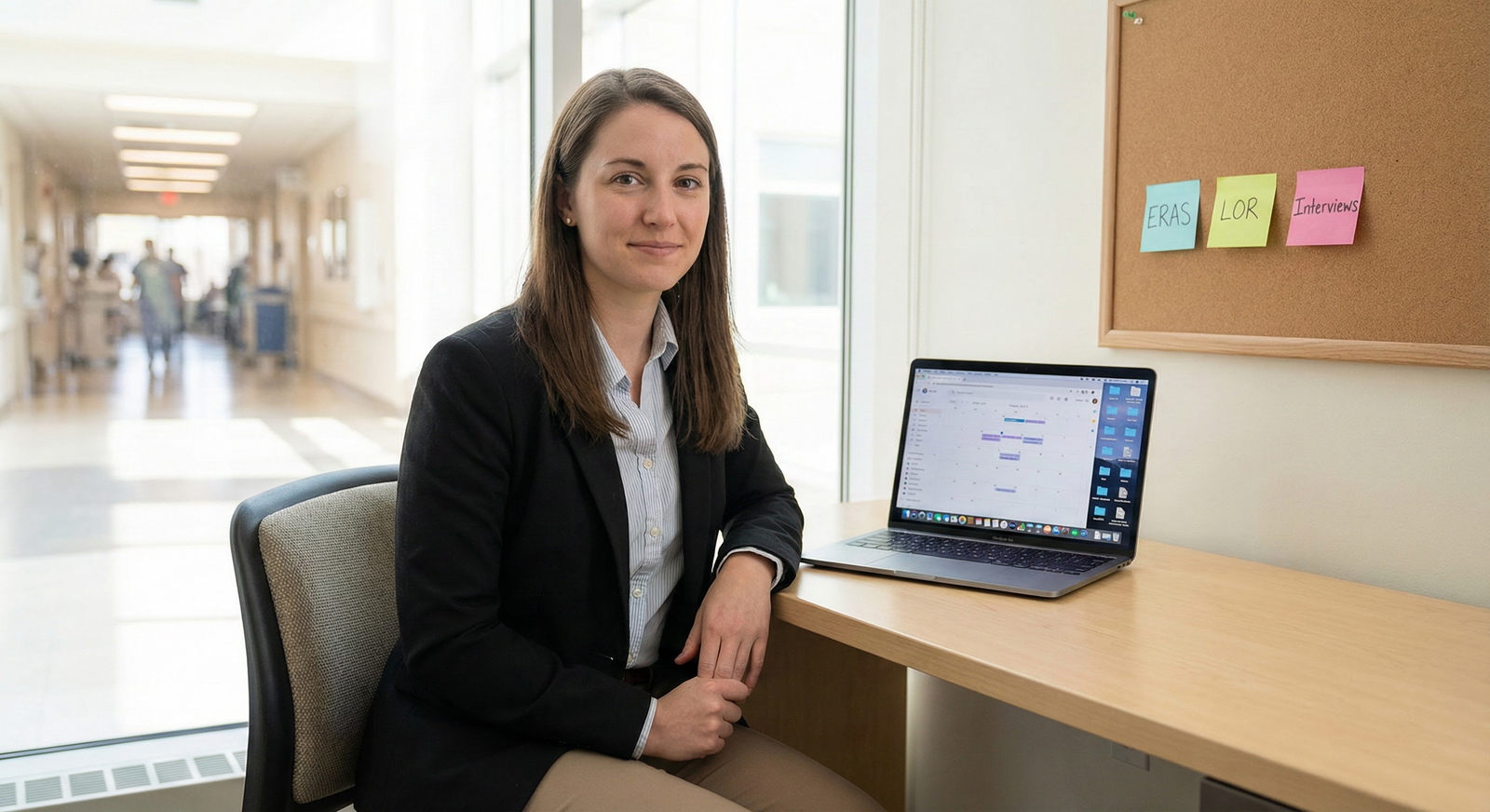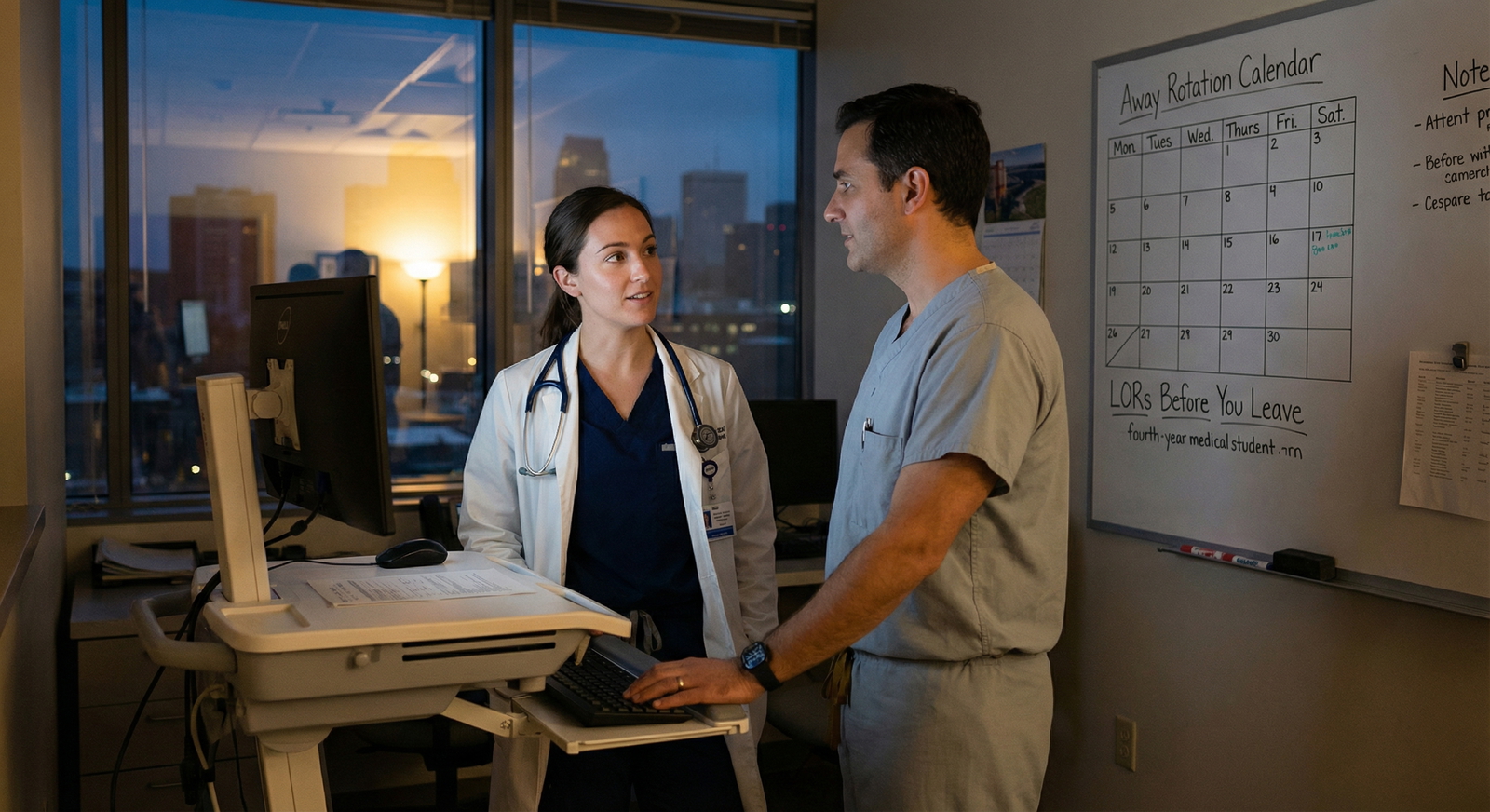
Understanding the Role of Letters of Recommendation in Medicine-Psychiatry for Non-US Citizen IMGs
For a non-US citizen IMG (international medical graduate), letters of recommendation are often the most critical, make-or-break component of the application to a med psych residency (medicine psychiatry combined program). Program directors know that transcripts, test scores, and personal statements may not fully capture your clinical ability within the US system. Strong residency letters of recommendation (LORs), especially from US faculty, give them confidence that you can function safely and effectively at their institution.
Medicine-Psychiatry is a relatively small, highly selective niche. Programs are looking for applicants who can thrive in both internal medicine and psychiatry—clinically strong, flexible, and emotionally intelligent. In such a specialized environment, thoughtful, personalized LORs carry even more weight.
For a foreign national medical graduate, there are additional challenges:
- Limited time in the US clinical environment
- Visa requirements that narrow where you can apply
- Fewer natural opportunities to build long-term mentorships
This article breaks down exactly how to get strong LORs as a non-US citizen IMG applying to medicine-psychiatry combined programs, who to ask for letters, and how to optimize every rotation, email, and interaction to showcase your unique potential.
What Makes a “Strong” LOR for Med-Psych?
Before worrying about who to ask, it helps to know what program directors actually look for in a letter. A strong letter for a medicine psychiatry combined residency usually has four core features:
1. Specific, Concrete Clinical Examples
Program directors are not impressed by vague praise like “hardworking and compassionate.” They want:
- Descriptions of specific patient encounters
- How you handled complex medical and psychiatric issues
- Evidence of your reasoning process, professionalism, and reliability
For example, a strong paragraph might say:
“During an inpatient medicine rotation, Dr. X managed a patient with decompensated heart failure and severe depression who was refusing treatment. She coordinated with psychiatry, used motivational interviewing, and ultimately helped the patient accept both diuretics and psychiatric follow-up. Her ability to integrate medical and psychiatric care is exactly what we seek in a med-psych resident.”
This level of detail is far more powerful than generic adjectives.
2. Evidence of Fit for Medicine-Psychiatry
Because you’re targeting a medicine psychiatry combined pathway, LORs that explicitly discuss:
- Your interest in both internal medicine and psychiatry
- Your comfort with complex, comorbid medical and mental health conditions
- Your ability to work across disciplines and services
are extremely valuable. A letter that mentions your “interest in internal medicine” is good; a letter that explains how you understand the interface of chronic medical illness and mental health is better.
3. Credible, Recognizable Authors
For a non-US citizen IMG, program directors often ask:
- Has this applicant been evaluated in the US system?
- Can someone we trust vouch for their performance and professionalism?
That makes letter writers such as:
- US-based academic attendings
- Program directors, clerkship directors, site directors
- Division chiefs or department chairs
particularly impactful.
Reputation matters more than job title alone. A letter from an engaged, known educator at a mid-sized hospital may carry more weight than a generic one from a prestigious chair who barely knows you.
4. Direct Comparison and Clear Endorsement
Powerful LORs make comparative statements, such as:
- “Among the top 5% of all IMGs I have worked with in the past decade.”
- “Comparable to our best graduating internal medicine residents.”
- “I would rank her in the top tier of applicants for our own med-psych program.”
Program directors read between the lines. They look for:
- Clear, unambiguous endorsement (or lack of it)
- Phrases that signal enthusiasm vs. weak support
As a foreign national medical graduate, you want letters that explicitly reassure committees about your readiness and competitiveness against US graduates.

Who to Ask for Letters: Strategic Choices for Non-US Citizen IMGs
Deciding who to ask for letters is the most strategic step you will make. For med psych residency, think in terms of a portfolio of letters that together tell a coherent story.
Ideal LOR Mix for a Med-Psych Applicant
For a typical ERAS application (3–4 letters), a competitive mix for a non-US citizen IMG might be:
US Internal Medicine Attending
- Preferably from a core clerkship, sub-internship, or inpatient hospitalist rotation
- Can speak to your clinical reasoning, team work, and reliability
US Psychiatry Attending
- From an inpatient psychiatry rotation, CL psychiatry (consult-liaison), or outpatient clinic
- Ideally someone who has seen you interface medical and psychiatric issues
Additional US Letter (Medicine, Psychiatry, or Med-Psych)
- Could be a second IM or psych letter, or from a combined med-psych faculty if available
- Helpful if the writer has a leadership role, like program director or clerkship director
Home Country Letter (Optional, Only If Strong and Relevant)
- From a professor or consultant who knows you very well and can comment on your long-term growth
- Best if connected to research, leadership, or complex patient care at the medicine-psychiatry interface
For non-US citizen IMGs, US clinical experience is heavily scrutinized. Aim for at least two US-based LORs, preferably three, unless your circumstances make that impossible.
Prioritizing Medicine vs Psychiatry Letters
Programs vary in how they weigh medicine vs psychiatry letters, but for a medicine psychiatry combined position:
- Minimum expectation: At least one strong IM letter and one strong psych letter
- Ideal scenario: Two IM + one psych, or two psych + one IM, with all clearly addressing your dual interest
If you have to choose:
- Pick the more enthusiastic, detailed writer over the “correct specialty” but lukewarm writer.
- A glowing letter from an internal medicine hospitalist who repeatedly observed your compassionate handling of delirium and depression is better than a thin letter from a psychiatry attending who barely remembers you.
Choosing US vs Non-US Writers
For a non-US citizen IMG, a common question is whether a famous home-country professor is better than a less famous US attending. In most cases for US residency:
- A solid US letter > a generic home-country letter, because it’s easier for committees to interpret your performance in the US system.
- However, a well-known international authority who writes a detailed, personalized letter can still be a strong asset—especially if they highlight unique strengths, such as bilingual communication, research, or work with underserved populations.
If you must include home-country letters, ensure they:
- Are written in fluent, professional English
- Use concrete examples
- Address your adaptability and readiness to train in the US environment
How to Earn Strong LORs: Step-by-Step Approach During Rotations
Knowing how to get strong LORs is as important as knowing who to ask for letters. For a non-US citizen IMG with limited US time, every rotation matters.
1. Before the Rotation: Set Yourself Up for Success
Clarify expectations:
At the start of each rotation, politely ask:- “How do you like your students or observers to present cases?”
- “Are there specific skills you want me to focus on this month?”
Explain your goals (briefly):
Without sounding transactional, you can say:“I’m a non-US citizen IMG hoping to apply to medicine-psychiatry combined programs. I’m particularly interested in how medical and psychiatric conditions interplay. I’d really appreciate feedback on how I can grow in this area.”
This tells faculty you are serious, motivated, and focused on the med psych residency path.
2. During the Rotation: Demonstrate Med-Psych Strengths
On internal medicine rotations, to stand out for medicine-psychiatry:
- Notice and discuss mental health aspects of medical patients:
- Depression in COPD or CHF
- Anxiety in diabetes management
- Delirium in hospitalized older adults
- Ask appropriate, sensitive mental health questions and document them accurately
- Show curiosity about consult-liaison psychiatry, capacity evaluations, and medication interactions (e.g., antipsychotics and QTc, lithium and renal function).
On psychiatry rotations, highlight your internal medicine foundation:
- Take thorough medical histories and complete relevant physical exams
- Identify and discuss medical contributors to psychiatric symptoms:
- Thyroid disease and mood
- Substance use complications
- Medication side effects and drug-drug interactions
- Coordinate with the medical team, if inpatient, and demonstrate comfort discussing labs, vitals, and chronic conditions.
For both environments:
- Be punctual, prepared, and reliable
- Take ownership of your patients (within your role)
- Ask for feedback and implement it
Faculty are far more likely to write strong LORs when they see consistent improvement and genuine engagement.
3. Mid-Rotation: Signal Your Interest in a Letter (Subtly)
Midway through, if you feel you are performing well, you can say:
“I’ve really appreciated your teaching and feedback. I’m planning to apply for medicine-psychiatry combined residency as a non-US citizen IMG. If by the end of the rotation you feel you know my work well enough, I would be very grateful to be considered for a letter of recommendation.”
This gives the attending time to pay closer attention, and also gives them a graceful way out if they cannot support you strongly.

Asking for the Letter: Timing, Wording, and Supporting Materials
When to Ask
Aim to ask:
- Near the end of the rotation, when the attending has seen you manage patients independently (to the degree allowed)
- Before you leave the site, ideally in person, then follow up by email
For away rotations or observerships, do not wait months. Faculty forget. Ask while you are fresh in their mind.
How to Ask (Exact Phrases You Can Use)
As a non-US citizen IMG, it is perfectly appropriate to ask explicitly for a strong letter of recommendation. For example, in person or by email:
“Dr. [Name], I’ve really valued working with you over the past four weeks and have learned a great deal from your supervision. I plan to apply to medicine-psychiatry combined residency programs this cycle as a non-US citizen IMG. If you feel you can write a strong letter of recommendation based on my performance, I would be very grateful to include your letter in my application.”
This wording:
- Is respectful
- Gives them a chance to say no
- Emphasizes your hope for a strong letter rather than just any letter
If they hesitate or respond vaguely (“I can write a letter”), you can gently clarify:
“I truly appreciate that. Given how competitive my situation is as a non-US citizen IMG, I want to make sure my letters are as strong as possible. Do you feel you’ve seen enough of my work to write a supportive letter for medicine-psychiatry programs?”
If the answer still sounds lukewarm, it is better not to use that letter.
What to Provide Your Letter Writers
To make it easier for them to highlight your med-psych strengths, send them:
Updated CV
- Highlight US clinical experience, research, teaching, volunteer work
Personal Statement Draft (Even if Not Final)
- Especially important if it is tailored to medicine psychiatry combined training
ERAS “Summary” or Brief Profile
- 1-page summary of your path as a non-US citizen IMG, key experiences bridging medicine and psychiatry, and career goals
List of Programs (Optional)
- If there are particular med psych residency programs you’re aiming for, you can mention them, but it’s not mandatory.
Reminder of Specific Clinical Cases
- A short paragraph:
“During the rotation, I particularly valued working on:
- The patient with CHF and major depression you asked me to follow closely
- The delirious older adult we managed collaboratively with psychiatry
- The outpatient case with chronic pain and opioid use disorder”
- A short paragraph:
This jogs their memory and encourages them to include detailed anecdotes.
You can also gently provide talking points that link you to med psych:
“Because I’m applying specifically to medicine-psychiatry combined programs, I’d be very grateful if you could comment on:
- My ability to work with medically and psychiatrically complex patients
- My communication with multidisciplinary teams
- Any examples that show both my internal medicine and psychiatry-related skills.”
Faculty often appreciate this clarity.
Common Challenges for Non-US Citizen IMGs—and How to Overcome Them
Challenge 1: Limited Time in US Clinical Settings
You may only have 1–3 US rotations. To maximize them:
- Treat every day like a month-long interview
- Ask for mid-rotation feedback and act on it
- Work closely with residents and fellows; they can reinforce your strengths to attendings
If you cannot secure multiple US psychiatry rotations, at least one strong psych LOR plus an IM LOR that highlights mental health awareness can still work.
Challenge 2: Observership vs Hands-On Roles
If visa or institutional policies limit you to observerships, you can still earn strong letters if you:
- Arrive early, stay engaged on rounds
- Prepare brief literature reviews when asked
- Volunteer to draft notes (if permitted as unofficial documents for teaching)
- Ask to present at a case conference or journal club
For your LOR, ask the attending to explicitly state your role (“observer under restrictions X and Y”) and to focus on your analytical skills, communication, and professionalism.
Challenge 3: Visa-Related Concerns
As a foreign national medical graduate, you must also think about:
- Whether programs sponsor J-1 vs H-1B visas
- How many programs in medicine psychiatry combined actually accept non-US citizen IMGs
While LORs cannot fix visa rules, they can:
- Emphasize your stability, reliability, and long-term commitment
- Reassure programs that you adapt quickly to new systems and cultures
It may be helpful to briefly mention to letter writers:
“Some programs are cautious about sponsoring visas. If you feel it’s appropriate, any comments about my adaptability and ability to transition smoothly into the US training environment would be especially helpful.”
Challenge 4: Cultural and Communication Differences
Committees want to know that you:
- Communicate clearly and professionally with patients, staff, and colleagues
- Are open to feedback and can handle high-stress clinical environments
On rotations:
- Ask for feedback on your clinical communication style
- Practice patient-centered explanations, especially about mental health topics
- Ask your letter writers to comment on your English communication and interpersonal skills, since these are implicit concerns for some programs when evaluating non-US citizen IMGs.
FAQs: Letters of Recommendation for Non-US Citizen IMGs Applying to Medicine-Psychiatry
1. How many LORs should I have for a med psych residency application?
Most programs accept three letters, some accept four. For medicine psychiatry combined programs as a non-US citizen IMG, aim for:
- At least one internal medicine letter
- At least one psychiatry letter
- A third letter that is either IM, psych, or med-psych, depending on your strongest mentor
If you have a fourth slot, consider including a strong, detailed letter from your home institution—only if it adds new value beyond your US letters.
2. Is it better to get a letter from a big-name professor or a less famous attending who knows me well?
For non-US citizen IMGs, depth and specificity almost always beat prestige alone. A “big-name” professor who barely knows you may write a vague letter, which can actually hurt your application. A mid-level or junior attending who:
- Directly supervised you
- Can describe your patients and performance in detail
- Is clearly enthusiastic about your potential
will usually write a much stronger and more persuasive letter, especially for med psych residency.
3. Can I use letters from my home country if I don’t have enough US faculty exposure?
Yes, but choose them strategically:
- Prefer writers who know you over multiple years and can describe your growth
- Make sure the letter is written in strong English
- Ask them to focus on aspects relevant to medicine psychiatry combined training:
- Complex medical-psychiatric cases
- Communication skills
- Professionalism and ethical judgment
If possible, balance 1–2 strong home letters with at least 1–2 US letters, even if the US letters come from observerships.
4. How do I know if a letter is “strong” enough to include?
You can ask your letter writer directly:
“Would you feel able to write a very supportive letter for my medicine-psychiatry residency applications?”
Signs it may not be strong:
- They hesitate or seem reluctant
- They say they can write a “standard” or “generic” letter
- They mention limited contact with you
In that case, thank them genuinely but try to secure additional letters from attendings who worked with you more closely. Since you’ll waive your right to see the letter in ERAS, choosing the right writer is your best quality control.
Well-planned, well-executed letters of recommendation can transform your application from “uncertain IMG” to “promising future med-psych physician.” As a non-US citizen IMG, you must be proactive, intentional, and strategic—but with the right mentors and the right approach, your LORs can powerfully tell the story of why you belong in medicine-psychiatry combined training.