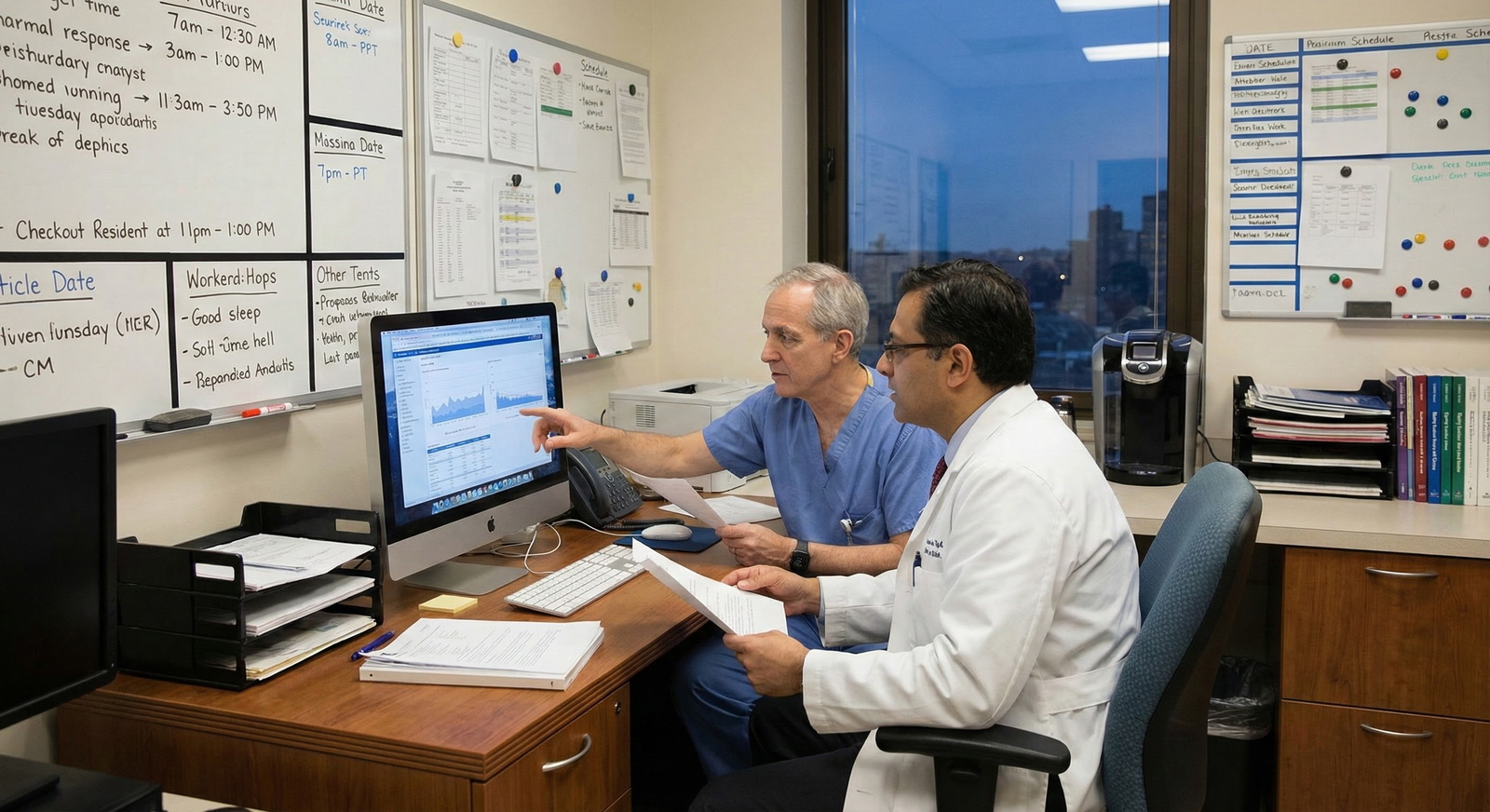
Understanding the Unique LOR Needs of Non‑US Citizen IMGs in Addiction Medicine
Letters of recommendation (LORs) carry extra weight when you are a non-US citizen IMG applying to an addiction medicine fellowship or a psychiatry/internal medicine residency with a strong addiction focus. Program directors know less about your medical school, grading system, and home-country reputation. Your letters become one of the most important ways to understand:
- How you function in a US clinical environment
- Whether you can work effectively in multidisciplinary addiction care teams
- Your commitment to substance use disorder treatment as a career, not a short-term interest
- Your professionalism, communication, and reliability in a new cultural and healthcare system
For a foreign national medical graduate, strong US-based residency letters of recommendation often make the difference between a borderline file and an interview offer. This is especially true in addiction medicine, where interpersonal skills, stigma-sensitive care, and insight into substance use disorders are essential.
This guide focuses specifically on how to get strong LOR, who to ask for letters, and how to ensure your letters actually speak to the competencies addiction medicine and related programs care about.
What Makes a Strong LOR for Addiction Medicine Programs?
Before you start asking for letters, you need to know what “strong” actually means in this context. Most programs value content over prestige—a detailed, specific letter from a clinician who has truly supervised you in addiction-related care is usually more powerful than a famous name who barely knows you.
Core Features of a Strong Addiction Medicine LOR
Residency and addiction medicine fellowship program directors consistently look for:
Specific, behavior-based descriptions
- “Dr. Khan independently conducted motivational interviewing with complex patients with opioid use disorder and adapted his approach when patients became defensive.”
- Detailed examples of patient interactions, team communication, and reliability carry much more weight than generic praise.
Clear comparison to peers
- Statements like “among the top 5% of residents/trainees I have supervised in the last 10 years”
- Or “strongly above the level of a first-year US resident in clinical reasoning and professionalism.”
Evidence of addiction medicine interest and skill
Programs want to see that you are not just rotating on any service, but have demonstrated commitment to substance abuse training and care of patients with substance use disorders:- Experience in detox units, methadone or buprenorphine clinics, dual-diagnosis psychiatry, or pain/addiction consult services
- Work with harm-reduction programs, AA/NA groups, syringe-service programs, or overdose prevention initiatives
- Participation in addiction-related QI projects, research, or teaching
US clinical context and system familiarity
For a non-US citizen IMG, program directors are asking: Can this person function safely and efficiently in the US system?- Mentions of understanding of insurance/Medicaid, EMR use, interprofessional collaboration, and communication with social workers, counselors, and pharmacists are valuable.
Professionalism, communication, and cultural sensitivity
Addiction medicine deals heavily with stigma, trauma, and complex psychosocial backgrounds. Strong letters emphasize:- Non-judgmental attitude toward people who use drugs
- Respectful language, confidentiality, and empathy
- Cultural humility (especially valuable coming from a foreign national medical graduate working in a new environment)
Clear, enthusiastic recommendation language
Programs know how to interpret “code words.” They prefer:- “I give my strongest possible recommendation…”
- “I would be delighted to have her as my colleague or trainee in addiction medicine.”
Over lukewarm phrases like “I believe he will do well if supported adequately,” which can be read as a hidden warning.
Who to Ask for Letters: Strategy for Non‑US Citizen IMGs
Many non-US citizen IMGs struggle most with this question: who to ask for letters when they have limited US-based contacts, especially in addiction medicine. A deliberate strategy can turn this into a strength.
Priority 1: US Addiction Medicine or Psychiatry Faculty
Your most valuable letters usually come from US-based faculty directly involved in addiction medicine or psychiatry. Ideal recommenders include:
- Addiction medicine fellowship-trained internists, family physicians, or psychiatrists
- Psychiatrists who regularly treat substance use disorders (inpatient or outpatient)
- Faculty on:
- Addiction consult services
- Inpatient detox/withdrawal management units
- Opioid treatment programs (methadone, buprenorphine)
- Dual-diagnosis or co-occurring disorders units
These recommenders can say, “This applicant really understands what addiction medicine entails and has the temperament for it.”
Priority 2: US Clinical Supervisors in Related Disciplines
If your direct addiction exposure is limited, target supervisors who still see a high volume of substance use disorder cases, such as:
- Internal medicine or family medicine attendings at safety-net hospitals
- Emergency medicine physicians (EDs see many patients with alcohol, opioid, and stimulant use)
- Hospitalists managing alcohol withdrawal, overdose, or complications of substance use
- Pain medicine specialists who manage opioid therapies
Ask them to highlight every addiction-related component of your work, even if the rotation was not formally labeled “Addiction Medicine.”
Priority 3: Research Mentors in Addiction or Behavioral Health
If you have done research in addiction medicine, substance use, mental health, or harm reduction, a detailed research LOR can be powerful as a third or fourth letter, especially for addiction medicine fellowship:
- Mentors who can attest to:
- Your persistence, analytical skills, and data integrity
- Ability to complete projects, publish, or present
- Interest in academic addiction medicine or quality improvement
However, a research-only mentor should usually not replace core clinical letters unless the program explicitly allows it and you have strong clinical letters already.
Priority 4: Home-Country Supervisors With Strong Addiction Focus
US programs do value letters from your home country when:
- The recommender is a recognized leader in addiction medicine or psychiatry in your country
- They can describe longitudinal supervision (12+ months)
- They provide detailed, comparative, specific examples of your clinical work
For addiction medicine fellowships, especially if you are already in a US residency, a strong home-country letter is typically supplementary, not primary. Program directors still want to know how you perform in the US system.

Building the Relationships That Lead to Strong LORs
A strong letter begins months before you ever mention the word “recommendation.” This is mandatory for a non-US citizen IMG, particularly if you are doing observerships or limited-duration rotations.
Step 1: Be Intentional About Where You Rotate
To maximize substance abuse training and LOR potential:
Prioritize rotations that have:
- Addiction consult services
- Detox/inpatient withdrawal services
- MAT (medication-assisted treatment) clinics
- Homeless-health or VA mental health/addiction programs
During electives or observerships, explicitly tell coordinators:
“I am a foreign national medical graduate very interested in addiction medicine fellowship. If possible, I’d like exposure to addiction treatment services and faculty who work in this area.”
Step 2: Make Yourself Visible (In a Professional Way)
Many IMGs are quiet because they fear making mistakes or appearing arrogant. This can backfire; if you’re invisible, it is hard for attendings to write detailed letters.
Practical ways to stand out constructively:
- Ask focused, thoughtful questions about:
- MAT choices for OUD (buprenorphine vs. methadone)
- Management of alcohol withdrawal (CIWA, phenobarbital vs. benzodiazepines)
- Harm-reduction approaches for stimulant use
- Volunteer for tasks:
- Drafting notes, calling family, arranging follow-up, preparing SBAR handoffs
- Reviewing guidelines (ASAM, SAMHSA) and summarizing for the team
Step 3: Demonstrate Commitment to Addiction Medicine
Program directors want to see that your interest is sustained rather than last-minute. Show this to potential letter writers by:
- Joining addiction medicine interest groups, AAAP (American Academy of Addiction Psychiatry), or ASAM student/resident chapters
- Attending addiction-related grand rounds or conferences, then discussing them briefly with your attending
- Initiating small, feasible projects:
- Case presentations on challenging SUD patients
- Brief literature reviews on new treatments
- Help with QI audits (e.g., rates of naloxone prescribing at discharge)
When letter writers see you consistently pursuing substance abuse training, they are more likely to emphasize your genuine dedication.
Step 4: Communicate Your Status and Goals Clearly
Because you are a non-US citizen IMG, faculty may not fully understand:
- Your visa situation
- Your timeline (Match year, fellowship application year)
- The type of programs you are targeting
Be direct but concise. For example:
“I am a non-US citizen IMG currently on a J-1 visa, planning to apply for addiction medicine fellowship in the 2026 cycle. I hope to work in academic addiction care and would highly value your feedback on my readiness and areas to improve.”
This helps mentors realistically assess how they can support you—sometimes beyond just letters.
How and When to Ask: The Process of Securing LORs
Even if you know who to ask for letters and have built good relationships, your approach matters.
Choosing the Right Time
- Ask near the end of a rotation (or after a major project milestone), while your performance is fresh in the writer’s mind.
- For residency:
- Start identifying letter writers 6–9 months before ERAS opens.
- For addiction medicine fellowship (usually during or after residency):
- Begin planning at least 6 months before application deadlines.
How to Ask for a Strong Letter (Sample Scripts)
The critical question is not, “Can you write me a letter?” but:
“Do you feel you can write a strong, positive letter of recommendation for me for addiction medicine fellowship (or residency)?”
This gives the writer a graceful way to decline if they cannot support you strongly.
Email example:
Dear Dr. Smith,
I hope you are well. I greatly appreciated the opportunity to work with you on the addiction consult service in April and June. I learned a tremendous amount from your approach to motivational interviewing and MAT management.
I am a non-US citizen IMG planning to apply to addiction medicine fellowships this coming cycle, with a strong interest in working in safety-net populations. Given your direct supervision of my clinical work with patients with opioid and alcohol use disorders, I wanted to ask if you feel able to write a strong letter of recommendation on my behalf.
If so, I would be happy to send you my CV, personal statement draft, and a brief summary of our shared work to make the process easier.
Thank you for considering my request,
[Name]
If they hesitate or respond vaguely, consider selecting another letter writer for a core LOR.
Providing Materials to Support Your Letter Writer
Most faculty appreciate a package that lets them write a detailed, specific letter without searching/guessing. Provide:
- Updated CV
- Personal statement draft (especially if specifically about addiction medicine)
- ERAS/NRMP or fellowship information, including deadlines
- Bullet-point summary of:
- Rotations or clinics with them (dates, settings)
- Specific patients or cases you worked on together (no identifiers)
- Projects, presentations, or QI/research you did under them
- Any addiction-related activities or goals you want highlighted
Example bullets you might send:
- “Co-managed ~20 patients on buprenorphine induction and maintenance in the MAT clinic.”
- “Presented mini-lecture on managing alcohol withdrawal in medically complex patients to the team.”
- “Helped design a simple handout for patients explaining naloxone use.”
This is not writing your own letter; it is giving your recommender accurate, concrete reminders so they can write a richer, more credible narrative.

Structuring Your LOR Portfolio: How Many and What Types?
Most residency and addiction medicine fellowship programs specify how many letters they require and what type. Plan strategically.
For Residency with Addiction Focus (Psychiatry, IM, FM, EM)
Typical pattern:
- 3–4 letters total, often:
- 2–3 US clinical supervisors (from core specialties)
- 1 additional letter (research, addiction specialist, or home-country mentor)
For a non-US citizen IMG with addiction interest, an optimal structure might be:
- Core clinical letter in the specialty you’re applying to
- Psychiatry for psychiatry residency; IM/FM/EM for those fields
- Addiction-specific or high-SUD-exposure rotation letter
- Addiction consult, detox unit, VA psychiatry, community mental health with SUD focus
- Another US-based core clinical supervisor
- Optional: research mentor in addiction or behavioral health or senior home-country addiction psychiatry supervisor
For Addiction Medicine Fellowship (Post-Residency)
Programs often require:
- 3 letters total, usually:
- Program director or current training director
- Another core faculty member from your residency
- An addiction medicine or psychiatry faculty member (strongly preferred)
For a foreign national medical graduate, it is especially helpful if:
- At least one letter explicitly confirms:
- Your visa status and reliability
- Your ability to adapt to complex US systems
- Your commitment to US-based practice (e.g., work in rural or underserved areas)
When possible, choose a letter writer who has seen you sustain addiction-related work over months or years, not just on a two-week elective.
Common Pitfalls and How to Avoid Them as a Non‑US Citizen IMG
Pitfall 1: Over-relying on Non-US Letters
Even if your strongest mentors are abroad, most programs want evidence of your performance in US training environments. Try to ensure:
- At least two strong US-based clinical letters, even if short rotations
- Home-country letters as supplements, not the backbone of your application
Pitfall 2: Asking Too Late
Faculty who are rushed may produce generic, weaker letters:
- Start building relationships early
- Ask at least 4–8 weeks before deadlines
- Send a polite reminder 2–3 weeks before submission if needed
Pitfall 3: Recommenders Who Don’t Know You Well
A “big name” who met you once at a conference cannot write the kind of detailed letter addiction programs want. Prioritize:
- Depth of supervision over title or fame
- Direct observation over secondary impressions
Pitfall 4: Letters That Ignore Addiction Interest
If you are applying specifically to addiction medicine fellowship or to residencies with addiction tracks, but your letters barely mention:
- Substance use disorders
- Motivational interviewing
- MAT, harm reduction, or behavioral therapy
…then your interest may look superficial. Briefly guide your letter writers:
“Because I’m applying in addiction medicine, it would be very helpful if you could comment on my work with patients with substance use disorders and my suitability for this subspecialty, if you feel comfortable doing so.”
Pitfall 5: Not Waiving Your Right to See Letters
In the US, you can choose whether to waive your right to see LORs. For credibility:
- Always waive your right (letters are seen as more honest when confidential)
- Program directors may suspect weaker letters if you do not waive
FAQs: Letters of Recommendation for Non‑US Citizen IMGs in Addiction Medicine
1. How many US-based letters do I really need as a non-US citizen IMG?
Aim for at least two strong US-based clinical letters for residency, ideally three if possible. For addiction medicine fellowship, programs strongly prefer that most or all letters are from your US residency faculty. A single, excellent home-country letter can be included as an additional perspective, especially if it documents long-standing addiction-related experience.
2. What if I only have observerships and no hands-on US clinical experience?
Observership-based letters can still help if:
- The attending spent significant time discussing cases with you
- You showed knowledge, professionalism, and clear communication
- The letter writer is explicit about what they were able to observe (e.g., clinical reasoning in case discussions, not direct independent patient care)
However, try to supplement observerships with any possible clinical experience allowed for IMGs (research assistant roles, telehealth shadowing with case discussions, QI projects, or global divisions at US institutions). Emphasize addiction-relevant skills like motivational interviewing role-plays, literature reviews on SUD, and participation in addiction research.
3. Should my letters mention my visa or non-US citizen status?
Letters don’t need to go into visa technicalities, but they can help by highlighting:
- Your successful adaptation to US clinical and cultural norms
- Reliability, professionalism, and communication in a multinational environment
- Any evidence that you have successfully navigated US immigration/credentialing barriers, which indirectly reassures programs
If you anticipate visa-related concerns, it is reasonable for a mentor to mention that you have been transparent and proactive in addressing them.
4. Can I use the same letters for both residency and addiction medicine fellowship?
Usually, no. Residency applications and addiction medicine fellowship applications evaluate different levels of training:
- Residency letters focus on your readiness for general graduate medical education and basic competencies.
- Addiction medicine fellowship letters must show that you are already functioning at or above graduating-resident level and ready for subspecialty training in SUD.
You may reuse a letter from a long-term addiction mentor if it clearly addresses your more advanced level of training (for fellowship), but generally, it is better to obtain fresh, updated letters tailored to the specific application stage and specialty.
By approaching letters of recommendation strategically—choosing the right writers, building relationships over time, and ensuring that your interest in addiction medicine is clearly documented—you transform LORs from a vulnerability into a major strength of your application. For a non-US citizen IMG or foreign national medical graduate, this is one of the most powerful ways to show residency and addiction medicine fellowship programs that you are not just qualified on paper, but an excellent future colleague in the care of patients with substance use disorders.