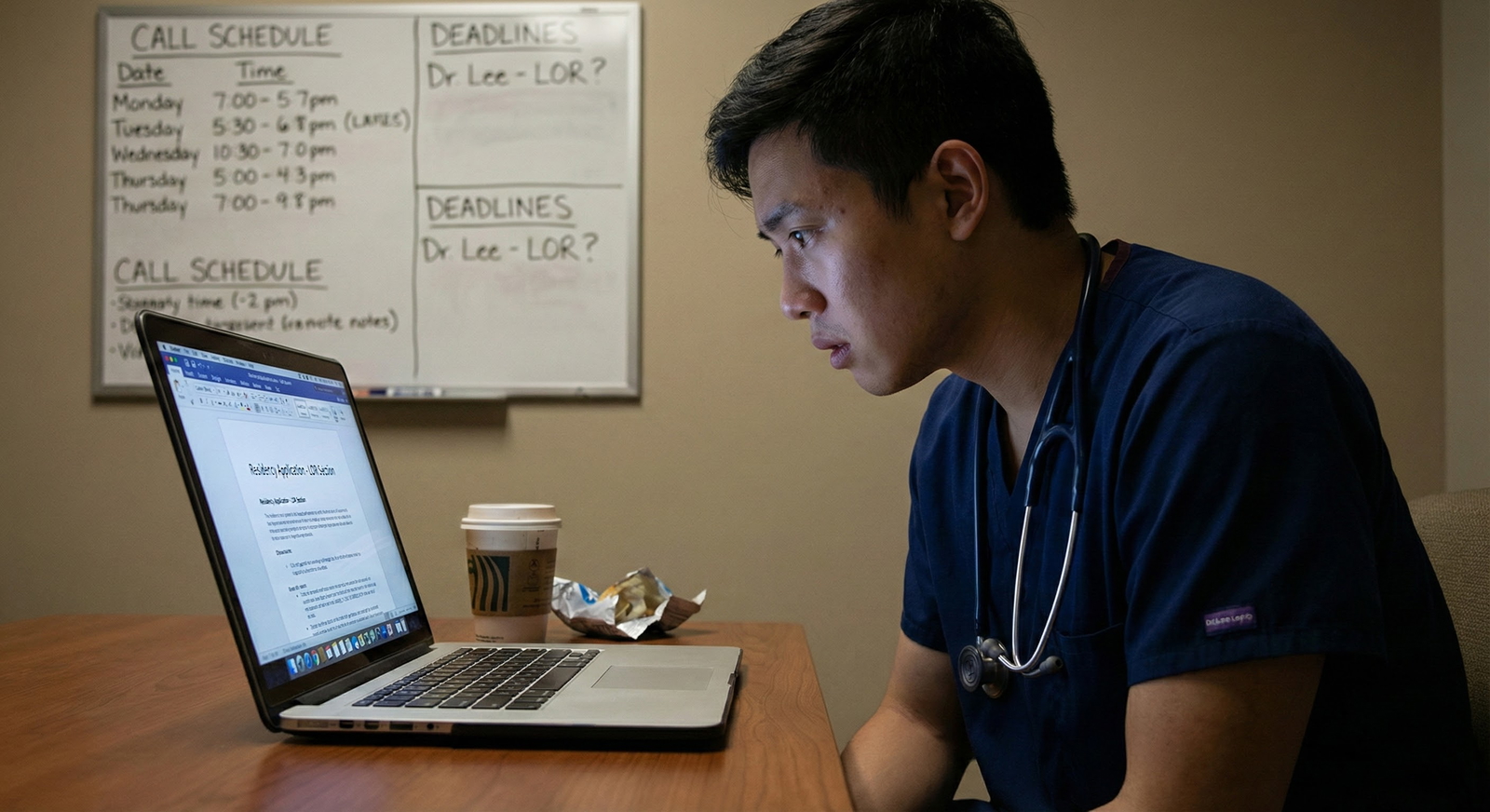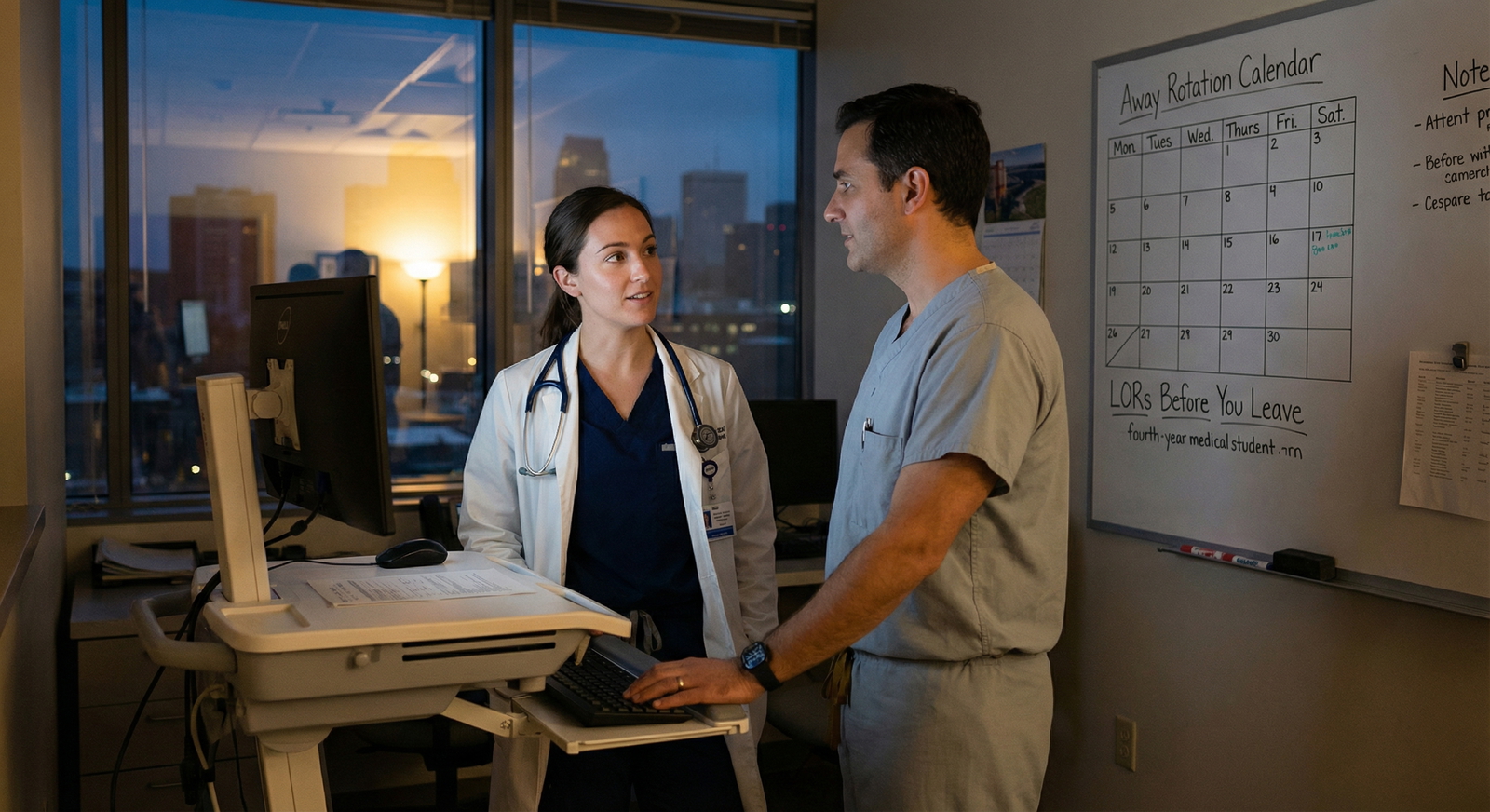
Letters of recommendation are one of the most powerful—and most misunderstood—parts of a nuclear medicine residency application, especially for a non-US citizen IMG or foreign national medical graduate. Unlike scores or CV entries, LORs can explain your path, validate your skills in a US clinical context, and persuade programs to take a chance on you.
This guide walks you step-by-step through how to think about, choose, request, and manage residency letters of recommendation specifically for nuclear medicine, with a focus on international applicants.
Why Letters of Recommendation Matter So Much for Non‑US Citizen IMGs
For a non-US citizen IMG or foreign national medical graduate, letters serve several critical purposes that go beyond what they do for US grads:
Contextualizing your training
- Program directors may not know how rigorous your home institution is.
- A strong letter from a US-based nuclear medicine or radiology faculty member can “translate” your skills into language US programs trust.
Confirming your ability to function in the US system
- Communication with teams and patients
- Professionalism and reliability
- Familiarity with US-style documentation and workflow
Addressing visa and commitment concerns (implicitly)
- Programs often wonder: Will this applicant adapt? Are they committed to nuclear medicine in the US?
- Letters that highlight your reliability, long-term goals, and persistence can ease these concerns without mentioning immigration directly.
Differentiating you from a large IMG pool
- Many IMGs may share similar exam scores and research backgrounds.
- Personalized, specific, enthusiastic letters—especially from nuclear medicine or diagnostic radiology faculty—help you stand out.
If you think of every part of your application as evidence in a case, residency letters of recommendation are the expert testimonies. For a non-US citizen IMG, you can’t afford generic or lukewarm letters.
Understanding What Makes a Strong Nuclear Medicine LOR
Before deciding who to ask for letters, you need to understand what programs look for in nuclear medicine residency letters.
Core Elements of a Strong LOR
A strong LOR typically includes:
Clear relationship and context
- “I supervised Dr. X for 4 weeks on the Nuclear Medicine service at [Hospital]”
- “I have known Dr. X for 10 months through clinical rotations and research.”
Specific examples, not vague praise
- Strong: “On a particularly complex PET/CT case of suspected recurrence, Dr. X independently drafted a cogent preliminary report and suggested additional SPECT/CT imaging that changed patient management.”
- Weak: “Dr. X is hardworking and intelligent.”
Direct comparison to peers
- “Among international medical graduates I have worked with in the last five years, Dr. X is in the top 5% in terms of clinical reasoning and dedication.”
- “Comparable to our categorical radiology residents at the PGY-2 level.”
Commentary on nuclear medicine–relevant skills
- Approach to image interpretation
- Understanding of radiopharmaceuticals
- Radiation safety awareness
- Ability to synthesize imaging with clinical data
Professional qualities
- Reliability, punctuality, and follow-through
- Teamwork with technologists, residents, and faculty
- Communication skills with patients and colleagues
- Ethics and integrity
Explicit, enthusiastic endorsement
- “I give Dr. X my highest recommendation for nuclear medicine residency.”
- “I would be delighted to have Dr. X as a resident in our own program.”
Special Considerations for Non‑US Citizen IMGs
For a foreign national medical graduate, an especially useful nuclear medicine LOR often addresses:
Adaptability to a new system
- How quickly you learned EMR, protocols, and workflow
- How you handled feedback and improved over time
Communication in English
- Clarity in case presentations
- Patient interactions and explanation of procedures
Professionalism across cultures
- Respecting hierarchy and team structure while being proactive
- Sensitivity to diverse patient backgrounds
Letters that implicitly reassure program directors on these fronts can compensate for limited US clinical experience or short rotations.
Who to Ask for Letters: Strategy for Non‑US Citizen IMGs in Nuclear Medicine
Many applicants worry most about how to get strong LOR but skip a more basic question: who to ask for letters in the first place. For a nuclear medicine residency applicant from outside the US, this strategic choice is crucial.

Ideal Letter Writers for Nuclear Medicine
Aim for a mix of:
US-based nuclear medicine faculty (highest yield)
- Nuclear medicine attending physicians
- Nuclear radiologists who do significant NM/PET work
- Program directors or division chiefs, if they know you personally
US-based diagnostic radiology faculty
- Especially those who can compare you to radiology residents
- Useful if they’ve seen you on rotations with hybrid imaging (PET/CT, SPECT/CT) or cross-sectional imaging
Home-country nuclear medicine / radiology faculty (supportive, but secondary)
- Helps show long-term interest in NM
- Stronger if the writer is internationally recognized or has collaborations with US institutions
Research mentors in nuclear medicine or related imaging
- Particularly valuable if:
- You have publications or abstracts together
- They can speak to your scientific thinking, persistence, and collaboration
- Particularly valuable if:
Balancing US vs. International Letters
For a non-US citizen IMG, an optimal mix often looks like:
- Total letters submitted: 3–4 (depending on ERAS limits and program requirements)
- Ideal composition for nuclear medicine residency:
- 2 letters from US-based nuclear medicine or radiology faculty
- 1 letter from home-country nuclear medicine/radiology or a strong US research mentor in imaging
- Optional 4th: A senior attending (US or home) who knows you exceptionally well and can speak concretely about your clinical performance and professionalism
If you are limited in US exposure:
- Prioritize quality of relationship over title or prestige.
- A detailed letter from a mid-level US faculty who supervised you closely is more valuable than a generic one-paragraph note from a big-name professor who barely remembers you.
Who NOT to Rely on (Common Pitfalls)
Non-clinical letters with no imaging connection
- E.g., internal medicine ward attending with minimal exposure to your imaging skills, unless they directly supervised relevant NM consults.
Letters based mainly on personality
- “Pleasant, polite, works hard” without concrete examples of clinical or academic ability.
Overly short or template-style letters
- These often come from very busy senior faculty who don’t know you well enough.
Knowing who to ask for letters—and just as importantly, who not to ask—is one of the most important strategic decisions you’ll make for the nuclear medicine match.
How to Earn Strong Letters: Building Relationships and Performance
Strong LORs are not created in the last week before ERAS. They are the natural result of months of deliberate relationship-building and consistently strong performance.
Step 1: Plan Your Rotations Around Potential Letter Writers
As a non-US citizen IMG, you may have limited time for US clinical experience. Use it intentionally:
- Target institutions with active nuclear medicine departments
- PET/CT, SPECT/CT, theranostics (Lu-177, I-131, etc.)
- Prioritize rotations where faculty actually see you work
- Small teams; chances to present cases; meaningful contact time
- If possible, do more than one block in the same department
- A 4–8 week presence gives faculty enough exposure to write a detailed letter.
Step 2: Behave Like a Future Resident, Not Like a Short-Term Observer
Faculty will write stronger letters if they see you acting like someone they’d want to work with for years:
- Show up early, prepared to discuss the list of studies.
- Learn the basic radiopharmaceuticals and their indications:
- FDG PET, bone scans, V/Q, myocardial perfusion, thyroid, parathyroid, renal, gallium, MIBG, etc.
- Ask focused, thoughtful questions, not constant basic ones you could Google.
- Offer to:
- Draft preliminary reports or impressions (with supervision)
- Present a brief teaching case at a conference
- Help with a small quality improvement or research project
Step 3: Communicate Your Goals Clearly
Your attendings should know from early on that you are aiming for nuclear medicine residency and that you are a foreign national medical graduate planning to train in the US. This allows them to:
- Observe you with this goal in mind
- Compare you to residents at that level
- Highlight your interest and consistency in NM in their letter
For example, early in your rotation, you might say:
“Dr. Smith, I’m a non-US citizen IMG from [country], and I’m planning to apply to nuclear medicine residency in the US. I’d really value your feedback on what I should focus on during this rotation to be competitive.”
This sets up a future letter request naturally.
Step 4: Ask for Ongoing Feedback
Faculty are more likely to write strong LORs about applicants who:
- Actively seek feedback
- Demonstrate improvement during the rotation
- Respond constructively to criticism
You might ask:
“Could you give me feedback on my last few case impressions? I want to know what I should improve to be at a resident level.”
This gives them concrete material to discuss later in a letter.
How and When to Request Letters (and What to Provide)
Once you’ve identified potential writers and built a relationship, you need to ask in a way that maximizes your chance of getting a genuinely strong letter.

Timing Your Request
- Ideal timing:
- End of rotation or shortly after, while your performance is fresh in the attending’s mind.
- Latest timing:
- At least 4–8 weeks before ERAS LOR deadlines, to give writers enough time.
If ERAS opens in June and you plan to submit in September, aim to confirm your letter writers by late July, with formal requests out no later than early August.
The Most Important Question: “Can You Write a Strong Letter?”
Many applicants never ask this key question. To protect your application, always phrase your request so the writer can decline if they cannot be enthusiastic.
A good in-person or email phrasing:
“Dr. Smith, I really enjoyed working with you on the nuclear medicine service, and I learned a lot. I’m applying for nuclear medicine residency this cycle. Would you feel comfortable writing a strong letter of recommendation in support of my application?”
If they hesitate or respond with something vague like “I can write a letter,” consider that a warning sign. A truly supportive writer usually says something like “Absolutely” or “Yes, I’d be happy to” without hesitation.
What to Provide Your Letter Writers
To help them write a detailed, supportive letter:
- CV and ERAS draft
- Highlight nuclear medicine–related activities.
- Personal statement (even in draft form)
- So they know your narrative and long-term goals.
- Short “summary sheet” specific to that writer, including:
- Dates and type of rotation or research you did with them
- Specific cases, projects, or presentations you participated in
- Skills you hope they can highlight (e.g., clinical reasoning, communication, research)
- Clarify logistics
- That letters will be uploaded through ERAS
- Your AAMC ID
- Any programs that specifically request department chair or program director letters
For a non-US citizen IMG, also consider adding a brief sentence in your summary sheet about your visa status and long-term intention to practice in the US—not for them to mention directly in the letter, but to understand your trajectory.
Waiving Your Right to See Letters
ERAS will ask whether you want to waive your right to see the letters. Programs generally prefer waived letters, as they are considered more candid.
As a residency applicant, you should almost always:
- Waive your right to view the letters,
- Provided you have asked specifically for a strong letter and chosen writers thoughtfully.
Tailoring Letters for the Nuclear Medicine Match
Nuclear medicine residency is a relatively small field, and programs may know each other’s faculty. That makes authenticity and specialty relevance especially important.
What Nuclear Medicine PDs Want to See
Program directors in nuclear medicine are particularly interested in letters that show:
- Genuine interest in NM, not just a backup plan
- Understanding of imaging-based clinical reasoning
- How you correlate imaging with labs, pathology, and clinical history
- Comfort with technology and radiation safety
- Basic awareness of ALARA principles
- Careful attention to protocol and details
- Academic curiosity
- Interest in research, quality improvement, or teaching
- Collaboration with technologists and multi-disciplinary teams
- Respect for technologists’ expertise
- Professionalism in multidisciplinary tumor boards or endocrine boards, if applicable
Encourage your letter writers—through your summary sheet or conversations—to touch on these aspects if they have seen them in you.
Aligning Your Letters with Your Overall Story
Think of your three or four letters as a coordinated portfolio:
- One letter might emphasize your clinical performance and resident-like behavior on nuclear medicine or radiology rotations.
- Another might focus on your long-term interest in NM, possibly from your home institution or early mentors.
- A third might showcase your research or academic potential in imaging or nuclear medicine.
As a non-US citizen IMG, you can also use letters to subtly address potential red flags:
- If you had a gap while preparing for exams:
- A research letter can highlight that you remained academically active.
- If your scores are modest but your clinical skills are strong:
- A clinical faculty letter that directly compares you favorably to past successful residents can counterbalance this.
Common Mistakes Non‑US Citizen IMGs Make with LORs—and How to Avoid Them
Mistake 1: Relying Almost Entirely on Home-Country Letters
Programs want to know how you perform in the US clinical environment. While strong home-country letters are valuable, having no US-based letter greatly weakens your application unless absolutely unavoidable.
Fix: Prioritize even short, focused US experiences where attendings can observe you enough to write at least one or two strong letters.
Mistake 2: Asking for Letters Too Late
Busy faculty—especially in imaging—receive many LOR requests at once. Late requests lead to:
- Rushed, generic letters
- Delayed uploads that may miss program review windows
Fix: Ask early, confirm politely, and send reminders respectfully about 2–3 weeks before your target submission date.
Mistake 3: Not Clarifying Nuclear Medicine as Your Target
If your letter writer thinks you are applying broadly to internal medicine, radiology, and nuclear medicine, they may write a very general letter that doesn’t speak directly to NM strengths.
Fix: Clearly explain that your primary goal is nuclear medicine residency and why. Share your nuclear medicine–focused CV items and personal statement.
Mistake 4: Overly “Scripted” or Controlling the Letter
Some applicants try to draft entire letters for attendings. This risks sounding inauthentic or generic.
Fix: Provide a bullet-point summary and reminders, but allow the writer to use their own voice. You can suggest areas to highlight, not specific sentences.
Putting It All Together: A Timeline and Action Plan
For a non-US citizen IMG planning to apply in the next nuclear medicine match cycle, here is a practical roadmap:
9–12 Months Before Application
- Identify target programs and institutions for US rotations.
- Schedule nuclear medicine and/or radiology rotations where attendings can see your work.
- Begin or continue imaging/nuclear medicine research if possible.
6–9 Months Before Application
- On rotations, act like a future resident:
- Be reliable, engaged, and proactive.
- Request feedback regularly.
- Identify 3–5 potential letter writers who:
- Supervised you directly
- Saw your work multiple times
- Have some connection to nuclear medicine or imaging
3–5 Months Before ERAS Submission
- Ask selected attendings:
- “Would you feel comfortable writing a strong letter of recommendation for my application to nuclear medicine residency?”
- Provide each writer:
- CV
- Personal statement
- Summary sheet with specific examples and your goals
- Enter their information into ERAS and ensure they receive upload instructions.
1–2 Months Before ERAS Submission
- Send polite reminders:
- Thank them again for agreeing to write.
- Mention your target submission date.
- Check ERAS to confirm letters are uploaded.
- Verify that each letter is assigned to the correct programs.
By the time programs review your file, they should see a cohesive set of residency letters of recommendation that portray you as:
- A motivated, capable applicant
- With clear commitment to nuclear medicine
- Who has demonstrated strong performance in both home-country and US settings
- And who comes strongly endorsed by faculty who know your work.
Frequently Asked Questions (FAQ)
1. How many letters of recommendation do I need for nuclear medicine residency as a non-US citizen IMG?
Most nuclear medicine programs accept 3–4 letters. A strong setup for a foreign national medical graduate is:
- 2 letters from US-based nuclear medicine or radiology faculty
- 1 letter from your home-country nuclear medicine/radiology mentor or a US research mentor in imaging
- Optional 4th letter from another attending who knows you very well
Always check each program’s specific requirements; a few may want a department chair or program director letter.
2. What if I can’t get a US-based nuclear medicine letter?
If you cannot secure a US nuclear medicine letter:
- Aim for US diagnostic radiology letters that:
- Emphasize your interest and potential in imaging
- Compare you favorably to radiology residents
- Combine these with:
- Strong home-country nuclear medicine letters
- Research letters in nuclear medicine or molecular imaging
In your personal statement and interviews, clearly explain why nuclear medicine is your chosen path and how you’ve pursued it despite limited US exposure.
3. Is it better to have a famous professor’s short letter or a detailed letter from a lesser-known faculty?
For the nuclear medicine match, especially as a non-US citizen IMG, a detailed, specific letter from a faculty who knows you well is almost always more valuable than a brief, generic letter from a famous name.
Program directors care more about:
- Specific examples of your performance
- Direct comparisons to residents
- Clear endorsement for nuclear medicine
Name recognition helps only when combined with real substance.
4. Should my letters mention that I’m a non-US citizen or discuss my visa status?
Your citizenship and visa status are already visible elsewhere in your application. Letters should focus primarily on:
- Your clinical performance
- Nuclear medicine–related skills
- Professionalism and adaptability
If a writer naturally mentions how well you adapted to the US system or how quickly you integrated into the team, that’s beneficial. However, detailed visa discussions are not necessary in letters and are better addressed in application forms or, if needed, in personal communication with programs.
Strong letters of recommendation are one of the few parts of the nuclear medicine residency application where you can indirectly shape what others say about you—by choosing the right writers, giving them the right information, and consistently performing at your best. As a non-US citizen IMG or foreign national medical graduate, thoughtful strategy around LORs can significantly improve your chances in the nuclear medicine match and help programs see the full value you bring.