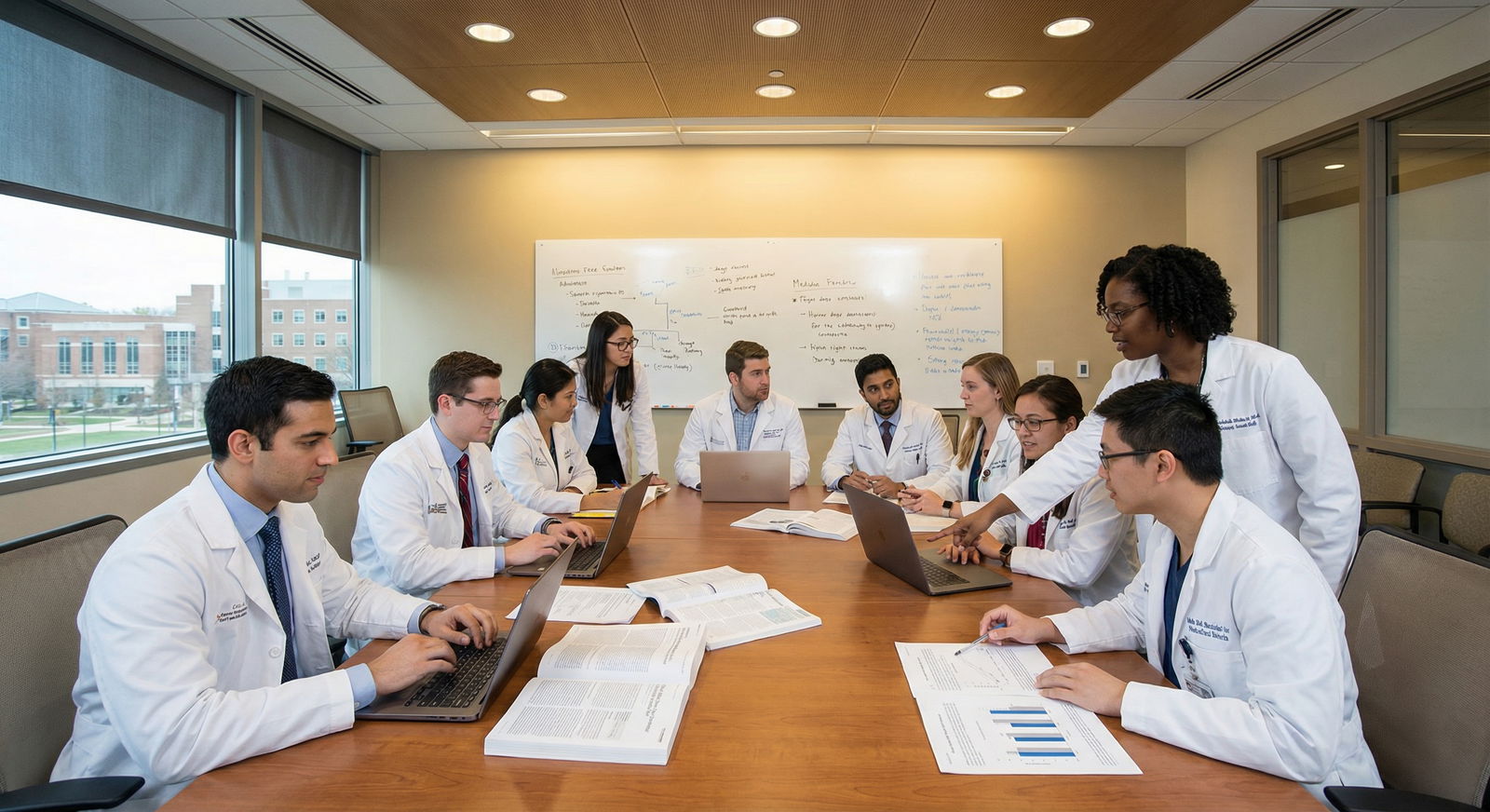
Introduction: Turning Curiosity into Impact in Medical Research
In the constantly evolving world of healthcare, Medical Research is the engine that drives progress. Every new diagnostic test, treatment protocol, vaccine, and public health intervention began as a research question. For premed students, medical students, and early trainees exploring Healthcare Careers, understanding how to move from curiosity to meaningful contribution in research is now an essential part of professional development—not an optional “extra.”
Yet getting started can feel intimidating. You may wonder:
- How do I find my first clinical research project?
- What skills do I need beyond good grades?
- How do I balance research with coursework and clinical duties?
- How do I ensure I’m practicing sound research ethics?
This guide expands on those questions and walks you through the process of entering the world of medical research—step-by-step. Whether you aim for a research-intensive academic career or simply want to be a more evidence-based clinician, the principles here will help you build a strong, ethical, and impactful research foundation.
Understanding Medical Research and Its Role in Healthcare
What Is Medical Research?
Medical research uses systematic, scientific methods to answer questions about health, disease, and healthcare systems. Its overarching goals are to:
- Understand disease mechanisms and risk factors
- Develop new methods of diagnosis, treatment, and prevention
- Improve patient outcomes and quality of life
- Inform Public Health strategies and policy decisions
It spans multiple domains, each offering different entry points for students and trainees.
Core Types of Medical Research
Clinical Research
- Conducted with human participants (patients or healthy volunteers)
- Includes clinical trials, observational cohort studies, case-control studies, and registries
- Examples:
- Testing a new blood pressure medication versus standard care
- Studying long-term outcomes after a novel surgical technique
Laboratory (Basic Science) Research
- Usually performed in lab settings using cell lines, animal models, or molecular techniques
- Aims to understand fundamental biological processes and disease mechanisms
- Examples:
- Investigating how certain mutations drive cancer growth
- Exploring immune responses to infections at the cellular level
Translational Research (“Bench to Bedside”)
- Bridges basic science discoveries and clinical applications
- Focuses on turning lab findings into usable drugs, diagnostics, or interventions
- Example:
- Taking a promising molecule identified in the lab and moving it through preclinical and early-phase human trials
Epidemiological and Public Health Research
- Studies patterns, causes, and effects of health and disease in populations
- Often central to Public Health responses and prevention strategies
- Examples:
- Identifying risk factors for myocardial infarction in a large community cohort
- Evaluating the impact of mask mandates or school closures on respiratory virus transmission
Health Services and Outcomes Research
- Examines how healthcare is delivered, financed, and experienced by patients
- Focuses on cost-effectiveness, quality of care, access, and disparities
- Examples:
- Comparing telemedicine versus in-person visits for chronic disease management
- Studying differences in cancer screening rates across socioeconomic groups
Medical Education Research
- Investigates how best to train future healthcare professionals
- Examples:
- Comparing simulation-based training to traditional lectures
- Studying the impact of pass/fail grading on student well-being
Together, these fields create a comprehensive ecosystem in which discoveries move from test tube to bedside to population and back, continuously refining care.
Why Medical Research Matters—for Patients and for Your Career
Medical research is far more than an academic exercise. It has tangible impacts on:
Treatment Options
Immunotherapies, minimally invasive procedures, novel antibiotics, and targeted cancer therapies were all born from research. This work directly influences what you can offer patients.Clinical Decision-Making
Evidence-based medicine depends on robust clinical trials and well-designed observational studies. Research helps clinicians choose the safest and most effective treatment for each patient.Public Health and Policy
- Data from epidemiological and Public Health studies guide decisions on vaccination schedules, screening recommendations, and outbreak responses.
- Research on social determinants of health informs programs to reduce disparities.
Healthcare Careers and Training
- In competitive specialties and residency programs, research experience often distinguishes applicants.
- It sharpens your critical thinking and exposes you to leaders in your field.
- Even if you do not pursue a career as a physician-scientist, the ability to interpret study results and understand research ethics makes you a better clinician.
In short, participating in research allows you not only to learn medicine but to help shape its future.
Laying the Foundation: Building Knowledge and Curiosity
Strengthening Your Scientific and Quantitative Background
A strong foundation in science and quantitative reasoning makes research more approachable and enjoyable.
Key coursework for aspiring medical researchers:
Core Sciences: Biology, chemistry, physics
Advanced/Relevant Topics:
- Biochemistry, molecular biology, immunology, genetics
- Physiology and pathophysiology
- Epidemiology and Public Health principles
Statistics and Research Methods:
- Descriptive and inferential statistics (p-values, confidence intervals, regression)
- Study design basics (randomization, blinding, control groups, confounding)
- Introductory biostatistics or quantitative methods
If you are in premed or early medical school, consider:
- Adding a minor or certificate in statistics, data science, or public health
- Seeking electives in clinical research, epidemiology, or ethics
Immersing Yourself in the Medical Literature
Reading the literature is the easiest way to “immerse” yourself in research before you ever collect data.
Practical steps:
- Start with high-impact general journals: NEJM, The Lancet, JAMA, BMJ
- Add specialty journals aligned with your interests (e.g., Circulation, Brain, Journal of General Internal Medicine)
- Use tools like PubMed, Google Scholar, and institutional access for full-text articles
When you read:
- Identify the research question and hypothesis
- Note the study design (randomized trial, cohort, cross-sectional, etc.)
- Ask: Are the methods appropriate? Are conclusions supported by data?
- Practice summarizing an article in 3–4 sentences—this is excellent residency prep.
This habit will pay off during journal clubs, interviews, and when designing your own projects.
Finding and Securing Your First Research Opportunity
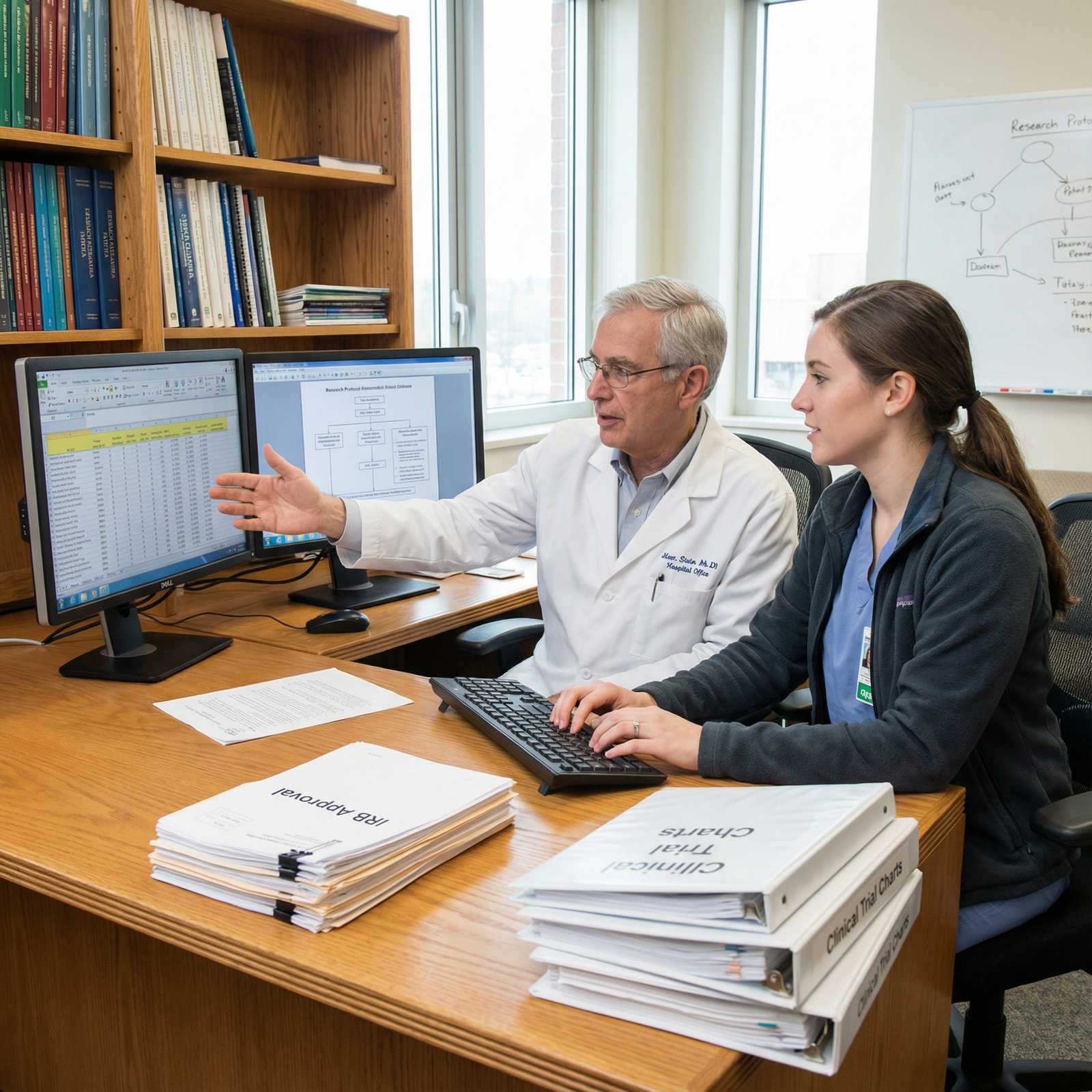
Identifying What Kind of Experience You Want
Before emailing dozens of faculty, clarify your goals:
- Do you prefer Clinical Research with patient interaction, chart reviews, or clinical databases?
- Are you drawn to lab work and mechanistic questions?
- Are you interested in Public Health and community-based or population-level projects?
- Do you want a short-term project (summer) or multi-year longitudinal work?
You don’t need a perfect answer, but even a rough preference helps you target the right mentors and labs.
Where to Look for Research Opportunities
- Within Your Institution
- Faculty web pages:
- Search by department (e.g., internal medicine, pediatrics, neurology).
- Look at faculty profiles (publications, current projects, interests).
- Office of Research / Student Research Office:
- Many schools maintain lists of ongoing projects that welcome students.
- Look for summer programs, year-long fellowships, or research tracks.
- Mentor databases and matching programs:
- Some medical schools and universities have formal matching systems that pair students with investigators.
- Summer Research Programs and Fellowships
Especially useful for premeds and early med students:
- NIH summer programs
- Institutional summer research fellowships
- Programs sponsored by specialty societies (e.g., American Heart Association, American College of Surgeons)
These often include:
- Structured mentorship
- Stipends
- Workshops on research methods, ethics, and presentation skills
- Hospitals, Public Health Departments, and Nonprofits
If your school has limited opportunities:
- Approach local hospitals with active research programs (often academic or teaching hospitals).
- Contact your city/county Public Health department about epidemiological or quality improvement projects.
- Explore NGOs or global health organizations that conduct implementation or outcomes research.
- Remote and Data-Driven Projects
Increasingly, you can join projects that are:
- Chart-review based (EMR data, registries)
- Database-driven (national databases like SEER, NHANES, or institutional datasets)
- Systematic reviews and meta-analyses done remotely with digital collaboration tools
These options can be ideal if you have schedule constraints or limited access to labs.
How to Contact Potential Mentors Effectively
Faculty receive many vague emails. Increase your chances with a concise, focused outreach:
- Subject line: “Medical student interested in [field] research – potential collaboration?”
- Introduce yourself: Include year (premed, MS1, etc.), school, and any relevant background.
- Show you’ve done your homework: Mention 1–2 recent papers or projects of theirs that interest you.
- State your goals and availability: e.g., “Looking for a longitudinal clinical research project 5–8 hours/week over the next year.”
- Attach a brief CV: Highlight coursework, previous research experience (if any), and skills (statistics, coding, languages).
Follow up politely if you don’t hear back in 1–2 weeks. Persistence, done professionally, is often necessary.
The Role of Mentorship: Learning the Craft of Research
Choosing the Right Mentor (and Team)
A good project with a disengaged mentor can be frustrating; a smaller project with a supportive mentor can be career-shaping.
Consider:
- Accessibility: Do they meet regularly with trainees? Are there senior residents, fellows, or postdocs who can guide you day-to-day?
- Track record with learners: Ask other students or residents about their experiences.
- Alignment with your interests and values: Do you find their work exciting? Do they model sound research ethics?
- Opportunities for authorship and presentations: Are there realistic chances for you to take ownership of a piece of the project?
Being a Strong Mentee
To build a productive relationship:
- Show up prepared: Bring questions, data, or drafts to meetings.
- Communicate clearly about deadlines, exams, and clinical rotations.
- Be honest when you don’t understand something; research is a learning process.
- Take initiative: Volunteer for tasks, read related literature, and propose next steps when appropriate.
Mentorship is a cornerstone of success in academic medicine; learning how to be a good mentee now will pay dividends throughout your career.
Developing Core Research Skills: From Question to Publication
Formulating a Good Research Question
Every project starts with a focused, answerable question. A helpful framework is PICO (for clinical studies):
- Population: Who are you studying?
- Intervention/Exposure: What is being tested or observed?
- Comparator: What is the control or alternative (if any)?
- Outcome: What are you measuring?
Example:
“In adults with hypertension (P), does home blood pressure telemonitoring (I) compared with usual care (C) reduce systolic blood pressure at 6 months (O)?”
Learning Study Design and Methods
You don’t need to be an expert immediately, but you should understand:
- Study types: RCTs, cohort studies, case-control, cross-sectional, qualitative research
- Bias and confounding: How they arise and how to minimize them
- Sample size and power: Why they matter for reliable findings
Seek out:
- Short courses in clinical research or epidemiology
- Online modules from institutions like NIH, Coursera, edX
- Institutional workshops or seminars on research design
Building Analytical and Technical Skills
Depending on your project type, you may need:
Statistical skills:
- Basic descriptive statistics and hypothesis testing
- Software: R, Python, Stata, SPSS, or SAS
- Ability to read statistical sections of papers critically
Data handling and management:
- Cleaning and organizing datasets
- Using REDCap or similar tools for data capture
- Ensuring privacy and security of patient data
Laboratory techniques (if in a basic science lab):
- Pipetting, cell culture, PCR, Western blotting, microscopy, etc.
- Understanding laboratory safety protocols
You can build these skills “on the job” with supervision, supplemented by online tutorials and institutional training sessions.
Practicing Research Ethics and Professionalism
Ethical conduct is non-negotiable in any research domain, especially Clinical Research and Public Health studies involving human participants.
Core components:
Institutional Review Board (IRB) approval:
- Required for most studies involving human subjects or identifiable data
- Learn how protocols are structured and what ethical issues are scrutinized
Informed consent:
- Participants must understand risks, benefits, and their rights
- Consent must be voluntary and well documented
Confidentiality and data security:
- Follow HIPAA and institutional data handling policies
- Use de-identified data when possible; secure storage with passwords/encryption
Responsible authorship and scientific integrity:
- Avoid plagiarism and data fabrication/falsification
- Accurately represent your contributions and respect authorship criteria
- Take required Responsible Conduct of Research (RCR) training
Strong grounding in research ethics protects participants, safeguards your reputation, and ensures the integrity of your work.
Communicating Your Findings
Research is not complete until results are shared.
Common avenues:
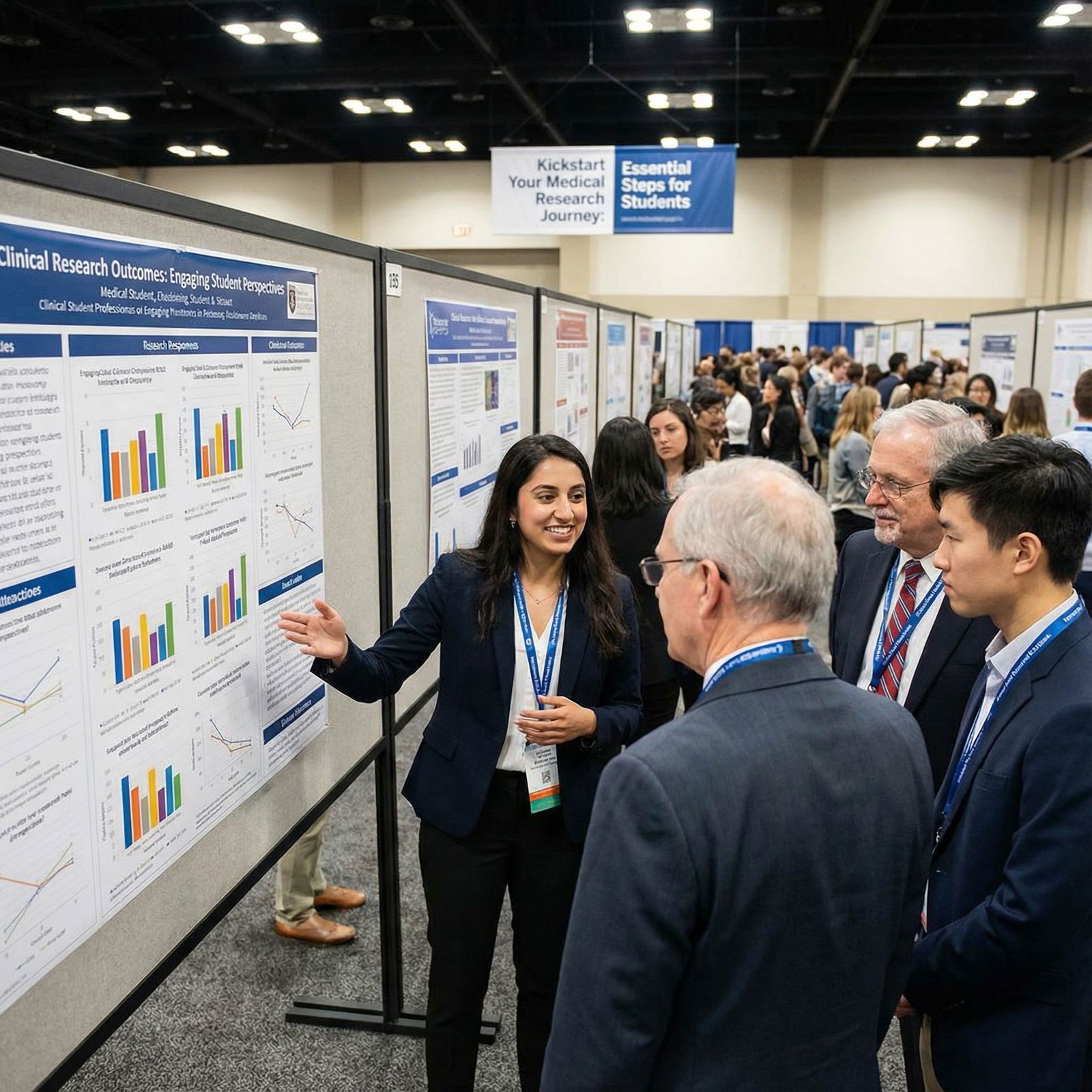
- Abstracts and posters at local, regional, or national conferences
- Oral presentations at research days or specialty meetings
- Manuscripts submitted to peer-reviewed journals
As you progress, learn how to:
- Structure an abstract (background, methods, results, conclusion)
- Design clear, visually appealing posters and slide decks
- Respond to peer review and revise manuscripts
These communication skills are invaluable in any healthcare setting and help demonstrate your impact to future residency programs or employers.
Real-World Impact: How Student Research Changes Healthcare
1. Developing and Refining Treatments
Student and trainee contributions often support:
- Clinical trials testing new drug regimens, devices, or procedures
- Protocol optimization, including dosing schedules, safety monitoring, and patient selection criteria
Examples:
- Participating in a chart review that helps identify which patients respond best to a new immunotherapy
- Supporting a clinical trial of a minimally invasive surgical technique that shortens hospital stays
2. Improving Patient Outcomes and Quality of Care
Research can directly inform bedside care:
- Quality improvement (QI) projects that reduce medication errors or improve discharge planning
- Studies comparing different approaches to chronic disease management (e.g., nurse-led clinics, telehealth, group visits)
As a student, you might:
- Help analyze pre- and post-intervention data for a new diabetes education program
- Evaluate adherence to guidelines in a hospital unit and develop strategies to close gaps
3. Shaping Public Health Strategies and Epidemic Response
Public Health and epidemiological projects allow you to engage with community and population-level issues:
- Evaluating vaccine uptake and designing educational campaigns
- Studying behavior changes during outbreaks (e.g., COVID-19) and their effects on transmission rates
Student roles can include:
- Survey design and data collection in community health settings
- Literature reviews that inform local or regional policies
4. Informing Health Policy and Reducing Disparities
Health services and policy research can highlight:
- Barriers to care for marginalized populations
- Economic implications of different care models
- Impact of insurance coverage changes or policy shifts
Potential student projects:
- Analyzing disparities in cancer screening rates by geography or race/ethnicity
- Evaluating whether a new insurance policy affects medication adherence in chronic disease
In this way, even early-stage learners can contribute to the evidence base that shapes local, national, and global health policy.
Frequently Asked Questions About Starting in Medical Research
1. What educational background do I need to begin participating in medical research?
You do not need a PhD or even a medical degree to get started. Many premed and undergraduate students successfully participate in Medical Research with:
- Basic coursework in biology and chemistry
- An introductory understanding of statistics and research methods
- A willingness to learn and follow guidance
For long-term careers in research-intensive Healthcare Careers, advanced degrees (MD, DO, PhD, MD/PhD, MPH, or MS in Clinical Research or Epidemiology) can open more doors and allow you to lead your own projects.
2. How can I find my first research opportunity if my school has limited resources?
Consider these strategies:
- Reach out to research-active faculty at nearby universities or teaching hospitals, even if they are not directly affiliated with your school.
- Explore remote or data-driven projects (systematic reviews, meta-analyses, chart reviews) that can be supervised from a distance.
- Contact local Public Health departments, community health centers, or nonprofits engaged in health-related projects.
- Apply to national or institutional summer research programs that accept visiting students, such as those at the NIH or major academic centers.
Persistence and strategic networking are often more important than your starting institution.
3. Is it necessary to publish my research to benefit my career?
Publication is valuable but not the only marker of meaningful experience.
Benefits of publication:
- Demonstrates that you saw a project through from idea to dissemination
- Strengthens residency and fellowship applications, particularly for academic or competitive specialties
- Contributes to the scientific community’s knowledge base
However, even if a project does not lead to publication, you still gain:
- Critical appraisal and data analysis skills
- Understanding of study design and research ethics
- Mentorship relationships and letters of recommendation
- Material for interviews and personal statements
Aim to contribute to work that has a realistic path to dissemination, but recognize that the learning process itself is highly valuable.
4. How can I balance research with classes, Step/Boards studying, and clinical rotations?
Time management is crucial:
- Start with clear expectations with your mentor about weekly hours and busy periods.
- Use less intensive times (e.g., summers, lighter rotations) for data collection and heavier tasks.
- Reserve exam periods for lighter research tasks such as reading articles or drafting background sections.
- Consider longitudinal projects that can flex with your schedule, like chart reviews or secondary data analyses.
Remember that quality and consistency of engagement matter more than sheer hours.
5. How do I ensure my research is conducted ethically and responsibly?
To practice ethical research:
- Complete required institutional training in Responsible Conduct of Research and human subjects protection (e.g., CITI training).
- Never bypass IRB or ethics review for studies involving human participants or identifiable data.
- Seek supervision and ask questions any time you are unsure about consent, privacy, or authorship.
- Be transparent in your data handling and analysis—document your steps and preserve original data securely.
- Maintain integrity in all communications, avoiding fabrication, falsification, or plagiarism.
If you ever feel pressured to behave unethically, seek guidance from another trusted mentor, program director, or institutional ombudsperson.
By cultivating curiosity, seeking out mentorship, and investing in core skills—while maintaining a firm commitment to research ethics—you can move from observer to contributor in Medical Research. Whether you ultimately focus on Clinical Research, Public Health, policy, or basic science, the habits you build now will serve you throughout your training and career, empowering you to improve care for individual patients and entire populations.