Understanding the Role of Research During Residency for IMGs in Global Health
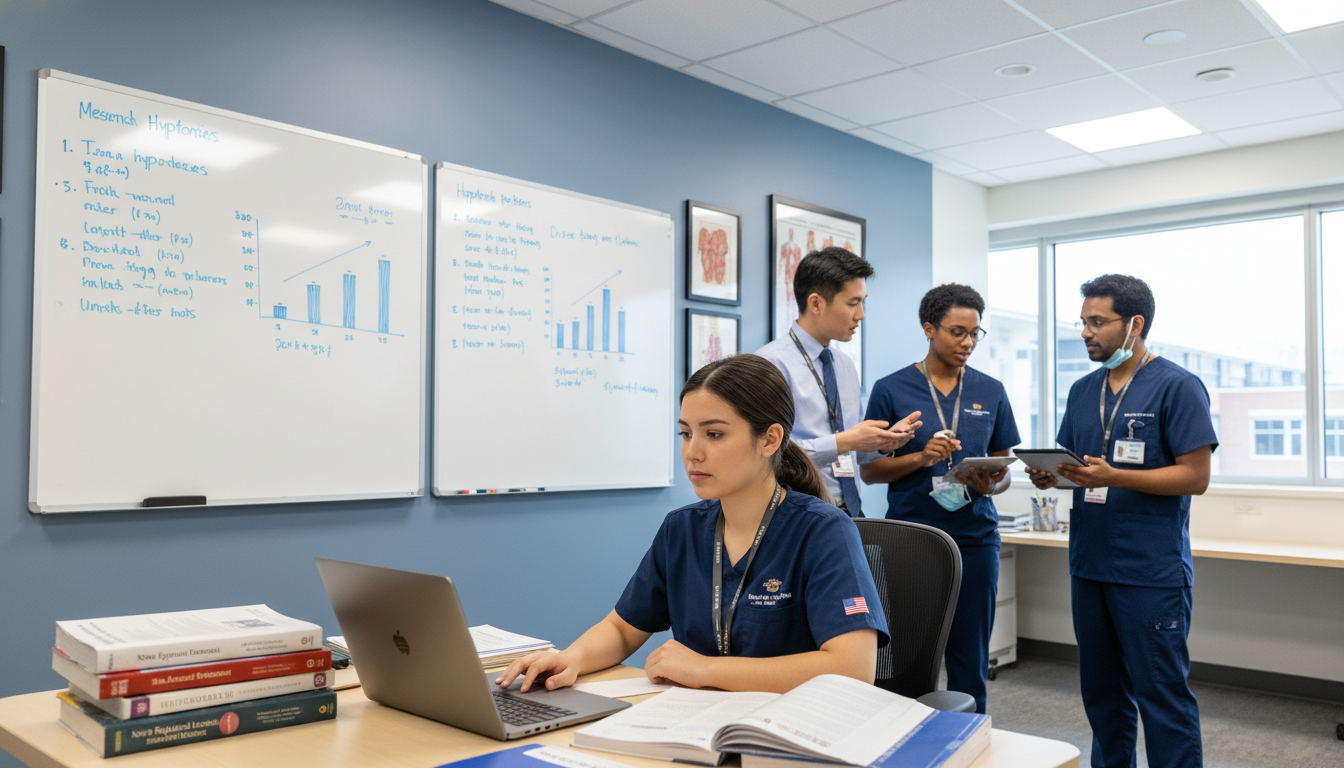
For an international medical graduate (IMG) pursuing global health, research during residency is more than a CV booster; it is a practical tool for understanding health systems, inequities, and evidence-based interventions across borders. Whether you are aiming for a global health residency track, an academic residency track, or future work with NGOs and international agencies, research experience during training can significantly shape your career.
This IMG residency guide will walk you through:
- Why research matters specifically for IMGs in global health
- How to find and choose feasible resident research projects
- Concrete steps to start and complete research during residency
- Strategies to overcome common IMG-specific barriers
- How to leverage research for fellowships, visas, and academic careers
Why Research Matters for IMGs in Global Health
1. Research as a “Second Passport”
As an international medical graduate, you already know that credentials matter. In competitive settings—global health fellowships, academic positions, or leadership roles—your research during residency functions like a “second passport”:
- Standardizes your profile: Publications in peer-reviewed journals or presentations at recognized conferences are evaluated similarly worldwide.
- Demonstrates adaptability: Working successfully in a new research environment shows you can integrate into different healthcare systems and academic cultures.
- Signals long-term commitment: Particularly in global health, sustained engagement in a topic (e.g., tuberculosis outcomes, refugee health, maternal mortality) through research communicates depth, not just interest.
2. Unique Value IMGs Bring to Global Health Research
You are not starting from zero. As an IMG, you often bring:
- First-hand experience with low- and middle-income country (LMIC) health systems
- Multilingual ability, which is invaluable in cross-border or immigrant-health research
- Contextual understanding of cultural determinants of health and system-level constraints
These assets align directly with common global health research domains, such as:
- Implementation science (e.g., adapting evidence-based guidelines to resource-limited settings)
- Health systems strengthening (task-shifting, workforce optimization, telemedicine)
- Infectious disease epidemiology across regions
- Migration and refugee health
Research committees and mentors often actively want these perspectives—if you learn how to articulate and apply them.
3. Aligning Research with a Global Health Career Path
Research experience opens doors to:
- Global health fellowships: Many require or strongly prefer prior research, especially for academically oriented tracks.
- Public health degrees (MPH, MSc Global Health): Your residency research can become the foundation for capstone projects or thesis work later.
- Policy and leadership roles: WHO, ministries of health, NGOs, and think tanks value individuals who can interpret data and evaluate interventions.
- Visa and job competitiveness: Publications and research leadership roles can strengthen academic appointments, which in turn may support visa pathways like H‑1B or O‑1 in some systems.
Types of Research You Can Do in a Global Health–Oriented Residency
Not every project has to be a multi-country randomized trial to be meaningful. Especially with residency time constraints, choosing the right format is crucial.

1. Clinical Research with a Global Health Lens
Even if your residency is based in a high-income country (HIC), you can frame questions in globally relevant ways:
- Comparative outcomes in immigrant or refugee populations
- Multidrug-resistant infections, tuberculosis, HIV, or malaria in diaspora communities
- Maternal and neonatal outcomes among foreign-born vs. native-born patients
Example project ideas:
- Retrospective chart review: “Outcomes of latent TB treatment among foreign-born patients in an urban primary care clinic.”
- Cohort study: “Pregnancy outcomes among recent immigrants compared to long-term residents in a public hospital system.”
These projects intersect local patient care with international medicine themes and can be completed with existing data—ideal for busy residents.
2. Health Systems and Quality Improvement (QI) Research
Quality improvement projects often double as publishable research when designed rigorously:
- Implementing a new screening protocol for HIV or hepatitis among high-risk migrants
- Improving vaccination coverage in recently arrived refugee children
- Reducing missed follow-up in patients with limited English proficiency by introducing language-concordant reminders
If your residency has a global health residency track, it may already require a QI or systems-based project. With proper design (clear baseline, intervention, and outcome measures), these can be turned into manuscripts and conference abstracts.
3. Community-Based Participatory and Implementation Research
Global health often involves implementation science—testing how to best apply proven interventions in real-world settings:
- Partnering with refugee resettlement agencies to evaluate a mental health screening program
- Working with migrant worker clinics to improve chronic disease management
- Telehealth interventions connecting LMIC partners with specialist teams
For IMGs, your cultural and linguistic skills can make you an ideal bridge between research institutions and communities.
4. International Fieldwork and Multi-Site Projects
Some residencies or fellowships offer rotations in LMICs:
- Short-term field projects (2–8 weeks) during electives
- Longitudinal partnerships where residents collect data locally, then analyze and publish back home
- Collaborative studies between your training hospital and institutions in your home country
Examples:
- “Barriers to antenatal care in rural clinics in [your home country]”
- “Effectiveness of mobile health reminders for antiretroviral adherence in partnership hospitals abroad”
If your visa or residency structure limits travel, you can still participate in analysis, manuscript writing, and remote collaboration with partners overseas.
5. Educational and Curriculum Research in Global Health
Education itself can be a research topic:
- Evaluating a new global health curriculum in your residency
- Studying the impact of simulation training for managing tropical diseases
- Assessing cultural competence training outcomes in residents
These projects are especially useful if you are leaning toward an academic residency track or future faculty role.
How to Get Started: A Step-by-Step Plan for IMGs
Step 1: Clarify Your Goals Early
Within your first 3–6 months of residency, define what you want from research during residency:
Ask yourself:
- Do I want to build a strong academic portfolio (multiple papers, conference presentations)?
- Do I want one solid global health–oriented project that I can present and publish?
- Do I want to learn methodology (e.g., epidemiology, biostatistics) to prepare for an MPH?
Your answer determines the scale of project you should pursue.
Step 2: Map Your Program’s Resources
Every residency has a different research ecosystem. Identify:
- Global health faculty: Who leads the global health residency track, international medicine electives, or global health curriculum?
- Research office or coordinator: They know ongoing studies and institutional requirements (IRB, data access).
- Others who publish: Senior residents, chief residents, and prior international medical graduates who have done resident research projects.
Request brief meetings (15–20 minutes) and come prepared with:
- A one-sentence statement of your interest:
“I’m an IMG with a background in [X country] and I’m especially interested in [tuberculosis control / migrant health / maternal health / etc.].” - A clear ask:
“Would you be open to my assisting with an ongoing project?” or
“Could I share a couple of ideas and get your feedback on feasibility?”
Step 3: Choose a Feasible Project Scope
Time is your scarcest resource during residency. Use the “3-Question Filter”:
- Can this be done mostly with existing data or established workflows?
- If yes → more feasible.
- Can the main data collection and analysis be completed within 6–12 months?
- If not → consider focusing on a sub-question or secondary analysis.
- Is there an experienced mentor committed to seeing it through publication?
- Without this, the project risks never being completed.
For IMGs especially, avoid overcommitting in PGY‑1. Start with one primary project and possibly one smaller case series or review article.
Step 4: Secure Strong Mentorship
A good mentor is often more important than the topic itself early on. Look for someone who:
- Has a track record of publications in global health or international medicine
- Is familiar with IMGs and visa-related constraints
- Has realistic expectations about resident time and can help break the project into achievable tasks
- Involves you in analysis and writing, not just data collection
Clarify expectations early:
- Your role (data collection, analysis, first authorship target, etc.)
- Estimated timeline and deadlines
- Communication frequency (e.g., monthly check-ins)
Step 5: Get Methodological Training (Efficiently)
You do not need a full degree to start, but some foundational skills are essential:
- Basics of study design: cross-sectional, cohort, case-control, qualitative methods
- Understanding confounding, bias, sample size, and p-values
- Intro to statistical software (R, Stata, SPSS, or even Excel for simpler analyses)
Practical strategies:
- Use your institution’s library access for online research methods courses (Coursera, edX, institutional modules).
- Attend hospital or university research seminars and journal clubs.
- Ask your mentor or statistician to walk you through one dataset step-by-step.
If you are planning an MPH or formal global health degree later, your residency projects can serve as groundwork and data sources.
Overcoming Common Barriers for IMGs in Resident Research
1. Time Management with Clinical Duties
Residency is demanding, and IMGs may feel additional pressure to prove themselves clinically. To balance research:
- Block-protect your time:
- Even 2–3 hours per week of focused work can move a project forward.
- Use post-call afternoons and non-ICU rotations for writing and analysis.
- Work in “micro-sprints”:
- 25–30 minutes of uninterrupted work (Pomodoro technique) on discrete tasks—editing one section, cleaning one dataset, responding to reviewer comments.
- Align with mandatory requirements:
- Many programs require a scholarly or QI project. Strategically make this global health–relevant so mandatory work also builds your global health portfolio.
2. Navigating Language and Academic Writing
Even fluent English speakers may find scientific writing challenging. Address this early:
- Use structured templates for IMRAD (Introduction, Methods, Results, and Discussion).
- Study 3–5 recent papers from your target journal, mimicking their structure and tone.
- Ask mentors or senior residents to review drafts for language and clarity.
- Many institutions offer scientific writing workshops or editorial support through the library or research office.
Consider starting with case reports, case series, or short communications to build confidence in writing.
3. Access to Networks and Visibility
As an IMG, you might not have established networks in the host country. You can build them through:
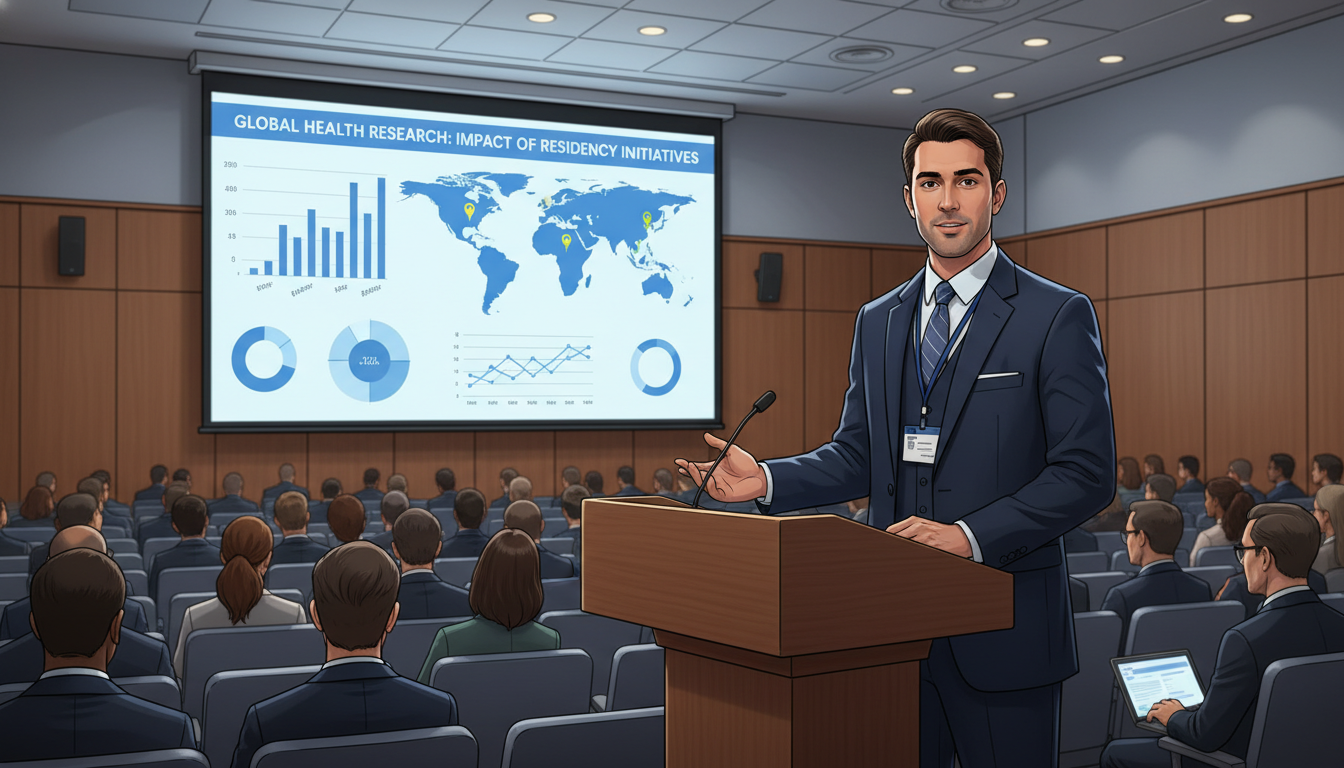
- Presenting at local, regional, and national conferences (even posters build visibility).
- Joining hospital or university global health working groups or centers.
- Becoming active in relevant professional societies (e.g., infectious disease, primary care, migration health groups).
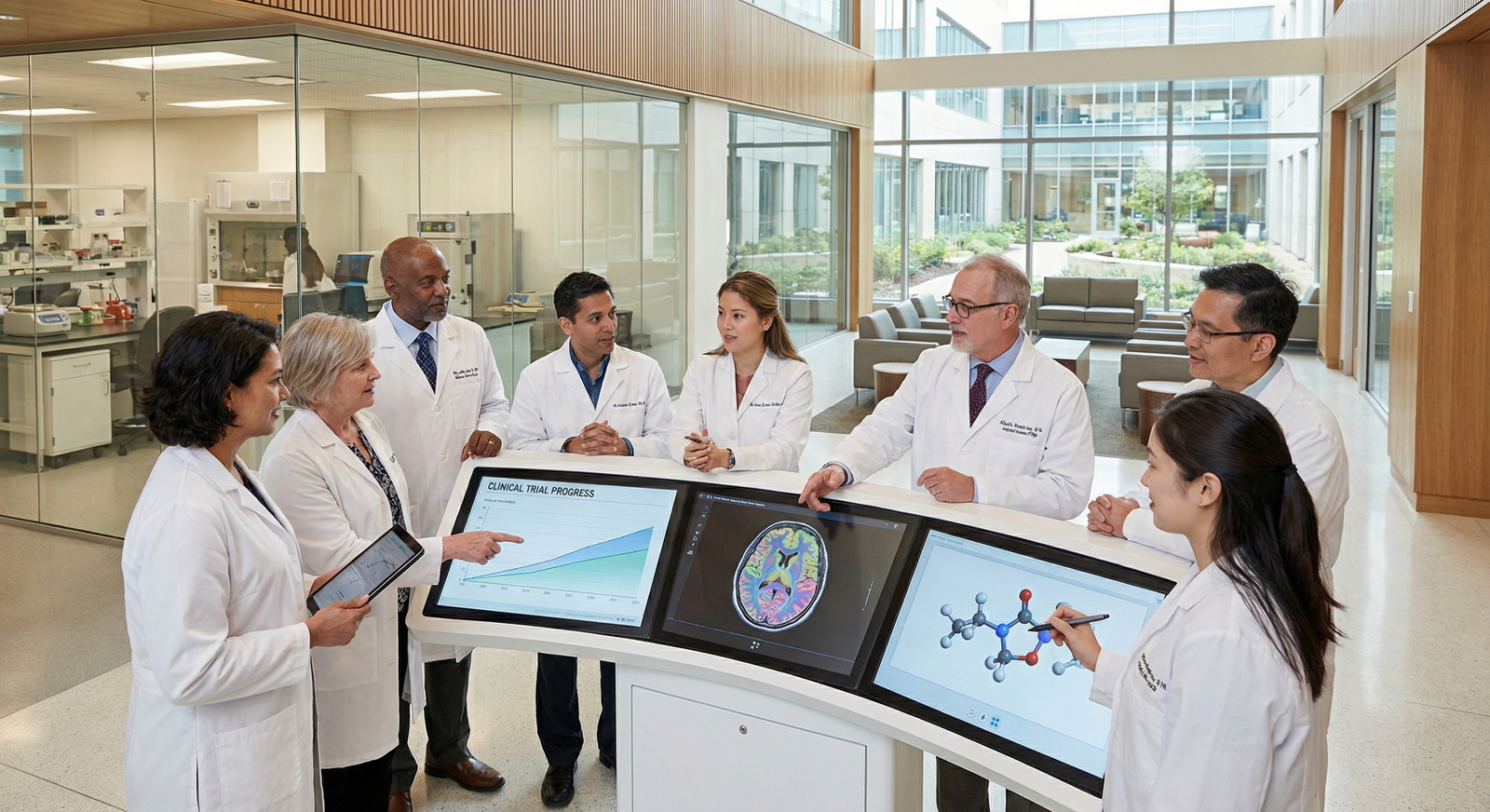
- Participating in multi-institutional resident research collaboratives when possible.
Each presentation or collaboration increases your name recognition for future global health opportunities.
4. Visa and International Travel Constraints
Some IMGs may have visa restrictions that limit travel for fieldwork or conferences abroad. Workarounds:
- Focus on projects using local immigrant/refugee populations—no travel required, but inherently global.
- Engage in remote collaborations with LMIC partners, specializing in data analysis and manuscript preparation.
- Present via virtual conferences and webinars, which have grown dramatically post-pandemic.
- When possible, time international travel around visa renewals or approved leaves and coordinate with your program director early.
Clear communication with your program and careful planning are essential if travel is involved in your research.
Turning Resident Research into Long-Term Global Health Impact
1. From Project to Publication and Beyond
A resident research project has maximum impact when it is:
- Presented:
- Local research day
- Specialty conferences (infectious diseases, primary care, global health)
- Published:
- Start with appropriate journals that publish resident work or global health/QI projects.
- Consider regional or specialty journals focused on your population or topic.
- Implemented:
- For QI or implementation projects, work with your department to sustain successful interventions after your rotation ends.
Your CV should reflect:
- Role (first author, co-author, presenter)
- Setting (e.g., “Resident research project, Department of Medicine, [Institution], [City/Country]”)
- Global relevance of your findings
2. Building a Coherent Global Health Narrative
When applying for global health fellowships, academic positions, or global health residency track roles, clarity of story matters:
- Link your pre-residency background (medical school, work in home country) with your resident research projects.
- Show continuity: for example, interest in TB from your home country → resident research in TB screening among immigrants → future fellowship in infectious disease/global health.
- Highlight both clinical and research skills, emphasizing how they prepare you to address real-world global health challenges.
3. Integrating Research with a Global Health Residency or Academic Track
If your institution offers a global health residency track or an academic residency track:
- Use required scholarly projects to deepen your existing research rather than starting unrelated topics.
- Seek opportunities to mentor junior residents or medical students on spin-off projects (secondary analyses, educational modules).
- Volunteer for activities like global health journal club or curriculum development, complementing your research themes.
Over time, this allows you to evolve from participant to emerging leader in a focused global health domain.
4. Preparing for Next Steps: Fellowships, Degrees, and Leadership
Your residency research portfolio can position you for:
- Global health or infectious disease fellowships
- MPH or MSc in Global Health
- Roles in international NGOs, academic global health centers, or government agencies
To leverage this:
- Request strong letters of recommendation highlighting your research ability, resilience as an IMG, and cross-cultural insight.
- Assemble a clean, updated CV that clearly lists global health activities, resident research projects, and outputs.
- Be ready to discuss your project’s limitations, impact, and future directions during interviews.
Practical Checklist for IMGs Starting Research in Global Health Residency
Use this as a quick reference:
First 3–6 months of residency
- Identify global health/interested faculty.
- Attend research meetings and journal clubs.
- Clarify your goals (academic track vs. focused project).
Months 6–12
- Finalize mentor and project idea.
- Ensure feasibility and institutional support.
- Submit IRB application if needed.
- Begin data collection or secondary analysis.
Second year of residency
- Complete data collection.
- Analyze results with mentor/statistician.
- Prepare abstract for local or national conferences.
- Draft manuscript, aiming for submission by mid- or late PGY‑2.
Final year of residency
- Revise manuscript after peer review; aim for acceptance.
- Present at conferences; seek travel or registration support if available.
- Use your research story in applications for global health fellowships, visas, and academic positions.
FAQs: Research During Residency for IMGs in Global Health
1. Do I need research experience before residency to be successful in global health research?
No. While prior research can help, many international medical graduates start their resident research projects with little or no previous experience. What matters most is finding a committed mentor, choosing a feasible project, and being consistent. Your lived experience in international medicine and global health contexts is itself a valuable asset that can guide meaningful research questions.
2. Is it realistic to publish during residency with such a heavy clinical workload?
Yes, but it requires strategic planning. Focus on projects that:
- Use existing datasets (retrospective chart reviews, registries)
- Align with required QI or scholarly activities
- Have a clear timeline of 6–12 months for major milestones
Case reports, narrative reviews, and short communications are often more achievable early in training, while larger studies can extend across PGY‑2 and PGY‑3.
3. How do I choose a journal for my global health research as a resident?
Discuss with your mentor and consider:
- Scope: Does the journal publish on global health, immigrant health, or health systems research?
- Audience: Clinical specialty (e.g., internal medicine, pediatrics) vs. global health–specific readership
- Acceptance rates and turnaround time
- Open-access vs. subscription models (and whether your institution covers fees)
Start with realistic targets that frequently publish resident or early-career work rather than only aiming for high-impact journals.
4. Can global health research during residency help with fellowship and visa applications?
Yes. For global health or academic fellowships, research signals commitment, analytical ability, and potential for scholarly growth. Strong publications and presentations can also strengthen your academic profile, which in some systems supports certain visa pathways (e.g., employment in research-oriented or academic positions). Make sure your mentors explicitly highlight your research achievements and global health impact in letters of recommendation.
By intentionally integrating research during residency into your training, you, as an international medical graduate, can transform your unique global perspective into rigorous, impactful scholarship. This not only enhances your competitiveness for global health residency tracks, fellowships, and academic roles, but more importantly, it equips you to design and evaluate solutions to the complex health challenges faced by communities around the world.