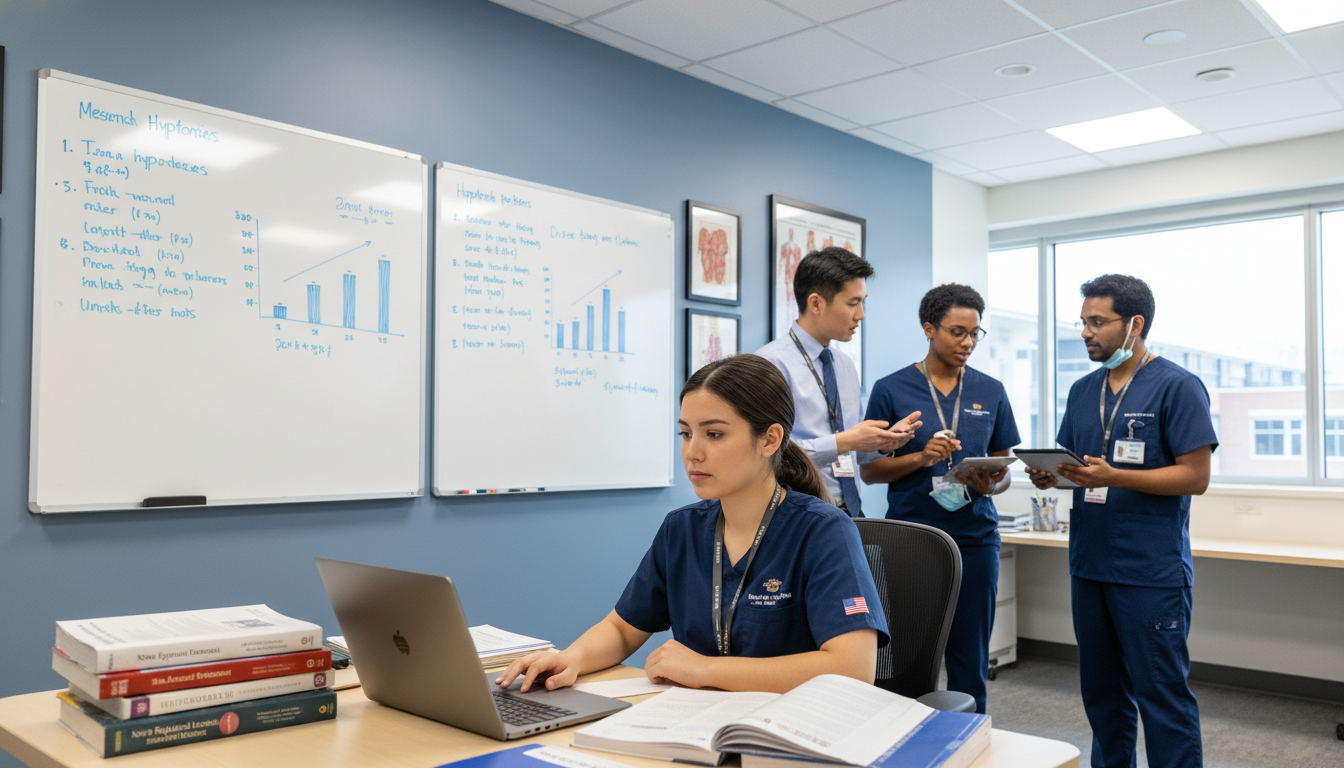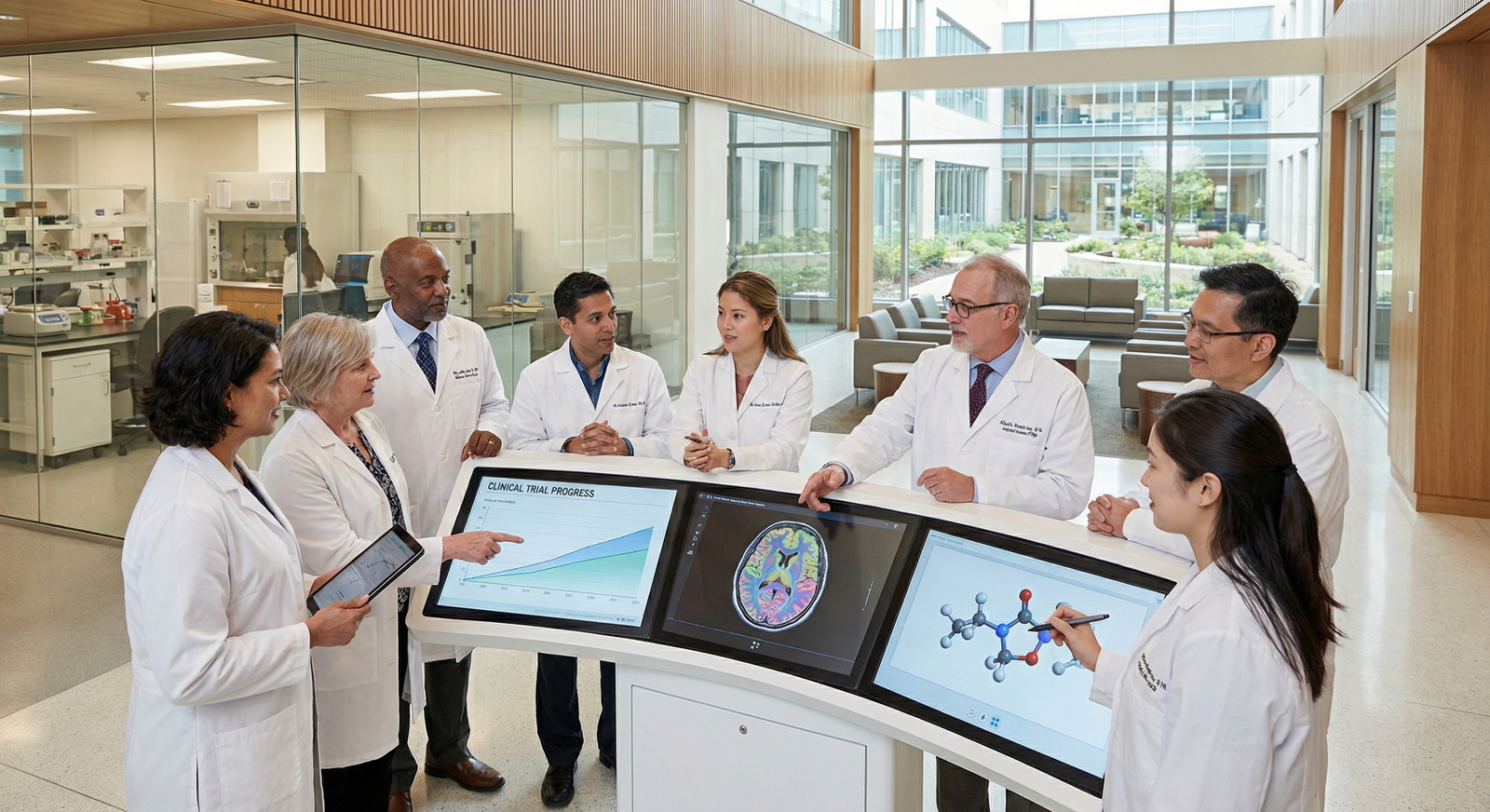
Why Research During Residency Matters for IMGs in Nuclear Medicine
For an international medical graduate (IMG) in nuclear medicine residency, research is more than a checkbox—it can determine your long‑term trajectory in the United States. In a specialty that is rapidly evolving with molecular imaging, theranostics, AI, and hybrid imaging, being “research-literate” and research-active sets you apart.
During residency, you are uniquely positioned to:
- Access large imaging datasets and advanced scanners (PET/CT, SPECT/CT, PET/MR)
- Collaborate with radiologists, oncologists, physicists, and basic scientists
- Build a track record that can support visas, fellowships, academic appointments, and promotion
- Strengthen your competitiveness for an academic residency track, fellowships, or future leadership roles
For IMGs, research also plays a strategic role in:
- Demonstrating scholarly productivity despite training disruptions or visa-related gaps
- Showing commitment and adaptability to the U.S. medical system
- Building a network of mentors who can write strong, detailed letters of recommendation
This IMG residency guide focuses on how to do research during residency in nuclear medicine, what projects are realistic, how to balance time, and how to leverage your work in the nuclear medicine match and beyond.
Understanding the Research Landscape in Nuclear Medicine
Nuclear medicine offers an unusually rich spectrum of research opportunities because it sits at the intersection of imaging, therapy, physics, and molecular biology.
Major Research Domains in Nuclear Medicine
Clinical Imaging Research
- Diagnostic performance of PET/CT, SPECT/CT, or PET/MR for specific cancers or diseases
- Comparisons of tracers (e.g., ^18F-FDG vs ^68Ga-PSMA vs ^18F-DCFPyL in prostate cancer)
- Optimization of imaging protocols (e.g., shortened acquisition times, low-dose protocols)
- Outcomes-based studies (e.g., prognostic value of PET parameters in lymphoma)
Theragnostics and Radionuclide Therapy
- Clinical outcomes with therapies like ^177Lu-PSMA, ^177Lu-DOTATATE, ^131I-MIBG
- Toxicity profiles, dosimetry optimization, and response predictors
- Real-world implementation of theranostics programs
Quantitative Imaging and AI
- Radiomics, machine learning, and AI-based image analysis
- Automated lesion detection and segmentation
- Correlating imaging biomarkers with genomics or clinical outcomes
Health Services and Quality Improvement (QI)
- Optimizing workflow in the nuclear medicine department
- Radiation safety and dose reduction strategies
- Turnaround times, report quality, and referring physician satisfaction
Basic and Translational Research
- Development of new tracers or applications
- Small animal imaging studies
- Collaborations with chemistry or molecular biology labs
As an IMG, you do not need to work in every domain. The key is to identify one or two niches you can realistically contribute to during your residency.
Getting Started: Laying the Foundation in PGY-1/PGY-2
Many IMGs enter nuclear medicine residency with strong clinical skills but limited exposure to formal research methods. That is completely workable—as long as you approach research strategically.
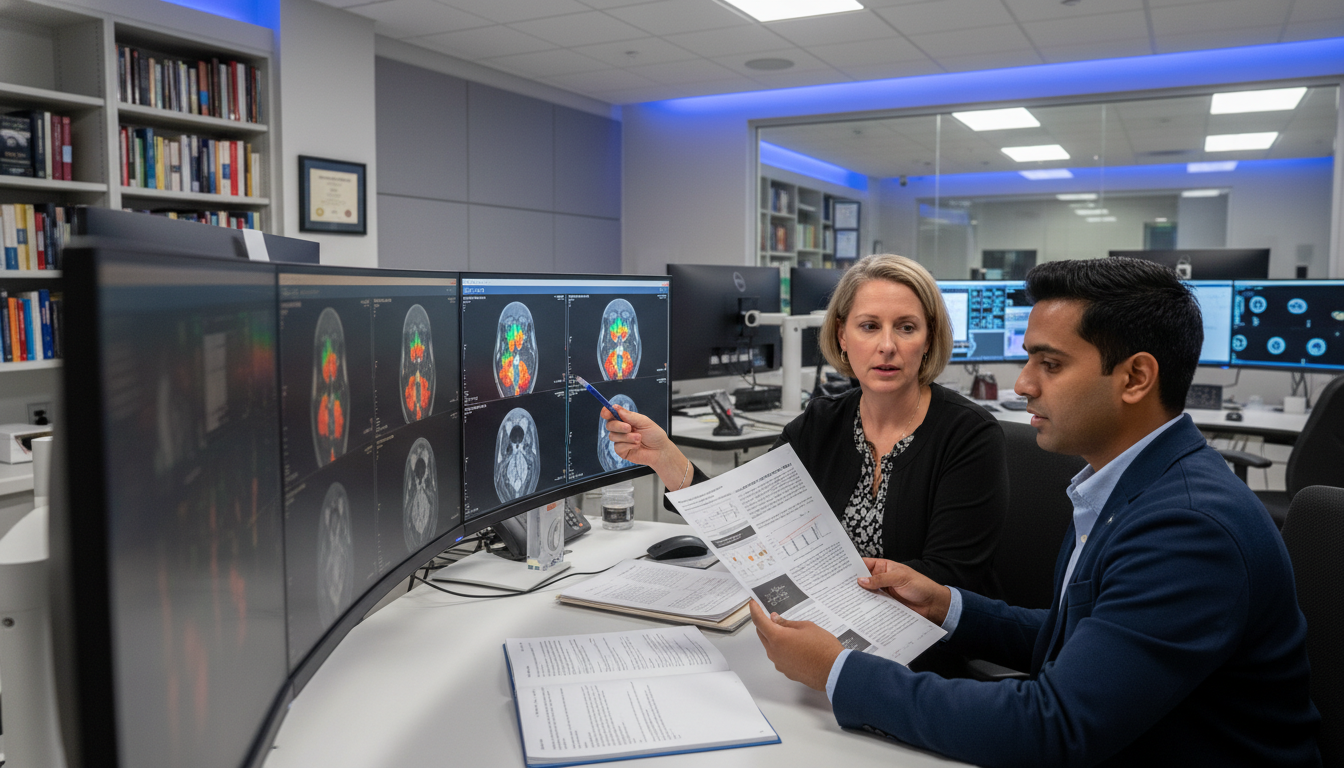
Step 1: Clarify Your Goals
Before saying “yes” to the first project you’re offered, define what you want research to do for you:
- Do you aim for an academic career in nuclear medicine/radiology?
- Are you planning a fellowship (e.g., PET/MR, theranostics, hybrid imaging, or radiology)?
- Will you need strong academic credentials for a visa or faculty position later?
If you want a strongly academic path or an academic residency track, aim for:
- Multiple first- or second-author publications
- Involvement in prospective studies or multi-center trials
- Presentations at major meetings (SNMMI, RSNA, EANM)
If you prefer a more clinical focus, manageable goals may be:
- One or two well-executed retrospective studies
- A few case reports or educational exhibits
- Participation in resident research projects that are already structured
Step 2: Understand Your Program’s Research Culture
Not every nuclear medicine residency is the same. Some programs are highly academic, with funded research, PhD physicists, and research coordinators; others are primarily clinical.
Ask:
- How many peer-reviewed papers did recent residents publish?
- Is there a protected research time block (e.g., one half‑day per week)?
- Are there established ongoing trials or databases you can plug into?
- Which attendings supervise resident research projects regularly?
- Is there a formal research curriculum (statistics, study design, ethics)?
For IMGs, it’s important to understand institutional rules about:
- Working on research before full credentialing
- Access to data and imaging archives
- IRB (ethics board) processes and required training (e.g., CITI)
Step 3: Find the Right Mentor
A good mentor is more critical than a “perfect” topic. Look for:
- A track record of publishing with residents
- Projects that align with your interests (e.g., oncology PET, cardiology, neuroimaging, theranostics)
- Availability for regular meetings and feedback
- Experience guiding IMGs who may be new to the U.S. research environment
You might need more than one mentor:
- A clinical mentor (nuclear medicine attending)
- A technical/statistical mentor (physicist, biostatistician, or data scientist)
- A career mentor (for visas, networking, long-term planning)
As an IMG, be explicit:
“I’m interested in pursuing an academic career in nuclear medicine and would like to be involved in research projects where I can contribute meaningfully and aim for authorship. Could we discuss potential projects that fit this goal?”
Types of Research Projects That Work Well for Residents
Choosing the right scope is crucial. You have limited time and heavy clinical responsibilities; your projects must be feasible.
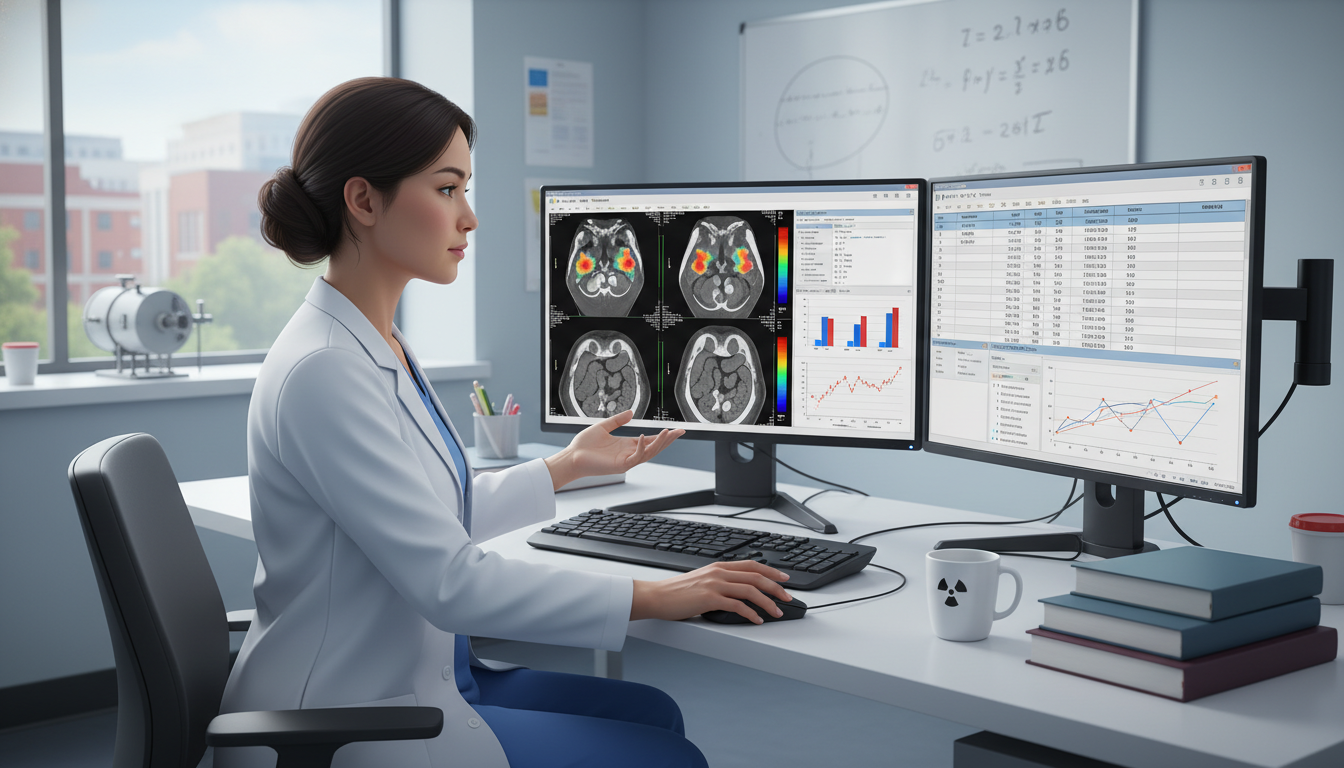
1. Retrospective Chart and Imaging Reviews
These are often the most realistic and high-yield for residents.
Examples in nuclear medicine:
- Outcomes of ^177Lu-DOTATATE therapy in neuroendocrine tumors at your institution
- Comparing standardized uptake values (SUV) across different acquisition protocols
- Prognostic role of baseline FDG PET in lymphoma or lung cancer patients
- Incidence and patterns of incidental findings on PET/CT
Advantages:
- Use existing data
- Shorter IRB process (often expedited review)
- Flexible timeline—can be done during regular rotations
Steps:
- Identify a specific, answerable research question.
- Discuss feasibility with your mentor (sample size, data availability).
- Submit IRB protocol with help from a senior resident or fellow.
- Design a structured data collection template (e.g., in REDCap or Excel).
- Plan basic statistical analysis with a biostatistician early.
2. Case Reports and Case Series
These are ideal early in residency, especially for IMGs getting used to academic writing in English.
Good nuclear medicine case topics:
- Novel theranostic applications
- Rare uptake patterns or tracer distributions
- Unusual complications of radionuclide therapies
- PET/MR findings in uncommon conditions
While case reports carry less academic weight than original research, they are valuable for:
- Learning the structure of scientific writing
- Building a publication list during residency
- Establishing collaboration with attendings
3. Prospective Studies and Clinical Trials
These require more planning but can be very impactful.
Examples:
- Prospective evaluation of a new PET tracer protocol
- Assessment of a standardized reporting system for theranostics
- Multi-center trials for new radionuclide therapies
As a resident, your role may include:
- Screening and enrolling patients
- Collecting imaging and clinical data
- Performing standardized image interpretation
- Preparing sub-analyses for publication
You may not lead the entire trial, but you can secure a strong authorship place through substantial contribution.
4. Quality Improvement (QI) Projects With Scholarly Output
QI projects can often be turned into publishable work if they are rigorously designed.
Nuclear medicine QI ideas:
- Reducing patient wait times for PET/CT
- Improving adequacy of patient preparation (fasting, blood glucose control)
- Standardizing structured reporting for PSMA PET
- Lowering radiation dose without compromising diagnostic image quality
Document:
- Baseline performance
- Intervention(s)
- Post-intervention performance
- Statistical analysis of improvement
Then convert into:
- A poster at SNMMI or RSNA
- A short communication or full paper in a nuclear medicine/radiology journal
5. Collaborations Outside Nuclear Medicine
IMGs sometimes underestimate the value of cross-department collaborations.
Potential partners:
- Oncology (solid tumors, lymphoma, neuroendocrine tumors)
- Cardiology (myocardial perfusion imaging, cardiac sarcoidosis)
- Neurology (dementia tracers, epilepsy imaging)
- Endocrinology (thyroid cancer, parathyroid imaging)
- Medical physics and engineering (AI algorithms, imaging hardware)
Cross-disciplinary research broadens your network and can lead to more robust resident research projects.
Time Management and Practical Strategies for Busy Residents
One of the biggest myths is that you need “free time” to do research during residency. In reality, most productive residents create structures that integrate research into their normal workweek.
Build Research Into Your Weekly Rhythm
Tactics:
- Reserve 2–4 hours per week as non-negotiable research time (early mornings, protected half-days, or lighter call days).
- Use small pockets of time (e.g., 20–30 minutes) to edit drafts, check references, or clean data.
- Batch similar tasks: one session for data extraction, another for image review, another for writing.
Use Tools to Work Smarter, Not Harder
- Reference managers: Zotero, Mendeley, or EndNote for organizing PDFs and citations
- Collaboration platforms: SharePoint, Google Docs, Overleaf (for LaTeX), or institutional tools
- Data tools: REDCap for secure data capture; basic familiarity with R, Python, or SPSS is helpful
- Writing aids: Structured templates for IMRAD (Introduction, Methods, Results, Discussion) format
As an IMG, brushing up on academic English early will pay off. Ask a co-author to specifically review for clarity and style.
Protect Your Clinical Performance
Your primary responsibility remains patient care and learning nuclear medicine.
Practical rules:
- Never let research interfere with clinical duties, call responsibilities, or professionalism.
- Use research as a lens to deepen your understanding—for example, systematically reviewing borderline PET findings for a research project can sharpen your interpretive skill.
- When overwhelmed, communicate with your mentor; renegotiate deadlines instead of disappearing.
Maximizing the Career Impact of Your Research as an IMG
Research is only helpful if others can see it. This is crucial for IMGs seeking fellowships, academic tracks, or long‑term U.S. careers.
Strategically Building Your Academic Profile
Core Output Goals During Nuclear Medicine Residency
- 1–3 first- or second-author original research papers
- 2–4 co-authored papers or brief reports
- 3–5 conference abstracts/posters (SNMMI, RSNA, EANM, local/regional meetings)
- Participation in at least one substantial academic residency track initiative (e.g., mentoring juniors, research committee)
Align Projects With a Coherent Narrative Instead of random topics, create a theme:
- Example 1: “Quantitative PET imaging in lymphoma and lung cancer”
- Example 2: “Theranostics in prostate and neuroendocrine tumors”
- Example 3: “AI and radiomics for PET/CT lesion characterization”
This narrative helps when:
- Applying for fellowships or junior faculty positions
- Asking for letters from mentors (“Dr. X has built a focused portfolio in…”)
- Framing your career vision in interviews
Presenting and Networking at Conferences
Attending and presenting at conferences is particularly impactful for IMGs.
Key meetings:
- SNMMI (Society of Nuclear Medicine and Molecular Imaging)
- RSNA (Radiological Society of North America)
- EANM (European Association of Nuclear Medicine) – if feasible
- Regional nuclear medicine or radiology society meetings
Tips:
- Submit abstracts early; ask your mentor to review submissions.
- If travel funds are limited, ask about:
- Departmental travel grants
- Society trainee travel awards (SNMMI offers some)
- Remote or virtual presentation options
- Use poster sessions to introduce yourself to leaders in your area of interest—especially if you plan post-residency training elsewhere.
Using Research to Strengthen Visa and Career Prospects
For many IMGs, research can be part of a long‑term strategy for stability in the U.S.:
- Publications and conference presentations support applications for:
- Academic J‑1 or H‑1B positions
- O‑1 “extraordinary ability” visas (in select cases)
- Strong research letters from recognized faculty can offset relative disadvantages in the nuclear medicine match or later faculty searches.
- In some institutions, sustained research productivity is a requirement for promotion to senior faculty or leadership roles.
Work with:
- Graduate medical education (GME) office
- International office/immigration services
- Your mentors to understand how best to present your research during residency as part of your overall professional profile.
Common Pitfalls and How IMGs Can Avoid Them
Being aware of frequent problems can save you time and frustration.
Pitfall 1: Overcommitting to Too Many Projects
You may be enthusiastic and eager to prove yourself, but 6–8 simultaneous projects usually means none are finished.
Solution:
Limit to:
- 1–2 primary projects where you expect first/second authorship
- A small number of secondary roles (data collection, image reading) on other projects
Pitfall 2: Vague Roles and Authorship Confusion
As an IMG, you may hesitate to discuss authorship; this can lead to misunderstandings later.
Solution:
Early in the project, have an open conversation:
- What are the expectations for your role?
- What level of contribution is needed for first authorship?
- How will authorship order be decided?
Document this in an email after the meeting.
Pitfall 3: IRB and Compliance Issues
Accessing data or images without proper approval can have serious consequences, including jeopardizing your training and visa.
Solution:
- Complete all required research ethics training (CITI or equivalent).
- Confirm that an IRB protocol exists and that you are listed as study personnel before accessing data.
- Use only approved, secure systems for data storage and transfer.
Pitfall 4: Poor Communication and Missed Deadlines
Residency is busy, and IMGs may feel uncomfortable discussing delays.
Solution:
- Set realistic timelines with your mentor.
- Provide brief updates even when progress is slow.
- If you anticipate a delay (e.g., heavy rotation month, family issue), inform the team early.
Pitfall 5: Ignoring Your Own Learning Needs
Some residents collect data for years but never learn study design, statistics, or manuscript writing.
Solution:
- Ask mentors to involve you in all stages: designing the question, writing the IRB, analyzing, and drafting the paper.
- Take advantage of:
- Institutional research seminars
- Online courses in biostatistics and epidemiology
- Journal clubs focused on nuclear medicine
Putting It All Together: A Practical Roadmap for IMGs
PGY-1 (If Transitional/Preliminary) or Early PGY-2
- Clarify long-term career goals (academic vs primarily clinical).
- Identify and meet potential mentors in nuclear medicine.
- Join 1–2 ongoing projects in a meaningful role.
- Write a case report or small case series to learn the publication process.
Mid‑Residency
- Launch at least one original research project (retrospective or prospective).
- Complete research ethics and IRB training.
- Learn basics of data management and statistics.
- Aim to submit at least one abstract to a national or international meeting.
Late Residency
- Convert completed projects into full manuscripts.
- Consolidate your research story into your CV and personal statements.
- Ask mentors for detailed letters emphasizing your role in research.
- Use your network and publications to target:
- Fellowships
- Junior faculty positions
- Positions with an explicit academic residency track or research focus
For international medical graduates in nuclear medicine, research is not just an optional enrichment; it can be a central pillar of your professional identity, your U.S. integration, and your long‑term success.
FAQ: Research During Residency for IMGs in Nuclear Medicine
1. I have no prior research experience. Can I still succeed as an IMG in nuclear medicine?
Yes. Many IMGs begin residency with minimal formal research experience. Start with achievable projects like case reports and retrospective reviews under close mentorship. Focus on learning fundamentals—study design, data collection, basic statistics, and scientific writing. With consistent effort, you can still build a solid research portfolio during residency.
2. How many publications should I aim for during a 3‑year nuclear medicine residency?
There is no fixed number, but a realistic and competitive target is:
- 1–3 first- or second-author original research articles
- Several co-authored papers, abstracts, or posters
Quality, relevance to nuclear medicine, and clear evidence of contribution are more important than sheer quantity.
3. Will research during residency help me get a fellowship or academic job in the U.S.?
Yes. Academic programs and competitive fellowships value applicants who can contribute scholarly work. A coherent body of research—especially if focused on a particular domain like theranostics, quantitative imaging, or AI—can differentiate you from other candidates. Strong letters describing your role in resident research projects also help substantially.
4. How do I balance research with a heavy clinical workload and call responsibilities?
Use structured time management:
- Schedule dedicated research blocks each week and protect them.
- Choose projects that are realistic in scope and integrate with your clinical workflow (e.g., using cases you are already interpreting).
- Communicate clearly with mentors about your rotation schedule and expected busy periods. Above all, maintain your clinical performance; research should enhance, not compromise, your training.
By approaching research during residency with clear goals, deliberate planning, and strong mentorship, you can transform your time as an international medical graduate in nuclear medicine into a powerful launchpad for a lasting academic or clinically focused career.