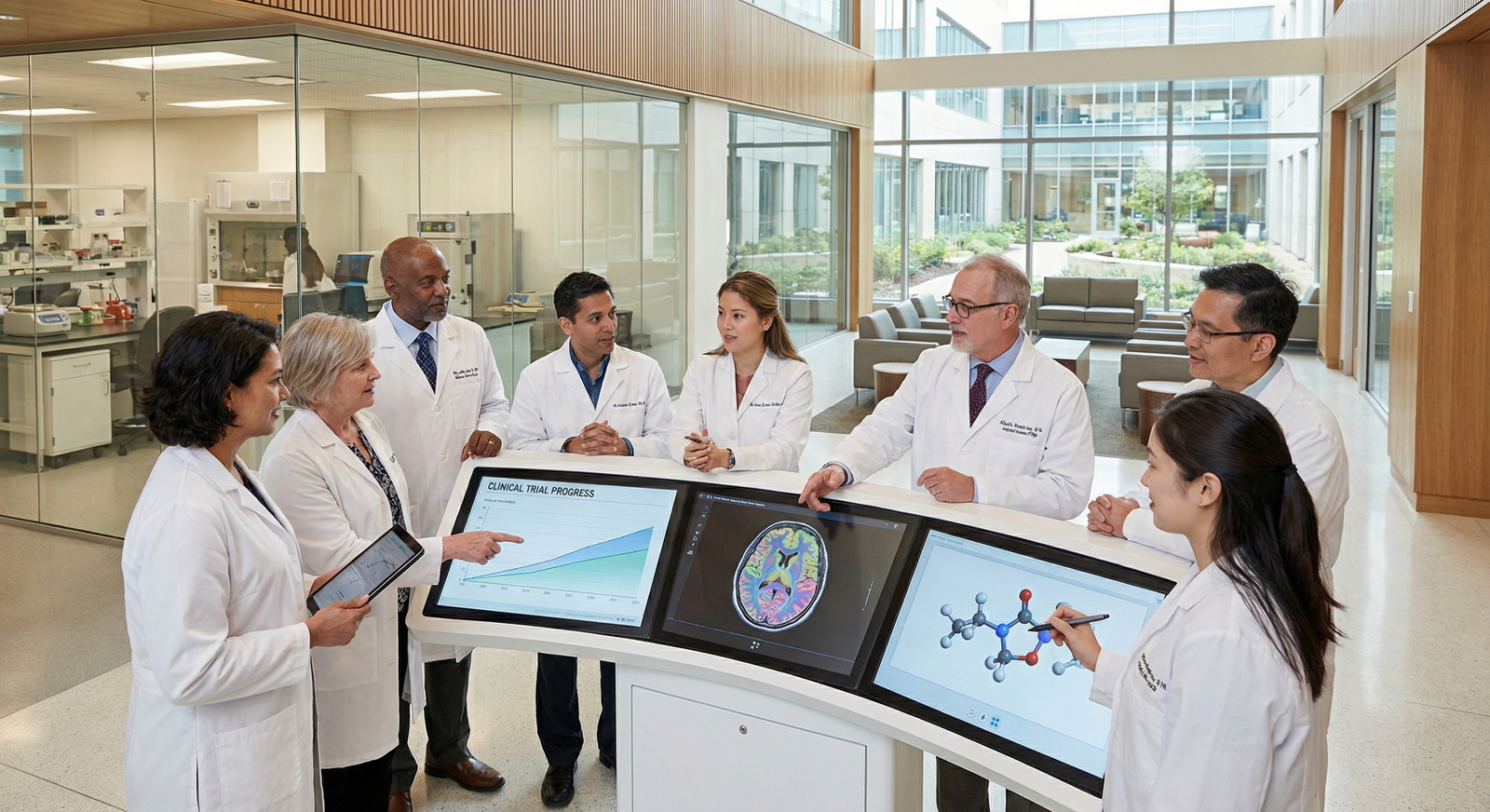
As an MD graduate entering or planning a medical genetics residency, research during residency is one of the most powerful levers you have to shape your career. Beyond strengthening your CV, research sharpens your critical thinking, deepens your understanding of genetic disease, and opens doors to fellowships, academic positions, and leadership roles.
This article breaks down how to build a research-focused residency experience in medical genetics—step by step, with practical strategies you can start using now.
Why Research Matters in Medical Genetics Residency
Medical genetics is inherently a data-rich, rapidly evolving specialty. The patients you see often have:
- Rare, undiagnosed disorders
- Complex genomic findings
- Evolving treatment options (e.g., gene therapies, targeted therapies)
- Multisystem diseases requiring team-based care
Because of this, the allopathic medical school match increasingly favors candidates who show genuine engagement in scholarship. If you are an MD graduate residency applicant or new resident, you are entering a field where:
- New disorders are described every year
- Clinical guidelines evolve with each discovery
- Genomic technologies (exome, genome, RNA-seq, polygenic risk scores) are constantly advancing
Research during residency puts you at the center of that evolution rather than just trying to keep up with it.
Key benefits include:
Improved understanding of genetic disease
Working on real patients with unusual phenotypes and variant interpretation teaches you nuances you’ll never fully grasp from textbooks alone.Career trajectory acceleration
A strong portfolio of resident research projects can lead to:- Medical biochemical genetics or other subspecialty fellowships
- Academic residency track positions after training
- Opportunities in industry (pharma, biotech, genomic diagnostics)
Competitive edge in the genetics match and beyond
Even if you already completed the allopathic medical school match into medical genetics (often via combined pediatrics-genetics or internal medicine-genetics), sustained research helps you compete for:- National grants (e.g., NIH T32 training programs)
- Prestigious fellowships
- Junior faculty roles at academic centers
Contribution to patients and families
Many families with rare diseases become “professional advocates.” Helping to identify their condition, define its natural history, or study treatment approaches can directly impact their lives and future patients.
Types of Research Opportunities in Medical Genetics Residency
Not all research needs to be bench-based or high-tech. In fact, many of the most achievable—and clinically impactful—projects for residents are grounded in the clinic.
Below are common types of research during residency in medical genetics and examples of realistic resident research projects.
1. Clinical Research
This is the most accessible type of research for most MD graduates in medical genetics.
Common themes:
- Natural history of rare diseases
- Phenotype-genotype correlations
- Treatment outcomes and real-world evidence
- Diagnostic yield of various testing strategies
Examples:
- Reviewing all patients at your center with a specific gene variant (e.g., variants in COL4A1) and describing the clinical spectrum and outcomes.
- Evaluating how often exome sequencing changes management in children with neurodevelopmental disorders referred to your clinic.
- Comparing diagnostic yield between chromosomal microarray vs exome sequencing in patients with congenital anomalies.
Why it’s ideal for residents:
- Built directly from your clinical work
- IRB approvals are usually straightforward in academic genetics services
- High likelihood of publishable data with organized chart review and consistent methodology
2. Translational / Genomics Research
This bridges lab science and patient care. You may collaborate with PhD scientists, molecular geneticists, and bioinformaticians.
Common topics:
- Novel disease-gene discovery
- RNA studies to clarify splicing variants
- Functional assays for variants of uncertain significance (VUS)
- Genomic signatures or biomarkers
Examples:
- Participating in a variant curation project in the molecular lab, helping classify VUS using ACMG-AMP criteria while building a dataset for publication.
- Working on a project to validate a new gene panel for cardiomyopathy or epilepsy.
These projects often require more time and infrastructure, so they are ideal for residents considering an academic residency track or a future in translational genomics.
3. Quality Improvement (QI) and Implementation Science
QI projects are highly relevant and often required by residency programs. In medical genetics, QI blends seamlessly with research questions such as:
- How can we reduce time to diagnosis for patients with suspected monogenic disorders?
- Can we improve uptake of genetic counseling before and after testing?
- What interventions increase appropriate referrals to the genetics service?
Example resident QI projects:
- Implementing a standardized genetic testing algorithm for NICU patients with multiple congenital anomalies, then measuring time to result and diagnostic yield.
- Creating a template for variant re-interpretation follow-up and measuring how often reclassification changes patient care.
QI projects often lead to presentations at national meetings (e.g., ACMG, ASHG) and serve as stepping stones to more formal research.
4. Education and Communication Research
As genetic testing spreads into every specialty, education research is gaining prominence.
Projects might include:
- Assessing primary care providers’ knowledge of genetic testing indications.
- Evaluating the impact of a new educational curriculum on non-genetics residents’ understanding of microarray or exome sequencing.
- Studying patient comprehension of genetic risk and results delivery methods.
These projects are especially appealing if you want a long-term academic career with a focus on teaching.

Finding and Choosing a Research Mentor in Medical Genetics
A great mentor is more important than a flashy project. For MD graduates starting a medical genetics residency, a realistic, well-supported project often beats a high-risk, high-profile idea that never gets finished.
Where to Look for Mentors
Clinical genetics faculty
- Clinical geneticists in your division often have ongoing databases, phenotype registries, or case series.
- Many have questions they’ve never had time to turn into formal research.
Molecular and cytogenetics laboratory directors
- They frequently see recurrent variants and patterns that could be explored.
- Ideal for projects involving variant classification, test utilization, or performance metrics.
University research centers and institutes
- Human genetics or genomics institutes
- Neuroscience, oncology, or cardiology centers with strong genetics components
Previous mentors from allopathic medical school
- If you did earlier research related to genetics or genomics, it may be possible to extend or reframe those projects now that you have clinical exposure.
How to Evaluate a Potential Mentor
Ask yourself:
Do they have a track record of publishing with trainees?
Look for residents or fellows as first or co-authors on recent papers.Is the project scope realistic for a resident schedule?
You need something that can produce an abstract or manuscript within 1–2 years.Will they help you learn methods and not just use you as data labor?
You should gain skills in study design, basic statistics, or variant interpretation.Is there a clear timeline and plan for outputs?
For example:- Abstract for ACMG or ASHG within 9–12 months
- Manuscript submission within residency
When you meet with mentors, bring:
- A 1-page CV or updated ERAS-style experience list
- A short statement of your interests (e.g., undiagnosed disease, mitochondrial genetics, pharmacogenomics)
- A sense of how much time you can realistically devote monthly
Integrating Research Into a Busy Residency Schedule
Residency is demanding, and medical genetics residents often balance clinic, inpatient consults, call, and sometimes a combined program (e.g., pediatrics-genetics). The key is intentional planning and early structure.
Step 1: Clarify Program Expectations
Early in PGY-1 or PGY-2:
Ask your program director:
- Are there protected research blocks?
- Are there internal funding sources for resident research projects?
- What are the expectations for scholarly activity?
Learn about:
- Institutional review board (IRB) processes
- Biostatistics core resources
- Support for abstract travel
Step 2: Start Small, But Start Early
By the end of your first year in genetics (or early combined training years):
Identify one feasible primary project:
- A retrospective chart review
- A case series
- A QI-based genetics intervention
Set milestones:
- 1–2 months: finalize question, mentor, and initial proposal
- 3–6 months: IRB approval and data collection start
- 9–12 months: analysis and abstract submission
You can always add more ambitious translational or genomics projects once you’re established.
Step 3: Build a Weekly Research Habit
Even in heavy clinical months, you can protect small pockets of time:
- Block 2–4 hours per week as “research clinic” in your schedule.
- Use that time for:
- Literature review
- Data entry
- Drafting introduction or methods sections
- Preparing figures or tables
Consider forming a resident “writing group” with peers who have similar goals. Meeting twice a month for 30–60 minutes to review progress can keep you on track.
Step 4: Use Clinical Work to Fuel Research Ideas
During your genetics consults and clinics:
- Keep a running list of:
- Unusual phenotypes
- Recurrent referral patterns
- Testing challenges (e.g., insurance denials, delayed results)
- Common misconceptions among other specialties about genetic testing
Many high-yield resident research projects start as simple questions:
- “Why do we see so many negative exomes in this subgroup?”
- “Why are NICU patients getting genetic testing so late?”
- “Why are we not seeing certain populations in our genetics clinic?”
These questions can evolve into chart reviews, prospective studies, or QI interventions.

Designing a Strong Resident Research Project in Medical Genetics
To maximize your impact and output during residency, design your project thoughtfully from the start.
1. Formulate a Focused Research Question
Use variations of the PICO framework (Population, Intervention, Comparison, Outcome) or similar thinking:
- Population: e.g., children with unexplained developmental delay, adults with cardiomyopathy
- Exposure / Intervention: exome sequencing, gene panel, chromosome microarray, targeted therapy
- Outcome: diagnostic yield, time to diagnosis, management changes, hospitalizations, mortality
Examples of good, feasible questions:
- Among children referred for neurodevelopmental disorders, how does exome sequencing compare with gene panels in diagnostic yield and turnaround time?
- Does adding reflex RNA sequencing after exome for VUS in splicing region variants increase final diagnostic rate?
2. Keep the Scope Appropriately Modest
As an MD graduate in residency, your time is limited. Aim for:
- 1 primary research question
- A dataset that can be collected in 3–6 months
- Methods you or your mentor already know or can quickly learn (e.g., basic statistical tests, structured chart abstraction)
It is better to complete a focused, well-executed study than to start a huge multi-center project that stalls.
3. Build a Solid Methodology
Key elements:
Clear inclusion and exclusion criteria
Define which patients or tests you will include.Data collection plan
Use:- REDCap or similar secure databases
- Standardized data abstraction forms
- Training for anyone helping with data collection
Statistical support
Connect early with:- A biostatistician through your hospital’s research office
- A mentor experienced with clinical statistics
Even simple statistics (descriptive stats, chi-square tests, t-tests, logistic regression) benefit from consultation.
4. Address Ethical and Regulatory Issues
Medical genetics research involves sensitive data:
- Ensure IRB approval or exemption before collecting identifiable information.
- Consider data de-identification and secure storage practices.
- If using genomic sequencing data, follow local policies on re-contact, consent, and return of results.
Your mentors and institutional offices can guide you through this, but you should understand the process as part of your training.
5. Plan for Dissemination from Day One
Design your project with the end products in mind:
Abstract for:
- ACMG annual meeting
- ASHG (if more genomics/translational)
- Specialty meetings (e.g., neurology, cardiology) if condition-specific
Manuscript for:
- Genetics in Medicine
- American Journal of Medical Genetics
- Journal of Genetic Counseling
- Or condition-focused journals for disease-specific work
Create a rough timeline with your mentor, and schedule periodic checkpoints (e.g., every 1–2 months).
Building a Long-Term Academic or Research-Heavy Career in Medical Genetics
If you’re an MD graduate envisioning an academic residency track or a future with substantial research, residency is your launchpad.
1. Signal Your Interests Early
Tell your program director and key faculty that you’re interested in:
- Long-term research
- An academic career
- Potential physician-scientist paths
Ask about:
- T32 or other training grants in genetics or genomics
- Formal research tracks integrated into your program
- Protected research time in later years for those on academic paths
2. Build a Coherent Research Narrative
Over residency, aim for coherence:
- Related topics (e.g., undiagnosed disease, metabolic genetics, epilepsy genetics)
- A consistent mentor or small core team
- Progressive complexity of projects
This makes it easier to:
- Apply for fellowships
- Write personal statements highlighting your research trajectory
- Present yourself to hiring committees as someone with a clear academic focus
3. Seek Collaboration Across Disciplines
Medical genetics is inherently cross-disciplinary. Consider:
- Neurology, cardiology, oncology, endocrinology, NICU, PICU collaborations
- Biostatistics, bioinformatics, and computer science teams for genomics or big data projects
Collaborations increase the scope and visibility of your research while distributing workload more realistically.
4. Consider Additional Training
If you want a deeply research-focused career, discuss with mentors:
- A Master’s in clinical research, public health, or bioinformatics
- Post-residency research fellowships
- Combined residency-fellowship research tracks
These are not mandatory for impactful research, but they can accelerate your trajectory, especially if you’re aiming for major grants down the line.
Common Pitfalls and How to Avoid Them
Pitfall 1: Overcommitting to Too Many Projects
Solution:
- Choose 1–2 primary projects and treat others as secondary or observational.
- Be honest with mentors about your bandwidth.
- Prioritize projects with a clear path to completion and authorship.
Pitfall 2: Delaying IRB and Logistics
Solution:
- Start IRB and project design early—often the slowest part of the process.
- Use institutional templates and prior protocols as models.
- Schedule specific time with mentors to finalize submissions.
Pitfall 3: Neglecting Writing and Dissemination
Solution:
- Block dedicated “writing days” or half-days during lighter rotations.
- Draft sections (background, methods) while data collection is ongoing.
- Present at local or departmental research days even before national meetings.
Pitfall 4: Working in Isolation
Solution:
- Attend your institution’s research conferences and genetics or genomics journal clubs.
- Join national groups (e.g., ACMG, ASHG) and trainee sections.
- Share early drafts and abstracts with peers and faculty for feedback.
How Research During Residency Influences Your Future
Whether you envision a heavily research-focused career or primarily clinical practice, residency research in medical genetics has lasting impact.
For Academic Careers
You gain:
- Early publications and presentations
- Grant-writing experience (even small internal grants)
- Network connections with national leaders in your niche
These components are invaluable when applying for:
- Fellowships
- Instructor or junior faculty roles
- Protected academic or physician-scientist tracks
For Clinically Focused Careers
Even if you don’t plan to be research-intensive, your projects:
- Make you a more thoughtful and evidence-informed clinician
- Give you credibility when implementing new tests or care models
- Allow you to lead or contribute to institutional guidelines and QI initiatives
For Non-Traditional Paths
Research skills also translate well to:
- Industry roles in genomic diagnostics, biotech, or pharma
- Public health genomics or policy positions
- Medical education leadership, where curriculum design and evaluation often rely on educational research
In a field moving as fast as medical genetics, the ability to ask answerable questions and systematically evaluate data is critical, no matter where you practice.
Frequently Asked Questions (FAQ)
1. Do I need prior research experience from allopathic medical school to be successful with research during residency?
No. While prior research can help you match into a medical genetics residency and may make you more comfortable with scholarly work, it’s not mandatory to succeed. Strong mentorship, a realistic project, and consistent time investment matter more. Many residents publish their first major paper during residency, even without substantial prior experience.
2. How much time should I realistically devote to research as a medical genetics resident?
This varies by program and call structure, but a good target is:
- 2–4 hours per week during busy rotations
- Larger blocks (e.g., 1–4 weeks) of more concentrated effort during elective or research rotations
The key is sustainability. Small, consistent effort over 1–2 years often yields more than sporadic bursts.
3. What types of projects are most feasible for a resident with limited time?
The most achievable projects typically include:
- Retrospective chart reviews with clear inclusion criteria
- Case series of rare conditions or novel phenotypes
- QI projects related to testing algorithms, time to diagnosis, or referral patterns
- Educational interventions and evaluations
These usually have manageable data demands and clear paths to abstracts and manuscripts.
4. Will doing research during residency help if I want to stay in academic medical genetics?
Yes. A visible track record of resident research projects is one of the strongest predictors of an academic trajectory. Programs and departments look for evidence that:
- You can complete projects
- You work well in teams
- You can contribute to the academic mission through scholarship
Even 1–2 solid publications and a handful of national presentations can significantly strengthen your candidacy for academic positions or advanced fellowships.
Research during residency for an MD graduate in medical genetics is not just a checkbox—it’s a strategic investment in your future, your patients, and the field itself. With the right mentorship, focused planning, and steady effort, you can build a meaningful, sustainable research portfolio that enhances both your clinical expertise and your career opportunities.