Understanding the Value of Research During Residency for Caribbean IMGs in Nuclear Medicine
For a Caribbean international medical graduate (IMG) entering nuclear medicine, research during residency is more than a line on your CV—it can be a strategic differentiator. Whether you completed school at SGU or another Caribbean medical school, residency research can help you:
- Build a competitive academic profile in a small but highly specialized field
- Strengthen your chances in the nuclear medicine match and fellowship applications
- Compensate for perceived disadvantages associated with a Caribbean medical school residency pathway
- Develop expertise that supports an academic residency track or leadership role later on
Nuclear medicine is inherently research heavy: new tracers, theranostics, AI-based image analysis, and dosimetry advances are constantly reshaping the field. Programs value residents who can read the literature critically, contribute to evidence generation, and ultimately help the department’s academic output.
For Caribbean IMGs, this is an opportunity. Strategic research during residency can partially offset weaker metrics or lower “brand recognition” of your medical school and make your application story one of persistence, productivity, and impact.
How Research Fits Into Nuclear Medicine Residency Training
Nuclear medicine and molecular imaging are uniquely suited to resident research projects. Compared with some other specialties, data are often digital, quantifiable, and stored in PACS systems, which means you can do high-impact projects even with modest resources.
Common Research Domains in Nuclear Medicine
Typical areas where residents contribute include:
Clinical imaging research
- Diagnostic performance of SPECT vs PET for specific indications
- Impact of new PET tracers (e.g., PSMA, DOTATATE, FDOPA)
- Comparative effectiveness studies vs CT/MRI
Theranostics and radionuclide therapy
- Response assessment in Lu-177 therapies
- Toxicity profiles and dosimetry correlations
- Outcomes research for thyroid cancer, neuroendocrine tumors, prostate cancer
Quantitative imaging and dosimetry
- Standardized uptake value (SUV) optimization or harmonization
- Organ and tumor dosimetry workflows
- Correlation of imaging biomarkers with clinical outcomes
Radiopharmacy and tracer development
- Quality control protocols
- Radiotracer stability and workflow efficiency
- Process improvement for radiopharmaceutical preparation
AI, informatics, and workflow optimization
- Automated lesion detection or segmentation
- Decision support tools for nuclear cardiology
- Time–motion or throughput analyses in busy departments
Where Research Fits in the Training Timeline
Most nuclear medicine residencies are 2–3 years (stand-alone) or part of integrated diagnostic radiology or hybrid pathways. A realistic research timeline might look like:
Early PGY-1/PGY-2 (transitional/IM/DR year)
- Orientation to research methods, basic statistics, and IRB processes
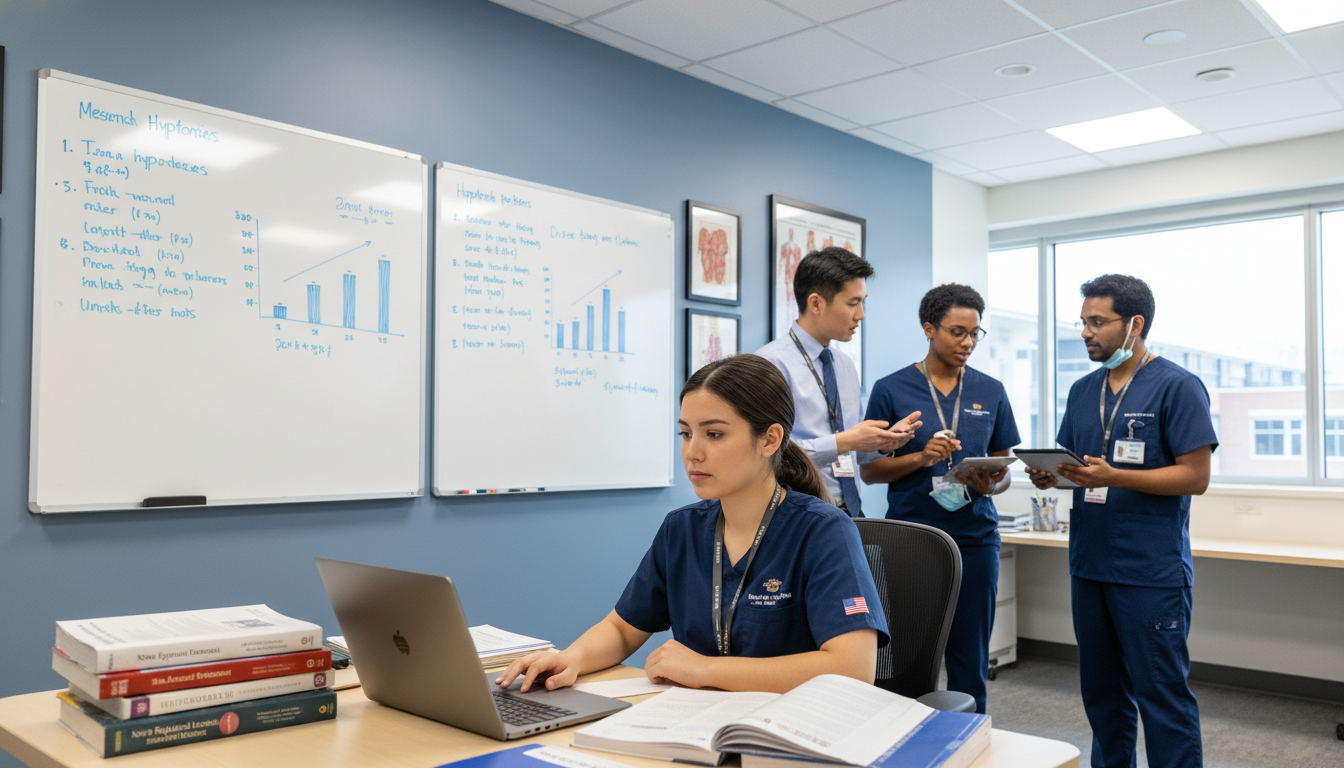
- Join an ongoing project as a co-investigator or data abstractor
- Begin literature review in a specific niche (e.g., PSMA PET in biochemical recurrence)
Mid-residency (core nuclear medicine years)
- Take ownership of 1–2 resident research projects
- Submit abstracts to institutional research day or regional meetings
- Draft manuscripts; get mentored in scientific writing
Late residency / final year
- Finalize manuscripts and submit to peer-reviewed journals
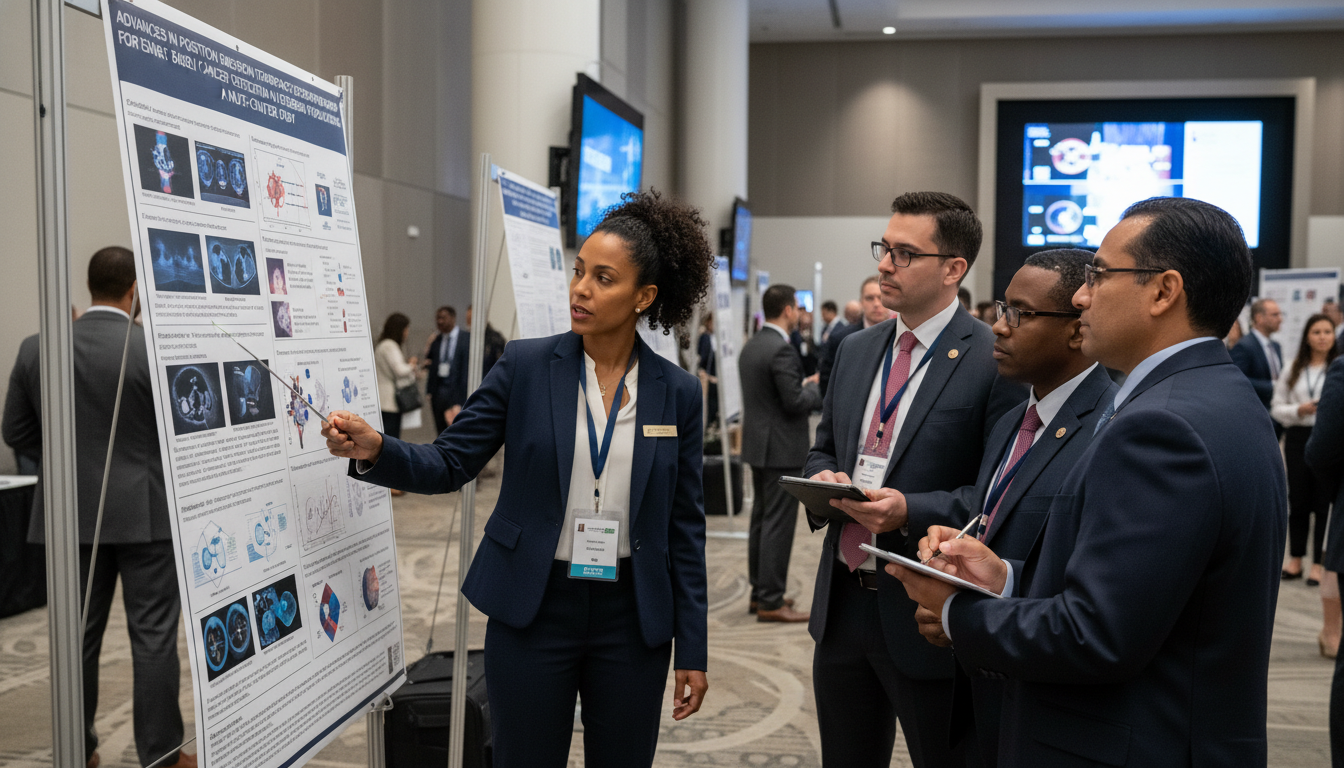
- Present at national/international conferences (SNMMI, EANM, RSNA)
- Use your research portfolio to strengthen fellowship or job applications
If you are a Caribbean IMG entering a nuclear medicine residency via a transitional or internal medicine year, you should start networking and exploring research as early as your prelim year, especially if you are in a large teaching hospital.

Leveraging Your Caribbean Background Strategically
Being a Caribbean IMG does not disqualify you from strong research during residency; it changes how you must approach access, credibility, and networking.
Addressing the Caribbean IMG Perception
Program directors may sometimes view Caribbean medical school graduates with cautious skepticism due to:
- Variability in clinical training environments
- Step exam performance concerns
- Limited exposure to high-level academic research during medical school
Your goal is to systematically counter these assumptions:
- Demonstrate reliability: meet deadlines, respond promptly, maintain IRB compliance
- Show academic maturity: ask thoughtful questions, engage with methodology and statistics
- Show continuity: multiple related projects, not scattered one-off efforts
If you come from a well-known Caribbean program like SGU, leverage institutional alumni who successfully navigated the SGU residency match into nuclear medicine or diagnostic radiology. Reach out to them to understand how they incorporated research into training and how they framed their Caribbean background positively.
Using Prior Medical School Research (Even If Limited)
Even if your Caribbean medical school residency exposure to research was minimal, almost any prior scholarly work can be reframed:
- Case reports or small audits from your Caribbean medical school hospital
- Quality improvement projects in clinical rotations
- Public health or epidemiology projects in the Caribbean region
In your resident research portfolio, position these as:
- Evidence of early scholarly curiosity
- Proof you can complete a project cycle (idea → IRB/approval → data → presentation/publication)
- A foundation you are now building on with more rigorous nuclear medicine–focused research
Building Credibility in Your First 6 Months
For a Caribbean IMG starting a nuclear medicine residency, the first half-year is crucial. Focus on:
Excellent clinical performance
- Study intensely for nuclear physics, radiobiology, and tracer mechanisms
- Ask smart, concise questions on readouts
- Be reliable for on-call responsibilities and preliminary reads
Visible research initiative
- Attend departmental research meetings, tumor boards, and journal clubs
- Offer to help with data collection or image segmentation; this is often a “foot in the door”
- Learn your department’s go-to tools (REDCap, Excel, R, SPSS, Python, MATLAB)
Mentor alignment
- Identify 1–2 nuclear medicine attendings who are consistently publishing
- Ask them specifically, “How can I be useful on your current projects?”
- Show commitment by following through quickly on small tasks
The combination of strong clinical work plus early research contributions changes the narrative around your Caribbean training and shows that you belong in an academically oriented nuclear medicine environment.
Choosing the Right Resident Research Projects in Nuclear Medicine
Not all projects are equally feasible or equally visible. For a Caribbean IMG, it’s especially important that your resident research projects be complete-able, publishable, and aligned with your career goals.
The 3 Filters for Selecting Projects
Use these three filters when deciding what to work on:
Feasibility in your program’s environment
- Do you have access to sufficient PET/CT or SPECT/CT volume for the question?
- Does your mentor have prior experience with similar projects?
- Can IRB approval reasonably be obtained within 1–2 months?
Timeline vs residency duration
- Retrospective chart/image review: usually feasible in 6–12 months
- Prospective tracer or therapy trial: likely >2–3 years and may not complete during residency
- Multi-center projects: high impact but require strong mentorship and coordination
Impact and visibility
- Can this lead to an abstract at SNMMI or RSNA?
- Is the topic aligned with hot areas: theranostics, PSMA, AI-assisted imaging, dosimetry?
- Will a positive or negative result still be publishable in a reputable journal?
High-Yield Project Types for Nuclear Medicine Residents
For Caribbean IMGs looking to maximize output during limited training years, consider:
Retrospective imaging outcome studies
- Example: “Diagnostic performance of PSMA PET/CT vs bone scan for detecting osseous metastases in prostate cancer.”
- Often easier to execute since data already exist in PACS/EMR.
Theranostic response and toxicity analyses
- Example: “Correlation of Lu-177 DOTATATE dosimetry with hematologic toxicity and tumor response in neuroendocrine tumors.”
Workflow and quality improvement
- Example: “Reducing FDG infiltration rates through standardized injection protocols.”
- These can result in both QI posters and formal publications.
Reader variability and AI support
- Example: “Inter-reader agreement for PSMA PET reporting with and without structured reporting templates.”
Educational and protocol standardization projects
- Example: “Impact of a standardized reporting template on interpretation time in nuclear cardiology SPECT.”
These projects typically require no external funding, are achievable within residency, and map neatly onto an academic residency track if you choose to pursue one.
Aligning Projects With an Academic Residency Track
If your long-term goal is an academic career, structure your resident research projects around a coherent niche rather than random topics. For example:
Niche 1: Prostate cancer imaging & theranostics
- Project 1: Retrospective PSMA PET staging accuracy
- Project 2: Lu-177 PSMA therapy outcomes
- Project 3: AI-assisted PSMA lesion segmentation
Niche 2: Neuroendocrine tumors and dosimetry
- Project 1: SSTR PET for staging and restaging
- Project 2: Dosimetry-guided Lu-177 DOTATATE protocols
- Project 3: Imaging biomarkers that predict response
By the end of residency, you will have a recognizable “brand” in nuclear medicine research, which is particularly valuable if you came from a Caribbean medical school residency background and want to stand shoulder-to-shoulder with US grads when applying for fellowships or junior faculty positions.
Practical Steps to Get Started: From Idea to Publication
1. Identify a Mentor and Research Environment
As early as your interview season—and certainly by your first month—identify:
- Who in the department regularly publishes in nuclear medicine journals
- Whether your hospital has:
- A cancer center with active trials
- A theranostics program
- Imaging informatics or AI collaborations
- Established links with a university biostatistics or epidemiology department
For Caribbean IMGs, strong mentorship significantly increases your odds of finishing projects, not just starting them. When approaching potential mentors:
- Review their last 3–5 publications and mention one specifically
- Propose a broad interest area instead of a vague “I want to do research”
- Ask what types of resident research projects have successfully published under them
2. Learn the Basics of Study Design and Statistics
You don’t need a PhD in biostatistics, but you must understand:
- Study types: retrospective vs prospective, cohort vs case-control, cross-sectional
- Key statistical concepts:
- Sensitivity, specificity, PPV, NPV
- ROC curves, AUC
- Basic regression (logistic, linear)
- Survival analysis (Kaplan–Meier, Cox regression) for oncologic imaging
Free or low-cost resources:
- Online biostatistics courses (Coursera, edX)
- Institutional workshops or research bootcamps
- SNMMI online education modules
The more you understand, the more you contribute beyond simple data entry—this is how you transition from helper to co–first author.
3. Master the IRB and Data Management Process
For retrospective nuclear medicine research:
IRB application
- Learn your institution’s templates for retrospective chart reviews
- Work with your mentor to define inclusion/exclusion criteria clearly
- Understand how to justify minimal risk and data de-identification
Data extraction
- Know your hospital’s tools: EMR queries, PACS, RIS, REDCap
- Collaborate with IT or data analysts as needed
- Carefully design your data collection form (variables, coding, units)
Data quality
- Confirm definitions: what exactly counts as a “positive scan”?
- Decide whether imaging review will be done by one or multiple readers
- Set up inter-reader reliability checks if needed (e.g., kappa statistics)
For Caribbean IMGs, becoming the “go-to” resident for clean, well-organized data can quickly make you indispensable in research teams.
4. Write and Present Early and Often
Transform each project into multiple scholarly outputs:
Local presentations
- Departmental conferences
- Hospital research days
- Resident research competitions
Regional and national meetings
- SNMMI, RSNA, ASCO (if oncology-related), ACC for cardiology imaging
- Submit abstracts early; mentors can help refine them
- See these as networking and learning venues, not just CV boosters
Manuscripts
- Start drafting sections as you go: Introduction and Methods can be prepared before final results
- Reference nuclear medicine–specific style (e.g., European Journal of Nuclear Medicine and Molecular Imaging, Journal of Nuclear Medicine)
- Be open to revisions and resubmissions; rejection is part of the process
This cycle—project → abstract → poster/oral → paper—shows academic maturity and is highly valued for anyone pursuing an academic residency track or later fellowships.
Integrating Research With the Nuclear Medicine Match and Career Planning
Strengthening a Nuclear Medicine Match Profile as a Caribbean IMG
If you are still in medical school or an early preliminary year and are planning for the nuclear medicine residency match:
Capitalize on any exposure at your Caribbean school
- Join or help create an imaging or nuclear medicine interest group
- Request a research elective with radiology or oncology faculty
- Aim for even a small-scale project or case report tied to imaging
Use away rotations wisely
- Schedule electives at institutions with strong nuclear medicine departments
- Ask early about ongoing projects you might contribute to during your rotation
- Show that you are reliable; some programs are willing to keep you in the loop remotely afterwards
Connect research with your narrative
- In your personal statement, explain how research shaped your understanding of nuclear medicine
- Use interviews to describe what you learned about methodology, not just the topic
Even if your path to nuclear medicine comes after an internal medicine or preliminary year, persistent involvement in imaging-related research sends a strong signal that this specialty is a considered, long-term goal.
Transitioning to Fellowships and Academic Roles
For residents interested in further specialization (e.g., nuclear radiology, molecular imaging, theranostics fellowships):
- Your research portfolio should highlight:
- At least 1–2 first-author nuclear medicine publications
- Several abstracts and posters at subspecialty meetings
- A coherent research focus (oncologic imaging, dosimetry, AI, etc.)
For those aiming at an academic position:
Document teaching roles associated with your research:
- Leading journal clubs
- Teaching juniors how to collect or interpret imaging data
- Presenting departmental updates on new tracers or trial results
Seek leadership roles:
- Resident research representative
- Member of departmental research or quality committees
In many academic centers, hiring committees will look at your trajectory—is there a pattern of consistent scholarship? For a Caribbean medical school graduate, a well-structured record of resident research projects can be the key argument in your favor.
Frequently Asked Questions (FAQ)
1. Is research during residency mandatory for a career in nuclear medicine?
Formally, no; many practicing nuclear medicine physicians have minimal research. However, for a Caribbean IMG, research is strongly advantageous. It:
- Differentiates you from other candidates
- Opens doors to academic positions and competitive fellowships
- Enhances your ability to interpret rapidly evolving literature in a tracer-driven field
If your goal is purely community practice, 1–2 solid projects may be sufficient. If you want an academic career, aim for sustained productivity throughout residency.
2. I had little to no research in my Caribbean medical school. Is it too late?
Not at all. Residency is often where many physicians complete their first serious research projects. You can:
- Start with small retrospective studies or case series
- Seek a mentor with a track record of guiding first-time researchers
- Attend local workshops on statistics and study design
Program directors care more about your trajectory than your starting point. A Caribbean IMG who becomes research-productive during residency often impresses more than someone who peaked in medical school and then stopped.
3. How can I realistically balance research with call and clinical workload?
Key strategies:
- Start with 1–2 focused projects instead of many scattered efforts
- Block protected time, if your program allows, and use it efficiently
- Use small time pockets (e.g., post-call afternoons at home) for literature review or writing
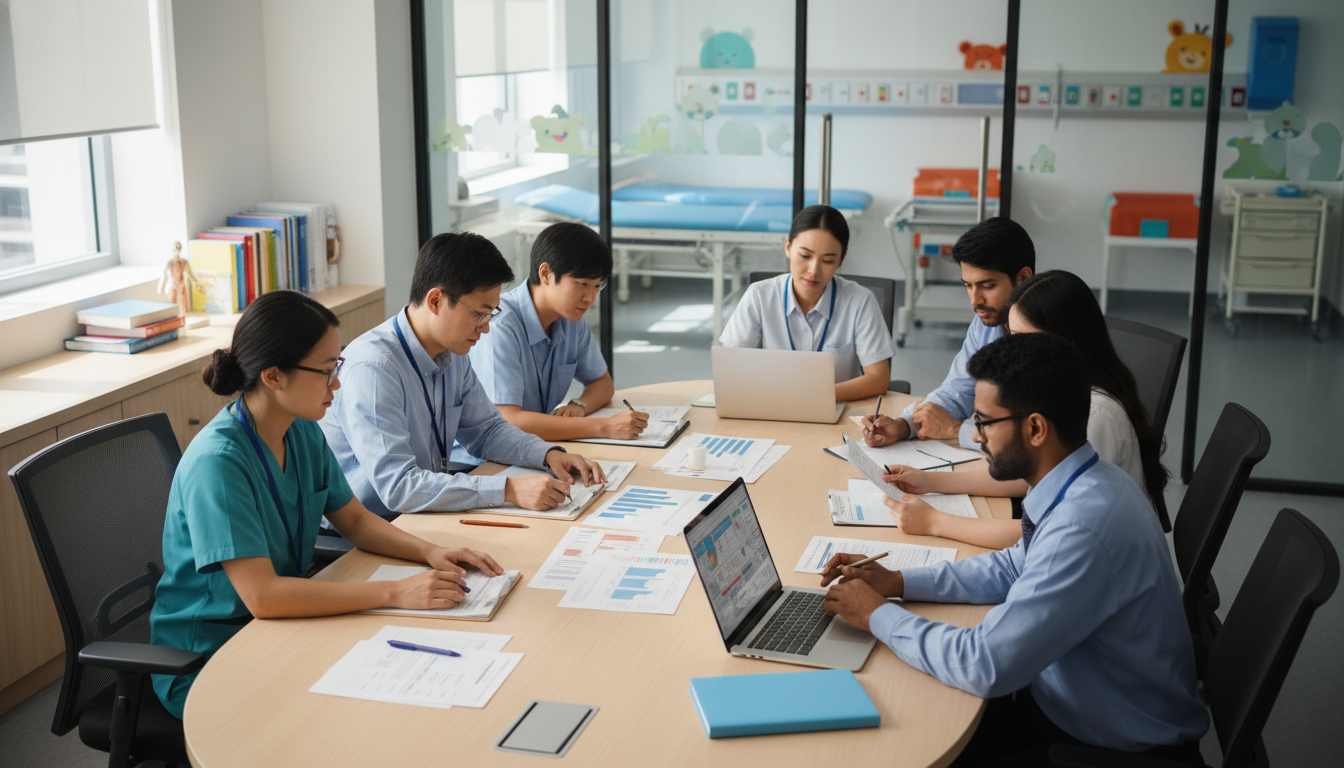
- Collaborate in teams: share data collection, reading, and writing tasks
Discuss expectations early with your mentor so clinical duties remain your priority but do not completely overshadow your academic development.
4. Do I need “big-name” publications or is any journal acceptable?
High-impact journals are great but not mandatory, especially at the resident level. What matters more is:
- Completing projects and seeing them through to publication
- Choosing journals that are appropriate for your study design and topic
- Building a pattern of consistent, credible scholarship
For nuclear medicine residents, publications in reputable specialty journals (e.g., Journal of Nuclear Medicine, Clinical Nuclear Medicine, EJNMMI, Nuclear Medicine Communications) are entirely appropriate and often more realistic than top-tier general journals.
By thoughtfully integrating research during residency into your training, you can turn a potential perceived disadvantage—being a Caribbean IMG—into a powerful narrative of resilience, curiosity, and academic contribution in the rapidly evolving field of nuclear medicine.