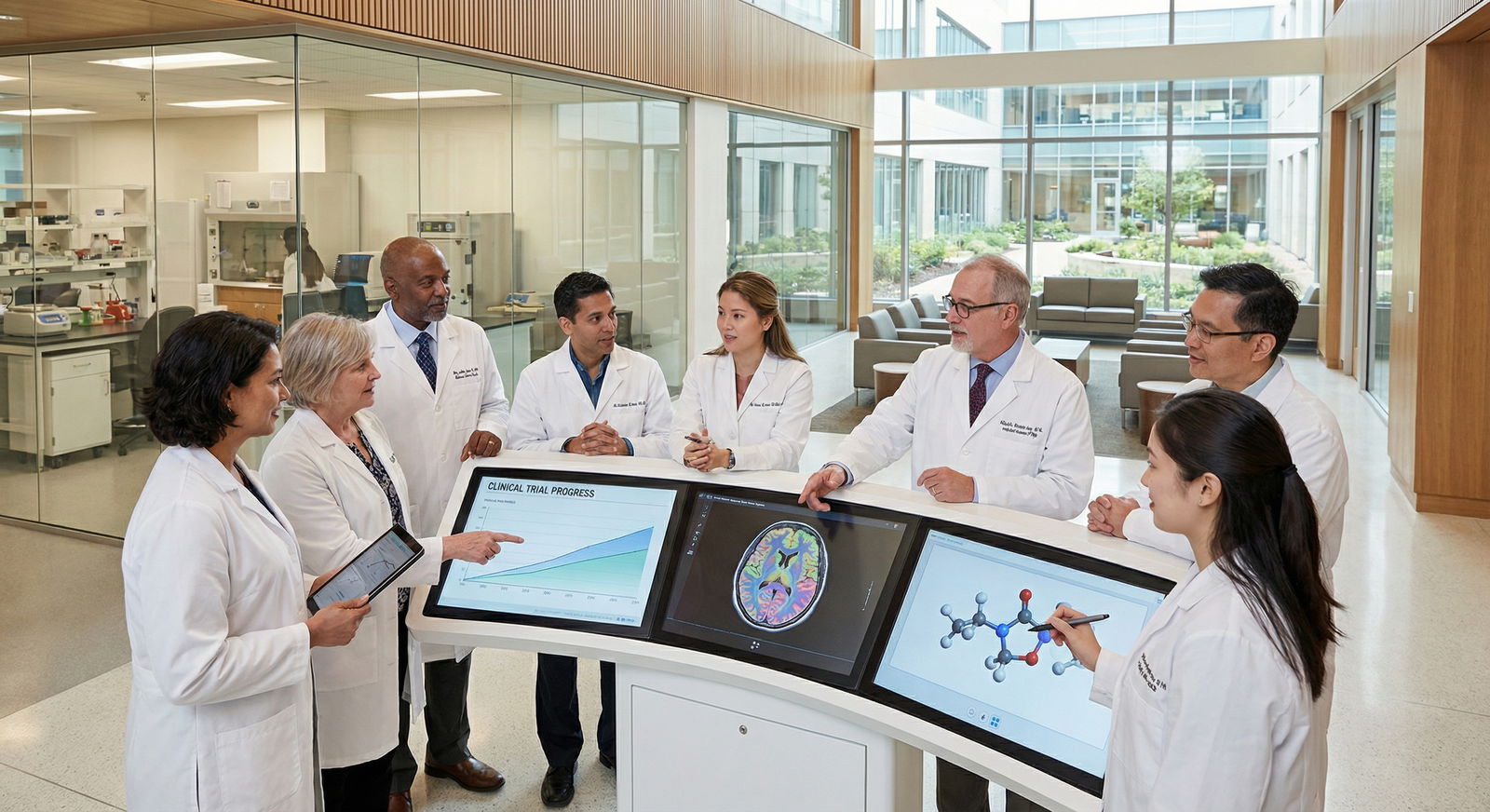
The Power of Research: How It Shapes Modern Medicine
Medicine today looks radically different from what it did even 30 years ago—and research is the reason why. From targeted cancer therapies to telehealth, from vaccine development to public health strategies, nearly every advance in Modern Medicine rests on systematic investigation and rigorous data.
For premeds, medical students, and residents, understanding how research drives change is not just academic. It shapes how you will diagnose disease, choose treatments, counsel patients, and advocate for communities. Research is the engine behind Evidence-Based Practice, the foundation of Clinical Trials, the driver of Public Health policy, and a core pillar of Medical Education.
This article explores how research fuels modern healthcare, how landmark studies changed everyday practice, and how you—as a future or current physician—can engage meaningfully with the research ecosystem.
The Foundation of Modern Medicine: Evidence-Based Practice
What Is Evidence-Based Medicine—and Why It Matters
Evidence-Based Medicine (EBM) is the disciplined integration of:
- The best available research evidence
- Clinical expertise
- Patient values and preferences
This triad is crucial. High-quality randomized controlled trials (RCTs) and meta-analyses alone are not enough; clinicians must interpret the data in context and apply it to individual patients with differing comorbidities, social backgrounds, and goals of care.
Key benefits of EBM in Modern Medicine:
- Standardized care with proven benefit: Reduces variation in practice and helps avoid outdated or harmful interventions.
- Transparent decision-making: Shared decision-making becomes easier when recommendations are grounded in clearly explained evidence.
- Efficient resource use: Public Health systems increasingly demand cost-effective interventions supported by robust data.
Organizations such as the Cochrane Collaboration synthesize the ever-growing body of medical literature into systematic reviews and meta-analyses, helping clinicians quickly access and apply high-quality evidence. These resources are foundational tools for EBM and are widely used in guidelines, residency teaching, and board exam preparation.
Levels of Evidence and Critical Appraisal
For learners, one of the most important research skills is recognizing the hierarchy of evidence:
- Systematic reviews and meta-analyses of RCTs
- Randomized controlled trials
- Cohort and case-control studies
- Cross-sectional studies
- Case series and case reports
- Expert opinion and basic science evidence
Modern Medical Education increasingly emphasizes critical appraisal—not just reading abstracts, but assessing:
- Study design and randomization
- Sample size and statistical power
- Bias and confounding
- Generalizability to real-world patients
These skills empower clinicians to distinguish between robust evidence and overhyped findings.
Clinical Trials: The Engine of Therapeutic Innovation
Clinical trials are the backbone of research that directly informs patient care. They transform basic science discoveries into clinically applicable interventions.
The standard phases of Clinical Trials include:
- Phase I – Safety, tolerability, and dosing in a small group of healthy volunteers or patients
- Phase II – Preliminary efficacy and side-effect profile in a larger patient group
- Phase III – Large-scale comparison with standard of care or placebo; forms the basis for regulatory approval
- Phase IV – Post-marketing surveillance to detect long-term or rare adverse effects in the general population
The rapid development and rigorous evaluation of COVID-19 vaccines showcased the power and necessity of well-run trials. Despite accelerated timelines, these vaccines underwent full Phase I–III evaluation, demonstrating that speed and scientific rigor can coexist when research infrastructure, global collaboration, and funding are aligned.
Landmark Research Studies That Reshaped Practice
Several pivotal studies have permanently changed Modern Medicine:
Framingham Heart Study: Begun in 1948, this long-term cohort study identified major cardiovascular risk factors—hypertension, hyperlipidemia, smoking, diabetes, and obesity. Its findings shifted cardiovascular care from reactive treatment of events to proactive risk reduction and prevention.
Women’s Health Initiative (WHI): This large set of clinical trials and observational studies reshaped recommendations around hormone replacement therapy, cardiovascular risk, and bone health in postmenopausal women.
ALLHAT Trial: Compared different antihypertensive regimens and influenced guideline recommendations for first-line blood pressure medications, especially thiazide diuretics in certain populations.
These and other landmark studies are now woven into guidelines, board exams, and everyday clinical decisions. For trainees, learning not just what they showed but how they were designed builds a strong foundation in research literacy.

Transforming Treatment Protocols: From Bench to Bedside
Personalized and Precision Medicine Through Genomics
Genomic research has transformed Modern Medicine from a one-size-fits-all model to increasingly precision-based care. By analyzing a patient’s genetic profile, clinicians can predict disease risk, choose targeted therapies, and avoid ineffective or harmful drugs.
Examples:
EGFR mutations in non–small cell lung cancer (NSCLC): Targeted tyrosine kinase inhibitors (e.g., erlotinib, osimertinib) provide significantly improved outcomes compared to traditional chemotherapy in mutation-positive patients. Without genomic testing, these high-yield therapies might never reach the right patients.
HER2-positive breast cancer: Trastuzumab and subsequent HER2-targeted therapies have dramatically improved survival and recurrence rates.
Pharmacogenomics: Variants in genes such as CYP2C19 and CYP2D6 affect metabolism of common drugs (e.g., clopidogrel, certain antidepressants). Emerging guidelines help tailor dosing or drug selection to minimize adverse effects and optimize efficacy.
For learners, familiarity with genomic concepts is no longer optional. Medical Education increasingly includes coursework and clinical exposure to genetic counseling, tumor boards, and molecular pathology.
Development of Novel Therapeutics: Biologics and Beyond
Research has enabled an explosion of new therapeutic classes:
Monoclonal antibodies (mAbs): Engineered to bind specific antigens, they revolutionized treatment of lymphoma, autoimmune diseases, and some solid tumors.
- Example: Rituximab targets CD20 on B cells, treating non-Hodgkin lymphoma and autoimmune conditions such as rheumatoid arthritis and certain vasculitides.
Immune checkpoint inhibitors: Drugs targeting PD-1, PD-L1, and CTLA-4 have dramatically changed the prognosis for several advanced cancers, from melanoma to lung cancer. Their development depended on decades of immunology research and methodical Clinical Trials.
Gene and cell therapies: Treatments like CAR-T cell therapy for hematologic malignancies or gene replacement therapy for spinal muscular atrophy illustrate how basic science can translate into transformative clinical interventions.
Each new class of therapy is accompanied by carefully designed trials that not only establish efficacy but also refine indications, dosing, safety monitoring, and long-term risk–benefit profiles.
Technology, Data, and the Digital Transformation of Care
The integration of technology into Modern Medicine is itself a product of research:
Telemedicine and virtual care: Trials and implementation studies have shown that telehealth can produce outcomes comparable to in-person care for many chronic diseases, while improving access and patient satisfaction.
Wearables and remote monitoring: Devices that track heart rhythm, blood pressure, glucose, or physical activity enable real-time data collection and earlier interventions. For example:
- Continuous glucose monitoring (CGM) systems are now standard in intensive diabetes management.
- Wearable ECG devices can detect atrial fibrillation and other arrhythmias, triggering timely evaluation.
Artificial intelligence (AI) and machine learning: Algorithms trained on vast datasets assist in:
- Radiology (e.g., detecting pulmonary nodules or intracranial hemorrhage)
- Pathology (e.g., grading tumors)
- Risk prediction (e.g., sepsis alerts, readmission risk)
However, these tools require rigorous validation studies to ensure safety, reduce bias, and confirm real-world generalizability.
How Research Shapes Public Health and Health Policy
Epidemiological Research: From Data to Policy
Epidemiology examines disease distribution and determinants in populations, forming the evidence base of Public Health.
Research has directly informed critical policy changes:
- Smoking and lung cancer: Decades of case-control and cohort studies linked tobacco use to lung cancer, cardiovascular disease, and COPD. These data justified:
- Tobacco taxation and advertisement restrictions
- Smoke-free indoor air laws
- Graphic warning labels and public education campaigns
The result: significant declines in smoking prevalence and smoking-related mortality in many countries.
Vaccination programs: Surveillance studies and Clinical Trials have guided vaccine schedules, outbreak responses, and strategies to control diseases like measles, polio, and HPV-associated cancers.
Injury prevention and environmental health: Research has led to policies on seatbelt use, helmet laws, lead removal, air pollution control, and more.
For trainees considering careers in Public Health, dual-degree programs (e.g., MD/MPH) and summer research opportunities in epidemiology provide early exposure to population-level impact.
Health Disparities and Equity-Focused Research
Research has been crucial in documenting and addressing health inequities:
Studies have shown higher breast cancer mortality in African American women despite similar or lower incidence compared to white women. Contributing factors include later-stage diagnosis, differential access to high-quality care, and social determinants of health.
Projects funded by the NIH and other agencies now specifically focus on:
- Structural racism and health
- Rural–urban disparities
- LGBTQ+ health outcomes
- Disparities in maternal morbidity and mortality
These data drive targeted interventions: community outreach programs, screening initiatives in underserved neighborhoods, culturally tailored education, and policy changes such as Medicaid expansion or funding for safety-net hospitals.
For medical students and residents, involvement in disparities research can shape careers in advocacy, academic medicine, or health systems leadership.
Research in Medical Education: Training the Next Generation
Integrating Research into the Medical Curriculum
Modern Medical Education recognizes that every future physician must be able to interpret and apply research, even if they do not become a principal investigator.
Curricular strategies include:
- Dedicated EBM courses: Teaching literature search, study design, biostatistics, and critical appraisal.
- Journal clubs: Regular sessions where students and residents present and critique current Clinical Trials or systematic reviews.
- Research methodology rotations or electives: Exposure to study design, IRB processes, data collection, and analysis.
These elements prepare learners not just to pass exams, but to practice lifelong learning in an ever-evolving field.
Mentorship, Scholarly Projects, and Early Engagement
Mentorship is one of the strongest predictors of successful research involvement:
- Formal programs: Summer research experiences, NIH-funded fellowships, and institutional research tracks provide structured opportunities to join ongoing projects.
- Longitudinal mentorship: Working with a faculty mentor across multiple years allows deeper engagement—from hypothesis generation to data analysis and publication.
For residency applicants, demonstrated research productivity—posters, abstracts, or publications—can strengthen applications, especially in competitive specialties (e.g., dermatology, radiology, oncology, orthopedic surgery).
Practical tips for students:
- Start early (MS1 or MS2 if possible).
- Choose mentors who are active, accessible, and invested in teaching.
- Align projects with your clinical interests when you can—but any rigorous research experience is valuable.
Publishing and Peer Review: Advancing the Field
Publishing closes the loop in the research cycle:
- Peer-reviewed journals subject manuscripts to methodological and statistical scrutiny, which helps maintain standards.
- High-impact publications, such as clinical guidelines in journals like The New England Journal of Medicine or JAMA, often redefine standard care. For instance:
- Cholesterol and hypertension guidelines derived from major trials shape how millions of patients are treated worldwide.
For trainees, involvement in writing case reports, review articles, or original research:
- Sharpens scientific writing skills
- Deepens topic-specific knowledge
- Demonstrates commitment to academic medicine
Understanding how peer review works—and its limitations—also helps clinicians critically interpret published literature.
Real-World Case Studies: Research in Action
Diabetes Management: Lessons from Landmark Trials
The Diabetes Control and Complications Trial (DCCT) and its follow-up EDIC study transformed Type 1 diabetes care:
- Showed that intensive glycemic control significantly reduces microvascular complications (retinopathy, nephropathy, neuropathy).
- Influenced guideline recommendations for tighter A1c targets and more frequent monitoring.
Subsequent trials in Type 2 diabetes further refined our understanding, highlighting that:
- Glycemic control is vital for microvascular outcomes.
- For macrovascular outcomes (MI, stroke), multifactorial risk reduction—blood pressure, lipids, smoking cessation—is equally crucial.
These findings underpin the modern, comprehensive management approach taught in Medical Education and implemented in clinics worldwide.
Mental Health: Evidence-Based Approaches to Complex Conditions
Mental health research has led to more structured and effective care pathways:
The STAR*D trial systematically evaluated different treatment strategies for major depressive disorder after initial SSRI therapy. Its findings:
- Validated multiple “next-step” options (switching agents vs augmentation).
- Highlighted the real-world complexity of treating depression, with partial responses and relapses common.
Research in cognitive behavioral therapy (CBT) and other psychotherapies established their efficacy across conditions such as anxiety disorders, PTSD, and OCD.
These studies shifted practice from trial-and-error prescribing to algorithm-based, evidence-informed mental health care, increasingly integrated into primary care and collaborative care models.
Cardiovascular Health and Stroke: Targeted Interventions
The REGARDS study (Reasons for Geographic and Racial Differences in Stroke) examined stroke risk factors in a large cohort of Black and white Americans across different regions:
- Documented higher stroke incidence and mortality in the “Stroke Belt” (southeastern U.S.) and among African American participants.
- Clarified roles of hypertension, diabetes, obesity, and socioeconomic factors in stroke disparities.
This research influenced:
- National stroke prevention campaigns
- Targeted hypertension control programs
- Increased screening and education efforts in high-risk communities
For trainees, REGARDS illustrates how large-scale observational research can inform both clinical care and Public Health strategy.

Challenges and Future Directions in Medical Research
Funding, Infrastructure, and Access
Despite its importance, research faces significant obstacles:
- Funding constraints: Competition for grants is intense, particularly for early-career investigators. Shifts in government budgets and industry priorities can create gaps in critical areas such as rare diseases or health disparities.
- Infrastructure needs: Robust research requires biostatistical support, data management, regulatory expertise, and ethical oversight—all resource-intensive.
For aspiring clinician-investigators, understanding funding mechanisms (NIH grants, foundation awards, industry partnerships) is increasingly important.
Balancing Research with Clinical Responsibilities
Clinicians who pursue research careers must navigate:
- Time pressures from clinical duties and call schedules
- Institutional productivity metrics that prioritize relative value units (RVUs)
- Burnout risks without adequate support
Emerging models—such as protected research time, clinician–scientist tracks, and team-based science—aim to make research careers more sustainable.
The Future: AI, Big Data, and Global Collaboration
Several trends will shape the next era of Modern Medicine:
AI and big data analytics: Machine learning applied to electronic health records, imaging, genomics, and wearable data can uncover patterns not visible to human analysis alone. However, validation, transparency, and ethical considerations are paramount.
Global research networks: Multinational trials and data-sharing platforms accelerate discovery, improve generalizability, and foster more inclusive science.
Implementation science: As evidence grows, a major challenge is not discovering what works, but ensuring it is implemented effectively in real-world settings, including low-resource environments.
For students and residents, these developments create new career paths at the intersection of clinical care, data science, and Public Health.
FAQs: Research and Modern Medicine
Q1: Why is research considered essential in Modern Medicine?
Research generates the evidence that underpins clinical decisions, from choosing antihypertensive regimens to designing cancer treatment algorithms. It also drives innovations like genomic testing, telemedicine, and AI-assisted diagnostics. Without ongoing research, Medicine would stagnate, and patient care would rely on tradition and anecdote rather than data.
Q2: How does research directly impact everyday patient care?
Research informs clinical guidelines, drug approvals, and standard protocols. For example, Clinical Trials determine dosing and safety for new medications, while epidemiological studies guide screening recommendations (e.g., colonoscopy intervals). As a clinician, nearly every prescription you write and test you order is influenced by prior research.
Q3: Do I need to conduct research to be a good doctor, or is understanding it enough?
Not every physician must be a principal investigator, but every physician must be research-literate. You should be able to:
- Interpret major Clinical Trials
- Critically evaluate new studies and media claims
- Apply Evidence-Based Practice to patient care
Active research experience, however, can enhance critical thinking, improve residency applications, and open doors to academic and leadership roles.
Q4: How can premeds and medical students get involved in research?
Options include:
- Joining a faculty member’s ongoing lab or clinical project
- Applying for summer research programs (e.g., NIH, institutional scholarships)
- Participating in quality improvement (QI) projects with a research component
- Working on case reports or literature reviews with mentors
Start by identifying your interests, then reach out to potential mentors with a concise, professional email and a CV.
Q5: What is the difference between Clinical Trials and Public Health research?
Clinical Trials typically test interventions (drugs, devices, procedures) in defined patient groups under controlled conditions. Public Health research focuses on populations—studying disease patterns, risk factors, and interventions at the community or policy level. Both contribute to Modern Medicine but operate at different scales: one at the bedside, the other at the population level.
Research is not a distant academic exercise—it is the foundation of how modern clinicians diagnose, treat, and prevent disease. For students and residents, engaging with research and Evidence-Based Practice equips you to navigate a rapidly evolving landscape, advocate for your patients, and contribute to the next generation of medical advances.