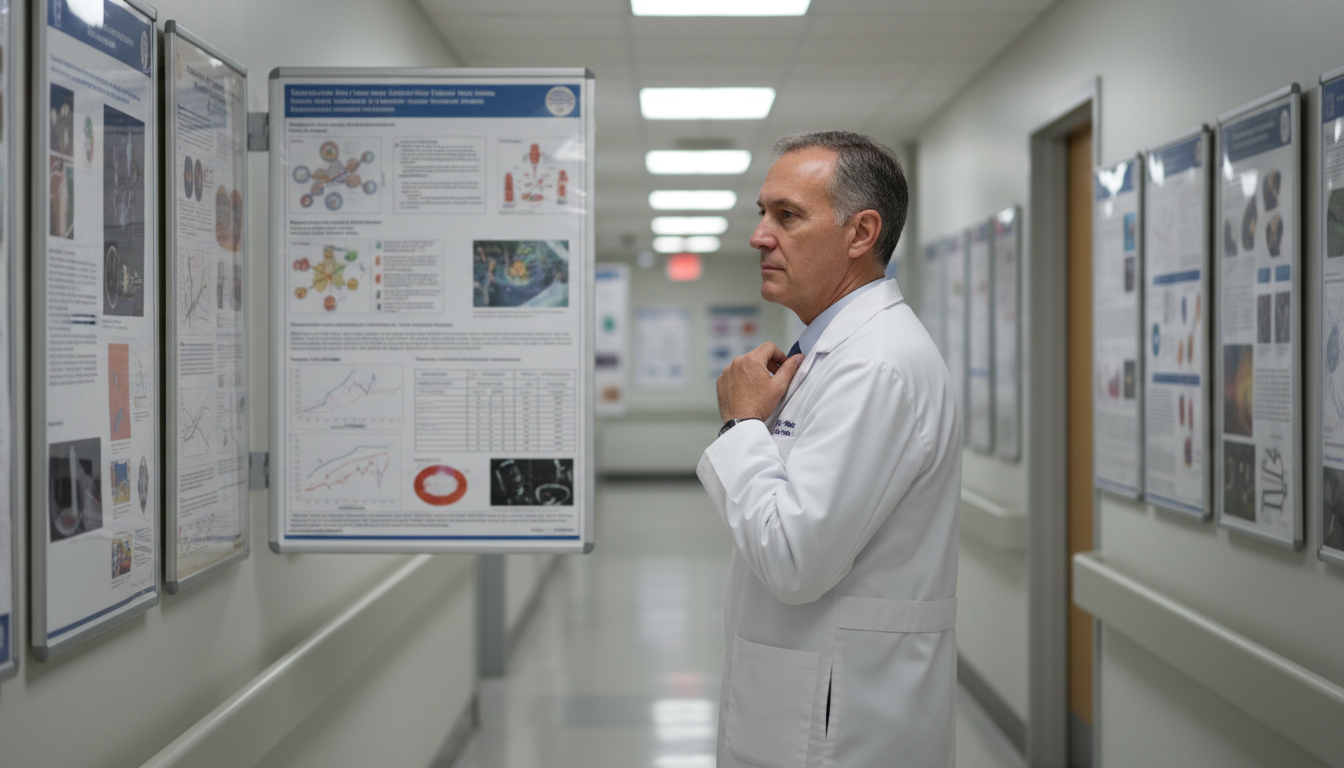
As a DO graduate entering pathology, you’re stepping into a specialty where research can tangibly shape diagnostic standards, lab operations, and patient outcomes. “Research during residency” isn’t just for people planning MD/PhD careers; it can be a strategic asset for a DO graduate aiming to stand out in the pathology match, build subspecialty expertise, or pursue an academic residency track.
This guide breaks down how to approach research during residency as a DO pathology resident—from understanding expectations to building projects that are realistic, productive, and aligned with your career goals.
Understanding the Role of Research in Pathology Residency
Pathology is inherently data‑driven. Every frozen section, molecular test, and quality-improvement metric is an opportunity for scholarly work. For a DO graduate, embracing research during residency can:
- Demonstrate commitment to academic medicine and evidence-based practice
- Help overcome lingering bias in competitive pathology programs or fellowships
- Strengthen your CV for subspecialty fellowships (e.g., hematopathology, cytopathology, molecular, forensic)
- Build skills in statistics, study design, and critical appraisal
- Open doors to leadership roles and faculty positions later
A DO Perspective: Why It Especially Matters
Although DO graduates have increasingly strong representation in pathology residency and subspecialty fellowships, you may still encounter programs or mentors that ask implicitly or explicitly: “Can this DO graduate succeed in an academic environment?”
Actively engaging in research during residency can answer that question with tangible evidence:
- Peer‑reviewed publications
- Posters and oral presentations at pathology conferences
- Participation in resident research projects and quality initiatives
- Leading or co-leading scholarly work in your department
This doesn’t mean you need an R01 grant by PGY‑4, but it does mean you should have a deliberate, realistic plan for scholarly activities.
Types of Research Opportunities in Pathology Residency
Pathology is rich with research opportunities that vary in complexity and time commitment. As a DO pathology resident, you can tailor your activities to your schedule, institution, and long‑term goals.
1. Case Reports and Case Series
Best for: PGY‑1 and PGY‑2 residents or DO graduates new to research.
- What they are: Detailed description of one (case report) or a small group (case series) of unusual, instructive, or novel cases.
- Why they work well:
- Shorter timeline
- Good introduction to literature review and manuscript submission
- Build early authorship experience
Examples:
- An unusual immunohistochemical profile of a rare soft tissue tumor
- A case showing unexpected molecular alteration with therapeutic implications
- Challenging autopsy cases with significant educational value
Action tip: On surgical pathology rotations, ask attendings:
“Are there any recent cases that might be good candidates for a case report or case series? I’d like to be involved.”
2. Retrospective Chart and Slide Reviews
Best for: Residents comfortable with data handling and literature appraisal.
- What they are: Review of existing patient records, lab data, and slides to answer a focused question.
- Typical topics in pathology:
- Correlating specific immunostains with clinical outcomes
- Evaluating diagnostic criteria or classification changes (e.g., WHO/ICC updates)
- Assessing concordance between cytology and histology
Examples:
- “Clinical and histopathologic features of gastric biopsies with H. pylori in our institution over 10 years”
- “Utility of a new IHC panel in differentiating primary lung adenocarcinoma from metastasis”
Why ideal for residents:
- Uses existing data—no patient recruitment
- Often minimal additional resources besides time and mentorship
- Can result in solid publications if well designed
3. Quality Improvement (QI) and Operational Projects
Best for: Residents interested in lab management or future directorship roles.
QI and operational projects can qualify as research if they’re systematic and intended to produce generalizable knowledge.
Examples:
- Reducing turnaround time for frozen sections or STAT CBC reporting
- Evaluating an algorithm for reflexive immunohistochemical staining
- Implementing digital pathology for intra‑departmental consultation
These projects are particularly valuable for:
- Residents on an academic residency track
- DO graduates who want experience that appeals to community and hospital systems
- Residents who may not have strong basic science infrastructure but have good clinical labs
4. Basic Science and Translational Research
Best for: Residents with prior bench research experience or strong interest in academic careers.
You might work on:
- Molecular characterization of tumor subtypes
- Biomarker discovery or validation
- Tissue microarray-based studies
- Genomics or proteomics projects
Considerations for DO graduates:
- Time and resource intensive; best done at academic centers with existing labs
- Often require protected research time or a dedicated research track
- High impact for those targeting research-heavy fellowships or faculty roles
5. Educational and Informatics Research
Pathology intersects heavily with informatics and medical education.
Possible projects:
- Studying the impact of digital slide sets on medical student learning
- Developing an algorithm to flag discrepant diagnoses between frozen and permanent sections
- Evaluating a new resident sign-out structure on diagnostic error rates
These can be especially appealing if you’re considering:
- A career in pathology education
- An informatics fellowship
- Long‑term faculty positions involved in curriculum or systems design

How to Start Research During Residency as a DO Pathology Resident
Starting is the hardest part. Having a structured approach saves time and prevents frustration.
Step 1: Clarify Your Goals Early
Before you say yes to any project, be clear about your primary objectives:
Academic career or academic residency track?
Aim for multi-step projects, potentially multi-year, with publication goals.Community practice with some scholarly activity?
Focus on achievable case reports, QI projects, and a couple of retrospective studies.Subspecialty fellowship in a competitive field?
Target projects directly related to your intended subspecialty (e.g., hematopathology, molecular pathology, dermpath).
Write down your top two priorities. Every potential project should support at least one.
Step 2: Identify Research-Friendly Mentors
Your mentor choice will often matter more than the specific project.
Look for:
- Faculty who regularly publish or present at conferences
- Attending pathologists known to work well with residents
- Program leadership supportive of DO graduates engaging in scholarship
- Fellows in subspecialties you’re interested in (they can be co-mentors and day‑to‑day guides)
How to approach:
- Send a short, professional email:
- Introduce yourself as a DO pathology resident
- Mention your interests (e.g., GI, heme, molecular)
- Express your desire to contribute to resident research projects
- Ask to meet briefly to discuss potential opportunities
Bring an updated CV so they see your background, including osteopathic school, prior projects, or any pathology match‑related experiences.
Step 3: Match Project Scope to Your Time
A major reason resident research fails is misaligned expectations.
Ask explicitly:
- “What’s the realistic timeline for this project?”
- “What portion would be my responsibility?”
- “What’s the planned endpoint—abstract, poster, manuscript, or all three?”
- “How many hours per week do you expect I’d need to commit?”
For your first substantial project, aim for something you can move meaningfully forward within 6–12 months.
Step 4: Learn the Basics of Study Design and IRB
Even if you’re primarily working with pre-existing data and slides, you must understand:
IRB (Institutional Review Board) requirements
- Case reports may or may not need IRB, depending on your institution.
- Retrospective chart reviews almost always require at least expedited review or exemption.
Key design principles:
- Clearly defined research question
- Inclusion and exclusion criteria
- Data collection tool (e.g., REDCap or spreadsheet)
- Primary and secondary outcomes
- Basic statistics plan
Many residency programs provide a short research curriculum or workshops—take advantage of these early.
Step 5: Protect Time and Build Research into Your Schedule
Your clinical duties come first, but research won’t happen without deliberate time management.
Strategies:
- Block 1–2 hours on certain days as “research time” and defend it (when rotations allow)
- Use lighter rotations (autopsy, cytology, informatics, electives) to push projects forward
- Ask if your program offers “research time” weeks or elective blocks
- Keep a simple weekly progress tracker (e.g., 3 concrete tasks to complete each week)
If you’re on an academic residency track, ensure your dedicated research months are planned ahead, with projects ready to execute when that protected time begins.
Building a Strong Research Portfolio as a DO Pathology Resident
You don’t need dozens of publications. You need a coherent body of work that tells a story about who you are as a future pathologist.
Aim for a Balanced Mix of Outputs
By the end of residency, a competitive DO pathology resident might have:
- 2–4 peer‑reviewed publications (including case reports, small series, or retrospective studies)
- 3–6 abstracts/posters at regional or national pathology meetings
- At least one project where you played a major role (first or second author)
- Evidence of longitudinal involvement in one or two related topics or subspecialties
This trajectory is especially helpful if you’re pursuing a pathology fellowship or an academic post‑residency position.
Align Research with Your Future Plans
If you’re interested in:
Hematopathology:
Study lymphomas, leukemias, bone marrow pathology, molecular correlations, minimal residual disease.Cytopathology:
Projects on cytology–histology correlation, diagnostic criteria, false-negative analysis.Molecular or Genomic Pathology:
Investigate next-generation sequencing panels, actionable mutations, bioinformatics approaches.Forensic Pathology:
Emphasize autopsy-based projects, manner-of-death patterns, toxicology correlations.
For a DO graduate who may have had limited exposure during medical school, these projects help demonstrate focused commitment to the field and specific niches within pathology.
Leverage Conferences Strategically
Presenting at regional and national meetings is one of the most efficient ways to:
- Build networking connections
- Discover resident research projects at other institutions
- Meet fellowship directors and potential future colleagues
Look for meetings by:
- USCAP
- CAP (College of American Pathologists)
- ASCP
- Subspecialty groups (e.g., hematopathology, cytopathology, neuropathology)
Action tip: Set a goal to submit at least one abstract per year of residency, ideally more in PGY‑3/4 as you gain momentum.
Document and Communicate Your Work
Keep an updated record of all scholarly activities:
- Publications (accepted, in press, published)
- Abstracts and posters
- Oral presentations
- QI initiatives (with your role clearly defined)
- Awards or recognition
This dossier will be crucial when:
- Applying for pathology fellowships
- Seeking academic positions
- Demonstrating achievements during annual evaluations
Overcoming Common Barriers for DO Graduates in Pathology Research
Being a DO in a historically MD‑dominated academic environment can introduce unique challenges, but they are navigable.
Barrier 1: Limited Prior Research Experience
You might feel behind peers who had extensive research in medical school or before. To catch up:
- Start with case reports and small projects to build skills and confidence
- Seek a mentor who is patient with first‑time researchers
- Use institutional resources—statisticians, research librarians, and methodologists
- Attend any available resident research workshops or online courses (e.g., Coursera biostatistics, research methods)
Barrier 2: Imposter Syndrome and Bias
You may worry that your DO background is judged more critically. Counter this by:
- Producing consistent, high‑quality research or QI work
- Taking initiative: propose ideas instead of waiting passively
- Participating actively in pathology journal clubs and discussions
- Asking for feedback on your writing and analyses
Mentors will often quickly forget degree distinctions when they see your commitment and output.
Barrier 3: Time Constraints
Residency is demanding. To protect your research efforts:
- Avoid over-committing to too many projects at once—prioritize depth over volume
- Work efficiently: standardize your data entry templates, citation management (e.g., Zotero, EndNote, Mendeley)
- Group tasks: dedicate one evening to literature search, another to data cleaning, another to drafting text
If your program has residents who have successfully completed substantial research, ask them how they structured their time.
Barrier 4: Choosing the “Right” Project
There is no single perfect project, but there are mismatched ones. Red flags:
- Vague project with unclear question or endpoint
- Mentor who is chronically unresponsive or overcommitted
- Project requiring heavy lab work with no protected time or support staff
- You are assigned only “data grunt work” with uncertain authorship
Whenever possible, clarify authorship expectations early and ask for a project where you can see the full process—from idea to presentation or publication.

Integrating Research into a Long-Term Career Plan
Research during residency is not an isolated activity; it’s a bridge to your next steps—whether that’s fellowship, academic practice, or leadership roles.
For the Academic Residency and Faculty Track
If you envision yourself on an academic residency track or as future faculty:
- Prioritize continuity: develop a “theme” in your research (e.g., lung tumors, molecular correlations, digital pathology)
- Seek co-authorship on multi‑institutional or larger-scale projects
- Ask mentors what an early-career academic CV looks like in pathology
- Volunteer for teaching roles tied to your research—medical student lectures, resident didactics, journal club leadership
Work toward becoming “the person who knows X” within your department.
For the DO Graduate Interested in Community or Hybrid Practice
Even if you see yourself eventually in a community setting:
- Focus on projects that directly impact lab operations, quality, and diagnostic practice
- Participate in CAP inspection activities or lab management-related projects
- Use research to build skills that are marketable—such as developing or evaluating diagnostic algorithms, implementing new assays, or improving reporting workflows
These experiences can differentiate you as a candidate for positions with leadership potential (e.g., medical directorships).
Research During Residency vs. After Residency
Can you “catch up” on research after residency? Yes, but it’s harder:
- You may have less structured mentorship.
- Clinical or administrative demands may limit available time.
- Fellowship and early job applications heavily consider your residency-era scholarship.
For a DO graduate in pathology, building a research foundation during residency is often the most efficient way to open future doors.
Frequently Asked Questions (FAQ)
1. As a DO graduate, do I need a heavy research background to match into a pathology residency or fellowship?
You can match into pathology residency without extensive prior research, and DO graduates successfully do so every year. However, for more competitive programs and subspecialty fellowships, research can significantly strengthen your profile. During residency, aim to build a small but coherent portfolio of research or QI projects that demonstrate curiosity, follow-through, and interest in your chosen area.
2. How many publications should I aim for during my pathology residency?
There’s no fixed number, and quality matters more than quantity. A commonly achievable target for a motivated resident is 2–4 peer-reviewed publications and several conference abstracts/posters over four years. Case reports, small series, and retrospective institutional studies are all valuable. If you are strongly pursuing an academic track, you may aim a bit higher, but not at the expense of your clinical training.
3. Can quality improvement projects count as research?
Yes—if they are designed systematically and contribute generalizable knowledge. Many QI projects in pathology (e.g., reducing turnaround times, evaluating new testing algorithms, improving synoptic reporting compliance) can be written up as abstracts or manuscripts. Discuss with your mentor and IRB about whether your project qualifies as research and how best to share the results.
4. How can I find research opportunities if my residency program is small or not very research‑oriented?
You still have options:
- Look for motivated faculty who are open to scholarly activity, even if they don’t have active grants.
- Focus on case reports, case series, and retrospective reviews using your institution’s data.
- Collaborate with other departments (oncology, surgery, radiology) for interdisciplinary projects.
- Explore national or regional collaborations through professional societies like CAP, ASCP, or USCAP.
- Use online resources to learn research methods independently and then propose feasible projects.
With deliberate planning, even residents in smaller programs can build meaningful research portfolios that enhance their pathology career trajectory.
By engaging strategically in research during residency, you can transform your DO background from a perceived question mark into a clear asset—demonstrating that you not only practice pathology, but also help advance it.