Why Research During Residency Matters for Caribbean IMGs in PM&R
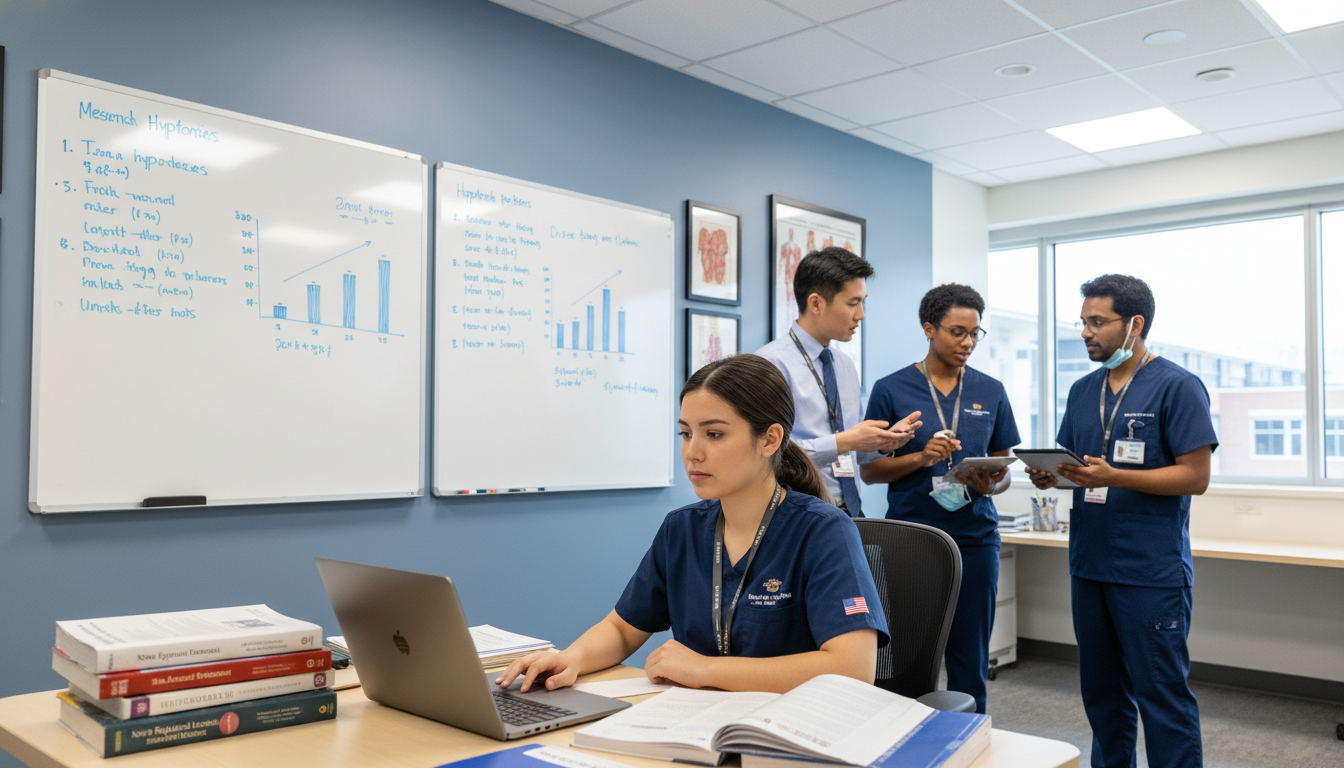
For a Caribbean IMG in Physical Medicine & Rehabilitation (PM&R), residency is not just about learning to manage spasticity, EMGs, and inpatient rehab units. It’s also a strategic window to build a research portfolio that can:
- Strengthen your credibility as a Caribbean medical school graduate
- Differentiate you in competitive fellowships (pain, sports, brain injury, spinal cord injury)
- Set you up for an academic career with protected research time
- Improve your chances if you ever re-apply or transfer programs
Many Caribbean graduates worry that once the Caribbean medical school residency stigma is behind them, research no longer matters. In PM&R, the opposite is often true: your research during residency can be the strongest signal that you’re more than “just another IMG”—you’re an emerging physiatry expert with data-driven thinking.
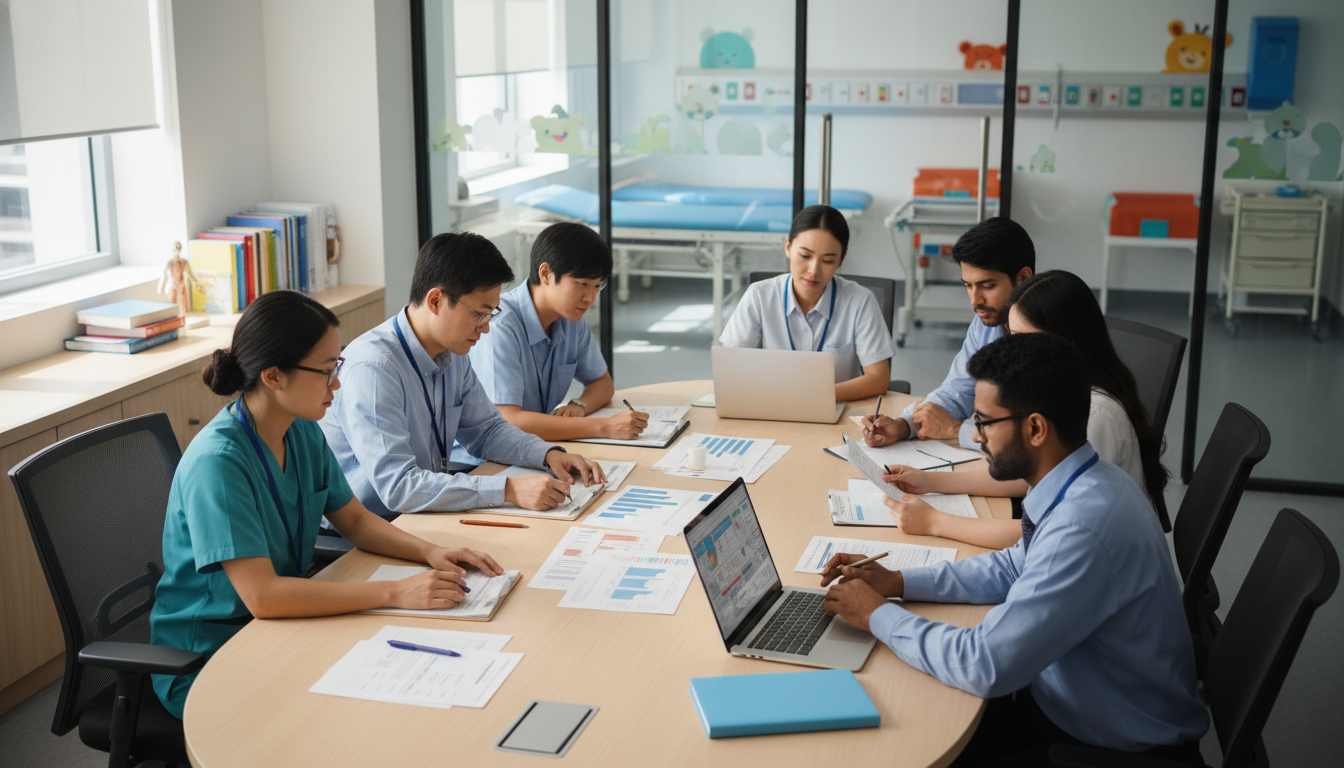
This article walks you step-by-step through how to build, manage, and leverage resident research projects in PM&R, with a focus on Caribbean IMGs and the realities of busy training schedules.
Understanding the PM&R Research Landscape as a Caribbean IMG
How PM&R Research Is Different
Compared to surgery or internal medicine, PM&R (physiatry) research often emphasizes:
- Function and outcomes (FIM scores, 6-minute walk test, pain scales, independence measures)
- Rehabilitation interventions (therapy protocols, bracing, spasticity treatments, injections, neuromodulation)
- Technology and innovation (robotics, exoskeletons, brain-computer interfaces, virtual reality therapy)
- Quality of life and participation (return to work, sports, community integration)
You will see research opportunities in:
- Inpatient rehab units (stroke, TBI, SCI, complex medical rehab)
- Outpatient clinics (MSK, pain, EMG, prosthetics & orthotics)
- Sports and spine programs
- Interdisciplinary rehab (OT, PT, SLP, neuropsychology)
As a Caribbean IMG, you may have already done case reports or small projects to strengthen your SGU residency match or similar Caribbean medical school residency applications. Residency is your chance to build on that foundation with more rigorous, impactful work.
Types of Research You Can Realistically Do During Residency
You do not need an R01 grant or basic science lab. Focus on feasible, resident-friendly projects:
Case Reports and Case Series
- Example: Unique use of botulinum toxin for post-stroke shoulder pain; rare neuromuscular condition seen on EMG.
- Why it works: Low barrier, fast turnaround, good introduction to writing and IRB procedures (if needed).
Retrospective Chart Reviews
- Example: Outcomes of patients with incomplete SCI undergoing exoskeleton-assisted gait training in your unit over 3 years.
- Feasible with existing data; can lead to posters, abstracts, and publications.
Quality Improvement (QI) Projects
- Example: Implementing a standardized bowel program for SCI in your rehab unit and tracking impact on readmission or complication rates.
- Often easier IRB or sometimes exempt; can double as academic residency track or milestones requirements.
Prospective Observational Studies
- Example: Tracking functional outcomes of stroke patients who receive early spasticity management vs. usual care.
- More complex but high-impact; best if you have protected research time or mentorship.
Educational Research
- Example: Evaluating a new ultrasound-guided injection curriculum for residents and fellows.
- Good if you are interested in academic physiatry and teaching.
Systematic or Scoping Reviews
- Example: Review of return-to-sport criteria after ACL reconstruction from a physiatry perspective.
- Ideal if your program’s clinical volume is limited or your call schedule is heavy.

Getting Started: Finding Mentors, Ideas, and a Research Home
Step 1: Identify Research-Friendly Mentors Early
Within the first 3–6 months of PGY-2, intentionally look for mentors who:
- Have active projects or a history of publications
- Are involved in resident research projects or QI
- Present regularly at AAPMR, AAP, or other conferences
- Seem invested in teaching and open to working with IMGs
Places to look:
- Program’s website “Faculty Scholarly Activity” section
- Journal clubs and grand rounds (note who presents)
- Hospital research or GME office lists of active projects
- Rehabilitation-specific centers (SCIU, stroke rehab, TBI units)
As a Caribbean IMG, you may worry that faculty will be less invested in you than in U.S. graduates. Counter that by:
- Coming to the first meeting with a brief CV and list of research interests
- Showing examples of prior work (posters from SGU residency match days, abstracts, or student projects)
- Being prepared with realistic time estimates and deadlines
Statement you can use when approaching a potential mentor:
“I’m very interested in building a research portfolio in PM&R, particularly in [e.g., stroke rehab, pain, or sports]. I’d love to get involved with an ongoing project that I can contribute to meaningfully and see through to presentation or publication. Could we talk about what you have in progress and where I might fit in?”
Step 2: Align Project Scope With Your Real-Life Schedule
Your biggest constraint is time. IMGs often feel they must over-compensate and commit to too many projects, then burn out. Instead:
- Start with one primary project you fully own and maybe a small secondary project.
- Ask directly:
- How many hours per week will this realistically take?
- What is the expected timeline for an abstract or manuscript?
- Who handles IRB, data extraction, and statistical analysis?
If you are in a clinically intense program or have family responsibilities, favor:
- Case reports
- Chart reviews with manageable sample sizes
- QI projects that overlap with your everyday clinical work
Step 3: Leverage Hospital and University Resources
Even community programs often have:
- A research or GME office with support for:
- IRB applications
- Biostatistics consultations
- Abstract and poster templates
- Librarians to help with:
- Literature searches
- Reference management tools (EndNote, Zotero, Mendeley)
- Shared drives or REDCap databases for:
- Secure data storage and basic analytical tools
If you trained at a major Caribbean school like SGU or Ross, mention any prior research exposure or connections to their faculty—these can sometimes be reactivated for collaborative work during residency, especially for multicenter or review projects.
Core Skills for Successful Resident Research in Physiatry
Building a Focused PM&R Research Question
Use a structured approach, such as PICO (Population, Intervention, Comparison, Outcome):
- Population: e.g., post-stroke inpatients, chronic low back pain outpatients, SCI patients
- Intervention: new therapeutic protocol, injection technique, orthotic device, educational module
- Comparison: standard of care vs. new approach, or pre–post comparison
- Outcome: FIM scores, pain scales, independence level, readmission rates, gait parameters
Example PM&R questions:
- “In adults admitted to inpatient rehab after ischemic stroke (P), does early botulinum toxin injection for spasticity (I) compared with usual care (C) improve FIM motor scores at discharge (O)?”
- “Among patients with chronic low back pain in a PM&R clinic (P), does a multidisciplinary pain program (I) vs. standard PT referral (C) lead to better pain and functional outcomes at 3 months (O)?”
Navigating IRB and Regulatory Requirements
For Caribbean IMGs, the IRB process can feel intimidating, especially if your home medical school handled most of it previously. Key points:
Case reports:
- Single case: often exempt or requires simple institutional notification.
- Case series (3–10 patients): may require expedited IRB review, depending on your institution.
Chart reviews and QI projects:
- Many hospitals have streamlined templates for retrospective data projects.
- Clarify with your mentor and IRB whether your project is “research” or “QI” for regulatory purposes.
Practical advice:
- Ask your mentor for a previous successful IRB application to use as a model.
- Attend any GME-sponsored IRB or research workshops.
- Start IRB early; delays here are one of the most common reasons PM&R residents never finish projects.
Basic Data and Statistics You Actually Need
You do not need to become a biostatistician. For typical PM&R resident projects, you’ll mostly use:
- Descriptive statistics: means, medians, standard deviations, proportions
- Simple comparative tests:
- t-tests or Mann–Whitney for continuous variables
- Chi-square or Fisher’s exact test for categorical variables
- Regression for adjusted analyses: with help from a statistician
Concrete steps:
- Meet the statistician early—before you collect data.
- Bring a draft of your research question and proposed outcomes.
- Agree on a simple analytic plan and sample size estimates.
Writing and Dissemination Skills
To get maximum value from your effort, aim for at least one presentation or publication from each major project:
- Abstract → Local or institutional research day
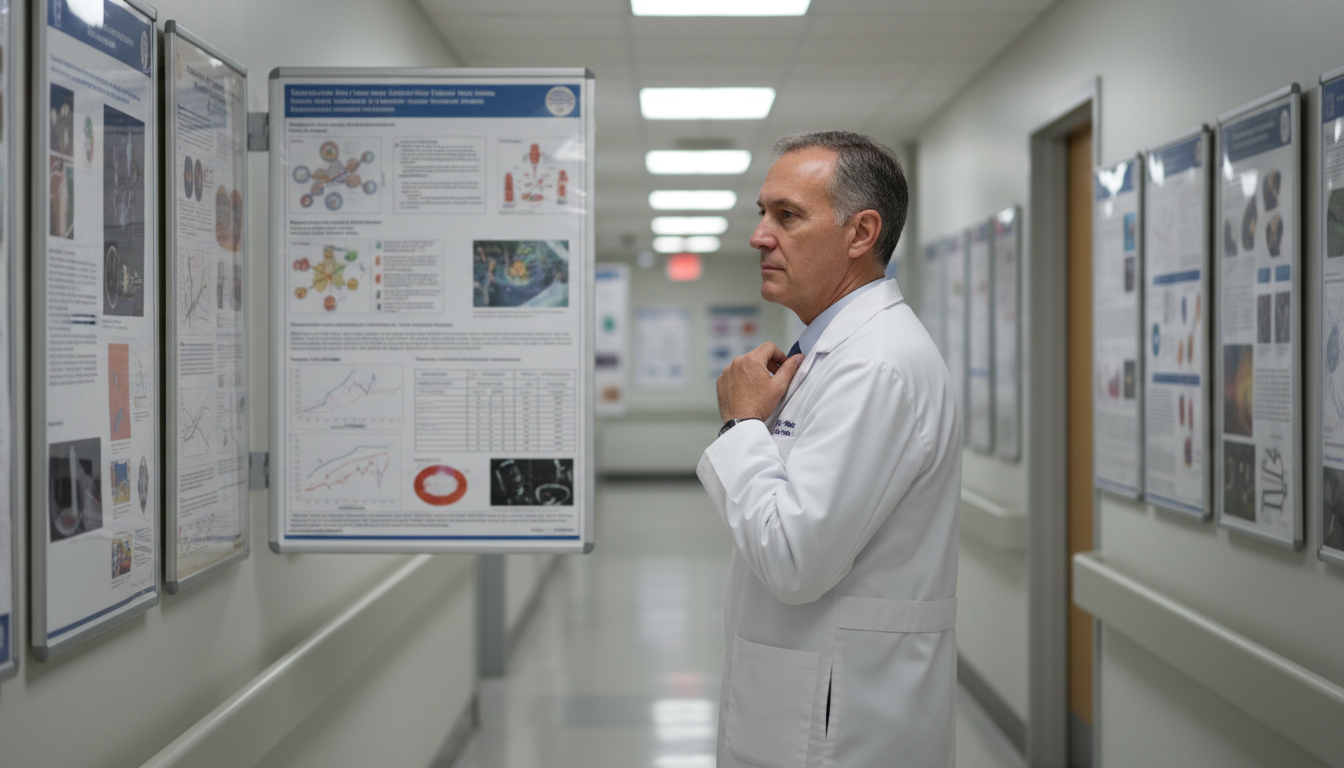
- Poster presentation → AAPMR, AAP, or subspecialty meetings
- Short paper or brief report → PM&R journals or broader rehab journals
For Caribbean IMGs, this scholarly output helps counterbalance any perceived disadvantages in future fellowship or academic residency track applications.
Components to master:
- Structured abstract: Background, Methods, Results, Conclusions
- IMRAD manuscript format: Introduction, Methods, Results, Discussion
- Responding to reviewers’ comments professionally and efficiently
Consider using templates and checklists (e.g., CONSORT, STROBE) when appropriate.
Balancing Research, Clinical Duties, and Exam Prep as a Caribbean IMG
Time Management Principles That Work in Residency
Link research to your rotation
- On stroke rehab: collect data for your stroke outcomes project.
- On SCI: identify cases for case reports or small series.
Protect small, regular time blocks
- 1–2 hours once or twice a week is more realistic than full “research days” you never get.
- Use a shared calendar with your mentor for progress check-ins every 4–6 weeks.
Chunk your progress into micro-goals:
- Week 1–2: finalize research question and literature review.
- Week 3–4: IRB submission.
- Next 4–6 weeks: data collection.
- Next 2–4 weeks: basic analysis and abstract writing.
Use tools efficiently
- Reference managers (Zotero, Mendeley)
- Cloud-based document sharing (OneDrive, Google Docs, institutional drives)
- Project management apps (Trello, Notion, even a simple checklist)
Protecting Your Clinical Performance and Exam Prep
As an IMG, clinical performance and board exam scores still carry weight. Research should enhance, not endanger, your clinical success.
Safeguards:
- Never compromise duty-hour limits or patient care for research.
- During intense rotations (inpatient rehab with heavy census, night float), scale back to only essential research tasks.
- Use research readings to double as board review:
- Reading about stroke rehab outcomes also strengthens your PM&R board knowledge.
- Articles on pain or MSK interventions deepen your clinical decision-making.
Avoiding Common Pitfalls for Caribbean IMGs
Overcommitting to too many projects
- Choose one or two strong, finishable projects instead of 5 half-finished ones.
Lack of clear authorship agreement
- Clarify early who will be first author, co-authors, and what contributions are expected.
- Ask your mentor about your role in writing, revisions, and presentations.
Letting perfection block progress
- A solid retrospective study with clear limitations is better than a “perfect” project that never gets submitted.
Not speaking up about time constraints
- If workload becomes unmanageable, discuss with mentor and program leadership.
- Many programs value well-being and will help re-balance expectations.
Using Research to Shape Your PM&R Career and Overcome IMG Bias
Building Toward an Academic or Subspecialty Path
If you’re considering:
- Pain medicine
- Sports medicine
- Brain injury medicine
- Spinal cord injury medicine
- Pediatric rehab
then research during residency is especially important.
How to align your projects:
- Pain fellowship: neuropathic pain outcomes, interventional procedures, opioid-sparing approaches.
- Sports fellowship: return-to-play criteria, ultrasound-guided procedures, sports-related concussion.
- SCI fellowship: mobility technology, bladder/bowel management outcomes, pressure injury prevention.
- Brain injury fellowship: cognitive rehab outcomes, agitation management, community reintegration.
Showing sustained interest through resident research projects can offset bias about Caribbean medical school residency backgrounds and demonstrate that you are already functioning at an academic level.
Strengthening Your Application for Fellowships
Your research portfolio will matter when applying for fellowships, especially at academic centers. Make sure you can show:
- At least 1–3 completed posters or publications
- A clear thematic focus (e.g., chronic pain, sports injuries, neurorehab)
- Demonstrated ability to:
- See a project through from start to finish
- Present clearly at regional or national conferences
- Work collaboratively with a multidisciplinary team
In fellowship interviews, be prepared to:
- Clearly explain your research question and why it matters clinically
- Summarize your methods and key results in 1–2 minutes
- Reflect on limitations and what you would do differently next time
- Tie your research experience to your future goals in physiatry
Planning for an Academic Career and Protected Research Time
If your long-term goal is a faculty position with protected research time:
- Look for programs with an academic residency track or formal research curriculum.
- Seek longitudinal mentorship from faculty with established research funding.
- Aim for at least one first-author manuscript by the end of residency.
Even if your current program is community-based, you can:
- Collaborate with nearby universities or academic rehab centers.
- Leverage tele-mentoring or virtual collaboration with academic physiatrists you meet at conferences.
- Use systematic reviews or multi-center chart reviews as bridges to larger networks.
FAQs: Research During Residency for Caribbean IMG in PM&R
1. I had minimal research in medical school. Is it too late to start during residency?
No. Residency is a perfectly acceptable starting point, especially in PM&R. Begin with manageable projects like case reports and chart reviews, then build toward more complex studies. Your willingness to learn and follow through matters more than your starting level. As a Caribbean IMG, demonstrating upward trajectory—from little research in medical school to tangible output in residency—can be a powerful narrative.
2. My program isn’t very research-heavy. How can I still build a strong portfolio?
Focus on realistic options:
- Quality improvement projects tied to your inpatient or outpatient work
- Retrospective chart reviews using your own clinic or unit data
- Case reports and small series of interesting neuro, MSK, or pain cases
- Systematic reviews where you collaborate with outside mentors
Attend national meetings (AAPMR, AAP) to network with academic physiatrists who may be open to multi-center projects or mentorship. Use virtual collaboration tools if geography is a limitation.
3. How many publications do I need for competitive fellowships in PM&R?
There is no fixed number, but for more competitive fellowships (pain, sports, top-tier neurorehab):
- Aim for 1–3 meaningful scholarly outputs by the end of residency:
- At least one national-level poster or oral presentation
- Ideally one first-author manuscript or accepted paper
Quality, relevance to your intended subspecialty, and your ability to discuss the work intelligently in interviews matter more than quantity alone.
4. How can I highlight my research during residency on my CV and in interviews?
On your CV:
- Separate sections for:
- “Peer-Reviewed Publications”
- “Conference Presentations and Posters”
- “Quality Improvement and Scholarly Projects”
- List authors in order, with your name emphasized (e.g., bold).
- Include the presentation venue (e.g., AAPMR Annual Assembly).
In interviews:
- Have a 1–2 minute “elevator pitch” for your major project:
- Problem addressed
- Key methods
- Main findings
- Clinical implications in physiatry
- Be ready to discuss your specific contributions (design, data collection, statistics, writing).
By approaching research during residency purposefully, even as a busy Caribbean IMG in PM&R, you can build a scholarly foundation that strengthens your clinical skills, expands your opportunities, and reshapes how program directors, fellowship directors, and future colleagues view your training path.