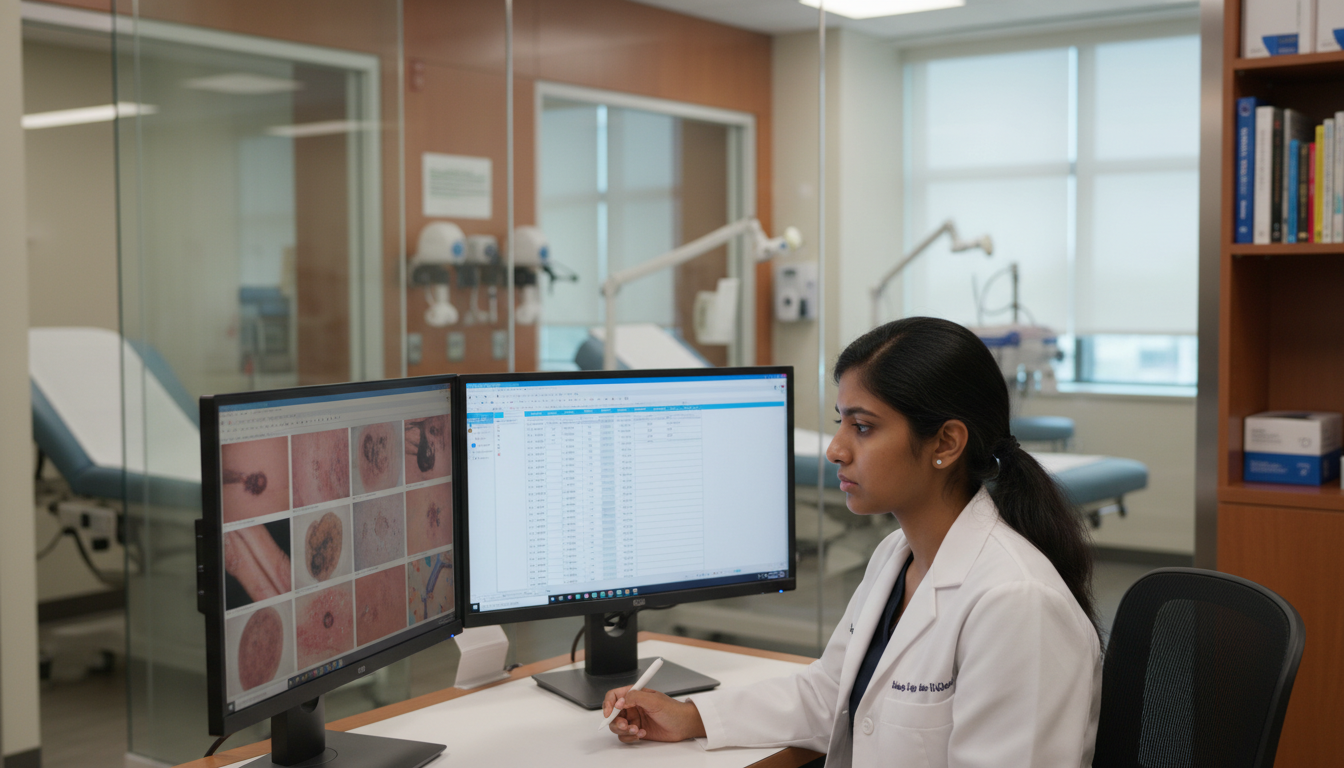
Why Research During Residency Matters in Gastroenterology
Gastroenterology is a highly competitive, research-driven field. Whether you’re aiming for an academic career or a clinically focused path, research during residency can significantly influence your chances in the gastroenterology fellowship match and shape your long-term career.
In GI, research is not just about “checking a box” on your CV. It is:
- A powerful signal of your commitment to the specialty
- A way to develop critical thinking and evidence-based practice
- An opportunity to build mentorship networks that can support you for years
- A key differentiator when fellowship programs evaluate similar applicants
Many program directors in GI openly state that they look for residents who have shown sustained interest in gastroenterology, often demonstrated through resident research projects, quality improvement (QI), and scholarly activity. Understanding how to strategically plan your research during residency is therefore essential.
This guide walks you through how to incorporate research into a busy residency schedule, how to select projects relevant to GI, and how to leverage your work for a successful fellowship application and beyond.
Understanding the Research Landscape in GI During Residency
Before you dive in, it helps to understand the broader ecosystem you’re entering.
Types of Research in Gastroenterology
During residency, you’ll encounter several types of research that are particularly common in GI:
Clinical Research
- Retrospective chart reviews (e.g., outcomes after GI bleed admissions)
- Prospective observational studies (e.g., adherence to colonoscopy prep protocols)
- Clinical trials (pharmacologic or device-based, often in large centers)
Translational / Basic Science Research
- Laboratory-based projects (e.g., inflammatory bowel disease immunology, microbiome)
- Animal models of GI diseases
- Biomarker discovery for liver disease or GI cancers
These can be highly impactful but often require long timeframes and stable lab support; more common for residents in an academic residency track or physician-scientist programs.
Quality Improvement (QI) and Systems-Based Projects
- Increasing appropriate use of proton pump inhibitors (PPIs)
- Improving colorectal cancer screening rates
- Reducing readmissions for decompensated cirrhosis
QI work is often more feasible to complete during residency and is increasingly valued by GI fellowship programs, especially when well-designed and measured rigorously.
Educational Research
- Developing and studying a curriculum on GI bleeding management for residents
- Simulation-based training on paracentesis or endoscopy basics
Especially attractive if you’re interested in an academic career with emphasis on medical education.
Epidemiology and Population Health
- Using national databases to study trends in NAFLD, colorectal cancer, or IBD
- Evaluating disparities in access to colonoscopy or transplant
Each type of project offers different timelines, skill-building opportunities, and feasibility levels during residency. Matching the project to your goals and schedule is crucial.
Where GI Research Fits into Your Residency Timeline
Internal medicine residency is typically three years. For GI fellowship applicants, the application timeline is front-loaded in your PGY-2 year:
PGY-1 (Intern Year)
- Learn the system, build clinical foundations
- Observe what kind of research is happening in your institution
- Begin networking with potential mentors by late PGY-1
- Get involved in small projects or data collection, if possible
Early PGY-2
- This is a key period for resident research projects that will be visible on your fellowship application
- Aim to have at least one project underway, preferably in GI or hepatology
Late PGY-2 / Early PGY-3
- Submit abstracts to national meetings (ACG, AASLD, DDW, AGA, ASGE)
- Convert abstracts into manuscripts
- Request letters of recommendation highlighting your scholarly work
Because the gastroenterology fellowship match happens relatively early in your training, your most impactful research activities should ideally start no later than mid PGY-1.

Finding the Right Mentors, Projects, and Track
Identifying Strong Mentors in GI
A great mentor can make the difference between a stalled project and a published paper. Look for mentors who:
- Have an established track record of publishing and presenting in gastroenterology or hepatology
- Regularly supervise residents or fellows in projects
- Are responsive and reliable in communication
- Have ongoing projects that realistically fit your timeline
Where to find them:
- Division of Gastroenterology conferences and case conferences
- Research or morbidity and mortality (M&M) conferences
- Departmental websites listing faculty bios, interests, and publications
- Fellow recommendations – ask GI fellows who in the division is “resident-friendly”
Practical approach:
Send a concise, targeted email:
- Briefly introduce yourself (PGY level, residency program, interest in GI)
- Mention any prior research experience
- Express specific interests (e.g., IBD, hepatology, GI bleeding, endoscopy)
- Ask to meet for 20–30 minutes to discuss potential projects and career goals
- Attach your CV
Be prepared to follow up once if you don’t hear back in 1–2 weeks; faculty are busy, not necessarily disinterested.
Choosing the Right Project for Your Level and Goals
When selecting a project, consider three axes: alignment, feasibility, and visibility.
Alignment with GI and Your Interests
- Preference for GI-focused topics over completely unrelated areas
- If you have prior experience (e.g., microbiome research), leverage that
Example: If you’re interested in IBD, a retrospective study on steroid use in hospitalized UC patients can be a strong start.
Feasibility During Residency Key constraints:
- Time to IRB approval (often 1–3 months for human subjects)
- Data availability and complexity
- Statistical needs and access to support
- Competing responsibilities (inpatient months, exams, life)
More feasible for residents:
- Case reports and small case series
- Retrospective chart reviews (particularly when data is already structured)
- Secondary analyses using existing databases or ongoing studies
- Well-designed QI projects
Visibility and Impact
- Can the project realistically lead to an abstract or presentation before fellowship applications?
- Is there a clear path to manuscript submission?
Sometimes a smaller but completable project is better than an ambitious multicenter trial that won’t finish before the gastroenterology fellowship match.
Considering an Academic Residency Track
If your program offers an academic residency track or a “research pathway,” it can provide:
- Protected research time (e.g., 3–6 months during PGY-2/3)
- Structured mentorship and scholarly oversight
- Access to biostatisticians and research coordinators
- A peer group doing projects at a similar level
This is particularly beneficial if you are aiming for:
- Physician-scientist roles
- NIH-funded career development pathways
- Tenure-track academic positions
Even if you are not in a formal track, you can still approximate many benefits by planning ahead, requesting elective time strategically, and using institutional resources (e.g., clinical research offices, IRB support teams).
Designing and Executing Resident Research Projects in GI
Step 1: Define a Clear, Answerable Question
Use the PICO framework (Patient, Intervention/Exposure, Comparison, Outcome) when relevant.
Example (GI bleed):
- P: Adults admitted with non-variceal upper GI bleeding
- I: Early endoscopy (<12 hours)
- C: Standard timing (12–24 hours)
- O: In-hospital mortality or length of stay
Or for QI:
- P: Outpatients aged 50–75 in your clinic
- I: EMR-based colorectal cancer screening reminders
- C: Usual care
- O: Screening completion within 6 months
A narrowly defined question prevents mission creep and keeps your project manageable.
Step 2: Choose an Appropriate Study Design
Common designs for residents:
- Case report/series – Fastest to complete; useful for rare GI conditions or unusual presentations (e.g., intestinal TB mimicking Crohn’s).
- Retrospective cohort study – Most common in residency; uses existing charts or databases (e.g., outcomes in cirrhotic patients with SBP).
- Cross-sectional study – E.g., assessing adherence to variceal surveillance guidelines.
- Pre–post QI projects – Measure an outcome before and after implementing an intervention (e.g., a new paracentesis order set).
Discuss with a mentor and, if possible, a statistician at the planning stage.
Step 3: Navigate IRB and Institutional Requirements
Most clinical and QI projects in GI will require at least IRB review, even if they are exempt.
Action steps:
- Ask your mentor for sample IRB submissions and protocols
- Use institutional templates or previous GI studies as a model
- Clarify whether your QI project might qualify for IRB exemption but still be publishable
- Build IRB review time into your project timeline (don’t underestimate this step)
Understanding basic research ethics (consent, confidentiality, HIPAA considerations) is essential, and you’ll often need to complete human subjects protection training (e.g., CITI).
Step 4: Data Collection and Management
Efficient data collection is how projects stay alive in the chaos of residency.
- Use structured tools: REDCap, Excel with clear data dictionaries, or institutional databases
- Define variables clearly (e.g., “major bleeding” definition, MELD score cutoffs)
- Standardize chart review methods across team members to reduce bias
- Schedule dedicated “data time” on less busy rotations or on weekends
Example:
In a study on colonoscopy bowel prep quality:
- Predefine variables: age, comorbidities, prep type, timing, Boston Bowel Preparation Scale (BBPS) score, incomplete exams.
- Collect all needed variables at once to avoid repeat chart pulls.
Step 5: Basic Statistics and Interpretation
You don’t need to be a biostatistician, but you should know:
- How to differentiate between continuous vs categorical variables
- When to use t-tests vs chi-square tests vs logistic regression
- The meaning of p-values and confidence intervals
Leverage:
- Institutional biostatistics consult services
- GI fellow or faculty collaborators with strong quantitative skills
- Introductory workshops or online modules
Understanding your data enough to explain it in an interview is critical; you will often be asked to walk through your methodology and results in GI fellowship interviews.
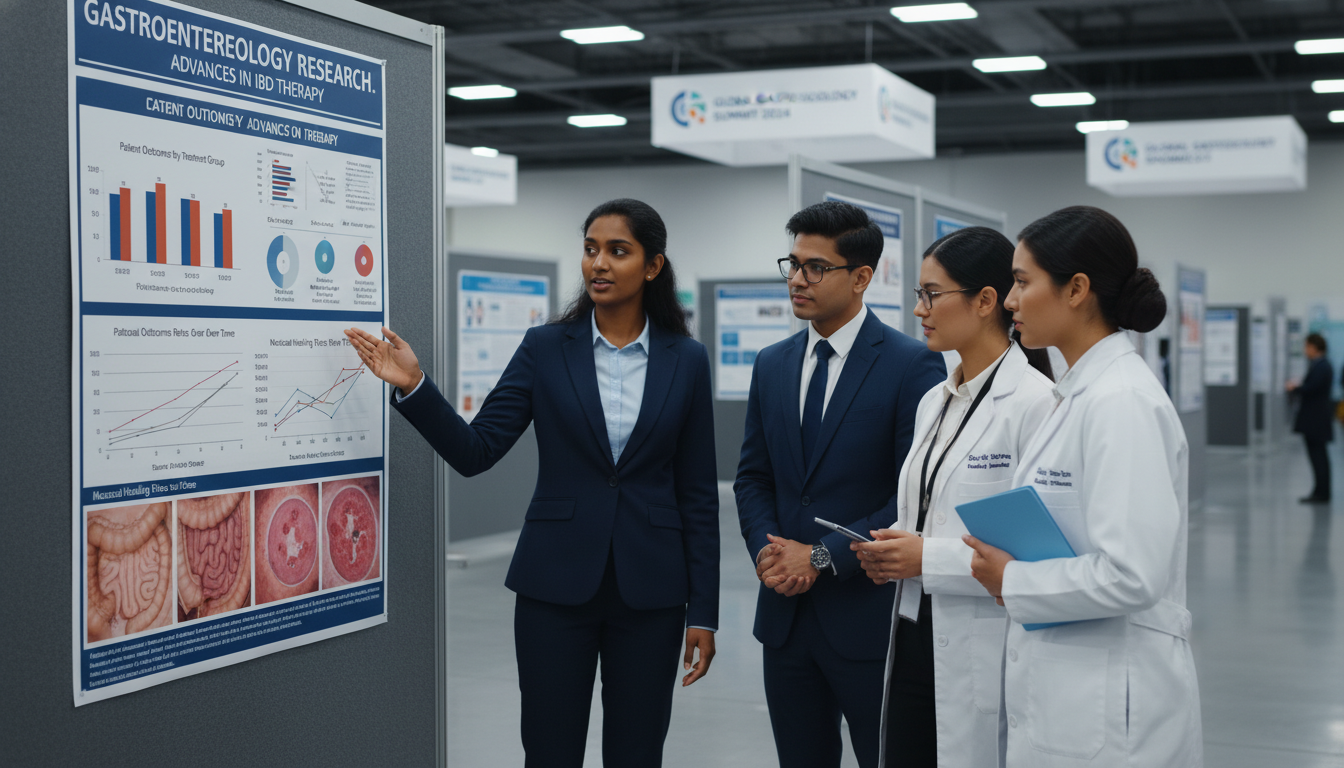
Turning Your Work into Abstracts, Publications, and Match Strength
Presenting at Conferences
For the gastroenterology fellowship match, presentations at national meetings are highly visible markers of productivity.
Target conferences:
- Digestive Disease Week (DDW) – AGA, ASGE, AASLD, SSAT combined
- American College of Gastroenterology (ACG)
- American Association for the Study of Liver Diseases (AASLD)
- Regional GI societies or internal medicine meetings (ACP chapters, regional GI symposia)
A practical strategy:
- Aim for at least one GI-related abstract as first author, and ideally 1–2 more as co-author.
- Start abstract drafts early; deadlines can be 6–9 months before meetings.
- Work with your mentor on which meeting is most appropriate for each project.
Even poster presentations demonstrate engagement and productivity. Oral presentations and invited talks are bonus points.
Writing and Submitting Manuscripts
Publications are the strongest form of scholarly output, but they take time.
To increase your odds of getting published during residency:
Start with a realistic target journal
- Case reports: dedicated case-report journals or special sections of GI journals
- Small clinical studies or QI: mid-tier GI or general medical journals, or QI-focused outlets
Divide and conquer manuscript writing
- You draft introduction and methods
- Mentor revises and may take lead on discussion
- Fellows or co-residents can help with results and tables
Use structure to stay efficient
- Block out short writing sessions (30–60 minutes) across several days
- Use past papers from the group as stylistic templates
- Keep reference management organized (e.g., EndNote, Zotero, Mendeley)
Even a manuscript “under review” can be listed on your CV, and you can update fellowship programs if it’s accepted later.
Showcasing Research in Fellowship Applications
Program directors want a coherent story that ties your research during residency to your interest in GI.
Use several key vehicles:
ERAS Application
- Clearly list your projects with your role (e.g., “first author,” “data analysis,” “project design”)
- Differentiate between submitted, accepted, and published works
- Include GI-specific keywords so reviewers quickly see your focus
Personal Statement
- Briefly highlight 1–2 meaningful projects without rehashing your entire CV
- Emphasize how your work changed the way you think about patient care in GI
- Reflect on what you learned (e.g., about health disparities in liver disease or the importance of screening)
Letters of Recommendation
- Ask research mentors who know you well clinically and academically
- Provide them with your CV, project summaries, and what you hope they will emphasize
- Strong letters often comment on your curiosity, initiative, resilience, and critical thinking
Interviews
- Be ready to clearly and confidently explain:
- Your research question and why it matters to GI patients
- Your role in the project
- Key findings and limitations
- How this work has influenced your career goals
- Be ready to clearly and confidently explain:
Programs are not looking only for numbers of publications; they’re evaluating your trajectory and potential for continued scholarly growth.
Balancing Research with Clinical Duties and Well-Being
Time Management Strategies
Successfully integrating research into residency hinges on disciplined, realistic scheduling.
Align research with lighter rotations
- Clinic months, electives, or ambulatory blocks are ideal for focused writing and data analysis.
- Avoid launching new projects on your ICU or night float blocks.
Use “micro-blocking”
- 20–30 minutes a day can add up; use post-call afternoons or quiet evening periods.
- Keep a running “to-do” list: e.g., “clean dataset,” “write methods draft,” “compile references.”
Batch communication
- Set aside 1–2 specific times per week to communicate with your team, send drafts, and respond to feedback.
Protecting Your Well-Being
Burnout is common in residency; adding research can help or hurt depending on how it’s handled.
- Be honest about your bandwidth; it’s better to do 1–2 solid projects than 5 half-finished ones.
- Discuss expectations early with mentors, including response times, meeting frequency, and realistic deliverables.
- Don’t sacrifice essential rest and recovery for marginal gains in productivity; exhaustion will hurt both your research and clinical performance.
Many mentors will be understanding if you communicate clearly about your schedule and constraints. Good mentors would rather see slow but steady progress than enthusiastic overcommitment and dropout.
Common Pitfalls and How to Avoid Them
Project that’s too big in scope
- Solution: Narrow the question, reduce the number of variables, or focus on a subset of patients.
No clear ownership or timeline
- Solution: At the start, define roles, authorship expectations, and target dates; put them in writing.
Over-reliance on others
- Solution: Take initiative on tasks you can control (literature review, drafting sections, organizing data).
Paralysis due to perfectionism
- Solution: Aim for “good enough” first drafts and expect multiple rounds of revisions; the first draft doesn’t need to be perfect.
FAQs: Research During Residency in Gastroenterology
1. Do I need multiple first-author publications to match into a GI fellowship?
Not necessarily. Some applicants have multiple first-author GI manuscripts; others match with a mixture of case reports, QI-focused abstracts, and co-authored clinical studies. Programs value consistent engagement in GI and evidence of scholarly growth. A few well-executed projects where you can clearly articulate your contribution often weigh more than a long list of superficial entries.
2. Is it okay if my early research during residency is not GI-related?
Yes. Non-GI research (e.g., general internal medicine, cardiology, hospital medicine) still demonstrates analytical skills, reliability, and perseverance. However, by the time you apply for GI fellowship, it’s advantageous to have at least some GI or hepatology-focused work that signals your commitment to the field. You can transition from general topics to GI by connecting with mentors as early as late PGY-1.
3. How important is being in an academic residency track for GI fellowship?
An academic residency track can provide more structured research time and resources, which is helpful if you’re aiming for a research-heavy or physician-scientist career. However, many successful GI fellows come from traditional residency pathways. What matters most is what you do with the time and resources you have—securing good mentorship, completing meaningful projects, and showing a clear GI narrative in your applications.
4. What if my project isn’t finished before I apply to the gastroenterology fellowship match?
In-progress projects still count, especially if they’re well-defined and you’ve made tangible progress (e.g., IRB approval obtained, data collection underway). You can list them as “ongoing” on your CV. During interviews, be transparent about the current status and next steps. If the project leads to an abstract or manuscript during application season, you can send an update to programs through ERAS or email, which can strengthen your application.
Bottom line: Thoughtful, well-planned research during residency in gastroenterology can significantly enhance your training experience and your competitiveness for the gastroenterology fellowship match. Start early, choose feasible and meaningful projects, work with supportive mentors, and remember that consistent progress and clear reflection on what you’ve learned are just as important as the final publication count.