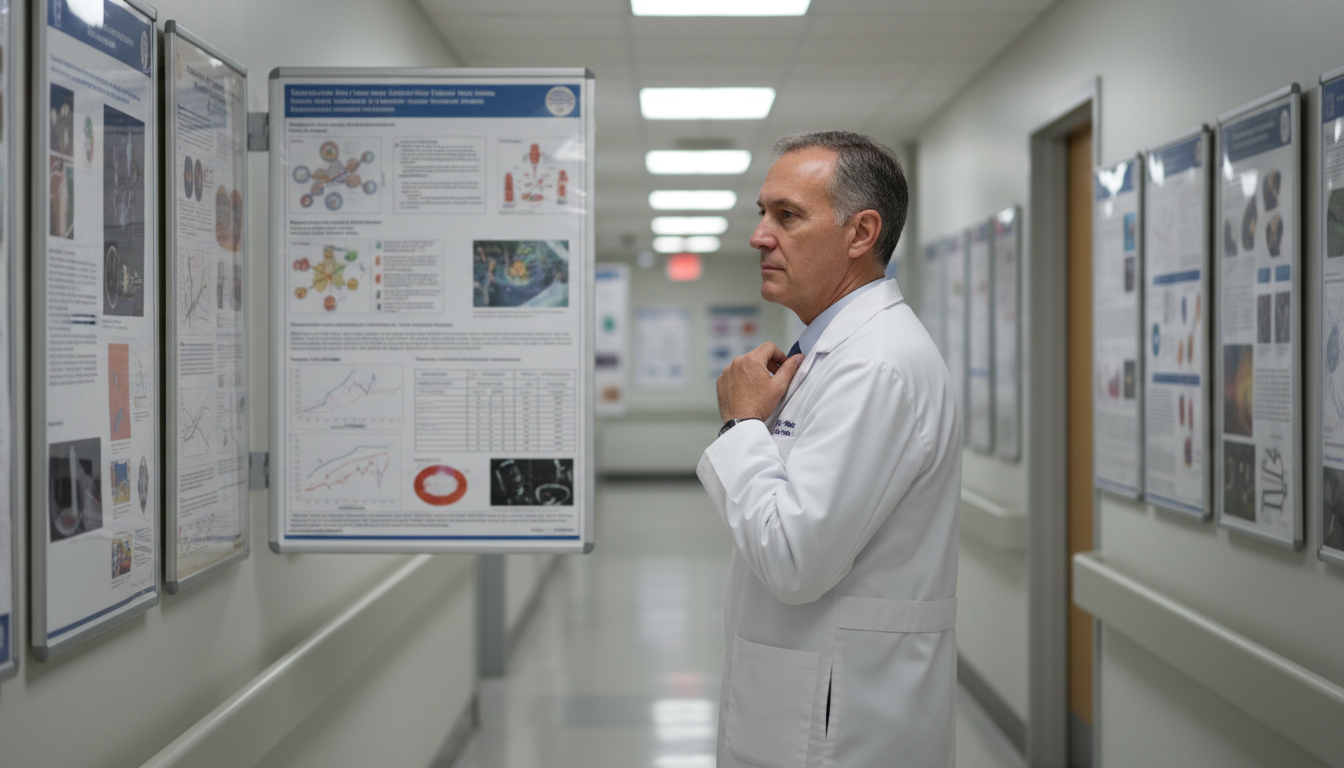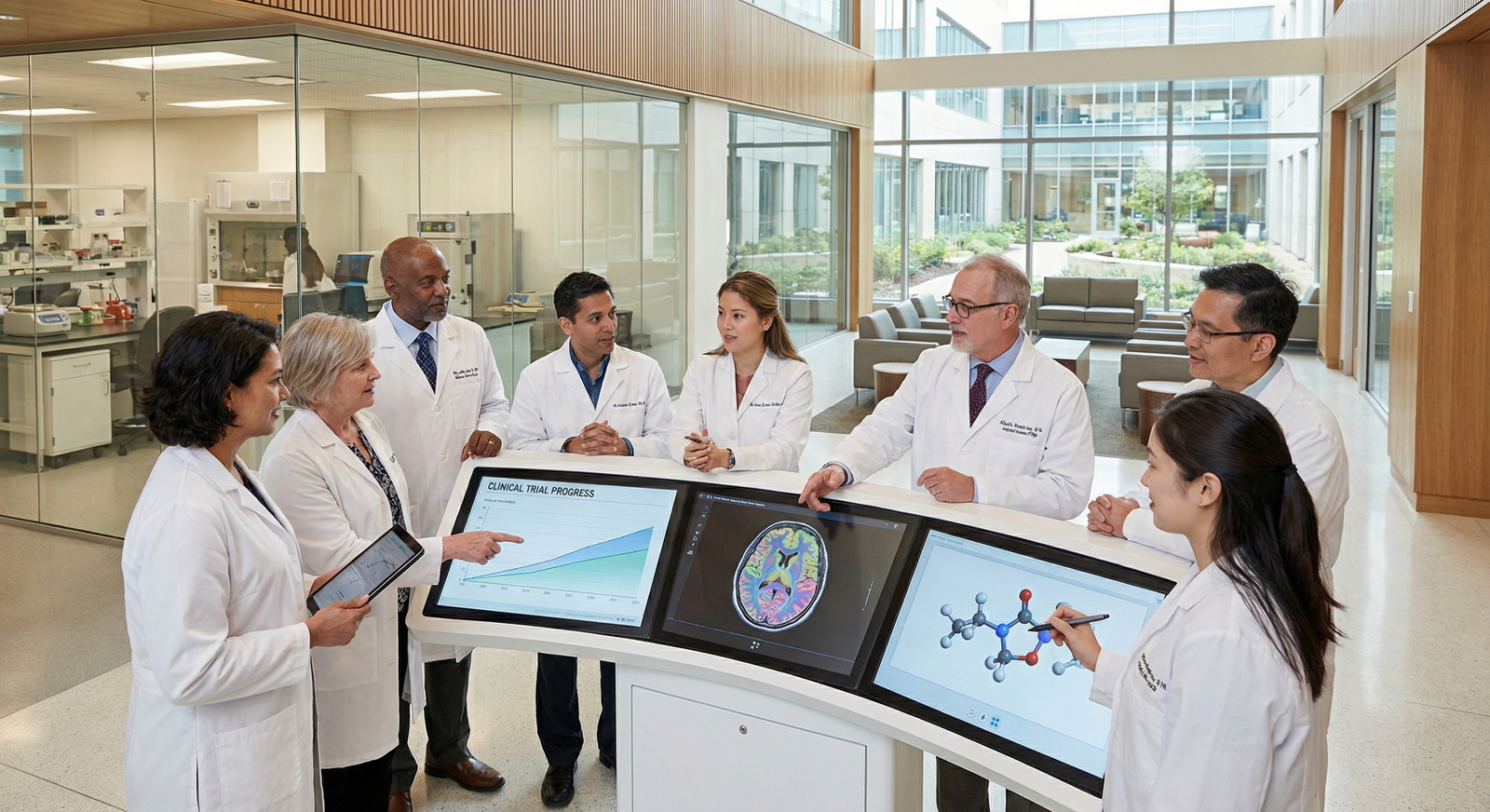
Research during residency is one of the most powerful ways a DO graduate can shape a future career in addiction medicine. Beyond enhancing your CV, it gives you a deeper understanding of substance use disorders, strengthens your clinical reasoning, and opens doors to leadership, fellowship, and academic roles.
This guide will walk you through why research matters in addiction medicine, how to get started even if you have little prior experience, and how to integrate projects into a busy training schedule—especially if you’re aiming for an addiction medicine fellowship or an academic residency track.
Why Research Matters for a DO Graduate in Addiction Medicine
Strengthening your clinical impact
Addiction medicine is a rapidly evolving field. New pharmacotherapies, psychotherapeutic approaches, and systems of care are constantly being evaluated. Engaging in resident research projects allows you to:
- Stay current with evidence on medication-assisted treatment (MAT) such as buprenorphine, methadone, and extended-release naltrexone
- Evaluate real-world outcomes of harm-reduction strategies (e.g., naloxone distribution, syringe service programs)
- Understand health disparities in substance use disorders across race, gender, socioeconomic status, and geography
For a DO graduate, research can also deepen your application of osteopathic principles—e.g., understanding how social determinants, chronic pain, and whole-person care intersect with addiction. You’re not just learning what to do; you’re helping discover why some strategies work better and for whom.
Boosting competitiveness for addiction medicine fellowship
Whether you pursue addiction medicine through internal medicine, family medicine, psychiatry, or another primary specialty, fellowship directors increasingly value applicants who:
- Understand basic research methods and can critically appraise the literature
- Have contributed to substance abuse training initiatives or quality improvement (QI) related to addiction care
- Show potential for scholarly productivity (posters, publications, guidelines, educational curricula)
Even one or two focused projects—especially if they lead to a poster or manuscript—can set your file apart in the osteopathic residency match and later in the addiction medicine fellowship match. Program directors know that residents who have completed meaningful scholarship are more likely to contribute to their fellowship’s academic mission.
Opening doors to academic and leadership roles
If you’re considering an academic residency track, medical education, or leadership in addiction services, research is essential. It can lead to roles such as:
- Site PI (principal investigator) for clinical trials
- Director of addiction medicine education for a residency or medical school
- Quality or research lead within a health system’s addiction program
- Policy advocate leveraging data to inform local or national decision-making
These paths are all easier to access once you’ve demonstrated the ability to conceptualize a question, analyze data, and translate findings into practice.
Types of Addiction Medicine Research You Can Do During Residency
You do not need a PhD or a massive grant to contribute meaningfully. Many impactful projects are feasible within 6–18 months and piggyback on work you’re already doing clinically.
1. Quality Improvement (QI) projects with research rigor
QI projects are often the most attainable for residents and can be highly relevant to addiction medicine. Examples:
- Improving rates of SBIRT (Screening, Brief Intervention, and Referral to Treatment) in primary care or emergency departments
- Increasing the number of patients with opioid use disorder discharged with a buprenorphine prescription
- Reducing 30-day readmission rates among patients with alcohol-related hospitalizations
While QI is technically distinct from research, you can add scholarly elements:
- Use validated tools (e.g., AUDIT-C, DAST) for measurement
- Apply robust data analysis (run charts, control charts, pre-post comparisons)
- Prepare the work as a structured abstract/manuscript: background, methods, results, discussion
Many QI projects can be presented at regional and national addiction or primary specialty meetings—perfect for a busy DO graduate in residency.
2. Retrospective chart reviews
Retrospective studies use existing data from the EHR. In addiction medicine, these are often very doable:
- Chart review of overdose survivors: who gets started on MAT in the ED vs. who doesn’t?
- Comparing outcomes of patients on buprenorphine vs. methadone in your clinic or system
- Describing the prevalence of co-occurring chronic pain and opioid use disorder, and patterns of non-opioid pain management
Advantages for residents:
- No need to recruit patients prospectively
- Often exempt or expedited IRB review
- Flexible data collection that can fit into your schedule
You’ll need mentorship to design a good data abstraction form, define inclusion/exclusion criteria, and choose appropriate analyses.
3. Prospective cohort or pilot intervention studies
More ambitious, but possible if you start early (PGY-1 or early PGY-2):
- Prospective cohort of patients starting buprenorphine in primary care, following retention and relapse outcomes
- Pilot testing a smartphone-based recovery support app for residents’ continuity-clinic patients
- Evaluating the impact of a new peer recovery coach program on ED visit frequency
These often require:
- IRB approval with more detailed protocols
- Team support (e.g., research coordinators, social workers, peer specialists)
- More structured data-collection workflows
They are excellent preparation if you see an academic career or NIH-funded research in your future.
4. Medical education research in substance abuse training
If your passion is substance abuse training for medical students or residents, consider:
- Developing an OSCE (Objective Structured Clinical Examination) for motivational interviewing or overdose counseling
- Implementing a curriculum on safe opioid prescribing and assessing changes in learner confidence and practice patterns
- Studying the impact of integrating lived-experience speakers into addiction teaching sessions
Education-focused scholarship is often more achievable during residency and highly valued in academic environments.
5. System-level and policy-oriented projects
For residents in public hospitals, VA systems, or large networks:
- Analyzing how policy changes (e.g., removal of the X-waiver) affected buprenorphine prescribing patterns
- Evaluating the effect of local naloxone access laws on overdose reversals recorded in your system
- Describing barriers to implementing low-threshold MAT in primary care or homeless clinics
These projects position you for advocacy roles and can be very attractive to addiction medicine fellowship programs.
Finding the Right Mentorship and Environment as a DO Graduate
Identifying mentors in addiction medicine
Strong mentorship is the single most important factor in whether research during residency becomes a positive, productive experience. For a DO graduate, this can include:
- Addiction medicine physicians in your hospital or affiliated clinics
- Psychiatrists or internists with interest in substance use disorders
- Faculty involved in behavioral health, pain medicine, or public health
- Investigators at a nearby university or VA system, even if not full-time at your hospital
Strategies to find mentors:
- Ask your program director: “Who is actively working on addiction-related research or QI?”
- Search your institution’s website for “addiction,” “substance use,” “opioid,” “alcohol,” “harm reduction”
- Attend grand rounds, journal clubs, or local addiction-focused talks and introduce yourself afterward
Bring a concise pitch: that you’re a DO resident, interested in addiction medicine, and seeking a manageable project with clear mentorship.
Leveraging osteopathic training and perspective
As a DO graduate, you bring a distinctive lens to addiction medicine research:
- Whole-person care and biopsychosocial-spiritual frameworks
- Familiarity with chronic pain, musculoskeletal issues, and OMT
- Emphasis on prevention, lifestyle, and holistic recovery
You can ask questions others might overlook, such as:
- How do trauma and chronic pain interact with substance use patterns in your clinic population?
- Do patients receiving integrated behavioral and physical health interventions have better addiction outcomes?
- Can OMT for chronic pain reduce reliance on opioids or improve function in patients with past opioid misuse?
When proposing or shaping projects, highlight how your osteopathic perspective adds value.
Choosing programs with strong research support
If you are still selecting or early in your osteopathic residency match process, or considering a transition to an academic residency track, look for:
- Dedicated research curriculum (basic methods, statistics, ethics)
- Protected time for research (even 2–4 hours/week can be meaningful)
- Access to biostatisticians, librarians, and IRB support staff
- Track record of resident publications and conference presentations, particularly in addiction or behavioral health
Even in community-based programs without a classic academic structure, there may be:
- Affiliation with a university department that can provide mentorship
- Participation in multi-site projects or registries
- Support for sending residents to addiction-related conferences
Designing and Executing a Feasible Resident Research Project
Step 1: Define a focused, answerable question
Use the PICO framework (Population, Intervention, Comparison, Outcome) when possible. Examples in addiction medicine:
- Among hospitalized patients with alcohol use disorder (P), does initiating naltrexone prior to discharge (I) compared to referral to outpatient treatment only (C) improve 90-day follow-up and abstinence rates (O)?
- In patients with opioid use disorder presenting to the ED after overdose (P), does a standardized buprenorphine induction protocol (I) compared to usual ED care (C) reduce 30-day repeat overdose visits (O)?
For a DO resident, keep the scope realistic:
- Prefer single-site or small multi-site projects
- Focus on outcomes that can be captured from existing data when possible
- Aim for a timeline compatible with your training year(s)
Step 2: Assess feasibility and resources
Ask yourself and your mentor:
- Data: Do we already have the data (EHR, registry, QI dashboard), or do we need to collect it prospectively?
- Team: Who can help (co-residents, social workers, data analysts, pharmacists, peer recovery coaches)?
- Time: Can we realistically complete data collection and analysis within 6–12 months?
- Skills: What do I need to learn (basic statistics, REDCap, survey design), and who can teach me?
Feasible doesn’t mean trivial. Well-designed small studies often have a bigger impact than poorly executed large ones.
Step 3: Obtain IRB approval (or confirm exemption)
Most projects involving patient data or interventions will need some level of ethics review:
- Many QI projects may be considered “non-human subjects research” or exempt, but don’t assume—check with your IRB
- Education research, surveys, and interviews also usually require review
- Your mentor should guide you through the IRB or QI committee process
Begin the IRB process early; delays here are one of the most common reasons resident research stalls.
Step 4: Collect data systematically
Good data collection is where many resident projects succeed or fail. Practical tips:
- Create a clear data dictionary with precise definitions (e.g., what counts as “treatment engagement” or a “relapse event”)
- Use standardized tools when possible (AUDIT, DAST, PHQ-9, GAD-7, etc.)
- Pilot-test your data abstraction on 5–10 charts or participants to refine your forms
Schedule protected time for data work. Even 2 hours every week, blocked on your calendar, is better than sporadic bursts.
Step 5: Analyze and interpret with support
As a resident, you’re not expected to be a biostatistician, but you should understand:
- The basic types of data (continuous vs. categorical)
- Simple comparisons (means, proportions)
- The concept of confounding and why you can’t assume causation from observational data
Most institutions have:
- Biostatistics support through a research office or academic department
- Statistical software accessible through the institution (SPSS, Stata, R, SAS)
Ask your mentor to facilitate a meeting with a statistician early in the design phase, not just when you’re ready to analyze.
Step 6: Write and share your findings
Translating the work into scholarship is critical:
- Draft an abstract for a national or regional meeting (e.g., ASAM, AAAP, your primary specialty’s conference)
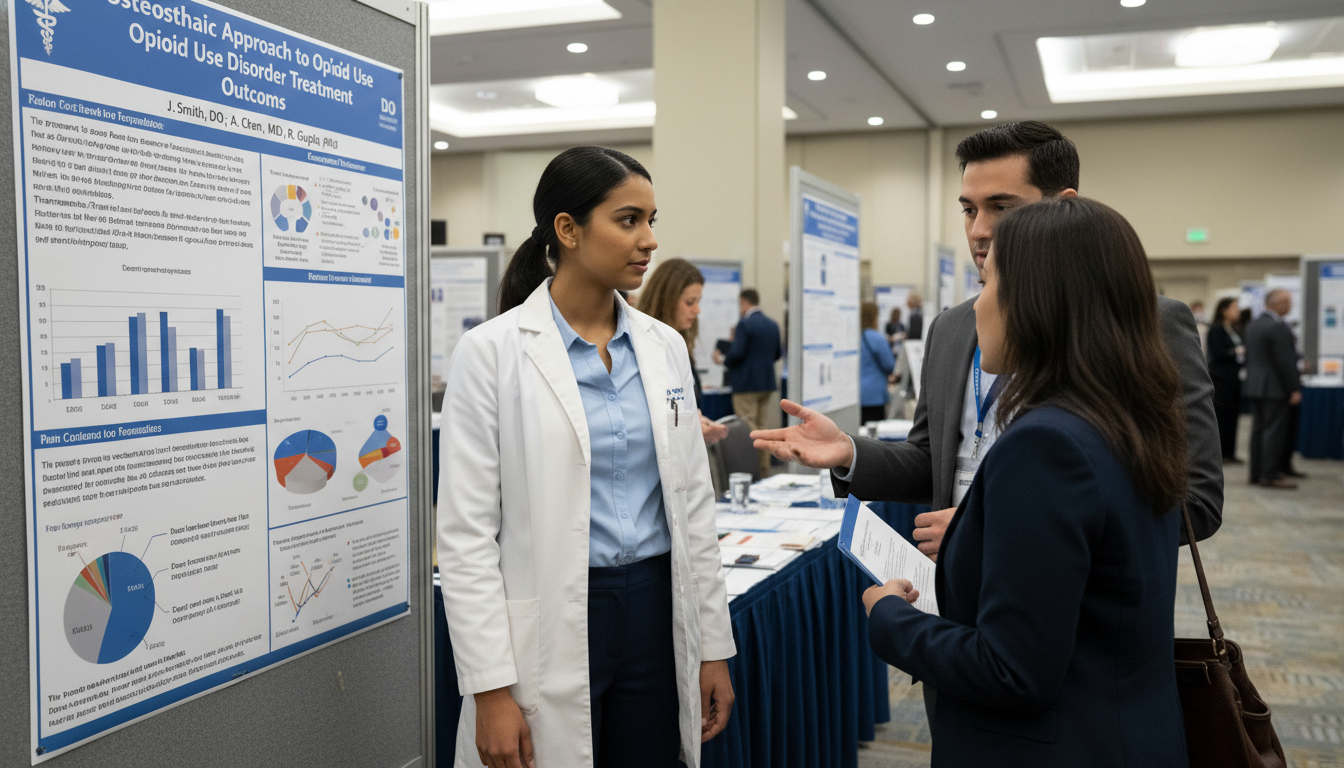
- Prepare a poster and practice a 2–3 minute summary “elevator pitch” of your project
- Convert your abstract into a manuscript following journal guidelines (target addiction, primary care, psychiatry, or osteopathic journals)
Even if your project is small-scale, presenting it signals commitment to addiction medicine and scholarship—something fellowship and academic programs notice.

Balancing Clinical Duties and Research During Residency
Integrating research into your workflow
You don’t need huge blocks of free time; you need structured small blocks. Practical strategies:
- Use outpatient continuity clinics as a base population for prospective or QI projects
- Incorporate research tasks into rotation downtime (e.g., between admissions, post-call afternoons)
- Batch similar tasks—one session for literature review, another for data entry, another for writing
If your program offers academic residency track options or elective blocks, negotiate to use that time for research and writing.
Negotiating for protected time
Especially in busy osteopathic or community programs, you may need to advocate for your scholarly time:
- Present a clear, concise project plan and timeline to your program leadership
- Emphasize how your work aligns with ACGME scholarly activity requirements and improves addiction care quality
- Ask for specified, recurring half-days or full days during electives or lighter rotations
Frame your ask as benefiting both your career goals and the program’s academic profile.
Working within the culture of your program
Every residency has a different culture regarding scholarship:
- In research-heavy programs, it may be easy to plug into existing projects
- In clinically oriented programs, there might be enthusiasm but less infrastructure
As a DO graduate, you may also be a role model for junior residents and medical students. Sharing your process—how you crafted your question, obtained mentorship, and moved the project forward—can help build a stronger culture of scholarship in addiction medicine.
Leveraging Research Experience for Addiction Medicine Fellowship and Beyond
Presenting your work in applications and interviews
When applying for an addiction medicine fellowship or a more academic residency track, be prepared to:
- Concisely describe your main project: question, methods, key findings, and impact
- Reflect on what you learned (e.g., about health disparities, patient engagement, or system barriers)
- Discuss challenges: data limitations, IRB delays, sample size issues—and how you managed them
If your project is related to substance abuse training, highlight how it shaped your approach to teaching and mentoring.
In your CV and personal statement, make sure to:
- Clearly label research sections, listing abstracts, posters, manuscripts (including “submitted” or “in preparation” where appropriate)
- Emphasize your role—lead author vs. contributor, project coordinator vs. analyst
Planning next steps in your research trajectory
Depending on your interest level, next steps could include:
- During fellowship: more advanced resident research projects (now “fellow projects”), potentially multi-site or funded
- After fellowship: applying for junior faculty positions with allocated research time
- Pursuing additional training: certificate programs in clinical research, MPH, or addiction-focused fellowships with strong research components
Your residency project may become the foundation for:
- Larger grants (e.g., pilot data to support a future study)
- Expanded QI initiatives across multiple clinics or hospitals
- Long-term educational programs in substance abuse training for DO and MD learners
Frequently Asked Questions (FAQ)
1. I’m a DO graduate with minimal research experience. Is it too late to start during residency?
No. Residency is actually a common point where future addiction medicine specialists first engage in research. Start with:
- A focused, feasible project (QI or retrospective chart review)
- A strong mentor who understands residents’ time constraints
- A realistic timeline (e.g., 6–12 months from question to poster)
Even one well-executed project can significantly strengthen your fellowship application and your understanding of addiction medicine.
2. How does research during residency help in the osteopathic residency match or later career transitions?
If you are still in the osteopathic residency match phase (e.g., transitioning specialties, moving into a more academic setting) or planning ahead, research:
- Signals initiative, curiosity, and perseverance
- Demonstrates your interest in addiction medicine specifically
- Provides concrete scholarly output (posters, presentations, papers) that programs can point to as evidence of your potential
It also makes you more comfortable reading and applying the addiction literature—an asset in any career path.
3. What if my program has limited addiction medicine resources or mentors?
You still have options:
- Seek mentors outside your program—local universities, VA systems, public health departments, or virtual/remote mentors
- Focus on projects that can be done within your existing clinical environment (e.g., SBIRT implementation in primary care, EHR-based overdose data)
- Collaborate with multi-site studies or registries if your institution participates in them
National addiction medicine and osteopathic organizations often have mentorship programs; joining these can help bridge local gaps.
4. How can I decide between a research-focused vs. purely clinical career in addiction medicine?
Use residency to explore:
- How much you enjoy the research process vs. only the final product
- Whether you find writing, analysis, and scholarly dissemination energizing or draining
- How you feel when teaching others about your findings or about substance abuse training in general
If you consistently enjoy these activities, an academic residency track and later a research-oriented addiction medicine fellowship or faculty role might fit well. If not, the skills you gain from one or two projects will still make you a more informed, evidence-based clinician.
Research during residency is not just a box to check; it’s an opportunity to shape the future of addiction medicine care while defining your own career as a DO physician. By choosing feasible projects, seeking strong mentorship, and intentionally integrating scholarship into your training, you can meaningfully impact patients with substance use disorders—both now and throughout your career.