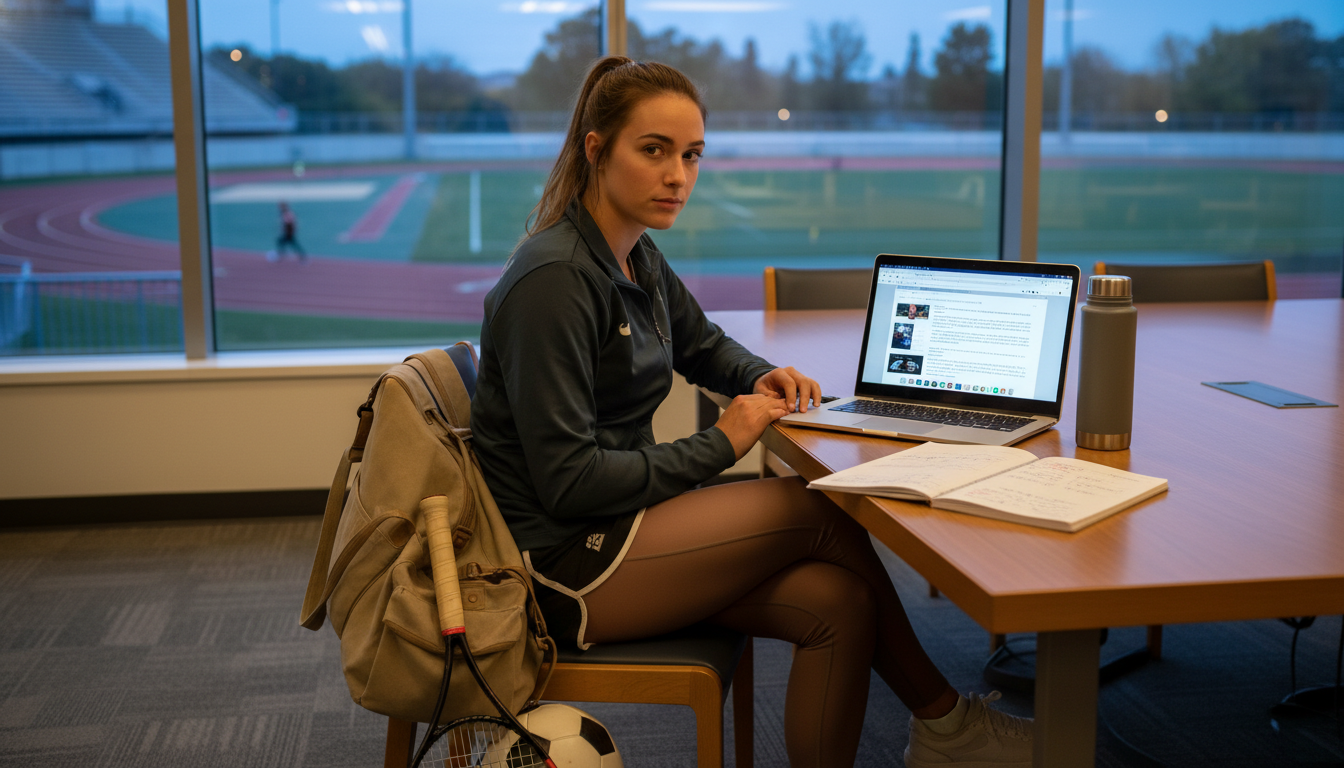
Why Research During Residency Matters Even More for Non-US Citizen IMGs
For a non-US citizen IMG interested in Pediatrics-Psychiatry (often called peds psych or triple board when combined with adult psychiatry), research during residency is not just “nice to have.” It can:
- Strengthen your visa viability and long-term employability
- Differentiate you in a small, competitive niche field
- Open doors to academic careers and subspecialty fellowships
- Improve your clinical reasoning and evidence-based practice
- Build a professional identity as a clinician–scholar
As a foreign national medical graduate, you already face additional hurdles: visa sponsorship, limited program options, and implicit bias around where you trained. Thoughtful engagement in resident research projects is one of the most powerful ways to counterbalance these barriers and demonstrate value to programs and future employers.
This article walks you step-by-step through how to approach research during residency as a non-US citizen IMG in Pediatrics-Psychiatry—from choosing the right residency setting, to building a scholarly niche, to navigating visa-related concerns and building an academic career.
Understanding the Landscape: Peds Psych, Triple Board, and Academic Expectations
Pediatrics-Psychiatry training pathways in the US are relatively small but highly academic:
- Categorical Pediatrics with Psychiatry exposure (e.g., pediatric residency with child psychiatry electives or tracks)
- Triple Board programs (Pediatrics–Adult Psychiatry–Child & Adolescent Psychiatry integrated over 5 years)
- Combined Pediatrics–Psychiatry programs (less common, structure varies)
In all of these, you are likely to encounter:
- Strong emphasis on developmental psychopathology, neurodevelopmental disorders, and chronic medical illness with psychiatric comorbidities
- Interdisciplinary systems of care (schools, child welfare, juvenile justice, community mental health)
- High prevalence of complex patients, making research questions both abundant and clinically relevant
Why academic programs matter for research
If you are a non-US citizen IMG, your chances of doing substantive research are much higher if you match into:
- University-based or university-affiliated pediatric residencies
- Triple board or combined pediatric-psychiatry programs housed in academic centers
- Programs with an explicit academic residency track or scholarly concentration in child psychiatry, behavioral health, or developmental pediatrics
These programs are more likely to offer:
- Protected research time (from a few weeks to one half-day per week)
- Access to mentorship, IRB support, and biostatistical resources
- Established resident research projects you can join quickly
- A culture that values publications, presentations, and QI
If you are still applying to residency, explicitly ask about:
- “What kinds of ongoing resident research projects are available?”
- “How many residents present at national meetings each year?”
- “Does the program track resident scholarly productivity (posters, publications)?”
- “Is there an academic residency track, and how are residents selected for it?”
For a peds psych career, an academic residency track is especially valuable. It can provide deeper exposure to child mental health research, developmental neuroscience, or population-based studies of youth mental health.

Step 1: Clarify Your Research Identity Early
As a foreign national medical graduate, you may feel pressure to “just do any research.” While almost any project helps, you are most competitive when your work clearly aligns with your long-term niche in Pediatrics-Psychiatry.
Define your niche within Pediatrics-Psychiatry
Ask yourself:
- Which age group or diagnostic cluster interests you most?
- e.g., autism and developmental disorders, early-onset psychosis, eating disorders, functional somatic symptoms, ADHD with complex psychosocial factors
- Are you more drawn to:
- Biological mechanisms? (neuroimaging, genetics, psychopharmacology)
- Clinical outcomes? (treatment effectiveness, comorbid chronic illness, adherence)
- Systems and policy? (school-based mental health, child welfare, trauma systems of care)
- What unique perspective do you bring as a non-US citizen IMG?
- Cross-cultural child development
- Migration, refugee, or asylum-seeking families
- Global child mental health and telepsychiatry
- Stigma, cultural idioms of distress, or alternative care pathways
Try to write a 1–2 sentence personal “research mission statement,” for example:
- “I study how chronic pediatric illnesses (such as epilepsy and diabetes) interact with depression and anxiety in adolescents, with an emphasis on family-based interventions.”
- “I focus on cross-cultural aspects of autism diagnosis and care among immigrant families, bridging pediatrics and child psychiatry perspectives.”
This guiding statement helps you choose projects that build a coherent body of work, rather than scattered, unrelated experiences.
Leverage your IMG background as a strength
Program directors in peds psych and triple board value:
- Multilingual abilities (for community-engaged research)
- Exposure to different health systems (for comparative or implementation studies)
- First-hand understanding of migration-related stressors and acculturation
When discussing research ideas, highlight how your background uniquely positions you to ask and answer specific questions—for example, barriers to child mental health care in immigrant families or culturally adapted parenting interventions.
Step 2: Finding and Securing Resident Research Opportunities
Once you are in residency, your first challenge is not designing a project from scratch, but getting plugged into the right ongoing work.
Map the research ecosystem in your program
In the first 3–6 months of PGY-1 (or early PGY-2 for some programs):
Identify key faculty
- Triple board or combined peds-psych program leadership
- Child and adolescent psychiatry division chiefs
- Pediatric subspecialists with strong behavioral focus (neurology, endocrinology, gastroenterology, adolescent medicine)
- Psychology and social work researchers working on child and family mental health issues
Scan institutional resources
- Department websites listing faculty research interests
- Ongoing clinical trials or quality improvement projects
- Child psychiatry or pediatric psychology research centers
- Hospital-based behavioral health institutes
Talk to senior residents
- Ask: “Who is productive in resident mentoring?” “Which projects are realistic to complete during residency?”
- Learn which attendings have a track record of helping residents publish.
Low-friction ways to get started
As a busy resident, particularly early in training, it is often more feasible to join existing projects than to create something entirely new.
Common on-ramps:
Case reports and case series
- Useful for rare or complex peds psych presentations (e.g., autoimmune encephalitis with psychosis, psychiatric manifestations of metabolic disorders)
- Often relatively fast to write once IRB/consent issues are resolved
- Good for your first publication, but not sufficient as your only scholarly output
Retrospective chart reviews
- For example, reviewing outcomes of children with suicidality seen in the pediatric ED, or psychotropic prescribing patterns in medically complex children
- More work than a case report but can yield poster + manuscript
Quality improvement (QI) projects
- Implementing suicide screening in pediatric clinics
- Improving follow-up rates for children discharged from psych inpatient to outpatient pediatrics
- Enhancing ADHD medication monitoring in primary care
- QI counts as research/scholarship if systematically done and disseminated (posters, writing)
Secondary data analysis
- Using existing datasets (institutional, statewide, or national surveys) to ask peds psych questions
- Often ideal if you have some statistical skills or can partner with a biostatistician
Example peds psych resident projects
- Implementing a standardized depression screening tool in a cystic fibrosis clinic and studying impact on referrals to child psychiatry
- Retrospective review of psychotropic use in children with autism in a developmental pediatrics clinic
- QI project improving follow-up rates after positive suicide risk screens in adolescent primary care
- Pilot telepsychiatry model for rural pediatric patients with behavioral disorders
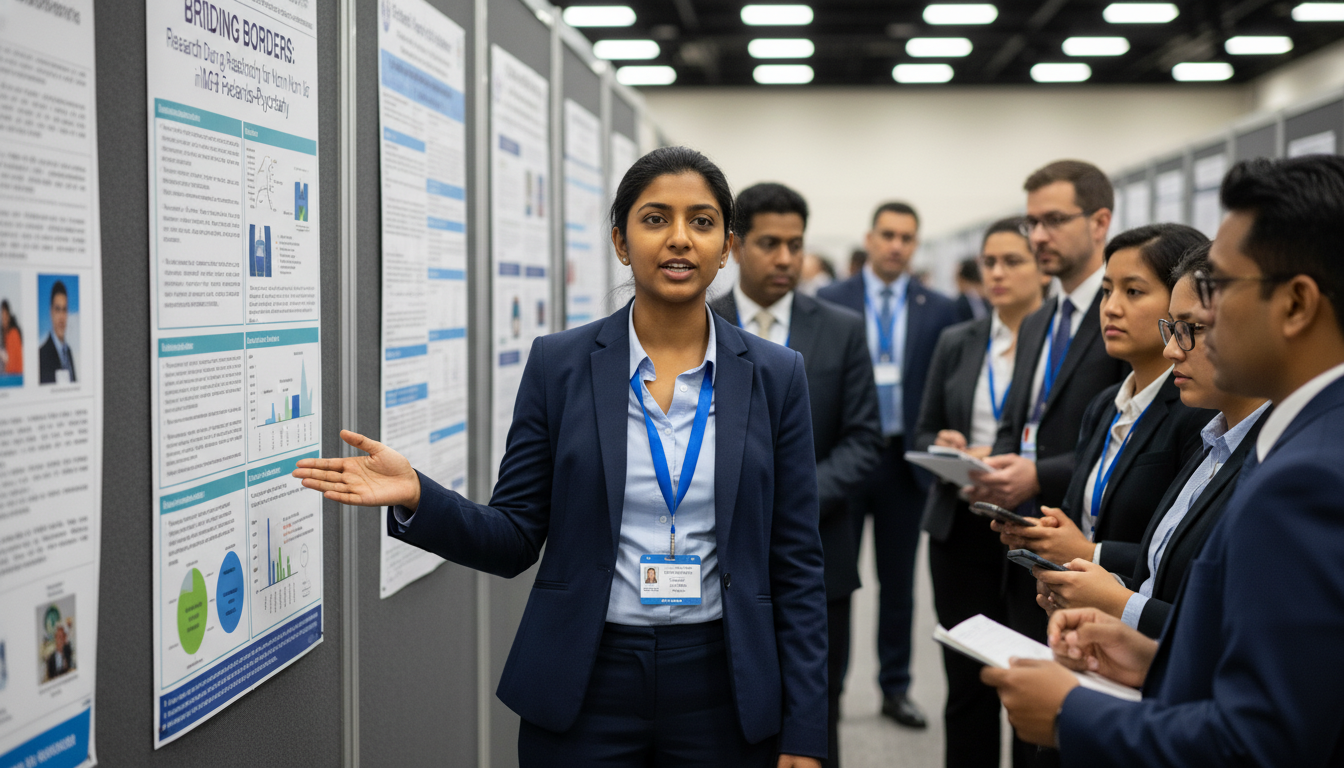
Step 3: Structuring Your Time and Overcoming IMG-Specific Barriers
Non-US citizen IMGs often face additional constraints when trying to pursue research during residency, especially related to visas and time constraints.
Time management for research during residency
Practical strategies:
Front-load clinical learning, then scale research
- In PGY-1, aim to understand workflows and collect interesting clinical questions. Join 1 small project (case report, QI).
- In PGY-2–3, increase commitment: join or lead 1–2 more substantial projects (chart reviews, prospective studies).
- In later years (senior pediatric and psychiatry rotations), refine your niche and aim for at least one manuscript in your interest area.
Block your research time
- Use protected academic half-days for concentrated research, not errands.
- If you have a lighter elective month, dedicate a specific daily block (e.g., 7–9 pm, 3 days per week) for writing/analysis.
Use micro-times
- 15–20 minutes between clinical tasks to annotate articles in a reference manager (Zotero, Mendeley).
- Commute time (if safe) to listen to relevant podcasts, lectures, or recorded statistics tutorials.
Visa-related considerations
Your immigration status can indirectly affect your research options:
J-1 visa
- Standard for most foreign national medical graduates in US residency.
- Typically allows research as part of your training without a separate visa, but you must remain compliant with full-time clinical responsibilities.
- If you plan a research-heavy post-residency fellowship, identify programs used to hosting J-1 scholars.
H-1B visa
- Less common in residency but more common in fellowship/post-residency jobs.
- May involve different institutional rules about external funding and additional paid activities.
- Clarify with GME and legal/HR what types of research grants or side projects are permitted.
Institutional rules about external funding
- Some grants or stipends may not be compatible with your visa category; always clear with your GME office and international office before applying.
Given these complexities, prioritize research integrated into your residency duties (within the same institution) rather than unrelated side projects requiring separate employment arrangements.
Dealing with confidence and cultural barriers
Common challenges for non-US citizen IMGs:
- Feeling uncomfortable speaking up in research meetings
- Worrying about accent or language fluency
- Not understanding unspoken expectations around authorship and hierarchy
Practical solutions:
- Prepare for meetings: write down 2–3 specific questions or comments in advance.
- Ask your mentor early: “What are the expectations for my role and authorship on this project?”
- Request clear deadlines and deliverables to avoid assumptions or miscommunication.
- Use writing support: institutional writing centers, senior resident editing, or online tools for grammar polishing.
Step 4: From “Helping” to Leading: Designing Your Own Resident Research Projects
Once you have contributed to a few existing projects and learned the basics, aim to lead at least one meaningful project during residency. This demonstrates initiative—highly valued in academic pediatrics and psychiatry.
Core steps in designing a feasible resident project
Refine a focused research question (PICO framework)
- Population, Intervention/Exposure, Comparison, Outcome
- Example: Among adolescents with type 1 diabetes (P), does routine depression screening in pediatric endocrinology clinics (I), compared to usual care without standardized screening (C), increase referrals to child psychiatry and initiation of therapy (O)?
Choose a realistic design
- Single-site retrospective chart review
- Pre–post QI study in one or two clinics
- Cross-sectional survey of residents or patients/families
- Small prospective pilot (if you have sufficient time and support)
Secure a committed mentor and possibly a co-mentor
- A pediatrician with subject-matter expertise
- A child psychiatrist for behavioral components
- A methodologist (biostatistician, epidemiologist) if available
Obtain IRB or QI approval
- Work with your mentor to decide if your project is human-subjects research vs. QI.
- Start the IRB early—delays are common.
Plan dissemination from the start
- Identify target conferences (AAP, AACAP, PAS, local/state pediatric or psychiatric societies).
- Know the submission deadlines so you can time your data collection.
Example of a feasible triple board–aligned project
- Topic: Transition from pediatric to adult mental health care for youth with chronic medical and psychiatric comorbidities
- Design: Retrospective review of patients aged 16–25 with cystic fibrosis and a documented psychiatric diagnosis, examining transition outcomes (no-show rates, ED visits, hospitalizations).
- Outputs:
- Poster at PAS (Pediatric Academic Societies)
- Manuscript in a pediatric or child psychiatry journal
- Locally, a QI initiative to improve transition planning
This type of project squarely sits at the intersection of pediatrics and psychiatry and highlights your suitability for triple board or other combined training pathways.
Step 5: Building a Scholarly Portfolio for an Academic Career
If you see yourself in academic medicine—perhaps as a future triple board faculty member, division chief, or program director—your research during residency should be intentionally aligned with a longer-term plan.
What a competitive “academic residency track” profile looks like
By the end of residency or early fellowship, a strong academic trajectory often includes:
- 1–3 peer-reviewed publications, ideally as first or second author
- Multiple conference presentations (local, regional, national)
- Experience with at least one substantive project (beyond case reports) that you can describe from conceptualization to data collection and analysis
- Demonstrated ability to collaborate across disciplines (pediatrics, psychiatry, psychology, social work, nursing)
When applying for fellowships in child & adolescent psychiatry, developmental–behavioral pediatrics, or research-oriented positions, highlight:
- How your resident research projects embody the peds psych interface
- Any leadership roles (e.g., leading a workgroup, supervising medical students on projects)
- Aspirations for future funding (e.g., K-awards, foundation grants) if staying in academia
Strategically choosing outputs
As a non-US citizen IMG, you may feel pressure to collect a long list of small posters. While presentations are useful, prioritize:
- At least one or two solid manuscripts
- A coherent narrative connecting your projects (not just random topics)
- Long-term relationships with mentors who can write strong letters of recommendation referencing your research abilities
Example narrative for personal statements and interviews:
“Across residency, my work has focused on depression and suicidality among adolescents with chronic medical illness. I began with a QI project implementing suicide screening in our pediatric diabetes clinic, then expanded to a retrospective review of psychiatric ED visits for this population. I am now co-developing a brief family-based intervention tailored to youth with diabetes and comorbid depression. This line of work reflects my commitment to the integrated care model at the core of Pediatrics-Psychiatry.”
Practical Tips and Common Pitfalls for Non-US Citizen IMGs
Practical tips
- Start small, finish something: Completing a modest project is better than starting an overly ambitious one that never finishes.
- Document everything: Keep a running CV and a project tracker (title, role, timeline, outputs).
- Learn basic statistics and research literacy: Online modules (Coursera, edX), institutional workshops, or short courses can rapidly increase your value as a collaborator.
- Network beyond your institution:
- Join AAP Sections (e.g., Section on Developmental and Behavioral Pediatrics) or AACAP.
- Attend virtual journal clubs or special interest group meetings.
- Reach out to potential collaborators respectfully with a brief introduction and a concrete idea.
Pitfalls to avoid
- Overcommitting: Taking on multiple projects that compete with clinical duties and lead to burnout.
- Unclear authorship: Not defining roles early can lead to disappointment or conflict later.
- Lack of focus: Doing disconnected projects that don’t build a clear peds psych narrative.
- Ignoring visa realities: Committing to external funded positions or side gigs without confirming immigration compatibility.
Frequently Asked Questions (FAQ)
1. I am a non-US citizen IMG in a community pediatric program with limited research infrastructure. What can I realistically do?
You still have options:
- Focus on QI projects that improve care at your own clinic or hospital, particularly around behavioral health screening, referral pathways, or coordination with child psychiatry.
- Identify regional academic partners—a nearby university child psychiatry department might be open to collaboration if you bring clinical questions and data access.
- Use national datasets (e.g., publicly available surveys) for secondary analyses with remote mentorship from an academic faculty member.
- Target local and regional conferences; these are more accessible and still build your scholarly portfolio.
Even in a non-research-heavy setting, producing 1–2 solid QI or clinical projects related to peds psych can support future transitions to more academic environments or fellowships.
2. How important is it to have publications before applying to triple board or child psychiatry fellowships?
Publications are not strictly required, but they significantly strengthen your application, especially as a foreign national medical graduate. For triple board or highly academic child psychiatry programs, having:
- 1–2 peer-reviewed papers or
- Several substantial conference presentations plus ongoing projects
shows that you can function as a clinician–scholar. Quality and relevance to Pediatrics-Psychiatry matter more than the absolute number. A well-designed project in your niche is more impressive than many unrelated abstracts.
3. Can I realistically get external research funding during residency as a non-US citizen IMG?
It is possible but challenging. Many federal grants have citizenship restrictions, and your visa may limit what forms of compensation you can accept. However:
- Internal departmental or hospital small grants often do not have citizenship restrictions.
- Some private foundations accept foreign nationals as principal or co-investigators, especially if the project is based in a US institution.
- As a resident, it is usually most efficient to join funded projects led by faculty rather than being the primary grant applicant.
Always check with your program’s GME office and international office before applying for grants that involve salary or stipend support.
4. What if my English writing skills are not strong enough for first-author papers?
You can still be highly productive:
- Start with co-authorship roles focused on data collection, analysis, or clinical contributions while learning structure and style from more experienced writers.
- Use institutional writing support services and peer review from senior residents or fellows.
- Study well-written articles in your area, and model your writing on them.
- Draft in simple, clear language instead of complex sentences; clarity is more important than sophistication.
Over time, and with practice and feedback, many non-US citizen IMGs become excellent academic writers. Your clinical insights and unique perspective are often more valuable than perfectly polished language on first draft.
Research during residency, especially in the unique space of Pediatrics-Psychiatry and triple board training, is one of the strongest levers you have as a non-US citizen IMG to build credibility, shape your career, and improve care for vulnerable children and families. By being strategic, focused, and proactive, you can transform residency from a purely clinical experience into the foundation of a lasting academic and clinical impact.