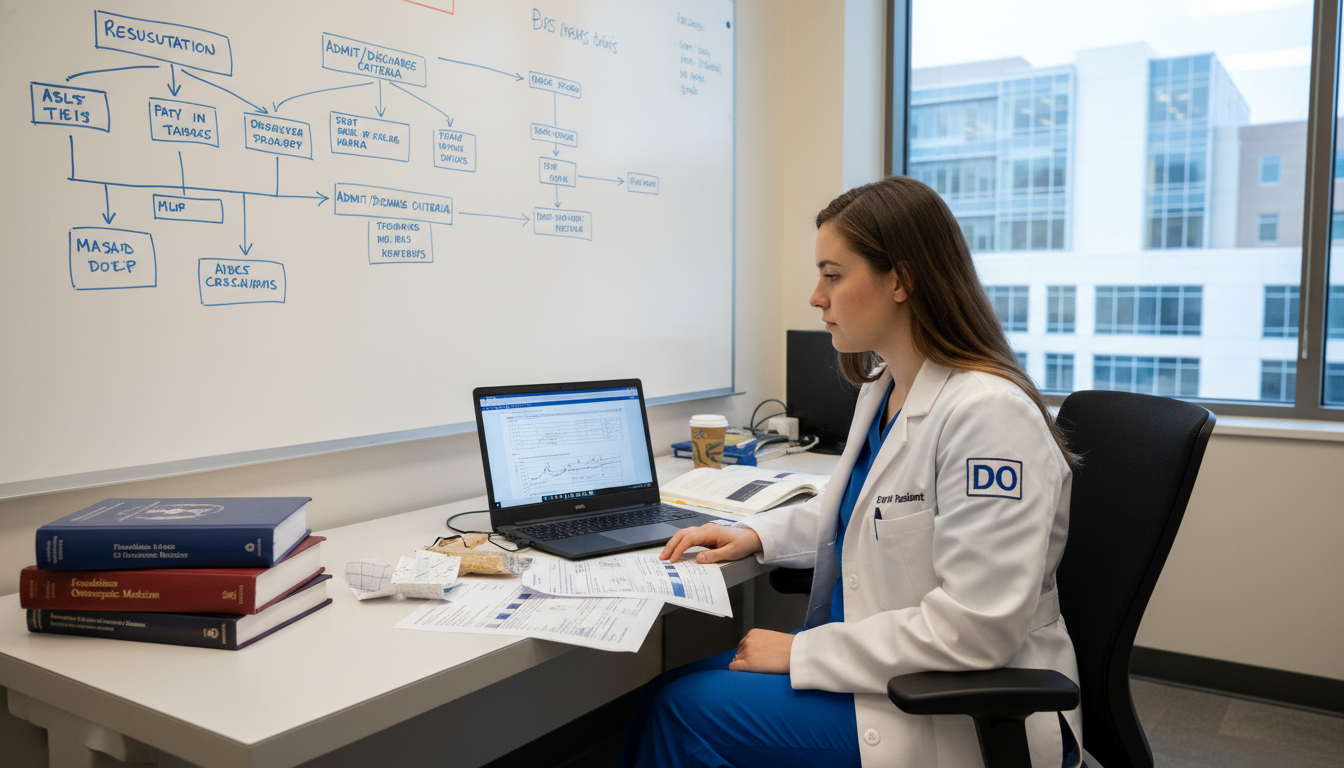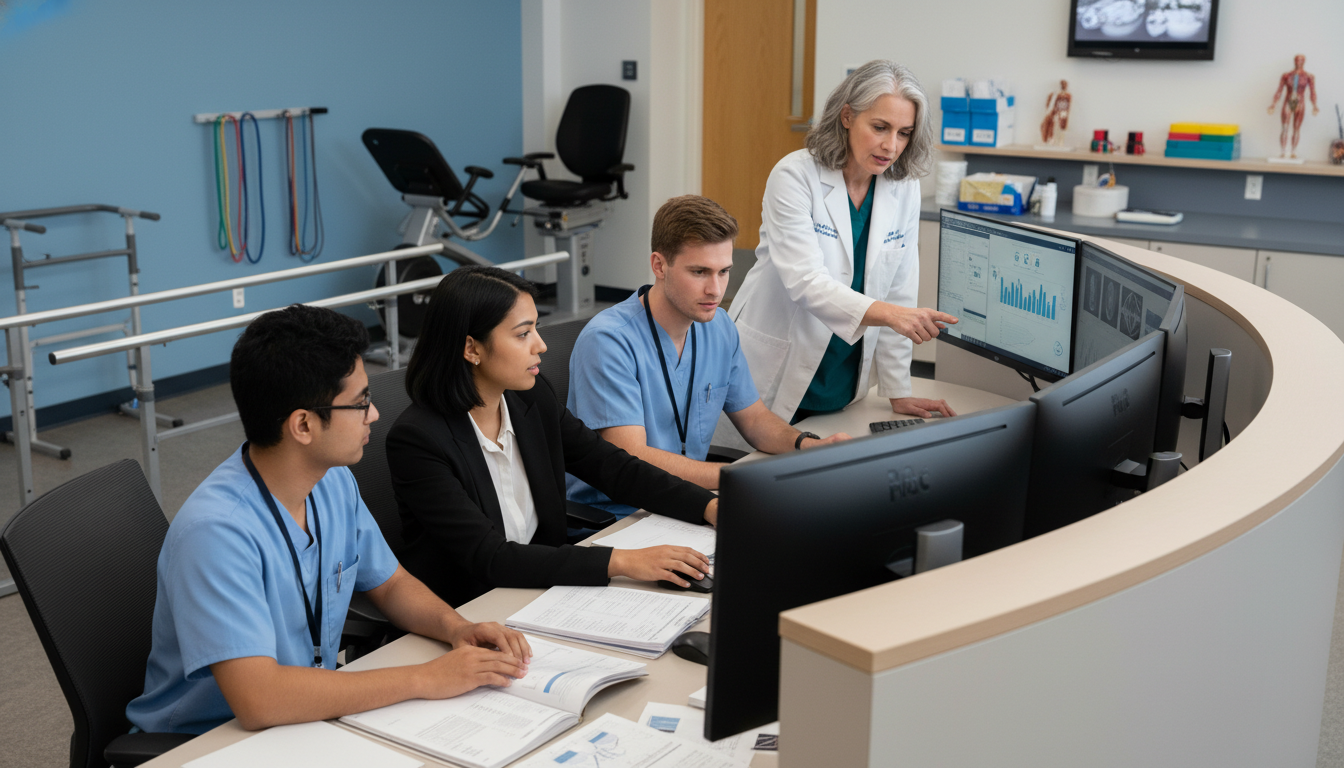
Residency is the bridge between broad internal medicine training and the highly specialized world of hematology-oncology. If you’re aiming for a heme onc fellowship, research during residency is no longer optional “bonus” experience—it’s a core component of a competitive application and, more importantly, a powerful way to build your skills, network, and professional identity.
This guide walks you through how to approach resident research projects in hematology-oncology, how to choose an academic residency track, and how to strategically position your work for the oncology fellowship match.
Understanding the Role of Research in Hematology-Oncology Careers
Hematology-oncology is one of the most research-driven fields in medicine. Almost every major therapeutic advance—CAR-T therapy, checkpoint inhibitors, targeted TKIs, novel monoclonal antibodies—came from clinical and translational research painstakingly built over years.
Why Research Matters So Much in Heme-Onc
Field culture and expectations
- Heme-onc fellowships are often housed in large academic centers where research productivity is a key metric.
- Many program directors expect applicants to show evidence of scholarly activity, even for clinically focused fellows.
- The specialty values curiosity, comfort with data, and familiarity with trial design, all of which research nurtures.
Fellowship competitiveness
- Hematology-oncology fellowships (especially at top academic centers and comprehensive cancer centers) are competitive.
- Research experience signals:
- Intellectual engagement with the specialty
- Persistence and follow-through
- Ability to work in teams and on long-term projects
Career flexibility
- Early research exposure makes it easier to:
- Pursue physician-scientist or clinician-investigator pathways
- Obtain early-career grants and protected research time
- Compete for faculty positions in academic hematology/oncology
- Even if you choose a primarily clinical career, research experience helps you interpret literature, participate in trials, and lead quality initiatives.
- Early research exposure makes it easier to:
Better patient care
- Understanding how evidence is generated helps you:
- Critically appraise new drugs and protocols
- Explain trial options to patients accurately
- Integrate rapidly evolving guidelines into clinical practice
- Understanding how evidence is generated helps you:
In short: research during residency isn’t just a checkbox for the oncology fellowship match; it’s foundational training for how you will think and practice as an oncologist.
Types of Research Opportunities for Internal Medicine Residents
Research in hematology-oncology spans a wide spectrum. You do not need to be in a basic science lab to have meaningful—and publishable—research during residency. The key is matching the project type to your time, skills, and institutional resources.
1. Clinical Research
Clinical research is usually the most accessible for residents.
Examples:
- Retrospective chart reviews on:
- Outcomes of acute leukemia patients admitted to your ICU
- Readmission rates after neutropenic fever
- Thrombosis rates in hospitalized cancer patients
- Prospective observational studies:
- Symptom burden in patients receiving immunotherapy
- Adherence to venous thromboembolism prophylaxis protocols
- Secondary analysis of existing trial data (if your institution allows resident involvement)
Why it’s good for residents:
- Uses data you can access within your institution
- Directly relevant to your day-to-day clinical work
- Often feasible within 12–18 months
2. Quality Improvement (QI) and Implementation Science
Quality projects can be powerful, especially when well-designed and written up as scholarship.
Examples:
- Increasing appropriate use of growth factor support in high-risk chemotherapy regimens
- Improving timeliness and standardization of tumor lysis syndrome prophylaxis
- Optimizing transfusion practices for stable hematology patients
- Reducing delays from abnormal CBC to bone marrow biopsy scheduling
Tips to make QI “count” as research:
- Use clear methodology (e.g., PDSA cycles, run charts)
- Collect pre- and post-intervention data
- Involve a faculty mentor experienced in QI scholarship
- Aim to present at meetings and submit a manuscript describing your project
3. Translational Research
This focuses on bridging basic science and clinical care—ideal if you’re considering a physician-scientist track.
Examples:
- Correlating molecular mutations with outcomes in myelodysplastic syndromes
- Validating a biomarker for minimal residual disease in leukemia
- Analyzing circulating tumor DNA in lymphoma patients
Considerations:
- Often requires lab access and lab-based mentors
- Time-intensive; best started early in residency
- Particularly valuable for those targeting highly research-intensive heme onc fellowship programs
4. Basic Science Research
Pure bench research is less common for residents without prior lab experience, but it can be ideal if:
- You did a PhD or significant lab work during medical school
- You are in an academic residency track with protected research time
- You plan a physician-scientist career with significant bench time
Examples:
- Studying immune microenvironment of solid tumors
- Investigating resistance mechanisms to targeted therapies
- Developing novel cell-based therapies or antibody constructs
5. Educational and Outcomes Research
Cancer care requires major patient and provider education; these projects can be very meaningful.
Examples:
- Developing and evaluating a curriculum on management of oncologic emergencies for residents
- Studying communication training for delivering bad news
- Analyzing outcomes of multidisciplinary tumor board recommendations

How to Get Started: Finding Mentors, Projects, and an Academic Track
The hardest step is often the first one: getting from “I want to do research during residency” to “I’m actively working on a feasible study.” Strategic planning early in intern year can make all the difference.
Step 1: Clarify Your Goals
Ask yourself:
- How strongly am I committed to hematology-oncology vs still exploring?
- Am I more drawn to clinical, translational, or lab-based work?
- Do I envision a primarily clinical career, a clinician-educator role, or a research-intensive academic pathway?
- How much time can I realistically commit to research during a busy residency?
Your answers affect what kind of projects and academic residency track (if available) will suit you best.
Goal-oriented examples:
Goal: Strong heme onc fellowship application, clinically oriented career
- Focus on 1–2 well-executed clinical or QI projects in oncology or thrombosis
- Aim for at least a poster presentation and a manuscript submission
Goal: Academic hematologist/oncologist with ongoing research
- Seek an academic residency track with protected research time
- Start early with longitudinal projects
- Build multi-project productivity (abstracts, manuscripts, possibly co-authorship on others’ work)
Goal: Physician-scientist in hematologic malignancies
- Prioritize programs and mentors with robust basic/translational labs
- Begin in PGY-1 if possible
- Consider research electives and possibly a research year (where available)
Step 2: Identify Heme-Onc Mentors
Mentorship is the single most important factor for successful resident research projects.
How to find mentors:
- Ask your residency program leadership which heme-onc faculty regularly work with residents
- Scan your institution’s hematology-oncology division website:
- Look at faculty research interests and recent publications
- Note who is first/last author on resident/fellow papers
- Attend tumor boards, heme-onc conferences, and divisional grand rounds
- Ask senior residents and fellows: “Who would you recommend as a research mentor?”
What to look for in a mentor:
- Track record of working with residents
- Active research in an area that genuinely interests you (e.g., lymphoma, benign heme, solid tumors)
- Reasonable availability and responsiveness
- A team or lab structure where you can plug into existing work
You can also have multiple mentors:
- A primary content mentor (e.g., leukemia specialist)
- A methods mentor (e.g., biostatistician or clinical researcher)
- A career mentor (could be outside heme-onc)
Step 3: Choose the Right Project Scope
Your project must fit your time constraints and residency schedule. Overly ambitious plans are a common pitfall.
Resident-friendly project characteristics:
- Uses existing data or institutional registries
- Has clear, narrow questions (e.g., “30-day mortality in…” not “all factors related to mortality…”)
- Has achievable endpoints within 12–18 months
- Involves an experienced co-investigator to guide IRB and analysis
Example of a reasonable clinical project:
Question: Among hospitalized patients with solid tumors and COVID-19 at our center, what factors predict ICU admission and in-hospital mortality?
Feasibility: Single center, retrospective chart review, finite time window, clear primary outcomes.
Versus an unrealistic first project:
“Designing and launching a multicenter randomized controlled trial of a novel regimen in relapsed AML” (excellent idea; not feasible as a sole-resident initiative).
Step 4: Explore Academic Residency Track Options
Many programs offer an academic residency track or “research track” (sometimes called physician-scientist training programs). These can provide:
- Protected research time (often in PGY-2 and PGY-3)
- Structured mentorship and research seminars
- Support for abstract submissions and travel to conferences
- Sometimes a linked pathway into a heme onc fellowship within the same institution
If your program has such a track:
- Inquire about application timing (often late PGY-1 or early PGY-2)
- Ask current residents about their experiences
- Clarify expectations for research productivity
If your program doesn’t offer a formal track:
- You can still create an “informal” academic track by:
- Planning research electives
- Requesting dedicated heme-onc clinic blocks
- Working with program leadership to cluster elective time for research during lighter rotations
Practical Steps to Executing Resident Research Projects
Once you have a mentor and a project idea, execution becomes the main challenge. Here’s a stepwise structure tailored to the realities of residency.
1. Refine the Question and Study Design
Use the PICO framework (Population, Intervention, Comparison, Outcome) for clinical questions, even if your “intervention” is just exposure or risk factor status.
Example PICO for a heme-onc resident project:
- P: Adult patients with diffuse large B-cell lymphoma treated at your center
- I: Receipt of CNS prophylaxis
- C: No CNS prophylaxis
- O: Incidence of CNS relapse within 2 years
Work with your mentor and possibly a statistician to:
- Clarify inclusion and exclusion criteria
- Define primary and secondary endpoints
- Decide on sample size (even roughly)
- Choose appropriate statistical tests
2. Obtain IRB Approval (If Applicable)
Most clinical and translational projects require IRB review. QI projects may be exempt, but that determination should be made formally, not assumed.
To streamline IRB submission:
- Ask your mentor for previous similar IRB protocols as templates
- Use institutional boilerplate language where allowed
- Clarify data security and de-identification plans
- Build IRB submission into your project timeline (often 4–12 weeks)
3. Plan Realistic Data Collection
Your data collection plan should recognize that you’ll be on ICU, nights, and ward rotations.
Tips:
Use REDCap or similar platforms if available
Create a detailed data dictionary before collecting anything
Pilot test your data abstraction on 5–10 charts to ensure variables are:
- Clear
- Obtainable
- Not excessively time-consuming
Consider involving co-residents or medical students for data entry under your supervision
4. Coordinate Analysis and Interpretation
Statistical support is crucial; don’t try to do complex analyses alone if you’re not trained.
- Engage a biostatistician early
- Pre-specify your main analyses to avoid “data dredging”
- Schedule meeting(s) after preliminary analyses to:
- Confirm that results make clinical sense
- Decide how to handle missing data
- Refine which figures/tables best tell the story
5. Turn Your Work into Abstracts, Posters, and Manuscripts
For the oncology fellowship match, having tangible outputs is critical.
Timeline strategy:
- Goal: Submit at least one abstract by early PGY-3 (for fall national meetings like ASH or ASCO).
- Then convert that work into a manuscript by mid-PGY-3.
Common venues for heme-onc-related resident work:
- National: ASH, ASCO, ASCO GU/GI, ASCO Quality Care, AACR
- Specialty-specific: Thrombosis/benign heme meetings, transplant meetings
- Institutional: Resident research days, cancer center symposia
A strong portfolio might include:
- 1–3 abstracts (local and national)
- 1 first-author manuscript (submitted or accepted)
- Several co-authorships (from helping on other projects)

Balancing Research with Clinical Responsibilities and Fellowship Applications
Time is the limiting reagent in residency. Without deliberate planning, even the best project can languish. At the same time, you need to be building your broader application for the oncology fellowship match.
Time Management Across PGY Years
PGY-1 (Intern Year): Foundation
- Focus:
- Solidify clinical skills
- Explore interest in hematology-oncology
- Identify potential mentors and attend division conferences
- Actions:
- Schedule introductory meetings with heme-onc faculty
- Join an ongoing project (chart review, QI, or sub-analysis)
- Learn basic research terminology and methods
PGY-2: Productivity Phase
- Focus:
- Active data collection and analysis
- Abstract submissions
- Actions:
- Block research elective(s) during lighter rotations
- Meet regularly with your mentor (every 4–6 weeks)
- Aim to submit at least one abstract this year
- Start drafting a manuscript while the project is fresh
PGY-3: Consolidation and Match Preparation
- Focus:
- Finalizing outputs
- Articulating your research story in applications and interviews
- Actions:
- Submit manuscripts and updated abstracts
- Obtain strong letters of recommendation highlighting your research
- Practice explaining your project succinctly (1–2 minute summary)
- Connect with potential fellowship mentors at target programs
How Research Strengthens Your Fellowship Application
For the oncology fellowship match, your research during residency helps you:
Demonstrate commitment to the field
- Heme-onc-focused projects clearly signal your interest.
- Even thrombosis or transfusion medicine work is highly relevant.
Show productivity and follow-through
- Program directors care less about “type” of research and more about whether you see projects through to completion.
Generate strong letters of recommendation
- A mentor who has seen you work on a project for 1–2 years can write a far more detailed and personalized letter than someone who supervised a single rotation.
Stand out in interviews
- You’ll be expected to discuss your research intelligently.
- Being able to explain:
- The clinical question,
- Methods,
- Key findings, and
- Implications
marks you as thoughtful and engaged.
Common Pitfalls and How to Avoid Them
Pitfall: Overcommitting to too many projects
- Solution: Prioritize depth over breadth; it’s better to have one completed project than five unfinished ones.
Pitfall: Waiting too long to start
- Solution: Begin exploring during intern year, even if just shadowing a lab meeting or helping with data extraction.
Pitfall: Doing research unrelated to your true interests just because it’s available
- Solution: It’s fine to start anywhere, but try to gravitate toward heme-onc or related topics by PGY-2.
Pitfall: Poor communication with mentors
- Solution: Set expectations early—preferred communication method, meeting frequency, and interim deadlines.
Making the Most of Research During Residency: Strategic Advice and Examples
To maximize your efforts, anchor your research choices to your evolving career goals and institutional context.
Aligning Projects with Heme-Onc Subinterests
Even within heme-onc, you may be more drawn to:
- Solid tumors vs hematologic malignancies
- Benign hematology (thrombosis, bleeding, hemoglobinopathies)
- Bone marrow transplant and cellular therapy
- Survivorship, supportive care, or palliative oncology
Whenever feasible, choose resident research projects that cultivate your emerging niche.
Example paths:
Interest: Benign hematology / thrombosis
- QI on VTE prophylaxis in hospitalized cancer patients
- Retrospective study on management of heparin-induced thrombocytopenia
- Collaboration with anticoagulation clinic on DOAC outcomes in cancer-associated thrombosis
Interest: Solid tumor oncology (e.g., lung cancer)
- Project on immunotherapy-related toxicities and readmissions
- Study of time-to-treatment for stage III–IV lung cancer
- Outcomes associated with molecular testing turnaround times
Interest: Hematologic malignancies
- Retrospective outcomes of AML induction regimens at your center
- Evaluation of MRD testing patterns and clinical decisions in ALL
- Collaboration with a translational lab on mutation profiles
Building a Coherent Narrative for the Oncology Fellowship Match
Your research during residency should fit into a broader story about who you are becoming as a future hematologist-oncologist.
A compelling narrative might sound like:
“During residency I became particularly interested in how we can improve outcomes for patients with aggressive lymphomas. My research has focused on understanding who is at highest risk for CNS relapse, and evaluating how we use prophylactic strategies at our institution. Long-term, I hope to continue clinical research that refines risk stratification and guides better use of targeted therapies in high-risk disease.”
Notice how this connects:
- A defined clinical area (aggressive lymphomas)
- A specific research theme (risk stratification and prophylaxis)
- A future direction (ongoing clinical research focus)
You don’t need everything figured out, but having some coherent direction helps programs see your potential trajectory.
FAQs: Research During Residency for Heme-Onc-Focused Residents
1. Do I absolutely need publications to match into a hematology-oncology fellowship?
Not absolutely—but having at least some scholarly output is increasingly common among successful applicants, particularly for academic programs. A strong application often includes:
- One first-author abstract or poster, ideally in heme-onc
- Evidence of sustained involvement in at least one project
- If possible, a manuscript (submitted or accepted), but even “in preparation” with clear progress can help
Strong clinical evaluations and letters can partially compensate, but research strengthens your candidacy significantly, especially at competitive programs.
2. Is it better to have one big project in hematology-oncology or several smaller projects in different areas?
For a heme onc fellowship, one substantial project clearly aligned with your interest often carries more weight than multiple scattered, incomplete, or peripherally related efforts. That said:
- A mix can be ideal: one major heme-onc project plus 1–2 smaller co-authorships in related areas (general IM, thrombosis, QI).
- Think in terms of completion and depth, not just project count.
3. What if my residency doesn’t have a strong hematology-oncology research infrastructure?
You still have options:
- Look for:
- QI projects in oncology wards or infusion centers
- Case series or retrospective reviews that don’t require huge databases
- Collaborations with nearby institutions (if available)
- Consider:
- Remote or multi-center collaborations initiated through faculty connections
- Educational or outcomes-based projects in cancer care
- Be honest in your fellowship applications about:
- The context of your program
- How you maximized available opportunities
Fellowship committees recognize that research resources vary by institution; they mainly want to see initiative and follow-through.
4. How do I talk about my research during fellowship interviews if the project is still in progress?
Focus on your role, thinking process, and what you’ve learned, not just final products. Be ready to explain:
- The clinical question and why it matters in heme-onc
- What you contributed (study design, data collection, analysis, writing)
- Any preliminary findings
- Next steps (manuscript, expanded study, future directions)
Even in-progress work can impress if you show clear ownership, understanding, and reflection on the experience.
Research during residency is one of the most powerful levers you have to shape your future in hematology-oncology. With thoughtful project selection, strong mentorship, and realistic planning, you can build a portfolio that not only supports a successful oncology fellowship match but also lays the foundation for a meaningful, intellectually engaged career caring for patients with cancer and blood disorders.