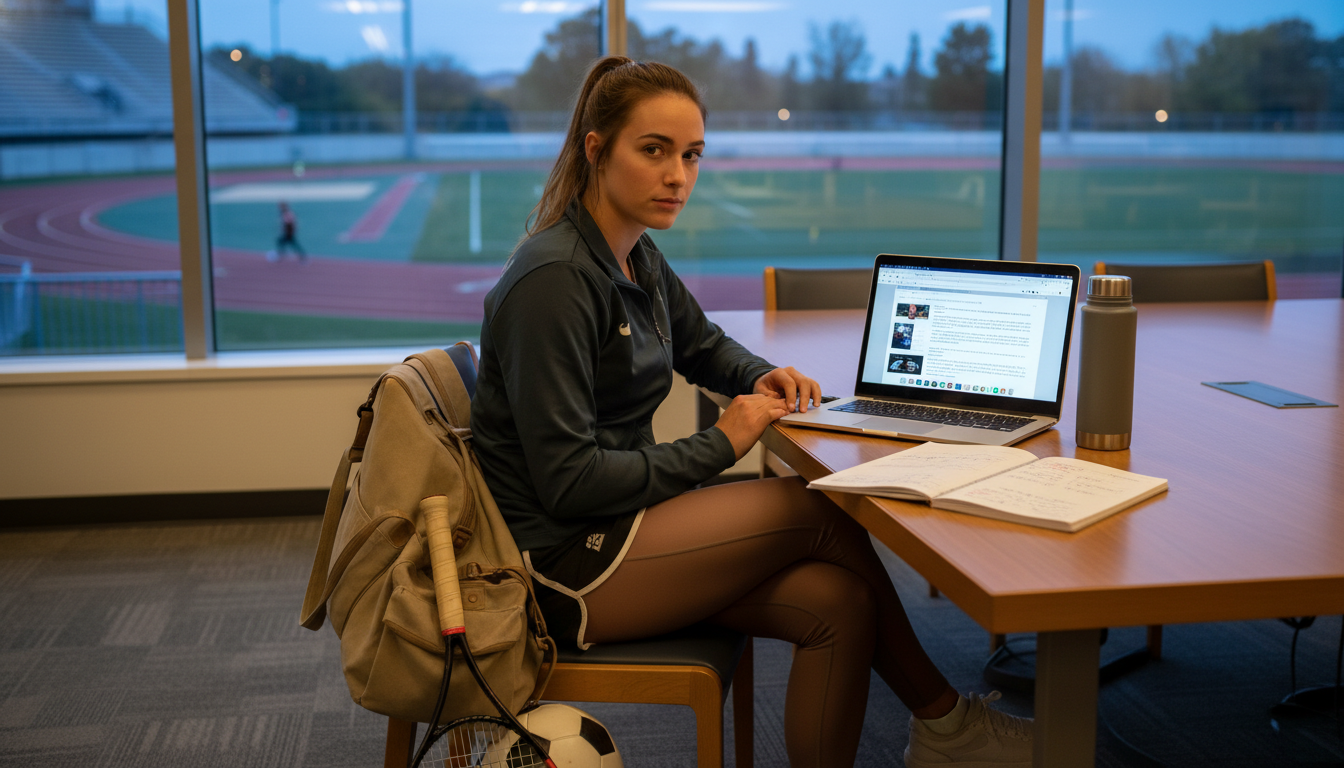
Why Research During Residency Matters for US Citizen IMGs in Pediatrics-Psychiatry
For a US citizen IMG in a combined Pediatrics-Psychiatry program, research during residency is more than a CV booster—it’s a strategic way to:
- Differentiate yourself in a small, competitive niche
- Build credibility as both a pediatrician and psychiatrist
- Open doors to fellowships, academic positions, and leadership roles
- Shape how systems care for children and adolescents with complex medical and psychiatric needs
As an American studying abroad, you may already feel pressure to “catch up” with US MD peers. Well-planned resident research projects can help close that perceived gap, especially if you aim for:
- Triple board (Pediatrics–Psychiatry–Child & Adolescent Psychiatry) training
- An academic residency track or future faculty career
- Health systems, policy, or community work focused on vulnerable youth
This guide walks you through how to approach research during residency in pediatrics-psychiatry as a US citizen IMG: where to start, how to find mentors, what types of projects fit your schedule, and how to leverage your work for long-term career growth.
Understanding the Research Landscape in Pediatrics-Psychiatry
Pediatrics-psychiatry—and especially triple board training—sits at the intersection of multiple disciplines. That’s a challenge and an opportunity.
Typical Research Domains in Peds-Psych and Triple Board
Common focus areas include:
Developmental and behavioral pediatrics
- Early identification of autism, ADHD, learning disorders
- Parent training interventions and school-based programs
Child and adolescent psychiatry
- Mood, anxiety, psychotic, and trauma-related disorders in youth
- Suicide prevention and self-harm screening in pediatric settings
Integrated care and collaborative models
- Embedding behavioral health into pediatric clinics
- Pediatric primary care–child psychiatry consultation programs
- Screening, brief intervention, and referral algorithms
Medically complex children and neuropsychiatric interface
- Functional neurological symptoms
- Psychiatric aspects of chronic illness (diabetes, epilepsy, cancer)
- Sleep, pain, and somatic symptom disorders
Systems, policy, and health disparities
- Access to child psychiatry in rural or under-resourced areas
- Racial, ethnic, and socioeconomic disparities in diagnosis/treatment
- Outcomes of telepsychiatry or school-based mental health
Because triple board programs and peds-psych residencies are relatively small, you may find fewer large research machines than in big categorical IM or neurology departments—but you also often get closer, more individualized mentorship and a chance to become “the” resident on certain projects.
Why Research Is Especially Strategic for US Citizen IMGs
As a US citizen IMG in this niche, research can:
Reframe your narrative
Instead of being seen primarily as “the IMG,” you become “the resident who co-authored that study on pediatric suicide screening in EDs” or “the one who led the autism quality-improvement project.”Demonstrate academic potential
Publishing or presenting work signals to program leadership and future employers that you can think critically, analyze data, and contribute to scholarly discourse.Build a multi-institutional network
Research often leads to collaborations with child psychiatry, pediatrics, psychology, nursing, and public health teams—helpful if you later apply for fellowships or academic faculty positions.Offset weaker application metrics
If your Step scores or medical school name aren’t standout, a sustained record of research during residency can show resilience, curiosity, and high-value contributions.

Finding the Right Research Niche and Mentors
Step 1: Start with Career Vision, Not Just Available Projects
Before saying yes to any project, ask yourself:
- Do I see myself clinically more in pediatrics, psychiatry, or fully integrated care?
- Am I drawn to inpatient, outpatient, consult, or community work?
- Do I want a career that is primarily clinical, academic, or policy/administration-oriented?
If you lean:
- Clinical academic: prioritize projects that lead to publications and presentations in mainstream pediatrics or psychiatry journals (e.g., JAMA Pediatrics, JAACAP).
- Educational leadership: look for curriculum development, simulation teaching, or assessment projects.
- Policy/advocacy: focus on health services research, access to care, or disparities studies.
Your goal isn’t to pick the “perfect” niche on day one, but to avoid scattering your limited time across ten unrelated mini-projects.
Step 2: Map the Mentorship Ecosystem Early
In your first 6–12 months:
Identify research-active faculty in:
- Pediatrics (general peds, hospitalist, adolescent medicine, developmental-behavioral)
- Child and adolescent psychiatry
- Psychology, social work, or public health associated with your hospital
Ask your program leadership:
- “Which faculty enjoy mentoring residents on research?”
- “Are there ongoing resident research projects or an academic residency track I should consider?”
Request a short meeting with 3–5 potential mentors. In a 20–30 minute chat:
- Share your background as a US citizen IMG and your career interests
- Ask what types of projects they typically do with residents
- Explicitly ask: “What level of resident involvement has led to authorship in your group?”
Strong mentors will be clear about expectations and realistic timelines.
Step 3: Choose Projects That Fit a Resident’s Reality
Good resident research projects share these traits:
- Feasible scope: Aim for something you can realistically complete in 12–24 months, including data collection and manuscript submission.
- Minimal IRB barriers: Retrospective chart reviews, secondary data analyses, or ongoing QI projects often have existing approval.
- Embedded in clinical work: For example:
- Evaluating the impact of a new depression screening tool in continuity clinic
- Studying readmission rates for adolescents with eating disorders on a pediatric medicine unit
Bad projects for residents typically:
- Require building a complex prospective cohort from scratch
- Depend entirely on unpredictable grant funding
- Have a PI with limited time, unclear goals, or a poor track record of publishing resident work
If you’re not sure, ask senior residents: “Which projects have actually led to publications or presentations?”
Types of Research Projects That Work Well in Peds-Psych Residency
1. Quality Improvement (QI) with Scholarly Output
QI is often the most practical entrance into research during residency, especially in pediatrics-psychiatry where process and systems issues are huge.
Examples in peds-psych/triple board:
- Implementing universal suicide risk screening in a pediatric ED and tracking outcomes
- Improving follow-up rates after psychiatric hospitalization for adolescents with self-harm
- Reducing antipsychotic polypharmacy in children with developmental disabilities
- Increasing screening for ACEs (Adverse Childhood Experiences) in continuity clinic
How to make QI count academically:
- Use recognized frameworks (PDSA cycles, IHI Model for Improvement)
- Collect baseline and post-intervention data
- Predefine outcome measures (e.g., screening completion rates, referral completion, length of stay)
- Write up results for a poster or short manuscript
Even though QI may not be “traditional” research, many journals now publish well-designed QI studies, especially in pediatrics and psychiatry. This is a strong pathway for a US citizen IMG looking to build credibility quickly.
2. Retrospective Chart Reviews
These are ideal when you join an existing dataset or review a specific population.
Typical peds-psych topics:
- Characteristics and outcomes of children admitted to the pediatric ward with severe behavioral dysregulation
- Trends in psychotropic prescribing in a pediatric primary care practice
- Comparative outcomes of adolescents with eating disorders managed on pediatric vs psychiatry units
Advantages:
- Often covered by existing IRB protocols
- Data may already be collected
- Analysis can be done within resident schedules
Work with a mentor to ensure:
- Well-defined inclusion/exclusion criteria
- A reasonably sized sample
- A story that adds something new (e.g., focuses on an underserved population, a novel integrated-care model, or specific outcomes like emergency recidivism)
3. Educational Research
If you enjoy teaching or aspire to academic leadership, educational projects are high-yield.
Possible projects:
- Developing and evaluating a curriculum on managing psychiatric crises for pediatric residents
- Simulation-based teaching of de-escalation skills on pediatric units
- Assessing comfort and knowledge about psychotropic prescribing among pediatricians before/after an educational intervention
Collect pre/post surveys, objective performance measures (OSCE scores, checklist ratings), and feedback for an educational research manuscript.
4. Health Services and Policy-Oriented Research
For residents interested in systems and disparities, these projects can be transformative.
Focus areas:
- Barriers to accessing child psychiatry services in rural communities
- Impact of telepsychiatry consults on pediatric ED boarding times
- Insurance or policy changes affecting access to integrated behavioral health in pediatric clinics
These projects often use existing administrative databases or community health data, making them feasible to complete while on service.
5. Case Reports and Case Series
While lower on the hierarchy of evidence, case reports are extremely practical early in residency and popular in pediatrics and psychiatry.
Good candidates:
- Rare presentations (e.g., autoimmune encephalitis with prominent psychiatric symptoms in a child)
- Complex psych–medical interface (e.g., severe anxiety leading to repeated functional abdominal pain admissions)
- Unique systems issues (e.g., innovative integrated care solutions for a child in foster care with multiple chronic conditions)
Case reports can be stepping stones to more complex projects and help you learn the mechanics of writing and submission.
Balancing Clinical Demands and Research During Residency
Be Honest About Time and Energy
Peds-psych and triple board residents juggle multiple identities—pediatrician, psychiatrist, developing child and adolescent specialist. Rotations can be intense. Protect yourself from burnout by planning realistically.
Practical time-management tips:
Block research time:
- Use lighter rotations (e.g., outpatient, elective) to set aside half-days for focused work.
- Communicate with your mentor: “I will have 2 afternoons a week over the next month to push the project forward.”
Use micro-moments:
- Literature reviews during call downtime
- Editing your draft during quiet clinic sessions
- Formatting references while commuting (if safe and appropriate, e.g., on public transport)
Front-load IRB and design work:
- On heavy inpatient blocks, focus on conceptual work (study aims, measures, data fields) rather than intense analysis.
Leverage Program Infrastructure
Many programs now offer:
- Resident research seminars or workshops
- Statistical consultation services through the institution
- Protected research elective time (e.g., 2–4 weeks)
As a US citizen IMG, actively ask your program director:
- “What is the typical pathway for residents to complete research?”
- “How do residents successfully use research or scholarly elective time?”
- “Is there an academic residency track I can enroll in or informal research curriculum I can follow?”
The answers help you plan a realistic path from project idea to publication.
Collaborate and Delegate
You don’t need to do everything yourself.
- Join multi-resident or multi-disciplinary projects
- Share tasks (data collection, literature review, initial analysis) with co-residents
- Ask medical students rotating on your service to assist (with clear supervision and authorship expectations)
Collaboration not only makes projects more doable but also expands your professional network—key for career growth as a US citizen IMG.
Turning Resident Research into Long-Term Career Capital
Research during residency should feed directly into your next steps: fellowships, academic jobs, or leadership roles in integrated care.
Building a Coherent Research Story
Aim to have your projects align around a recognizable theme by graduation, such as:
- Suicide prevention in pediatric settings
- Integrated care for medically complex children
- Disparities in access to child psychiatry services
- Neurodevelopmental disorders and comorbid mental health conditions
This doesn’t mean every project must be identical, but your CV should tell a story. In personal statements or interviews you can then say:
“Across my residency, my projects have focused on improving detection and management of depression and suicidality in pediatric settings, from ED screening initiatives to primary-care-based interventions.”
That coherent narrative is powerful for fellowship directors or academic hiring committees.
Showcasing Research During Applications and Interviews
When you apply for:
- Child and adolescent psychiatry fellowships
- Advanced pediatric fellowships (e.g., developmental-behavioral, adolescent medicine)
- Academic faculty positions
Be prepared to:
Summarize your key projects in 1–2 minutes each:
- The clinical problem
- Your role
- Main findings or anticipated outcomes
- Where you presented/published the work
Highlight skills you gained:
- Study design, basic statistics
- QI methodology
- Presenting to multidisciplinary audiences
- Leading a small project team
Articulate your future trajectory:
- How you plan to grow your work in fellowship or as faculty
- How your research aligns with your clinical interests
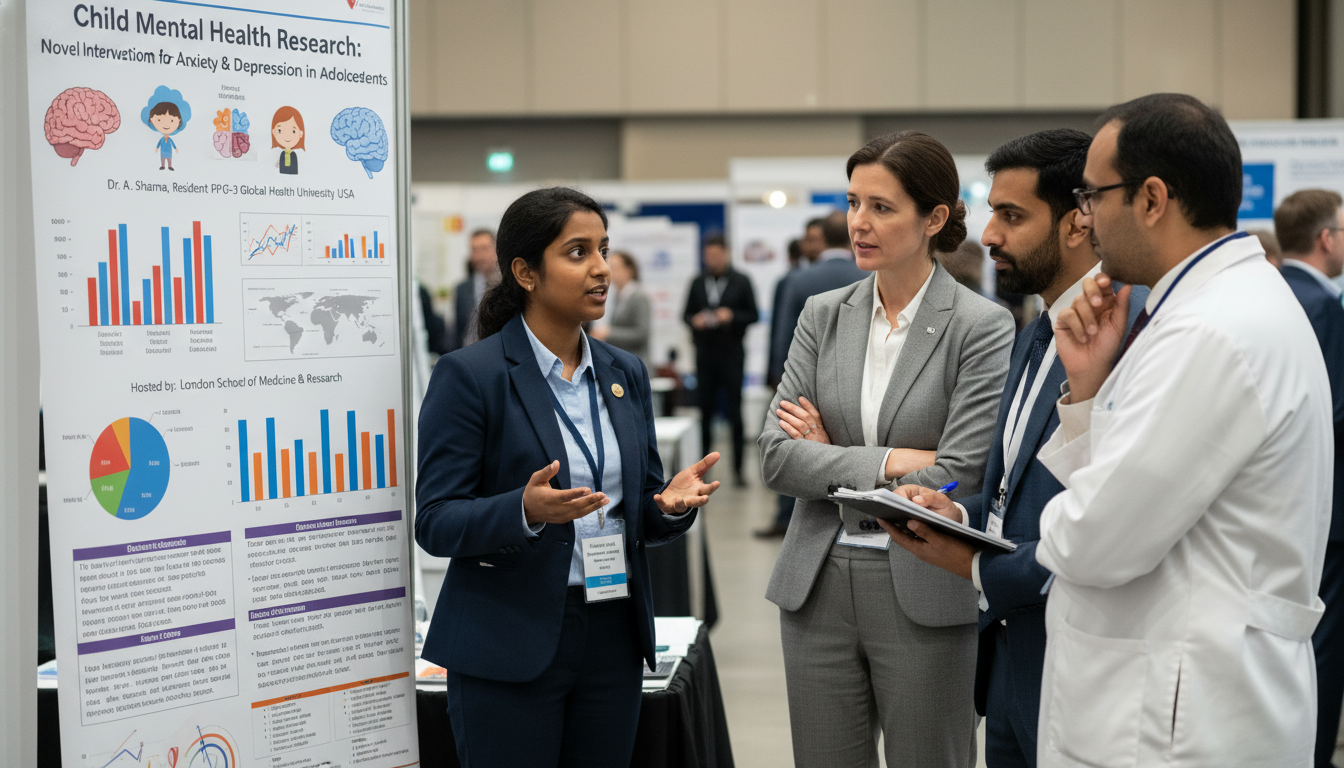
Networking Through Conferences
Presenting at conferences is especially impactful for US citizen IMGs.
Relevant conferences include:
- American Academy of Pediatrics (AAP), including Section on Developmental and Behavioral Pediatrics
- American Academy of Child and Adolescent Psychiatry (AACAP)
- American Psychiatric Association (APA)
- Regional pediatric, psychiatric, or hospital medicine meetings
At conferences:
- Attend sessions related to your research theme
- Introduce yourself to speakers and authors in your area
- Mention you are a US citizen IMG in pediatrics-psychiatry or triple board—many faculty will be intrigued by your background and training pathway
Follow up with brief emails: share your poster, ask for feedback, and explore collaborations. These contacts may later become fellowship mentors or collaborators on multi-site studies.
Transitioning to an Academic Residency Track or Scholarly Role
If your program offers an academic residency track, research experience is often a core requirement. Benefits may include:
- Protected academic time
- Formal research coursework
- Mentored scholarship plans
- Higher expectation (and support) for publications
Even if your program doesn’t have a formal track, you can still:
- Seek a “research champion” among faculty to function as an unofficial track director
- Assemble a mentoring committee (peds, psych, and maybe public health)
- Draft an individualized development plan focusing on academic milestones
By the end of residency, an ideal outcome for an aspiring academic would be:
- 1–2 first-author posters or oral presentations
- At least 1 first-author or co-authored manuscript submitted, in press, or published
- Clear research focus and questions to develop in fellowship or early faculty years
FAQs: Research During Residency for US Citizen IMGs in Pediatrics-Psychiatry
1. I’m a US citizen IMG starting peds-psych/triple board. When should I start research?
Begin exploring in your first year:
- Months 3–6: meet potential mentors, attend research meetings, observe ongoing projects.
- Months 6–12: commit to one primary project with realistic scope.
You don’t need a full project on day one, but you should plant seeds early so that when lighter rotations come, you can move quickly.
2. I have no formal research background. Is it still worth trying?
Yes. Many successful resident research projects are led by people without prior formal research training, especially if they work with a supportive mentor. Start with:
- QI or retrospective chart reviews
- Attending resident research workshops or stats seminars
- Online tutorials in basic statistics (e.g., from your institution’s library subscriptions)
Your IMG background does not disqualify you; your willingness to learn and follow through is more important.
3. How many projects should I aim for during residency?
Quality over quantity. For most residents, especially in demanding combined or triple board programs:
- 1–2 substantial projects (leading to publications/presentations)
- Plus a few smaller contributions (co-authorships, case reports, collaborative QI)
That’s usually enough to establish a strong scholarly profile, particularly when your work aligns with a clear theme.
4. Does research during residency really matter if I just want a mostly clinical job?
Even for primarily clinical careers, research experience:
- Improves your ability to interpret evidence and guidelines
- Makes you more competitive for positions at academic or teaching hospitals
- Equips you to participate in QI, leadership, or program development
- Gives you credibility when advocating for system changes (e.g., integrated behavioral health models)
For a US citizen IMG, it also helps you stand out among applicants, demonstrating initiative and depth beyond clinical competencies.
Research during residency is absolutely attainable—even in a busy peds-psych or triple board schedule—and especially valuable for a US citizen IMG or American studying abroad who wants a strong academic or leadership-oriented career. By choosing feasible projects, securing good mentorship, and aligning your work with a meaningful clinical theme, you can turn resident research projects into a lasting foundation for your future in pediatrics-psychiatry.