Why Research During Residency Matters For a US Citizen IMG in Clinical Informatics
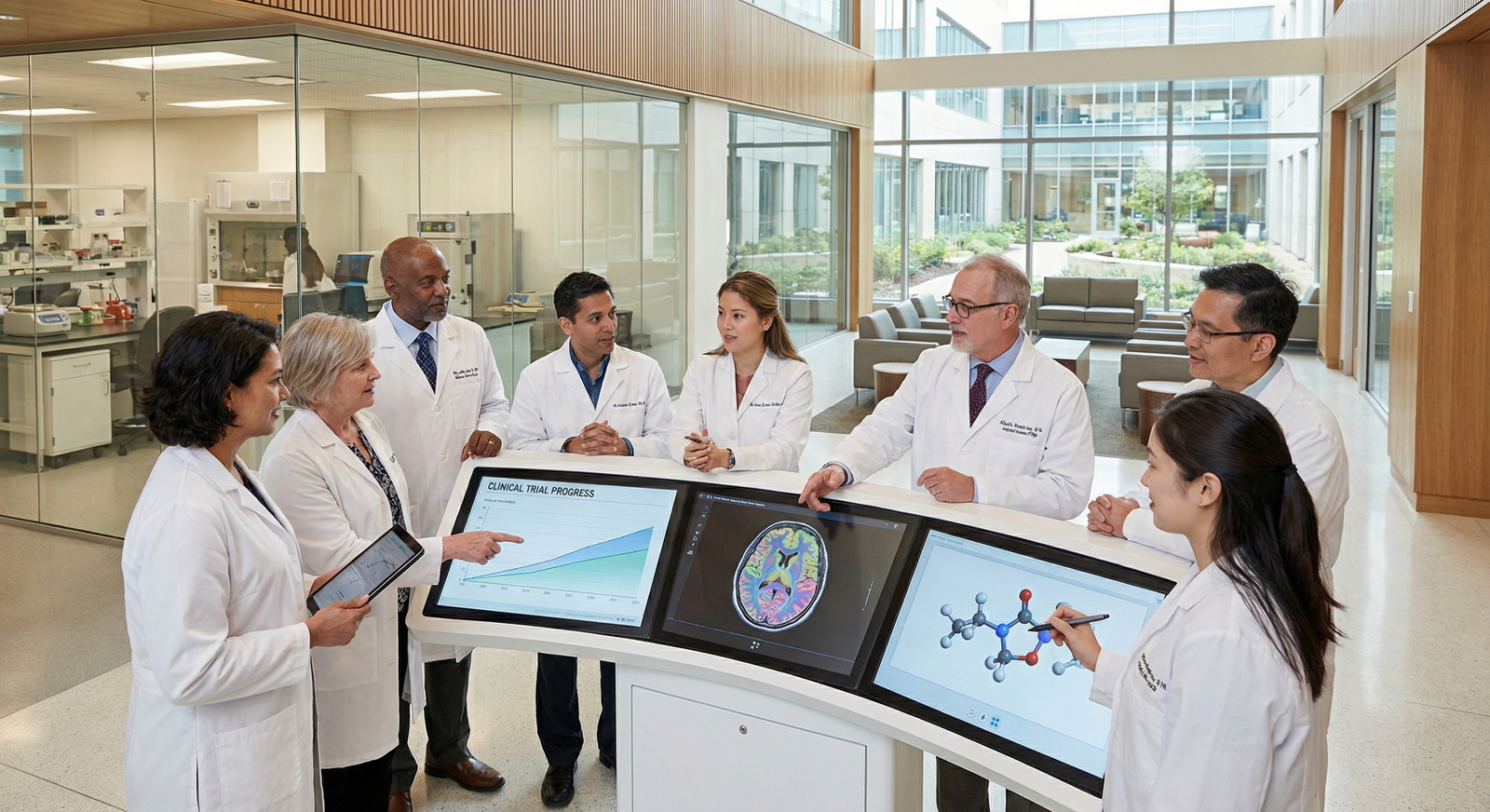
For a US citizen IMG, residency is your most important window to prove you can thrive in the U.S. academic and health IT environment. If you’re interested in clinical informatics or a clinical informatics fellowship later, research during residency is one of the strongest signals you can send to program directors and future mentors.
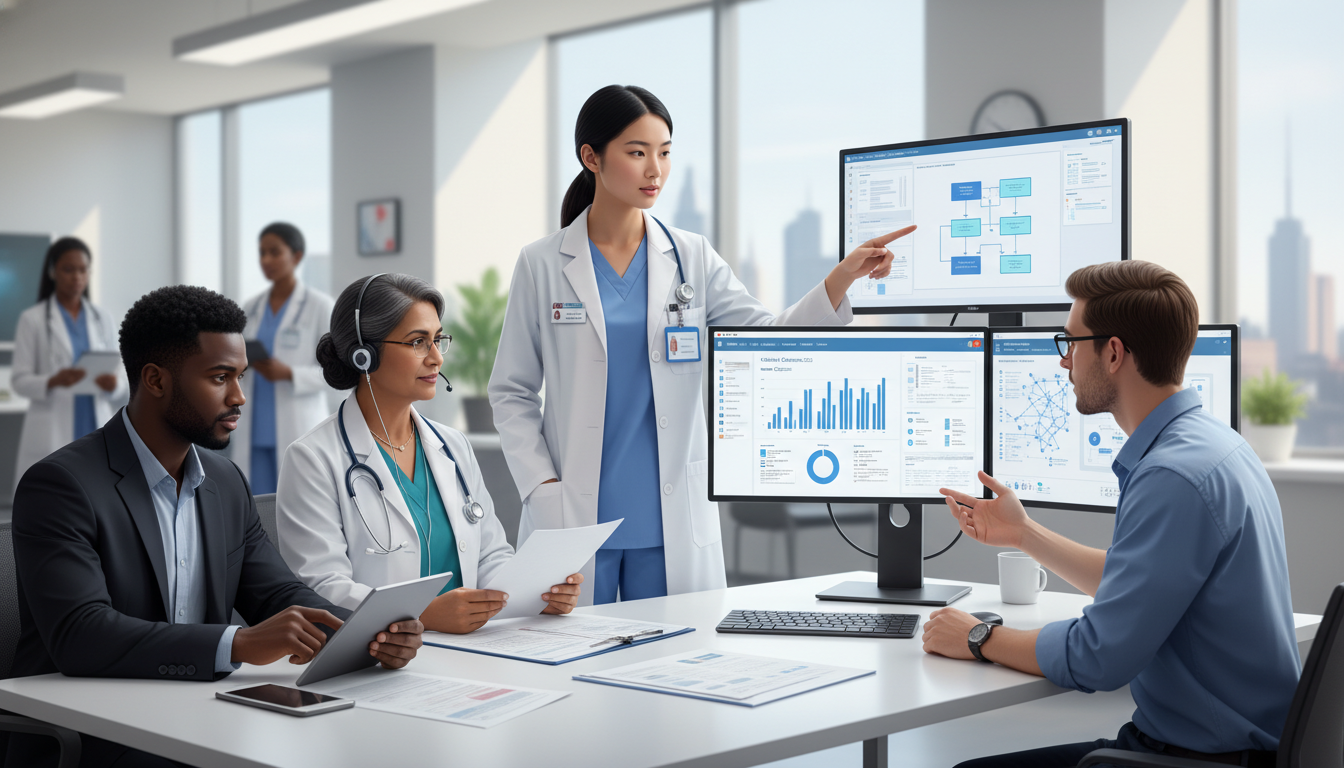
Clinical informatics lives at the intersection of medicine, data, and systems improvement. That means informatics-focused residents are judged not only by clinical performance, but also by their ability to:
- Ask practical, data-driven questions about care delivery
- Analyze EHR and quality data
- Implement and evaluate digital tools and workflows
- Communicate results through abstracts, posters, and publications
For an American studying abroad who returns for U.S. residency, this is especially powerful. Strong resident research projects help offset the common IMG disadvantages—limited U.S. clinical networks, fewer home-institution mentors, and perceptions about training background—by giving you:
- Concrete, U.S.-based accomplishments (posters, papers, quality projects)
- Named mentors in academic medicine and health IT
- Clear alignment with an academic residency track or future fellowship
- Evidence you can handle complex “extra” work beyond clinical duties
Whether you’re early in medical school abroad or already matching into residency, thinking strategically about research is essential if you want a future in clinical informatics.
Understanding the Research Landscape in Residency (With an Informatics Lens)
Before planning your own work, you need to understand what “research during residency” usually looks like, and where clinical informatics fits.
Types of Resident Research Projects
Most residents encounter at least three major categories of scholarly work:
Quality Improvement (QI) and Patient Safety Projects
- Focus: Redesign workflows, reduce errors, optimize documentation, improve outcomes.
- Common in: Internal medicine, pediatrics, family medicine, surgery, emergency medicine.
- Example: Reducing unnecessary telemetry orders or optimizing discharge summary completeness.
Clinical Research (Retrospective or Prospective)
- Focus: Observational studies, cohort analyses, occasionally clinical trials.
- Example: Outcomes of patients with sepsis before and after a new triage protocol.
Educational or Curriculum Research
- Focus: Learning outcomes, simulation, digital education tools, decision support education.
- Example: Evaluating a new EHR training module for interns.
For clinical informatics–oriented residents, all three can become informatics projects if you anchor them in health IT training and data.
What Makes a Project “Clinical Informatics?”
Clinical informatics projects are about applying information science and technology to improve clinical care, safety, or systems. They may involve:
- EHR workflow optimization
- Clinical decision support tools
- Order sets, documentation templates, or smart phrases
- Patient portals and digital communication tools
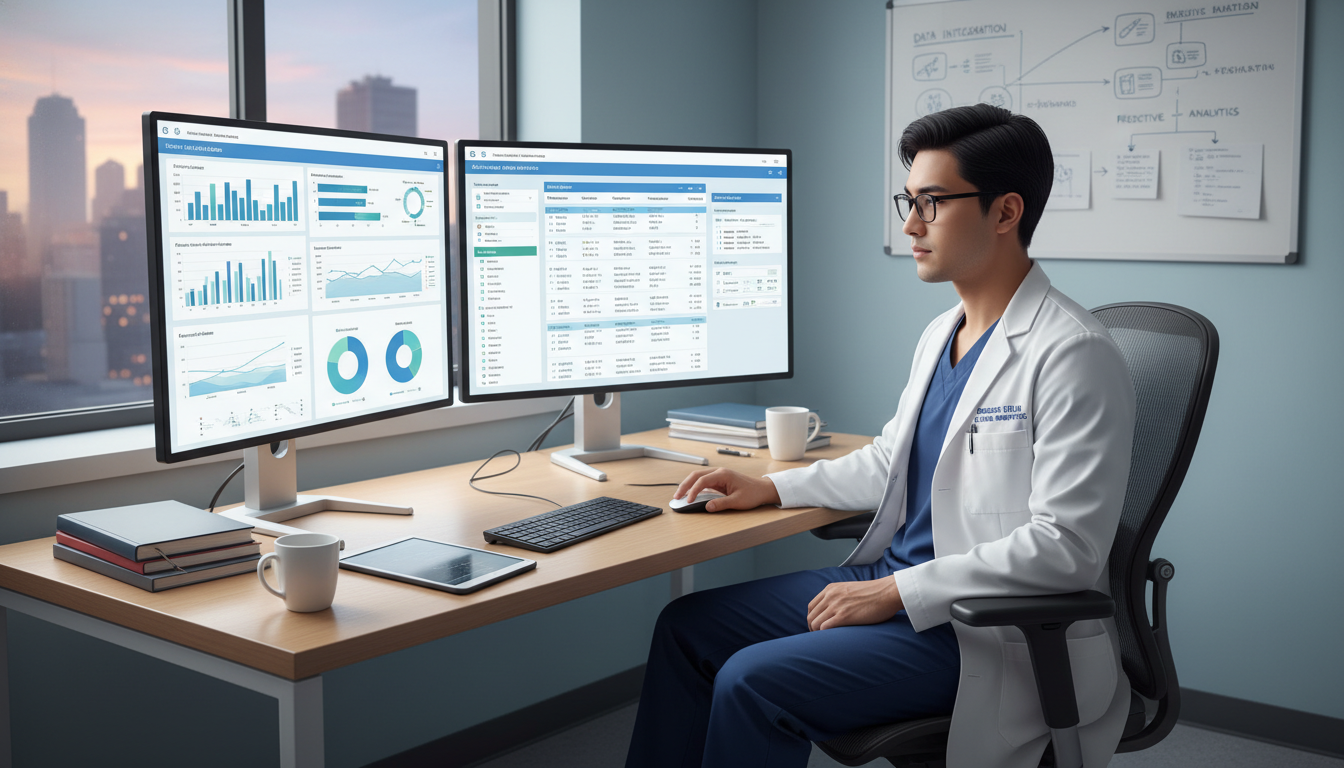
- Data dashboards and predictive analytics
- Interoperability and health information exchange
- Telemedicine workflows
- NLP or AI models applied to clinical notes
Examples of informatics-flavored resident research projects:
- Implementing an EHR best-practice alert to improve guideline-based vaccination rates and evaluating outcomes.
- Designing a dashboard for sepsis early warning and measuring impact on time-to-antibiotics.
- Studying documentation burden before and after a smart-phrase bundle implementation.
- Evaluating how an EHR-integrated patient portal feature affects follow-up adherence.
If you can show that your work touches both clinical care and data/IT systems, you are squarely in the clinical informatics universe.
Strategic Planning: How a US Citizen IMG Should Approach Research During Residency
For a US citizen IMG, time and positioning are critical. You need to be intentional from day one.
1. Start Early and Map Out Your Timeline
If you’re still an American studying abroad:
- During clinical years:
- Learn basic stats, R or Python if possible, and fundamentals of clinical research design.
- Join any student QI or research groups, even if remote with U.S. mentors.
If you’re entering residency:
PGY-1 (Intern Year)
- Main goals: Learn the system, build your reputation as reliable, and start networking.
- Current action steps:
- Ask your advisor which faculty regularly mentor resident research projects.
- Attend any QI/research resident seminars.
- Join informatics or IT-related hospital committees (EHR optimization, safety, sepsis, etc.).
PGY-2
- Main goals: Launch one or two well-defined projects aligned with clinical informatics.
- Action steps:
- Secure at least one primary mentor with informatics or data science experience.
- Submit an IRB or QI proposal.
- Aim for a local/regional abstract submission by the end of PGY-2.
PGY-3 and Beyond
- Main goals: Finish projects, present and publish, line up letters for a clinical informatics fellowship or academic residency track extension.
- Action steps:
- Target national meetings (AMIA, specialty-specific informatics meetings).
- Convert at least one project into a manuscript.
- Ask your informatics mentors for career guidance and letters.
2. Align Projects With Clinical Informatics Fellowship Expectations
If your long-term goal is a clinical informatics fellowship, your resident research portfolio should demonstrate:
- Experience with EHR data extraction and analysis
- Understanding of clinical decision support principles
- Awareness of human factors, workflow, and implementation challenges
- Collaborations with IT, data science, or analytics teams
When considering project ideas, ask:
- Does this involve health IT tools?
- Will I interact with our EHR or data warehouse?
- Can the project show that I understand both clinical and technical aspects?
Specific examples that align well:
- Studying how implementing a new best-practice alert affects provider alert fatigue and adherence to guidelines.
- Evaluating the impact of redesigned order sets on high-risk medication ordering.
- Developing and testing a dashboard that shows real-time inpatient census and risk scores.
3. Be Honest About Your Capacity and Choose the Right Project Size
US citizen IMGs sometimes feel pressure to “overcompensate” and overcommit. Instead, pick projects that are:
- Feasible within your schedule (3–12 months, not 3–5 years)
- Data-accessible (you know how you’ll get EHR data or QI metrics)
- Mentor-supported (not solo passion projects with no faculty buy-in)
For example:
Good starter project:
- Retrospective analysis of EHR data to compare adherence to a sepsis bundle before and after a new electronic alert.
Risky project for a busy resident:
- Designing and validating a machine learning model from scratch, building the pipeline, and running a multi-site prospective trial without strong IT and data science support.
Aim to finish something small and publishable rather than start something flashy that never ends.
Finding Mentors, Data, and Institutional Support as a US Citizen IMG
Many US citizen IMGs lack a “home” U.S. medical school network. Residency is where you build it.
Identifying the Right Mentors
You will often need two kinds of mentors:
Clinical/Academic Mentor
- Typically a faculty member in your specialty with experience in research during residency.
- Helps with clinical relevance, IRB navigation, and manuscript writing.
Informatics/Health IT Mentor
- Could be:
- A clinical informatics faculty member
- A CMIO or associate CMIO
- A data scientist or analytics lead
- Helps with data extraction, tool design, terminology (SNOMED, ICD, LOINC, FHIR), and realistic scope.
- Could be:
How to find them:
Check if your institution has:
- A clinical informatics fellowship
- A department of biomedical informatics
- A health IT or analytics office that collaborates with clinicians
Ask:
- Your program director: “Which faculty here are involved in clinical informatics or EHR optimization?”
- Fellows or seniors: “Who is approachable and good with resident research projects?”
As a US citizen IMG, don’t assume faculty will find you. You initiate contact and show them you’re serious.
Approaching Potential Mentors Effectively
When emailing a potential mentor:
- Keep it concise and specific:
- Who you are (US citizen IMG, PGY-1/2 in X program)
- Your interest in clinical informatics
- Any brief relevant experience (e.g., joined student research groups, basic stats)
- A simple request: a 20–30 minute meeting to discuss possible resident research projects
Bring to the meeting:
- A one-page CV
- 2–3 rough project ideas or topics you’re curious about
- Clear indication you understand residency time constraints
Navigating Data Access, IRB, and QI Pathways
Clinical informatics research often involves institutional data:
Data sources:
- EHR (Epic, Cerner, etc.)
- Clinical data warehouse or enterprise data lake
- Quality dashboards and registries
Key partners:
- Clinical data analysts
- Health IT or CMIO office
- QI department
Your mentor should help you:
- Decide if your project is research (needs IRB) or QI (often expedited).
- Connect with the data team for:
- Defining your cohort (who/what/when)
- Extracting needed variables
- Understanding limitations (coding accuracy, missing data, etc.)
For a busy US citizen IMG, projects that are framed as QI can often move faster and still be highly relevant to clinical informatics.

Designing High-Impact Informatics Projects You Can Actually Finish
Once you have mentors and access to data, the next step is designing a practical, high-yield project.
Step 1: Define a Clear, Clinically Grounded Question
Ask questions that link:
- A clinical problem
- A system or process gap
- A health IT or data-driven solution
Examples tailored to a US citizen IMG in residency:
- “Does adding a mandatory indication field to high-risk medication orders reduce inappropriate prescribing?”
- “How did implementation of our new telemedicine platform affect no-show rates in follow-up clinics?”
- “What is the impact of a new best-practice alert on screening for depression in primary care?”
The question should be tight enough to answer within a year.
Step 2: Choose a Methodologic Approach You Can Manage
Common and feasible methods in residency:
- Pre–post EHR-based analyses
- Interrupted time series of process/outcome measures
- Cross-sectional studies of documentation completeness or alert response rates
- Implementation-focused mixed-methods projects (survey + simple quantitative outcomes)
Avoid highly complex models unless you have strong on-site data science collaborators.
Step 3: Build-in Measurable Outcomes From the Start
For strong resident research projects in clinical informatics:
Include at least one process measure:
- Order completion rates
- Response time to alerts
- Documentation rates
And, where possible, at least one clinical or utilization outcome:
- Length of stay
- Readmissions
- Adverse events (e.g., hypoglycemia, falls)
- No-show rates
- Time-to-antibiotics or time-to-intervention
This makes your work much more compelling for journals, conferences, and clinical informatics fellowship programs.
Step 4: Embed Your Project in Institutional Priorities
Linking your project to existing goals strengthens support:
- Hospital-wide safety initiatives (sepsis, falls, medication safety)
- EHR optimization committees (order sets, documentation, flowsheets)
- Value-based care metrics (readmissions, ED utilization, HEDIS measures)
For a US citizen IMG who may still be new to the system, aligning with hospital priorities also expands your visibility to leadership and opens doors to an academic residency track or informatics mentorships.
Showcasing Your Work: From Project to Portfolio and Future Career Steps
Doing the research is only half the battle. You must also show it effectively.
Building a Coherent Clinical Informatics Narrative
By the end of residency, especially as a US citizen IMG, you want to be able to present a clear story:
- “I became interested in clinical informatics because…”
- “During residency, I completed X, Y, and Z projects focused on data-driven improvements in care.”
- “These projects taught me how to work with EHR data, collaborate with IT teams, and evaluate real-world interventions.”
- “Now I’m pursuing a clinical informatics fellowship/academic role to deepen and expand this work.”
To support that narrative, keep a living document of:
- Project titles, roles, and mentors
- Abstracts and poster presentations
- Manuscripts (published, under review, or in preparation)
- Any leadership roles (e.g., QI chief resident, informatics resident liaison, committee memberships)
Publication and Presentation Strategy
As a busy resident:
Aim for early abstracts first
- Local and regional society meetings
- Department research days
- Informatics-focused meetings (e.g., AMIA, specialty-specific informatics subgroups)
Then convert at least one project into a manuscript
- Not every project needs a high-impact journal; a well-written paper in a mid-tier or specialty journal still counts.
- Consider education journals if your work involves training or informatics education.
Leverage posters and oral talks
- They help you meet potential clinical informatics fellowship directors.
- They show you can communicate complex data clearly—crucial for informatics.
Linking Resident Research to an Academic Residency Track or Fellowship
If your program offers an academic residency track:
- Use your informatics-focused resident research projects to:
- Enter or strengthen your candidacy for the track
- Carve out protected research time
- Justify electives in clinical informatics, data science, or health IT training
If you are applying to clinical informatics fellowships:
- Ensure your application materials highlight:
- EHR- and data-related research during residency
- Concrete impact (changes in process or outcomes)
- Multidisciplinary collaboration (IT, analytics, nursing, administration)
- Your understanding of both clinical workflows and technical constraints
As a US citizen IMG, this evidence counters biases and proves you can compete academically and technically at a high level.
Practical Tips and Common Pitfalls for US Citizen IMGs
Time Management and Burnout Prevention
Protect your post-call and golden weekends—not every free hour should be research.
Use micro-moments:
- 20–30 minutes to write a paragraph of the introduction
- 10 minutes to draft figure legends
- Short breaks to check in with data analysts or respond to email threads
Schedule standing monthly meetings with your mentor—deadlines drive progress.
Communication and Visibility
Present updates at:
- Residency conference
- QI committees
- Grand rounds if possible
Let your program leadership know you’re interested in clinical informatics:
- They may connect you with health IT leaders or research-in-medicine faculty.
Common Pitfalls to Avoid
- Overly ambitious projects with no clear data source or unrealistic timelines.
- Solo projects without a committed faculty mentor.
- Ignoring IRB/QI status until late, causing delays.
- Focusing only on technical novelty without clinical relevance.
- Not finishing—an incomplete brilliant idea matters less than a modest, completed study.
For a US citizen IMG, completed projects with documented outcomes and presentations are your strongest currency.
FAQ: Research During Residency for US Citizen IMGs Interested in Clinical Informatics
1. I’m an American studying abroad and still in medical school. What can I do now to prepare?
Several steps will pay off once you start residency:
- Learn basic statistics and become comfortable reading methods sections.
- Take online courses in clinical informatics, EHR systems, or data science for healthcare.
- Try to join or initiate small QI or data-driven projects at your medical school or affiliated hospitals.
- Reach out to U.S.-based mentors via virtual shadowing, alumni networks, or professional societies.
- Build a CV that shows early interest in health IT training and systems improvement, even if the projects are small.
These experiences will make it easier to hit the ground running when you start research during residency.
2. Do clinical informatics fellowships expect a lot of publications from residents?
Not necessarily “a lot,” but they do expect evidence of serious interest and follow-through. A strong candidate—especially a US citizen IMG—often has:
- 1–3 meaningful resident research projects related to informatics, QI, or data-driven improvement
- A few abstracts or posters (local/regional/national)
- Ideally, at least one published or accepted manuscript, or a well-advanced submission
Programs care about your potential as a clinician-informatician, your ability to collaborate across disciplines, and your understanding of how to move from idea to implementation—not just the raw publication count.
3. I don’t have strong coding skills. Can I still do informatics-focused research?
Yes. While programming skills help, clinical informatics is broader than coding:
- You can lead workflow redesign projects, usability studies, QI initiatives, and implementation research.
- You can collaborate with data analysts, IT staff, and data scientists who handle complex extracts or modeling.
- Learn the basics of:
- Database concepts
- Data dictionaries
- Common EHR structures
- Simple statistical tools (SPSS, R, Stata)
You can gradually build more technical skills if interested, but you do not need to be a programmer on day one to succeed with informatics-oriented resident research projects.
4. How do I talk about my research during fellowship or job interviews?
Frame your research as a story about problems, actions, and impact:
- Problem: “We noticed that antibiotic timing in sepsis care was inconsistent, partly due to limitations in our EHR alerts.”
- Action: “I led a team that redesigned the sepsis alert, worked with IT to implement it, and conducted a pre–post analysis using EHR data.”
- Impact: “We saw a significant improvement in time-to-antibiotics and presented the results at our regional society; the hospital has now scaled the alert to other units.”
For a US citizen IMG, this format highlights leadership, collaboration, systems thinking, and concrete results—all core qualities in clinical informatics.
By planning deliberately, choosing feasible and clinically relevant informatics projects, and building strong mentorship relationships, you can turn research during residency into a powerful launchpad for a career in clinical informatics—regardless of having trained abroad.