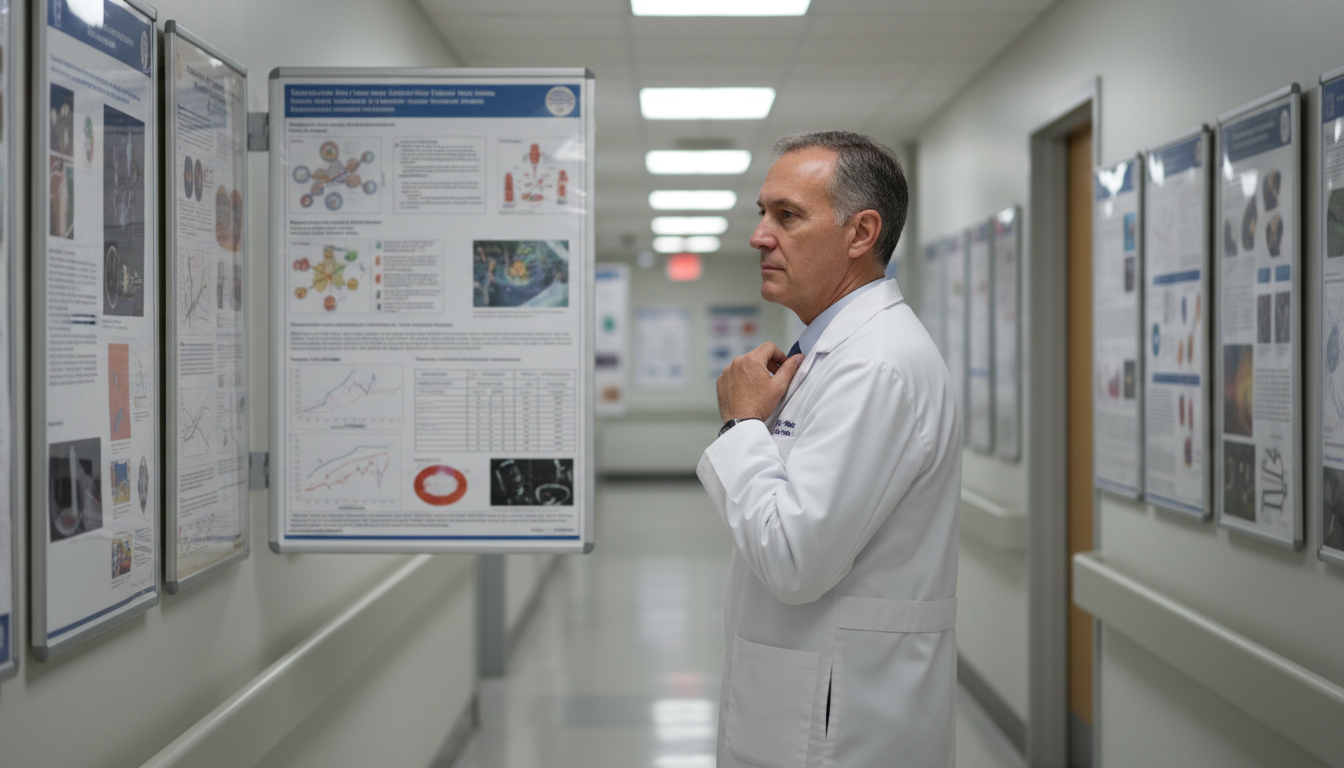
Why Research During Neurology Residency Matters for an MD Graduate
For an MD graduate entering neurology, research during residency is no longer optional “extra credit”—it’s a core part of modern neurologic training. Whether your goal is an academic residency track, a competitive neuro match for fellowship, or simply becoming a sharper clinician, engaging in resident research projects can profoundly shape your career.
As neurologic care becomes more data-driven—AI-enhanced imaging, genetic biomarkers, novel therapeutics—neurologists who can interpret evidence, design studies, and contribute to the literature will have a major advantage. The good news: you don’t have to be a PhD or a “basic science person” to do this well. A structured, realistic plan can make research during residency both feasible and impactful, even with a demanding call schedule.
This article is designed specifically for an MD graduate in neurology training or about to start, and focuses on:
- How research fits into neurology residency and the allopathic medical school match culture that precedes it
- The different types of neurology resident research projects (and which are realistic on a resident schedule)
- Step-by-step guidance to get started, choose mentors, and protect time
- How to align projects with your career goals (academic residency track vs. clinical career vs. hybrid)
- Practical pitfalls to avoid and strategies to finish what you start
1. The Role of Research in Modern Neurology Residency
1.1 From Allopathic Medical School Match to Academic Neurology
Many MD graduates applying to neurology residency already know research matters: publications, abstracts, or posters were often part of making their allopathic medical school match applications stand out. But residency research is different:
- In medical school, research often serves primarily as a CV booster for your MD graduate residency application.
- In residency, research becomes a tool for deeper clinical thinking, subspecialty exploration, and long-term career building.
In neurology, the link between bedside and bench is especially visible: stroke trials, MS disease-modifying therapies, epilepsy device innovations, and neurodegenerative disease biomarkers all rapidly change practice. Being part of this process—even on a small scale—changes how you see patients and evidence.
1.2 Why Neurology Specifically Rewards Resident Research
Neurology is uniquely research-heavy for several reasons:
- High unmet need: Many neurologic diseases still lack curative treatments (e.g., ALS, many dementias).
- Rapid innovation: Stroke thrombectomy, gene therapy in neuromuscular disease, neuroimmunology, and AI-assisted imaging are transforming care.
- Diagnostic uncertainty: Complex cases benefit from familiarity with emerging data and clinical trials.
As a neurology resident, research will help you:
- Understand evidence at a deeper level – You move from “reading the abstract” to thinking critically about methods, bias, and generalizability.
- Differentiate yourself for fellowship and jobs – Neurocritical care, epilepsy, vascular neurology, movement disorders, and behavioral neurology fellowships often favor applicants with a track record of scholarly work.
- Open doors to an academic residency track – Many departments groom residents for physician–scientist careers starting in PGY-2 and PGY-3.
- Develop transferable skills – Study design, data analysis, and scientific writing are useful in quality improvement, hospital administration, and industry roles.
1.3 What Programs Expect: Minimum vs. Competitive
Most ACGME-accredited neurology residencies require some form of scholarly activity, but the expected intensity varies. Typical baseline expectations:
- Participation in at least one scholarly project (case report, QI project, chart review, or clinical research).
- Presentation at a departmental conference or local/regional meeting.
- Familiarity with basic research concepts (study design, bias, p-values, confidence intervals).
Programs with a more academic focus or strong research infrastructure may expect:
- Multiple abstracts or poster presentations
- At least one peer-reviewed publication
- Interest in continuing research during fellowship or academic practice
If you’re drawn toward an academic residency track or plan a research-oriented fellowship, assume the higher bar and plan accordingly.
2. Types of Research Neurology Residents Can Realistically Do
Not every resident will do bench research or run randomized controlled trials. Fortunately, there are many forms of research during residency that are both realistic and valued.

2.1 Clinical Research (Most Common and Feasible)
Clinical research is usually the most accessible path during neurology residency. Examples:
Retrospective chart reviews
- Example: “Outcomes of patients with status epilepticus treated with X vs. Y at our center between 2018–2023.”
- Pros: Feasible, IRB often streamlined, can be completed within 12–18 months.
- Cons: Limited by existing documentation, potential for bias, often descriptive.
Prospective observational studies
- Example: “Characteristics of patients admitted with first-time demyelinating events.”
- Pros: Higher-quality data, can build cohorts for future research.
- Cons: Requires IRB, data collection logistics, higher risk of incomplete follow-up.
Secondary analysis of existing databases
- National databases (NIS, NSQIP, etc.) or departmental registries (stroke, epilepsy).
- Pros: Large sample sizes, high impact potential.
- Cons: Requires statistical support and familiarity with datasets.
2.2 Case Reports and Case Series
These are often the first projects residents undertake:
- Example: A rare presentation of autoimmune encephalitis or an unusual complication of thrombolysis.
- Pros:
- Low barrier to entry
- Great for learning literature review and manuscript structure
- Faster turnaround than large clinical studies
- Cons:
- Lower impact factor
- Increasingly competitive to get published in high-quality journals
- Need genuine novelty or educational value (classic cases may be rejected)
Despite limitations, a few high-quality case reports or short case series can be a strong foundation for your research profile, especially in PGY-1 and PGY-2.
2.3 Quality Improvement (QI) Projects with a Research Component
Every residency emphasizes QI, and these projects often double as scholarly work if designed rigorously.
Examples in neurology:
- Improving door-to-needle times for tPA or door-to-puncture for thrombectomy
- Reducing MRI wait times for emergent neurological indications
- Standardizing epilepsy discharge summaries to improve medication adherence
QI projects can be turned into abstracts, posters, and manuscripts when you:
- Clearly define a measurable outcome
- Use pre/post-intervention data
- Apply established QI frameworks (PDSA cycles, run charts, etc.)
2.4 Translational and Basic Science Research
More demanding, but valuable if you’re considering a highly research-intensive career or long-term academic residency track.
- Examples:
- Animal models of stroke or demyelination
- Neuroimaging biomarker development
- Cellular or molecular studies of neurodegeneration
Pros:
- Strong foundation for physician–scientist trajectory
- Higher potential impact and grant opportunities
Cons:
- Time-intensive; often requires protected research time or a dedicated research year
- Steep learning curve for lab methods, protocols, and basic science literature
If you’re an MD graduate who already has prior lab experience, you may be able to plug into an existing project. Otherwise, clinical and translational work is often more realistic.
2.5 Education and Curriculum Research
A growing and respected area of neurology scholarship. Examples:
- Designing and evaluating a stroke simulation curriculum for residents
- Using new tools (e.g., EEG interpretation modules) and measuring learning outcomes
Especially good for residents who enjoy teaching and might pursue medical education leadership.
3. How to Get Started: Step-by-Step for Neurology Residents
3.1 Clarify Your Goals Early (Ideally PGY-1)
Before committing to resident research projects, ask yourself:
- Do I envision an academic career, at least partially?
- Am I aiming for a competitive neurology fellowship (e.g., vascular, epilepsy, neurocritical care, movement disorders)?
- Do I want to develop skills in data analysis and study design, or focus mainly on clinical excellence?
If the answer to any of these is “yes,” research during residency should be deliberate, not incidental.
Actionable step: During your first 3–6 months, create a simple written plan:
- 1–2 case reports or small projects by the end of PGY-1
- 1 larger clinical or QI project initiated in PGY-2
- Aim for at least 1–2 publications or multiple conference abstracts by graduation
3.2 Choosing the Right Mentor
Mentorship is the most important determinant of research success during residency. Look for mentors who have:
- A track record of publishing in neurology or related subspecialties
- Experience supervising residents or fellows on projects
- A realistic understanding of resident time constraints
- Compatibility with your interests (stroke, epilepsy, movement disorders, neuroimmunology, etc.)
Strategies to find mentors:
- Explore your department website: look at recent publications, read faculty bios.
- Ask senior residents: “Who actually gets residents across the finish line on projects?”
- Attend divisional conferences (stroke, epilepsy, neuroimmunology) and note faculty who present frequently.
When you meet, be specific about your status and goals:
“I’m an MD graduate and new neurology resident interested in stroke and possibly an academic career. I’d like to be involved in a project that is realistic to complete during residency and potentially present at a national meeting. Do you have any ongoing projects where I could meaningfully contribute?”
3.3 Start Small and Finish Something Early
A common mistake: taking on an ambitious project too early (large, multicenter retrospective study, complicated database analysis) and never finishing. A better sequence:
First project: case report or small case series
- Learn IRB process if needed, literature review, manuscript formatting.
- Goal: submission by end of PGY-1.
Second project: retrospective chart review or QI study
- Learn basic data collection and analysis (even simple descriptive statistics).
- Goal: abstract submission to a regional or national neurology meeting.
Third project: more complex or longitudinal study
- If you’re targeting an academic residency track or research fellowship, this anchors your CV.
Finishing one smaller project often builds momentum and credibility, making it easier for future mentors to trust you with more substantial work.
3.4 Understanding the IRB and Regulatory Landscape
Nearly all meaningful neurology resident research projects will intersect with your institution’s Institutional Review Board (IRB). Don’t be intimidated.
Key concepts:
Exempt vs. expedited vs. full review:
- Case reports (single patient) often don’t require full IRB; some institutions simply need a “Not human subjects research” determination.
- Retrospective chart reviews typically qualify for expedited review.
- Prospective interventional studies may need full review.
Protected health information (PHI)
- Learn the rules for data collection, storage, and de-identification.
- Use institution-approved encrypted tools and avoid personal devices when possible.
Pro tip: Ask your mentor for a previous successful IRB application as a template; this saves time and clarifies institutional expectations.
4. Balancing Research with a Busy Neurology Residency
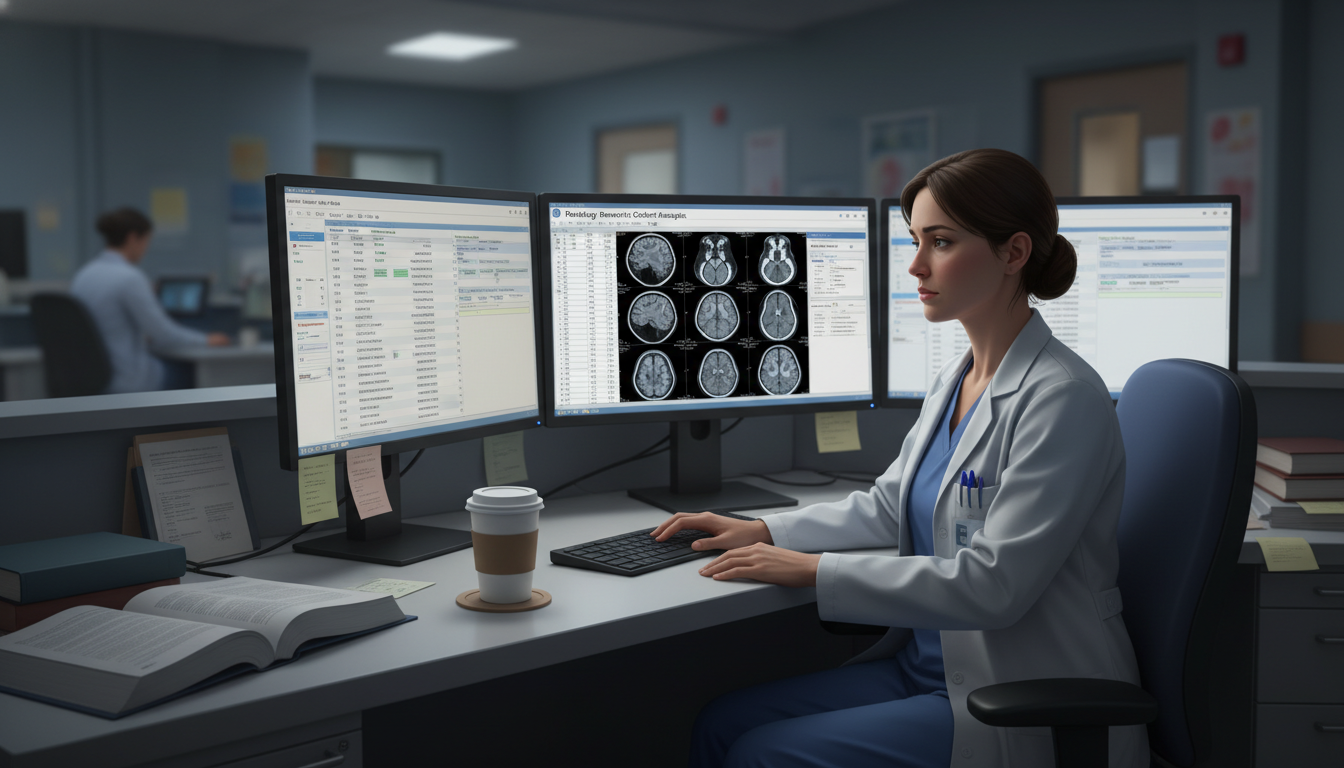
4.1 Time Management Strategies That Actually Work
Neurology residency is busy: stroke codes, consults, EEG reading, continuity clinic, night float. You can’t “find time” for research; you have to create and protect it.
Concrete strategies:
Block scheduling
- Reserve regular, small time blocks (e.g., 1–2 hours twice weekly) for research tasks.
- Put them on your calendar like any other commitment, and treat them as non-negotiable when possible.
Align with lighter rotations
- Use electives, outpatient blocks, or research rotations (if offered) to make major progress: data cleaning, drafting manuscripts, preparing posters.
Break projects into micro-tasks
Instead of “work on research,” define:- “Extract data for 10 patients”
- “Draft introduction section paragraphs 1–2”
- “Find 5 key references on [topic] and enter into reference manager”
These micro-tasks are more doable on post-call afternoons or between consults.
4.2 Collaborative Work and Delegation
Research during residency doesn’t have to be solitary:
- Pair up with co-residents to divide workload (e.g., data extraction, chart review, literature review).
- Involve medical students—especially those targeting an allopathic medical school match in neurology—and give them manageable pieces (reference management, background research, preliminary data organization).
- Clarify authorship and roles early to avoid conflict.
Example role division:
- PGY-3 resident: project lead, IRB, study design, primary manuscript author.
- PGY-2 resident: data collection and initial analysis.
- Medical student: literature review, initial figure and table drafting.
- Faculty: supervision, study design refinement, final edits.
4.3 Leveraging Program Resources
Most neurology residencies have underused research resources:
- Biostatistics or epidemiology support – Many academic centers offer free or low-cost consults; schedule them early when designing your study.
- Departmental research coordinators – Help with IRB submissions, data use agreements, and regulatory paperwork.
- Resident research tracks or scholarly activity time – Some programs allocate 2–4 weeks per year as protected research time; plan to use these strategically for the most time-intensive tasks.
If your program has a specific academic residency track, inquire about:
- Formal mentorship pairings
- Guaranteed protected time
- Expectations for output (e.g., “one first-author paper by graduation”)
5. Maximizing Impact: From Project to Publication and Career Advancement
5.1 Targets: Abstracts, Posters, and Publications
Aim for a trajectory like this:
Local/Regional Presentation
- Departmental Grand Rounds or resident research day
- State or regional neurology society meetings
National Conference
- American Academy of Neurology (AAN) Annual Meeting
- Subspecialty meetings: International Stroke Conference, American Epilepsy Society, Movement Disorder Society, etc.
Peer-Reviewed Publication
- Target journals matched to project scope:
- Case reports and small series: subspecialty case-focused journals
- QI and clinical projects: general neurology or specialty journals, sometimes education journals (for curriculum research).
- Target journals matched to project scope:
Pro tip: Think “publication pathway” at the outset:
- Design the project with publishability in mind.
- Choose outcomes and methods that will interest readers beyond your institution.
5.2 Building a Coherent Research Niche
If you anticipate an academic career or competitive fellowship, try to cluster projects around a theme starting in PGY-2:
Examples:
- Vascular neurology: stroke outcomes, thrombolysis timing, post-stroke complications, door-to-needle QI projects.
- Epilepsy: seizure control in specific populations, EEG education, surgical outcomes, SUDEP awareness/QI.
- Neuroimmunology: unusual demyelinating presentations, treatment outcomes in NMOSD or MOGAD, adverse effect monitoring.
Committee and fellowship directors value coherence:
- It shows sustained interest.
- It positions you as an emerging expert in a focused area.
- It strengthens letters of recommendation from mentors who can speak to your growing expertise.
5.3 Research During Residency and the Neuro Match for Fellowship
Although you’re already past the allopathic medical school match stage as an MD graduate, the neurology fellowship match (neuro match) will again spotlight your research output:
Program directors look for:
- Evidence that you can start and complete projects
- At least one or two peer-reviewed publications or multiple meaningful abstracts/posters
- Letters from research mentors emphasizing:
- Your initiative
- Your intellectual contribution
- Your potential to grow as an academic neurologist
If your CV shows a trajectory—case report → chart review → more sophisticated project—it’s compelling evidence that you’re building toward a research-oriented career.
5.4 Beyond Fellowships: Long-Term Career Benefits
Even if you eventually choose a more clinical role, research during residency offers durable benefits:
- Greater comfort critically evaluating new therapies and guidelines
- Ability to collaborate on multi-center trials as a site investigator
- Skills to lead institutional QI initiatives
- Flexibility to transition into academic, industry, or hybrid roles in the future
And if you pursue a heavily academic residency track, residency research projects are often the foundation for future grants (K awards, foundation grants, junior faculty awards).
6. Common Pitfalls and How to Avoid Them
6.1 Taking On Too Much, Too Early
Ambition is good; overcommitment is not. Signs you’re taking on too much:
- You’re on 3–4 projects but none is close to submission.
- You regularly miss internal deadlines or respond slowly to co-authors.
- Research feels like a constant, stressful background task instead of structured work.
Solution:
- Limit yourself to 1–2 active projects at a time until you’ve demonstrated you can bring things to completion.
- Explicitly prioritize which project must reach submission in the next 3–6 months.
6.2 Poor Communication with Mentors
Unclear expectations derail many otherwise promising projects.
Avoid this by:
- Establishing a timeline early: target dates for IRB approval, data collection completion, abstract submission, and manuscript draft.
- Scheduling recurring check-ins (monthly or every 6–8 weeks).
- Sending concise progress emails:
- “Since our last meeting, I have completed X and Y. Z is in progress; I anticipate finishing by [date]. Our next steps are…”
6.3 Ignoring Authorship and Ownership Issues
To prevent conflicts:
Discuss authorship criteria and order early. A common model:
- First author: resident who led data collection, analysis, and manuscript drafting.
- Co-authors: contributors who did substantial data collection, analysis, or intellectual input.
- Last author: supervising faculty member.
If multiple residents or students are involved, clarify:
- Who is responsible for which sections of the manuscript
- Who will manage correspondence with the journal
6.4 Underestimating the Time Needed to Publish
The timeline from idea to publication often spans 12–24 months:
- IRB: 1–3 months
- Data collection: 2–6+ months (depending on complexity)
- Analysis: 1–3 months
- Writing: 1–3 months (often iterative)
- Peer review and revision: 3–12 months
Implication: To have a paper accepted before graduation, you may need to initiate the project in PGY-2 or early PGY-3, depending on complexity.
FAQs: Research During Neurology Residency for MD Graduates
1. I matched into neurology with minimal prior research. Is it too late to develop a strong research profile during residency?
No. Many residents begin research in PGY-1 or PGY-2 and still build solid scholarly portfolios. Start with smaller, feasible projects (case reports, QI projects, retrospective chart reviews), seek a strong mentor, and set realistic, structured goals. You may not leave residency with a dozen publications, but 1–3 well-done projects—plus clear trajectory—can be very competitive for fellowship and early academic roles.
2. How many publications do I need for a competitive neuro match (fellowship)?
There is no universal number. For research-oriented or highly competitive fellowships (e.g., vascular neurology at major academic centers), many successful applicants have at least one first-author publication and several abstracts or posters. For clinically focused fellowships, strong letters, clinical performance, and some scholarly activity (even if limited to a few abstracts or one paper) are often sufficient. Programs value quality, relevance, and completion more than sheer quantity.
3. Can I still have a strong clinical training experience if I focus on research during residency?
Yes, and in many programs, the two reinforce each other. Thoughtful research can deepen your understanding of pathophysiology, diagnostics, and therapeutics. The key is balance: protect your clinical learning time on busy inpatient and consult months, then use electives or designated scholarly periods for intensive research work. If you find research is consistently compromising your clinical performance or wellness, reassess scope and commitments with your mentor and program leadership.
4. What if my program has limited research infrastructure or no formal academic residency track?
You still have options:
- Identify at least one faculty member with ongoing projects and express interest in contributing.
- Look for multi-center collaborations or national databases that your institution can access.
- Use QI projects and case reports as vehicles for scholarship.
- Consider partnering with other departments (radiology, psychiatry, neurosurgery) where neurologic questions arise.
If you’re highly research-focused, you can also explore away electives at research-intensive centers during PGY-3/4 or consider a research-focused fellowship after residency.
Engaging in research during neurology residency as an MD graduate is a powerful way to shape your career, expand your skills, and contribute to a rapidly evolving field. With clear goals, the right mentors, manageable projects, and disciplined time management, you can transform “I should do research” into a concrete, rewarding part of your residency experience—and lay the foundation for whatever comes next in your career as a neurologist.