Understanding Research During Residency for the DO Graduate in Diagnostic Radiology
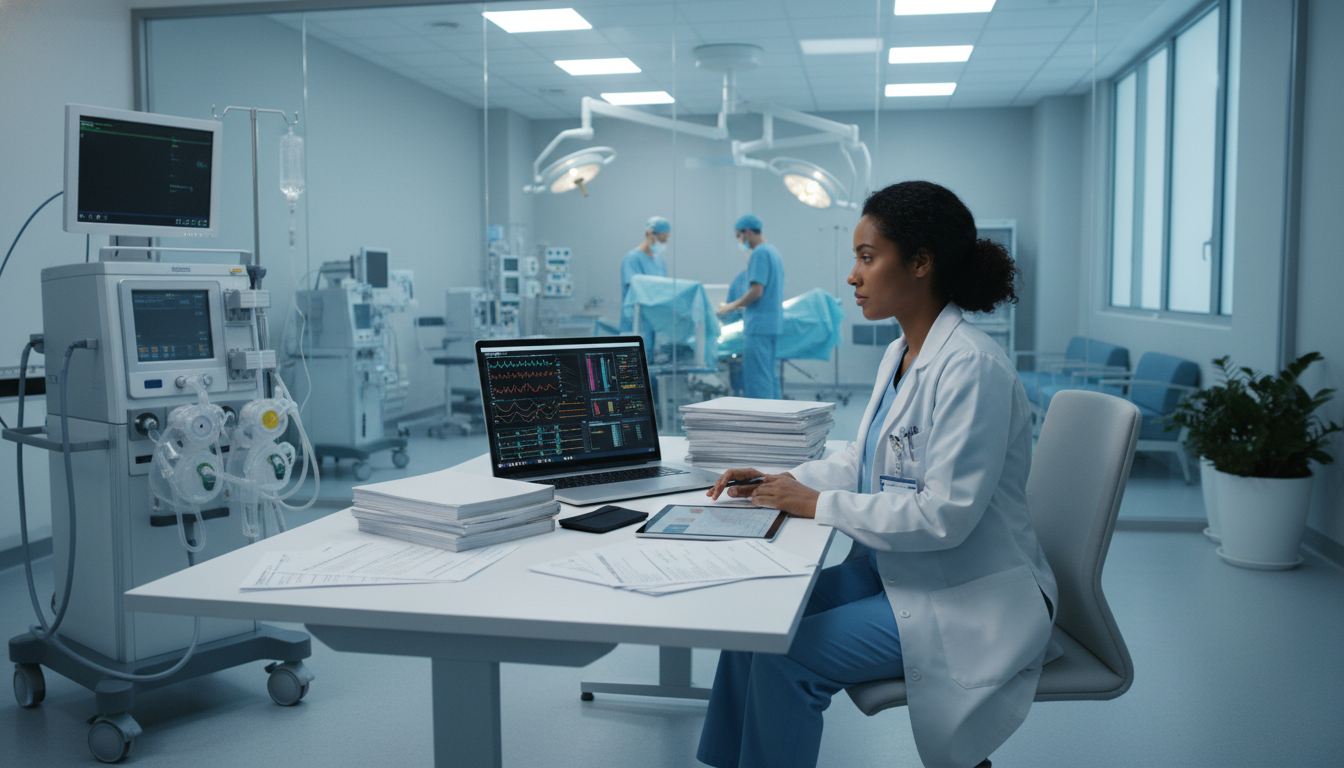
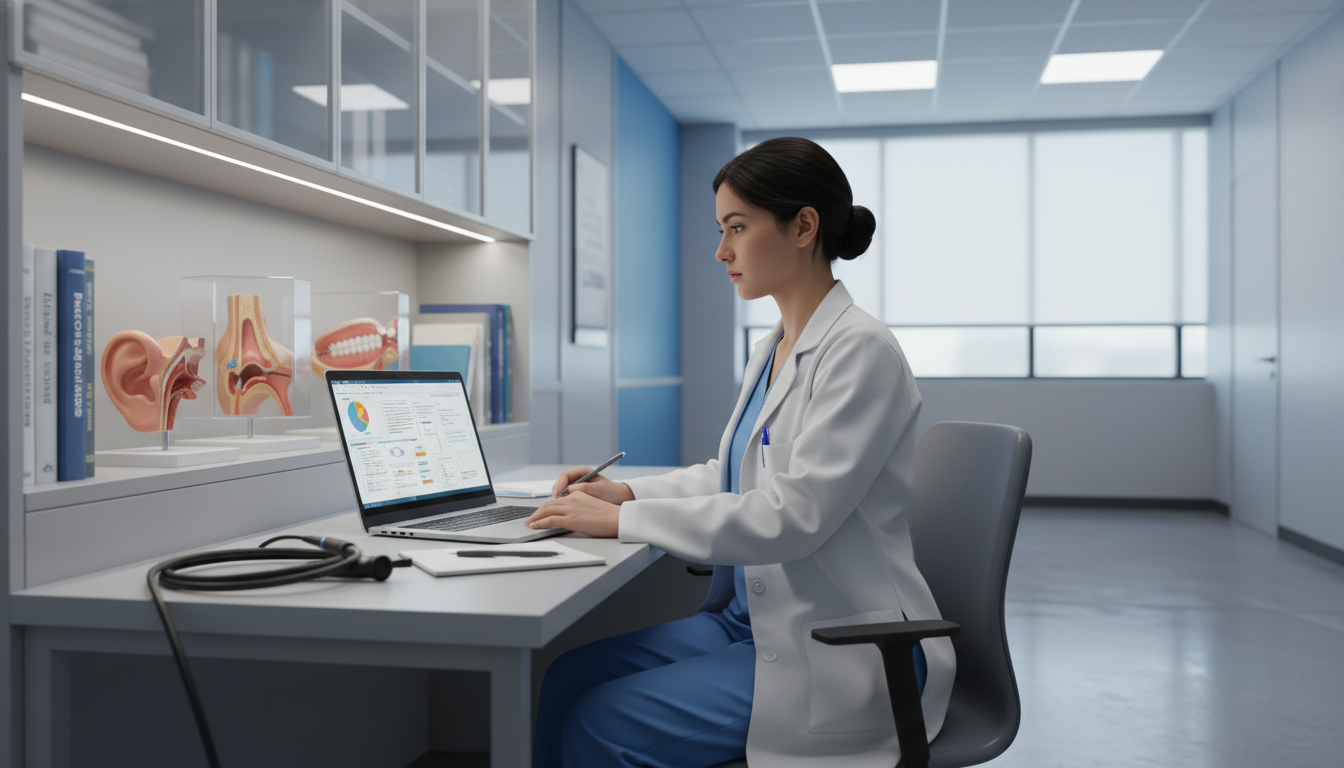
Research during residency can seem intimidating, especially for a DO graduate who may worry about competing with MD peers in an academic radiology environment. In diagnostic radiology, however, research is not just a “nice to have”—it is increasingly integral to career advancement, subspecialty fellowships, and even private practice positions that value innovation and quality improvement.
This article explains why research during residency matters for DO graduates, how to get started even if you have limited prior experience, and how to build a sustainable research portfolio that supports your long-term career in diagnostic radiology.
We’ll focus on:
- How research fits into a radiology residency and the osteopathic residency match landscape
- Concrete steps to find mentors, projects, and protected time
- Types of resident research projects that are realistic and impactful
- How to build an academic residency track or research-oriented career as a DO radiologist
Why Research Matters for a DO Graduate in Diagnostic Radiology
From Match to Career: Why Research Is Strategically Important
By the time you reach residency, you’ve already successfully navigated the osteopathic residency match or the combined NRMP match, often overcoming perceptions or bias about DO vs MD training. As a DO graduate, you might be wondering whether research still matters once you’ve matched into a radiology residency.
The answer is yes—for several reasons:
Fellowship Competitiveness
Subspecialties like neuroradiology, interventional radiology, musculoskeletal imaging, and pediatric radiology are highly competitive. Program directors frequently look for:- Evidence of scholarship (posters, oral presentations, publications)
- Sustained interest in a particular subspecialty
- Ability to work in academic or research-heavy environments
Having research during residency—especially in your field of interest—can significantly strengthen your fellowship application.
Academic vs Private Practice Pathways
If you’re considering an academic residency track or a long-term academic career, research productivity becomes critical. Even private practice groups increasingly appreciate:- Experience with quality improvement (QI) projects
- Familiarity with artificial intelligence (AI), informatics, or process optimization
- Comfort interpreting literature and participating in multi-center trials
Professional Identity as a DO Radiologist
As a DO graduate in diagnostic radiology, research offers a way to:- Demonstrate that your training is equivalent in rigor and capability
- Contribute to evidence-based imaging protocols that align with osteopathic principles (holistic care, functional outcomes)
- Build a reputation beyond your residency program—regionally or nationally
Skills That Translate to Better Radiologists
Research during residency develops skills that directly improve your clinical practice:- Critical appraisal of literature
- Understanding of study design, bias, and statistics
- Communication skills through writing and presenting
- Systems thinking—understanding how imaging fits into broader patient care pathways
In diagnostic radiology, where new technologies and techniques emerge rapidly, these skills help you remain adaptable and relevant.
Getting Started: First Steps in Research During Residency
Many residents—especially DO graduates who may have had less built-in research infrastructure in medical school—feel unsure about where to begin. You do not need extensive prior research experience to be productive during residency if you approach it intentionally.
1. Understand Your Program’s Culture and Resources
Start with a realistic assessment of your environment:
Is there a formal academic residency track?
Some programs offer:- Dedicated research curriculum
- Increased elective time for projects
- Mentored pathways with protected time
What is the expectation for scholarly activity?
Review ACGME or program-specific requirements:- Minimum of one project per resident?
- Abstract or case report required before graduation?
- QI project tied to milestones?
What infrastructure exists?
- Departmental research director or vice chair of research
- Statistician or biostatistics core
- Radiology research coordinator
- Collaborative relationships with other departments (oncology, surgery, neurology, etc.)
Ask upper-level residents—especially any DO graduates—how they navigated the system and what realistic research outputs residents typically achieve.
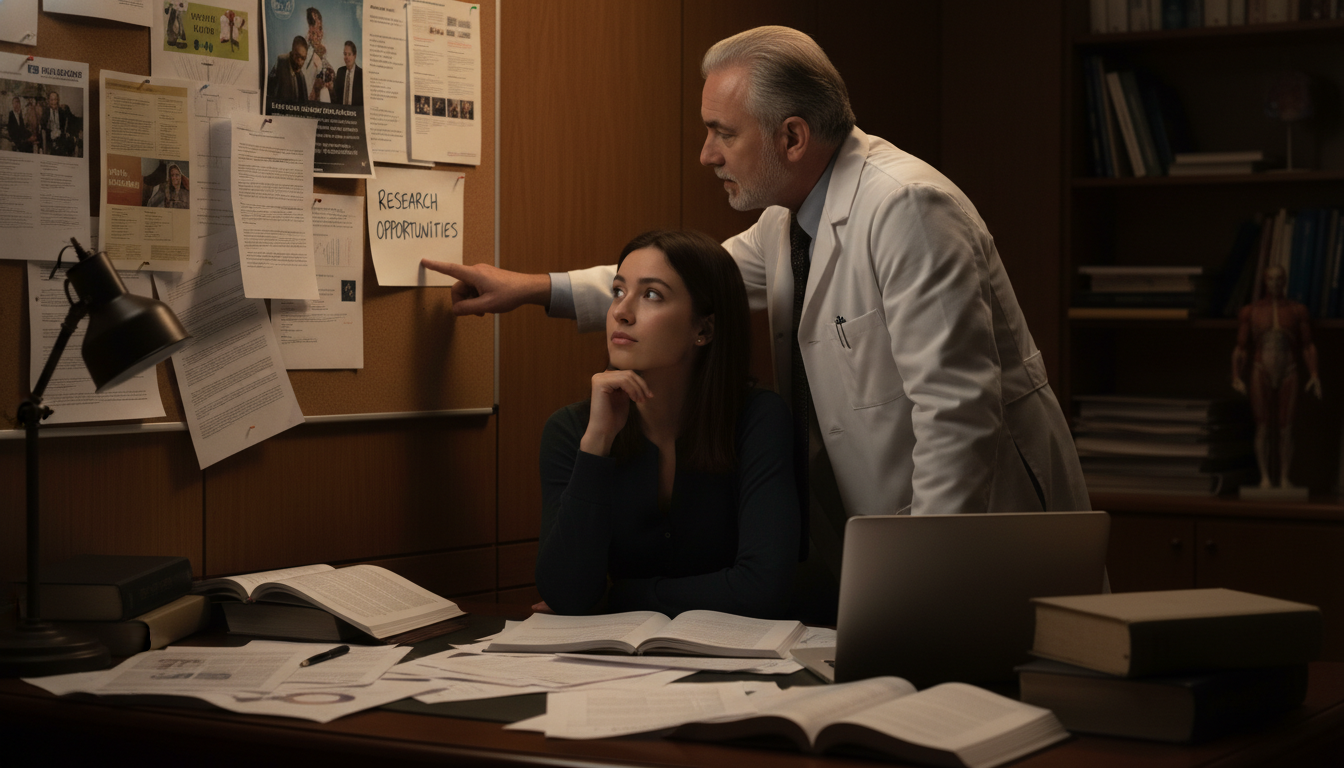
2. Finding the Right Mentor as a DO Graduate
Mentorship is the most critical factor in successful resident research projects.
When looking for a research mentor, prioritize:
Accessibility and responsiveness over star power
A well-known researcher who never has time for you is less valuable than a mid-career faculty member who can meet regularly and give feedback.Experience with residents
Ask: “Have they successfully helped residents complete projects, present at conferences, and publish papers?”Openness to DO graduates and non-traditional backgrounds
Faculty who are supportive of osteopathic graduates, or who have previously worked with DO residents, can be especially encouraging and understanding.
Where to find mentors:
- Ask your program director or chief residents: “Which faculty are most resident-friendly and active in research?”
- Attend departmental conferences and note who frequently presents data or leads QI initiatives.
- If your institution has a research day, see which faculty consistently appear on resident abstracts.
When you approach a potential mentor, be clear:
- Your level of prior research experience
- Your realistic time availability (and call schedule constraints)
- Your interests (e.g., neuroradiology, emergency radiology, or AI in imaging)
You can say:
“I’m a DO graduate in my first year of diagnostic radiology residency, interested in neuroradiology and quality improvement. I’d like to get involved in a project that’s appropriate for my experience level and could realistically lead to a poster or manuscript during residency.”
3. Choosing the Right Type of Project for Your Stage
Your first resident research project should be:
- Feasible within 6–12 months
- Aligned with your mentor’s existing work (so infrastructure already exists)
- Not overly dependent on complex statistics or large sample sizes if you’re just starting
Some ideal starter projects include:
Case reports and case series
- Good for early residents (PGY-2 / R1)
- Build writing and literature review skills
- Can be tied to interesting cases you see on call
Retrospective chart reviews
- Leverage existing imaging and EMR data
- Topics like diagnostic yield of a specific protocol, imaging predictors, or workflow efficiency
Quality improvement (QI) projects
- Align with ACGME requirements
- Examples: reducing CT dose for certain protocols, improving turnaround time for STAT reads, optimizing communication of critical findings
Educational research
- Studying how residents learn to interpret specific imaging modalities
- Developing teaching modules or simulation tools
Once you have one or two smaller projects under your belt, you can consider more ambitious work:
- Multi-center collaborations
- Prospective imaging studies
- AI algorithm validation projects
Types of Resident Research Projects in Diagnostic Radiology
Diagnostic radiology is rich with opportunities for resident research. Here are major categories, with examples tailored to a DO graduate’s perspective and realistic scope.
1. Clinical Imaging Research
These projects directly study imaging findings, protocols, or diagnostic performance.
Examples:
- Comparing MRI vs CT protocol performance for detecting specific pathology (e.g., liver lesions, spinal metastases)
- Evaluating diagnostic radiology match outcomes among DO vs MD graduates at your institution (if data and IRB approval allow) to better understand training diversity
- Assessing the utility of a new imaging sequence (e.g., DWI in body imaging, spectral CT techniques)
Actionable steps:
- Start with a narrow, specific research question
- Work with your mentor to identify accessible datasets (e.g., last 3–5 years of patients undergoing a specific protocol)
- Involve a statistician early for sample size and analysis planning
2. Quality Improvement and Workflow Projects
These are particularly valuable if you anticipate entering private practice but still want scholarly output.
Examples:
- Reducing report turnaround time for emergency CTs by modifying reading room workflow
- Improving communication of critical radiology results through standardized paging or EMR alerts
- Decreasing unnecessary repeat imaging by creating better decision-support tools for ordering providers
These projects typically:
- Use Plan-Do-Study-Act (PDSA) cycles
- Produce results that are highly publishable in education or QI-focused radiology journals
- Align well with osteopathic emphasis on cost-effective, patient-centered care
3. Educational and Curriculum Research
As a DO graduate, you may be particularly passionate about teaching and holistic training. Educational research can be very achievable during residency.
Examples:
- Developing and assessing a web-based module for osteopathic medical students rotating through radiology
- Studying the impact of simulation training on performance in image-guided procedures
- Evaluating structured feedback tools for resident call performance or discrepancy reviews
These projects:
- Often have shorter timelines
- Can be integrated with your role as a teacher for medical students and juniors
- Are ideal stepping stones toward an academic residency track focused on education
4. AI, Informatics, and Big Data Projects
AI and informatics are booming in diagnostic radiology. Even as a DO graduate with limited technical background, you can still engage meaningfully.
Examples:
- Validation of an AI-based tool for detecting pulmonary emboli or intracranial hemorrhage in your institution’s workflow
- Comparing radiologist vs AI triage performance in emergency imaging
- Usability and acceptance studies: surveying radiologists about AI integration in practice
Collaborate with:
- Data science or biomedical engineering departments
- Your hospital’s IT and PACS teams
- Existing multi-institutional AI research networks
Balancing Clinical Duties and Research During Radiology Residency
Understanding the Realities of Time and Energy
Diagnostic radiology residency is demanding. Between call, overnight shifts, and learning to read complex imaging studies, finding time for research can feel impossible. Yet many residents successfully balance significant research productivity with clinical excellence.
Key strategies:
Start Small and Early
- In your R1 year, aim for one modest project (case report, small retrospective study).
- Avoid committing to multiple large data projects until you understand your clinical workload cycles.
Use Natural Downtime Wisely
- Light rotations (e.g., some elective time, reading room blocks with lower volume) can be ideal for data cleaning or literature review.
- Have a portable “research task list” (papers to read, sections to draft) that you can work on in small increments.
Negotiate Realistic Timelines With Your Mentor
Explain your call schedule and heavy blocks. Suggest deadlines that match your rotation calendar (e.g., “I can make substantial progress on data collection during my body CT elective in March”).Leverage Program-Supported Protected Time
- Many programs provide research blocks or allow use of elective time for research.
- As a DO graduate, proactively ask for these opportunities; don’t assume they are off-limits.
- Document your progress to justify continued or future research time.
Tools and Habits That Make Research Sustainable
- Reference management software (e.g., Zotero, Mendeley, EndNote)
- Cloud-based document sharing (Google Docs, institutional OneDrive) to collaborate with co-authors
- Simple project management tools (Trello, Notion, or even a shared spreadsheet) to track:
- IRB approval status
- Data collection progress
- Writing assignments and deadlines
Try to consistently invest 1–3 hours per week on research, even on busy rotations. Small, regular effort accumulates into substantial productivity.
Building an Academic Residency Track and Long-Term Research Career as a DO Radiologist
If you see yourself pursuing an academic career—or just want to keep the door open—your residency can serve as the foundation for that path.
1. Clarify Your Academic Focus
Over time, try to narrow your interests into a recognizable niche. Examples:
- “Resident interested in emergency neuroradiology and imaging appropriateness criteria”
- “DO diagnostic radiologist focusing on QI and radiology workflow optimization”
- “Early-career academic radiologist with an interest in AI-supported lung cancer screening”
This helps you:
- Choose projects that build synergy rather than a scattered CV
- Market yourself to fellowship programs and future employers
- Stand out from other candidates with more generic research histories
2. Maximizing Research Output During Residency
Within the constraints of clinical training, aim for:
- 1–2 posters or oral presentations per year at regional or national meetings (e.g., RSNA, ARRS, AUR, subspecialty society meetings)
- At least 1–3 peer-reviewed publications by graduation (case reports, original research, or educational papers)
- Ongoing resident research projects that can be passed on to junior residents as you advance, building continuity and leadership experience
As a DO graduate, each publication and presentation further cements your standing as a competitive academic candidate in the diagnostic radiology match for fellowship and beyond.
3. Transitioning to Fellowship and Early Faculty Roles
During fellowship interviews, be prepared to discuss:
- Your research trajectory during residency: What did you learn?
- How your work fits into the fellowship’s strengths
- Your plans to continue research during residency and beyond in their environment
For early faculty positions in an academic setting, programs often want to see:
- Evidence that you can initiate or sustain independent projects
- Comfort with grant writing or at least participation in funded studies
- A growing portfolio of resident or student mentorship (you can start mentoring as a senior resident)
Frequently Asked Questions (FAQ)
1. I’m a DO graduate with little prior research experience. Is it too late to start during radiology residency?
No. Many residents, both DO and MD, start serious research for the first time in residency. Begin with:
- A motivated mentor
- A small, feasible project (case report, retrospective review, or QI project)
- Clear timelines and expectations
You can build skills quickly with guidance and repetition. Residency is an excellent time to learn research fundamentals that will serve you for the rest of your career.
2. How much research do I need if I’m planning on private practice rather than an academic residency track?
For pure private practice, you don’t need a large research portfolio, but you will benefit from:
- At least one QI or workflow project to show engagement with system-level improvement
- Experience reading and applying the literature to practice
- Familiarity with new technologies (AI, advanced imaging techniques)
Research during residency is less about padding your CV and more about building analytic and leadership skills that employers value.
3. Does being a DO graduate affect how program directors or fellowship directors view my research?
Once you are in residency, your performance and productivity usually matter far more than the DO vs MD distinction. Strong research output can:
- Counter any residual bias by showing clear academic capability
- Demonstrate that you can compete successfully in national forums (conferences, journals)
- Help you secure strong letters of recommendation from respected faculty
What matters most is the quality, completion, and impact of your projects—not your degree initials.
4. What if my radiology residency has limited research infrastructure?
If your program lacks a robust research culture:
- Seek external collaborations:
- Nearby academic centers
- National society-sponsored resident research networks
- Focus on low-resource projects:
- Case reports and series
- Chart reviews with simple statistics
- QI and educational projects that don’t require major funding
- Use online educational resources to learn research methods (e.g., free courses in statistics, study design, and scientific writing).
Even in less research-intensive programs, a motivated DO resident can still produce meaningful and publishable work.
By approaching research during residency with strategic planning, appropriate mentorship, and realistic expectations, a DO graduate in diagnostic radiology can build a powerful academic and professional foundation—regardless of previous research experience or institutional limitations.