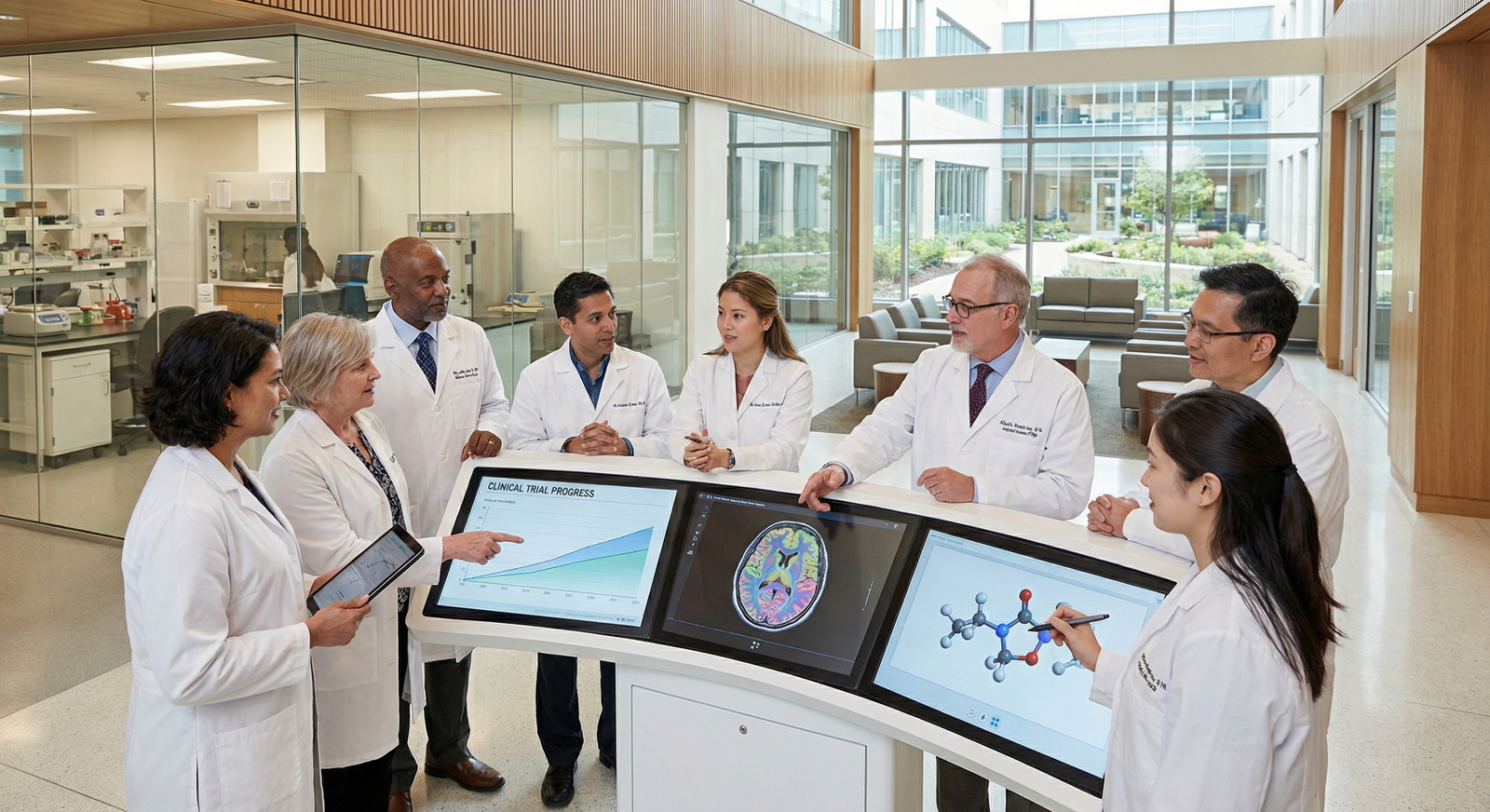
Why Research During Residency Matters for US Citizen IMGs in Vascular Surgery
For a US citizen IMG interested in vascular surgery, research during residency is more than a CV “bonus item.” It can determine:
- Which vascular surgery residency or integrated vascular program you match into
- Whether you secure competitive fellowships (for those doing general surgery first)
- Your trajectory toward an academic residency track, leadership roles, and national reputation
As an American studying abroad, you may already feel you’re starting behind US MD/DO graduates. Thoughtful engagement in research during residency is one of the most reliable ways to close that gap—and in some cases, surpass it.
This article focuses on how to approach research during residency specifically within vascular surgery, with a practical, step‑by‑step framework tailored to US citizen IMGs.
Understanding the Research Landscape in Vascular Surgery
Vascular surgery is a data‑intensive, technology‑driven field. That naturally creates a fertile environment for resident research projects.
Major Types of Research in Vascular Surgery
Vascular research spans multiple domains. As a resident, you are most likely to participate in:
Clinical Outcomes Research
- Retrospective chart reviews (e.g., limb salvage rates after endovascular vs. open bypass)
- Prospective observational studies (e.g., frailty and post‑operative complications)
- Database studies using NSQIP, VQI, or institutional registries
- Often the highest yield for residents: feasible, publishable, and clinically relevant
Quality Improvement (QI) and Implementation Science
- Reducing contrast‑induced nephropathy in EVAR patients
- Standardizing perioperative anticoagulation protocols
- Projects that start as QI can be structured and written up as research manuscripts
Device and Technology‑Related Research
- Evaluations of new stents, grafts, or closure devices
- Simulation‑based research: endovascular skills, fluoroscopy reduction, radiation exposure
- Industry‑sponsored trials (with important rules around conflict of interest and ethics)
Basic and Translational Science
- Vascular biology: endothelial dysfunction, aneurysm pathophysiology, vascular graft healing
- Animal models of ischemia, stent testing, or graft materials
- Often requires protected lab time or a research year in academic programs
Health Services and Health Disparities Research
- Access to vascular care in rural vs urban settings
- Outcomes disparities among minority or low‑income patients
- Cost‑effectiveness analyses of endovascular vs open procedures
As a US citizen IMG, you do not need to do everything. You need to choose projects that:
- Are realistic given your schedule and support
- Lead to concrete outputs (abstracts, posters, manuscripts)
- Align with your long‑term interests in vascular surgery
How Research Helps US Citizen IMGs: Before and During Residency
Research can influence your path at three crucial points:
- During medical school and the residency application process
- During general surgery residency (if taking the traditional path)
- During a 0+5 integrated vascular program
During Medical School and the Match
If you are an American studying abroad, PDs may not be fully familiar with your international school. Solid research experience can:
- Demonstrate academic potential independent of school name
- Show commitment to vascular surgery specifically, not just “surgery” in general
- Provide strong US‑based letters of recommendation from research mentors
Even one or two well‑executed vascular projects with a US‑based team can be more convincing than a long list of low‑impact, unrelated work.
During General Surgery Residency (5+2 Pathway)
If you pursue general surgery first, research during residency serves several functions:
- Differentiation: Among dozens of strong residents, vascular fellowships will look for demonstrated academic interest.
- Evidence of focus: Vascular‑specific resident research projects signal you truly want this field.
- Networking: Presentations at SVS and regional meetings connect you with future fellowship PDs.
- Skill building: You learn data analysis, manuscript writing, and critical appraisal—skills that make you a stronger clinician and fellow.
In an Integrated Vascular Program (0+5 Pathway)
In an integrated vascular program, you enter vascular directly, often with earlier exposure to:
- Endovascular simulation labs
- Vascular registries and clinical trials
- Dedicated vascular surgery faculty and research infrastructure
These programs frequently expect:
- More research productivity across all five years
- Early engagement in vascular topics (e.g., within PGY‑1 or PGY‑2)
- Interest in an academic residency track and leadership roles
For a US citizen IMG in an integrated vascular program, research isn’t optional; it is part of how you establish your identity as a future vascular academic or innovator.

Finding and Choosing the Right Research Opportunities
Your strategy will differ a bit depending on whether you are:
- A medical student (US citizen IMG) positioning for vascular surgery
- A categorical general surgery resident
- A resident in an integrated vascular surgery residency
Step 1: Map the Research Ecosystem at Your Institution
Identify the major players and structures:
- Division Chief of Vascular Surgery – often directs overall research strategy
- Program Director (PD) – understands what’s realistic for residents
- Research Director or Lab Director – key if there is a vascular research lab
- Statisticians / Data Scientists – crucial for more complex projects
- Research coordinators – manage IRB submissions, data collection, and regulatory tasks
Actionable tip for US citizen IMGs:
If you trained abroad and are now rotating in the US (for an away rotation, observership, or preliminary year), ask explicitly:
“Which vascular surgeons here are most active in research and have residents on their projects?”
Then request a meeting with those faculty to introduce yourself and express interest.
Step 2: Clarify Your Time and Resources
As a resident, your first responsibility is clinical care. Realistic planning matters.
Ask yourself:
- How many hours per week can I consistently commit? (Even 2–4 hours can be enough if used well.)
- Do I have access to:
- Institutional databases (e.g., VQI, NSQIP, local registry)
- Research coordinators for IRB navigation
- Biostatistical support
- Is there an option for protected research time or a dedicated research year?
In some academic residency tracks, you may have an entire 1–2 years for research during residency (often between PGY‑2 and PGY‑3 or PGY‑3 and PGY‑4). For highly academic US citizen IMGs, this can be a game‑changer.
Step 3: Choose High‑Yield, Feasible Projects
Characteristics of a good resident research project:
- Defined scope: Clear primary outcome, limited variables, reasonable sample size.
- Feasible timeline: Can realistically reach an abstract or manuscript within 12–18 months.
- Mentor with a track record: Someone who has successfully guided residents before.
- Alignment with your interests: Limb salvage, aortic disease, carotid interventions, PAD, dialysis access, etc.
Examples of realistic projects:
- Retrospective cohort study of EVAR vs open repair in high‑risk patients at your hospital
- QI project on reducing time‑to‑revascularization in acute limb ischemia
- Analysis of factors predicting loss to follow‑up in PAD patients
- Survey‑based study on resident exposure to endovascular simulation tools
Don’t underestimate small projects. As an American studying abroad, even a single first‑author abstract at a national vascular meeting can shift how PDs perceive you.
Making Research Work Within a Busy Vascular Surgery Residency
Balancing research during residency with case volume, call, and exams is one of the biggest challenges, especially in a procedural specialty.
Build a Structured Weekly System
Block out protected research sessions
- Treat 2–4 hours weekly as a non‑negotiable appointment (when off‑call and not post‑call).
- Inform your mentor when that time will generally be so they can schedule check‑ins.
Define micro‑tasks
- Break big tasks into parts: literature search, IRB prep, data extraction of the first 20 patients, draft of background section, etc.
- Each research session should have one clear goal (e.g., “today: finalize variable definitions and data sheet”).
Use simple project‑management tools
- Shared Google Doc or OneNote for project plans
- Trello or Asana boards for tasks and deadlines
- Shared folders (Box/Drive) for PDFs, data dictionaries, draft manuscripts
Understand the Research Lifecycle (and Where Residents Fit)
For most clinical resident research projects, you’ll move through:
Question formulation
- Often led by faculty; contribute by suggesting clinically meaningful questions you’ve noticed on service.
Literature review
- As the resident, you often lead initial PubMed searches, create annotated bibliographies, and summarize current evidence.
Protocol and IRB
- Help draft methods and outcomes; research office may assist with formal IRB documents.
- Learn the basics of consent, privacy (HIPAA), and ethical approvals.
Data collection and cleaning
- Core resident role: chart review, data entry, verifying accuracy.
- Coordinate with statisticians on variable definitions and coding.
Analysis
- You may not run the multivariable models yourself, but aim to understand:
- Why certain tests were used
- What the statistics mean clinically
- You may not run the multivariable models yourself, but aim to understand:
Writing and submission
- As a US citizen IMG, first‑author writing experience is key.
- Take responsibility for first drafts of Introduction and Methods; work with mentors on Results and Discussion.
Presentation and publication
- Aim: Abstract → podium/poster at a regional or national vascular meeting → full manuscript submission.
Combining Research With Clinical Growth
A misconception: research and clinical excellence compete. In vascular surgery, they often complement each other.
- Reviewing angiograms for a study improves your interpretive skills.
- Reading widely for a manuscript deepens your understanding of PAD, aneurysms, or carotid disease.
- Presenting data develops the communication skills you’ll use daily with patients and teams.
Actionable tip:
When choosing topics, favor projects that directly link to procedures and pathologies you care about—EVAR, TEVAR, infrainguinal bypass, AV access, limb salvage. You’ll be more motivated and the learning will be clinically relevant.

Maximizing the Career Impact of Your Research
Doing research is only half of the equation. The other half is leveraging it strategically for your long‑term vascular career.
Target the Right Venues
For vascular surgery, aim for:
Conferences
- Society for Vascular Surgery (SVS) Vascular Annual Meeting
- Regional vascular societies (e.g., Eastern, Western, Southern, Midwestern Vascular Societies)
- American College of Surgeons Clinical Congress (for general surgical/vascular projects)
Journals
- Journal of Vascular Surgery (and JVS: Venous and Lymphatic Disorders)
- Annals of Vascular Surgery
- Vascular and Endovascular Surgery
- Journals in surgery and outcomes research (e.g., Annals of Surgery, Journal of Surgical Research)
For a US citizen IMG, presentations and publications in recognized US‑based meetings and journals carry particular weight because they demonstrate successful engagement with the US academic community.
Build an “Academic Story,” Not Just a List
Program directors don’t just count lines on your CV; they look for coherence.
Stronger academic story:
- 3–6 projects primarily in:
- Peripheral arterial disease
- Limb salvage
- Critical limb ischemia
- Endovascular skills/simulation
Weaker academic story:
- One vascular abstract
- One dermatology case report
- One psychiatry letter to the editor
- One radiology review article
As an American studying abroad, you might have picked up varied research just to get experience. Once you commit to vascular surgery, intentionally focus on vascular‑relevant projects to refine your narrative.
Networking Through Research
Research gives you a reason to talk to influential people:
- Mentors and co‑authors
- Ask for feedback on your performance.
- Request explicit advice about your competitiveness as a US citizen IMG for vascular surgery residency or fellowship.
- Conference contacts
- Introduce yourself to PDs and faculty whose work you’ve cited.
- Mention your project briefly and ask one thoughtful question about their work.
- Future job and fellowship connections
- People often remember strong presenters and motivated residents.
- Your name on multiple abstracts/posters from a particular institution can help if you later apply there.
Considering an Academic Residency Track
If you’re drawn to an academic residency track (ultimately aiming to be faculty), research productivity during residency is almost essential.
Look for programs that offer:
- A structured research curriculum (biostatistics, study design, scientific writing)
- Protected research time or a formal research year
- Strong vascular research infrastructure: registries, labs, ongoing clinical trials
- A track record of residents matching into competitive vascular fellowships (if on the 5+2 path) or into academic jobs (for integrated graduates)
As a US citizen IMG, articulating a clear vision—e.g., “I want to become an academic vascular surgeon focusing on limb salvage outcomes”—combined with tangible research experience can help PDs see you as a future colleague rather than just an applicant.
Practical Examples: Research Pathways for Different US Citizen IMG Scenarios
Scenario 1: US Citizen IMG in Medical School Abroad, No US Clinical Experience Yet
Goals:
- Build early exposure to vascular surgery topics
- Prepare to apply for US general surgery or integrated vascular programs
Strategy:
- Seek vascular‑related research locally (even if not in an official vascular department—e.g., cardiology PAD research, interventional radiology, aneurysm imaging projects).
- Learn research basics: how to read papers, how to design a retrospective study, how to write a structured abstract.
- Use online courses (Coursera, edX) in biostatistics and research methods.
- When you later rotate or observe in the US, show your prior work and ask to join an ongoing vascular study.
Scenario 2: US Citizen IMG PGY‑1 in General Surgery at a US Community Program
Goals:
- Establish a vascular profile
- Prepare to apply for vascular surgery fellowship
Strategy:
- Identify the most research‑active vascular surgeon at your hospital or a nearby academic partner.
- Offer help on a concrete task: “Could I assist with chart review or data collection for your limb ischemia project?”
- Aim for:
- 1–2 abstracts at regional or national vascular meetings by PGY‑3
- At least one first‑author manuscript submitted before you apply for fellowship
- If your hospital lacks resources, consider collaborating with a nearby academic center where they have registries or databases.
Scenario 3: US Citizen IMG in a 0+5 Integrated Vascular Program
Goals:
- Use early years to build research foundations
- Position for an academic career or leadership roles
Strategy:
- Start with small projects (PGY‑1/2):
- Case series, small retrospective cohorts, or QI studies.
- By PGY‑3:
- Lead at least one substantial project that could produce a manuscript.
- Consider a more advanced project (e.g., database analysis, device outcomes) with strong statistical support.
- Across PGY‑4/5:
- Present regularly at SVS and regional meetings.
- Solidify your niche (e.g., aortic disease, limb salvage, carotid disease, dialysis access) through your scholarly work.
Common Pitfalls and How to Avoid Them
Overcommitting to Too Many Projects
- As a resident, especially in a vascular surgery residency, your time is limited.
- Solution: Choose 1–3 high‑yield projects where your role is central rather than 8 where you’re an anonymous data collector.
Not Clarifying Authorship Early
- Misunderstandings about first author vs middle author can sour relationships.
- Solution: Politely ask at the outset: “If I lead data collection and writing, would I be considered for first authorship?”
Letting Projects Stall After Data Collection
- Many resident projects never get written up.
- Solution: Schedule writing checkpoints with your mentor and set an internal deadline for abstract submission or manuscript draft.
Ignoring IRB and Ethical Requirements
- Cutting corners can have serious consequences and may jeopardize your career.
- Solution: Learn your institution’s IRB process early. Always confirm that approval or exemption is in place before collecting identifiable data.
Focusing on Quantity Over Quality
- Ten low‑impact letters/case reports in unrelated fields will not help as much as 2–3 solid vascular publications.
- Solution: Prioritize projects that strengthen your identity as a future vascular surgeon.
FAQs: Research During Residency for US Citizen IMG in Vascular Surgery
1. As a US citizen IMG, do I need publications before applying to vascular surgery residency or fellowship?
You don’t “need” publications in the strict sense, but having at least one or two vascular‑related abstracts or papers significantly strengthens your application. For integrated vascular programs, research is often a key differentiator. For vascular fellowships after general surgery, a focused vascular research portfolio signals genuine commitment to the specialty.
2. Is it better to do a dedicated research year or steady research during residency?
Both paths can work. A dedicated research year (often in an academic surgery program) allows deeper projects (e.g., basic science or major database studies) and a higher publication volume. Steady longitudinal research during residency can still produce strong output if well‑planned. For a US citizen IMG, the choice depends on your career goals, access to mentors, and whether your program supports a research year. If you aim for a highly academic career, a research year can be especially valuable.
3. I’m in a community program with limited vascular research—what can I do?
You still have options:
- Collaborate with a nearby academic center or university hospital.
- Focus on QI and clinical outcomes projects within your hospital (e.g., PAD management, amputation rates).
- Reach out to vascular surgeons doing multicenter or registry‑based studies; some are open to outside collaborators who can help with data or manuscript preparation.
- Use conferences and email networking to find mentors willing to involve you in multi‑institutional projects.
4. How should I present my research on my residency or fellowship applications as an American studying abroad?
Emphasize:
- Vascular relevance: Make clear which projects are specifically related to vascular surgery.
- Your role: Indicate when you were first author or project leader.
- Outcomes: Abstracts, presentations, publications, awards.
- Continuity: Show a logical progression from early interest (medical school) to more advanced work during residency. During interviews, be prepared to discuss the methods and limitations of your projects—not just the titles.
Thoughtful, well‑executed research during residency can transform how program directors view you as a US citizen IMG, whether you’re aiming for an integrated vascular program or a traditional general surgery plus fellowship pathway. By choosing feasible projects, working with strong mentors, and aligning your work with the core problems of vascular surgery, you turn research from a checkbox into a powerful driver of your future career.