Why Research During Nuclear Medicine Residency Matters for US Citizen IMGs
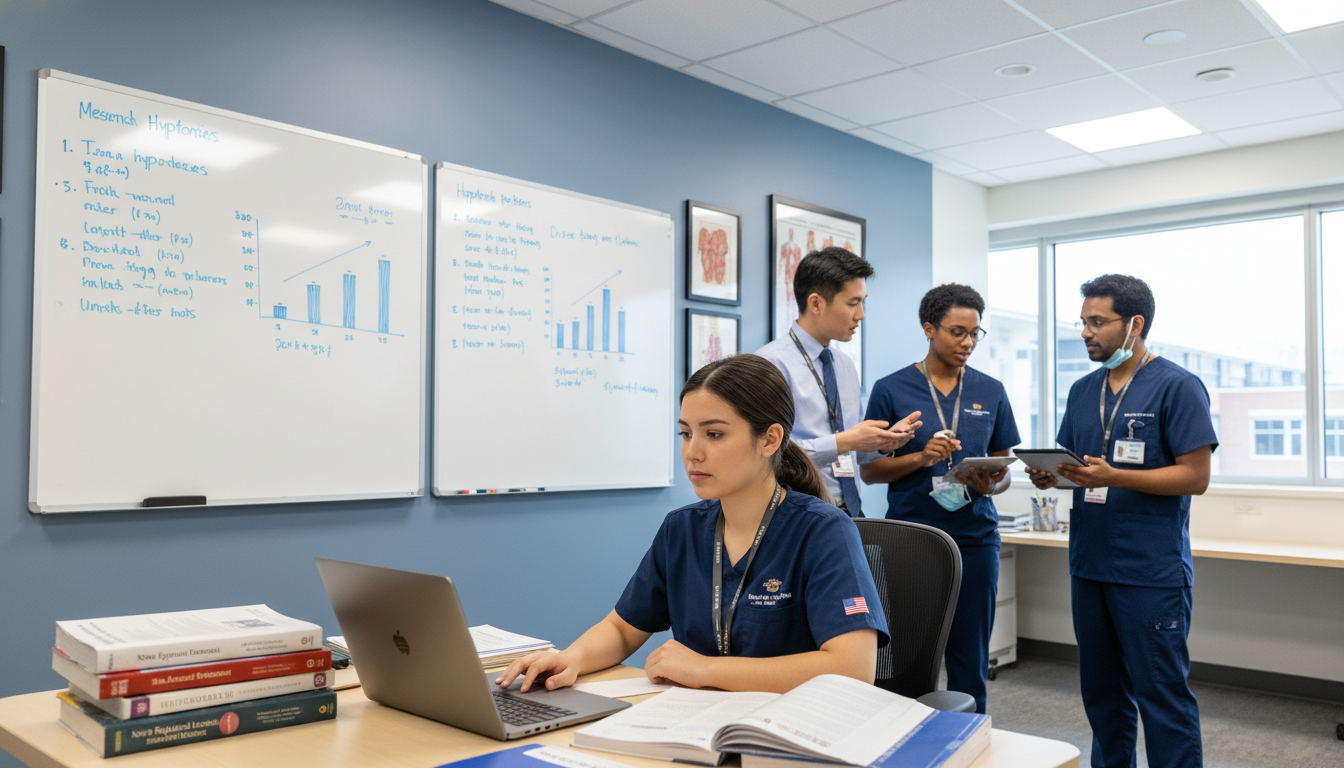
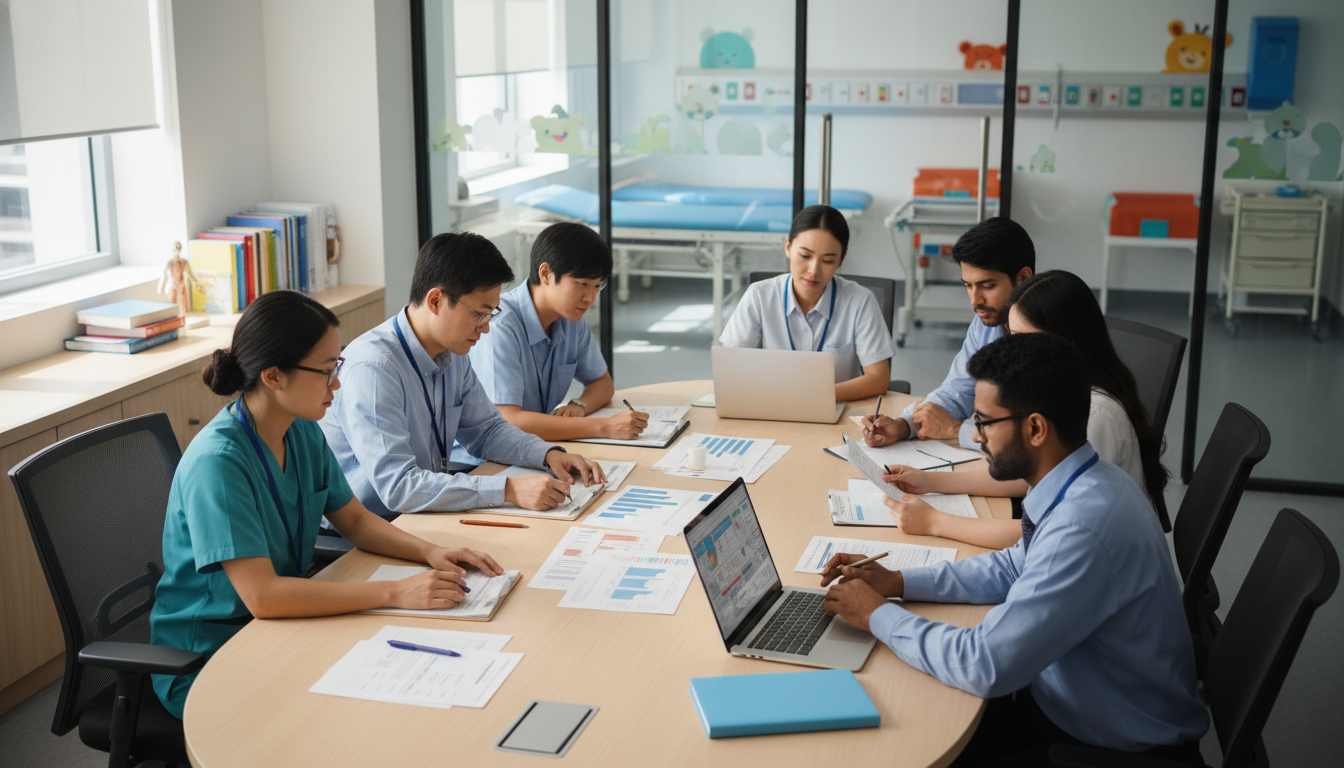
For a US citizen IMG in nuclear medicine, research during residency is more than a résumé booster—it can fundamentally shape your career trajectory. As an American studying abroad, you may feel an extra push to “prove yourself” in the US system, and structured resident research projects are one of the clearest ways to do that.
In nuclear medicine specifically, the field is rapidly evolving: theranostics, hybrid imaging (PET/CT, PET/MR), quantitative imaging, AI-based image analysis, and radiopharmaceutical development are changing practice patterns every year. Programs want residents who not only interpret scans well but also understand how evidence is generated and how new techniques are validated.
Research during residency can help you:
- Stand out in the nuclear medicine match when applying to fellowships or academic positions
- Build a unique niche (e.g., neuroimaging PET, cardiac PET, dosimetry, theranostics)
- Develop relationships with mentors who can advocate for you
- Accumulate tangible achievements—publications, presentations, awards
- Position yourself for an academic residency track or clinician-scientist career
For a US citizen IMG, these outcomes are particularly valuable because program directors may weigh your research productivity as evidence that you can thrive in an academic, research-oriented environment despite a non‑US medical degree.
Understanding the Role of Research in Nuclear Medicine Residency
Nuclear medicine sits at the intersection of imaging, physics, radiochemistry, and oncology. Because of that, research is deeply embedded in the specialty.
Types of Research Common in Nuclear Medicine
During residency, you’ll see several types of nuclear medicine research:
Clinical research
- Retrospective chart or imaging reviews (e.g., comparing diagnostic performance of different tracers)
- Prospective clinical trials (e.g., new radiotracers for specific cancers)
- Outcome studies (e.g., survival after certain radionuclide therapies)
Translational/theranostics research
- Exploring new theranostic pairs (diagnostic and therapeutic isotopes targeting the same receptor)
- Dosimetry optimization for therapies like Lu‑177 DOTATATE or Lu‑177 PSMA
- Biomarker development (SUV metrics, radiomics features, response prediction)
Physics and quantitative imaging
- Image reconstruction algorithms and attenuation correction
- Motion correction and partial volume correction
- Quantitative PET/CT or SPECT/CT validation and standardization
Health services and quality improvement (QI)
- Protocol optimization to decrease radiation dose
- Workflow efficiency and report turnaround time
- Appropriateness criteria and utilization studies
Education and informatics research
- Teaching methods for nuclear medicine in medical school or residency
- AI-based decision support tools or structured reporting systems
Almost any residency program that takes research seriously will have an expectation (formal or informal) that residents will participate in some of these projects.
Why It’s Extra Important for a US Citizen IMG
As an American studying abroad, you may face:
- Less exposure to US-style research infrastructure in medical school
- Less familiarity with IRBs, HIPAA-compliant data handling, and US funding mechanisms
- Skepticism from some PDs about the rigor of your prior training
Research during residency provides “US-based proof” of your abilities:
- US co-authors and mentors who can describe your work ethic and intellect
- US-based publications tied to institutions that PDs recognize
- Evidence of integration into the American academic community
If you eventually apply for competitive fellowships (e.g., PET/CT, molecular imaging, theranostics), your research portfolio can be the distinguishing factor—particularly if your Step scores or school name are not obvious strengths.
Getting Started: Laying the Groundwork in the First Year
Your first residency year is the foundation for a successful research experience. As a US citizen IMG, you’ll want to be especially deliberate.
1. Assess Your Starting Point
Ask yourself:
- Have I done research before? If yes:
- What type (clinical, basic, QI)?
- Any publications, abstracts, or posters?
- Any skills (statistics, coding, systematic reviews) that translate easily?
- How comfortable am I with:
- Reading original research papers?
- Basic statistics (p‑values, confidence intervals, regression)?
- Using tools like Excel, SPSS, R, or Python?
If your prior research was limited or non-US-based, that’s fine. Programs rarely expect new nuclear medicine residents—IMGs or not—to arrive as polished researchers. But you do need a growth mindset and a plan.
2. Learn the Research Ecosystem in Your Program
Spend the first 1–3 months identifying:
Who does what
- Which attendings publish frequently?
- Which faculty have ongoing grants, trials, or theranostic programs?
- Which radiology or oncology colleagues are known research collaborators?
What structures exist
- Is there a formal research curriculum or required resident research project?
- Are there dedicated research electives or “academic time”?
- Is there a departmental research office, biostatistics support, or imaging core?
What’s realistic
- Are residents expected to submit at least one abstract a year?
- Are case reports encouraged, or are larger projects the norm?
- Is there internal funding for small projects?
As an American studying abroad, clarifying expectations early helps you prioritize and avoid overcommitting.
3. Secure a Research-Supportive Mentor
The single most important step is finding a mentor who:
- Is active in nuclear medicine research (or PET/CT in radiology departments)
- Has a track record of publishing with residents
- Understands the pressure on US citizen IMGs and is encouraging but realistic
- Is responsive to email and willing to meet regularly
You might end up with:
- A primary nuclear medicine mentor (e.g., theranostics specialist)
- A secondary mentor from oncology, radiology, or medical physics
- A “career mentor” who focuses on your overall trajectory
When you approach potential mentors:
- Come with 1–2 ideas or at least a general area of interest
- Bring a one-page CV highlighting any prior research
- Ask specifically:
- “What kinds of resident research projects have worked well in the past?”
- “What is a feasible project for me to complete in 12–18 months?”
Choosing and Designing Resident Research Projects in Nuclear Medicine
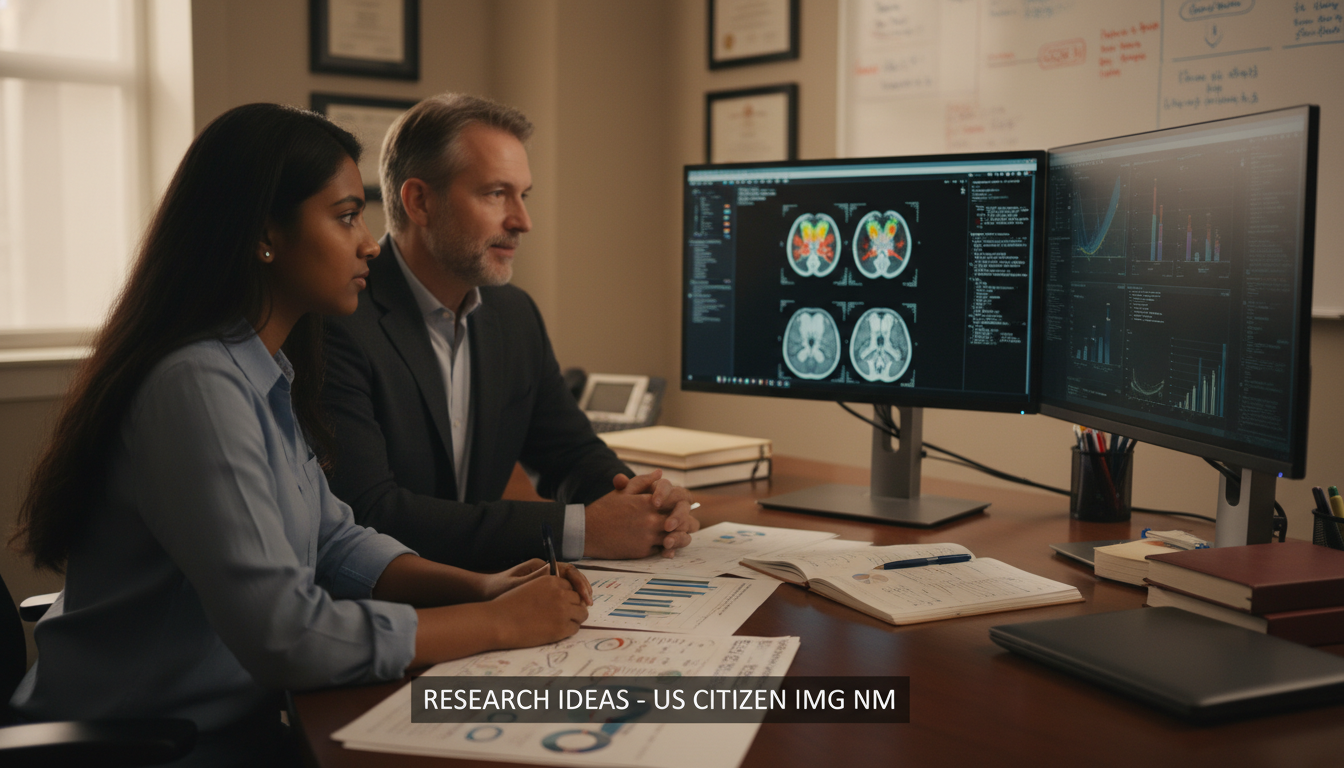
You don’t need a Nobel-worthy idea; you need a doable project that leads to real outputs. This is especially true if you’re balancing clinical demands and adapting to a new healthcare system.
Principles of a Good Resident Project
For a US citizen IMG in nuclear medicine, an ideal project is:
- Feasible: Can be completed in 12–18 months alongside clinical duties
- Data-accessible: Uses existing imaging or clinical data where possible
- Scoped correctly: Clear beginning and end; not dependent on untested technology
- Mentor-backed: Has explicit buy-in and time commitment from a faculty member
- Output-oriented: Clearly aimed at ASNC, SNMMI, RSNA, or EANM presentations and a manuscript
Example Project Types You Can Actually Finish
Retrospective imaging review
- Example: “Diagnostic performance of FDG PET/CT in staging extranodal lymphoma subtypes at our institution.”
Steps: - Define inclusion criteria
- Query PACS and EMR
- Extract imaging and pathology data
- Perform basic statistics and draft paper
- Example: “Diagnostic performance of FDG PET/CT in staging extranodal lymphoma subtypes at our institution.”
Theranostics outcomes project
- Example: “Treatment response and toxicity profile of Lu‑177 DOTATATE in neuroendocrine tumor patients over 5 years.”
- Focus: Changes in lesion SUV, biomarkers (e.g., chromogranin A), and PFS
- Appeal: High relevance to modern nuclear medicine and theranostics fellowships
Quantitative or technical imaging study
- Example: “Impact of reconstruction algorithm on SUVmax in lung lesions on PET/CT.”
- Collaborate with medical physics
- Good for residents interested in an academic residency track or a hybrid nuclear medicine–radiology career
Quality improvement (QI) project
- Example: “Reducing patient wait times and no-shows for nuclear cardiology stress tests.”
- Use PDSA (Plan–Do–Study–Act) cycles
- Often publishable in education or operations journals
Educational research
- Example: “Effectiveness of an online nuclear medicine curriculum for internal medicine residents.”
- Develop curriculum, pre/post tests
- Beneficial if you envision a future in education-focused academia
Project Design Basics (Without Getting Overwhelmed)
Work with your mentor to answer:
- Research question: Clear and narrow (use PICO—Population, Intervention, Comparison, Outcome—if applicable)
- Study design: Retrospective cohort, case-control, cross-sectional, or QI
- Sample size: How many patients/scan sets are realistically available?
- Variables: Exactly what you will collect from each patient/study
- Analysis plan: Basic descriptive statistics + 1–2 simple comparative analyses
As a US citizen IMG, demonstrating that you can articulate these basics during interviews or presentations strongly signals maturity as an early-career investigator.
Practical Strategies: Doing Research During Residency Without Burning Out
Time is your biggest constraint. Smart systems and habits matter more than raw hours.
1. Integrate Research into Your Weekly Routine
- Block 2–4 hours per week specifically for research (early mornings, post-call afternoons, or a weekend block)
- Protect this time—treat it like a conference or clinic
- Use short, specific tasks:
- “Extract data for 5 patients”
- “Finish methods section draft”
- “Email mentor the results table”
Even if your program has dedicated research rotations, consistent small progress prevents last-minute panic.
2. Exploit Natural Clinical–Research Synergy
Many nuclear medicine cases can spark research ideas:
- Unusual PET/CT patterns → case series
- Frequent equivocal findings → decision rules or scoring systems
- High-volume therapy service → outcome registries
Train yourself to ask:
“Is this pattern something we could study systematically with existing data?”
3. Use Tools That Make Research Manageable
- Reference managers: Zotero, Mendeley, or EndNote for organizing papers
- Project management: Trello, Notion, or simple spreadsheets for tracking tasks
- Data collection: REDCap (if your institution has it), Excel, or Google Sheets (de-identified only, and only if approved by your institution)
- Statistics: Start with Excel or SPSS; later, consider R or Python if you’re interested in more advanced analytics
If your medical school abroad used different systems, this is your chance to standardize on US-friendly tools that will serve you long-term.
4. Communicate Proactively With Mentors
To avoid delays:
- Send brief, focused updates every 2–3 weeks (even if there’s minimal progress)
- Before each meeting, email an agenda: “Today: finalize variables, discuss sample size, outline abstract.”
- Address obstacles early: IRB delays, difficulty with data extraction, time conflicts
Being transparent and organized combats stereotypes some PDs may hold about IMGs and underscores your professionalism.
Turning Research into Impact: Abstracts, Publications, and Career Leverage
Doing research during residency is only half the battle. You need to convert your work into visible outputs that strengthen your profile in the nuclear medicine match for fellowships and academic paths.
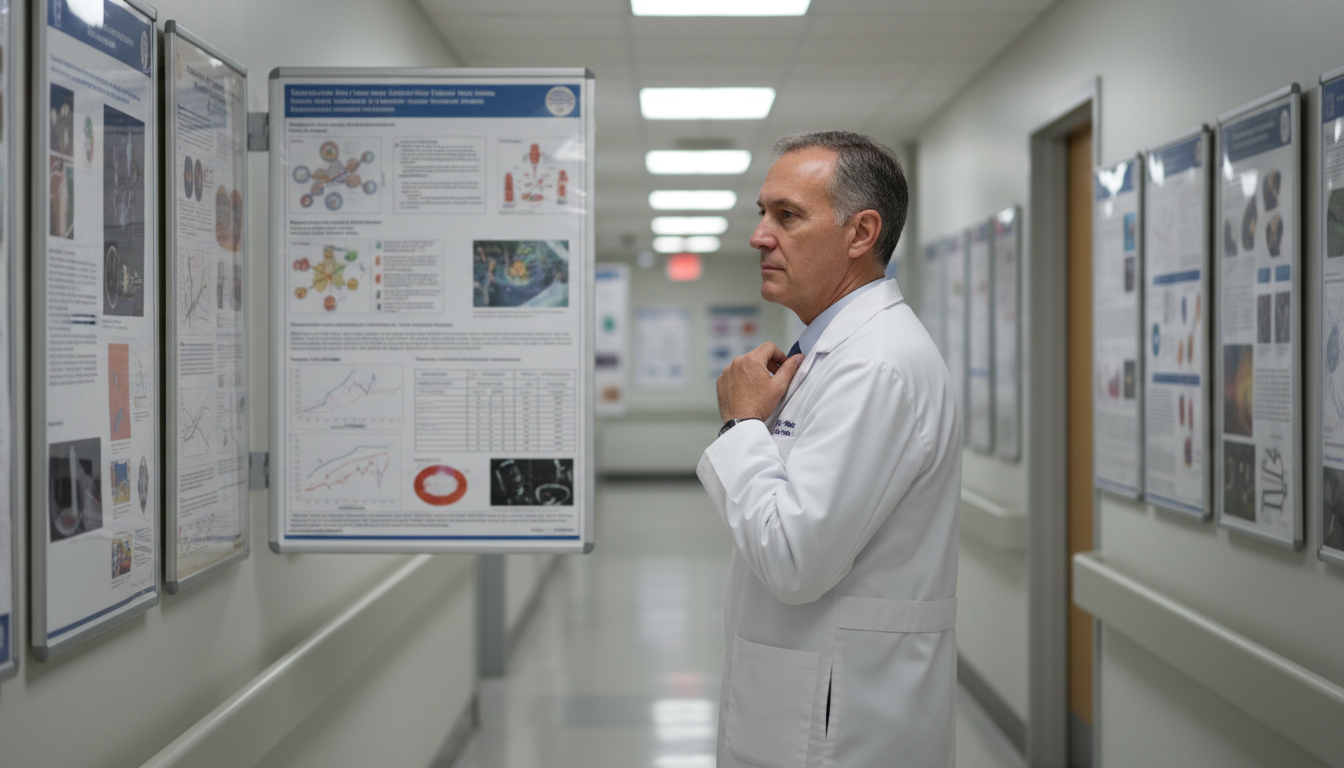
1. Target Conferences Strategically
High-yield meetings for nuclear medicine residents include:
- SNMMI (Society of Nuclear Medicine and Molecular Imaging) – flagship US meeting
- RSNA (Radiological Society of North America) – broader imaging audience, strong for academic visibility
- ASNC (American Society of Nuclear Cardiology) – if your project is cardiology-focused
- EANM (European Association of Nuclear Medicine) – especially relevant if you were an American studying abroad in Europe
For each project, aim for:
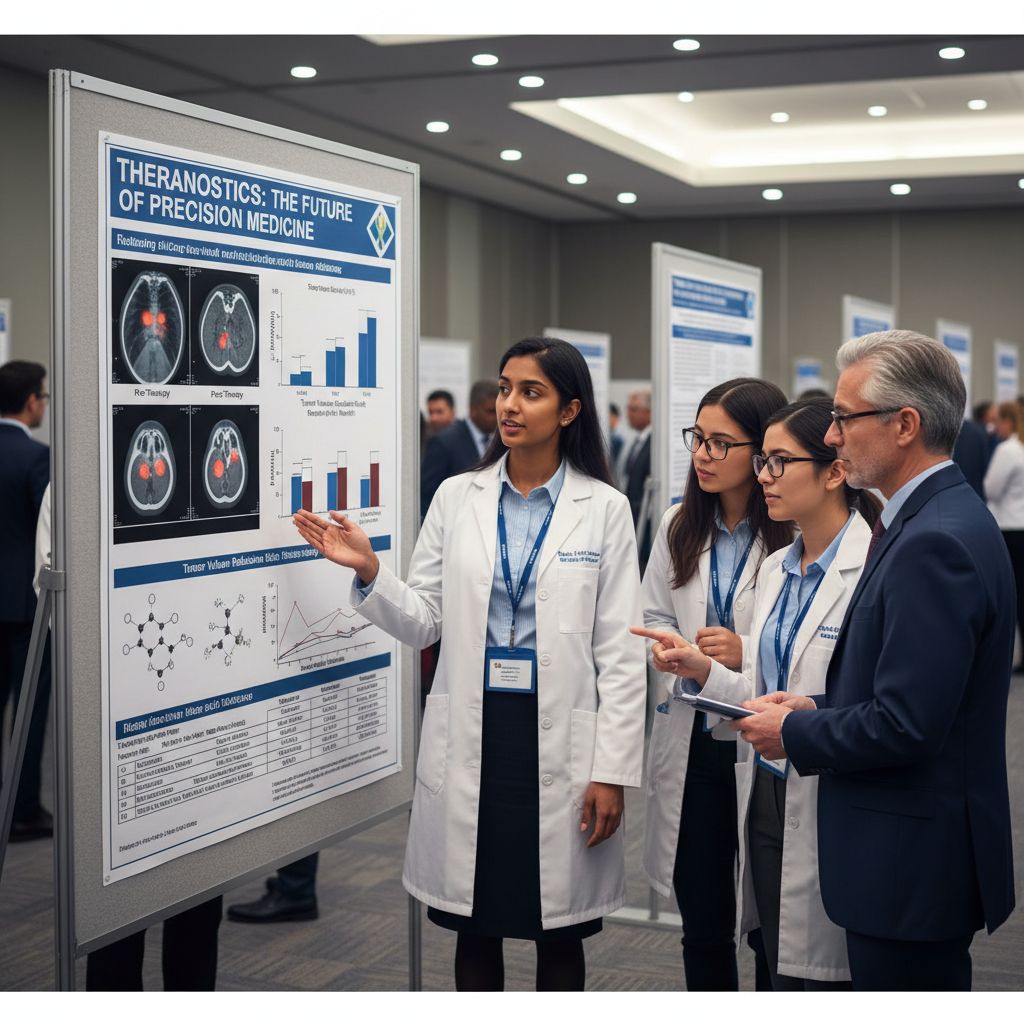
- At least one poster or oral presentation
- Exposure to potential future mentors and fellowship directors
- Networking with other residents and postdocs in your niche
As a US citizen IMG, presenting at US‑based meetings signals that you have successfully integrated into the domestic academic ecosystem.
2. Plan for Publication from the Start
Before you start data collection, discuss with your mentor:
- Target journal tier (top-tier vs mid-tier vs educational/QI journal)
- Likely article format (original research, brief report, case series, technical note)
- Authorship order and expectations
During the project:
- Write your methods section while designing the project; this forces clarity and saves time
- Maintain organized records of:
- Inclusion/exclusion decisions
- Data cleaning steps
- Analysis scripts or logs
After presenting at a conference:
- Allocate a 4–8 week window to expand your abstract into a full manuscript
- Don’t let “perfect” delay “submitted”—a solid paper in a respectable journal is more valuable than a hypothetical better paper that never leaves your hard drive
3. Highlighting Research in Fellowship and Job Applications
When you apply for advanced fellowships or faculty positions:
- Use your personal statement to connect your research to your future goals:
- “My work on dosimetry in Lu‑177 therapies has solidified my interest in a theranostics-focused academic career.”
- Emphasize:
- Projects that show continuity (e.g., multiple related papers)
- Leadership roles (first-author, project design, IRB submission)
- Multidisciplinary collaborations (oncology, physics, radiology)
Program directors reading your file should be able to see a coherent narrative: someone who used research during residency to build a meaningful niche, not just to collect random lines on a CV.
4. Positioning for an Academic Residency Track or Clinician-Scientist Path
For residents drawn to an academic residency track:
Prioritize at least one substantial project (not just case reports) with:
- Robust methodology
- Quantitative analysis
- Clear clinical or technical impact
Seek:
- Co-authorship on mentor-led larger studies
- Involvement in grant applications or protocol design
- Cross-department collaborations (oncology, surgery, radiation oncology)
Consider:
- Additional training in biostatistics or clinical research (workshops, online courses)
- A future combined pathway (e.g., nuclear medicine + radiology, or advanced fellowships with research time)
For a US citizen IMG, this track can be especially powerful; academic centers often value research productivity and niche expertise over pedigree alone.
Common Pitfalls for US Citizen IMGs—and How to Avoid Them
1. Overcommitting to Too Many Projects
Temptation: say yes to every project offered, trying to build your CV quickly.
Risk: You end up with half-finished projects and frustrated mentors.
Solution:
- Limit yourself to:
- 1–2 major projects
- 1–3 minor projects (case reports, smaller QIs)
- Ask each time: “Who will be doing most of the work, and what is the timeline to publication?”
2. Underestimating IRB and Regulatory Requirements
If your medical school abroad had a less formal review process, you might be surprised by:
- IRB approval timelines
- HIPAA rules on data handling
- Requirements for de-identification and secure storage
Protect yourself by:
- Consulting your institution’s research office early
- Using IRB-approved templates
- Asking your mentor to walk you through their last successful application
3. Weak Documentation and Data Management
Common issues:
- Lost spreadsheets
- Inconsistent variable definitions
- No clear audit trail of how data was cleaned
Prevent problems with:
- Standard naming conventions (file names, versions, variable labels)
- Secure, centralized storage (institution-approved shared drive or REDCap)
- A simple “data dictionary” listing each variable and how it is coded
4. Communication Mismatches With Mentors
Cultural differences and varying expectations can make things awkward.
Mitigate by:
- Setting expectations explicitly:
- How often to meet
- Preferred communication style (email vs in-person)
- Who is responsible for what tasks
- Summarizing decisions in follow-up emails:
- “To confirm, I will extract data for 30 patients by next Friday, and you will review my variable list before I proceed further.”
Being structured and proactive helps counteract biases some faculty may have about IMGs being “unpredictable” or “hard to supervise.”
Frequently Asked Questions (FAQ)
1. How early in residency should I start research as a US citizen IMG in nuclear medicine?
Ideally, identify a mentor and a potential project within the first 3–6 months of residency. You don’t need to start data collection immediately, but you should:
- Attend research meetings or journal clubs
- Learn what types of projects are realistic
- Begin background reading in your area of interest
Starting early gives you enough time to produce abstracts and publications before applying to fellowships or academic positions.
2. I had little or no research exposure in medical school abroad. Can I still build a strong research profile?
Yes. Many US citizen IMGs come from schools where structured research is limited. You can still build a strong profile if you:
- Start with a well-scoped, mentor-guided project
- Invest time in learning basic research methods and statistics
- Aim for at least:
- 1–2 first-author abstracts
- 1 first-author publication
- 1–3 co-authored works by the end of residency
Programs care more about completed, high-quality projects than about when you started learning research.
3. What counts more for my future career: case reports or original research?
Both have value, but original research and robust resident research projects carry more weight for:
- Competitive fellowships
- Academic residency track positions
- Long-term clinician-scientist careers
Case reports are useful:
- Early on, to learn the writing and submission process
- To quickly add a few entries to your CV
But you should aim to progress to retrospective or prospective clinical studies, or substantive QI projects.
4. How do I talk about my research during residency in interviews?
When interviewers ask about your research:
- Choose 1–2 key projects and briefly summarize:
- The question: “We wanted to know whether …”
- The methods: “We retrospectively reviewed X patients with …”
- The results: “We found that …”
- The impact: “This suggests that nuclear medicine can …”
- Emphasize your specific role (design, data collection, analysis, writing)
- Connect the project to your future goals in nuclear medicine (e.g., theranostics, academic imaging, PET/CT innovation)
For a US citizen IMG, clear and confident discussion of your work reassures interviewers that you understand both the science and its clinical relevance.
Research during residency is one of the most powerful tools you have as a US citizen IMG in nuclear medicine to shape your career, overcome initial skepticism, and earn a place in the most dynamic corners of the specialty. With smart project selection, strong mentorship, disciplined time management, and strategic dissemination, you can turn your residency years into the launchpad for a meaningful, research-informed career in nuclear medicine.