
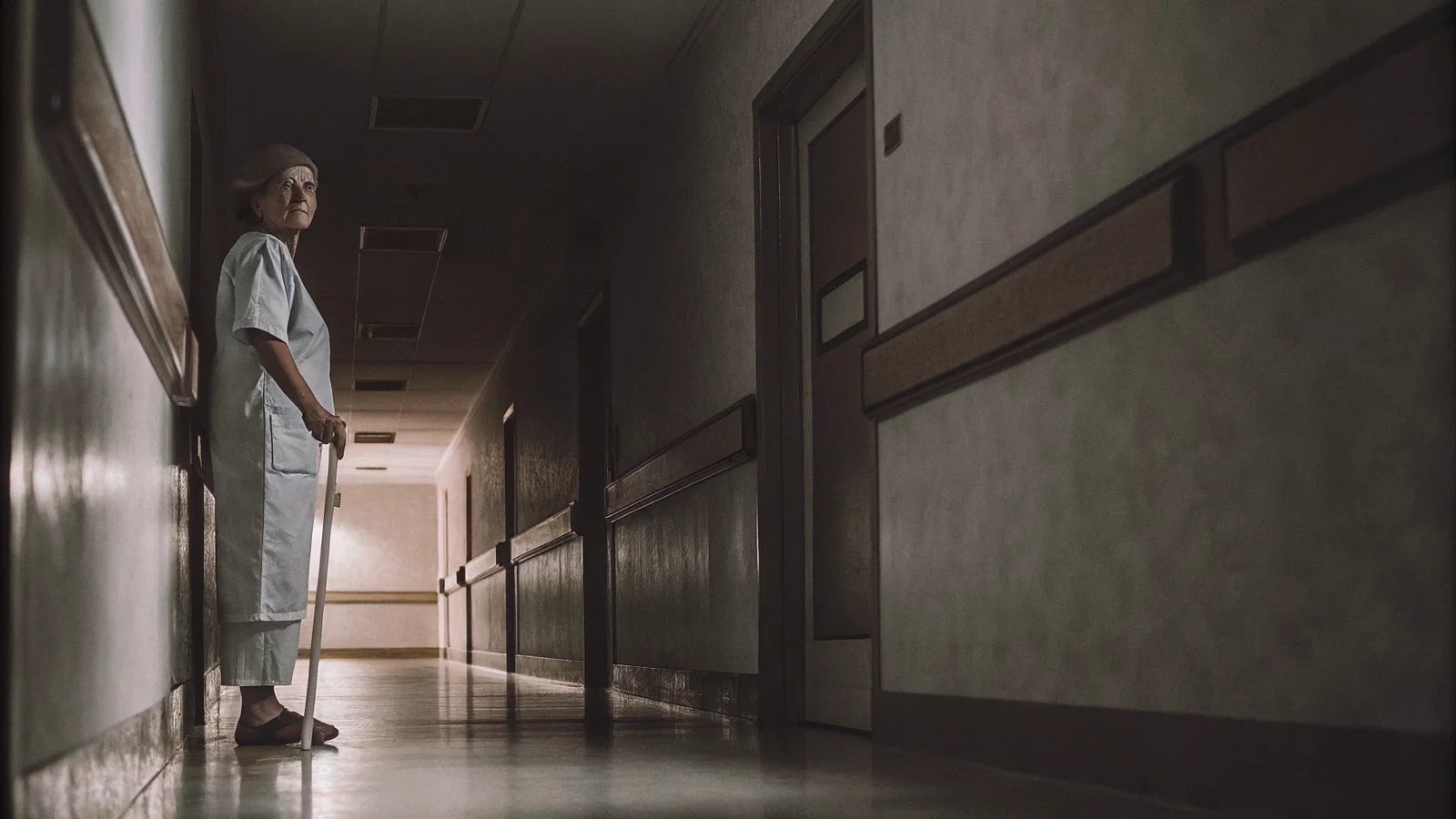
The first four hours of night float will break you if you let them.
I remember my first night. July. I'd been an intern for eleven days. The day team signed out at 6:47 PM, thirteen minutes late, naturally, and by 7:03 PM, I was alone with 47 patients I'd never met, a crossed-out list of "things to watch for," and a pager that already felt like a small animal chewing through my hip.
Here's what nobody told me: the first four hours are not about medicine. They're about triage, pacing, and not drowning in a flood of minor calls that pull you away from the one patient who's actually sick. Night float is a different beast from day coverage. The structure disappears. Your attendings are asleep (you hope). The pharmacy is staffed by one person who doesn't know you. The nurses know the patients better than you do, and some of them will remind you of that fact within the first thirty minutes.
This matters more than you think. How you perform on night float shapes how chiefs evaluate you for the rest of the year. It shapes whether the ICU trusts you with a transfer at 3 AM. It shapes your own confidence, the quiet kind that either builds or cracks during those first few solo shifts.
I'm not going to sugarcoat this. Most of what you learned about signout efficiency, handoff structure, and "calling your senior early" is technically correct and practically useless unless you have a minute-by-minute plan for those opening hours. That's what this guide is. Not philosophy. A timeline. By the end of it, you'll know exactly what to do from 6:30 PM to 10:30 PM on your first night float shift, and every shift after.
The Core Challenge
The Trap of the First 90 Minutes
At 6:30 PM, you should be in the workroom, pen in hand, signout printed. Not logging in. Not getting coffee. You should already have coffee. The single worst mistake I see new residents make is treating signout as a passive listening exercise. It's not. You're building a mental triage map.
Here's what happens if you don't: you spend the first two hours putting out fires you didn't know were lit. Mrs. Garza in 412 has a potassium of 3.0 that nobody mentioned because "it's been trending down all day." Mr. Park in 407 has a new oxygen requirement that the day intern noticed at 5:45 PM but didn't want to "dump on you." By 8 PM, you're behind on all of it.
Common pitfalls during the first four hours:
- Accepting signout without interrupting. If a presenter says "stable, nothing going on" more than twice in a row, they're rushing. Ask specifically: "Any lines or tubes? Any pending labs? Any family discussions expected tonight?" You'll catch things.
- Not rounding on your sickest patient first. I don't care if the floor is quiet. At 7:15 PM, you should be laying eyes on your most vulnerable patient. Not calling. Not chart-checking. Physically in the room.
- Answering every page immediately. This is the one seniors rarely emphasize enough. A fever page at 7:30 PM for a patient who's been febrile for two days is not an emergency. You have time. Triage.
- Forgetting to eat by 9 PM. If you haven't eaten by 9, you won't eat until 2 AM, and by then your judgment is impaired whether you admit it or not. Pack food. Eat it at your desk like an animal if you have to. I've done it.
The People Problem
The first four hours are also when you establish yourself with the night nursing staff. This is not a soft skill. This is survival.
At 7:00 PM, you should introduce yourself to the charge nurse on every unit you cover. In person. A two-second hallway introduction: "Hi, I'm covering tonight. Page me for anything urgent, I'll come right away." That sentence, delivered with eye contact, buys you goodwill that you will absolutely need at 1 AM when you're asking for something inconvenient.
Nurses who've seen ten classes of residents know when someone's overwhelmed. They can tell within the first hour. The ones who introduce themselves, show up promptly to the first urgent call, and don't argue about Tylenol orders, they get helped. The ones who hide in the workroom and take forty minutes to respond to a fall? They don't.
The Cognitive Shift You Need to Make
Day medicine is about plans. Night medicine is about assessing whether plans are working and fixing what's not. That's a fundamentally different cognitive mode.
At this point, roughly 8:00 to 9:00 PM, you should be transitioning from "catching up on what happened today" to "proactively scanning for what's about to go wrong." Look at your list. Which patient has the narrowest therapeutic window? Which one is most likely to crash in the next six hours? That's your mental homepage.
I've watched residents get so consumed with the documentation backlog from signout that they miss a rising creatinine, a worsening lactate, a patient who hasn't urinated in six hours. The charts will be there at 4 AM. The patient might not be.
Actionable Next Steps
Here's your hour-by-hour plan for the first four hours. Memorize it. Adapt it. But follow it the first few times before you trust your instincts.
6:30 PM, Before Signout
- Arrive. Print your signout template. Grab food from home, not the cafeteria (it closes at 7, and the vending machine dinner will destroy you by midnight).
- Log into the EMR on two workstations if possible. One for active patient review, one for orders. You'll thank me.
- Skim the day team's progress notes for your assigned patients. Just the assessment and plan. Three minutes per patient, maximum.
6:45 PM, During Signout
- Ask these three questions for every patient: "What's the plan for tonight? What would make you worried? Is there anything pending?"
- Write down the senior's cell number and the attending's preferred contact method. Some attendings want a text first. Some want a page. Get this wrong once and you'll remember it forever.
- Flag any patient with "watch this" on the list. Those are your rounding targets.
7:15 PM, First Patient Contact
- See your sickest patient. The one on pressors, the one with the falling urine output, the one who got a transfusion today. Not the stable post-op day 2 gallbladder.
- Check the lines. Check the drips. Ask the nurse what they're worried about. They've been with this patient for twelve hours. You've been with them for zero.
7:45 PM, Unit Introductions
- Walk every unit. Introduce yourself to the charge nurse. Two sentences. Eye contact. Leave.
- This takes fifteen minutes and saves you hours of friction later.
8:00-9:00 PM, The Scan
- Pull up labs. Look for trends, not single values. A creatinine of 1.6 means nothing. A creatinine that went from 1.1 to 1.6 in 24 hours means something.
- Check overnight vitals from the previous night. Were there fevers? Hypertensive spikes? That tells you what to expect tonight.
- Eat. I'm serious. A protein bar at your desk counts.
9:00-10:30 PM, Proactive Rounds
- By now, the initial chaos has settled. This is your window. Go see your next two or three highest-risk patients before the phone starts ringing again.
- Update your handoff document as you go. Don't wait until 5 AM to reconstruct what happened. You'll forget. Everyone forgets.
- If nothing is on fire by 10:30 PM, brief your senior on any developing concerns. A two-minute heads-up at 10:30 is worth a panicked call at 2 AM.
Resources to Use
- Your institution's night float survival guide, if it exists. Most do. It's buried on the residency intranet somewhere nobody looks. Find it before your first shift.
- UpToDate or DynaMed, for quick med dosing and adjustments. Bookmark the pages you'll use most: anticoagulation reversal, electrolyte replacement protocols, transfusion thresholds.
- Your pharmacist, night pharmacy coverage is thin, but the pharmacist on duty is one of your best resources. Introduce yourself early. They'll help you dose vancomycin at 1 AM without judgment if you've shown them basic competence earlier.
- A simple notebook, not the EMR. A physical notebook where you jot down overnight tasks, patient room numbers, and to-dos. Paper doesn't crash. The EMR will.
Key Takeaways
- Be prepared before you walk in. Food printed, EMR logged in, signout template ready. The residents who struggle are the ones still getting oriented at 7:15 PM.
- Focus on high-yield areas. Your sickest patient, your nursing relationships, your lab trends. Everything else is noise that can wait.
- The first four hours set the tone for the entire shift. If you're reactive during this window, you'll spend the rest of the night chasing. If you're proactive, the night bends to your pace instead.
And one last reminder: every senior resident who makes night float look easy was once exactly where you are, staring at a signout sheet at 7 PM with a sinking feeling in their chest. The difference between them and you isn't talent. It's a plan. Now you have one.


