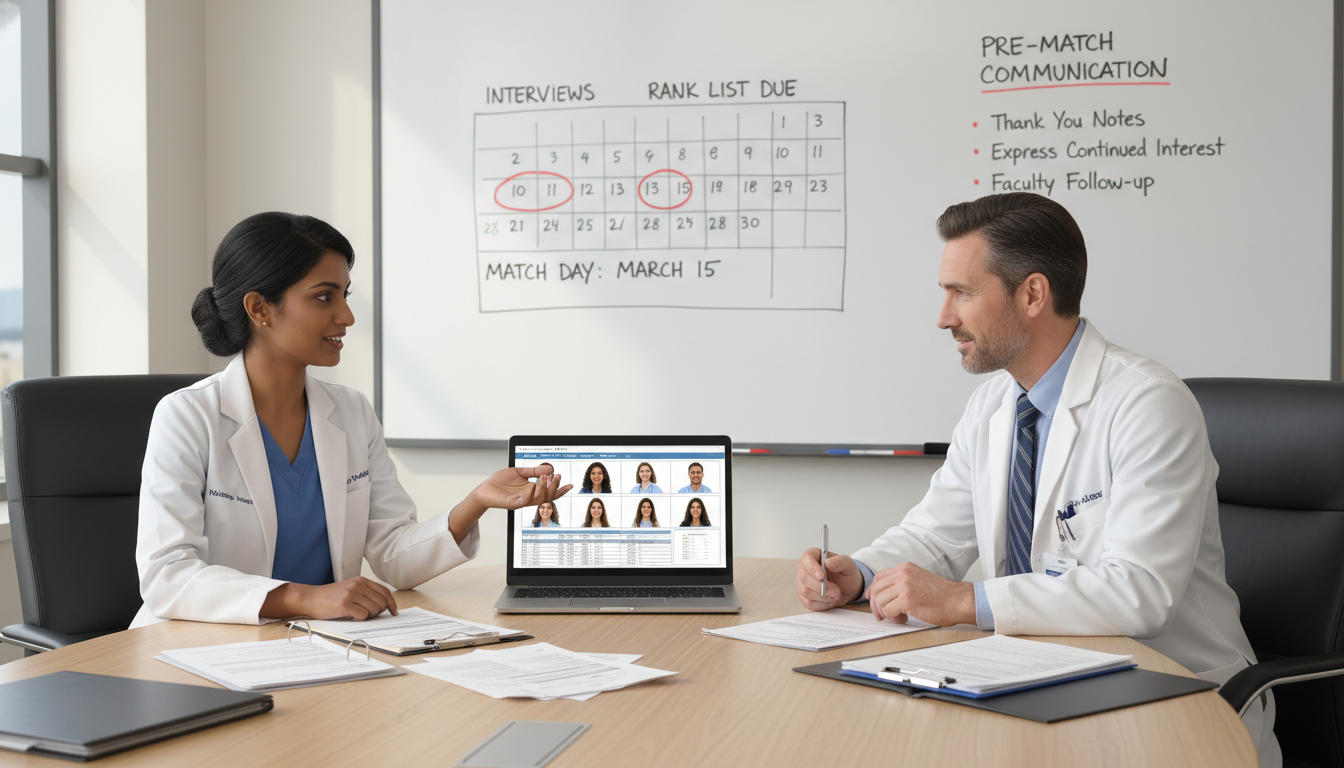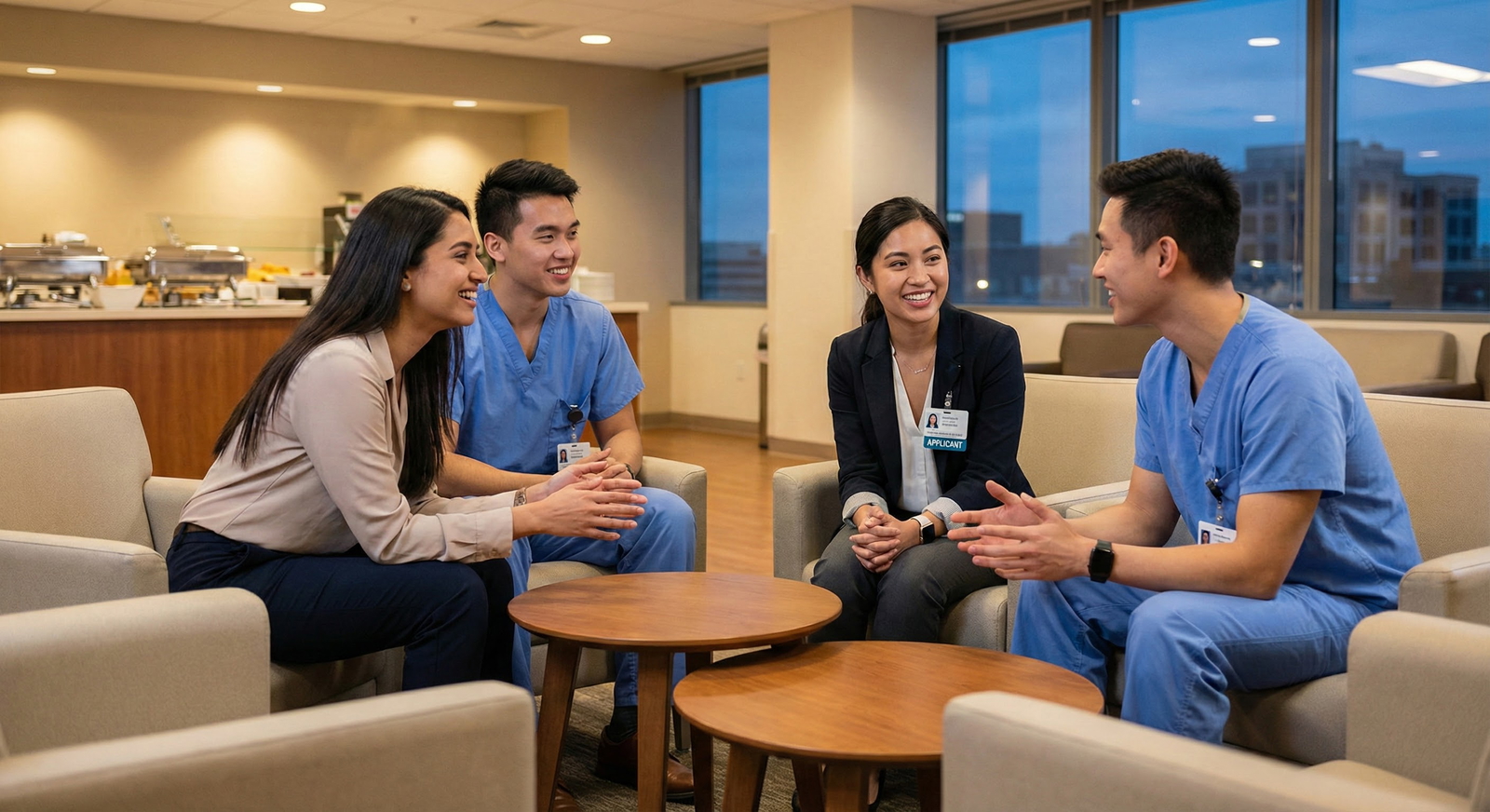
Pre-match communication is one of the most misunderstood parts of the residency and fellowship process—especially for a DO graduate pursuing Addiction Medicine. You may be hearing mixed advice from upper-level residents, advisors, and online forums about “pre-match offers,” “early commitment,” and how much you should communicate with programs before Match Day.
This guide is designed specifically for the DO graduate interested in Addiction Medicine training—whether that’s an osteopathic residency match in Psychiatry with strong substance abuse training or a post-residency addiction medicine fellowship. You’ll learn what pre-match communication really is, what’s allowed, how to use it strategically, and how to maintain professionalism and integrity throughout.
Understanding Pre-Match Communication for DO Graduates in Addiction Medicine
Pre-match communication refers to any contact between you and a program before the official NRMP or specialty Match results are released. It covers:
- Emails between you and program leadership
- Phone calls or Zoom meetings
- In-person meetings at conferences or away rotations
- Messages through ERAS or program-specific portals
- Thank-you notes and updates after interviews
For a DO graduate interested in Addiction Medicine, this communication often focuses on:
- Demonstrating genuine interest in a psychiatry, internal medicine, family medicine, or preventive medicine program with strong substance abuse training
- Clarifying a program’s addiction medicine fellowship pipeline or track options
- Showing commitment to a geographic region with high addiction-related clinical needs
- Highlighting your experience in medication-assisted treatment (MAT), harm reduction, or recovery programs
Pre-match communication vs. pre-match offers
- Pre-match communication: Permitted and common. Includes expressing interest, asking questions, updating programs on significant achievements.
- Pre-match offers / early commitment: In most NRMP-participating specialties and matches, any attempt to secure binding commitments outside of the Match is not allowed. This includes pressuring for promises like “If I rank you #1, will you rank me to match?” or programs asking for commitment in return.
Addiction Medicine itself is currently a fellowship-level specialty, and many Addiction Medicine fellowships do not participate in the NRMP Match (depending on institution and year). That means:
- For residency (psychiatry, internal medicine, family medicine, etc.), you’ll likely be in a standard NRMP match where pre-match offers are restricted.
- For addiction medicine fellowships, some institutions use their own application cycles and may discuss early commitment more explicitly (particularly in non-NRMP environments). Nonetheless, professional ethics and fairness still matter.
Always confirm:
- Whether the specific program or fellowship participates in a Match (NRMP or specialty).
- Their stated policies on pre-match offers and early commitment.
Rules, Ethics, and Boundaries: What’s Actually Allowed?
Understanding the rules is crucial to staying safe and professional in your pre-match behavior.
NRMP and ethical guidelines
For NRMP-participating residency programs and some fellowships:
- Programs cannot require you to disclose your rank order.
- You are not obligated to respond if a program asks for a commitment.
- You cannot make or accept binding agreements outside the Match.
- You may express interest honestly (e.g., “I plan to rank your program highly” is allowed; “I promise I will rank you #1 if you rank me to match” is not).
For DO graduates in Addiction Medicine–relevant specialties (psychiatry, IM, FM), these rules typically apply.
Common gray zones in program communication before match
You may encounter language like:
- “You are ranked to match.”
- “We will rank you highly.”
- “We hope you will consider ranking us highly.”
- “If we are your top choice, please let us know.”
Your options:
- You can thank them, reiterate your interest, and maintain professionalism.
- You don’t need to reciprocate with specific rank positions, and you should avoid misrepresenting your intentions.
Unique considerations for DO graduates
As a DO graduate:
- You may worry about bias in academic or university-based programs, especially in competitive regions.
- You may be considering both osteopathic residency match pathways (if applicable and still offered in your region) and ACGME pathways that have integrated DO and MD eligibility.
- You may feel pressure to “make up for” perceived DO bias with stronger pre-match communication.
Reality:
- Thoughtful, professional pre-match communication can help you stand out, but it cannot and should not replace the quality of your application (scores, letters, addiction-relevant experience).
- Over-communicating or appearing transactional can backfire.
Strategic Pre-Match Communication: Building a Professional Relationship
Pre-match communication is not about negotiating deals; it’s about clarity, connection, and alignment. Your goal as a DO graduate interested in Addiction Medicine is to show programs that:
- You understand their mission and strengths.
- You bring specific, relevant experience in substance abuse training.
- You’re likely to thrive in their environment and contribute to their clinical and educational priorities.
Before interviews: Reaching out the right way
You can appropriately contact programs before interviews in a few situations:
- You have a strong geographic or personal tie (family, prior training, community service).
- The program has a robust addiction medicine fellowship or track, and your CV clearly supports this interest.
- You did a rotation, research, or QI project at that institution.
Example pre-interview email (from a DO graduate)
Subject: Prospective Applicant with Strong Interest in Addiction Medicine (2025–2026 Cycle)
Dear Dr. [PD Last Name],
My name is [Your Name], a DO graduate from [Your COM]. I recently applied to the [Program Name] Psychiatry Residency. I am reaching out to briefly share my strong interest in your program’s addiction-focused training.
During my rotations at [Institution or Clinic], I worked extensively with patients receiving buprenorphine and methadone for opioid use disorder and completed an elective in addiction psychiatry. Your program’s integration with [Name of Addiction Medicine Fellowship or Clinic] and emphasis on evidence-based substance abuse treatment align directly with my career goal of pursuing an Addiction Medicine fellowship.
I grew up in [City/Region] and hope to build my clinical and academic career serving patients in this area. I would be honored to interview at [Program Name] and learn more about opportunities to care for patients with substance use and co-occurring psychiatric disorders.
Thank you very much for your time and consideration.
Sincerely,
[Your Full Name], DO
[AAMC/ERAS ID]
[Contact Information]
This type of message is appropriate once per program, concise, and clearly ties your addiction medicine interest to their specific strengths.

After interviews: Thank-you notes and meaningful follow-up
Post-interview, you can—and should—communicate in a way that:
- Reinforces your interest
- Highlights a specific aspect of the visit
- Connects your background in substance abuse training to their program
Example post-interview thank-you note
Dear Dr. [Interviewer Name],
Thank you again for the opportunity to interview at [Program Name] on [date]. Our discussion about your residents’ involvement with the [name of addiction clinic or program] and your collaboration with the Addiction Medicine fellowship solidified my impression that [Program Name] would be an ideal environment for me to grow as a psychiatrist with a focus on substance use disorders.
As a DO with clinical experience in MAT clinics and a strong interest in whole-person, osteopathic principles of care, I am particularly excited by your emphasis on integrated care and trauma-informed approaches. I left the interview day feeling that I could meaningfully contribute to your team while pursuing my long-term goal of addiction medicine subspecialty training.
Thank you again for your time and for the warm welcome I received from the residents and faculty.
Sincerely,
[Your Name], DO
You don’t need to send separate notes to every faculty member; prioritizing the program director, coordinator, and individuals you had extended conversations with is reasonable.
Update letters: When and what to send
Use an update letter when you have substantive new information, such as:
- A new first- or second-author publication on addiction, pain, or psychiatry
- A new leadership role or project in substance abuse training (e.g., leading an overdose prevention initiative)
- Completion of an important elective or certification (e.g., DEA X-waiver equivalent training, motivational interviewing training)
- Significant awards or honors related to addiction medicine or community service
Example content for an update
Since we last corresponded, I completed a month-long elective at [Clinic Name], where I managed patients receiving buprenorphine, naltrexone, and methadone for opioid use disorder under close supervision. This experience further confirmed my desire to pursue Addiction Medicine fellowship after residency, and reinforced my interest in programs like yours with strong exposure to substance use treatment.
Limit update letters to 1–2 per program unless something major changes (e.g., you match early into a different track or withdraw from the cycle).
Expressing Interest vs. Overcommitting: Navigating “Love Letters” and Early Commitment
This is where pre-match communication becomes delicate. You’ll hear that “telling a program they’re your top choice” can help. It can—but only when done authentically and correctly.
What is a “letter of intent” or “love letter”?
It’s a message sent late in the season (after most interviews) where you:
- Explicitly state that a program is your first choice (or that you plan to rank them highly)
- Provide a brief, specific explanation for this preference
- Reaffirm your fit and enthusiasm
Ethical principles:
- Only send one genuine “you are my #1” letter.
- Do not tell multiple programs they are your top choice.
- Do not feel forced to reveal your exact rank list if you’re uncomfortable doing so.
Sample “first choice” letter (residency with strong Addiction Medicine focus)
Subject: Strong Interest in Ranking [Program Name] as My First Choice
Dear Dr. [PD Last Name],
As the rank list deadline approaches, I wanted to sincerely thank you again for the opportunity to interview at [Program Name] and to share that I intend to rank your program as my first choice.
My decision is based on three main factors:
- Your program’s outstanding integration with [Addiction Medicine Fellowship / opioid treatment program], which aligns perfectly with my career goal of becoming an Addiction Medicine specialist.
- The supportive and collegial culture I observed among your residents and faculty, particularly during the case conference focused on co-occurring substance use and mood disorders.
- Your commitment to serving patients in [Community/Region], a population I am passionate about working with given my background at [Clinic/Experience].
As a DO trained in a holistic, whole-person model of care with dedicated experience in substance use treatment, I am confident that I would thrive in your program and contribute meaningfully to your mission.
Thank you again for your consideration.
Sincerely,
[Your Name], DO
This is appropriate, transparent, and within ethical guidelines.
When programs hint at early commitment
Occasionally—more often in some non-NRMP addiction medicine fellowships—programs may say:
- “If you tell us we’re your top choice, we will offer you a position before others.”
- “We want to know if you will accept an offer if extended.”
For NRMP-participating residencies, this type of language is not allowed as a binding condition. You can respond:
I remain very interested in your program and will be ranking programs based on the best overall fit for my training and long-term goal of becoming an Addiction Medicine specialist. I look forward to seeing how the Match process unfolds.
For non-NRMP addiction medicine fellowships, institution-specific rules may allow earlier, explicit offers. Before accepting:
- Ask for written details: start date, salary, duties, teaching expectations.
- Clarify whether this precludes you from applying elsewhere.
- Compare the offer to your priorities: depth of substance abuse training, mentorship, patient population, research opportunities.
In both settings, do not feel pressured into an instant “yes” on a phone call. It is acceptable to say:
Thank you for this generous offer. I’m very excited about the opportunity and would appreciate 24–48 hours to review the details and discuss with my mentors before giving you a final answer.
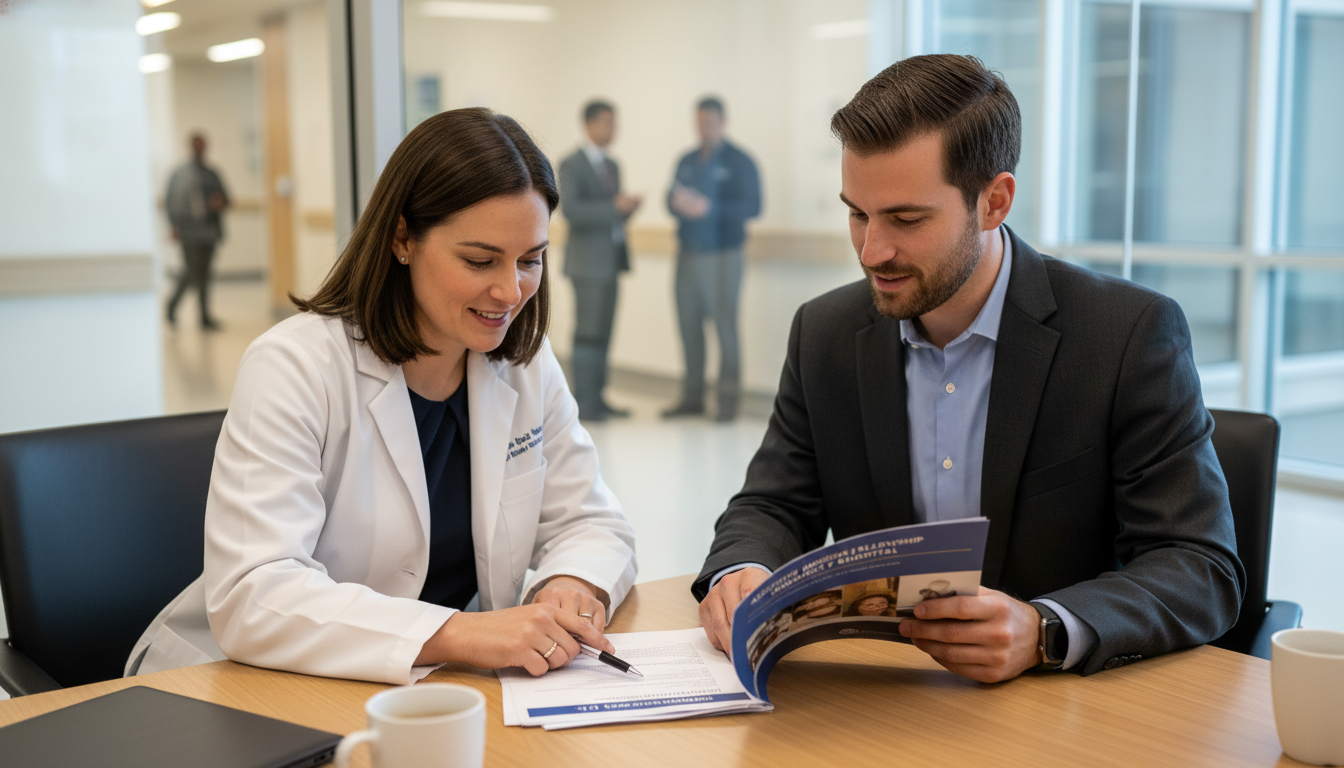
Addiction Medicine–Specific Considerations in Pre-Match Communication
If you’re focused on Addiction Medicine, your communication strategy should highlight content, exposure, and mission fit.
Emphasize your addiction-related experiences
In emails and conversations, be explicit about:
- Rotations in detox units, rehab facilities, or outpatient MAT clinics
- Participation in needle exchange, overdose prevention, or harm reduction programs
- Research on substance use disorders, stigma, public health, or health policy
- Quality improvement projects (e.g., increasing naloxone prescribing, integrating SBIRT tools)
- Any X-waiver equivalent or specialized MAT training you’ve completed
Programs with strong addiction medicine tracks and fellowships want to know you aren’t just casually interested.
Ask targeted questions that signal genuine interest
During and after interview days, consider asking:
- “How do residents participate in your addiction medicine clinic or consult service?”
- “What proportion of graduates go on to an Addiction Medicine fellowship?”
- “How does your program collaborate with community agencies for substance abuse training?”
- “Is there structured didactic time dedicated to SUD, MAT, and harm reduction?”
- “What opportunities exist to be mentored by addiction medicine faculty?”
These questions show that you understand the field and are thinking strategically about your training.
For DO graduates: Leveraging your osteopathic background
As a DO graduate, you bring:
- A holistic, biopsychosocial-spiritual perspective that aligns deeply with Addiction Medicine
- Training in motivational interviewing, patient-centered care, and functional health
- In some cases, OMT skills relevant to chronic pain and comorbid musculoskeletal conditions
In your communication, you might say:
My osteopathic training has reinforced the importance of addressing social, psychological, and spiritual determinants of health, which I see as essential when caring for patients with substance use disorders.
This frames your DO identity as a strength within Addiction Medicine.
Practical Communication Do’s and Don’ts for DO Graduates in Addiction Medicine
Do’s
- Be concise and specific: Reference concrete aspects of the program (addiction clinic, fellowship, patient population).
- Personalize each message: Avoid generic, copy-paste emails.
- Use professional tone and formatting: Full sentences, clear subject lines, appropriate salutations.
- Time communications thoughtfully:
- Pre-interview outreach: Early in the season, but only once.
- Thank-you notes: Within 3–5 days of interview.
- Update letters: When there is meaningful new information.
- Final intent letter: 1–2 weeks before ROL deadlines.
- Keep records: Save emails and notes from calls so you can review prior to submitting your rank list.
- Maintain integrity: Say what you mean, and don’t make promises you can’t keep.
Don’ts
- Don’t mass-email every program you applied to; focus on realistic, strong fits.
- Don’t obsessively follow up if you receive no reply; one message is often enough.
- Don’t pressure programs for information about where you will be ranked.
- Don’t badmouth other programs or applicants in any form of communication.
- Don’t exaggerate your addiction medicine experience; programs can tell when details are vague.
- Don’t violate NRMP rules by participating in explicit pre-match deals for NRMP-participating residencies.
Putting It All Together: A Step-by-Step Strategy
For a DO graduate targeting Addiction Medicine–relevant residencies and eventual addiction medicine fellowship, here’s a streamlined plan:
Before application submission
- Identify 8–12 programs with strong addiction medicine exposure or fellowship pipelines.
- Prepare a short paragraph about your addiction medicine interest to customize for emails and personal statements.
After applications are submitted
- Send targeted pre-interview emails to a limited number of top programs where you have strong geographic ties or clear addiction medicine alignment.
- Avoid repeating the same generic message; keep it individualized.
During interview season
- Take notes on each program’s addiction-related resources, clinics, and faculty.
- Ask informed questions about substance abuse training and fellowship opportunities.
- Send thoughtful thank-you notes to key faculty.
Mid-season
- If you have major updates (e.g., new addiction-related research publication), send a concise update to programs where you’ve already interviewed.
Late season (pre–rank list deadline)
- Reflect on your experiences: Where would you truly feel most prepared to become an Addiction Medicine specialist?
- Send one clear “first choice” letter if you genuinely have a top program.
- For other programs, a brief note saying you “remain very interested and plan to rank them highly” is acceptable if true.
Post-ranking
- Stop active outreach beyond acknowledging any program-initiated contact.
- Focus on your current rotations, self-care, and preparing for the transition to residency.
FAQs: Pre-Match Communication for DO Graduates in Addiction Medicine
1. As a DO graduate, can pre-match communication really offset DO bias in competitive programs?
Pre-match communication can increase your visibility and show a program that you are genuinely aligned with their mission—especially if they value Addiction Medicine. It cannot erase systemic bias or compensate for substantial deficits in your application (scores, grades, professionalism). However, a targeted, professional email highlighting your addiction medicine focus and osteopathic perspective can make a positive impression and sometimes tip the scales among similar candidates.
2. Should I tell more than one program they are my “top choice” to improve my odds?
No. Telling multiple programs they are your “first choice” is unethical and undermines your credibility, especially in a small field like Addiction Medicine where faculty often know each other. You may, however, tell multiple programs that you are “very interested” or “plan to rank them highly,” as long as those statements are honest and non-specific about exact rank position.
3. Is it okay to ask a program where I stand on their rank list?
It’s generally not recommended. Programs may volunteer information like “you are ranked to match” or “we will rank you highly,” but directly asking “Where am I on your list?” can come across as pushy and may place faculty in an uncomfortable position. Focus on expressing your interest, asking substantive questions, and then trusting the Match process.
4. How is pre-match communication different when applying to Addiction Medicine fellowships after residency?
Many Addiction Medicine fellowships operate outside the NRMP, so their timelines and rules about early commitment can vary. Pre-match communication in that context can include more direct discussions about fit and mutual interest, and some programs may make explicit offers before a designated deadline. Even then, you should:
- Request details in writing.
- Take time (within reason) to consider the offer.
- Avoid making verbal commitments you’re not ready to honor.
The core principles remain the same: be honest, be professional, and prioritize programs that will provide the depth and breadth of substance abuse training you need for your career.
By understanding the rules, using strategic yet ethical pre-match communication, and highlighting your unique strengths as a DO graduate committed to Addiction Medicine, you can navigate the residency and fellowship landscape with confidence—and set yourself up for a meaningful career caring for patients with substance use disorders.