Evaluating Your Options: What to Consider with Pre-Match Offers
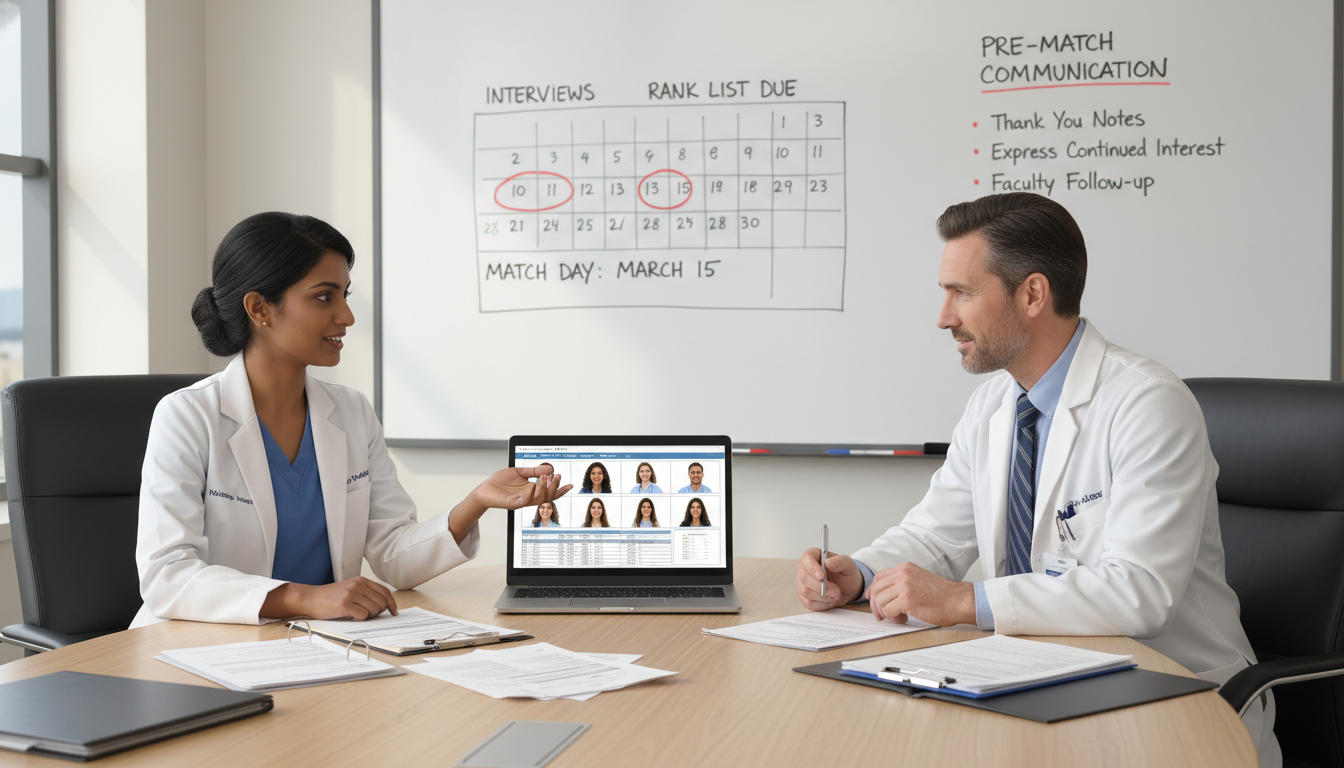
The transition from medical school to residency is one of the most consequential phases in your medical career. It’s a time marked by intense competition, uncertainty, and high-stakes decisions. When a residency program extends a Pre-Match Offer, it can feel like a huge weight has been lifted—someone wants you, and they’re willing to commit before the formal residency match process even concludes.
However, a Pre-Match Offer is not merely a relief from stress; it is a major career decision with long-term implications. Accepting too quickly, without careful evaluation, can lock you into a situation that doesn’t align with your professional goals, personal needs, or values.
This guide walks you through what Pre-Match Offers are, what to consider when evaluating them, and how to make confident, strategic decisions that support your future in medicine.
Understanding Pre-Match Offers in the Residency Application Process
Before you can evaluate a Pre-Match Offer effectively, you need a clear understanding of what it is, how it works, and how it fits into the larger residency application landscape.
What Is a Pre-Match Offer?
A Pre-Match Offer is an invitation from a residency program to secure a training position before (or outside of) the formal matching algorithm process. Depending on the system or specialty, this might be:
- A contract or agreement offered before the NRMP/Match results
- An early commitment program (e.g., some military, specialty, or institutional pathways)
- A signed offer that typically requires you to withdraw from portions of the regular match or to rank that program in a specific way (if applicable in your jurisdiction)
The key idea: a program is signaling they want you enough to bypass some of the uncertainty of the national matching system.
Types of Pre-Match Offers You Might Encounter
Not all Pre-Match Offers look the same. Common variations include:
Unconditional offers
- “We are offering you a PGY-1 spot in our program, contingent only on graduation and appropriate licensure.”
- These are generally straightforward yes/no decisions.
Conditional offers
- Offers that require specific criteria:
- Passing Step 2 within a certain timeframe
- Meeting visa requirements
- Committing to a preliminary year plus an advanced spot
- Read these conditions very carefully; they may significantly affect your path.
- Offers that require specific criteria:
Program-specific early commitment agreements
- Some institutions may have internal early-commit pathways, especially for their own medical students or visiting rotators.
Because rules and policies differ by country, specialty, and even program, always verify how your specific Pre-Match Offer interacts with the official match (e.g., NRMP rules, CaRMS, etc.). Violations can have serious consequences for both you and the program.
Pros and Cons of Pre-Match Offers
Potential Advantages:
- Reduced uncertainty and anxiety in the residency application process
- Guaranteed position, often in a program where you’ve already rotated or interviewed
- Ability to plan your life earlier (housing, finances, family decisions)
- Less pressure to attend late-season interviews or overextend financially on travel
Potential Drawbacks:
- Less opportunity to compare multiple programs side-by-side
- Risk of missing out on a better fit or more competitive residency program later
- Feeling “locked in” if your interests evolve (e.g., decide you want a different subspecialty or type of practice)
- Possible regret if program culture or workload is not what you expected
Understanding these trade-offs frames the rest of your evaluation and career decision-making.
Core Factors to Consider When Evaluating Pre-Match Offers
Your goal is not simply to “get a spot” in a residency program; it is to build a satisfying, sustainable, and successful medical career. Use the factors below as a structured framework when deciding whether to accept a Pre-Match Offer.

1. Program Fit, Values, and Culture
Fit is often more important than prestige. You will spend three to seven years—or more—in this environment.
Ask yourself:
Does the program align with my long-term career goals?
- Example: If you aspire to academic medicine or fellowship, does the program support research and fellowships?
- If you want community-based practice, does the training reflect that reality?
Is the specialty and training style compatible with my interests?
- Are you genuinely excited about the patient population, pathology, and procedures?
What is the culture of the residency program?
Look for:- Collegiality vs. competitiveness
- Hierarchy vs. collaboration
- Transparency vs. opacity in feedback and scheduling
- How residents talk about each other and leadership
Practical ways to assess program culture:
- Speak with multiple current residents at different training levels (not just those hand-picked by the program).
- Ask specific questions:
- “What are you most proud of about this program?”
- “If you could change one thing, what would it be?”
- “How approachable are attending physicians during busy rotations?”
- Pay attention to body language and consistency of answers.
2. Location, Lifestyle, and Support Systems
Residency is demanding; your environment can either support or strain you.
Consider:
Geographic priorities
- Proximity to family or key support people
- Desire to be in a particular region for future practice
Lifestyle and community
- Urban vs. suburban vs. rural
- Access to activities that support your well-being (parks, gyms, religious communities, hobbies, etc.)
- Safety and commute time to the hospital
Cost of living
- Housing prices or rent
- Transportation costs and parking fees
- Childcare, if applicable
Ask current residents, particularly those with similar life circumstances (e.g., married, with children, IMG, etc.), how they manage life outside the hospital.
3. Training Quality, Curriculum, and Clinical Exposure
A key question in residency application and Career Decision-Making is: Will this residency program actually train me to be the physician I want to become?
Evaluate:
Breadth and depth of clinical exposure
- Case volume and complexity
- Diversity of patient populations and practice settings (academic, community, VA, etc.)
- Subspecialty rotations and elective time
Curriculum structure
- Balance between inpatient and outpatient
- Didactics: are conferences, journal clubs, and teaching rounds well-organized and protected?
- Simulation training availability for procedures and emergencies
Board preparation and educational support
- Board pass rates over the past several years
- In-house review sessions, access to question banks or educational resources
- Support for remediation if a resident struggles academically
Ask for the block schedule, recent graduates’ board pass data, and examples of educational innovations the program has implemented in the last few years.
4. Faculty, Mentorship, and Academic Environment
Faculty quality significantly shapes your training environment and opportunities.
Key questions:
Are faculty accessible and invested in teaching?
- Do residents feel comfortable asking questions or admitting knowledge gaps?
- Are attendings present on rounds, or do residents largely work independently without feedback?
Mentorship and career guidance
- Is there a formal mentorship program?
- Do residents feel supported when applying to fellowships, jobs, or research opportunities?
Academic and research opportunities
- Are there ongoing research projects or quality improvement initiatives residents can join?
- What percentage of residents present at conferences or publish?
When possible, ask faculty about their expectations for residents and opportunities for individualized career development.
5. Reputation, Outcomes, and Graduate Success
Reputation is not everything—but it matters more when it reflects solid outcomes.
Consider:
- Where do graduates go?
- Fellowship placements (by subspecialty, institution tier)
- Job placements (geography, type of practice, leadership roles)
- Program stability and accreditation
- Any recent citations or probationary issues?
- Stability of leadership (e.g., long-standing PD vs. frequent turnover)
Remember: a mid-tier program with outstanding mentorship, high board pass rates, and strong fellowship placements may serve you better than a “big name” that doesn’t fit your needs.
6. Workload, Schedule, and Work–Life Balance
Residency is inherently challenging, but the degree of support and balance varies widely between programs.
Key points to investigate:
Expected hours and call frequency
- Are duty hours consistently within regulations?
- Is there a culture of “voluntary” extra work that becomes de facto mandatory?
Coverage models
- Night float vs. 24-hour call
- Cross-coverage policies when co-residents are out
Wellness and mental health resources
- Access to counseling or mental health services
- Protected wellness activities, retreats, or days off (if any)
- Program response to burnout and fatigue—are these issues acknowledged and addressed?
Ask residents directly, “How often do you truly get your days off? How easy is it to schedule medical appointments or attend important life events?”
7. Salary, Benefits, and Financial Considerations
While you didn’t choose medicine for the money, financial realities matter—especially with student loans and relocation costs.
Assess:
Salary and cost-of-living balance
- Compare the program’s salary against regional norms and living expenses.
- A slightly lower salary in a city with a very low cost of living may be more favorable than a high salary in an extremely expensive metro area.
Benefits package
- Health, dental, and vision insurance (for you and dependents)
- Retirement contributions, if any
- Malpractice coverage details
Professional development and educational benefits
- Funds for conferences, books, licensing exams, or board review courses
- Paid time and financial support for presenting research
Relocation support
- Moving stipend or sign-on bonus
- Visa sponsorship, if applicable
When evaluating Pre-Match Offers, incorporate an honest financial assessment into your decision matrix so that finances support, not undermine, your training experience.
8. Future Career Opportunities and Flexibility
A Pre-Match Offer is not just about the next few years—it can influence decades of your medical career.
Reflect on:
Impact on fellowship prospects
- Does the program historically match residents into competitive fellowships in the subspecialties you’re considering?
- Are there in-house fellowships that favor internal candidates?
Networking and professional visibility
- Are there faculty well known in the field who can write strong letters or sponsor you for opportunities?
- Will you have exposure to institutions and systems where you might want to work later?
Flexibility if your interests change
- If you’re not 100% set on a subspecialty, does the program offer a broad foundation and opportunities to explore?
- Will the training pigeonhole you into a narrow practice, or keep doors open?
Ensure that accepting a Pre-Match Offer expands your options more than it restricts them.
A Structured Approach to Residency Career Decision-Making
Once you’ve gathered information, it’s time to convert it into a clear decision about your Pre-Match Offer. Treat this like any major medical decision: systematic, evidence-based, and aligned with your values.

Step 1: Do Your Homework Thoroughly
Use multiple sources:
Official program materials
- Program websites, curriculum outlines, case logs
- ACGME (or equivalent) accreditation information
Informal resident perspectives
- Alumni from your medical school currently at the program
- Trusted residents you met on audition rotations
- Professional forums (e.g., Student Doctor Network, Reddit) with caution—verify anecdotal experiences.
Your own experiences
- Reflections from rotations, interviews, or second looks
- Notes from conversations and your impressions of faculty and staff
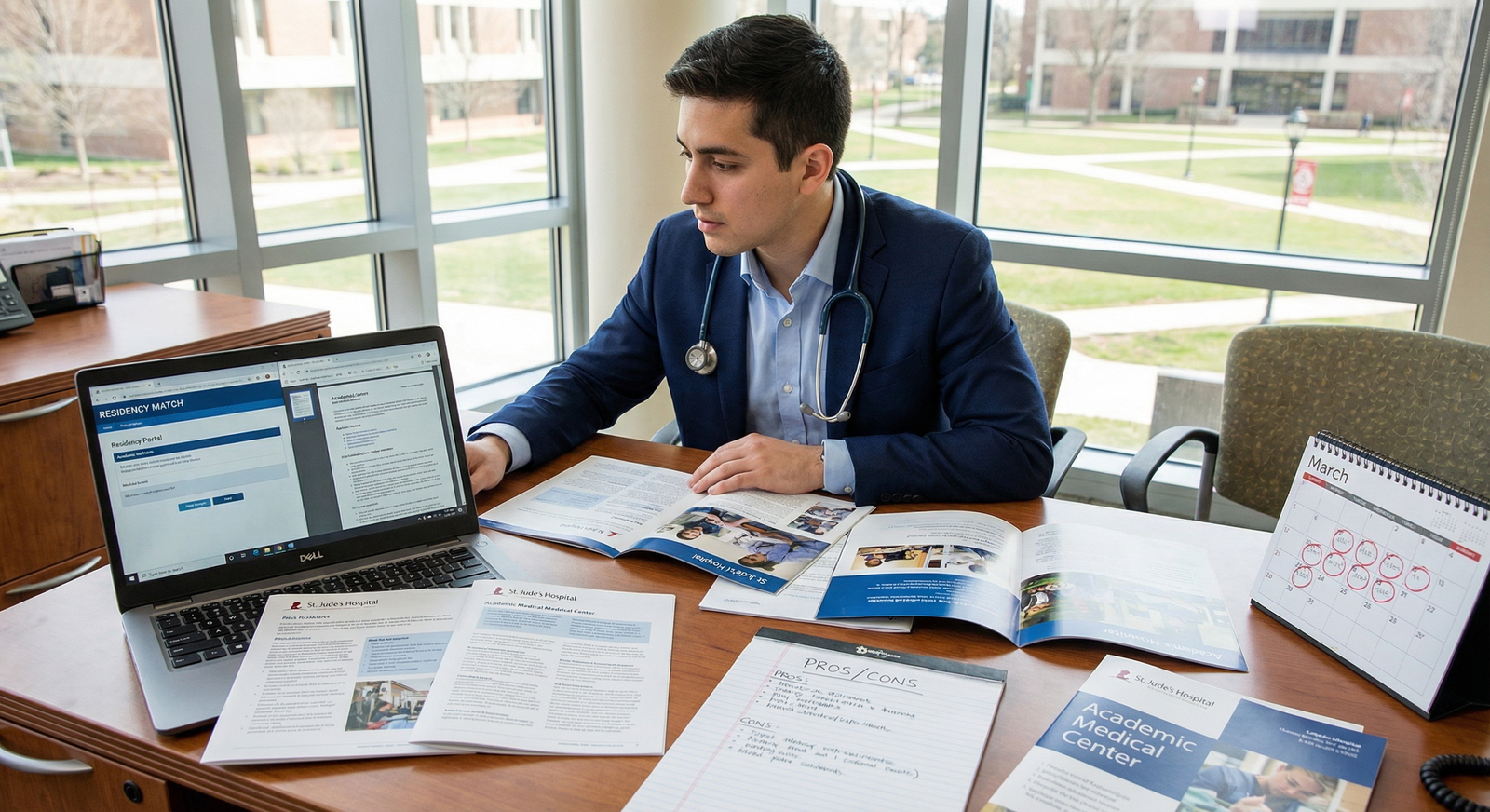
Keep organized notes so you can compare programs systematically, not based on incomplete memories.
Step 2: Create a Personalized Decision Matrix
A decision matrix transforms a vague “gut feeling” into a structured comparison.
- List key factors (e.g., culture, location, training quality, fellowship prospects, salary, wellness).
- Assign each factor a weight based on its importance to you (e.g., 1–5 scale).
- Rate each program (including your Pre-Match Offer program and potential Match options) on those factors (e.g., 1–10).
- Multiply the weight by the rating to get a weighted score, then sum for each program.
This approach:
- Helps you see whether your Pre-Match Offer truly ranks highest overall
- Highlights trade-offs (e.g., top training but less ideal location)
- Creates a more objective foundation before you overlay your intuition
Step 3: Consult Trusted Mentors and Advisors
Don’t evaluate Pre-Match Offers in isolation.
Seek input from:
- Specialty-specific mentors who know your field and its training landscape
- Residency program directors or advisors at your medical school (who understand match patterns)
- Faculty who know you well and can speak honestly about your strengths and potential fit
Ask them:
- “Based on what you know about me, does this program seem like a good fit?”
- “Would you recommend I accept this Pre-Match Offer or wait for the Match?”
- “Are there program-specific issues or reputational nuances I should know about?”
Their external perspective can uncover blind spots in your decision-making.
Step 4: Clarify the Terms and Timeline of the Offer
Before deciding, fully understand:
- Deadlines for responding to the Pre-Match Offer
- Whether accepting requires you to withdraw from the Match (and in which systems)
- Any contractual obligations (duration, penalties for withdrawal, visa-specific conditions)
- The process for finalizing your acceptance (e.g., signing a contract, notifying Match authorities)
If anything is unclear, ask the program coordinator or program director for clarification in writing.
Step 5: Integrate Data with Your Instincts
After doing your research:
- Revisit your own priorities: career goals, personal life, mental health, and values.
- Ask yourself:
- “If I matched here through the regular process, would I feel happy and relieved?”
- “If I turn this down and don’t get something ‘better’ later, will I regret it?”
Decision-making in medicine is rarely perfect, but you want a decision you can stand by confidently, even in hindsight.
Staying Open-Minded and Strategic During the Residency Application Season
Accepting or declining a Pre-Match Offer is not just a single yes/no—it's part of a broader strategy for your residency application and career.
Keep Exploring Until You Commit
Until you have signed a binding agreement or formally accepted the offer, it is appropriate—and often wise—to:
- Continue interviewing at other residency programs
- Maintain communication with programs where you are particularly interested
- Use each additional interview to refine your understanding of what you value most
This approach:
- Expands your comparison set beyond a single offer
- Gives you leverage in Career Decision-Making, even if you ultimately accept your Pre-Match Offer
- Ensures you’re not settling simply out of early-season anxiety
Maintain Professionalism and Integrity
Regardless of the outcome:
- Be transparent and courteous with programs.
- If you accept a Pre-Match Offer and must withdraw from the Match or cancel interviews, do so promptly and respectfully.
- Understand that backing out of an accepted Pre-Match Offer is generally considered unprofessional and can have serious reputational and sometimes formal consequences.
Your professional reputation begins well before residency; the way you handle offers and communication now can follow you for years.
Frequently Asked Questions About Pre-Match Offers and Residency Decisions
Q1: What happens if I receive multiple Pre-Match Offers?
Multiple Pre-Match Offers give you more leverage but also more responsibility. Evaluate each program using the same criteria—culture, training quality, location, outcomes, and financial considerations. Create a decision matrix to rank them, then discuss your top choices with mentors. Be honest with programs about your decision timeline (within reason) and avoid holding offers beyond their deadlines. Once you accept one offer, immediately withdraw from others and, if required, from the Match.
Q2: Can I change my mind after accepting a Pre-Match Offer?
In most situations, backing out of a signed Pre-Match Offer is strongly discouraged and may be viewed as a breach of professionalism or even contract. It can:
- Damage your reputation with faculty, deans, and programs
- Create reporting issues with Match organizations
- Potentially jeopardize future opportunities
For this reason, do not accept a Pre-Match Offer unless you are truly prepared to train at that program. If a serious, unavoidable issue arises after acceptance (e.g., major family or health crisis), consult your dean’s office or a trusted mentor before taking any action.
Q3: How can I accurately assess a program’s culture before accepting?
Culture can be hard to measure, but you can glean a lot from:
- Speaking with several current residents privately (not just during formal tours)
- Asking targeted questions:
- “When residents struggle, how does the program respond?”
- “Do you feel comfortable raising concerns to leadership?”
- “Have people ever left the program? Why?”
- Observing interactions during your visit or virtual day—how staff speak to each other and residents
- Looking for consistency between what leadership says and what residents report
If red flags emerge (defensiveness when you ask about wellness, frequent turnover, vague answers about duty hours), weigh them carefully.
Q4: Is it essential to respond immediately to a Pre-Match Offer?
Most Pre-Match Offers include a deadline, but that is not the same as “answer on the spot.” It is professionally acceptable to:
- Thank the program for the offer
- Ask for the exact deadline and whether you may have a few days to consider
- Use that time to seek mentor advice, review your priorities, and finalize your decision
If you need a short extension for a legitimate reason, you may respectfully request it, understanding the program may or may not agree.
Q5: Can I negotiate aspects of my Pre-Match Offer, such as salary or benefits?
Negotiation in residency is more limited than in attending-level positions, but some aspects may be flexible. You might ask about:
- Start date timing
- Allocation of educational funds or conference support
- Rotation preferences or research opportunities
Base salary is usually standardized for all residents at a given PGY level in an institution, so it’s less commonly negotiable. If you choose to negotiate, be respectful, informed, and realistic—focus on clarifying expectations and opportunities rather than demanding exceptions.
By approaching Pre-Match Offers with structure, honesty, and self-awareness, you can transform what feels like a high-pressure decision into a thoughtful step forward in your medical career. Use data, seek guidance, trust your informed instincts, and commit to the path that best aligns with both who you are now and the physician you want to become.