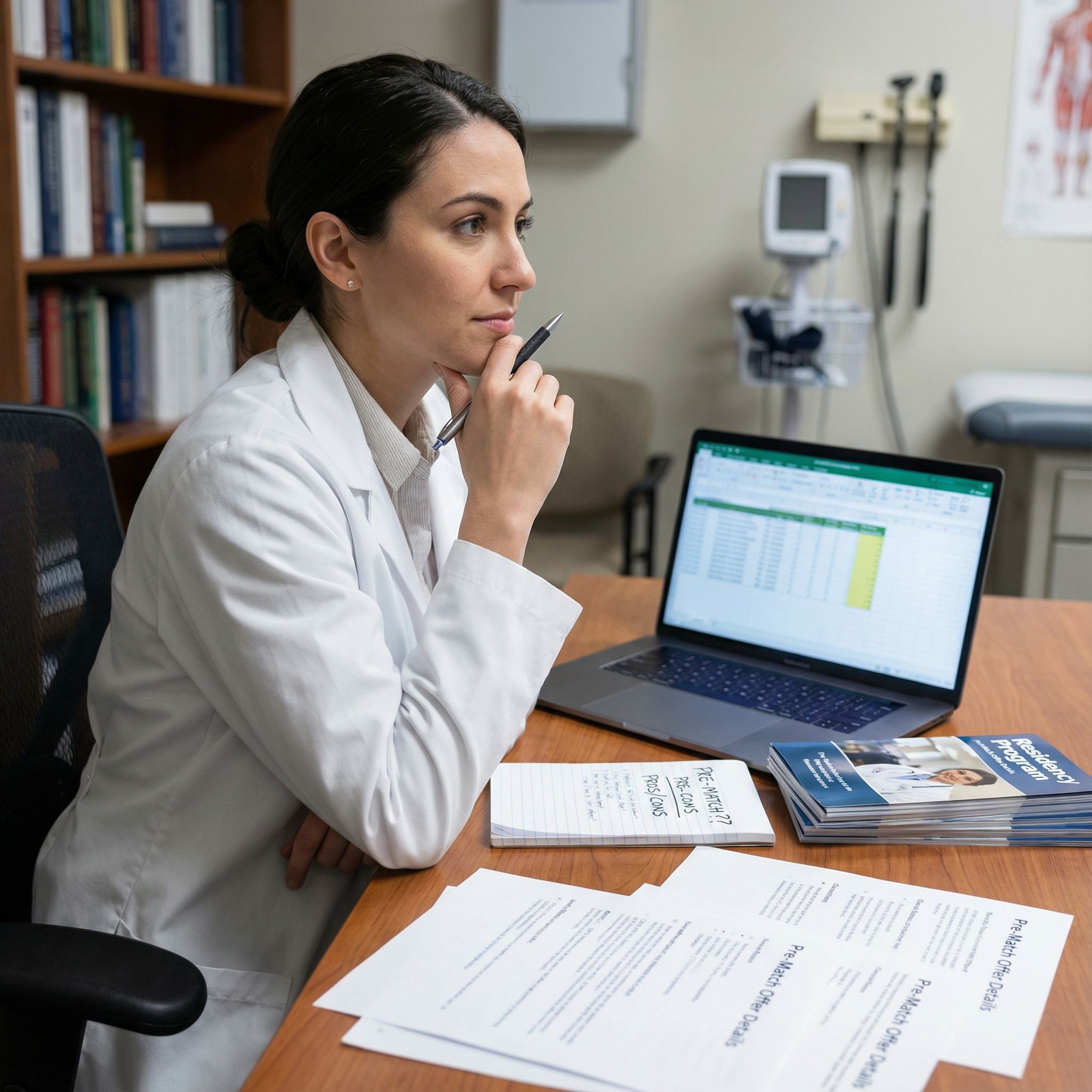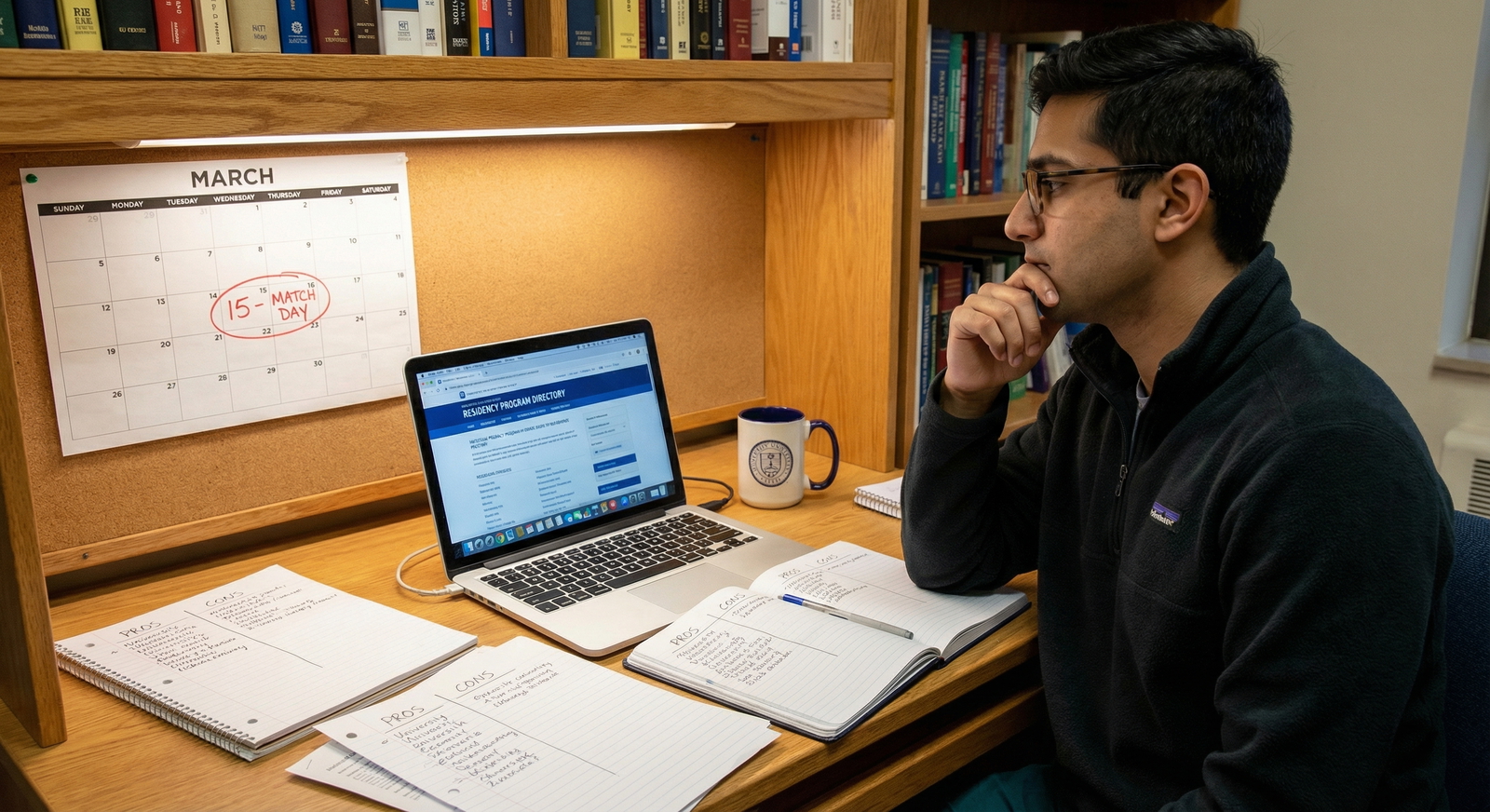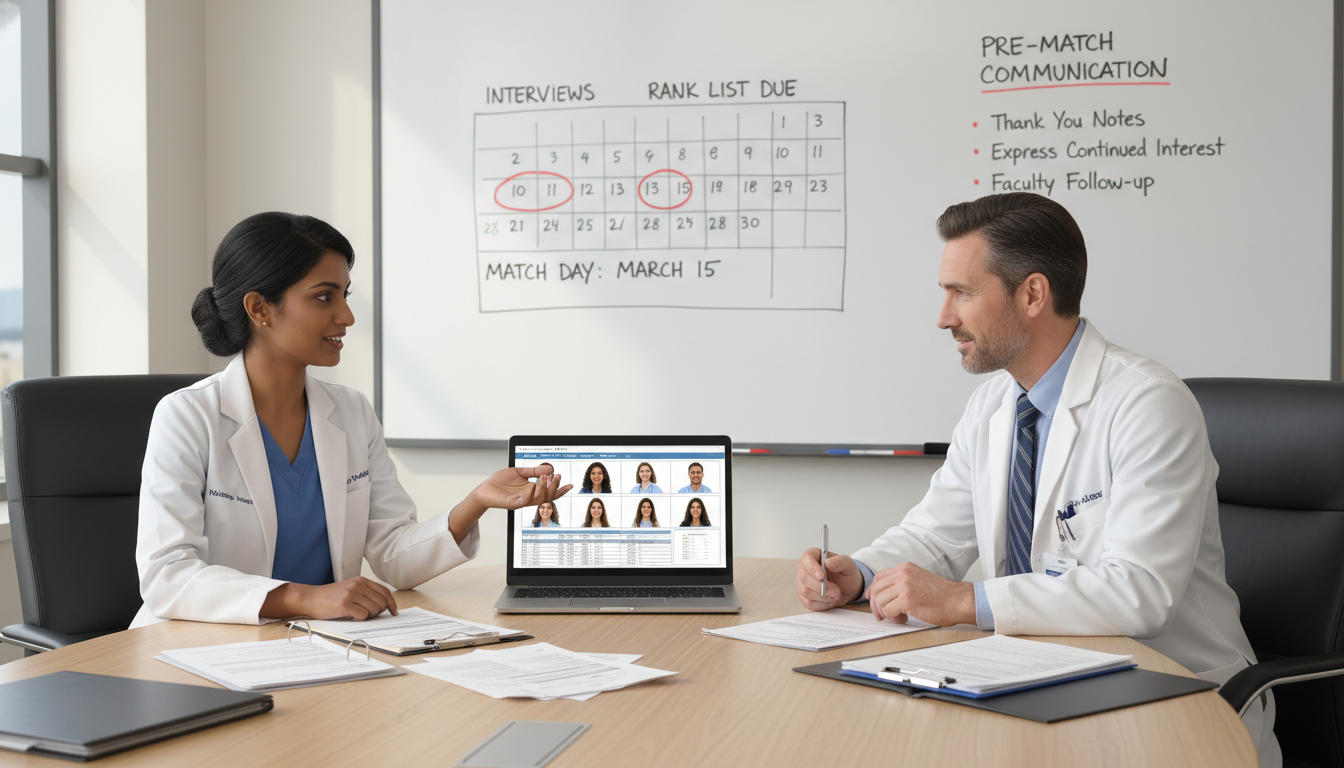
Pre-match communication can feel like walking a tightrope—especially as a non-US citizen IMG aiming for radiation oncology residency. You must show genuine interest, maintain professionalism, and avoid any appearance of violating NRMP rules. At the same time, you are navigating visa questions, time zone differences, and a highly competitive subspecialty.
This guide breaks down how to approach pre-match communication for radiation oncology (“rad onc”) in a stepwise, practical way, tailored specifically to the foreign national medical graduate and non-US citizen IMG.
Understanding Pre-Match Communication in Radiation Oncology
Before you can use communication strategically, you need to understand what “pre-match communication” actually means in the US residency context.
What Counts as Pre-Match Communication?
Pre-match communication is any interaction between you and a residency program before the official Match results are released:
- Emails to/from program directors (PDs), associate PDs, or coordinators
- Conversations during or after interviews
- Informational calls or Zoom meetings
- Thank-you notes and update letters
- “Interest” or “intent” emails near rank list time
- Any direct discussion of ranking, commitment, or “pre-match offers”
For radiation oncology, where programs are few and cohorts are small, each communication is often carefully read and discussed by the selection committee.
NRMP Rules and Why They Matter
Most rad onc residencies participate in the NRMP Match. The NRMP has clear expectations:
- You and programs must not make or accept any verbal or written commitments to rank each other in a certain way.
- Programs must not offer positions outside the Match (with very rare exceptions, usually clearly defined and institutionalized).
- You may express interest or even say a program is your “top choice,” but you cannot ask them to reciprocate or pressure them to disclose their rank list.
Violating this can jeopardize your Match participation and even result in sanctions.
For a non-US citizen IMG, the stakes are higher: a violation can disrupt visa plans and delay your training.
Why Pre-Match Communication Is Still Important
Even with strict rules, communication has real value:
- Signaling genuine interest in a specific program
- Clarifying visa details (J-1 vs H-1B) and institutional policy
- Providing updates on publications, exams, or research milestones
- Building familiarity so you are more than a dossier in ERAS
- Correcting misunderstandings or filling gaps (e.g., non-traditional path, research-heavy CV, or long gaps)
In a small specialty like radiation oncology, faculty often know each other across institutions. Thoughtful, professional communication can enhance your reputation far beyond a single program.
Foundations of Professional Pre-Match Communication
Before getting tactical, you need a solid foundation—tone, timing, and structure.
The Non-US Citizen IMG Context
As a foreign national medical graduate or non-US citizen IMG, you face extra variables:
- Visa sponsorship: Not all rad onc programs sponsor H-1B, and some may limit J-1s.
- Perceived investment risk: Programs may worry about visa delays or future immigration policy changes.
- Limited US clinical experience: Especially in radiation oncology, where observerships and electives are harder to obtain.
- Longer training paths: Many non-US citizen IMGs do research years before applying.
Your communication should acknowledge these realities indirectly—by being reliably professional, well-prepared, and transparent, not by over-apologizing or sounding defensive.
General Principles for Every Message
Be concise and purposeful
Every email should have a clear purpose: asking a question, expressing interest, updating about a new achievement, or answering their request.Maintain a formal, respectful tone
Use titles (Dr., Professor) unless invited to do otherwise. Don’t use slang or overly casual phrases.Avoid entitlement or pressure
Never imply that because you are highly qualified or “perfect fit,” they owe you an interview or ranking.Proofread carefully
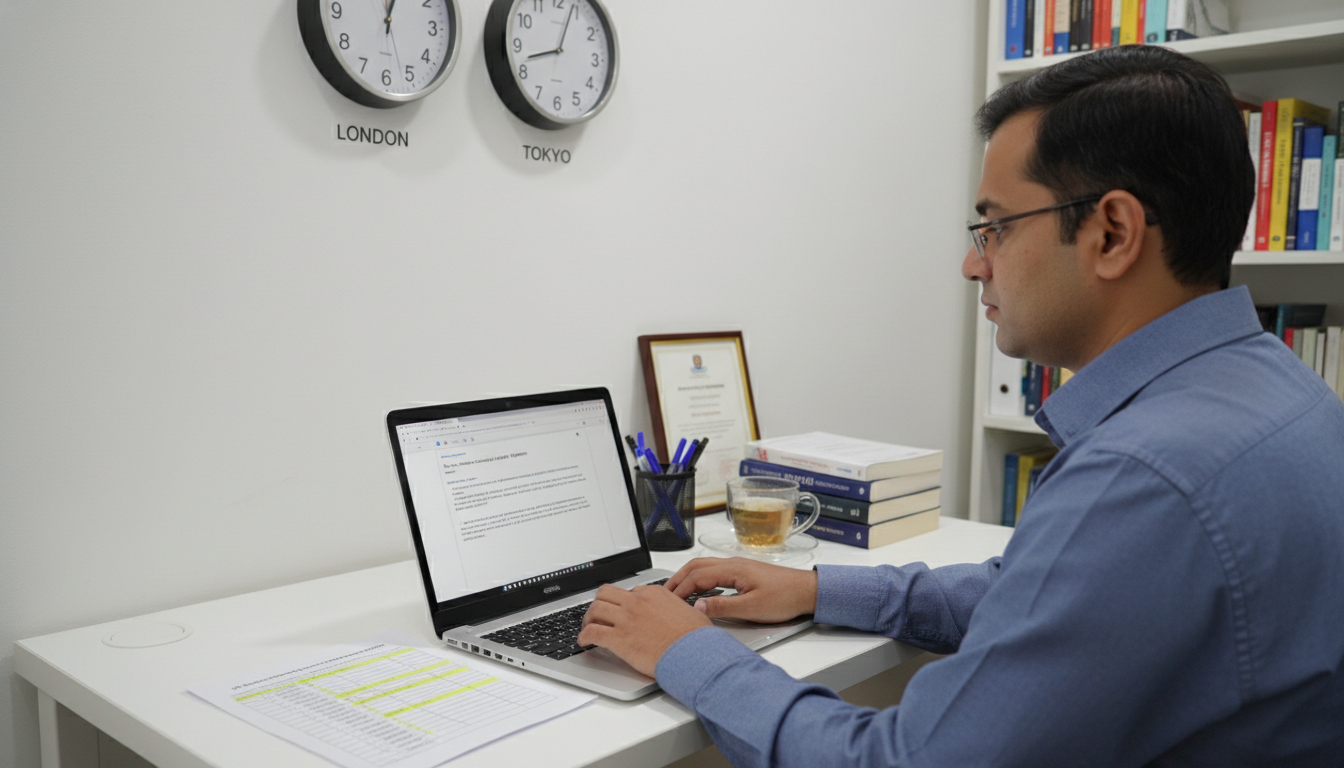
Mistakes in names, titles, or program details damage your credibility quickly in a small field like rad onc.Time-zone awareness
When proposing calls or meetings, explicitly note your time zone and give multiple options.
Pre-Match Communication Phases: Before, During, and After Interviews
Your strategy should evolve across three major phases of the rad onc match process.
Phase 1: Before Interview Invitations
Your main goals:
- Make your application visible and memorable.
- Clarify whether programs accept non-US citizen IMGs and what visas they sponsor.
- Avoid generic mass emails, which are often ignored.
Appropriate Pre-Interview Communication
- Targeted Interest Emails (Selective Use)
Use these sparingly for programs where you have a strong, specific connection:
- Significant aligned research
- Prior observership or elective
- Close mentor connection
- Geographic ties that matter (family, prior degree, spouse location)
Example structure:
- Brief self-introduction (one sentence)
- 1–2 sentences showing genuine, specific interest in that program
- Address potential concern (e.g., visa) with clarity and reassurance
- Politely state that you would be honored to be considered for an interview
- Clarifying Visa and Eligibility
Program websites are often outdated. As a non-US citizen IMG you can email the program coordinator:
- Ask what visa types they sponsor (J-1 and/or H-1B).
- Ask whether they consider non-US citizen IMGs for categorical radiation oncology positions.
- Keep it logistical—do not mix with “please interview me” requests.
This helps you target your ERAS list and avoid wasted applications.
What to Avoid Pre-Interview
- Generic “Dear Sir/Madam, please see my CV” emails to dozens of programs
- Repeated follow-up messages if no one replies
- Any message asking explicitly, “Will I get an interview?”
- Attaching large files (CV, publications) unless requested
Phase 2: After Receiving an Interview Invitation (Before the Interview)
Once you have a scheduled interview, your focus shifts:
- Confirm details and show reliability
- Clarify logistics (time zone, technical issues, format)
- Begin building rapport politely
Appropriate communications include:
- Prompt confirmation of interview date/time
- Questions about interview structure (number of faculty, resident interactions, virtual platforms)
- Reasonable accommodation requests (schedule around visa appointments, exam dates, or major conflicts)
You generally do not need to send an extra “pre-interview interest” email to a program that has already invited you—your upcoming interview is the main communication.
Phase 3: Post-Interview Communication
This is the most critical pre-match communication period and the one where non-US citizen IMGs often feel most uncertain.
Your key tools:
- Thank-You Emails (24–72 Hours After Interview)
- Update Letters (as new accomplishments occur)
- Letters of Interest or Intent (closer to rank list time)
Let’s break these down.
Thank-You Emails
Short, individualized emails to each interviewer and a general one to the PD (if not an interviewer) are standard, though some programs explicitly discourage them—always follow program-specific instructions.
Each should:
- Reference a specific topic you discussed
- Reaffirm your interest in radiation oncology and that program
- Be 3–6 sentences maximum
As a non-US citizen IMG, you can also subtly reassure them about:
- Your familiarity with the US system (US rotations, USMLE performance, research in US labs)
- Your commitment to long-term practice in the US (if true)
Avoid lengthy explanations about visas at this stage unless they raised the issue.
Update Letters
If you:
- Get a new first-author radiation oncology publication
- Present at ASTRO or other major oncology/radiation conference
- Obtain new US licensing (e.g., ECFMG certification)
- Improve visa eligibility (e.g., H-1B-eligible step scores now complete)
Then 1–2 update emails across the entire season can be appropriate. Address them to the PD and CC the coordinator, not individual faculty.
Letters of Interest vs. Letters of Intent
- Letter of Interest: You are very interested in the program, but not stating that it is your absolute top choice.
- Letter of Intent: You are clearly stating that you plan to rank this program #1 (if you truly mean it).
For a rad onc applicant, especially as a foreign national medical graduate, a single, honest letter of intent to one program can be helpful, but only:
- If you are genuinely willing to rank them first regardless of other outcomes.
- If the program has shown some reciprocal interest (positive interview, follow-up communication, or a sense that the fit is strong).
Misusing intent letters (sending them to more than one program or not honoring them) can rapidly harm your reputation in a very small specialty.
Navigating “Pre-Match Offers” and Early Commitment Conversations
Radiation oncology is almost entirely Match-based; “classic” pre-match offers (accepting a contract outside the Match) are generally not appropriate and may violate NRMP policies if the program participates in the Match.
However, there are gray zones in “early commitment” and “program communication before match.” You must know how to handle them.
What If a Program Hints at Ranking You Highly?
You might hear statements like:
- “We were very impressed; you’ll be ranked very favorably.”
- “You are one of the strongest applicants we have seen.”
- “We hope to see you here in July.”
NRMP rules allow programs to say positive things, but:
- You cannot demand or request their exact rank intentions.
- You should not interpret this as a guarantee of matching there.
- You should still rank programs in your true order of preference.
A safe response:
- Thank them for the kind words.
- Express that you remain very interested in their program.
- Avoid offering explicit commitments about your rank order unless you are sending a formal letter of intent later.
True Pre-Match Offers (Outside the Match)
If a program genuinely offers you a position outside the Match (rare in rad onc):
- Immediately verify whether they officially participate in the NRMP for that track.
- Review NRMP rules for your situation (they can vary for non-participating programs or special tracks).
- Seek advice from trusted mentors, especially US-based faculty and possibly your dean’s office.
As a non-US citizen IMG, ask:
- Will accepting this offer jeopardize my ability to participate in the Match?
- Is the program known and respected in radiation oncology?
- Are there visa sponsorship guarantees in writing?
- Is this position accredited and board-eligible?
In most standard rad onc scenarios, you will not face true pre-match offers—your focus instead should be on ethical, clear expression of interest within the Match.
Balancing Honest Interest and NRMP Compliance
You can safely say:
- “Your program is among my top choices.”
- “I would be thrilled to train at your institution.”
- “I strongly value your combination of clinical training and research in [specific area].”
You should avoid:
- “If you rank me first, I will rank you first.”
- “Please tell me where I am on your rank list.”
- Sending conflicting messages to multiple programs claiming each is #1.
Advanced Strategies and Common Pitfalls for Non-US Citizen IMGs
This section focuses on what sets apart effective pre-match communication by foreign national medical graduates in radiation oncology.
Clarifying Visa Issues Strategically
Visa questions matter to both sides. Your approach should be:
- Timely: Address high-level visa issues early (prior to or soon after interview), not in a last-minute panic.
- Calm and factual: Provide concise details: “I am ECFMG-certified and eligible for J-1. I have current B1/B2 status for travel; no prior visa denials.”
- Solution-focused: Offer documentation when needed (ECFMG certificate, step scores, prior DS-2019s).
It is entirely appropriate to ask in a single email:
- Whether the program sponsors J-1 only or also H-1B
- Whether there are specific institutional cutoffs (e.g., no H-1B for preliminary years)
But don’t overwhelm them with immigration law details or personal financial discussions.
Using Mentors and Advocates
For a non-US citizen IMG in rad onc, strong advocacy is powerful:
- A mentor at your home or research institution might email a PD directly, especially if they know each other.
- A national or international rad onc mentor can sometimes speak positively on your behalf after your interview.
How to facilitate this:
- Ask mentors explicitly but respectfully if they are willing to support you with a brief email or call to a small number of programs where they have genuine connections.
- Provide them your CV, personal statement, and list of programs (with clear “top choices”).
Avoid pushing mentors to send generic praise to every program—targeted, sincere advocacy is far more effective.
Cultural and Communication Style Differences
Common pitfalls for non-US citizen IMGs:
- Overly formal or distant tone: You can be professional without sounding robotic.
- Excessively long emails: US academic culture favors brevity and clarity.
- Under-communicating interest: In some systems, you “never bother seniors”; in the US, clear, respectful interest is often welcomed—within reason.
- Over-apologizing for gaps, scores, or visa concerns. Acknowledge, explain briefly if needed, but then move forward.
A good filter: Every email should be understandable at a quick glance on a smartphone screen.
Managing Anxiety and Over-Communication
Radiation oncology is competitive; anxiety is natural—especially when you’ve invested years in research or exams as a foreign national medical graduate.
Try to avoid:
- Sending multiple “checking in” emails with no new information.
- Emailing several people in the same program separately about the same issue.
- Texting or messaging faculty on personal social media unless invited.
Instead, channel anxiety into:
- Improving your interview performance (mock interviews, question practice).
- Strengthening your application (abstract submissions, manuscript revisions).
- Strategically planning your final interest or intent communications.
FAQs: Pre-Match Communication for Non-US Citizen IMG in Radiation Oncology
1. As a non-US citizen IMG, should I email programs before I receive any interview invitations?
You can, but selectively. For radiation oncology, it’s usually effective to:
- Email only programs where you have a strong connection (research, mentor link, geographic or personal tie).
- Use a focused, short message expressing interest and highlighting that connection.
Mass, generic emails rarely help and may harm your impression.
2. Can I tell more than one program that they are my top choice?
You should not. A letter of intent stating “I will rank you #1” should be reserved for one program only. Sending such letters to multiple programs is considered unethical and can damage your reputation in the small rad onc community.
However, you can tell multiple programs that they are “among your top choices” without specifying rank order.
3. How do I ask about visas without sounding like a burden?
Keep it simple and professional. Example:
“I am a non-US citizen IMG and ECFMG-certified. I am eligible for J-1 sponsorship. May I ask whether your radiation oncology residency program sponsors J-1 and/or H-1B visas for incoming residents?”
This acknowledges your status, shows you’ve done your homework, and respects the program’s policies.
4. Does sending more emails increase my chances in the rad onc match?
Not necessarily. Quality matters far more than quantity. Thoughtful, timely communication—thank-you notes, occasional updates, a well-timed letter of interest or intent—can support your application. Excessive or repetitive emails without new information can annoy busy faculty and coordinators and hurt your chances.
Pre-match communication in radiation oncology is less about negotiating “deals” and more about building clarity, trust, and fit within the boundaries of the Match. As a non-US citizen IMG, you can absolutely compete successfully if you:
- Understand NRMP rules and respect them.
- Communicate clearly and purposefully at each stage.
- Address visa and IMG-specific issues factually and early.
- Use mentors and advocates wisely.
Handled well, your pre-match communication won’t just help your rad onc match—it will begin the professional relationships that shape your entire career in radiation oncology.