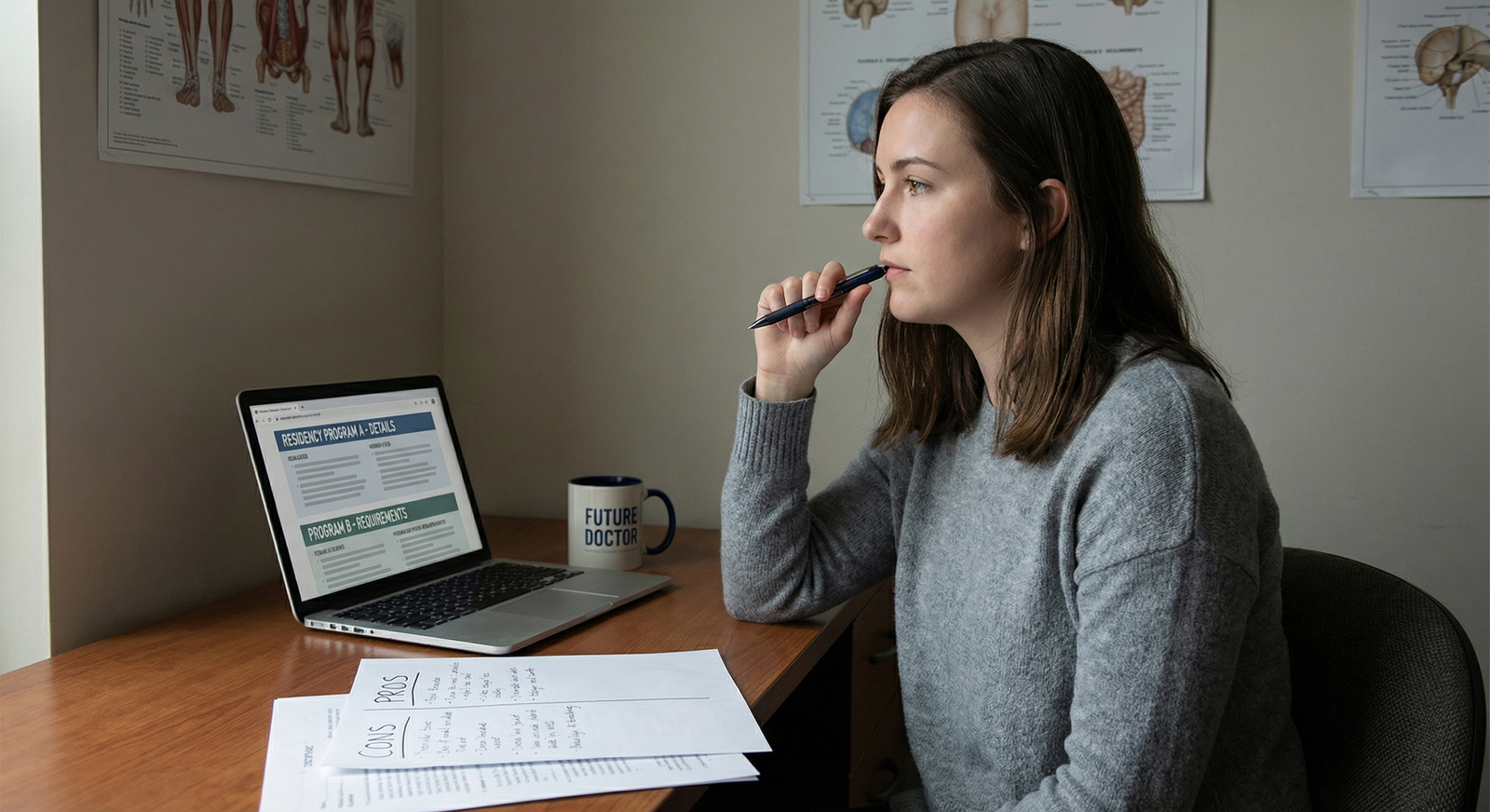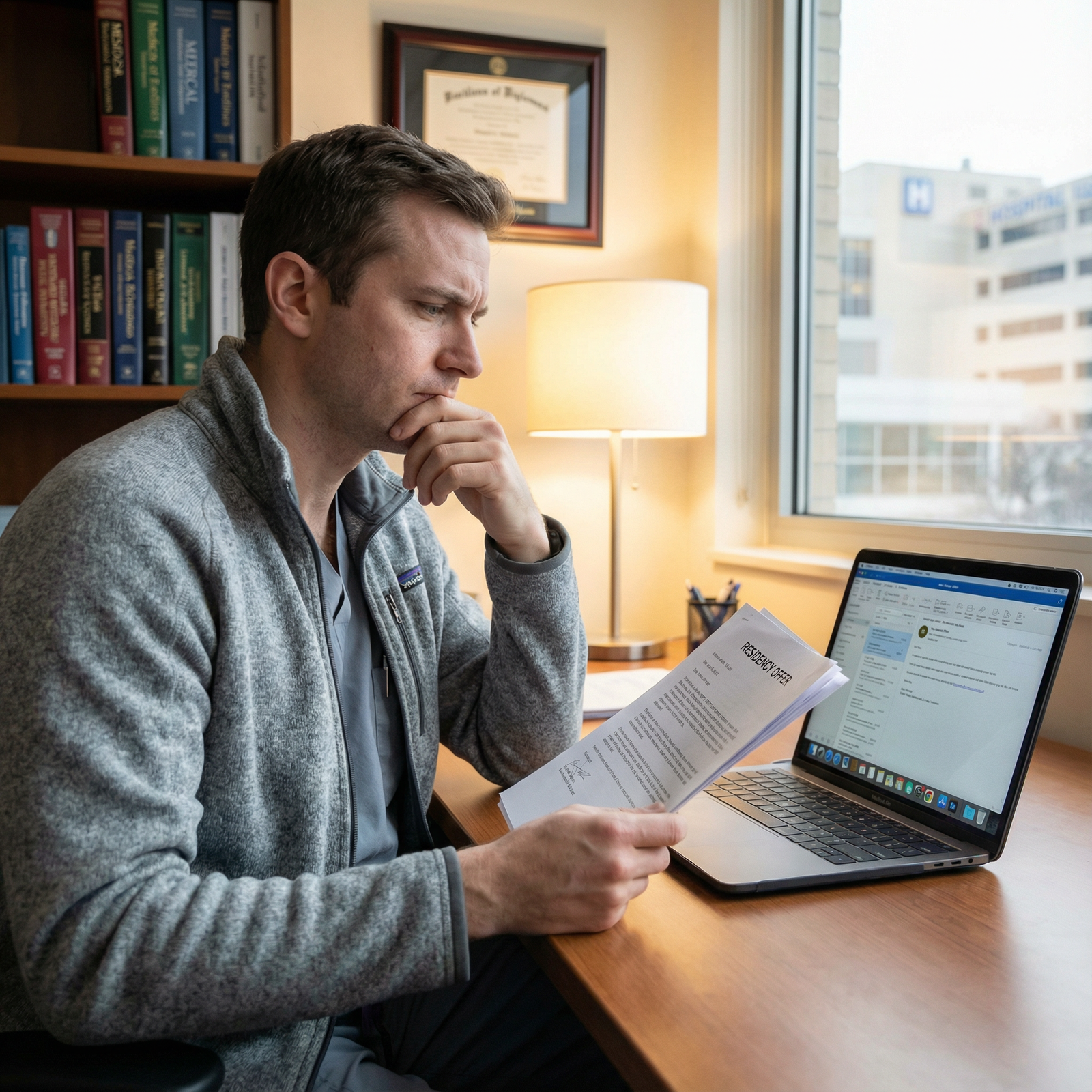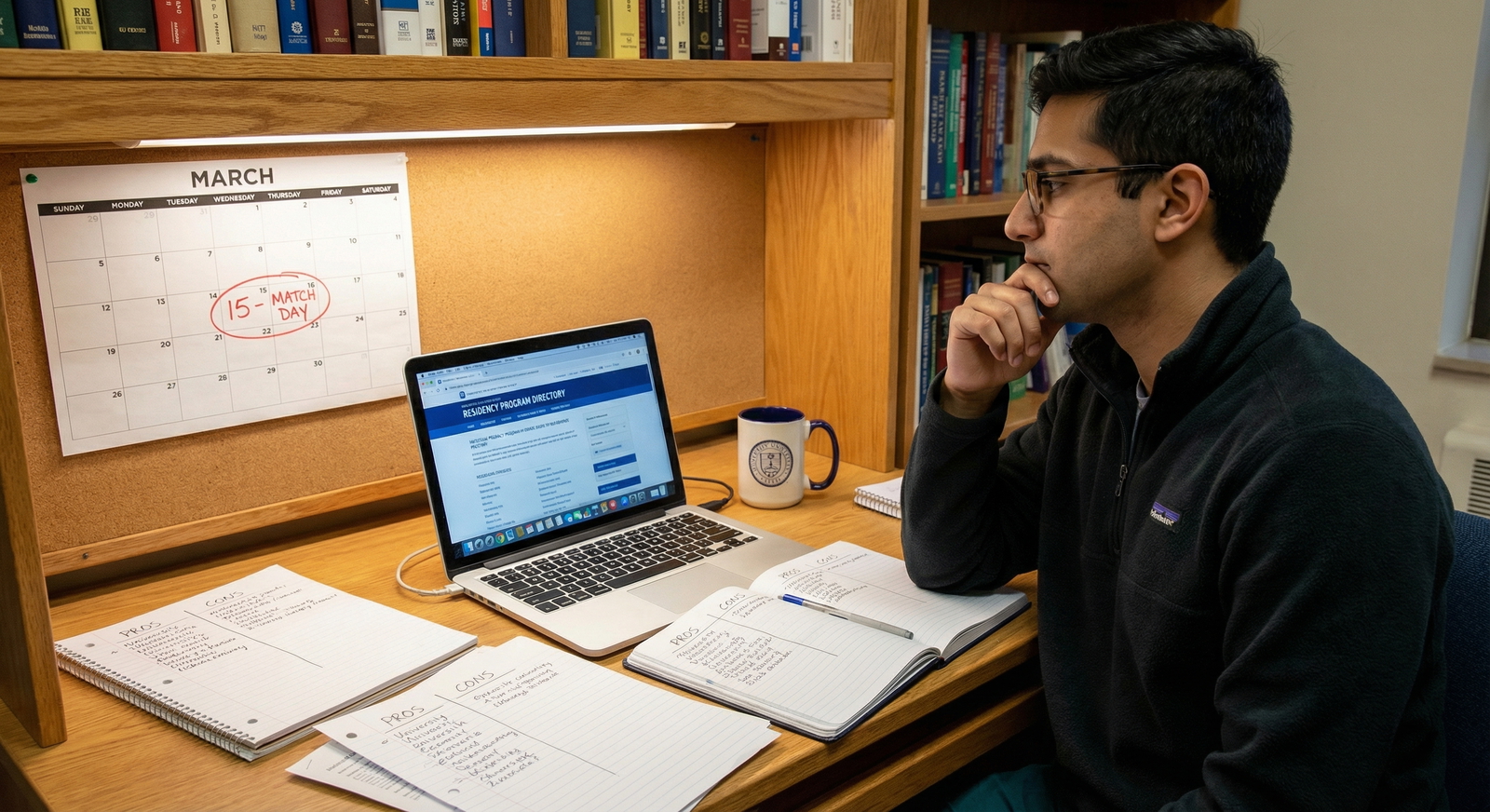
Navigating pre-match communication as an MD graduate in urology can feel like walking a fine line: you want to show enthusiasm and commitment, but you must avoid any impression of violating Match rules or putting programs in an uncomfortable position. This article breaks down how to approach pre-match communication strategically, ethically, and confidently—especially as an allopathic MD graduate targeting urology residency in the United States.
Understanding Pre-Match Communication in Urology
Pre-match communication encompasses any contact between you and residency programs after your application is submitted and before the urology match results are released. This includes:
- Emails to or from programs
- Phone calls and Zoom/virtual chats
- In-person conversations on away rotations or at conferences
- Thank-you and update letters after interviews
- Expressions of interest or intent
- Unofficial “feelers” or hints about where you stand
Urology Match vs. NRMP Match: Why It Matters
Historically, urology ran through the American Urological Association (AUA) match, separate from the main NRMP Match. In recent years, urology has aligned with NRMP rules and timelines, and most programs participate in a formal match process (always confirm the current year’s structure with AUA and NRMP).
For an MD graduate from an allopathic medical school, this has several implications:
- Standardized rules: Programs must follow NRMP/AUA policies prohibiting offers or requirements for commitments before match lists are certified.
- No binding pre-match contracts: Unlike some older “pre-match” eras in other specialties, urology programs cannot legally bind you with early contracts if they are participating in the Match.
- Informal signaling still occurs: Programs may express interest, and applicants may signal preferences, but anything that sounds like an offer of early commitment must be handled carefully.
What Is Not Allowed: Core Rules
- Programs cannot ask you to state how you will rank them.
- Programs cannot require or imply a pre-match commitment.
- You cannot accept a binding pre-match offer from a program that is in the Match (if you do, you’d be in violation if you also participate in the Match).
- Coercive language—e.g., “If you don’t tell us we’re #1, we may not rank you”—is not permitted.
Your responsibility as an MD graduate is to understand these constraints and keep your communication honest, non-coercive, and compliant.
Types of Pre-Match Communication You’ll Encounter
Pre-match contact is not just about “pre-match offers.” Most communication before rank lists are due will be informational, professional, and relationship-building.
1. Communication Before Interviews
Common scenarios:
- Interest emails from programs: “We received your application and are very interested. Please let us know if you’re still highly interested in our urology residency.”
- Clarification requests: Programs may ask about exam scores, pending Step 2 CK, research, or updated letters.
- Invitations to virtual information sessions: Town halls, “meet the residents,” or Q&A evenings.
How to respond:
Be polite, concise, and enthusiastic without over-promising.
Reinforce why you’re genuinely interested, especially if the program is high on your list.
Example:
Dear Dr. Smith,
Thank you for your message and for reviewing my application. I remain very interested in [Program Name] given its strong reconstructive urology training and commitment to resident mentorship. I would be honored to interview if offered the opportunity.
Sincerely,
[Your Name], MD
2. Communication on Away Rotations
For MD graduates coming from allopathic medical schools, away rotations (sub-internships) are often the most powerful “pre-match communication” you’ll have:
- You interact daily with residents and faculty.
- Your work ethic and professionalism speak louder than any email.
- Informal feedback (“You’re doing a great job here”) may hint at interest—but is not an offer.
Key principles:
- Treat every day as a prolonged interview.
- Demonstrate reliability, teachability, and genuine curiosity in urology.
- Avoid pushing for ranking information: “Where do I stand?” makes people uncomfortable.
- It is fine to say, “I really enjoyed this rotation and would be thrilled to match here.”
3. Post-Interview Communication
This is the heart of pre-match communication in urology:
- Thank-you emails or letters
- Update letters (new publications, honors, Step 2 score, AUA abstract acceptance)
- Expression of interest or intent
Programs differ in how much they value this; some explicitly say, “Post-interview communication does not affect your rank,” while others consider it part of holistic assessment.

Strategy: How to Communicate Effectively and Ethically
This section focuses on tactics you can use as an MD graduate in the allopathic medical school match pipeline, targeting urology residency.
Build a Professional Communication Calendar
Once interview season starts:
- Track all programs, interview dates, contact points (PD, coordinator, faculty).
- Plan:
- Within 48 hours of interview: Send personalized thank-you emails.
- 1–2 key updates: Major progress updates sent once or twice late in the season.
- One final letter of intent (if you choose): Sent close to rank list deadline.
This helps you avoid over-emailing or sending mixed messages.
Crafting Post-Interview Thank-You Messages
Core elements:
- Address each person individually when possible.
- Reference specific points from your conversation.
- Reiterate interest without promising ranking you can’t guarantee.
Example:
Dear Dr. Patel,
Thank you again for the opportunity to interview with the [Program Name] urology residency. I especially appreciated our discussion about your program’s early operative exposure and the way residents are supported in pursuing research in endourology. Our conversation reinforced my strong interest in training at [Program Name].
I am grateful for your time and consideration.
Sincerely,
[Your Name], MD
Avoid:
- Statements like “I will rank your program #1” unless you truly mean it and intend to send that only to one program.
- Overly long, generic letters.
Update Letters: What’s Worth Sending
As an MD graduate, especially if you are applying during or shortly after graduation, your application may evolve during the urology match season. Send an update letter when you have:
- New publications or accepted manuscripts.
- New AUA, SUO, or other conference presentations.
- A significantly improved Step 2 CK score (if you initially applied with Step 1 only, or if Step 2 helps contextualize a lower Step 1).
- Awards, distinctions, or new professional roles.
Structure:
- Brief thank you and restatement of interest.
- Bullet or short paragraph on updates.
- Short closing note.
Example:
Dear Dr. Lee,
Thank you again for the opportunity to interview with the [Program Name] urology residency. I remain very interested in your program. Since we last spoke, I wanted to share a few updates:
- My manuscript on outcomes after ureteroscopic stone treatment has been accepted for publication in [Journal Name].
- I was selected to present our work on resident-led quality improvement at the upcoming AUA meeting.
I continue to be enthusiastic about the possibility of training at [Program Name]. Thank you for your consideration.
Sincerely,
[Your Name], MD
Letters of Interest vs. Letters of Intent
These terms get confused often in urology match discussions.
Letter of Interest:
- Expresses that you are “very interested” or see the program as one of your top choices.
- Non-committal about final rank order.
- Appropriate for multiple programs.
Letter of Intent:
- States clearly that you plan to rank the program #1 in the urology match.
- Should be sent to only one program.
- Should be truthful; misleading programs undermines integrity and can harm you and future applicants from your school.
Example Letter of Interest:
I remain very interested in [Program Name] and anticipate ranking it among my top choices for urology residency.
Example Letter of Intent:
I want to share that I intend to rank [Program Name] as my first choice in the urology match. Based on my interactions with your residents and faculty, as well as your program’s strengths in minimally invasive surgery and mentorship, I believe [Program Name] is the best fit for my training and career goals.
Use a letter of intent only when you are sure, and send it late enough in the season that your preferences are stable.
“Pre-Match Offers” and Early Commitment: What Actually Happens
The phrase “pre-match offers” is less common now in urology than in some other specialties, but you may still hear about early commitment discussions, especially from older residents or attendings who trained under different systems.
Do Urology Programs Still Make Pre-Match Offers?
In the current allopathic medical school match environment:
- Programs participating in the NRMP/AUA urology match should not make binding pre-match offers.
- Some may use non-binding language to express strong interest:
- “You will be ranked very highly on our list.”
- “You are among the top group of applicants we are considering.”
These are not contracts and do not guarantee a match outcome.
If a program appears to be making a true pre-match offer (for example, asking you to withdraw from the match in exchange for a spot), you must:
- Clarify the expectations explicitly.
- Check the program’s match participation status (most reputable academic programs are in the match).
- Consult your medical school’s dean’s office or advisor.
- Understand that accepting such an offer while still participating in the match can violate NRMP rules.
Responding to Strong Interest from Programs
Sometimes a program director will say something like:
“We were very impressed with you and plan to rank you highly.”
How to respond:
Express gratitude and enthusiasm.
Do not feel obligated to reciprocate with a ranking promise.
You might say:
Thank you very much for your kind words. I truly enjoyed my interview day and remain very enthusiastic about your urology residency program.
This keeps communication professional and non-binding.
When Programs Ask About Your Interest Level
Programs are allowed to ask if you’re still interested; they just cannot require you to disclose your exact rank list or make you commit.
Suggested phrases:
- “Your program is one of my top choices.”
- “I’m very excited about the fit and could easily see myself training there.”
- “I am strongly considering ranking your program very highly.”
Reserve “I will rank you #1” only for your true #1 program and only if you send a formal letter of intent.

Practical Communication Do’s and Don’ts for MD Graduates in Urology
Putting everything together, here is a practical guide tailored to MD graduates from allopathic medical schools pursuing urology residency.
Do’s
1. Know the Rules
- Read current AUA and NRMP policies on communication and match violations.
- Ask your dean’s office or career advisor if anything feels confusing.
2. Be Honest and Consistent
- Do not tell more than one program they are #1.
- Keep your written communication aligned with your actual rank list.
3. Be Professional and Respectful
- Use appropriate salutations (Dr. [Last Name], Program Director [Last Name]).
- Proofread all emails for spelling, grammar, and tone.
- Reply in a timely manner, ideally within 24–48 hours.
4. Show Genuine Fit
In each message, briefly emphasize aspects that connect you to the program:
- Clinical strengths (e.g., oncologic urology, pediatric urology).
- Research focus (e.g., outcomes research, basic science).
- Culture and geography (e.g., supportive collegial environment, desire to be in a specific region).
5. Strategically Highlight Urology-Relevant Accomplishments
- Urology-specific research or QI projects.
- AUA- or SUO-related activities.
- Mentorship and advocacy for patients with urologic disease.
Don’ts
1. Don’t Pester Programs
- Avoid repeated follow-up emails if you receive no response.
- One thank-you and one or two updates is usually enough.
2. Don’t Pressure Programs
- Do not ask for specific rank information:
- “Where am I on your rank list?”
- “Can you tell me if I’ll match there?”
- This places program staff in an awkward and possibly non-compliant position.
3. Don’t Misrepresent Your Intentions
- Telling multiple programs, “I plan to rank you first” is unethical.
- Even vague but intentionally misleading language can backfire.
4. Don’t Over-Share Personal Circumstances Without Purpose
- It is fine to mention significant factors (e.g., spouse location, visa needs, family illness) when relevant.
- Keep it concise and professional; do not overshare private details.
5. Don’t Panic About Silence
- Many programs choose not to send post-interview communication.
- A lack of email contact is not a sign you are being ranked low.
How to Use Pre-Match Communication to Strengthen (Not Replace) Your Application
Pre-match communication can enhance—but never substitute for—the core elements of your urology residency application:
- Strong clinical performance (especially in surgery/urology rotations and sub-internships)
- USMLE Step scores and/or COMLEX (for DOs, if applicable)
- Letters of recommendation, ideally including at least two urologists
- Research or scholarly work, particularly in urology
- Professionalism and interpersonal skills showcased during interviews
For MD Graduates: Leveraging Your Allopathic Background
If you’re an MD graduate from an allopathic medical school:
- Highlight the clinical rigor and surgical exposure you’ve had.
- Emphasize continuity with academic medicine if most of your experiences are in university hospitals.
- If you are a couple’s match or are reapplying after a prior match cycle, be transparent and prepared to explain your trajectory.
For Reapplicants or Those Who Took Time Off
Many MD graduates entering urology residency are not straight-through applicants. Pre-match communication is especially important if:
- You completed a preliminary surgery year.
- You did research for one or more gap years.
- You are changing specialty into urology.
Use communication to:
- Update programs on your new clinical or research accomplishments.
- Clarify your continued and focused interest in urology.
- Address potential concerns (e.g., gap time, earlier test performance) with concise honesty.
Example:
Since completing a dedicated research year in urologic oncology at [Institution], I’ve further solidified my commitment to pursuing a career in urology. This year has allowed me to publish [X] manuscripts and present at [Conference], and has deepened my motivation to match into an academically oriented urology residency.
Frequently Asked Questions (FAQ)
1. Do I have to send thank-you emails after every urology interview?
You are not required to, but it is considered good professional etiquette and is common practice among urology applicants. Keep messages concise, personalized, and sincere. Some programs explicitly state that thank-you notes are unnecessary; in those cases, you may skip them or send a brief note only to the program director if you feel strongly.
2. Can I tell more than one urology program that they are my “top choice”?
You can say that a program is “one of my top choices,” but you should only tell one program that you intend to rank them #1. Misleading multiple programs with #1 language is unethical and can damage your professional reputation and your home institution’s relationship with those programs.
3. What should I do if a program seems to be offering a pre-match spot?
First, clarify exactly what they mean. Ask whether they are participating in the urology match and whether they expect you to withdraw from the match process. Then:
- Consult your dean’s office or career advisor immediately.
- Review current NRMP/AUA rules about pre-match arrangements.
- Do not agree to anything you do not fully understand.
In nearly all cases with match-participating programs, you should not enter into any side agreement that conflicts with match policies.
4. Does pre-match communication really change how programs rank me?
Pre-match communication rarely turns a weak application into a strong one, but it can:
- Reinforce enthusiasm and perceived “fit.”
- Provide important updates that modestly improve your profile.
- Clarify your genuine interest—programs often prefer applicants who are excited to be there.
Some programs weigh this more than others. Approach pre-match communication as a way to professionally present your best, updated self and to build a genuine connection, not as a guarantee to move drastically up the rank list.
Thoughtful, ethical pre-match communication can strengthen your candidacy for urology residency without violating match rules or your professional integrity. As an MD graduate from an allopathic medical school, you are already trained in professional interactions; applying those same principles—clarity, honesty, respect—across emails, calls, and conversations will serve you well as you navigate the urology match and beyond.