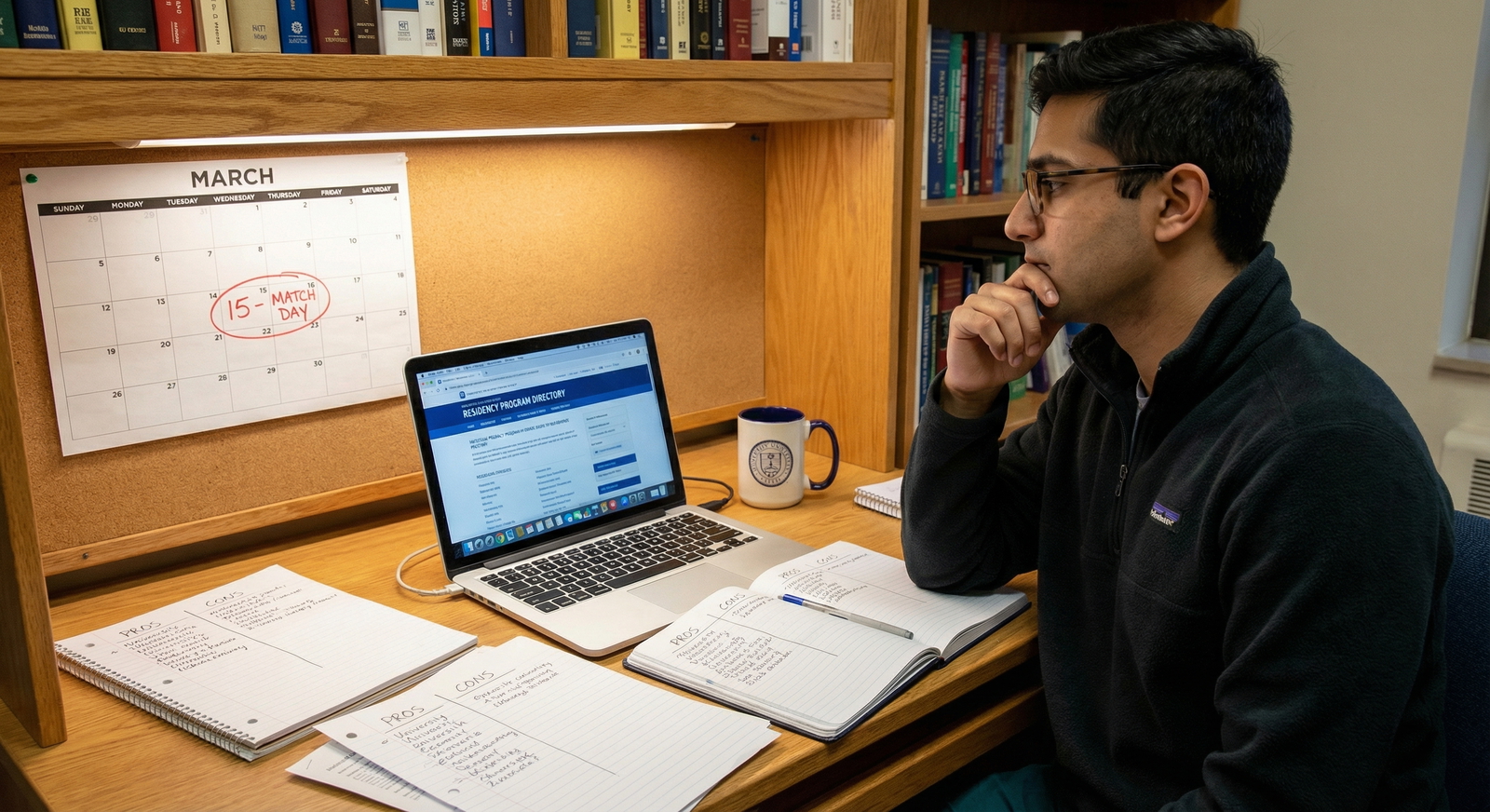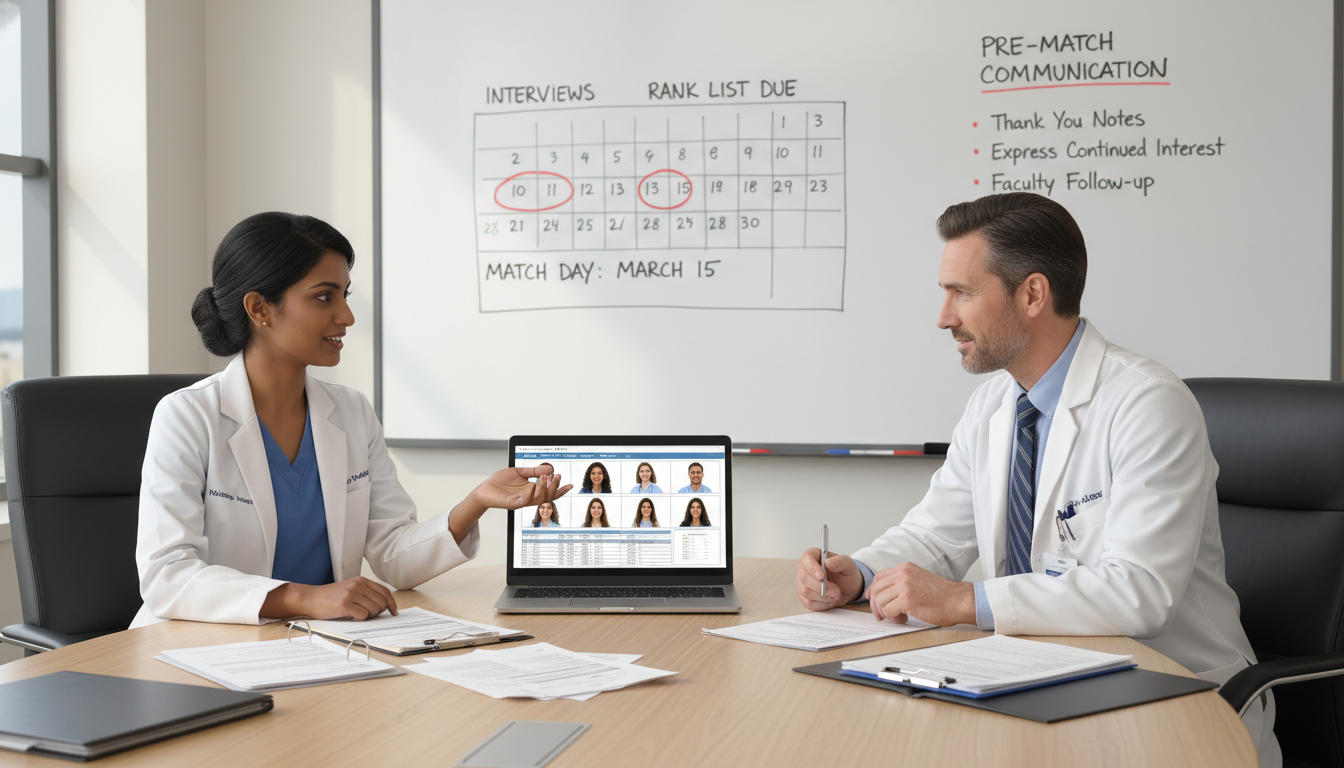
Understanding Pre-Match Communication as a DO Graduate in Family Medicine
Pre-match communication can feel like a gray zone—especially for a DO graduate navigating the family medicine residency match. You hear about emails, calls, “pre-match offers,” and “early commitment” possibilities, but you’re also told not to violate Match rules. It’s no surprise this is confusing.
For DO graduates pursuing family medicine, pre-match communication is both an opportunity and a potential risk. Used properly, it allows you to:
- Clarify program fit and expectations
- Demonstrate sincere interest
- Stay on a program’s radar without breaking rules
- Potentially strengthen your position in the FM match
This article breaks down what’s allowed, what’s wise, and how you can strategically navigate pre-match communication as an osteopathic applicant in family medicine.
1. The Rules: What’s Allowed and What’s Not?
Before planning your strategy, it’s essential to understand the rules that govern the residency match and related communication.
1.1 Match Participation and Contracts
Most family medicine residency programs that DO graduates apply to will participate in the National Resident Matching Program (NRMP) Main Match. As a DO graduate, you are typically bound by:
- NRMP Match Participation Agreement (if you register for the match)
- Any separate rules if you are applying to non-NRMP programs (less common now post-single accreditation system)
Key concepts:
- No contracts before the Match with NRMP-participating programs
- Rank lists must be free and independent (no one can force or require you to rank them a certain way)
- No coercion or manipulation of rank lists through promises or threats
1.2 What Pre-Match Communication Cannot Do
Under NRMP rules, programs and applicants cannot:
- Ask for a verbal or written commitment about rank order (“If we rank you first, will you rank us first?”)
- Request that you disclose your rank list
- Offer or request financial or other incentives in exchange for ranking decisions
- Present binding “pre-match offers” that circumvent the match (if they are NRMP-participating programs)
If a program clearly participating in the NRMP uses language like a binding “pre-match offer” or “contract before match,” that’s a red flag. Most reputable family medicine programs know these rules well.
1.3 What Is Allowed in Pre-Match Communication
Within the rules, you are allowed to:
- Communicate interest in programs before, during, and after interviews
- Ask questions about curriculum, call schedule, fellowship opportunities, osteopathic recognition, etc.
- Clarify logistics such as visa sponsorship, benefits, and patient population
- Send post-interview thank-you messages
- Indicate strong interest or intent using non-binding language (e.g., “I plan to rank your program highly”)
Programs may also:
- Express that you are a “highly ranked” or “top candidate”
- Ask if you have any remaining questions
- Provide guidance about their timeline and expectations
- Engage in program communication before match to maintain contact and answer your questions
The difference is that neither side can demand or imply a binding early commitment that circumvents the match.

2. Strategic Goals of Pre-Match Communication for DO Applicants
As a DO graduate in family medicine, your pre-match communication should be intentional, not impulsive. Think in terms of strategy, not just etiquette.
2.1 Why Pre-Match Communication Matters for DO Graduates
DO graduates in family medicine bring unique strengths:
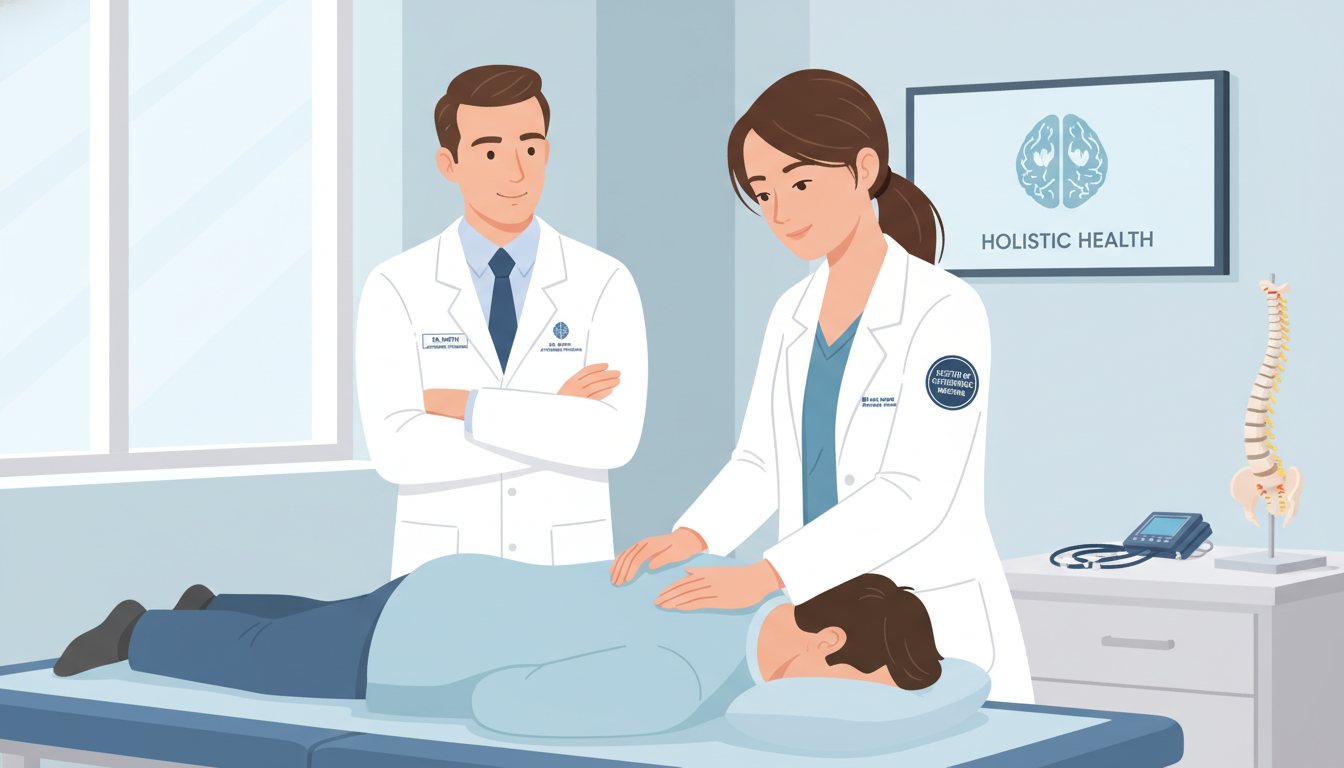
- Training in osteopathic principles and OMT
- Holistic, patient-centered philosophy
- Often strong community and primary care orientation
However, you may also face:
- Misconceptions at some programs about DO training (less common now, but still present)
- Questions about board exams (COMLEX alone vs COMLEX + USMLE)
- Competition from MD and international graduates, especially at more competitive FM programs
Thoughtful pre-match communication helps you:
- Highlight your DO strengths and osteopathic perspective
- Demonstrate sustained interest, especially at programs that value osteopathic training or offer osteopathic recognition
- Clarify whether a program truly welcomes DOs (look at current residents, faculty, leadership)
- Build a professional presence that program directors remember when building rank lists
2.2 Core Objectives of Your Communication
Every email, call, or message should serve at least one of these objectives:
- Clarify Fit: Understand if the program’s training style, location, patient population, and culture match your goals.
- Signal Serious Interest: Help key programs recognize that you are likely to rank them well.
- Reduce Uncertainty: Get answers about schedule, curriculum, OMT opportunities, and support for board preparation.
- Highlight Your Value: Reinforce specialized skills (e.g., OMT, rural health, community involvement, procedural skills) that align with family medicine priorities.
2.3 Timing Across the Application Season
Your communication strategy should change over time:
Pre-Interview Period:
- Clarify application completeness or interest if needed.
- A brief, professional inquiry is reasonable if you haven’t heard anything and have a strong connection.
Immediately After Interviews:
- Send thank-you emails within 24–72 hours.
- Tailor messages to specific conversations from your interview day.
Post-Interview / Pre-Rank Period:
- Select a small number of top programs to update with “continued interest” letters.
- If you have a true #1 choice, consider a carefully worded “intent” letter (non-binding, honest).
Final Weeks Before Rank List Certification:
- Clarify any remaining uncertainties (e.g., about curriculum) if needed.
- Avoid repeatedly contacting programs without a clear purpose.
3. How to Communicate with Programs: Emails, Calls, and Updates
3.1 Email Etiquette and Structure
Email is the primary tool for pre-match communication. Follow these principles:
- Use a professional email address (ideally your school email or firstname.lastname@...).
- Keep it brief, specific, and respectful.
- Avoid pressure, flattery, or emotional appeals.
Sample Post-Interview Thank-You Email (Family Medicine, DO Graduate)
Subject: Thank You – Family Medicine Interview on [Date]
Dear Dr. [Program Director Last Name],
Thank you for the opportunity to interview at the [Program Name] Family Medicine Residency on [date]. I appreciated learning more about your curriculum, especially the emphasis on continuity clinic and osteopathic recognition. As a DO graduate with strong interest in community-based primary care and OMT, I was particularly impressed by your support for residents incorporating OMT into routine patient care.
My conversations with the residents and faculty reinforced my sense that [Program Name] would be an excellent fit for my training goals and values. I would be grateful for the opportunity to train in your program and plan to rank it highly.
Thank you again for your time and consideration.
Sincerely,
[Your Full Name], DO
AAMC/ERAS ID: [Your ID]
3.2 “Letter of Interest” vs “Letter of Intent”
It’s important to understand the difference:
- Letter of Interest: States that you are sincerely interested in a program and plan to rank it highly. You can send these to multiple programs.
- Letter of Intent: States that a specific program is your top choice and you intend to rank them #1. Ethically, you should send this to only one program and mean it.
Sample Letter of Interest (continued interest, post-interview)
Subject: Continued Interest in [Program Name] Family Medicine Residency
Dear Dr. [PD Last Name],
I hope you are well. I wanted to reiterate my strong interest in the [Program Name] Family Medicine Residency. After reflecting on all of my interviews, your program stands out for its [specific aspects: strong inpatient training, underserved community focus, longitudinal OMT curriculum, etc.].
As a DO graduate with a particular interest in [e.g., rural primary care and office-based procedures], I believe your program’s structure and patient population align closely with my career goals. I plan to rank [Program Name] among my top choices.
Thank you again for considering my application.
Best regards,
[Your Name], DO
AAMC/ERAS ID: [ID]
Sample Letter of Intent (only if it is truly your #1 choice)
Subject: Intent to Rank [Program Name] #1 – Family Medicine
Dear Dr. [PD Last Name],
Thank you again for the opportunity to interview at the [Program Name] Family Medicine Residency. After carefully considering all of my interview experiences, I have decided that [Program Name] is my top choice.
I plan to rank your program #1 on my NRMP rank list.
I was particularly drawn to [2–3 specific features: osteopathic recognition, robust outpatient continuity, emphasis on behavioral health integration, support for procedures]. I am confident that your program would provide the ideal environment for me to grow as a family physician and to continue integrating osteopathic principles into my practice.
Thank you for your consideration.
Sincerely,
[Your Name], DO
AAMC/ERAS ID: [ID]
3.3 Phone Calls and Virtual Meetings
Email is generally preferred, but in some situations you might:
- Call the program coordinator to ask about application completeness or clarify logistics.
- Attend virtual open houses or Q&A sessions.
- Meet faculty at conferences (e.g., AAFP, state osteopathic conferences).
When speaking in real-time:
- Introduce yourself clearly: “I’m [Name], a DO graduate applying in family medicine this cycle.”
- Ask concise questions.
- Do not pressure them for a commitment or try to “negotiate” a spot in the FM match.
4. DO-Specific Considerations in Family Medicine Pre-Match Communication
As a DO graduate, you can use pre-match communication to highlight strengths and clarify expectations regarding osteopathic training.
4.1 Highlighting Osteopathic Training and OMT
Many family medicine programs value DO applicants for:
- Their comfort with whole-person care
- Skills in OMT, especially for musculoskeletal or chronic pain issues
- Alignment with primary care and prevention-focused philosophies
In your communication:
- Reference specific OMT experiences (e.g., continuity clinic integration, inpatient OMT consults).
- Ask about osteopathic recognition or OMT clinics if these matter to you.
- Briefly describe how you’ve used OMT to enhance patient care (e.g., improved function, reduced medication use, patient satisfaction).
Example Phrase in an Email:
“As a DO graduate, I have integrated OMT into my outpatient continuity clinic, especially for patients with low back pain and headaches. I would be excited to continue developing these skills in a program like yours that values osteopathic principles.”
4.2 Addressing COMLEX and USMLE Questions
Family medicine programs vary in how they view COMLEX and USMLE:
- Many FM programs accept COMLEX alone.
- Some still prefer or require USMLE scores.
In pre-match communication (usually before application or early in the season), you may:
Politely ask for clarification if it isn’t clear on their website:
“As a DO graduate who has taken COMLEX Level 1–3, I wanted to confirm whether your program considers applicants with COMLEX scores only, or if USMLE is required.”If you have both COMLEX and USMLE, you generally don’t need to explain; just ensure both sets are released.
4.3 Identifying DO-Friendly and Osteopathic-Focused Programs
Use your communication to assess whether a program is DO-friendly:
- Check their current residents: How many are DOs?
- Ask about osteo-focused didactics, OMT clinics, or osteopathic recognition.
- Watch for subtle cues: Are faculty conversant and respectful about DO training?
You can politely ask:
“I noticed your program includes several DO residents. Can you share how your curriculum supports osteopathic principles or opportunities for OMT in clinic?”
This signals genuine interest and helps determine whether the program is aligned with your DO background.
5. Pre-Match Offers, Early Commitment, and Red Flags
The term “pre-match offer” is thrown around frequently, but in NRMP-participating family medicine programs, this usually does not mean a binding contract.
5.1 What a “Pre-Match Offer” Might Look Like
You might encounter language such as:
- “We are very interested in you and intend to rank you highly.”
- “You would be a great fit here, and we hope you rank us highly.”
- “You are among our top candidates this year.”
These are not binding offers—they are expressions of interest or enthusiasm.
Occasionally, in settings outside the NRMP (less common in mainstream FM), a pre-match offer could mean:
- A contract outside the match process, often used in some non-NRMP or military contexts.
If a mainstream family medicine program that is NRMP-participating uses official-sounding language suggesting they can offer you a guaranteed spot before the match, proceed very cautiously and consider:
- Double-checking their NRMP status
- Consulting your medical school’s dean or advisor
- Reviewing the NRMP rules on early contracts
5.2 How to Respond to Strong Interest or Implied Early Commitment
When a program expresses strong interest, you can reply professionally without violating rules or over-committing.
Example Response to Strong Interest:
“Thank you for your message and for your enthusiasm about my application. I greatly enjoyed my interview day at [Program Name], and your program remains one of my top choices. I look forward to submitting my rank list when the time comes.”
This:
- Shows appreciation
- Reinforces your interest
- Avoids making specific promises you may not keep
5.3 Red Flags in Program Communication
Be cautious if a program:
- Asks directly for your rank list (“Will you rank us #1?”)
- Promises a guaranteed spot in a way that seems to circumvent the FM match rules
- Uses pressure: “If you don’t confirm you’ll rank us first, we may not rank you.”
- Offers financial or personal incentives tied to rank order decisions
If you encounter any of this:
- Keep records of emails or messages.
- Consider speaking with your dean, advisor, or GME office.
- Review NRMP policies and, if necessary, consider reporting inappropriate behavior.
You deserve to navigate the osteopathic residency match with integrity and without coercion.
6. Practical Tips and Common Scenarios for DO Graduates in FM
6.1 How Many Programs Should You Contact After Interviews?
Aim for quality over quantity:
- Send thank-you emails to every program where you interview.
- Send 1–3 “continued interest” letters to programs you are especially excited about.
- Send no more than one true “letter of intent” (your #1 program).
Flooding programs with repetitive messages is more likely to hurt than help.
6.2 What If You Haven’t Heard from a Program You Really Like?
If a family medicine program you’re excited about hasn’t offered an interview:
- First, check that your application is complete in ERAS.
- If it’s well into interview season and you have a strong geographic or personal connection, a brief, professional email is reasonable.
Sample Outreach (No Interview Yet):
Subject: Inquiry Regarding Application – [Program Name] Family Medicine
Dear Dr. [PD Last Name] / Program Coordinator,
I hope you are well. My name is [Your Name], a DO graduate applying to family medicine this cycle. I submitted my ERAS application to the [Program Name] Family Medicine Residency on [date], and I wanted to confirm that my materials are complete and under review.
I am particularly interested in your program because of [specific reason: community-based training, rural focus, osteopathic recognition, etc.]. If there is any additional information I can provide, please let me know.
Thank you for your time and consideration.
Sincerely,
[Your Name], DO
AAMC/ERAS ID: [ID]
This will not force an interview, but it can put your name back on the radar.
6.3 Balancing Honesty and Strategy
Ethically, your communication should be:
- Truthful (especially with letters of intent)
- Professional
- Within NRMP rules
Avoid:
- Telling more than one program they are your #1
- Exaggerating your intentions or other interviews
- Making emotional appeals or suggesting that you “need” a spot for personal reasons
Remember, the FM match algorithm favors applicants who rank programs in their true order of preference. You don’t need to “game” the system with misleading communication.
6.4 Mental Health and Boundaries
The residency match season is stressful. Pre-match communication can amplify anxiety:
- You may read heavily into every phrase from a program.
- You may feel pressure to send constant updates.
- You may worry about being “too quiet” or “too pushy.”
Set boundaries:
- Limit yourself to a specific communication plan.
- Talk to advisors, mentors, or wellness resources about your stress.
- Remember that one email rarely makes or breaks your rank outcome.
Focus on what you can control: well-crafted applications, thoughtful rank lists, and professional communication.
Frequently Asked Questions (FAQ)
1. As a DO graduate in family medicine, do I need to send a letter of intent?
No. Letters of intent are not required for the osteopathic residency match or FM match. Some applicants choose to send one to their true #1, especially for very competitive programs, but many match successfully without ever sending a formal letter of intent. If you do send one, make sure it is honest and specific.
2. Can pre-match communication actually change how a program ranks me?
Sometimes—but not always. A well-timed, sincere email can:
- Remind a program of your strong fit
- Clarify your interest level
- Prompt them to take another look at your file
However, programs primarily base their rank decisions on interview performance, application strength, and internal assessments. Pre-match communication should be seen as a supplement, not a replacement, for a solid application and strong interview.
3. Is it okay to tell a program I will rank them “highly” even if they’re not my #1?
Yes. Saying you will “rank your program highly” is acceptable as long as it reflects your genuine plans (they are in your upper group of choices). Reserve “I will rank your program #1” for a single true top choice.
4. How is pre-match communication different for DO graduates compared to MDs?
Most principles are the same. However, as a DO graduate, you may use pre-match communication more actively to:
- Clarify that programs accept COMLEX-only applicants
- Highlight your osteopathic training and OMT
- Identify DO-friendly or osteopathic-recognized family medicine programs
Beyond these points, you are navigating the same NRMP rules, FM match dynamics, and professional expectations as MD applicants.
Pre-match communication is a powerful tool when used thoughtfully. As a DO graduate pursuing family medicine residency, your goal is not to “game” the system, but to communicate who you are, where you fit best, and why your osteopathic background enriches the programs you’re applying to. Stay honest, stay professional, and let your authentic interests guide your early commitment signals—within the rules and in alignment with your long-term career goals.