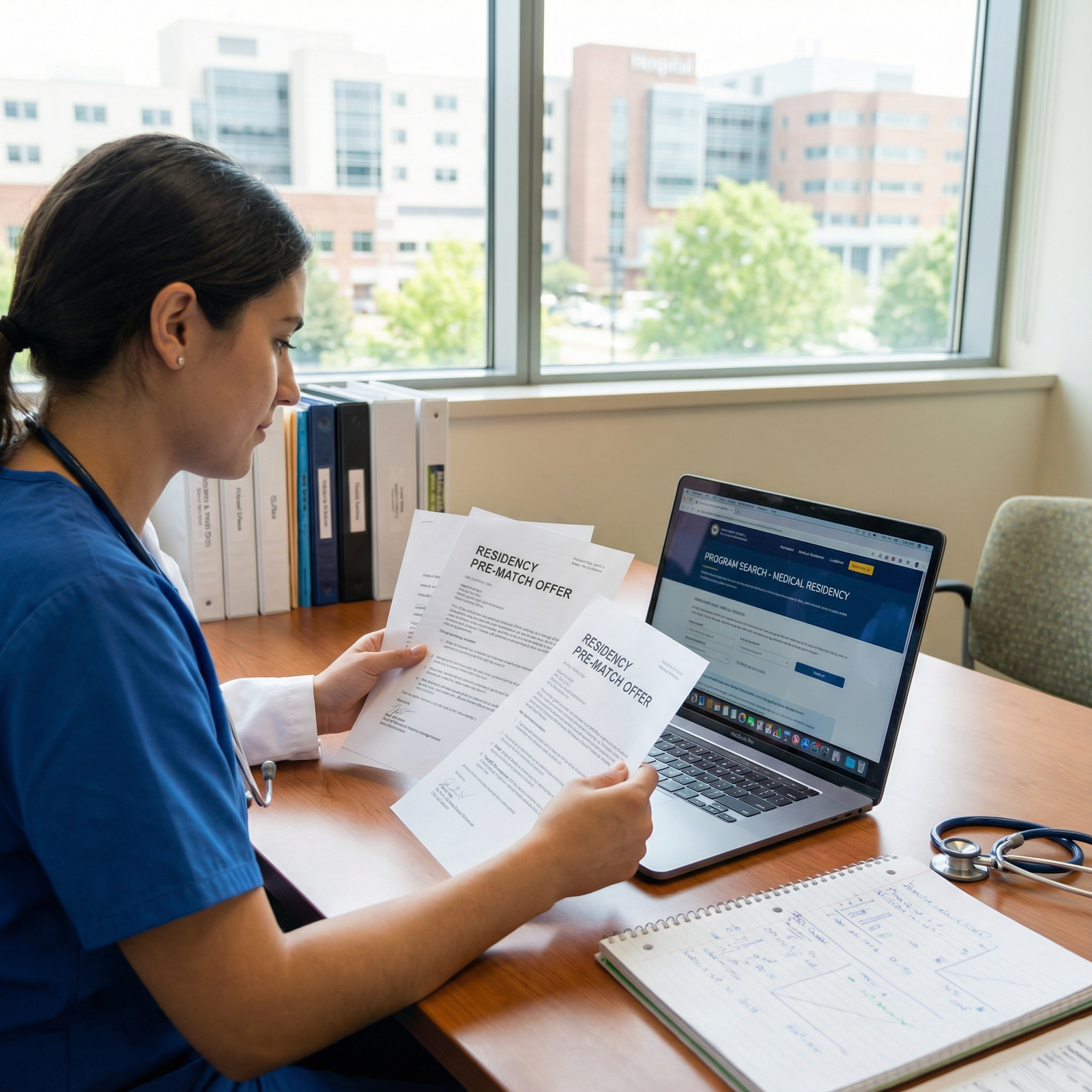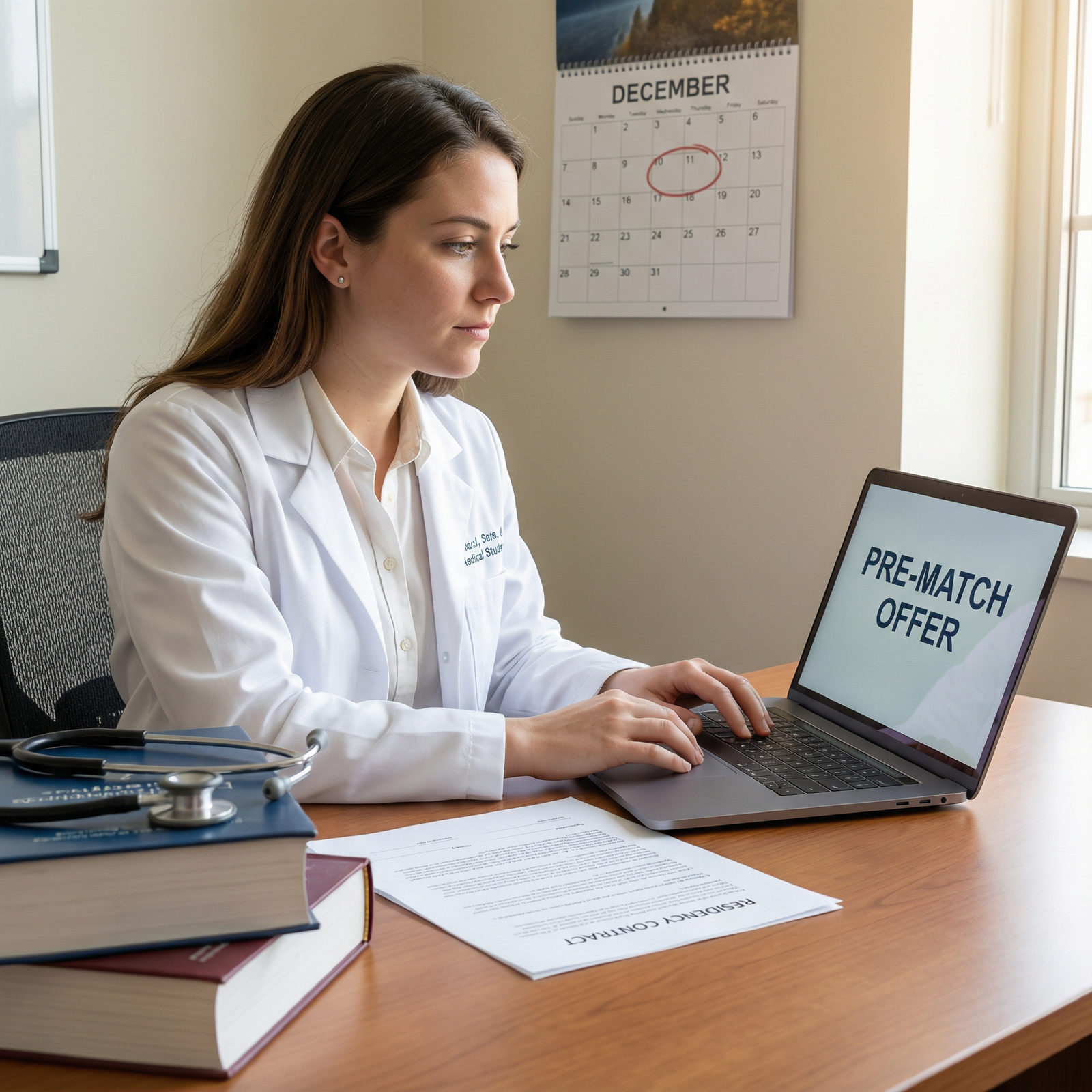
Understanding Pre-Match Communication as a US Citizen IMG in Global Health
Pre-match communication is everything that happens between an applicant and a residency program before the NRMP Match results are released: emails, phone calls, virtual meetings, thank-you notes, and—critically—any conversation that even hints at ranking preferences, pre-match offers, or early commitment.
For a US citizen IMG—especially an American studying abroad with a strong interest in global health residency tracks—this can feel confusing and high stakes. You may be balancing time zones, different advising cultures, and uncertainty about what’s legal, ethical, or wise.
This article breaks down:
- What pre-match communication really is (and is not)
- How it works specifically for US citizen IMGs aiming for global health or international medicine–focused programs
- How to plan, write, and time your outreach
- How to handle pre-match offers and “early commitment” conversations
- How to maintain professional, NRMP-compliant program communication before Match Day
1. The Landscape: Pre-Match Communication, Global Health, and US Citizen IMGs
1.1. What Counts as Pre-Match Communication?
Pre-match communication includes:
- Thank-you emails after interviews
- Clarification questions about a program’s curriculum, visas, or global health electives
- Expressions of interest (“I am very interested in your program”)
- Program-initiated messages or calls after interviews
- Any outreach by you or the program after rank lists open but before the Match
It does not include:
- ERAS application content
- Official interview scheduling emails
- Mass informational webinars or newsletters
- Public program posts on social media
The tricky part is when communication gets “preference-sensitive”—discussing how you will rank a program or how they might rank you.
1.2. NRMP Rules You Must Know
As a residency applicant participating in the NRMP Match:
You may:
- Express interest (e.g., “Your program is one of my top choices.”)
- Ask questions about curriculum, schedule, global health track logistics, etc.
- Respond honestly if a program asks about your interests or priorities.
You may not:
- Make or request binding promises outside the Match (“I promise to rank you #1 if…”).
- Ask a program, “Where will you rank me?” or “Will you rank me to match?”
- Offer anything quid pro quo (“If you guarantee a spot, I’ll commit.”).
Programs may not legally:
- Ask you for ranking commitments.
- Make you feel obligated to reveal your rank list.
- Offer guaranteed positions outside NRMP policies (for NRMP-participating programs).
Still, in practice, some programs push boundaries. As a US citizen IMG, especially from an offshore or non-US school, you may worry that saying “no” will hurt your chances. It’s important to know your rights so you can stay professional and protect yourself.
1.3. Why Pre-Match Communication Matters More for US Citizen IMGs
Compared to US MD seniors, US citizen IMGs usually have:
- Less built-in advocacy from home institutions
- Fewer US-based mentors to coach them on subtle etiquette
- More pressure to “stand out” and demonstrate strong interest
- Additional questions about:
- US clinical experience
- Fit with academic systems
- Long-term commitment to US training
Thoughtful, well-timed communication can:
- Reinforce your interest in a program’s global health or international medicine opportunities
- Help you stand out in a crowded pool
- Clarify misunderstandings about your background (e.g., “American studying abroad,” strong US ties, ability to stay long-term)
- Build authentic connections that may influence rank list decisions

2. Strategic Goals for Pre-Match Communication in Global Health
2.1. Define What You Want from Global Health
Before you email anyone, get specific:
Do you want a formal global health residency track with:
- Structured curriculum
- Dedicated mentorship
- International electives with partner sites?
Or are you mainly seeking:
- Occasional overseas electives
- Work with local refugee or immigrant populations
- Research in international medicine or public health?
Clarity here helps you:
- Ask sharp, program-specific questions
- Write targeted, credible interest emails
- Show that you’re not just using “global health” as a generic buzzword
2.2. Core Objectives of Your Communication
For a US citizen IMG pursuing global health, pre-match communication should aim to:
Signal serious, informed interest
Make it clear that you understand what the program actually offers and how you’ll use it.Differentiate your narrative
Tie your American studying abroad story to your global health interests:- Prior global health work or volunteering
- Work with underserved communities in the US or abroad
- Language skills, cultural competence, or cross-border experience
Clarify concerns programs may have about IMGs:
- Consistency in clinical performance
- Familiarity with US healthcare systems
- Communication skills and professionalism
- Long-term commitment to practicing in the US
Stay compliant and ethical
You want to impress programs without:- Breaking NRMP rules
- Appearing pushy or transactional
- Undermining your integrity
2.3. Timing: When to Communicate
A practical timeline:
Before interview invitations:
- You may send one concise, targeted interest email to a small number of high-priority programs:
- Explain your background as a US citizen IMG with a strong global health focus
- Highlight one or two key global health–relevant experiences
- Attach a very short CV or refer to ERAS; don’t oversell
After receiving an interview invite:
- Send:
- A brief confirmation email if needed
- Clarification questions if you have schedule conflicts (time zones, travel)
Keep it logistical, not persuasive.
After the interview:
- Within 24–48 hours:
- Send a personalized thank-you email to the program and/or key interviewers.
- Within 2–3 weeks, if the program is a strong fit:
- You may send one additional interest update (not mandatory).
After rank lists open:
- You may send:
- A single, carefully worded letter of strong interest or intent to one program (if you truly mean it).
- Occasional brief updates if you have a major new achievement (e.g., publication, award, major global health project completed).
3. How to Communicate Professionally and Effectively
3.1. General Principles for Emails and Messages
- Be concise: Aim for 200–350 words.
- Be specific: Refer to particular aspects of the program (global health rotation sites, refugee clinic, international partnerships).
- Be honest: Do not exaggerate your rank intentions or achievements.
- Be respectful of time: One or two well-crafted messages per program is sufficient for most cases.
3.2. Sample Structures for Common Messages
1. Pre-interview interest email (select programs only)
- 1–2 lines: Who you are (US citizen IMG, school, specialty)
- 2–4 lines: Why this program specifically (global health track, population served)
- 2–3 lines: Two key strengths that match their focus
- 1 line: Polite closing; no pressure or expectation
2. Post-interview thank-you email
- 1–2 lines: Thank you & appreciation for time and discussion
- 2–3 lines: Specific reference to something discussed (e.g., their global health curriculum, longitudinal international medicine project, or faculty mentor)
- 1–2 lines: Reaffirm your interest and fit
- 1 line: Professional closing
3. Interest update (for programs you truly like)
- Brief reference to your prior interaction/interview
- One new update:
- Manuscript accepted
- New global health project milestone
- Additional US clinical experience completed
- Short restatement of genuine interest and fit
3.3. Program Communication Before Match: What’s Appropriate?
“Program communication before Match” can take multiple forms:
- Mass emails (info about ranking timelines, second looks, policies)
- Personalized check-ins (“We enjoyed meeting you; let us know if you have questions.”)
- Rarely, more direct language of interest in you as an applicant
You can respond by:
- Expressing appreciation
- Restating interest (without making promises)
- Asking 1–2 thoughtful questions (especially about global health opportunities or support for US citizen IMGs/returning Americans)
Avoid:
- Pushing for information on where they will rank you
- Conditional language (“If I knew I’d match there, I’d rank you first”)

4. Pre-Match Offers, Early Commitment, and Ethical Considerations
4.1. What Are Pre-Match Offers and Early Commitment?
Pre-match offers and early commitment conversations occur when:
- A program outside the NRMP system offers you a position directly, or
- A program tries to informally secure your commitment before the Match results, even if they participate in NRMP.
For US citizen IMGs in some specialties or geographic regions, this is more common, especially with:
- Non-NRMP programs (e.g., some advanced or off-cycle positions)
- Smaller community programs
- Certain states or systems where independent contracts are more frequent
In global health–oriented positions, it is less common but still possible, particularly if:
- The program runs a specific global health residency track outside the main categorical pool
- There are grant-funded positions with specific start dates or requirements
4.2. Know the Rules Before You Respond
If the program participates in the NRMP Match:
- They should not offer you a binding pre-match contract.
- Any “we will rank you highly if you promise X” is not enforceable and may be a violation.
- You are never obligated to reveal your rank list or give a binding commitment.
If the program is non-NRMP or offers a position outside the Match:
- You may be given a contract to sign with a deadline.
- If you sign, you are usually ethically obligated to withdraw from the NRMP Match (if required by NRMP rules for your situation).
- This may offer security, but it can limit your options significantly.
4.3. How to Handle a Pre-Match Offer
Steps to approach a pre-match or early commitment situation:
Clarify the nature of the offer.
- Is this position in the NRMP Match or fully outside it?
- Is this a verbal expression of interest or a formal written contract?
Ask for time to consider.
- A reasonable program will allow you a few days.
- Use that time to:
- Talk with mentors or advisors familiar with US residency.
- Carefully consider your priorities (geography, training quality, global health opportunities, and personal life).
Evaluate carefully:
- Will you be happy and well-trained if you never get another offer?
- Does the program genuinely support your global health or international medicine goals?
- What are the outcomes for graduates (fellowships, jobs, global health roles)?
Decide and respond clearly.
- If accepting: confirm in writing, clarify Match participation status, understand next steps.
- If declining: thank them sincerely, briefly explain that you wish to honor the Match process or keep options open, and remain professional.
4.4. Red Flags and How to Protect Yourself
Watch for red flags like:
- Pressure for immediate response without time to think
- Language like:
- “Tell us you’ll rank us #1 or we won’t consider you.”
- “If you don’t commit now, we’ll withdraw your interview.”
- Inconsistencies between what they say and what’s in writing
Protection strategies:
- Keep all communication in writing, or summarize phone calls in an email to them (“Thank you for our conversation today. To confirm, we discussed…”).
- Consult:
- Your dean’s office or international office
- An advisor who understands NRMP rules
- Reliable alumni who matched recently
Your reputation for integrity—especially in the global health community, which is often a small, interconnected network—matters long-term.
5. Leveraging Your US Citizen IMG Story in Global Health–Focused Communication
5.1. Frame Being an “American Studying Abroad” as an Asset
Programs may initially see “IMG” and worry about training standards or communication. You can reshape this:
Emphasize:
- US citizenship: No visa barriers, long-term US career intention.
- Experience navigating two health systems: US and your school’s country.
- Adaptability to new cultures—a cornerstone of global health work.
Concrete ways to show this in communication:
- Highlight clinical encounters in both US (if you did rotations) and abroad.
- Briefly describe how international training broadened your understanding of resource-limited care, health systems, or public health.
5.2. Tie Your Story to Global Health Residency Tracks
When you write to programs with a global health residency track or strong international medicine component:
Use specific language:
- “Your global health track with established partnerships in [region] aligns with my prior work in [country/area].”
- “My research on [topic] prepared me to contribute to your international medicine initiatives.”
Show that you understand:
- The difference between short-term mission trips vs. long-term, sustainable partnerships
- The importance of ethics, humility, and local leadership in global health
5.3. Example: Transforming Experience into Effective Communication
Consider two ways of describing an experience:
Weak:
“I’ve done several mission trips and am very interested in global health.”
Stronger, communication-ready version:
“During my clinical training in [country], I worked longitudinally with a community clinic serving displaced populations. This experience taught me to navigate language barriers, limited diagnostics, and cultural differences in health beliefs. I hope to build on this background through your global health residency track, particularly the longitudinal international medicine curriculum and supervised fieldwork at your partner sites.”
In pre-match emails and interviews, the second style stands out as thoughtful, mature, and aligned with what serious global health programs seek.
6. Practical Do’s and Don’ts for Pre-Match Communication
6.1. Do’s
Do keep a communication log
Track:- Which programs you contacted
- Dates and key topics
- Any commitments made (you should keep these minimal and non-binding)
Do personalize each message
Refer to:- A specific faculty member
- A particular lecture, case discussion, or clinic mentioned during interview
- A unique global health initiative that truly resonates with your background
Do ask thoughtful questions such as:
- “How are residents protected from overcommitment during international rotations?”
- “What mentorship is available for residents pursuing careers in global health policy or implementation science?”
- “How does the program support residents with international backgrounds transitioning to US systems?”
Do be transparent about big changes
If you:- Finish a major US rotation
- Receive a significant award or publication in global health
- Change your availability or contact info
It’s fine to send a short, factual update.
6.2. Don’ts
Don’t send mass, generic emails
Programs recognize copy-paste messages and often ignore them.Don’t oversell or fabricate interest
Don’t tell multiple programs they are your “#1 choice” unless you are using carefully non-binding language and understand the implications.Don’t badger programs
One thank-you and, at most, one interest update is usually sufficient. More than that feels pushy.Don’t panic if programs are quiet
Many programs intentionally minimize pre-match communication to avoid any perception of NRMP violations. Silence is not a negative signal.
FAQs: Pre-Match Communication for US Citizen IMGs in Global Health
1. As a US citizen IMG, should I send a “letter of intent” to my top global health program?
You may send a single, honest letter of strong interest to your true top choice, ideally after rank lists open. Use clear but non-binding language:
- Acceptable: “Your program is my top choice, and I plan to rank it very highly.”
- Risky/avoid: “I will definitely rank you #1 if you promise to rank me to match.”
If you do send this type of letter, it should be honest, specific, and reserved for one program.
2. What if a program asks me directly how I will rank them?
You are not required to answer. You can respond with:
“I am still finalizing my rank list, but I remain very enthusiastic about your program and believe it is an excellent fit for my training goals, especially in global health.”
This remains positive without giving a specific ranking position.
3. How is pre-match communication different for global health–focused programs?
Global health programs often care deeply about:
- Long-term commitment to working with underserved populations
- Ethical, sustainable approaches to international medicine
- Cultural humility and adaptability
Your communication should highlight these attributes thoughtfully. The etiquette and NRMP rules are the same, but the content you emphasize (global health experiences, language skills, international perspective as a US citizen IMG) matters more.
4. If a non-NRMP program offers me a pre-match position, should I accept it?
It depends on:
- How confident you are about your competitiveness overall
- How well the position aligns with your long-term global health and career goals
- Your risk tolerance
If you accept, you may have to withdraw from the Match, so you should: - Seek advice from mentors or advisors
- Review the contract carefully
- Confirm all expectations in writing
By approaching pre-match offers, early commitment, and all program communication before Match with clarity, honesty, and professionalism, you can leverage your unique identity as a US citizen IMG and American studying abroad into a compelling narrative for global health–oriented residency programs—without compromising ethics or NRMP rules.