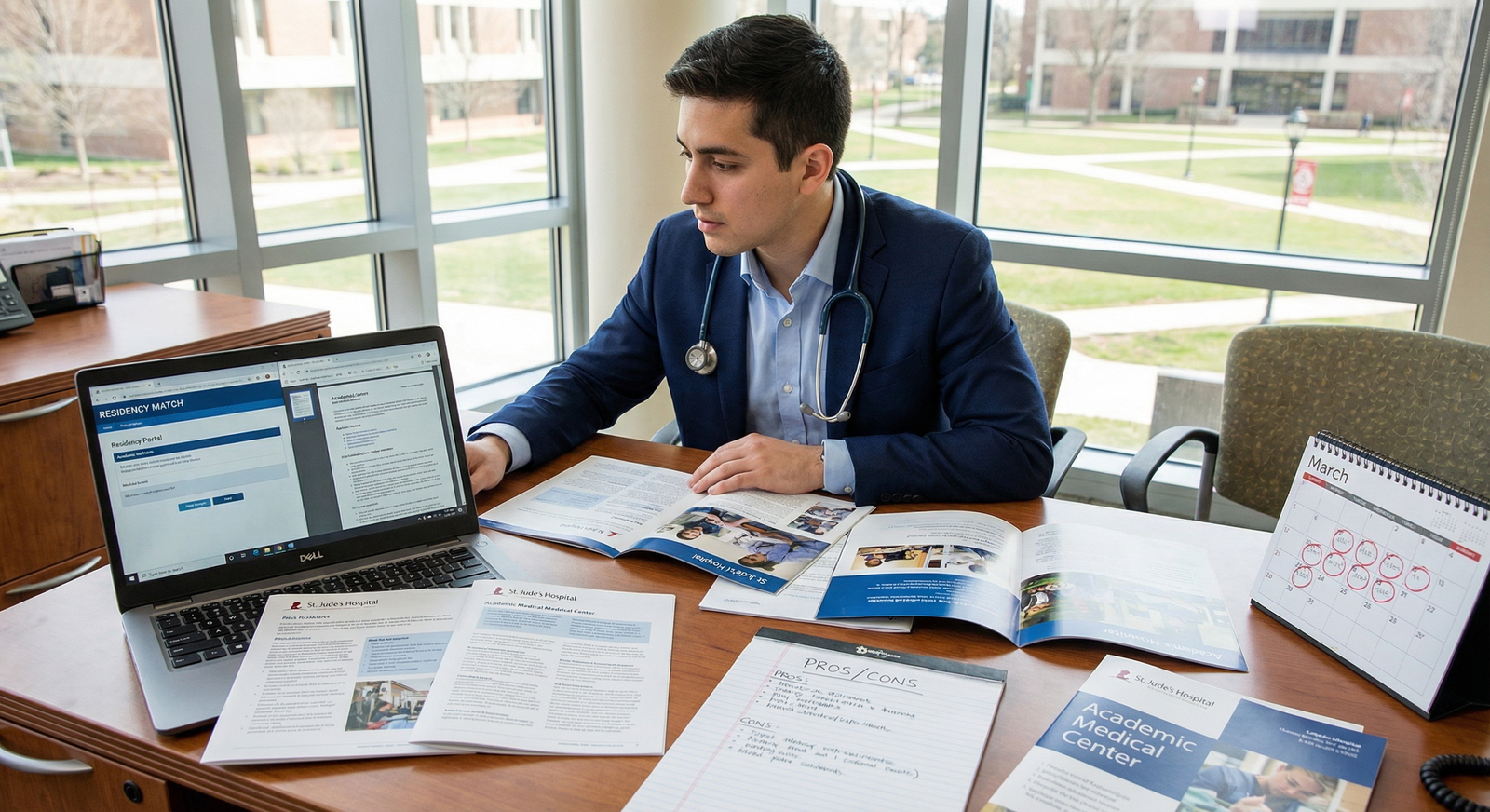
Your Roadmap to Assessing Pre-Match Offers Effectively in Medical Residency
Entering medical residency is one of the most pivotal transitions in your path to becoming an independent physician. Amid board exams, interviews, and rank lists, pre-match offers can feel both exciting and overwhelming. They may promise security before Match Day—but they also require careful analysis, strategic thinking, and a clear understanding of how they fit into your long-term Career Assessment and goals.
This guide provides a detailed, step-by-step roadmap to evaluating pre-match offers effectively so you can make confident, informed decisions about your Physician Training and future.
Understanding Pre-Match Offers in the Residency Landscape
Before you can assess offers, it’s essential to understand what pre-match offers are—and what they are not.
What Is a Pre-Match Offer?
A pre-match offer is a commitment from a Residency Program to accept you into their training program before the formal Match process is complete. Depending on your country and specialty, this may occur:
- Outside the main NRMP Match (for example, some non-NRMP programs in the U.S.)
- During SOAP-like processes where unfilled positions are offered outside the traditional algorithm
- In countries or specialties that use direct contracts rather than a centralized match
In all cases, the fundamental idea is the same:
A program is offering you a training spot before the usual timeline, often expecting you to commit early in return for security.
Key Features of Pre-Match Offers
While details vary by system and institution, pre-match offers typically involve:
- Early Commitment: You agree to train at a specific institution for a set number of years.
- Binding Agreement: Many pre-match contracts are legally or ethically binding. You may be removed from the main Match or restricted from ranking other programs.
- Fixed Terms: Salary, benefits, rotation structure, and other conditions are often specified in a formal offer letter or contract.
Why Programs Use Pre-Match Offers
Residency Programs may extend pre-match offers because they:
- Want to secure highly competitive candidates early
- Need to fill positions in hard-to-recruit locations or specialties
- Value your specific skills (e.g., research, language, leadership)
- Aim to increase stability in their resident cohort
For you, the applicant, the advantages and risks must be weighed carefully. An early offer can remove uncertainty—but it can also lock you into a program that may not be the best fit for your long-term career.
Step 1: Clarify Your Career Priorities Before You Evaluate Any Offer
Before even opening a contract, you need a clear sense of what you want from your physician training and career. Pre-match decisions are much easier when you already know your targets.
Define Your Long-Term Career Goals
Ask yourself:
- Do I see myself in academic medicine, community practice, or subspecialty fellowship?
- How important is research to my future career?
- Am I aiming for a competitive fellowship (e.g., cardiology, GI, oncology, surgical subspecialties)?
- Do I prioritize clinical volume and procedural exposure, or a more balanced and slower-paced environment?
Your answers will guide how you weigh program culture, case mix, and opportunities.
Example:
If you are strongly interested in critical care, a pre-match offer from a program with a robust ICU, active critical care faculty, and prior fellows matching into pulmonary/critical care is more valuable than one with limited ICU exposure and minimal fellowship placements.
Assess Your Specialty and Training Needs
Think specifically about your specialty:
- Surgical fields: Look for high operative volume, graduated responsibility, and technical skill development.
- Primary care (FM, IM, pediatrics): Consider continuity clinics, community exposure, and breadth of pathology.
- Highly competitive fellowships: Evaluate research infrastructure, mentorship, and subspecialty rotations.
Clarifying these details helps you see whether a pre-match offer is merely “good on paper” or truly aligned with your goals.
Evaluate Your Personal and Lifestyle Priorities
Residency is challenging. The right fit involves more than prestige or location.
Consider:
- Work–life balance:
- What degree of call and night float can you tolerate?
- How important are days off, vacation time, and schedule predictability?
- Geographic and family needs:
- Proximity to family or support systems
- Urban vs. rural environment
- Cost of living and commuting time
- Personal circumstances:
- Partner’s career or schooling
- Childcare or family responsibilities
- Visa status or immigration considerations
Write these priorities down. Having a checklist ready before offers arrive prevents you from being swayed solely by emotion or fear of not matching.

Step 2: Gather Comprehensive Information About Each Program
Once you have an offer, your next step is data collection. Treat this like a structured Career Assessment exercise.
Review Program Structure and Curriculum in Detail
Look beyond the glossy brochure. Examine:
- Curriculum:
- Rotations and their duration
- Elective time and flexibility
- Opportunities for away rotations or external electives
- Clinical exposure:
- Case mix and patient demographics
- Procedural volume for your specialty
- Level of autonomy vs. supervision
- Educational culture:
- Frequency and quality of didactics, morning reports, grand rounds
- Simulation lab availability
- Board review sessions and in-service exam performance
Use official sources such as:
- Program website and recruitment materials
- ACGME program data reports
- American Medical Association FREIDA database (for U.S. programs)
- National regulatory or accreditation body databases in your region
Understand Compensation, Benefits, and Contract Terms
Financial realities matter, especially with educational debt and relocation costs.
Carefully evaluate:
- Salary: Compare PGY-level salary to regional norms and cost of living.
- Benefits:
- Health, dental, and vision insurance (including dependents)
- Retirement contributions
- Disability and life insurance
- Meal allowances, parking, transportation benefits
- Educational support:
- Funding for conferences, board exams, or review courses
- Book stipends or online resource subscriptions (e.g., UpToDate)
- Contract terms:
- Duration of the contract and renewal policies
- Moonlighting policies and restrictions
- Non-compete clauses (post-residency practice restrictions, if any)
- Policies regarding remediation, probation, or dismissal
If something is unclear in the pre-match offer, request clarification in writing.
Evaluate Reputation, Outcomes, and Alumni Trajectories
Reputation alone isn’t everything, but outcomes matter.
Key indicators:
- Board pass rates: High, consistent pass rates suggest solid training and educational support.
- Fellowship match rates and destinations:
- Where do graduates go for subspecialty training?
- Are they matching at reputable institutions in your field of interest?
- Job placement: For those entering practice directly, where are they working? Community hospitals? Academic centers? Leadership roles?
- Program stability:
- Any recent loss of accreditation or citations from regulatory bodies?
- High faculty turnover or leadership instability?
You can often find this via:
- Program-provided data
- ACGME reports and public citations (for U.S.)
- Alumni profiles on LinkedIn or hospital websites
- Residency program social media or newsletters
Step 3: Evaluate Culture, Diversity, and Inclusivity
Training environment is just as important as academic strength. Burnout and attrition are often linked to toxic culture rather than workload alone.
Assess Diversity and Representation
A supportive, inclusive environment benefits everyone.
Look at:
- Resident and faculty demographics: Does the program reflect diversity in gender, race/ethnicity, and background?
- Leadership representation: Are diverse voices present in leadership positions (program director, chief residents, committee leads)?
- Support for international medical graduates (IMGs): If applicable, how many IMGs are in the program? Is there institutional experience with visas, onboarding, and mentorship?
Look for Policies and Programs That Support Inclusion
Strong Residency Programs often have:
- Formal mentorship programs for underrepresented groups
- Employee resource groups or diversity committees
- Workshops and training on bias, communication, and professionalism
- Support systems for parental leave, family emergencies, and wellness
Ask for specific examples, not just mission statements. For instance:
- “Can you share how the program supports residents returning from parental leave?”
- “What initiatives has the program implemented recently to improve diversity and inclusion?”
Gauge Overall Program Culture
Culture is often best assessed through stories and lived experiences, not brochures.
Consider:
- Do residents collaborate or compete with each other?
- How approachable are faculty and leadership?
- Are mistakes treated as learning opportunities or grounds for shame?
- How does the program respond to feedback or resident concerns?
This leads directly into one of your most valuable resources: current residents.
Step 4: Talk to Current Residents and Recent Graduates
Current residents can give you an unfiltered view of the program that no website can match.
Who to Talk To
Aim to speak with:
- Residents at different PGY levels (interns, mid-level, and seniors)
- Chief residents, if possible
- Recent graduates (within the last 3–5 years), especially if they pursued fellowships or specific career paths like hospitalist or academic positions
If the program doesn’t proactively connect you, politely request contact information for a few residents or alumni.
High-Value Questions to Ask Residents
Focus on questions that reveal patterns, not isolated anecdotes:
- Workload and well-being:
- “What does a typical week on inpatient service look like?”
- “How manageable are the call schedules and night rotations?”
- “Have resident duty hour violations been an issue?”
- Educational quality:
- “Are teaching conferences protected from clinical duties?”
- “Do you feel prepared for boards or fellowship interviews?”
- Support and mentorship:
- “How accessible are faculty and program leadership?”
- “Did you feel supported when you struggled clinically or personally?”
- Program responsiveness:
- “Can you give examples of feedback residents gave that led to changes?”
- “Have your concerns ever been dismissed or ignored?”
Listen for consistency across multiple conversations. One outlier comment may reflect an individual experience; repeated themes are more telling.
Red Flags to Watch For
Be cautious if you hear:
- Chronic understaffing or frequent calls for extra coverage
- Poor communication or hostile relationships between residents and faculty
- High resident turnover or frequent transfers out
- Dismissive attitudes toward wellness, diversity, or professionalism concerns
A pre-match offer from a program with serious cultural problems may not be worth early security.
Step 5: Synthesize Information and Compare Offers Systematically
Once you’ve gathered information, step back and structure your decision.
Create a Comparison Framework
Use a spreadsheet or decision matrix with categories such as:
- Training quality (clinical exposure, case volume, autonomy)
- Educational support (didactics, board prep, feedback)
- Fellowship and career outcomes
- Program culture and resident satisfaction
- Diversity and inclusivity
- Compensation and benefits
- Location and lifestyle
- Personal “fit” and gut feeling
Rate each category (e.g., 1–5) and add comments. This visual tool can make differences between pre-match offers clearer and guide your Career Assessment.
Develop Pros and Cons Lists for Each Offer
For every pre-match opportunity, write out:
- Strengths and opportunities
- Strong fellowship pipeline
- Supportive leadership
- Excellent research infrastructure
- Ideal city or family support nearby
- Challenges and potential downsides
- Heavy call burden
- Limited elective time
- Concerns about culture or communication
- Lower salary in a high-cost area
This exercise helps ensure you don’t over-focus on a single appealing feature (e.g., location) while ignoring major deficits (e.g., poor training outcomes).
Align With Your Priority List
Revisit the priorities you defined in Step 1 and ask:
- Does this pre-match offer move me closer to my long-term career vision?
- Does it support or harm my personal and family well-being?
- If I fast-forward 5–10 years, will I likely be grateful I accepted this offer?
Your decision should reflect both data and values.
Step 6: Consider Long-Term Career Growth and Professional Development
A residency is not just three to seven years of service—it’s the foundation of your entire career.
Evaluate Fellowship and Advanced Training Opportunities
If fellowship is part of your plan, look closely at:
- Internal fellowship programs: Does the institution host fellowships in your areas of interest?
- Match track record:
- Are residents consistently matching into top programs?
- Are graduates staying for fellowship at the same institution (often a sign of satisfaction and strong support)?
- Mentorship in subspecialties:
- Are there faculty in your areas of interest who actively mentor residents?
- Are residents presenting at national conferences or publishing in relevant journals?
Assess Networking and Professional Exposure
Strong programs help you build connections beyond your home institution through:
- National organization involvement (e.g., committees, poster sessions)
- Collaborative research projects
- Visiting scholar or away elective opportunities
- Opportunities to work with community partners or health systems
These relationships can shape not only your first job or fellowship, but your entire professional trajectory.
Look at Alumni Careers
Alumni outcomes provide a reliable window into what the program actually produces.
Look for:
- Leaders in departments or hospital systems
- Graduates in academic vs. community roles
- Physicians in niches that matter to you (e.g., global health, medical education, hospital administration)
If possible, ask to be connected with an alumnus who pursued a career path similar to what you envision.
Step 7: Navigating Negotiation and Clarification of Pre-Match Offers
Not every pre-match offer is negotiable, but many aspects are at least open to clarification or limited adjustment.
Know What Is (and Isn’t) Negotiable
Commonly negotiable or discussable elements:
- Start date or orientation timing
- Specific research or scholarly commitments
- Clarification on elective opportunities or special tracks (e.g., global health, clinician-educator track)
- Visa support details (for IMGs)
Less commonly negotiable (but still worth clarifying):
- Salary structure and base benefits
- Call schedule policies and rotation structure
Always approach this professionally and respectfully, understanding that Residency Programs typically have standardized contracts.
Communicate Your Value and Priorities
When discussing the offer:
- Emphasize your genuine interest in the program and why it fits your goals.
- Highlight your strengths—research experience, teaching background, leadership roles, language skills.
- Frame your questions and requests around your desire to be successful and contribute maximally as a resident.
Example language:
“I’m very enthusiastic about the opportunity to train here, especially given your strong track record in [X fellowship or area]. I’d like to ask a few questions to ensure I can be as effective as possible in your program…”
Get Everything in Writing
If any modifications or clarifications are agreed upon, request updated documentation or an email confirmation. Verbal promises can easily be forgotten or misinterpreted once training begins.
Step 8: Making and Communicating Your Final Decision
When the deadline approaches, you’ll need to commit—either by signing the pre-match offer or choosing to stay in the regular Match.
Combine Data, Reflection, and Intuition
At this stage, you have:
- Objective information about the program
- Subjective input from residents and alumni
- Your own values and priorities
Ask:
- Does this offer check my non-negotiables?
- Are any red flags serious enough to impact my safety, well-being, or future training options?
- How do I feel imagining myself at this program day-to-day?
Trust both your analysis and your well-informed instincts.
Communicate Professionally
Once you decide:
- Notify the program promptly and clearly if you accept.
- Express appreciation for the offer and the time they invested in you.
- If declining, be courteous and brief; you do not need to justify in detail, but you can thank them and emphasize your respect for the institution.
Step 9: After Accepting a Pre-Match Offer—Stay Engaged and Prepare
Accepting a pre-match offer is the beginning of your training journey, not the end of your involvement.
Maintain Relationships and Integrate Early
- Stay in touch with your future co-residents and faculty.
- Attend any pre-residency events, Q&A sessions, or orientations.
- Ask for recommended reading or resources to prepare for your first rotations.
Plan Your Transition Strategically
- Confirm onboarding steps: licensing, credentialing, vaccinations, background checks.
- Coordinate housing and relocation plans early.
- Clarify your first-year schedule if available, especially major rotations early in PGY-1.
These steps will make your start smoother and allow you to focus on learning and clinical care from day one.

FAQ: Assessing and Handling Pre-Match Offers in Medical Residency
1. What are the main risks of accepting a pre-match offer?
The key risks include:
- Limited comparison: You may commit before fully evaluating all potential programs through the Match.
- Misalignment with goals: If you haven’t clearly defined your long-term career objectives, you might accept a program that is weak in your desired fellowship or practice setting.
- Cultural mismatch: Early offers may come before you fully appreciate program culture, which can impact well-being and burnout.
- Reduced flexibility: Some systems remove you from the main Match once you accept a binding pre-match offer, restricting other options.
Mitigate these risks through thorough research, talking to multiple residents, and honest self-reflection before signing.
2. How can I effectively research residency programs beyond their websites?
Use a combination of sources:
- Accreditation and data platforms: ACGME, AMA FREIDA, or national equivalents
- Program-specific sources: Social media, newsletters, alumni profiles, grand rounds announcements
- Current residents and alumni: Email, virtual meetups, or phone calls
- Professional organizations: Specialty societies often have resident sections and program directories
- Hospital and health system websites: For information on affiliated clinics, services, and faculty profiles
Triangulate information across multiple sources to get a balanced picture.
3. When should I start evaluating pre-match offers and planning for them?
Begin preparing before offers arrive by:
- Clarifying your career and personal priorities
- Creating a template for comparing programs
- Researching likely programs in your specialty or region
- Practicing questions you want to ask residents and faculty
Once you receive an offer, start a structured assessment immediately so you’re not rushed into a decision as deadlines approach.
4. What if I receive multiple pre-match offers?
If you’re fortunate enough to have multiple pre-match options:
- Use a standardized comparison matrix to evaluate each along the same dimensions (training quality, culture, outcomes, location, etc.).
- Talk to residents and alumni from each program, not just the one that seems most prestigious.
- Reflect on your non-negotiables and rank which program best aligns with them.
- Consider the opportunity cost of each decision—how each choice shapes your likely career trajectory.
Remember that the “best” program is not always the most famous—it’s the one that best matches your goals and needs.
5. How can I get a realistic sense of a program’s culture before I commit?
To assess culture:
- Speak with multiple residents at different PGY levels.
- Ask for specific examples of how the program handles errors, conflict, or feedback.
- Inquire about wellness initiatives and whether they are truly utilized or just “for show.”
- Reach out to recent alumni who may be more candid now that they’ve graduated.
- Pay attention to how faculty and staff treat administrative personnel and each other during interviews or site visits.
Patterns in how people talk about the environment will give you a strong sense of the day-to-day reality.
Thoughtful assessment of pre-match offers is an essential part of your Medical Residency journey. By structuring your evaluation, seeking honest perspectives, and aligning each opportunity with your long-term vision, you transform a stressful decision into a strategic step in your physician training and career development.