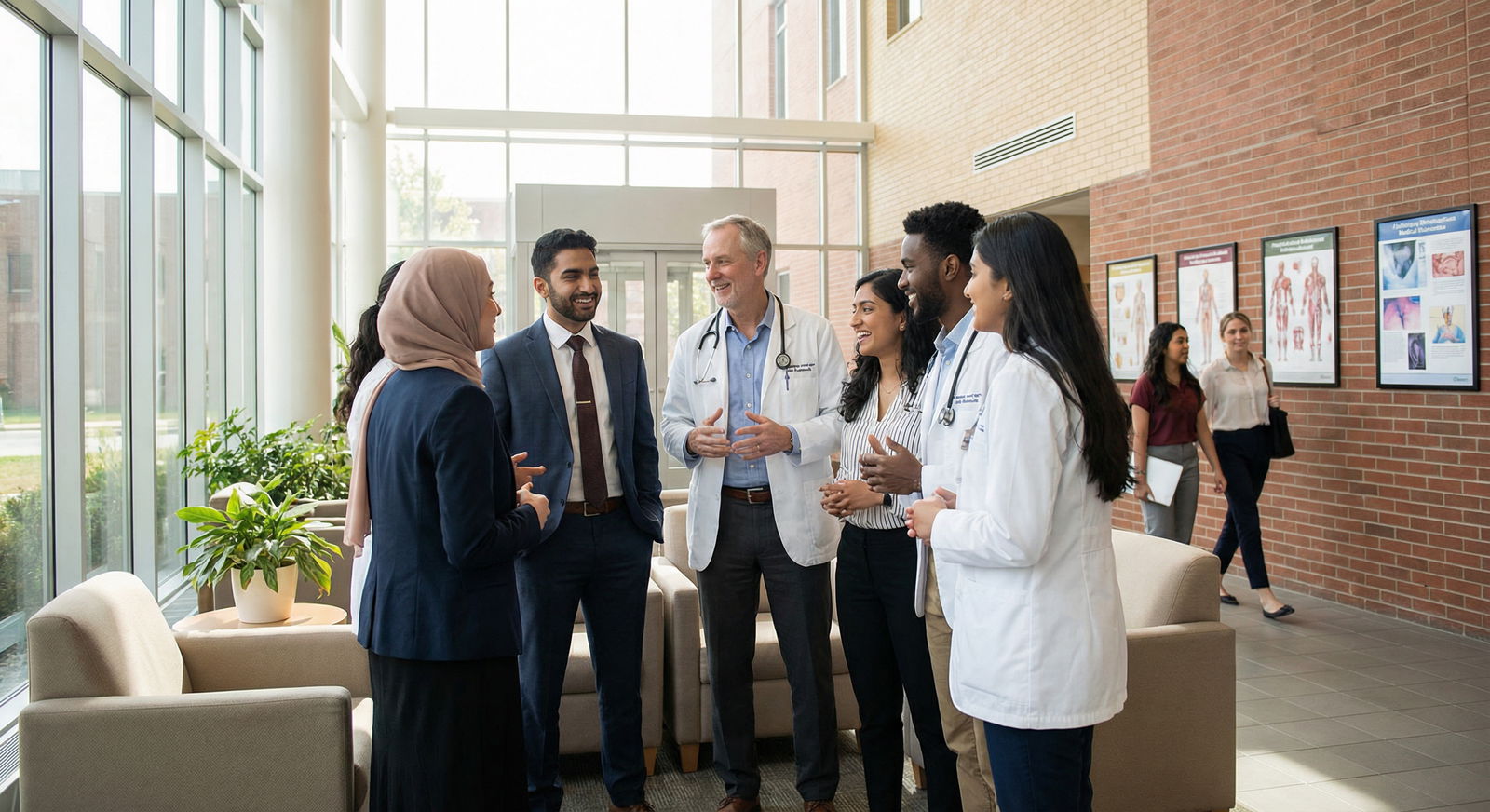
Networking Your Way to Medical School: Cultivating Connections that Count
Introduction: Why Relationships Matter on the Road to Medicine
Getting into Medical School isn’t only about grades, MCAT scores, and clinical hours. Those are crucial, but they’re not the whole story. Behind many successful applicants is a quiet, powerful advantage: a strong network of mentors, advisors, and peers who open doors, share honest advice, and advocate on their behalf.
As the path to medicine becomes more competitive and complex, effective Networking and Mentorship are no longer “nice-to-have” extras—they’re core components of smart Career Development for every Pre-Med and medical student. The right connections can help you:
- Discover opportunities you never knew existed
- Clarify whether medicine is truly right for you
- Strengthen your application with meaningful experiences
- Gain advocates who can speak to your character and potential
This guide will walk you through how to intentionally build, grow, and sustain a network that genuinely supports your journey—from high school and college through the Medical School admissions process.
The Strategic Role of Networking in Medical School Admissions
Why Networking Matters for Pre-Meds and Applicants
Networking in medicine isn’t about schmoozing or “using” people. At its best, it’s about building real, mutual relationships grounded in shared interests and values. Those relationships can translate into real advantages:
1. Access to Hidden and Competitive Opportunities
Many of the most valuable experiences—research positions, shadowing roles, leadership opportunities, special projects—aren’t widely advertised. They’re filled because someone:
- Recommends a student they know
- Mentions an opening to a motivated advisee
- Thinks of a particular student when a project appears
Examples:
- A professor hears about a new clinical research project and asks the two students who consistently attend office hours if they’d like to apply.
- A physician you shadow remembers your curiosity and invites you to join a quality improvement (QI) initiative or community outreach event.
Without a network, you may never hear about these chances.
2. High-Impact Mentorship and Guidance
Strong mentors can save you months—sometimes years—of confusion and trial-and-error. They can:
- Help you choose meaningful activities instead of just “checking boxes”
- Advise you when to take the MCAT and whether to apply this cycle or wait
- Provide honest feedback on your personal statement, activities list, and school list
- Encourage you when imposter syndrome or burnout creeps in
Medical School admissions are nuanced, and mentors who know you personally can help you navigate that complexity far more effectively than generic advice online.
3. Real Insight into the Profession and Specialties
Every Pre-Med hears: “Make sure you know what you’re getting into.” But you can’t truly understand medicine from a distance. Networking with:
- Physicians in different specialties
- Residents and fellows
- Current medical students
- Allied health professionals
gives you a 3D view of the profession—both the rewards and the challenges. These conversations can:
- Refine your motivation for medicine
- Help you talk more specifically about your interests in interviews
- Reveal specialties or practice settings you didn’t know existed
4. Development of Essential Professional Skills
Networking itself builds critical “soft skills” you’ll need throughout your career:
- Professional communication (in person, via email, and online)
- Confidence when speaking with senior physicians or administrators
- Active listening and asking thoughtful questions
- Respectful follow-up and relationship maintenance
These skills are invaluable in medical school, residency, and beyond—whether you’re presenting at a conference, talking with a patient’s family, or collaborating on a research team.
Laying the Foundation: How to Start Building Your Network Early

You don’t need a title, a white coat, or a long CV to start networking. You just need curiosity, professionalism, and consistency. The earlier you begin—high school or early college—the more time your network has to deepen and expand.
1. Get Involved in Campus and Community Organizations
Joining and actively participating in organizations is one of the easiest, most natural ways to build connections.
Pre-Med and Health-Related Clubs
Look for groups such as:
- Pre-Med or Pre-Health societies
- Minority Association of Pre-Medical Students (MAPS)
- American Medical Student Association (AMSA) pre-med chapters
- Global health, public health, or community health organizations
Don’t just be a member. Aim to:
- Attend meetings consistently
- Volunteer for committees or event planning
- Consider running for a leadership role after you understand the group’s culture
These organizations connect you with:
- Older students who have already taken the MCAT and applied
- Advisors and guest speakers who can become mentors
- Peers who can become lifelong colleagues
Volunteer and Clinical Roles
Hands-on experiences help you grow your network and your understanding of healthcare. Consider:
- Hospital volunteer programs
- Free clinics or community health centers
- Hospice and long-term care facilities
- EMT or medical scribe roles (if available and feasible)
Show up reliably, be helpful, and show genuine interest. Over time, staff and clinicians begin to see you as part of the team—and that’s when doors start to open.
2. Leverage University Resources Strategically
Many students don’t realize how many built-in networking tools their institutions already provide.
Career Services and Pre-Health Advising
Make use of:
- Career fairs and graduate school fairs
- Pre-med advising appointments (group and 1:1)
- Workshops on CV writing, interviewing, and professional communication
- Panel discussions with medical students and alumni
Before events, prepare a brief introduction (“elevator pitch”) about who you are, your interests, and what you’re hoping to learn. This makes conversations more focused and memorable.
Alumni Networks and Databases
Most colleges have alumni databases or LinkedIn groups where you can filter for:
- Alumni in medicine or healthcare
- Graduates currently in Medical School
- Physicians who share your major or background
When reaching out:
- Keep messages concise and respectful
- Explain your connection (same university, major, hometown, etc.)
- Ask for a short call or email exchange—not a big favor right away
Example message:
“I’m a current junior at [University] interested in pediatrics and I saw that you’re a pediatric resident at [Institution]. I’d really appreciate 15–20 minutes to hear about your path and any advice you might have for someone considering pediatrics and medical school.”
3. Use Online Platforms Intentionally
Online networking can expand your reach far beyond your campus—if you use it strategically and professionally.
LinkedIn for Pre-Meds and Medical Students
On LinkedIn:
- Use a professional headshot (simple, clear photo in neat attire)
- Write a concise headline: “Pre-Med Student at [University] | Interested in Internal Medicine & Health Policy”
- Fill out your “About” section with your academic interests and goals
- Connect with:
- Physicians and researchers you’ve worked with
- Alumni in medicine
- Classmates and club leaders
Engage by:
- Commenting thoughtfully on posts from physicians, schools, or organizations
- Sharing reflections on your volunteering or research experiences (while protecting patient privacy)
- Following medical schools, professional organizations, and health systems
Social Media Groups and Forums
Platforms like Facebook, Reddit, and specialized forums host:
- Pre-Med and Medical School applicant groups
- MCAT and application strategy communities
- Specialty-specific interest groups
Use these to:
- Ask questions
- Learn from others’ experiences
- Find webinars and virtual events
Always maintain professionalism—what you post can sometimes be found later.
From Contacts to Relationships: Cultivating Meaningful Connections
Networking only becomes powerful when it moves beyond “I met this person once” to “We have an ongoing relationship.” That shift happens through intentional, respectful follow-up and engagement.
1. Make the Most of Networking Events and Conferences
When you attend:
- Local or national pre-med conferences
- Specialty society student days
- Public health or research symposia
- Medical school open houses
Approach them with a plan.
Before the event:
- Review the schedule and list of speakers
- Identify 2–4 people or topics you especially want to engage with
- Prepare a few questions you can adapt (e.g., “What do you wish you had known as a pre-med?”)
During the event:
- Introduce yourself clearly with name, school, and interest area
- Ask open-ended questions and listen more than you speak
- Take brief notes on your phone or notebook after each key conversation (name, role, what you discussed)
After the event:
- Send a follow-up email within 48 hours
- Thank them, mention a specific part of the conversation, and suggest a next step if appropriate (e.g., “Would it be okay if I reach out once I start the application process?”)
2. Nurture Relationships Over Time
Think of networking like tending a garden—small, consistent efforts matter more than occasional big gestures.
Simple Ways to Stay in Touch
Every few months—or when something relevant happens—consider:
- Sending a short update:
- “I wanted to let you know I just completed my first semester of organic chemistry and started volunteering in the ED. Your advice about balancing commitments has been really helpful.”
- Sharing an article or talk related to their interests
- Congratulating them on a new publication, position, or award (if you see it online)
These quick check-ins:
- Show you value the relationship
- Keep you on their radar
- Make it easier to ask for advice or letters later because you’ve stayed connected
3. Building Strong Mentorship Relationships
A mentor is more than a contact—they’re someone who invests in your growth. Mentors can be:
- Faculty members
- Physicians you shadow
- Research supervisors
- Senior students or residents
- Advisors or program directors
How to Approach Potential Mentors
When reaching out:
- Explain who you are and why you’re interested in them specifically
- Ask for advice or guidance, not for a letter of recommendation right away
- Be respectful of their time; suggest a short initial meeting (20–30 minutes)
Once you meet:
- Come prepared with questions
- Be honest about your goals and uncertainties
- Ask how they prefer to stay in touch (email, scheduled check-ins, etc.)
Being a Good Mentee
You strengthen mentorship relationships when you:
- Show up on time and prepared
- Follow through on their suggestions (or explain if you chose differently)
- Share your progress and express appreciation
- Respect boundaries—mentors are often very busy
Over time, many mentors will naturally become strong advocates and letter writers because they’ve watched your growth and character firsthand.
Expanding Your Network Through Shadowing and Clinical Exposure
Shadowing isn’t just about checking a box for Medical School—it’s one of the richest networking and Mentorship opportunities for Pre-Med students.
1. Choosing High-Value Shadowing Experiences
Aim for experiences that provide:
- Diversity of exposure: Primary care, specialties, inpatient and outpatient settings
- Engaged physicians: Doctors who welcome questions and enjoy teaching
- Longer-term interaction: Repeated shadowing over weeks or months, not just one day
Don’t underestimate community physicians or smaller hospitals; they often have more time to teach and connect personally.
2. Preparing Professionally for Shadowing
Before you start:
- Learn basic information about the specialty and common conditions you might see
- Review patient privacy (HIPAA) and professionalism expectations
- Prepare 3–4 thoughtful questions, such as:
- “What do you find most rewarding and challenging about this specialty?”
- “How did you decide on your specialty?”
- “What qualities do you think make a good medical student and physician?”
During shadowing:
- Be punctual, neatly dressed, and attentive
- Avoid checking your phone in clinical areas
- Take notes after the day about what you learned (outside patient areas)
Patients and staff notice when a student is respectful and genuinely engaged—and so do physicians.
3. Following Up After Shadowing
A thoughtful follow-up can turn a one-time experience into a long-term connection.
- Send a personalized thank-you email or handwritten note
- Mention specific things you learned or appreciated
- Ask if it would be okay to stay in touch or update them on your progress
Over time, this physician may:
- Provide ongoing career advice
- Connect you with other colleagues for shadowing
- Consider writing a future letter of recommendation because they know you well
Using the Interview Process to Build Lasting Connections
Medical School interviews are not only evaluations; they’re also powerful networking moments.
1. Pre-Interview Preparation as Networking
Before interviews:
- Research the school’s curriculum, mission, and unique programs
- Look up faculty or students you might meet (when possible)
- Prepare questions that go beyond what’s on the website
Examples:
- “How does your advising system support students exploring different specialties?”
- “Can you tell me about recent changes in your curriculum and how students have responded?”
This level of preparation signals professionalism and genuine interest—qualities people remember.
2. Engaging Authentically During Interviews
During your interview day:
- Treat everyone—from M1 students to senior faculty—as potential future colleagues
- Be curious and ask follow-up questions when someone shares their story
- Share your experiences honestly rather than giving “perfect” rehearsed answers
Authentic conversations often lead to:
- Candid insights about the school’s culture
- Connections with current students you can follow up with later
- Faculty remembering you positively when discussing applicants
After the interview:
- Send brief thank-you notes to interviewers or students who spent extra time with you
- You can also connect with student hosts on LinkedIn if appropriate
Sustaining and Giving Back to Your Network
Networking is a long game. The most effective networks are reciprocal: you receive support, and you also eventually offer it.
1. Keep Your Network Updated on Milestones
As you progress:
- Share major updates with key mentors and contacts:
- MCAT completion
- Application submission
- Interview invitations
- Acceptances and final decisions
Short messages like:
“I wanted to share the great news that I’ve been accepted to [School]. Your mentorship and advice played a big role in helping me get here—thank you.”
These updates:
- Close the loop for people who invested in you
- Strengthen relationships for future stages (e.g., specialty choice, residency)
2. Offer Help, Even as a Student
Even as a Pre-Med or medical student, you can contribute:
- Share resources (MCAT materials, study strategies, event information) with peers
- Speak on panels for younger students once you have experience
- Connect classmates to opportunities or contacts when you hear of a good match
This generosity builds your reputation and reinforces a culture of support instead of competition.

Frequently Asked Questions About Networking Your Way to Medical School
1. What is the best way to start networking as a Pre-Med student?
Begin where you already are. Join pre-med organizations on campus, start attending meetings regularly, and introduce yourself to club leaders and guest speakers. Schedule an appointment with your pre-health advisor and ask about alumni or physicians who work with students. At the same time, set up a professional LinkedIn profile and connect with classmates, club officers, and any mentors you already know. Focus on consistent involvement rather than trying to meet everyone at once.
2. How do I find mentors in the medical field if I don’t have family in medicine?
Plenty of successful physicians and Medical School students come from non-medical families. To find mentors:
- Use campus resources (pre-health advisors, faculty, alumni networks)
- Seek out shadowing or volunteering opportunities where you interact with physicians
- Attend talks, panels, or career nights hosted by your university or local hospitals
- After meeting someone, send a polite message asking if they’d be open to a brief conversation about their path and any advice for aspiring physicians
You don’t need many mentors; a few meaningful relationships are far more valuable than a long list of loose contacts.
3. Can online networking really make a difference for Medical School admissions?
Yes—if it’s done thoughtfully. Online networking can:
- Connect you with physicians and researchers outside your immediate area
- Help you learn about schools, specialties, and opportunities you might otherwise miss
- Allow you to stay in touch with people you meet at events or during virtual programs
However, online networking should complement, not replace, in-person experiences like volunteering, research, and shadowing. Always maintain professionalism: use appropriate language, protect patient privacy, and avoid posting anything you wouldn’t want an admissions committee to see.
4. How often should I follow up with mentors or networking contacts?
Aim for a natural rhythm rather than a rigid schedule. Many students find that checking in every 3–6 months works well, or whenever you have a meaningful update (new role, MCAT progress, application news). The key is to:
- Make your messages purposeful (updates, questions, gratitude)
- Avoid only reaching out when you need a favor
- Respect their time with concise, clear communication
If a mentor tells you they prefer less frequent contact, adjust accordingly.
5. Do I need a polished resume or CV before I start networking?
You don’t need a perfect, extensive CV to start networking—but having a clean, accurate resume helps, especially when:
- Meeting with advisors or faculty
- Applying for research or clinical roles
- Attending career fairs or formal networking events
Start with what you have—coursework, volunteer experiences, jobs, leadership roles—and update as you grow. Career services or pre-health advisors can help refine your resume over time. Remember: professionalism and sincerity matter more than having an “impressive” document on day one.
By treating Networking and Mentorship as essential parts of your Pre-Med and Medical School preparation—not as last-minute add-ons—you’ll build a supportive community around you. Those relationships will guide you through applications, help you grow as a future physician, and continue to support your Career Development long after you’ve earned your MD or DO.