Residency application season is chaos dressed up as a process. One week your inbox is dead silent. The next it explodes with scheduling links that vanish in twelve hours. Programs across the country do not march in lockstep. They never have. If you treat ERAS like a single national timeline, you will miss invitations, over-interpret silence, and burn energy on the wrong week.
I have watched this cycle long enough to map the actual patterns. The data, aggregated from program coordinator surveys, applicant tracking spreadsheets, and specialty society reports, shows clear regional and specialty rhythms. October through January are four distinct operational phases. Each has its own communication cadence, volume spike, and trap.
At this point you should calibrate your expectations: treat the season as a sequence of timed windows rather than one long anxious wait. Miss the rhythm and you start reacting instead of executing.
Reviewing data on historical regional invitation volume trends helps calibrate your expectations during quiet weeks.
Mapping the ERAS Timeline: The Macro View of Interview Season
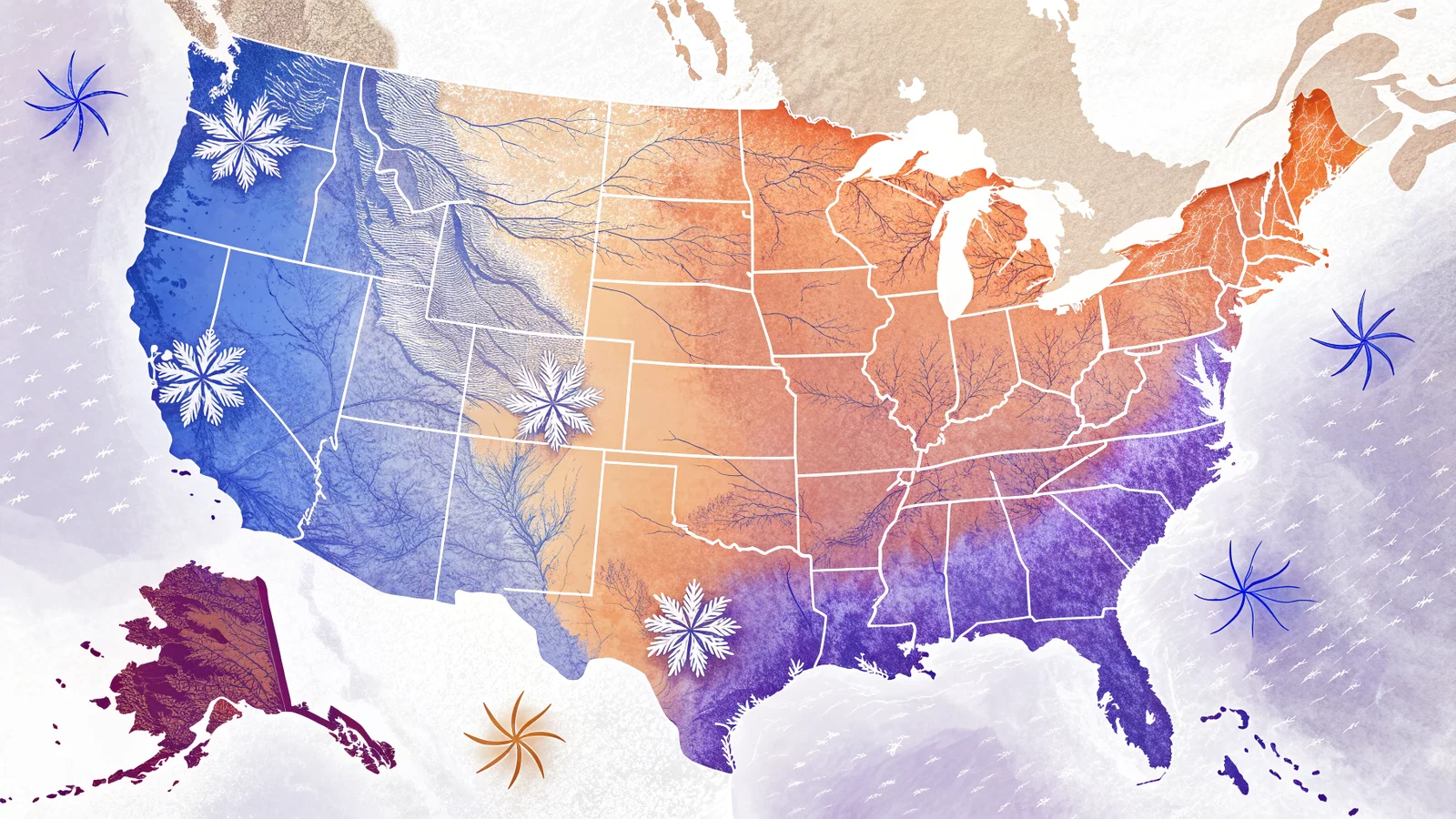
The ERAS data landscape is uneven. Specialties that fill early (orthopedics, plastics, dermatology) front-load invitations. Primary care and some internal medicine programs stretch later. Geography amplifies the difference. Northeast academic centers often run continuous review. Large Midwest systems prefer batch releases. West Coast programs historically synchronize more tightly around mid-November. Southern programs sit somewhere in between, with heavy early October activity in community-heavy fields.
Across all specialties the bulk of primary interview offers still lands between the first week of October and the last week of November. December and January are secondary markets driven by cancellations and rank-list recalculations. That is the macro truth. Everything else is regional flavor and specialty culture.
Evaluating your schedule against ERAS interview calendar timelines ensures you never miss a secondary wave invitation.
You cannot control when a program committee meets. You can control how you monitor, how you respond, and when you send targeted updates. The rest of this guide walks the calendar in order so you know exactly what "normal" looks like each phase.
Phase 1: The September Launch and October Initial Wave
Applications transmit in mid-to-late September. Some programs begin screening the same day. Others wait for the full packet and letters. The first real wave hits in early October.
Data consistently shows 15-25% of total interview invitations for many specialties go out in the first two weeks of October. These are the early-bird programs, often community-based or those with lighter application volumes. Holistic-review heavy specialties (psychiatry, some IM programs) move slower. They may still be reading personal statements while ortho programs are already filling December interview slots.
Regional split is sharp here. Southern and Midwestern community programs lean early. Northeast research powerhouses frequently hold until they have a critical mass of applications scored. West Coast academic centers are mixed but rarely the absolute first movers.
At this point you should set up daily inbox alerts and automated sorting to ensure zero missed scheduling links. Create a dedicated ERAS folder with rules that flag any email containing "interview," "invitation," or the program's domain. Check it twice a day, once at 7 a.m. and once at 5 p.m. local time for the program. Links disappear. I have seen applicants lose slots because they checked email only at night.
The chart above reflects aggregated October patterns across major specialties. Week 3 is usually the single busiest stretch of the entire early season. If your inbox is still quiet by October 20, that is information, not failure. It simply means your application is sitting in the holistic or later-batch pile for the regions you targeted.
Keep a simple tracker: date invited, program, region, response deadline. Do not rely on memory. October moves fast and the next phase moves faster.
Phase 2: The November Peak and Regional Divergences
November is the peak. Full stop. Most programs that use a rolling model have issued the majority of their offers by Thanksgiving. Synchronized-release programs drop large batches in a 72-hour window, often the second or third week of the month.
Regional bottlenecks appear clearly in the data. Northeast programs generate steady rolling invites from late October through mid-November; their volume never fully spikes because they never fully stop. Midwest systems prefer one or two large batches, commonly the last week of October and the second week of November. West Coast programs show the strongest synchronization: many release on or near the same mid-November dates, creating a sudden flood. Southern programs split the difference, strong early October, solid November, then quiet.
Distinguish the models early. Rolling programs will keep sending offers as long as interview slots remain. Synchronized programs essentially lock their list after the big drop. If you are waiting on a West Coast academic program and the third week of November passes with silence, the primary wave has likely closed.
At this point you should evaluate your invite-to-rejection ratio and plan strategic updates or geographic signals if necessary. Count real invitations versus polite rejections or pure silence. If you are heavy on one region and light on another, a short, specific letter of interest to programs still reviewing can help, especially if you can name a genuine geographic tie. Do not spam. One well-timed update in mid-November beats three generic ones.
I have watched applicants panic in early November because their dream Northeast programs had not moved while Midwest invites poured in. That is normal regional cadence, not a personal referendum. Adjust your mental model to the map, not the other way around.
Phase 3: December Trickles and January Scramble Realities
December starts with a holiday lull. Coordinators take time off. Committees pause. Invitation volume drops hard after the first week. Then cancellations begin. Applicants who over-interview or who match early in couples-match scenarios free slots. Programs quietly refill from their waitlists. These secondary waves are real and consistent year after year.
Late December offers tend to be short-fuse. January offers are even shorter. Both are legitimate. Programs still need to fill interview calendars and ultimately their rank lists. The applicants who stay organized and polite catch these.
Managing waitlists requires discipline. If a program told you that you are on the waitlist, a single brief check-in after New Year's is appropriate. Multiple emails are not. Keep your schedule flexible enough to accept a last-minute January interview without wrecking the rest of your calendar.
At this point you should protect your energy. The data shows the vast majority of primary invites are already out. Chasing ghosts in January rarely changes outcomes. Respond promptly to every real offer, keep your thank-you notes tight, and trust the longitudinal patterns rather than daily anxiety.
The season rewards calm persistence and strict adherence to communication protocols. Programs notice applicants who respect deadlines and who do not flood inboxes. They also notice the ones who stay available when a cancellation opens a slot in the second week of January.
Remember the core truths. Different regions operate on distinct historical release cadences rather than a uniform national standard. The vast majority of primary interview invites cluster heavily throughout October and November. Late-season cancellations in December and January consistently generate secondary waves of invitations for patient applicants.
Stay on the timeline. Execute the checklist for each phase. The data is clearer than the noise.