Match Day Anxiety: How Medical Students Can Stay Calm, Confident, and Prepared
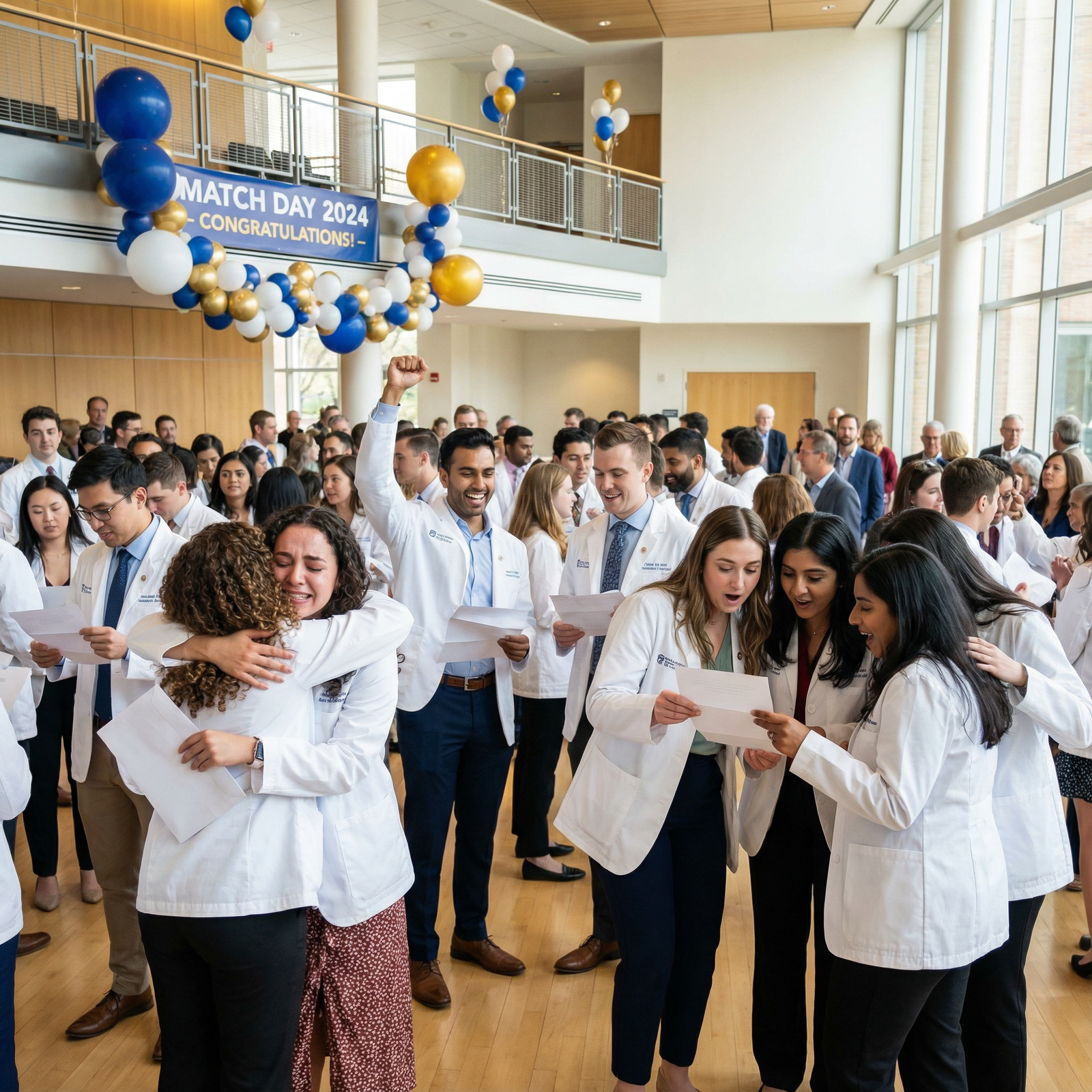
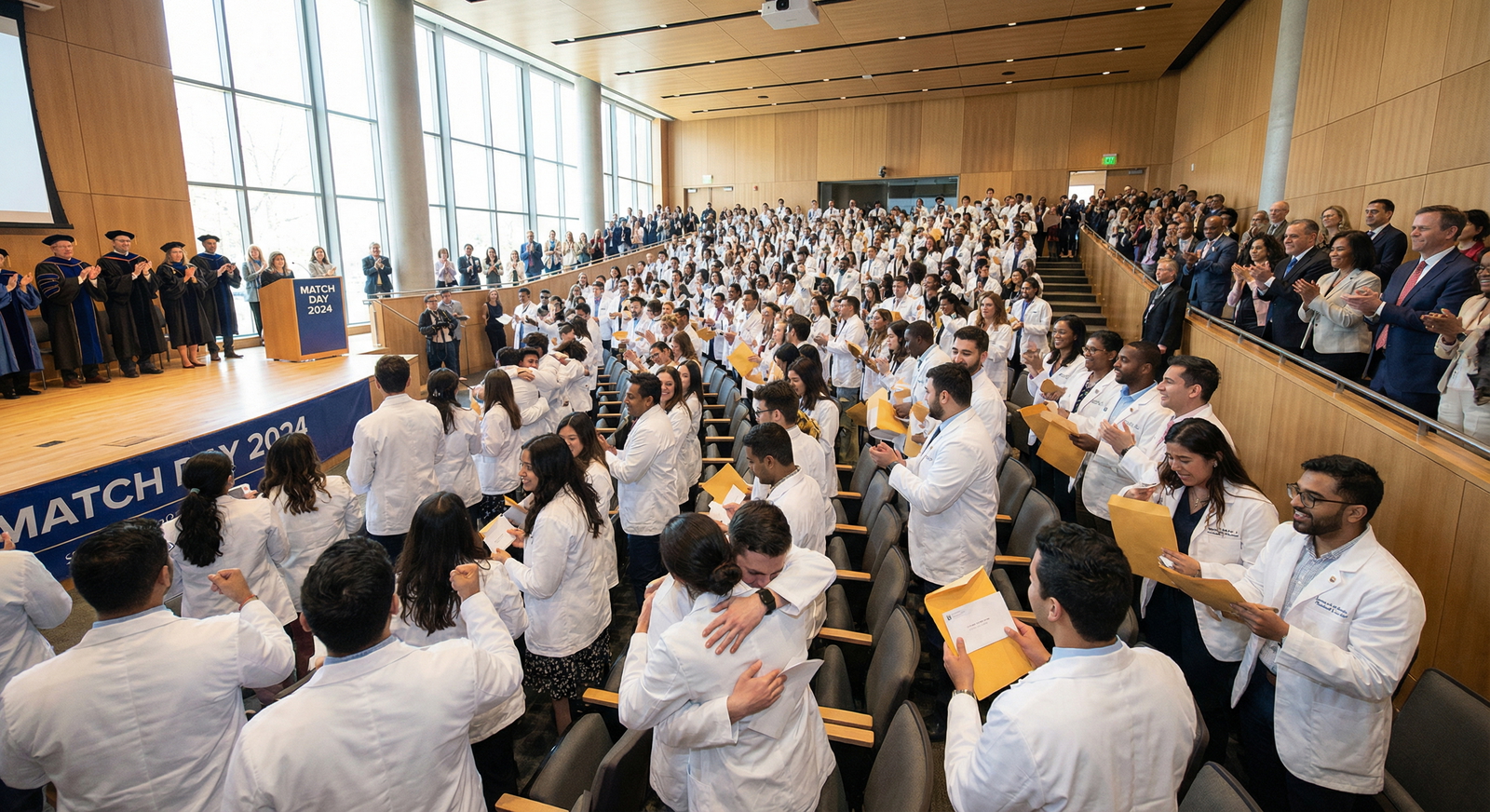
Match Day is one of the most emotionally intense milestones in medical training. Years of exams, rotations, personal sacrifice, and interviews compress into a single moment when you discover where you will train as a resident. Alongside excitement, many medical students experience profound anxiety, self-doubt, and fear about what that moment might bring.
Feeling this way does not mean you are weak or unprepared. It means you care deeply about your future and have invested a great deal in this outcome. The goal is not to eliminate anxiety—that’s unrealistic—but to manage it effectively so it doesn’t overwhelm you.
This guide walks you through evidence-informed Anxiety Management and Coping Strategies specifically tailored to Match Day. You’ll learn how to understand your stress response, use practical Mindfulness Techniques, maintain a healthy routine, leverage your support system, and plan for both positive and unexpected outcomes.
Understanding Match Day Anxiety in Medical Students
Why Match Day Feels So Overwhelming
Match Day anxiety comes from a combination of psychological, social, and structural factors. Understanding why you feel the way you do is the first step toward regaining a sense of control.
Key contributors include:
High Stakes and Identity Investment
- The Match commonly feels like a referendum on your worth as a future physician.
- Years of academic performance, research, and extracurricular efforts seem to hinge on one outcome.
- For many, where they match is tightly linked to identity, prestige, or long-term goals (e.g., fellowship aspirations).
Uncertainty and Lack of Control
- Unlike exams, you can’t “study harder” the night before Match Day.
- The process is opaque: you rank programs; programs rank you—but the algorithm and final results are out of your hands.
- Humans are wired to dislike uncertainty; medical students, in particular, are used to working harder to influence outcomes.
Comparison and Peer Pressure
- Group texts, social media, and hallway conversations amplify comparison.
- Hearing about “dream interviews,” top-tier programs, or couples matching can worsen your own worries.
- Observing others’ confidence (real or perceived) can heighten your self-doubt.
Catastrophic Thinking
- “If I don’t match at X, I’ll never get Y fellowship.”
- “If I don’t match this year, my career is over.”
- These all-or-nothing thoughts escalate anxiety and rarely reflect the broader reality of medical careers, which often follow non-linear paths.
Normalizing Your Emotions
Feeling anxious about Match Day is not a failure to cope—it is a normal response to a high-stakes, emotionally charged event.
Consider:
- Olympic athletes experience elevated heart rate, racing thoughts, and physical tension right before competition—yet still perform at a high level.
- Surgeons often feel a surge of adrenaline before complex cases—even with years of experience.
- You are experiencing a similar physiological stress response, not a personal weakness.
A helpful reframe:
Instead of “I’m falling apart,” try “My body is preparing me for something important. I can use this energy and still function effectively.”

Strategy 1: Prepare Intentionally—Before, During, and After Match Day
Preparation doesn’t change the algorithm, but it significantly changes your experience of Match Week and Match Day. A structured plan can reduce uncertainty, improve coping, and help you respond thoughtfully rather than react impulsively.
Know the Match Day Logistics
Spend 15–30 minutes reviewing:
- Official timelines from NRMP or your regional match authority
- How you’ll receive your result (email, online portal, envelope, or a combination)
- What happens on Monday of Match Week (Did I Match? vs. Where I Matched)
- What options exist if you don’t match (SOAP, supplemental processes, or reapplication)
When you know the process, you remove unnecessary “what if I missed something?” anxiety.
Create a Personal Match Day Game Plan
Ask yourself:
- Where do I want to be when I open my Match letter/email?
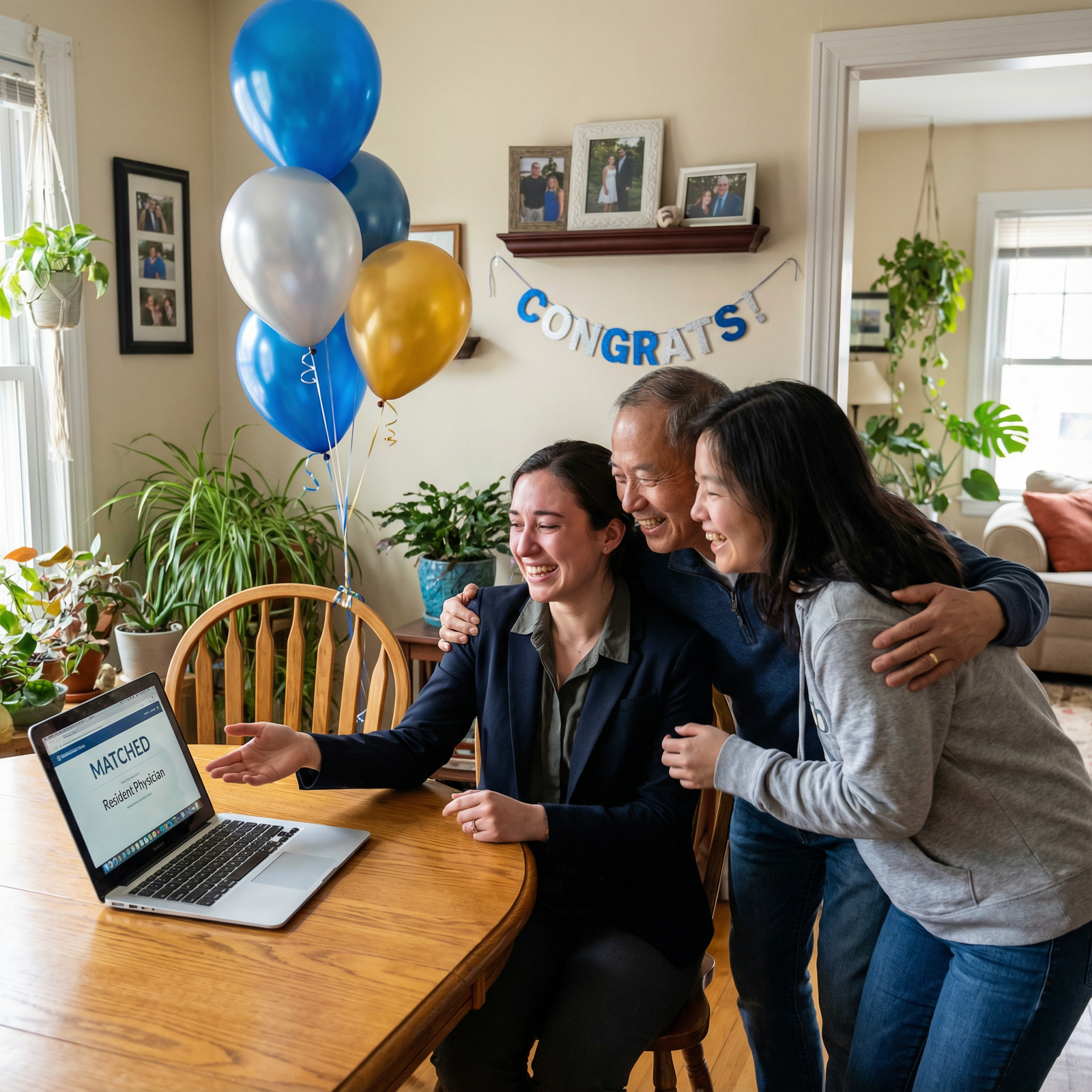
- Alone? With one close person? At the school ceremony? Virtually with family?
- Who do I want close by (physically or virtually)?
- How will I handle social media and group texts that day?
Draft a brief “Match Day blueprint”:
- Morning routine: e.g., light breakfast, 10 minutes of mindfulness, short walk.
- Result opening plan: time, location, and who’s present.
- Post-result plan: How you’ll share the news, who you’ll call, how you’ll spend the rest of the day.
Having this written down—even as bullet points—reduces moment-to-moment decision fatigue when emotions are high.
Prepare for Multiple Scenarios (Including Difficult Ones)
It’s emotionally protective to think through different possibilities before the day:
If I match at a top-choice program
- How will I celebrate?
- How do I share the news while being sensitive to classmates who may be struggling?
If I match, but not at my preferred program or region
- Who can help me reframe this (mentor, advisor, resident in that program)?
- What opportunities might this program still offer (fellowships, research, mentorship)?
- What will I tell myself about my journey and long-term goals?
If I don’t match (or partially match in a couples match scenario)
- Who will I contact immediately (student affairs, dean’s office, advisor)?
- What are the exact steps and deadlines for SOAP or alternative pathways?
- Which friends or family members can provide emotional support without pushing solutions too aggressively?
Having a “backup script” for each scenario is a powerful Coping Strategy that protects you from feeling paralyzed in the moment.
Strategy 2: Use Mindfulness Techniques and Brief Anxiety Management Tools
Mindfulness Techniques and other brief interventions are practical, evidence-based ways to manage acute anxiety surrounding the Match. These are not abstract concepts—they’re concrete tools you can use in minutes.
Fast Anxiety Management Tools You Can Use Anywhere
1. Box Breathing (4–4–4–4)
Use this when you feel your heart racing or thoughts spiraling:
- Inhale slowly through your nose for 4 seconds.
- Hold your breath for 4 seconds.
- Exhale gently through your mouth for 4 seconds.
- Hold again for 4 seconds.
Repeat for 4–6 cycles.
This technique is used by athletes and military personnel to quickly calm the nervous system.
2. 5–4–3–2–1 Grounding Exercise
When you feel detached or overwhelmed:
- Name 5 things you can see
- 4 things you can feel (e.g., chair under you, feet on the floor)
- 3 things you can hear
- 2 things you can smell
- 1 thing you can taste or are grateful for
Grounding brings you back to the present moment instead of letting your brain race into imagined futures.
3. Cognitive Reframing in 60 Seconds
When you catch yourself in catastrophic thinking:
- Notice the thought: “If I don’t match at X, my career is over.”
- Ask: “Is this 100% true?”
- Replace with a balanced thought: “Where I start residency matters, but it does not define my entire career. Many physicians take alternate paths and still thrive.”
Doing this consistently softens the emotional impact of unhelpful thoughts.
Building a Short Daily Mindfulness Routine Before Match Day
You don’t need to meditate for 30 minutes a day to benefit. Even 5–10 minutes daily can improve stress regulation.
Try:
App-guided meditation (e.g., Headspace, Calm, Insight Timer) with a focus on:
- anxiety
- uncertainty
- self-compassion
Mindful walking between tasks
- Leave your phone in your pocket.
- Notice your footsteps, breathing, and the environment.
- When your mind drifts to Match, gently bring it back to the present sensation of walking.
Two-minute pause ritual (before bed or after waking)
- Sit, close your eyes, feel your breathing.
- Name your current emotion (“I feel anxious and tired”).
- Tell yourself: “It’s understandable I feel this way. I’m doing my best to take care of myself.”
Strategy 3: Protect Your Physical Health to Protect Your Emotional Health
On the surface, Match Day anxiety is psychological—but your physical state deeply affects your resilience and coping capacity. Sleep deprivation, poor nutrition, and inactivity all magnify stress.
Optimize Sleep Hygiene in the Weeks Before Match Day
Even if you can’t sleep perfectly the night before, your overall sleep debt matters more than a single night.
- Aim for 7–8 hours per night in the week leading into Match Week.
- Try to keep a consistent bedtime and wake time, even on weekends.
- Reduce screen time 30–60 minutes before bed; use night mode/blue-light filters if needed.
- Consider a brief wind-down routine:
- Light stretching
- Reading (non-medical, non-Match-related)
- Short relaxation or body-scan audio
Avoid using alcohol as a sleep aid—it fragments sleep and worsens anxiety the next day.
Use Exercise as a Built-In Anxiety Release Valve
Physical activity is a powerful, underused Anxiety Management tool:
- Even 10–20 minutes of walking, yoga, or light cardio can release endorphins.
- Choose what feels sustainable:
- A quick run
- Home workout
- Climbing stairs
- Dance break in your apartment
- Schedule activity like an appointment:
- “20-minute walk after lunch”
- “15-minute yoga video before shower”
The goal is not fitness optimization—it’s stress regulation.
Support Your Brain with Thoughtful Nutrition
You don’t need a perfect diet, but you can avoid choices that worsen anxiety:
- Keep blood sugar stable: pair carbs with protein or healthy fat.
- Limit excessive caffeine, especially in the afternoon and evening. High doses of caffeine can mimic anxiety symptoms (palpitations, sweating, jitteriness), making it harder to interpret your body’s signals.
- Avoid extreme “stress eating” or complete restriction. Both can destabilize mood.
- Prepare simple, balanced options in advance during Match Week (e.g., yogurt and fruit, nuts, prepared salads, frozen veggies and lean protein).
By caring for your body, you make it easier for your mind to cope.
Strategy 4: Build and Use Your Support Network Intentionally
You don’t have to navigate Match Day alone. In fact, social support is one of the strongest predictors of resilience in high-stress situations.
Lean on Peers Who Truly Understand
Your classmates and fellow applicants share a unique perspective:
- Consider creating a small, trusted group chat for mutual support.
- Be honest if you need to mute or step away from large, high-intensity group threads.
- Normalize varied reactions:
- Some will want to talk constantly about the Match.
- Others will prefer not to discuss it at all.
Both are valid coping styles.
Engage Mentors and Faculty Early
Mentors can offer both practical guidance and perspective you can’t get from peers alone:
- Reach out before Match Week and say:
- “I’m finding myself anxious about Match Day—can I talk through possible outcomes with you?”
- Ask them:
- If they matched at their top choice
- How their career path evolved versus what they imagined as a student
- What they’ve seen in previous students who didn’t match at their ideal program
Hearing real-life, non-linear success stories can blunt the sense that one day will define your entire career.
Set Clear Boundaries with Family and Social Media
Not everyone in your life understands the Match process—or how vulnerable it can feel.
Consider:
Setting expectations with family/friends:
- “I may not respond right away on Match Day. I’ll reach out once I’ve had space to process.”
- “Please avoid asking me which program I wanted most; I’d like to focus on where I matched.”
Planning your social media strategy:
- Decide in advance: Will you post your result publicly? Wait a day? Not at all?
- Give yourself permission to limit scrolling to avoid comparison or emotional overload.
Prioritizing your mental well-being over others’ curiosity is not selfish—it’s healthy.

Strategy 5: Focus on What You Can Control—and Accept What You Can’t
A core source of Match Day anxiety is the feeling of lost control. You can’t influence rank lists anymore, but you can influence how you respond.
Identify Your “Circle of Control” vs. “Circle of Concern”
Try drawing two circles on paper:
- Inner circle: things you can control right now (sleep schedule, breathing, where you open your letter, which people you talk to, whether you exercise).
- Outer circle: things you care about but can’t control directly (final match result, others’ reactions, institutional decisions).
Whenever you feel overwhelmed, ask:
“Is this in my inner circle or outer circle?”
If it’s outer, gently redirect your energy to something within your control.
Channel Anxiety into Value-Driven Action
Instead of ruminating, take small actions aligned with your values:
- If you value connection: check in on a classmate who may also be anxious.
- If you value professionalism: draft a thoughtful email to mentors thanking them for their support, regardless of the outcome.
- If you value self-care: commit to a short walk or healthy meal prep.
Action gives shape to the anxiety and reduces helplessness.
Considering Professional Support
If anxiety is:
- Disrupting sleep long-term
- Triggering panic attacks
- Leading to persistent low mood, hopelessness, or thoughts of self-harm
- Interfering with your ability to study, work, or function day to day
then it’s important to seek professional help:
- Contact your school’s counseling center or student mental health service.
- Ask mentors or classmates for trusted therapist referrals.
- If you have a history of anxiety, depression, or trauma, proactively setting up support before Match Week can be especially helpful.
Seeking professional support is a sign of insight and responsibility, not weakness.
Strategy 6: Reframing Match Day in the Context of Your Whole Career
The Match feels like a finish line, but it’s truly a transition point in a much longer career.
Remember: Your First Residency Does Not Define Your Last Job
Many physicians:
- Change institutions after residency or fellowship
- Pivot specialties or focus areas within a field
- Build niche careers in education, advocacy, research, leadership, or global health regardless of where they initially trained
Program name and location matter, but they are only two of many variables shaping your eventual career.
Reflect on Your Journey, Not Just the Destination
Before Match Day, consider writing down:
- What you’re proud of from medical school (beyond grades and scores)
- Times you cared for patients meaningfully
- Personal challenges you overcame during training
- Skills and qualities you’ve built that no algorithm can quantify (compassion, resilience, communication, teamwork)
Re-reading this list on Match Day can protect your sense of self-worth if the result isn’t what you hoped.
Frequently Asked Questions About Match Day Anxiety and Coping
1. What should I do if I feel completely overwhelmed on Match Day?
- Pause and breathe: Use a brief technique like box breathing or the 5–4–3–2–1 grounding exercise.
- Change your environment: Step outside, move to a quieter room, or walk around the block.
- Reach out to one trusted person: A classmate, partner, family member, or mentor who knows you well.
- Delay big decisions: Avoid making major career or life decisions in the first hours after learning your result. Strong emotions can skew your thinking.
If you feel unable to function, are having panic-level symptoms, or have thoughts of harming yourself, seek immediate support from your school, local emergency services, or crisis resources.
2. How can I prepare emotionally for the possibility of not matching?
- Educate yourself about next steps (e.g., SOAP, reapplication timeline, research or preliminary year options). Knowing there is a structured pathway forward makes the scenario less terrifying.
- Talk to an advisor in advance about realistic backup options for your specialty.
- Connect with physicians who have taken nontraditional routes and gone on to successful careers.
- Remind yourself: Not matching is devastating in the moment but not career-ending. Many excellent physicians did not follow a “straight line” through the Match.
3. Are there specific mindfulness techniques best suited for Match Day anxiety?
Yes. Particularly helpful Mindfulness Techniques include:
- Short guided meditations (5–10 minutes) focused on anxiety, uncertainty, or acceptance.
- Body scan exercises to reduce physical tension.
- Breath-focused mindfulness: Spend 2–3 minutes simply noticing your breath and gently redirecting your mind when it wanders.
- Self-compassion exercises: Silently repeat phrases such as, “This is a moment of stress; stress is part of being human; may I be kind to myself in this moment.”
Choose techniques that feel natural; consistency matters more than duration.
4. When should I consider professional help for my anxiety around the Match?
Seek professional help if:
- Anxiety or panic symptoms persist for weeks or months
- You’re having trouble sleeping for more than a few nights in a row
- You avoid school, clinical responsibilities, or social connections because of anxiety
- You feel persistently hopeless, numb, or depressed
- You have any thoughts of self-harm, or feel that life is not worth living
Your school’s mental health services, primary care provider, or a local therapist can help you develop a tailored Anxiety Management plan.
5. How can I maintain a sense of calm as Match Day approaches, even if I’m naturally anxious?
- Build a simple routine: regular sleep, modest exercise, and basic meals can dramatically stabilize your baseline.
- Practice brief daily mindfulness: even 5 minutes of meditation or breathwork can improve your stress tolerance over time.
- Limit exposure to triggers: this might mean muting certain group chats, reducing social media, or setting boundaries around Match-related conversations.
- Stay connected: check in regularly with supportive peers, mentors, or loved ones. Isolation tends to magnify anxiety.
- Revisit your bigger picture: remind yourself that this is a meaningful day, but not the only important chapter in your medical career.
Match Day will always carry strong emotions—but it doesn’t have to be dominated by fear. By understanding the roots of your anxiety, planning thoughtfully, practicing concrete Coping Strategies and Mindfulness Techniques, and using your support network, you can approach this milestone with greater calm, clarity, and self-compassion.
However your Match turns out, your value as a future physician extends far beyond one email or envelope. Your dedication, integrity, and care for patients are what will ultimately define your career.