What to Do the Night Before Match Day: Last-Minute Rituals for Calm and Confidence
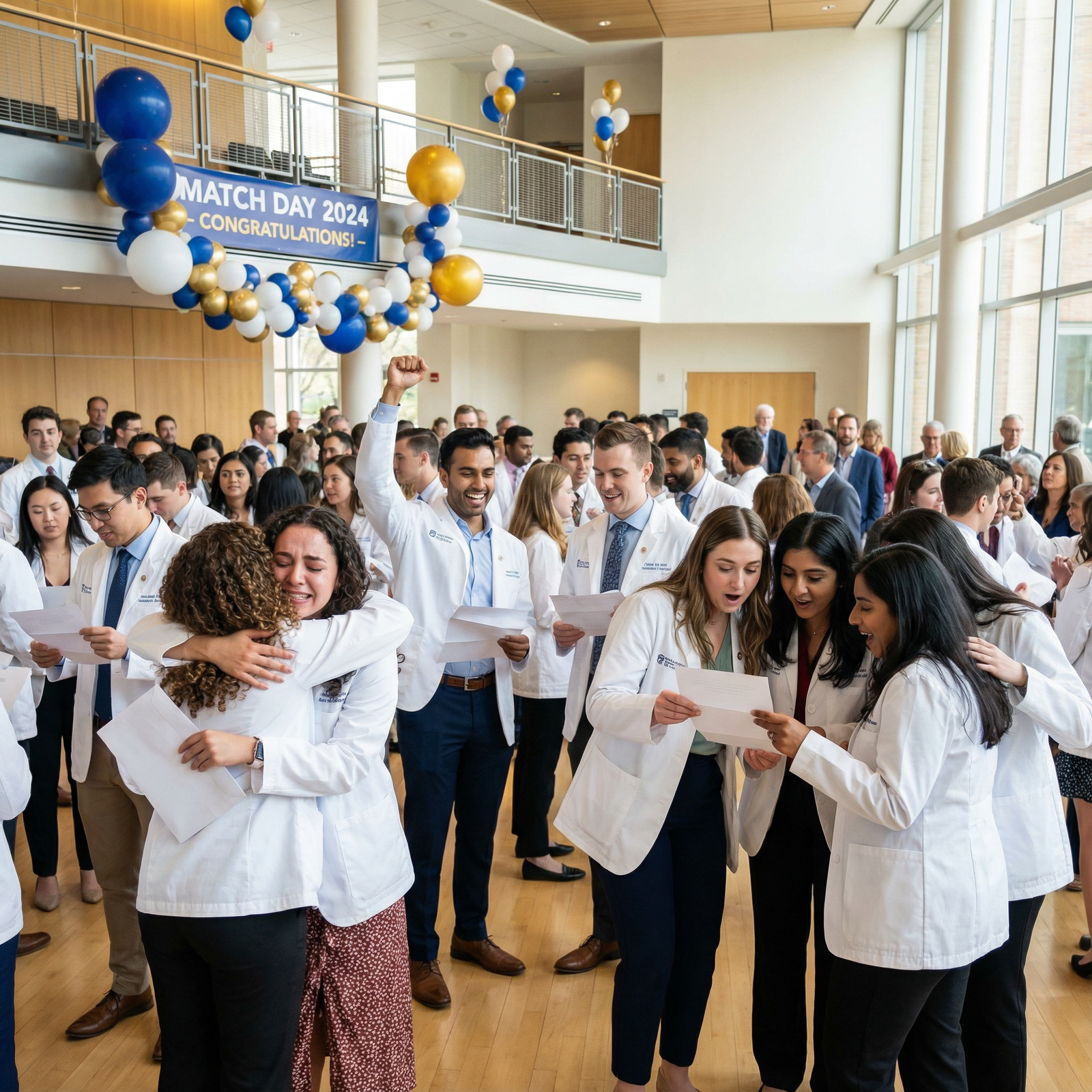
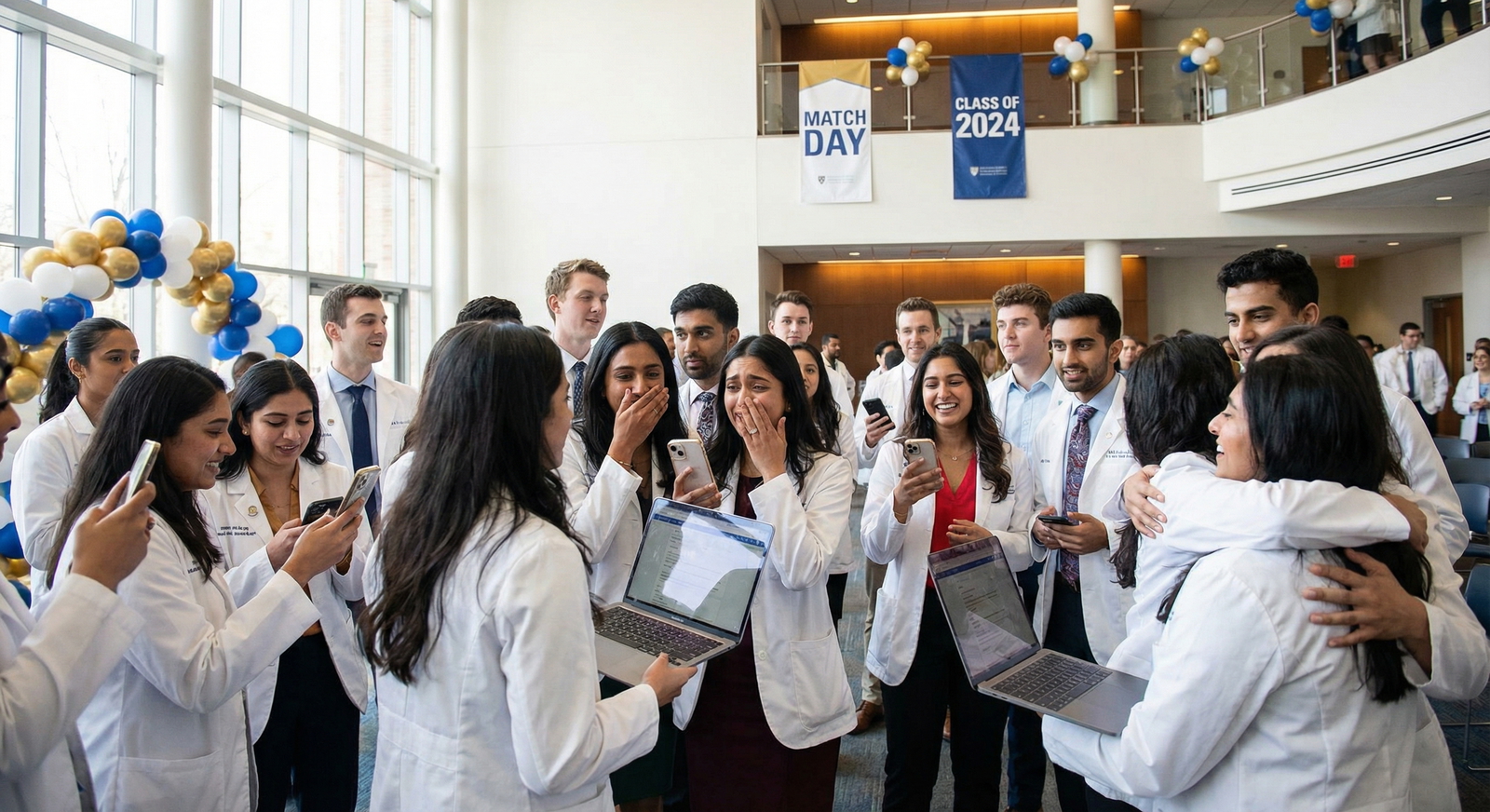
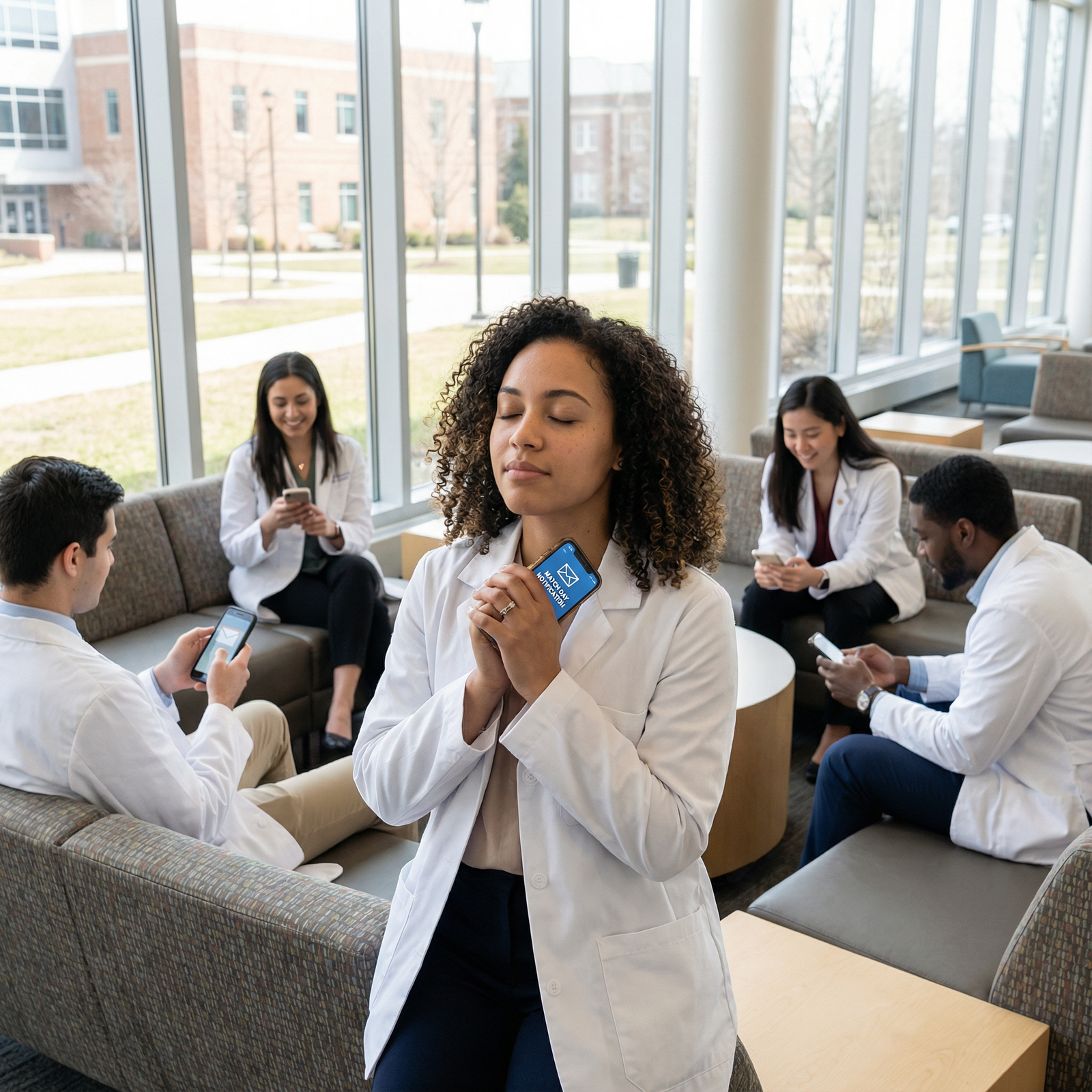
The night before Match Day is unlike almost any other evening in medical school. For medical graduates across the country, it’s the last pause before you learn where you’ll train, where you’ll live, and how your early career will unfold. Excitement, fear, pride, and uncertainty often collide all at once.
You’ve submitted your rank list. The algorithm has already run. At this point, nothing you do can change the outcome—but what you do can meaningfully change how you experience Match Day itself.
Thoughtful last-minute rituals, intentional self-care, and deliberate mental preparation can:
- Reduce anxiety and physical tension
- Help you sleep more deeply
- Put Match Day into perspective
- Position you to celebrate, cope, or pivot—whatever the envelope reveals
The goal isn’t to control tomorrow; it’s to care for yourself tonight so you can meet tomorrow with clarity, composure, and resilience.
1. Set the Stage: Create a Calm, Comfortable Environment
The environment you create the night before Match Day directly affects your nervous system. A cluttered, noisy, bright space feeds anxiety; a calm, organized environment sends your body the message that you are safe and prepared.
Curate a Soothing Atmosphere
Think of your space as your pre–Match Day recovery room. You’ve just come through months (or years) of interviews, personal statements, and rankings. Now is the time to let your brain and body downshift.
Consider:
Lighting
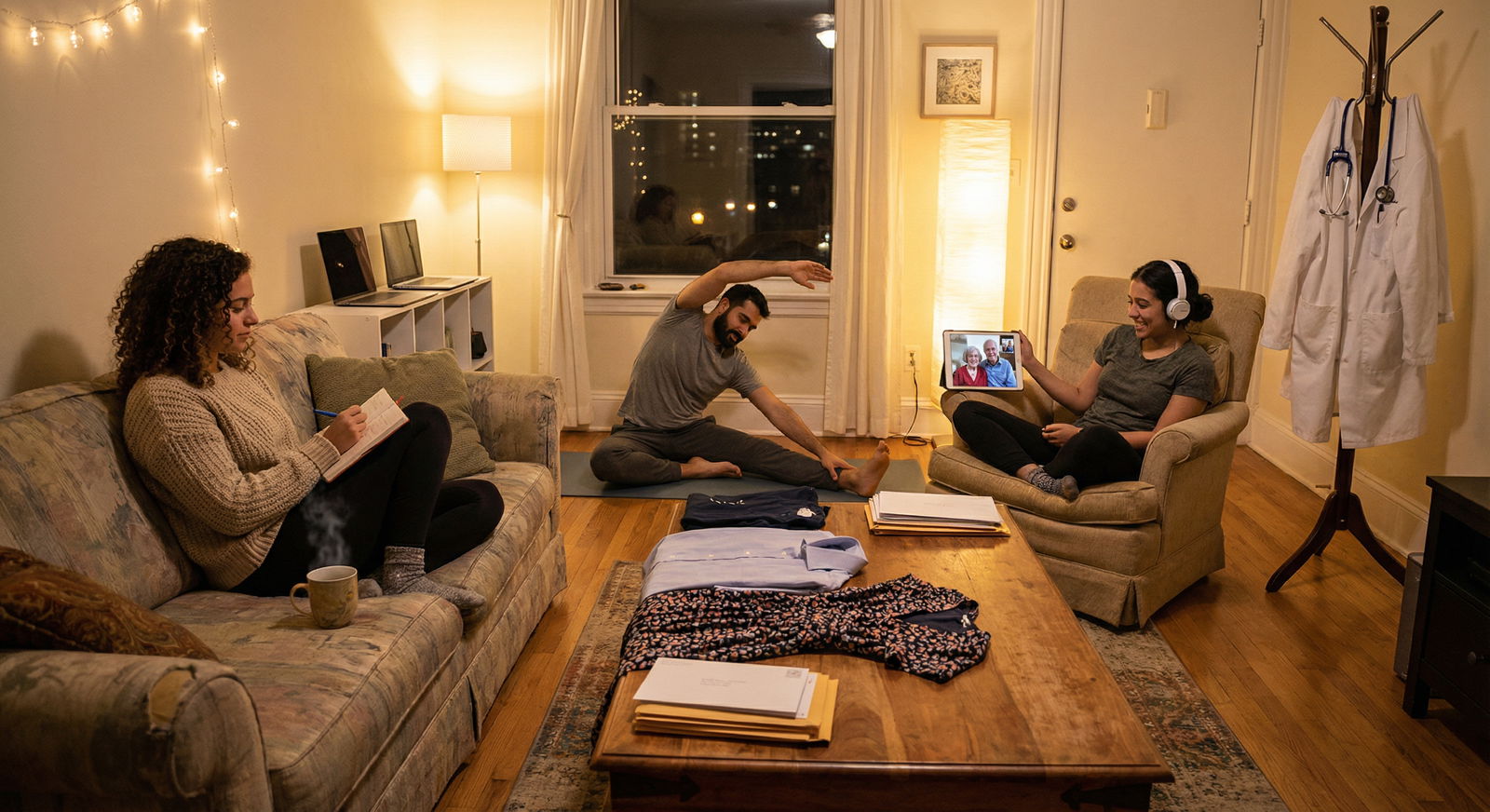
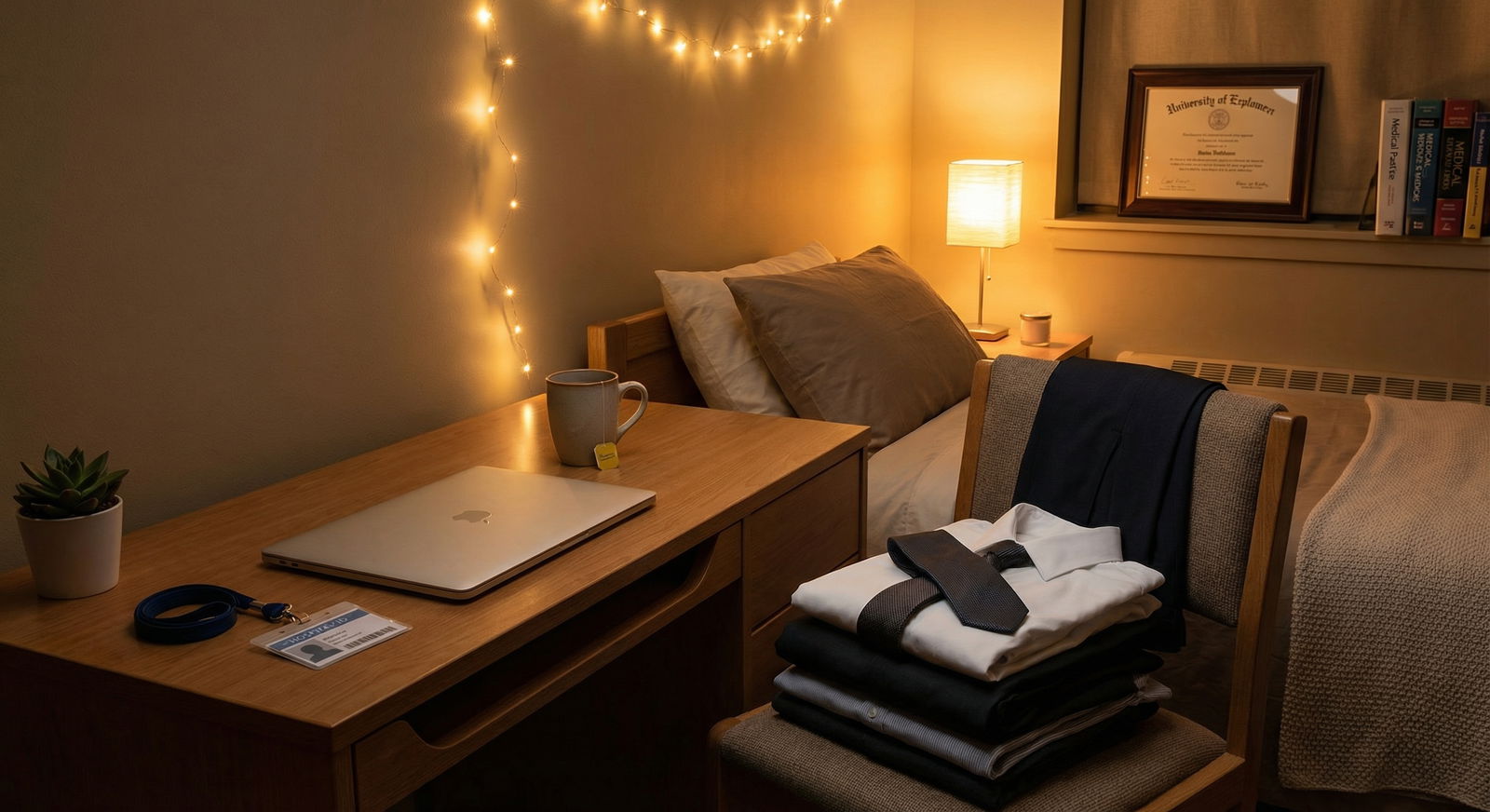
- Dim overhead lights and use warm lamps or string lights.
- Avoid harsh, bright white lighting that can increase alertness and stress.
Scent and sound
- Light a scented candle (lavender, chamomile, or eucalyptus are common calming options), or use an essential oil diffuser if you prefer.
- Play soft instrumental music, nature sounds, or white noise at low volume. Lyrics can sometimes increase cognitive stimulation.
Comfort items
- Bring out a favorite blanket, hoodie, or comfortable loungewear.
- Keep a glass of water or herbal tea close by to encourage slow, mindful sipping.
This isn’t about a Pinterest-perfect setup; it’s about signaling to your brain that the high-pressure phase is over and you’re allowed to rest.
Declutter and Organize with Intention
Physical clutter often echoes mental clutter. A short, focused tidy-up can do more for your anxiety than another hour of doom-scrolling Reddit.
Spend 10–20 minutes on:
Clearing application remnants
- Put away old interview notes, printouts, and sticky notes with program names and deadlines.
- File important documents in a folder or drawer rather than leaving them scattered.
Organizing essentials for Match Day
Prepare a small “Match Morning” station:- Wallet and ID
- Keys
- Phone, charger, and possibly a portable power bank
- Any schedule information for ceremonies, viewing parties, or events
- Public transportation card or parking pass if applicable
This simple organization gives you a sense of control and reduces the chance of last-minute scrambling in the morning.
2. Reflect, Don’t Ruminate: Constructive Final Review
The night before Match Day can tempt you into endless “what if” spirals. You might find yourself replaying interviews or second-guessing your rank list. While you can’t change the past, you can choose how you relate to it.
Revisit Your Specialty and Program Choices with Compassion
If you feel the urge to “review” your choices, keep it contained and intentional:
Set a time limit
Allow yourself 10–15 minutes, max, to briefly think about your top choices:- Recall what drew you to your specialty: the patient population, the procedures, the intellectual challenges, or the lifestyle.
- Remember specific moments that confirmed, “Yes, this is where I belong.”
Shift from doubt to affirmation
Instead of questioning your rank order, try:- Writing a few sentences that begin with “I chose…”
- “I chose this specialty because…”
- “I ranked this program highly because…”
- This reframes your decisions as thoughtful and values-based, rather than random or flawed.
- Writing a few sentences that begin with “I chose…”
Remind yourself: your list reflected your best judgment at the time, given the information you had. That is all anyone can ask of you.
Practice Positive Mental Rehearsal
Mental preparation can help regulate your emotions and reduce fear of the unknown.
Try this visualization exercise (5–7 minutes):
Get comfortable
Sit or lie down, close your eyes, and take 3–4 slow, deep breaths.Imagine Match Morning
- See yourself waking up, getting dressed, and heading to your ceremony or preparing to open your email.
- Visualize yourself breathing calmly, shoulders relaxed.
Visualize the moment of seeing your result
- Imagine yourself opening the envelope or email.
- Whatever the text says, see yourself staying grounded—taking a deep breath, absorbing the information, and responding with dignity and self-compassion.
Run multiple “scripts”
- Best-case scenario: You match at your top choice. Notice your joy and gratitude.
- Good but unexpected scenario: You match at a program you like but didn’t expect. Imagine curiosity and openness.
- Challenging scenario: It’s not the outcome you hoped for. Visualize yourself leaning on support, asking for guidance, and remembering your long-term goals.
The point isn’t to predict; it’s to rehearse staying steady no matter what. This is a powerful form of mental preparation and emotional resilience training.
3. Prioritize Self-Care: Support Your Body to Support Your Mind
Self-care is more than a buzzword tonight—it’s a performance strategy. Sleep, nutrition, and relaxation all influence how clearly you think and how emotionally flexible you feel on Match Day.
Nourish Yourself with Intentional Eating and Hydration
Use food as a tool to stabilize your mood and energy, not as a way to numb or overload your system.
Aim for:
Balanced, moderate dinner
- Include: complex carbohydrates (brown rice, whole grains, sweet potatoes), lean protein (chicken, fish, tofu, lentils), and healthy fats (avocado, nuts, olive oil).
- These support steady blood sugar and help you avoid a crash late in the evening.
Light evening snack (if hungry)
- Good options: Greek yogurt with berries, a banana with peanut butter, a small bowl of oatmeal, or a handful of nuts.
- Avoid large, heavy, greasy, or very spicy meals that may cause reflux or discomfort.
Hydration strategy
- Sip water or herbal tea (chamomile, peppermint) throughout the evening.
- Start tapering fluids 60–90 minutes before bedtime so you’re less likely to wake up repeatedly to use the bathroom.
Use caution with:
- Caffeine after mid-afternoon, especially if you’re sensitive to it.
- Alcohol, which might feel relaxing initially but disrupts sleep quality and can intensify anxiety or low mood by morning. Consider limiting to one drink, or skipping altogether tonight.
Use Relaxation Techniques to Calm Your Nervous System
Structured relaxation can shift your body from “fight-or-flight” to “rest-and-digest.”
Consider testing 1–2 of these options:
Controlled breathing (5–10 minutes)
Try the 4–7–8 method:- Inhale quietly through your nose for 4 seconds.
- Hold for 7 seconds.
- Exhale slowly through your mouth for 8 seconds.
Repeat 4–8 cycles.
Gentle stretching or yoga
- Focus on neck, shoulders, chest, and hips where anxiety often “lives.”
- A short restorative yoga or stretching video can help release physical tension.
Brief meditation
- Use a meditation app or simple timer for 5–10 minutes.
- Focus on your breath, or on silently repeating a calming phrase like, “I am prepared. I can handle what comes.”
Progressive muscle relaxation
- Starting at your feet and moving upward, tense each muscle group for ~5 seconds, then release for 10–15 seconds.
- Notice the difference between tension and relaxation.
Treat these exercises like you’d treat a clinical skill: practice them deliberately, even if they feel awkward at first.
4. Connect Intentionally: Loved Ones, Community, and Yourself
Match Day is deeply personal—but it’s also communal. You didn’t get here alone, and you won’t navigate tomorrow alone either.
Reach Out for Support (and Set Boundaries if Needed)
Talking to people who understand you can reduce the intensity of your worries and help you feel grounded.
Options include:
Family check-in
- A quick video call with parents, siblings, or other loved ones can offer reassurance.
- Share how you’re feeling, not just the logistics.
Friends and classmates
- You might organize a low-key group hangout (in person or virtual) to decompress, laugh, and reminisce.
- Or send a supportive group text: “Thinking of you all. Proud of how far we’ve come no matter what tomorrow says.”
Mentors or advisors
- If you’re particularly anxious about not matching or about specific outcomes, a brief email or call with a trusted mentor can be grounding.
- They can normalize your fears and remind you of your strengths.
At the same time, it’s okay to set boundaries:
- Let people know if you’re not up for long conversations.
- Tell close family when and how you’ll share your results so expectations are clear.
- If constant “Are you ready??” texts spike your anxiety, mute notifications temporarily.
Reflect on Your Journey and Identity Beyond Match Day
Match Day is important, but it’s not the sum total of your worth or potential. Use tonight to place this moment in context.
Consider a short reflection exercise:
- Write down:
- Three challenges you overcame during medical school (e.g., Step exams, a difficult rotation, personal setbacks).
- Three ways you’ve grown (clinical skills, empathy, leadership, resilience).
- Three things you’re proud of that have nothing to do with the Match (friendships you’ve built, communities you’ve served, hobbies you’ve kept alive).
You can also:
- Scroll through a few old photos from your first white coat ceremony or early rotations, noticing how far you’ve come.
- Reflect on specific patients or moments that confirmed you chose the right profession.
This kind of reflection reinforces a crucial truth: your value as a future physician is not determined by tomorrow’s email.
5. Prepare Logistically for Match Morning
Beyond your mindset and self-care, a few simple rituals can remove morning stress and free you to focus on the experience itself.
Choose Your Match Day Outfit in Advance
What you wear won’t change the Match—but it can shape how you feel.
Aim for “confident and comfortable”
- Whether you’re attending a formal ceremony or opening your email at home, pick clothes you feel like yourself in.
- Many medical graduates choose business casual or “smart casual.”
Consider the setting
- If your school has a ceremony, check any dress expectations.
- If you’ll be on camera (livestreams, photos), pick something you’re comfortable being photographed in.
Lay it all out
- Clothes, shoes, accessories, socks, jewelry, and any special items (like a lucky pin or gift from a mentor).
Eliminating small decisions reduces cognitive load in the morning.
- Clothes, shoes, accessories, socks, jewelry, and any special items (like a lucky pin or gift from a mentor).
Pack a Simple Match Day “Go-Bag”
Even if you’re planning to open results at home, think through your post-announcement plans:
Essentials
- Phone and charger
- Lightweight jacket or sweater
- Wallet, ID, and keys
Comfort/support items
- Water bottle
- Non-messy snacks (granola bar, nuts, fruit)
- Tissues
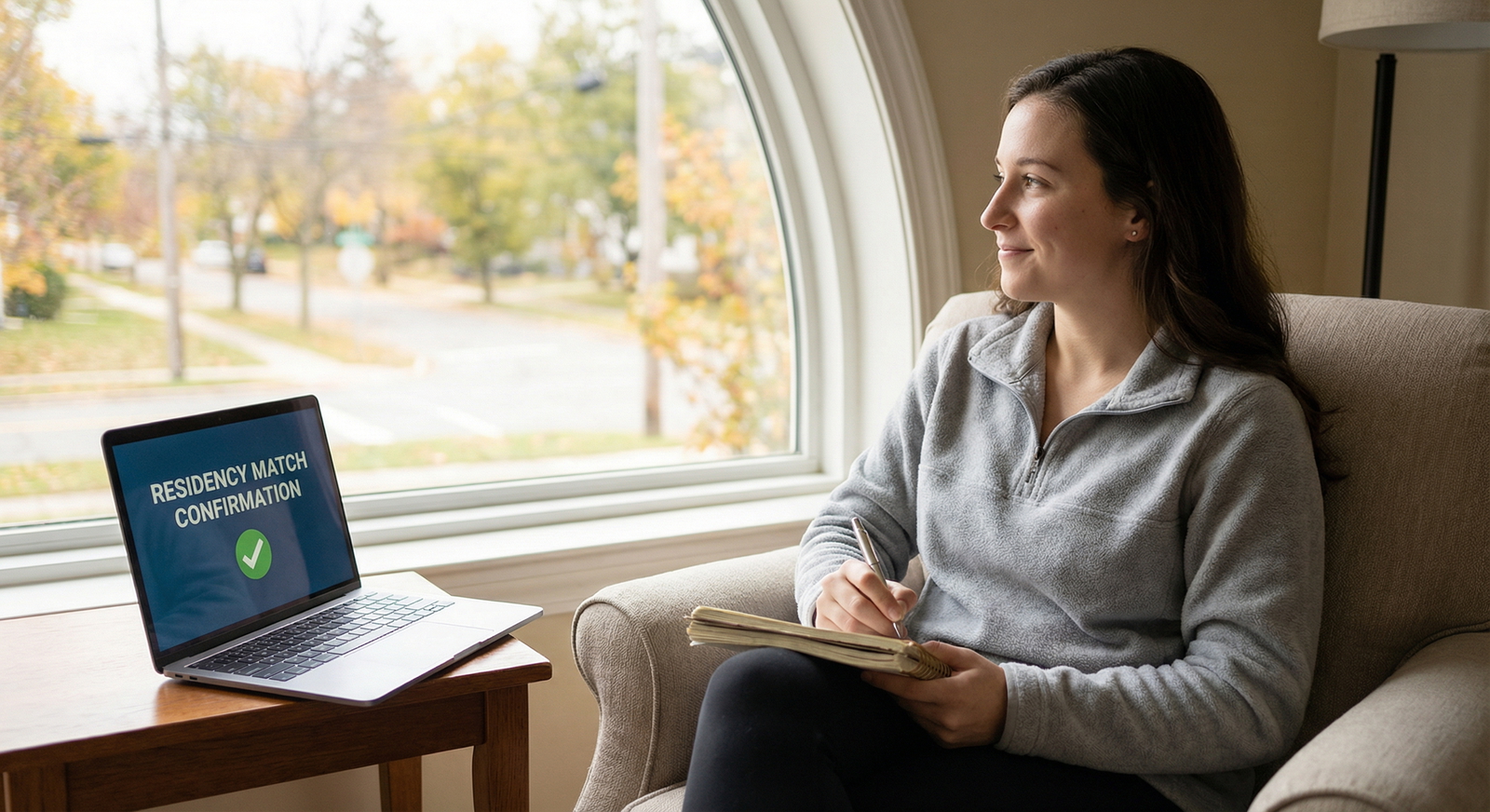
- A small notebook or the Notes app on your phone to jot down thoughts, program details, or next steps if things don’t go as planned.
Celebration or coping plan
- If celebrating: have a rough idea of where/when, and who you’ll invite.
- If you’re anxious about a disappointing outcome: identify one supportive person you’ll contact and one grounding activity (a walk, a quiet meal, a call with a mentor).
Knowing you’ve thought through multiple possibilities can actually reduce anxiety and increase your sense of preparedness.
6. Protect Your Sleep: Wind-Down Rituals and Sleep Hygiene
Quality sleep is one of the most powerful forms of self-care and mental preparation you can give yourself on Match Eve. Even if you can’t fall asleep as early as you’d like, you can still increase your chances of getting restorative rest.

Establish a Calming Wind-Down Routine
Your body responds well to cues and consistency.
Try to begin your wind-down routine 30–60 minutes before your target bedtime:
Digital sunset
- Turn off email notifications and avoid checking Match-related messages or social media in this window.
- Consider physically placing your phone across the room.
Choose one quiet activity
- Reading (non-medical, ideally fiction or something light)
- Taking a warm shower or bath
- Gentle stretching
- Listening to a relaxing podcast or audiobook (set a sleep timer)
Journaling or “brain dump”
- Spend 5–10 minutes writing down anything on your mind: fears, hopes, to-dos for tomorrow.
- Once it’s on paper, give yourself permission not to solve it tonight.
Limit Screen Time and Blue Light Exposure
Screens stimulate your brain and suppress melatonin, making it harder to fall asleep.
If you must use a device:
- Use blue light filters or “night mode.”
- Avoid emotionally charged content (Match hashtags, comparison-heavy posts, heated discussions).
- Set a hard cutoff time and stick to it as you would a clinical protocol.
Optimize Your Sleep Environment
Treat your bedroom like a sleep lab designed for rest:
- Temperature: Slightly cool (around 65–68°F / 18–20°C) is ideal for many people.
- Light: Use blackout curtains or an eye mask if needed.
- Noise: White noise, a fan, or quiet background sounds can mask disruptive noises.
- Comfort: Adjust pillows, blankets, and sleepwear so you’re physically relaxed.
If you’re lying awake:
- Avoid staring at the clock—this usually increases stress.
- If you can’t sleep after ~20 minutes, get up and do a quiet, low-light activity (reading, stretching) until you feel sleepy again, then return to bed.
Even if your sleep isn’t perfect, protecting this time and space is an important act of self-respect and preparation.
7. Reframing Match Day: Mental Preparation for Any Outcome
Underneath all the practical steps lies one central mental shift: Match Day is a milestone, not a final verdict on your worth or future.
Remember What the Match Can—and Cannot—Decide
Match Day does influence:
- Where you’ll train for the next several years
- Who your early mentors and colleagues will be
- Some aspects of your schedule, case mix, and geographic location
Match Day does not determine:
- Your ultimate clinical abilities
- Your capacity for compassion, leadership, or innovation
- Whether you can change specialties later (many physicians do)
- Your long-term career satisfaction or impact on patients
Physicians reach fulfilling, successful careers through all sorts of paths—including SOAP, reapplying, switching specialties, and unexpected program placements.
Create a Personalized Match Day Mantra
Consider choosing a short phrase to remind yourself of your perspective tomorrow. For example:
- “Wherever I match, I will show up fully for my patients.”
- “This is one step in a long career, not the final word.”
- “I can handle good news or hard news with courage and support.”
Write it on a sticky note, in your phone, or on a card you keep in your pocket. When your anxiety spikes, return to this phrase.
FAQ: Night-Before Match Day Questions, Answered
1. What should I avoid doing the night before Match Day?
Try to avoid:
- Heavy, greasy, or very late meals that might disrupt sleep
- Excessive caffeine intake in the afternoon or evening
- Alcohol in amounts that could impair sleep quality or judgment
- Endless social media scrolling, especially Match-related discussions that trigger comparisons
- Last-minute attempts to “research” programs or rehash your rank list—those decisions are already final and revisiting them tends to increase anxiety
Instead, focus on actionable Self-Care, calming rituals, and connection with trusted people.
2. How can I reframe my anxiety about the Match into something more manageable?
Anxiety often stems from trying to control the uncontrollable. To reframe it:
- Acknowledge: “It makes sense that I feel anxious. This is a big transition.”
- Shift focus from outcome to process: remember the effort, resilience, and integrity you brought to medical school and the application cycle.
- Normalize: thousands of medical graduates across the country feel similarly tonight—you’re not alone.
- Recast this moment as one step in a long professional journey rather than a final judgment.
- Use mental rehearsal: visualize handling any outcome with composure, asking for help when needed, and taking the next right step.
3. What if I don’t receive the results I hoped for—or if I don’t match at all?
If tomorrow’s outcome is disappointing:
- Give yourself permission to fully feel your emotions: sadness, anger, confusion, or grief. These are normal.
- Reach out quickly to supportive people (friends, family, mentors) rather than withdrawing.
- If you didn’t match, connect with your school’s advising office or career services immediately—they’re experienced in guiding SOAP and reapplication.
- Remember: many excellent physicians have taken non-linear paths. Matching lower on your list, going through SOAP, or reapplying does not end your career; it alters the route, not the destination.
- After the initial emotion settles, focus on concrete next steps with guidance from mentors or program directors.
4. How can I improve my sleep quality the night before Match Day despite my nerves?
You may not sleep perfectly, but you can improve your chances by:
- Setting a consistent bedtime and wake-up time
- Avoiding screens and stimulating content in the hour before bed
- Creating a relaxing wind-down routine (reading, stretching, breathing exercises, or a warm shower)
- Keeping your bedroom cool, dark, and quiet
- Limiting caffeine after mid-afternoon and large meals or alcohol close to bedtime
- Using relaxation techniques in bed (breathwork, body scan, or progressive muscle relaxation)
Even if you wake up during the night, staying in a calm, dark environment and returning to these techniques still benefits your rest.
5. Are “rituals” actually helpful, or are they just superstition?
Rituals can be helpful when they:
- Provide structure and predictability during uncertain times
- Signal to your brain and body that it’s time to shift gears (work → rest, anxiety → reflection)
- Anchor you to values and identity beyond the outcome (e.g., gratitude rituals, reflection on your journey)
They become unhelpful when they’re rooted in magical thinking (“If I wear this, I will get my top choice”) or when breaking them intensifies guilt or fear. Focus on rituals that support Self-Care, mental preparation, and connection rather than trying to control the algorithm.
The night before Match Day is a rare pause—an invitation to step back, breathe, and acknowledge how far you’ve come. By intentionally shaping your environment, practicing grounding rituals, prioritizing rest, and preparing emotionally for multiple outcomes, you’re not just getting ready for a single morning.
You’re building the skills of resilience, perspective, and Self-Care that will serve you throughout residency and the rest of your medical career—no matter where you match.