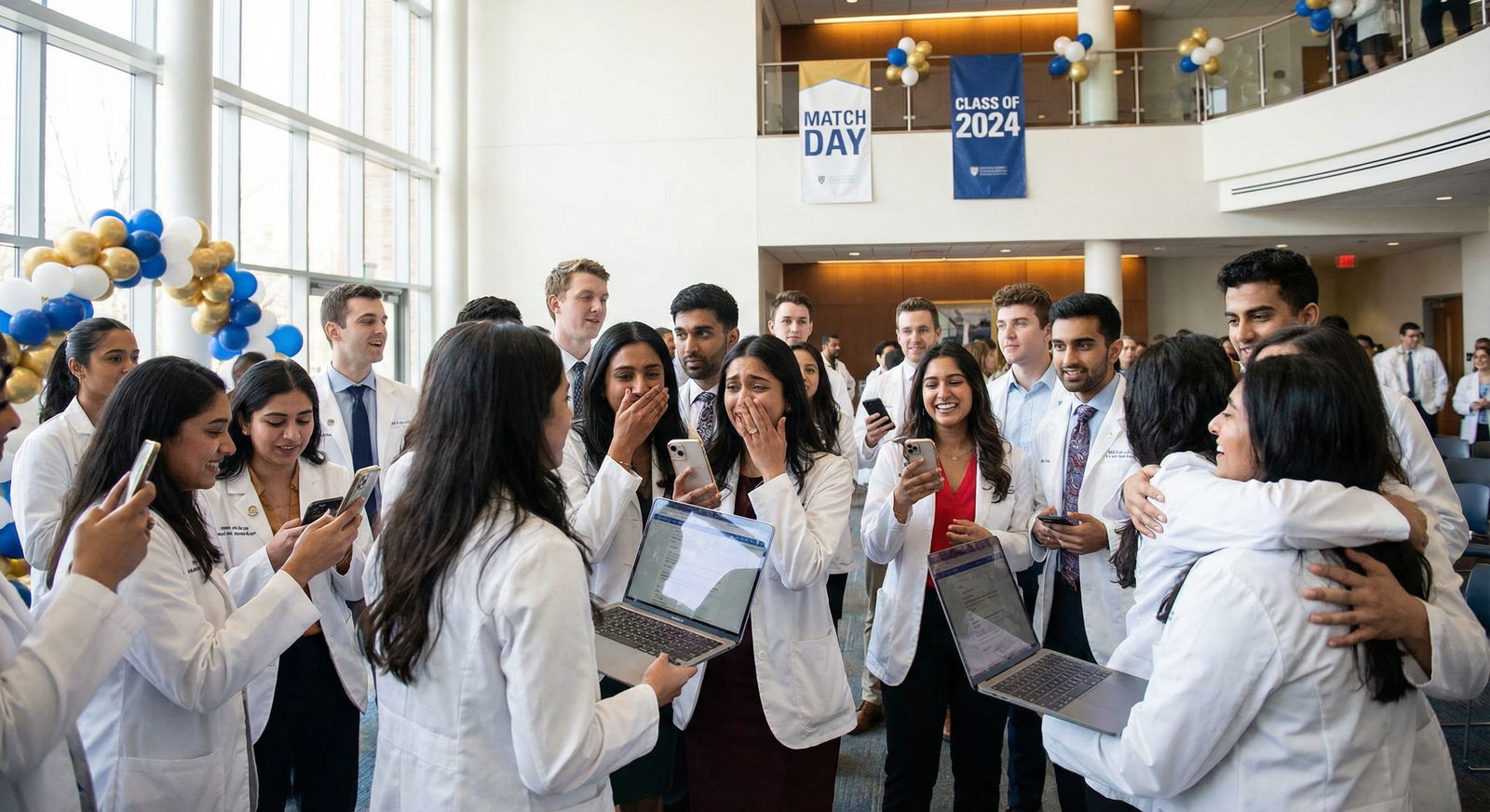
How to Plan Your Day Around Residency Match Day: A Winning Strategy
Match Day doesn’t just reveal your residency destination—it marks a major career transition and an emotional turning point. Years of training, board exams, clinical rotations, and personal sacrifices all converge on a single moment. That combination makes Match Day both exhilarating and intensely stressful.
Thoughtful planning can transform the day from chaotic and anxiety-ridden into meaningful, memorable, and manageable. Instead of feeling swept away by events, you can approach Match Day with a calm, intentional strategy that supports your mental health, relationships, and professional next steps.
This guide breaks down how to structure the days leading up to Match Day, how to navigate the big reveal, and how to set yourself up for a smoother transition into medical residency—with a strong focus on anxiety management, career transition, and practical planning strategies.
Understanding Match Day and Its Emotional Impact
Match Day, typically held in March and orchestrated by the National Resident Matching Program (NRMP), is when graduating medical students and some international graduates learn where they will complete their residency training. The match outcome influences not only your specialty and training environment, but often your geography, social life, and family planning for years to come.
What Actually Happens on Match Day
- Timing: Most U.S. schools host a Match Day ceremony around noon local time. At the same time, students receive official confirmation of their residency placement via email or through their school’s envelopes.
- Communication: You’ll receive the name of the institution and the program where you matched, including specialty and location.
- Context: By Match Day, you already know from “Match Week Monday” whether you matched or not. Match Day tells you where you matched.
Emotional Reality: Why This Day Feels So Big
Even when you intellectually know that one day doesn’t define your career, Match Day can feel like a verdict on your work, worth, and future. It’s normal to experience:
- A mix of excitement and dread
- Performance-style anxiety (“Did I do enough?”)
- Pressure from expectations—your own and those of family, mentors, and peers
- Comparison stress, especially if classmates are vocal about “top” programs or locations
A key part of anxiety management on Match Day is normalizing these reactions. Nearly everyone feels heightened emotions; the difference between a miserable and a meaningful day often comes down to how you plan and prepare.
Preparing in the Days Leading up to Match Day
Deliberate planning before Match Day reduces last-minute decisions and emotional overload. Think of this phase as designing your ideal Match Day environment—mentally, socially, and logistically.
1. Review Your Journey and Application
You don’t need to rehash every line of your ERAS application, but a brief review can help ground you.
- Revisit your personal statement and CV. Remind yourself of your “why” and the strengths that got you here.
- Skim your rank list (mentally or on paper). Recall what you liked about your top programs—location, culture, training style, or patient population.
- Reflect on growth. Think about how much you’ve developed clinically and personally over the last few years, independent of Match results.
This is less about reanalyzing your choices and more about restoring perspective and confidence ahead of Match Day.
2. Build Your Support System Intentionally
Who you surround yourself with—and how—makes a major difference in how you experience the day.
Decide Who You Want Around You
- In-person support: Classmates, close friends, family members, partners, or even a trusted attending or mentor.
- Virtual support: Family or friends out of town, mentors via text or video call.
You might choose:
- A large group setting (school ceremony, class watch party) if you gain energy from community.
- A smaller, more private setting if you’re more introverted or worried about managing emotions in public.
Both are valid. The key is choosing deliberately, not by default.
Communicate Expectations Ahead of Time
Let your support people know:
- How you expect to feel (“I may cry either way.”)
- How you’d like them to respond (cheer loudly, speak quietly, give you a hug, give you space, etc.)
- When you plan to share the news more widely (immediately vs. later in the day)
This decreases awkwardness and prevents you from having to manage others’ reactions in the moment.
3. Plan Your Match Day Schedule in Advance
Design a structure that supports your emotional health and minimizes decision fatigue. Think of your day in phases.
- Morning: Grounding and calm
- Late morning: Social connection and distraction
- Noon: The big reveal
- Afternoon: Processing, sharing, logistics
- Evening: Celebration, reflection, or both
Write your plan down or add it to your calendar. Having a framework makes the day feel more contained and predictable.

Structuring Your Match Day Morning: Calm, Not Chaos
The hours before you open your Match email can feel endless. A structured morning helps you manage anticipatory anxiety and show up as your best self for the big moment.
4. Start the Morning Intentionally
Wake Up Earlier Than You Think You Need
Give yourself at least 1–2 hours before any official ceremony or reveal time. This allows:
- A relaxed morning routine
- Time for unexpected delays (technology issues, outfit mishaps)
- Space for grounding before social interactions
Eat a Grounding, Satisfying Breakfast
Your brain and body will be under emotional strain—fuel them well.
- Aim for protein + complex carbs + healthy fats (e.g., eggs with whole-grain toast and avocado; Greek yogurt with nuts and fruit; oatmeal with nut butter).
- Avoid excessive caffeine if it worsens your anxiety or causes jitters.
- Hydrate steadily—dehydration can worsen feeling lightheaded, especially under stress.
5. Incorporate Anxiety Management into Your Routine
Even five minutes of intentional calm can lower your baseline stress for the day.
Options include:
- Brief meditation or mindfulness
Apps like Headspace, Calm, Insight Timer, or simple breath counting (inhale 4, exhale 6) can be enough. - Light movement
A short walk outside, gentle stretching, or yoga to release physical tension. - Journaling prompts
- “No matter what happens today, I am proud of myself for…”
- “Residency is one step in a long career. In the long run, I want to be a physician who…”
Integrating anxiety management early sets the tone for the rest of your Match Day.
6. Dress with Intention: Comfortable, Confident, Camera-Ready
You don’t need a formal suit unless your school ceremony suggests it, but think about:
- What will you feel good being photographed in?
- What feels like “you” while still looking professional or polished?
- Will you be indoors or outdoors? Dress accordingly.
Photos from Match Day often become important keepsakes for you and your family. Dressing intentionally can help you feel composed and confident.
Technology, Logistics, and Social Planning for Match Day
7. Do a Tech and Logistics Check
You do not want a dead phone or poor Wi-Fi at noon.
- Charge all devices fully (phone, laptop, tablet, smartwatch).
- Check your email access. Make sure you can log in from at least two devices.
- Turn off auto-filters or spam settings that might misdirect your NRMP email.
- Know the exact release time and your time zone.
If your school has an official ceremony:
- Confirm where and when you need to arrive.
- Know how results will be distributed (email only, envelopes, both).
8. Decide How and When You’ll Share Your News
You don’t need to tell everyone immediately. Create a brief sharing plan:
Inner Circle (Immediate)
- Partner, parents, closest friends, key mentors
- Decide: phone call, FaceTime, group text, or in-person reveal
Wider Circle (Later in the Day)
- Class group chats, extended family, social media
- Consider writing a draft message for social media that you can edit quickly once you know your result.
Having a plan reduces pressure in the emotional aftermath of reading your result.
9. Build in Healthy Distractions Before the Reveal
Constantly refreshing your inbox will only magnify anxiety. Plan activities that keep you moderately engaged but not overstimulated:
- Coffee or breakfast with classmates
- Short walk or light exercise
- Listening to a favorite podcast or playlist
- Brief TV episode or casual game
Aim for activities that:
- Don’t require deep concentration
- Can be easily paused or stopped
- Don’t emotionally drain you
Navigating the Big Reveal: During Announcement Time
When it’s finally time to open your Match email or envelope, your heart rate is likely to skyrocket. That’s normal. You can still create structure around this intense moment.
10. Manage the Last 10 Minutes Before the Email
As the reveal time approaches:
- Move to where you want to be physically when you find out (ceremony, apartment, mentor’s office, etc.).
- Take 3–5 slow, deliberate breaths before checking your device.
- If you’re in a public setting, decide:
- Will you open it with others or step aside for privacy?
- Are you okay being photographed/videos while opening? (If not, ask friends not to record.)
Creating even a small boundary around this moment can help you feel more in control.
11. Opening and Processing Your Match Results
When the email arrives:
- Pause for a breath before clicking.
- Open the email and read the text fully, not just the program name.
- Let your emotional reaction be whatever it is—joy, tears, shock, numbness—all are valid.
You might experience:
- Immediate elation
- Relief more than excitement
- Disappointment or grief
- Mixed feelings (excited about specialty, unsure about location, etc.)
Give yourself a few quiet moments, if possible, before shifting into sharing mode.
12. Sharing the News with Your Support System
Once you’re ready:
- If you’re with classmates, decide if you want to say it out loud, show your phone, or step outside to call family first.
- If you’re alone, consider calling or video chatting someone from your inner circle before posting online.
Whether celebrating a dream match or processing unexpected news, supportive conversations can help regulate emotions and prevent you from feeling isolated—one of the best anxiety management tools you have on Match Day.
After the Announcement: Celebration, Reflection, and Next Steps
The hours after the reveal are just as important as the moment itself. This is where you start shifting from “results” to “career transition.”
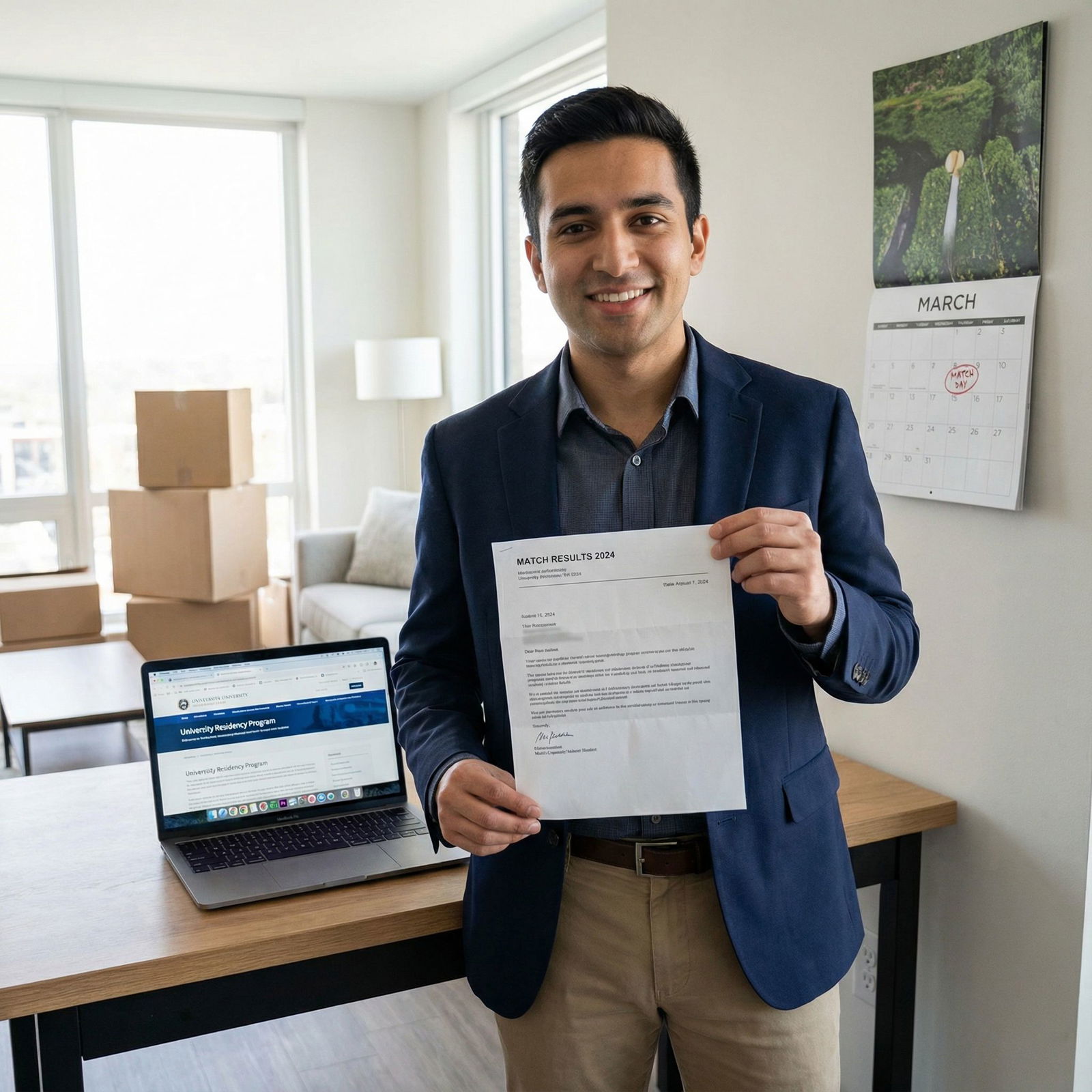
13. If You Matched Where You Hoped: Celebrate Intentionally
If you matched at or near the top of your list, let yourself fully enjoy it.
Possible ways to celebrate:
- Match Day lunch or dinner with classmates or loved ones
- Small gathering at home after the ceremony
- Treating yourself to a favorite activity (museum, hiking, spa day, sports event)
- Taking photos or writing a short note to your future self about how you feel today
Remember: You earned this. Let yourself experience the joy without guilt.
14. If You Have Mixed or Difficult Feelings: Allow Space and Support
Even when you match, your feelings might be complicated:
- Happy about the specialty but uncertain about location
- Grieving being far from family or partners
- Feeling like you “should” be happier than you are
If you feel disappointed or upset:
- Give yourself permission to step away from loud celebrations.
- Reach out to someone who can listen without judgment—a mentor, counselor, trusted friend, or partner.
- Avoid comparative thinking (“Everyone else seems happier than me”) or doom narratives (“My career is ruined”)—neither is accurate or helpful.
If you didn’t match or had to go through the Supplemental Offer and Acceptance Program (SOAP), remember: many outstanding physicians have followed nonlinear paths. Talk with your dean’s office, mentors, or advisors as soon as you’re ready to explore your options and next steps.
15. Connect with Your Future Program and Colleagues
Once the initial emotions settle, you can start building your new professional community.
Connect with Fellow Incoming Residents
- Many programs create group chats, Facebook groups, or WhatsApp threads for incoming classes.
- Join if offered, or ask your coordinator if one exists.
- Introduce yourself briefly: name, where you’re coming from, interests inside and outside medicine.
Reach Out to the Program
Within a few days (or according to the instructions in your match packet or email):
- Send a short, professional email to your program director or coordinator:
- Express gratitude and excitement.
- Confirm that you received the match information.
- Ask about next steps and timeline if not already provided.
This small gesture sets a positive professional tone and signals your engagement.
16. Start Your Career Transition Planning: Practical Next Steps
Once the initial wave of emotion passes, turn your energy toward concrete planning strategies. Break tasks into categories:
Housing and Relocation
- Research neighborhoods near your hospital: commute time, safety, cost of living.
- Ask current residents for housing tips; they often know the best buildings/areas by experience.
- Decide on roommates vs. living alone, especially if moving to a high-cost city.
- Create a timeline for:
- Visiting the area (if possible)
- Signing a lease
- Planning the move and arranging movers or rental trucks
Financial and Life Logistics
- Review your resident salary and benefits: health insurance, retirement options, meal stipends, parking costs.
- Build a basic budget considering:
- Rent and utilities
- Loan payments (if applicable)
- Transportation and parking
- Food, emergencies, and savings
- Research loan repayment programs, especially if entering primary care or working in underserved areas.
Professional Preparation
- Note any pre-employment requirements:
- Background checks
- Drug screens
- Immunization records and titers
- Licensure or training permits as required by your state
- Mark important orientation dates on your calendar.
- Consider which reading or review you might want to do shortly before residency starts (but do not feel pressure to over-study far in advance—your rest and recovery matter).
Integrating the Meaning of Match Day into Your Long-Term Journey
Match Day is one turning point—not the final word on your success as a physician. Over the course of your career, patients will rarely know—or care—where you did your residency. They will care how you listened, how you treated them, and how you showed up in the hardest moments.
No matter where you matched:
- You will have countless opportunities to grow, connect, and make a difference.
- You can seek out mentors, research, leadership, or fellowship opportunities from almost any training environment.
- Your resilience, curiosity, and compassion will shape your trajectory as much as your program name.
Thoughtful planning around Match Day is about supporting your well-being during a high-intensity transition and laying a strong foundation for the years ahead.
Frequently Asked Questions About Match Day Planning and Anxiety Management
1. What can I do if I feel overwhelmingly anxious as Match Day approaches?
High anxiety before Match Day is extremely common. To manage it:
- Normalize your feelings. Remind yourself that most of your classmates feel similarly, even if they appear calm.
- Use short, daily anxiety management tools:
- 5–10 minutes of guided breathing or mindfulness
- Brief journaling about fears and then writing more balanced counter-statements
- Light exercise to discharge physical tension
- Limit match-related conversations with people who increase your stress (e.g., those obsessed with prestige or comparison).
- Lean on supportive people—friends, mentors, therapists, or wellness offices at your school.
- If anxiety interferes with sleep, appetite, or functioning, consider speaking with a mental health professional for additional support.
2. How should I handle a disappointing or unexpected match result?
Disappointment after Match Day can be painful, but it’s also survivable—and often becomes a turning point in personal growth. You can:
- Give yourself emotional space. It’s okay to cry, feel angry, or withdraw briefly.
- Avoid making immediate sweeping conclusions (“I’ll never be happy in this specialty” or “This city is going to be awful”). Initial reactions are often more intense than long-term reality.
- Reach out to mentors or advisors once you have a little distance from the moment. Ask:
- How can I make the most of this program?
- Are there opportunities for research, leadership, or fellowship from here?
- Focus on controllables: your work ethic, kindness, teachability, curiosity, and how you show up for patients and colleagues.
- If you did not match, promptly connect with your dean’s office and the NRMP/ERAS resources to explore SOAP outcomes or future cycles. Many physicians have built fulfilling careers after an initial unmatched year.
3. When should I start preparing for relocation and residency onboarding?
You can think of preparation in phases:
- Match Day to 1–2 weeks after: Focus on emotional processing and basic research (program website, cost of living, broad housing options).
- 1–2 months after Match Day:
- Secure housing (or at least narrow down options).
- Complete required screenings, forms, and licensing paperwork as they arrive.
- 1–2 months before residency start:
- Finalize moving plans.
- Organize important documents (immunizations, transcripts, IDs).
- Lightly refresh core clinical knowledge if you wish, but prioritize rest.
Starting early reduces last-minute stress and makes the career transition feel more manageable.
4. How can I celebrate Match Day in a way that feels meaningful (not overwhelming)?
Choose celebration styles that fit your personality and emotional bandwidth:
- Low-key options:
- Dinner or dessert with loved ones
- A quiet evening doing a favorite activity
- A short trip or weekend away soon after Match Week
- More social options:
- Class party or school-sponsored gathering
- Group outing (bowling, games, hiking, beach day)
- Personal, reflective options:
- Writing a letter to your future resident self
- Creating a small photo album or scrapbook page for Match Day
- Visiting a favorite place on campus one last time
You don’t have to post on social media or attend every event. Choose what feels genuinely restorative and joyful for you.
5. Should I connect with my residency program or co-interns before I start?
Yes—respectful, early connection is almost always a good idea.
- Program leadership and coordinators:
- Send a brief email expressing appreciation and excitement.
- Ask about key dates, any recommended preparation, and communication channels for incoming residents.
- Co-interns:
- Join official or informal group chats if available.
- Introduce yourself and share a little about your background and interests.
- Consider setting up a casual meet-up or video call if many of you are relocating.
Building relationships early makes the transition into residency smoother, reduces first-day anxiety, and gives you a core support network from day one.
By deliberately planning your Match Day and the surrounding days—with attention to anxiety management, social support, and practical planning strategies—you can turn an intense, uncertain moment into a meaningful checkpoint on your path to becoming the physician you’ve worked so hard to be.