Surviving Match Day: Essential Tips for Medical Graduates
Match Day is one of the most emotionally intense milestones in medical training. It is the moment when years of studying, exams, rotations, and interviews converge into a single email or envelope that reveals where you will begin your medical residency. For many, it is a joyful, validating experience; for others, it can be confusing, disappointing, or deeply stressful.
This guide is designed to help you prepare comprehensively—mentally, emotionally, and practically—so you can navigate Match Day with resilience, protect your mental health, and move forward in your career development regardless of the outcome.
Understanding Match Day and Its Impact on Your Career
What Is Match Day and How Does It Work?
Match Day is the culmination of the National Resident Matching Program (NRMP) process, where medical students and graduates learn the results of the Medical Residency Match. After submitting rank order lists and interviewing with programs, applicants are matched using an algorithm that pairs them with residency programs across the United States based on mutual preference.
Key points to remember:
- Highly competitive process: Thousands of applicants compete every year for a limited number of residency positions.
- Simultaneous release: Match results are released at a specific time (typically 12:00 PM ET on the designated Friday in March).
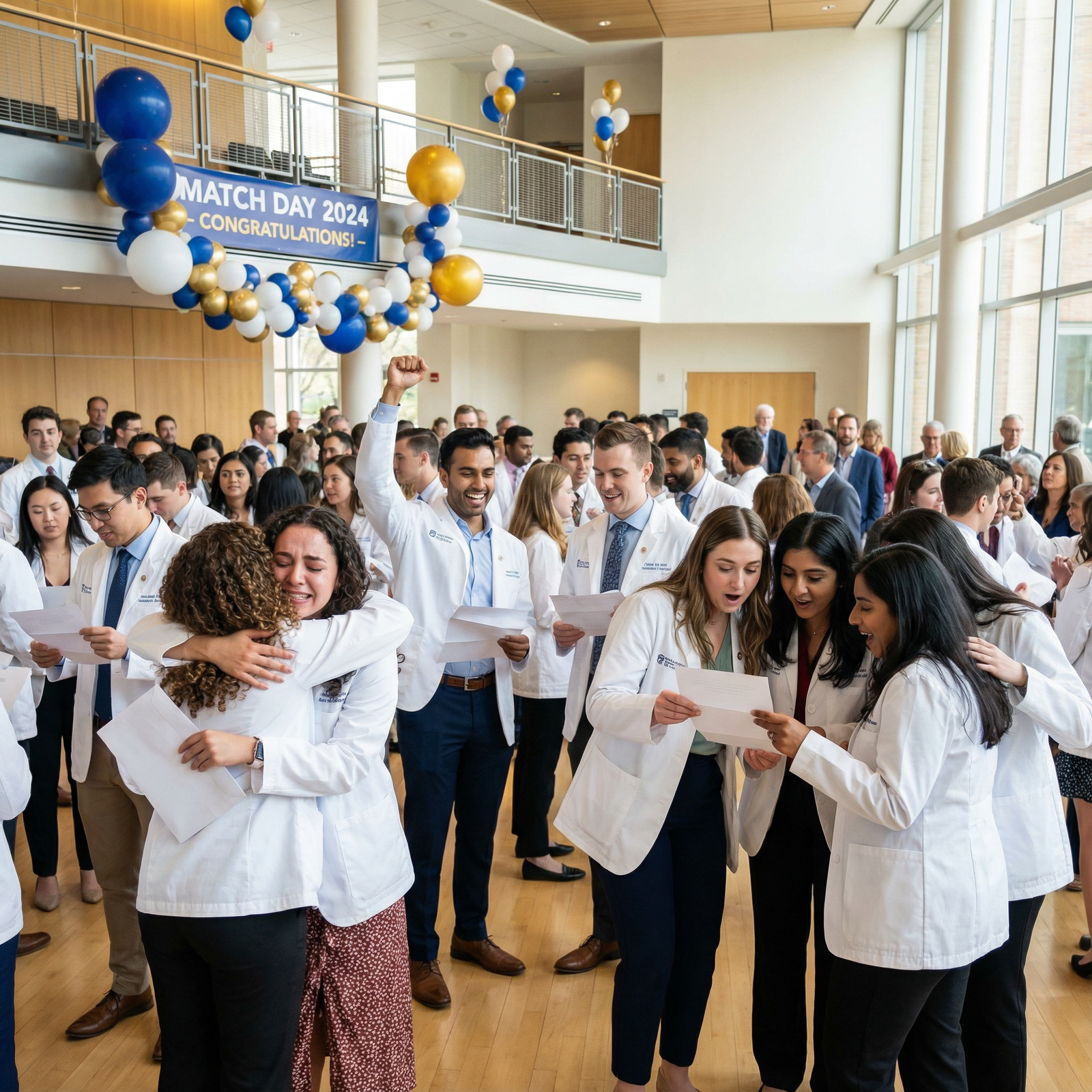
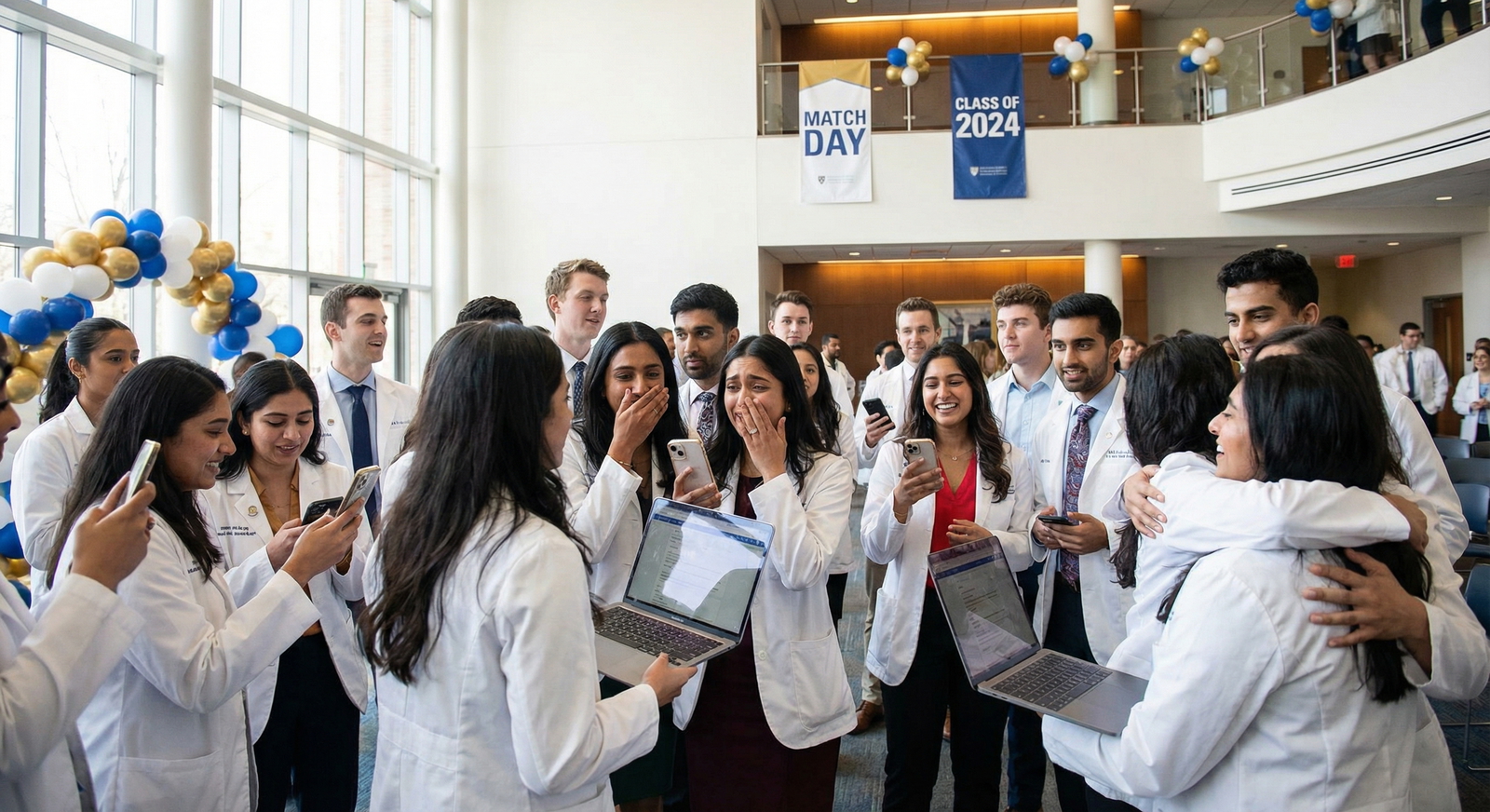
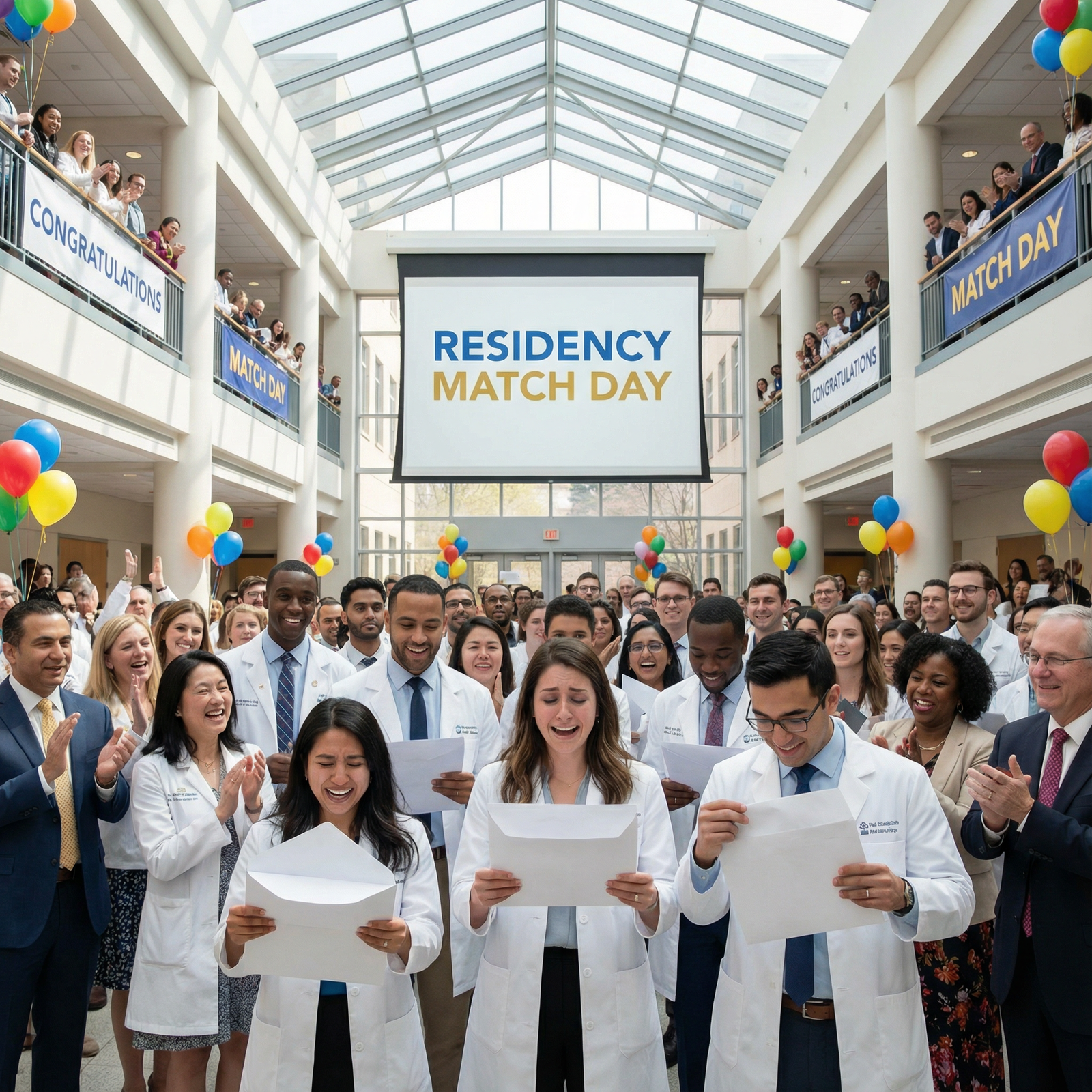
- Institutional traditions: Many medical schools host ceremonies where students open envelopes together, while others may have virtual announcements or personal notifications.
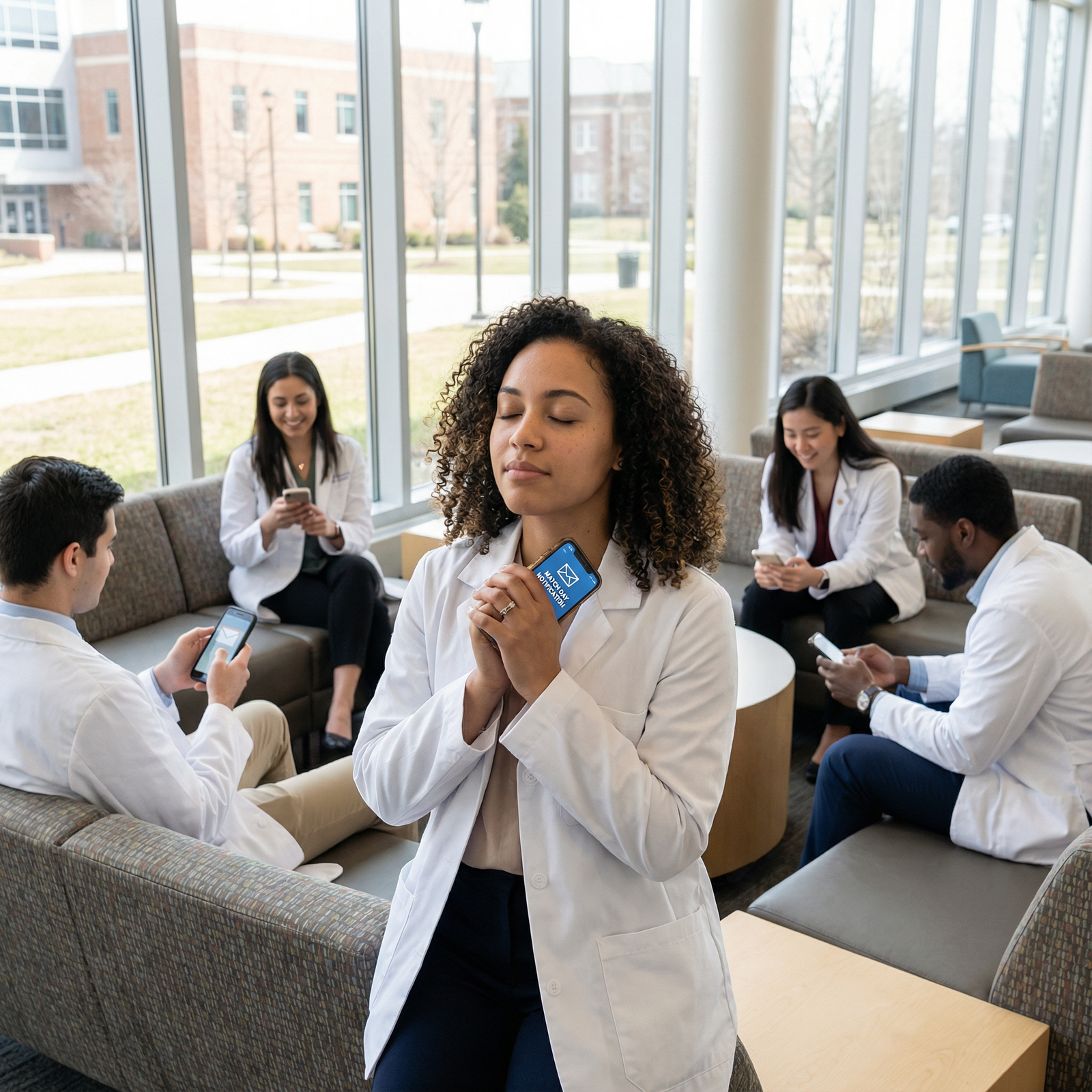
Whether you open an envelope on stage, check an email at home, or join a virtual gathering, the experience is both public and deeply personal.
Why Match Day Matters for Your Medical Residency Journey
Match Day is significant for several reasons:
Launch of Your Medical Residency Career
Your match result determines where you will spend the next three to seven years (or more) in training. It shapes:- The patient populations you serve
- Your exposure to certain procedures and pathologies
- Your mentors, colleagues, and professional network
- Your geographic location and lifestyle outside the hospital
Professional Identity and Career Development
Matching into a specialty and program begins to solidify your professional identity:- “I am a future internist/surgeon/pediatrician/psychiatrist.”
- It clarifies your likely fellowship and subspecialty options.
- It influences research opportunities and academic paths.
Emotional and Symbolic Milestone
Match Day often feels like a referendum on:- Your performance in medical school
- Your competitiveness as an applicant
- Your self-worth as a future physician
It’s important to actively challenge that mindset. Your match result is one data point in a very long career, not the final verdict on your potential.
Student Support and Community
The ceremonies and celebrations—formal or informal—highlight the role of:- Peers who trained alongside you
- Faculty mentors who supported your growth
- Family and friends who carried you emotionally and practically
This support network will continue to be essential as you transition into residency.
Preparing Mentally and Emotionally for Match Day
Managing your mental health in the weeks leading up to Match Day is just as important as preparing for any exam. Proactive planning can transform the experience from purely stressful to more manageable and meaningful.

Building a Strong Support System
Intentionally setting up student support before Match Week can make a major difference.
Who might be in your support system:
Peers and classmates
They understand the process firsthand. Consider:- A “Match Buddy” who you text or call before and after results
- Small group gatherings instead of large parties if that feels safer emotionally
Family and partners
Communicate with them early:- Explain what Match Day is and what the possible outcomes are (matched, partially matched, unmatched, different specialty, unexpected location).
- Clarify whether you want them present at the ceremony or prefer privacy.
Faculty and mentors
Reach out to:- Specialty advisors
- Program directors at your home institution
- Career development or student affairs staff
Ask them what to expect and how they can support you if things don’t go as planned.
Mental health professionals
If you have a therapist, consider scheduling:- A session before Match Week to identify coping strategies
- A follow-up session after Match Day to process emotions
If you do not have an established mental health provider, many medical schools offer confidential counseling services specifically for medical students.
Shifting to a Growth-Oriented Mindset
Match Day can feel binary: success vs. failure, dream vs. disappointment. A growth mindset reframes it as a step in a long training pathway.
Concrete ways to shift your mindset:
Rephrase the narrative
Instead of:- “If I don’t match at my #1, I failed.”
Try: - “Any accredited residency will give me the foundation to grow as a physician.”
- “This is a starting point, not the final destination.”
- “If I don’t match at my #1, I failed.”
Journaling prompts (10–15 minutes each):
- “What strengths did I develop during medical school that I will carry into residency regardless of where I match?”
- “What aspects of my identity are valuable beyond my specialty or program name?”
- “What would I tell a close friend in my exact situation?”
Practice cognitive flexibility
- List at least 3 benefits of each realistic match outcome:
- Matching at your top choice
- Matching to a lower-ranked but solid program
- Matching in a different geographic region
- Matching in a less competitive specialty than originally planned
- List at least 3 benefits of each realistic match outcome:
Evidence-Informed Strategies to Manage Anxiety
Intense anxiety is normal. The key is preventing it from becoming overwhelming.
Try incorporating:
Mindfulness and breathing exercises
- Box breathing: inhale 4 seconds → hold 4 → exhale 4 → hold 4 (repeat 4–6 times)
- 5–4–3–2–1 grounding: identify 5 things you see, 4 you feel, 3 you hear, 2 you smell, 1 you taste
Short, structured techniques like these can reduce acute physiological stress.
Scheduled worry time
- Set aside 10–15 minutes daily to write down worries about Match Day.
- Outside that window, when anxious thoughts arise, remind yourself: “I’ll tackle this during my worry time.”
Boundaries around comparison
- Mute or limit social media apps where classmates post interviews or Match Week updates.
- Avoid constantly comparing your rank list or CV with others—your path is unique.
If anxiety becomes unmanageable (e.g., panic attacks, inability to sleep, persistent hopelessness), seek professional student support immediately; these reactions are treatable and do not reflect weakness.
Practical Preparations for a Smoother Match Day Experience
Planning the logistics of Match Day can dramatically reduce stress and help you feel more in control.
Creating a Match Day Game Plan
The week before Match Day, make a simple, written plan.
Clarify key logistics:
When and how you receive results
- Confirm the exact time NRMP releases results.
- Verify how your school communicates them:
- Email only
- Ceremony with envelopes
- Hybrid or virtual format
Where you’ll be Options include:
- At your school ceremony
- At home with family or your partner
- Alone in a quiet place, then joining others later
Choose the environment that feels safest and healthiest for you.
Who you want with you Consider:
- One or two close friends or family members
- Your partner via video call if long-distance
- Or being alone first, then calling/meeting people after you’ve processed
Prepare small details in advance:
- Lay out your outfit—something that feels comfortable and authentic.
- Charge your phone and laptop; test Wi-Fi if you’ll be checking results online.
- Plan your meals and snacks for the day to avoid running on caffeine and adrenaline alone.
Preparing for Multiple Possible Outcomes
Emotionally rehearsing different scenarios can make each feel more navigable if it becomes real.
If you match at a top-choice program:
- Think about:
- How you’d like to celebrate (small dinner, call family, class gathering).
- Who you’ll contact first: mentors, letter writers, advisors.
- Consider posting later, after you’ve reached out to the people who helped you get there.
If you match at a lower-ranked choice or unexpected location:
- Before Match Day, list:
- Specific strengths of those programs or regions (case mix, teaching culture, cost of living, proximity to family, fellowship match history).
- Opportunities they offer that align with your long-term career development (research, leadership, global health, advocacy).
This makes it easier to find genuine positives in the moment, even if you feel surprised or disappointed.
If you match into a different specialty than originally planned:
- Remind yourself:
- Career paths are rarely linear.
- Many physicians discover their ideal fit in a specialty they initially ranked lower.
- Plan to:
- Reach out early to new specialty mentors.
- Learn about typical fellowship options or niche areas within that field that match your interests.
If you receive news that you did not match (on the Monday of Match Week):
- Know the steps of the Supplemental Offer and Acceptance Program (SOAP):
- Work closely with your dean’s office or career services immediately.
- Update your application materials quickly and strategically.
- Prioritize programs realistically and stay organized as offers come in.
Having even a brief awareness of SOAP logistics beforehand can reduce panic if you need to use it.
Prioritizing Self-Care Before and During Match Week
Self-care during Match Week is about stability, not perfection.
Sleep hygiene
- Aim for 7–8 hours per night in the days leading up to Match Day.
- Avoid checking match-related forums or group chats late at night.
Nutrition and hydration
- Eat regular meals, including protein and complex carbohydrates.
- Limit heavy reliance on caffeine or energy drinks.
Movement and exercise
- Light to moderate exercise—walking, yoga, short home workouts—can help regulate mood and energy.
- Even 10–20 minutes daily is beneficial.
Digital boundaries
- Decide ahead of time what you’ll do about:
- Group chats that may heighten stress
- Social media posts from peers about interviews, rank lists, or outcomes
- Decide ahead of time what you’ll do about:
Consider a 24–48 hour break from certain platforms if they consistently worsen your anxiety.
Navigating Match Day Itself: Moment-to-Moment Strategies
Staying Grounded as Results Approach
On Match Day morning:
Stick to your usual routine
Have breakfast, shower, get dressed—do what you would typically do before a big day. Familiar routines can create a sense of stability.Use grounding techniques
- Practice a few minutes of deep breathing.
- If you are at a ceremony, step outside briefly if you feel overwhelmed by the crowd.
Set expectations with others
- If you prefer to open your result privately, tell classmates or family ahead of time.
- It is absolutely acceptable to:
- Step aside to open your email/envelope alone
- Take time before announcing your result publicly
Opening Your Match Results Intentionally
When it is time to open your email or envelope:
Pause and breathe
Take 2–3 slow, deep breaths before clicking or opening.Read slowly and fully
- Focus first on what you matched into (specialty).
- Then take in where (institution, city).
Give yourself a private reaction window
- Take 1–5 minutes to feel whatever comes up:
- Joy, relief, gratitude
- Shock, confusion, disappointment, numbness
All of these are valid emotional responses.
- Take 1–5 minutes to feel whatever comes up:
Decide how and when to share
- Share with your inner circle first—family, mentors, close friends.
- You are not obligated to post on social media immediately or at all.
Celebrating or Processing Your Match Outcome
Depending on your result, you might:
Celebrate openly
- Join classmates for photos.
- Attend planned school or family gatherings.
- Call mentors to thank them for their support.
Celebrate quietly
- Have a small meal with your partner or one close friend.
- Take a walk or quiet drive to let the news sink in.
Reflect and regroup
- If the outcome was not what you hoped:
- Delay major public announcements.
- Schedule time later that day or weekend to talk with a trusted mentor.
- Write down initial feelings and questions to revisit when your mind is calmer.
- If the outcome was not what you hoped:
Remember: intense mixed emotions do not mean you are ungrateful. You can simultaneously be thankful to have matched and still mourn the loss of a specific dream program, city, or specialty.
Coping Thoughtfully with Unmatched or Unexpected Outcomes
Not everyone’s Match Day looks like the photos on social media. If your outcome is not what you anticipated, your career is still very much salvageable and full of possibility.
Navigating the SOAP Process if You Don’t Match
If you receive notification on Monday of Match Week that you did not match:
Connect with your school’s support team immediately
- Student affairs, dean’s office, and career development staff are experienced with SOAP.
- They can help you:
- Review your ERAS application and personal statements
- Identify realistic target specialties and programs
- Organize documents and references efficiently
Understand SOAP logistics
- Review which programs and specialties have unfilled positions.
- Rank your options based on fit, location, and long-term goals.
- Stay available and responsive for communication and offers.
Manage emotional fallout in parallel
- It is normal to feel grief, shame, anger, or fear.
- Keep your support system informed about your needs:
- Ask someone to help with meals or errands that week.
- Tell friends you may be slower to respond to non-urgent messages.
Many physicians who went through SOAP go on to highly successful careers and fellowships. This is a difficult detour, not an endpoint.
Seeking Guidance and Reframing Your Path
Whether you matched lower on your list, in a different specialty, or not at all:
Schedule targeted mentorship conversations
- Ask: “Given my outcome, what concrete steps can I take in the next 3–6 months to position myself well?”
- Discuss:
- Research opportunities
- Gap year plans (if applicable)
- Strategies for a future re-application, if needed
Explore career development flexibility
- Within many specialties, you can:
- Focus on specific populations (rural, underserved, global health)
- Pursue leadership, quality improvement, administration, or education
- Your final career identity is not permanently locked in by your PGY-1 program.
- Within many specialties, you can:
Normalize your experience
- Speak to alumni or residents who:
- Matched in their second-choice specialty or institution
- Went through SOAP or took a non-traditional pathway
Seeing real-life examples reduces the sense of isolation and failure.
- Speak to alumni or residents who:
Moving Forward After Match Day: Integration and Next Steps

Reflecting on the Entire Journey
Once emotions settle—even slightly—set aside time to reflect:
Look back at your growth
- How have you changed since MS1 or the beginning of your medical journey?
- What challenges did you overcome that you wouldn’t have believed possible?
Name your achievements clearly
- Completing medical school (or being near completion) is a major accomplishment.
- You successfully navigated clinical rotations, Step exams, and a grueling application cycle.
Write down lessons learned
- What did you learn about:
- Your resilience and coping strategies?
- Your values and priorities in work and life?
- The type of team and training environment where you thrive?
- What did you learn about:
These reflections can help guide decisions during residency and beyond.
Planning Practically for Residency
Once your match result is known and processed, shift gradually into planning mode:
Connect with your new program
- Read all onboarding emails carefully.
- Join any new resident group chats or Slack channels.
- Ask about:
- Housing recommendations
- Orientation dates
- Required paperwork and licenses
Prepare for relocation (if needed)
- Create a timeline for:
- Housing search
- Moving logistics
- Budgeting and financial planning
- Reach out to current residents for neighborhood and lifestyle advice.
- Create a timeline for:
Set early residency goals
- Clinical skills you want to strengthen
- Research or QI projects you might pursue
- Wellness strategies you want to maintain (sleep, exercise, therapy, hobbies)
Framing the transition as a new chapter of structured growth can help re-anchor you after the emotional intensity of Match Day.
FAQs: Match Day, Mental Health, and Career Development
1. What should I do immediately if I don’t match into any residency program?
Contact your school’s student affairs or career development office as soon as you receive the notification. They will guide you through the SOAP process, help you adjust your application strategy, and support your emotional well-being. Reach out to mentors who know your application well—they can advise you on realistic specialties, programs, and next steps. Above all, do not isolate yourself; lean on your support network.
2. How can I reduce anxiety and protect my mental health leading up to Match Day?
Use a combination of structured coping skills and boundaries:
- Keep a consistent sleep schedule and basic exercise routine.
- Practice brief daily mindfulness or breathing exercises.
- Limit exposure to social media or group chats that increase comparison.
- Share your worries with trusted peers, family, or a therapist rather than ruminating alone.
If anxiety is significantly impairing your ability to function, seek professional mental health support through your institution or community resources.
3. Is it common for students to match outside their top-choice program or specialty?
Yes. Many applicants do not match at their #1 ranked program, and some match into specialties that were not their original long-term plan. A substantial number of physicians discover that “non-dream” programs or alternative specialties are ultimately an excellent fit. Your success and fulfillment will depend more on your engagement, mentorship, and growth during residency than on a single day’s result.
4. How can I prepare my family and friends so they support me appropriately on Match Day?
Have an honest conversation beforehand:
- Explain what Match Day is and outline all possible outcomes (including not matching).
- Share how you’d like to receive support:
- Whether you want them present or prefer privacy
- Whether they should avoid asking for details immediately if the news is difficult
- Make a plan together for after the announcement—a low-pressure meal, a walk, or a small gathering—emphasizing that their presence matters more than the result itself.
5. What resources can help me plan my next steps if I’m unhappy with my match outcome?
Consider using:
- Your school’s career advisors and dean’s office
- Specialty interest groups and national professional organizations
- Alumni networks and upper-level residents in your field
- Mental health services for support processing disappointment or grief
These resources can help you explore fellowship options, academic projects, or future re-application strategies if you plan to switch specialties later.
By preparing intentionally—emotionally, practically, and professionally—you can transform Match Day from a source of overwhelming stress into a meaningful milestone in your journey. No matter what appears on that screen or in that envelope, your value as a future physician is not defined by a single algorithmic outcome. With strong student support, attention to your mental health, and a flexible approach to career development, you will not only survive Match Day—you will build a fulfilling and impactful medical career beyond it.